
 EN
EN



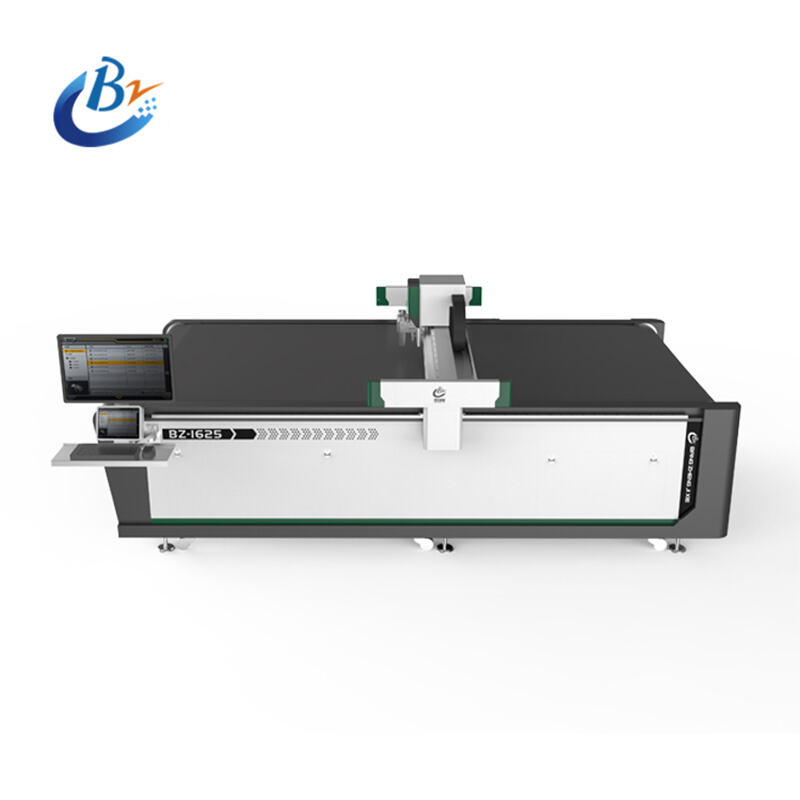
Modern textile manufacturing demands precision and efficiency when processing delicate fabrics across multiple layers simultaneously. An automatic fabric cutter serves as the cornerstone technology that enables manufacturers to handle diverse material types while maintaining consistent cut quality and minimizing fabric waste. The capability of these advanced cutting systems extends far beyond basic textile processing, encompassing a comprehensive range of materials from ultra-fine silks to technical composites.
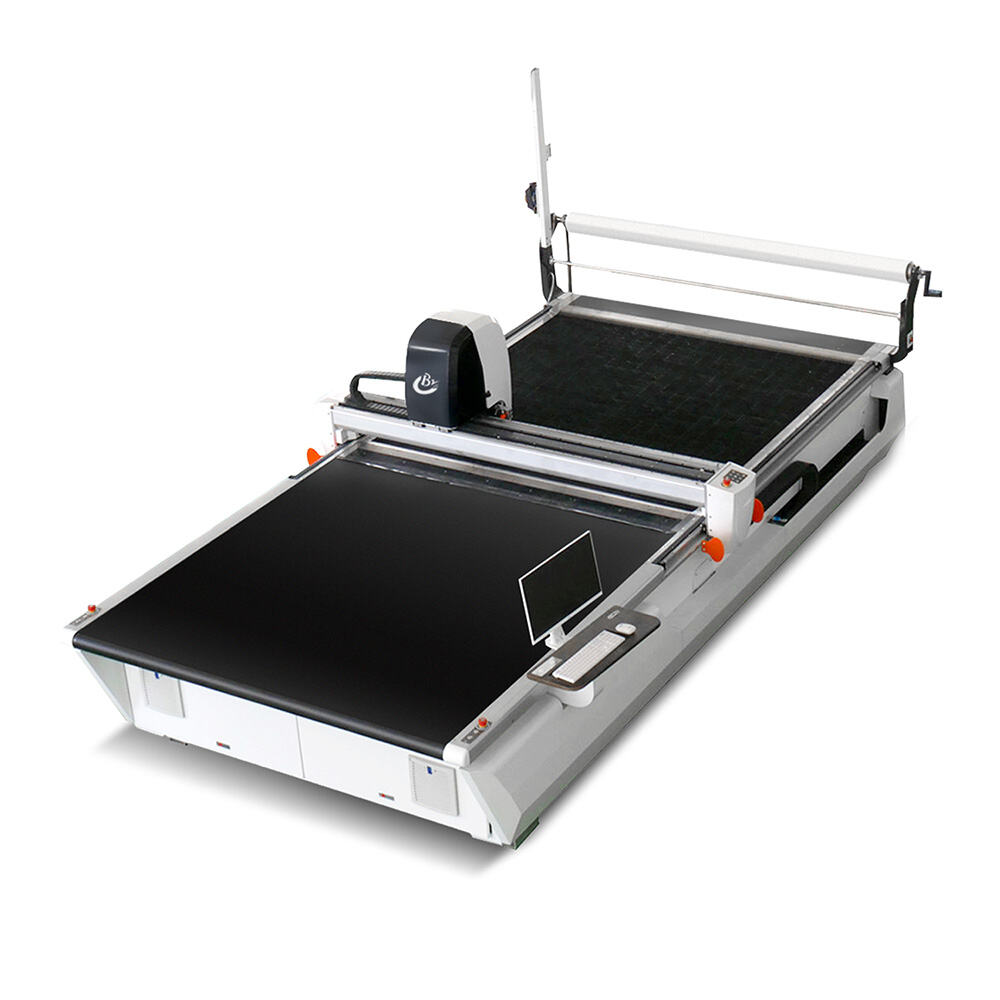
Understanding the material compatibility of an automatic fabric cutter becomes critical for production planners and textile engineers who need to optimize their cutting operations for delicate multi-layer applications. The material handling capabilities directly influence production throughput, quality consistency, and operational cost effectiveness across diverse manufacturing scenarios.
Natural Fiber Materials Compatible with Automatic Fabric Cutting Systems
Silk and Silk Blends for Luxury Applications
Silk represents one of the most challenging delicate materials that an automatic fabric cutter must handle with exceptional precision. Pure silk fabrics, including charmeuse, crepe de chine, and georgette, require specialized blade configurations and controlled cutting speeds to prevent fraying and maintain clean edges across multiple layers. The natural protein structure of silk fibers demands minimal heat generation during the cutting process, making pneumatic blade systems particularly effective for these applications.
Silk blend materials combine the elegance of natural silk with enhanced durability from synthetic fibers, creating unique cutting challenges for automatic fabric cutter operations. These blended fabrics often exhibit varying tension responses across the material width, requiring advanced sensor feedback systems to maintain consistent cutting pressure throughout the multi-layer stack.
Cotton and Cotton Blend Processing
Fine cotton materials, particularly percale and voile weaves, demonstrate excellent compatibility with automatic fabric cutter technology when proper layer compression techniques are applied. The natural fiber structure of cotton provides sufficient cohesion to prevent excessive shifting during multi-layer cutting operations, while the material's inherent stability supports clean edge formation across various thicknesses.
Cotton blend fabrics incorporating modal, bamboo, or other natural fiber components expand the material range that an automatic fabric cutter can process effectively. These blended materials often exhibit improved dimensional stability compared to pure cotton, reducing the risk of layer distortion during high-speed cutting sequences.
Wool and Wool Blend Considerations
Delicate wool materials, including merino and cashmere blends, require specialized handling protocols within automatic fabric cutter systems to prevent fiber damage and maintain material integrity. The natural crimp structure of wool fibers can create varying density zones across the fabric width, necessitating adaptive pressure control systems to ensure uniform cutting quality throughout the multi-layer stack.
Wool blend fabrics often incorporate synthetic fibers to enhance durability and reduce cost, creating materials that an automatic fabric cutter can process with modified cutting parameters. These blended materials typically require reduced cutting speeds and specialized blade angles to accommodate the different thermal and mechanical properties of the component fibers.
Synthetic Materials and Advanced Textile Processing
Polyester and Polyester Blend Applications
Polyester-based delicate fabrics present unique opportunities for automatic fabric cutter systems due to their consistent fiber structure and predictable cutting behavior. Lightweight polyester materials, including chiffon and organza, can be processed effectively in multi-layer configurations when appropriate vacuum hold-down systems are employed to prevent material shifting during cutting operations.
Polyester blend fabrics incorporating natural fibers create hybrid materials that combine the processing advantages of synthetic fibers with the aesthetic qualities of natural materials. An automatic fabric cutter can handle these blended materials effectively by adjusting cutting parameters to accommodate the varying thermal and mechanical properties of the different fiber components within the fabric structure.
Nylon and Technical Fiber Processing
Nylon-based delicate fabrics, including power mesh and stretch tulle, require specialized cutting protocols within automatic fabric cutter systems to manage the material's elastic recovery properties. The synthetic fiber structure of nylon provides excellent multi-layer stability during cutting operations, while the material's inherent strength supports clean edge formation even at high processing speeds.
Technical nylon blends incorporating elastane or other performance fibers expand the capability range of an automatic fabric cutter into specialized application areas. These advanced materials often require temperature-controlled cutting environments to prevent thermal damage to the synthetic fiber matrix during high-speed processing operations.
Specialty Synthetic Material Handling
Advanced synthetic materials, including microfiber and ultra-lightweight technical fabrics, demonstrate exceptional compatibility with automatic fabric cutter technology when proper material handling protocols are implemented. These specialty materials often exhibit superior dimensional stability compared to natural fiber alternatives, enabling consistent cutting quality across extended production runs.
Synthetic specialty fabrics incorporating conductive fibers or other functional elements require modified cutting parameters within an automatic fabric cutter system to prevent damage to the integrated components. These advanced materials often demand specialized blade materials and cutting speeds to maintain both the structural integrity of the base fabric and the functionality of the incorporated elements.
Technical Fabric Categories and Processing Requirements
Performance Textiles and Athletic Materials
Performance textiles designed for athletic and outdoor applications present specific challenges and opportunities for automatic fabric cutter systems processing delicate multi-layer configurations. These materials often incorporate moisture-wicking fibers, antimicrobial treatments, or UV-resistant compounds that require specialized cutting protocols to maintain their functional properties throughout the processing sequence.
Athletic fabric blends combining synthetic performance fibers with natural comfort materials create complex cutting scenarios that an automatic fabric cutter must navigate carefully. The varying stretch characteristics and recovery properties of these blended materials require adaptive tension control systems to prevent layer distortion during multi-layer cutting operations.
Medical and Healthcare Textile Processing
Medical-grade textiles, including surgical fabrics and wound care materials, demand exceptional precision from automatic fabric cutter systems to meet strict quality standards and regulatory requirements. These specialized materials often incorporate antimicrobial fibers or barrier coatings that require controlled cutting environments to prevent contamination or material degradation during processing.
Healthcare textiles designed for patient comfort applications, such as bedding and gown materials, require an automatic fabric cutter to maintain hypoallergenic properties while achieving precise dimensional accuracy across multiple layers. The material compatibility extends to specialty fibers incorporating silver ions or other antimicrobial agents that provide long-term protection against bacterial growth.
Industrial and Technical Applications
Industrial technical fabrics, including filter media and protective textiles, expand the material range that an automatic fabric cutter can process into specialized manufacturing applications. These materials often exhibit unique density patterns or fiber orientations that require adaptive cutting strategies to maintain consistent edge quality across varying material thicknesses.
Technical fabric composites incorporating multiple material layers or functional coatings require specialized handling protocols within automatic fabric cutter systems to prevent delamination or coating damage during processing. These advanced materials often demand controlled cutting speeds and specialized blade geometries to maintain the integrity of all component layers throughout the cutting sequence.
Layer Management and Cutting Optimization Strategies
Multi-Layer Configuration Techniques
Effective multi-layer cutting with an automatic fabric cutter requires careful consideration of material compatibility and layer arrangement to achieve optimal cutting quality across diverse delicate fabrics. The layer configuration strategy must account for varying material densities, stretch characteristics, and surface textures to prevent layer shifting or cutting quality degradation during processing operations.
Advanced layer management systems within modern automatic fabric cutter technology enable precise control over material tension and compression throughout the cutting sequence. These systems automatically adjust hold-down pressure and cutting parameters based on the material types and layer count, ensuring consistent cutting quality across complex multi-material configurations.
Material Preparation and Handling Protocols
Proper material preparation significantly enhances the capability of an automatic fabric cutter to process delicate fabrics effectively in multi-layer configurations. Pre-cutting material conditioning, including controlled humidity exposure and tension relaxation, helps ensure dimensional stability throughout the cutting process and reduces the risk of layer distortion or edge quality issues.
Material handling protocols for delicate fabrics require specialized equipment and procedures to maintain fabric integrity from storage through cutting completion. An automatic fabric cutter system must integrate seamlessly with material handling equipment to prevent fabric damage while maintaining precise registration and alignment throughout the multi-layer cutting sequence.
Quality Control and Process Optimization
Quality control systems integrated with automatic fabric cutter technology provide real-time monitoring of cutting performance across diverse delicate materials and multi-layer configurations. These monitoring systems track edge quality, dimensional accuracy, and processing efficiency to enable continuous optimization of cutting parameters for specific material types and application requirements.
Process optimization strategies for an automatic fabric cutter focus on maximizing material utilization while maintaining consistent cutting quality across varying production volumes and material types. Advanced optimization algorithms consider material characteristics, layer count, and cutting complexity to determine optimal cutting sequences and parameter settings for specific production scenarios.
FAQ
Can an automatic fabric cutter handle very thin materials like silk chiffon in multiple layers?
Yes, an automatic fabric cutter can effectively process thin materials like silk chiffon in multi-layer configurations when equipped with appropriate vacuum hold-down systems and precision blade controls. The key is maintaining consistent layer compression without damaging the delicate fiber structure, typically achieved through adjustable pneumatic pressure systems and specialized cutting speeds optimized for ultra-lightweight materials.
What is the maximum number of delicate fabric layers an automatic fabric cutter can process simultaneously?
The maximum layer count for an automatic fabric cutter depends on the specific material thickness and density, but most industrial systems can handle 20-50 layers of delicate fabrics simultaneously. Factors such as material type, fabric weight, and cutting complexity influence the optimal layer count, with thinner materials generally supporting higher layer counts while maintaining cutting precision and edge quality.
How does an automatic fabric cutter prevent fraying when cutting delicate synthetic blends?
An automatic fabric cutter prevents fraying in delicate synthetic blends through controlled cutting speeds, optimized blade angles, and precise pressure application that minimizes fiber disturbance during the cutting process. Advanced systems may incorporate ultrasonic or heated blade technology for thermoplastic materials, creating sealed edges that prevent fraying while maintaining clean, precise cuts across multiple layers.
Are there specific material combinations that work better together in multi-layer cutting with an automatic fabric cutter?
Materials with similar density and stretch characteristics typically work best together in multi-layer configurations with an automatic fabric cutter, such as combining cotton voile with cotton lawn or pairing polyester chiffon with polyester georgette. Mixing materials with significantly different properties can lead to layer shifting or uneven cutting quality, though advanced systems can accommodate moderate material variation through adaptive cutting parameters and specialized hold-down techniques.
Table of Contents
- Natural Fiber Materials Compatible with Automatic Fabric Cutting Systems
- Synthetic Materials and Advanced Textile Processing
- Technical Fabric Categories and Processing Requirements
- Layer Management and Cutting Optimization Strategies
-
FAQ
- Can an automatic fabric cutter handle very thin materials like silk chiffon in multiple layers?
- What is the maximum number of delicate fabric layers an automatic fabric cutter can process simultaneously?
- How does an automatic fabric cutter prevent fraying when cutting delicate synthetic blends?
- Are there specific material combinations that work better together in multi-layer cutting with an automatic fabric cutter?