
 EN
EN



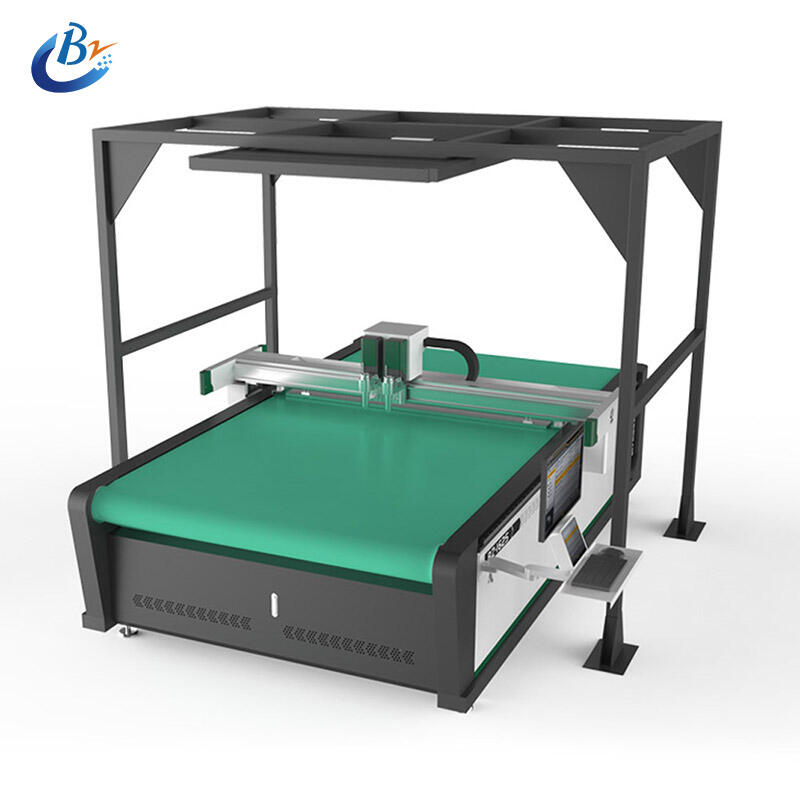
Manufacturing efficiency in the textile and garment industry hinges significantly on cutting operations, where traditional manual methods often create bottlenecks that limit production capacity. When evaluating the time savings potential of an automatic fabric cutter versus manual cutting approaches, manufacturers typically discover productivity improvements ranging from 300% to 800%, depending on fabric complexity, layer thickness, and production volume requirements.
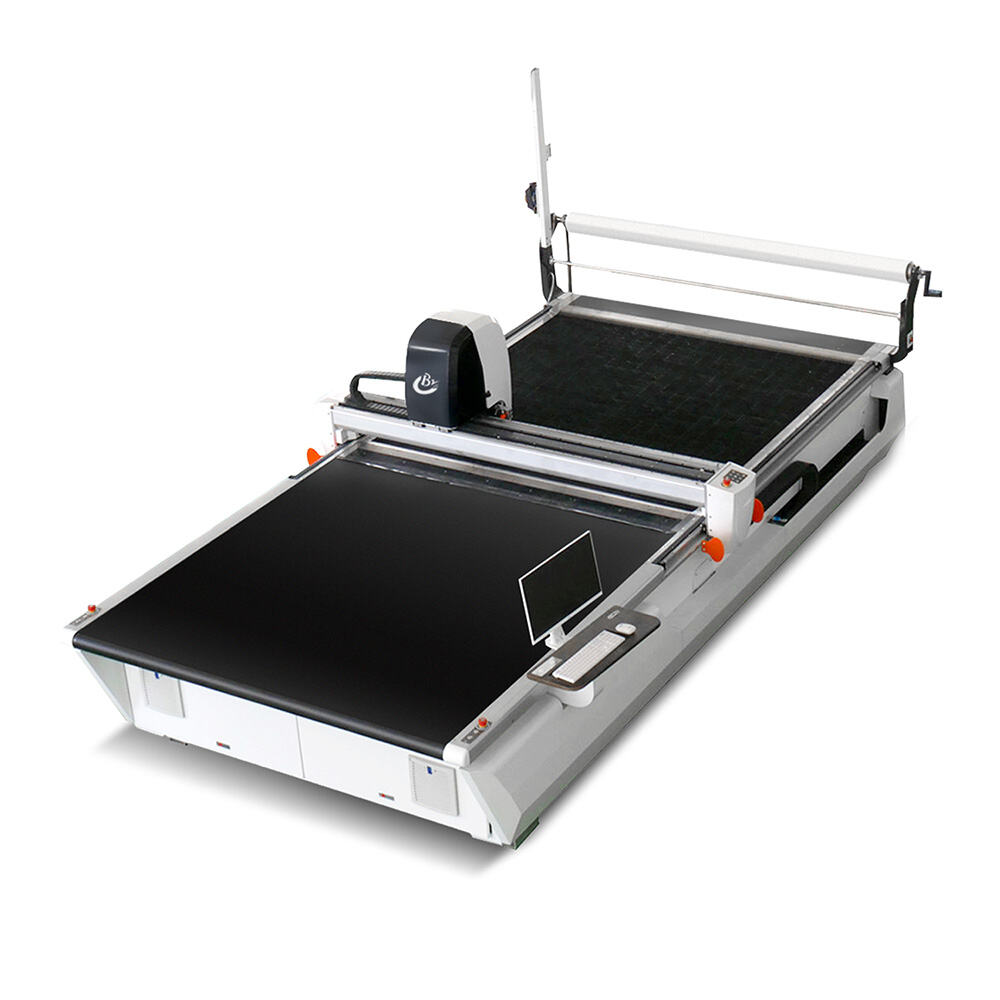
The time differential between automatic fabric cutter systems and manual cutting methods becomes most apparent in high-volume production environments where consistent precision and speed directly impact profitability. Understanding these time savings requires examining cutting speeds, setup requirements, accuracy rates, and the cumulative effect of reduced rework across different production scenarios.
Baseline Cutting Speed Comparisons
Manual Cutting Performance Metrics
Skilled manual cutting operators typically achieve cutting speeds of 8 to 15 linear meters per minute when working with single-layer fabrics, though this rate decreases substantially with thicker materials or multi-layer setups. Manual cutting of multi-layer fabric stacks, common in garment production, reduces cutting speeds to 3-6 linear meters per minute due to the physical effort required and the need for frequent blade changes.
The manual cutting process includes significant preparation time, with operators spending 15-20 minutes spreading and aligning fabric layers before actual cutting begins. Pattern marking, measuring, and quality checking add another 10-15 minutes per cutting session, creating substantial non-productive time that affects overall throughput calculations.
Automatic Fabric Cutter Speed Capabilities
Modern automatic fabric cutter systems operate at cutting speeds between 45-120 linear meters per minute, depending on fabric thickness, cutting complexity, and precision requirements. These systems maintain consistent speed regardless of material density, with multi-layer cutting capabilities that can handle up to 50mm fabric thickness without speed reduction.
The automatic fabric cutter eliminates manual pattern marking through digital pattern loading, reducing setup time to 2-3 minutes per job. Automated fabric alignment systems and integrated measuring capabilities further streamline the preparation phase, allowing operators to focus on material handling rather than measurement and marking tasks.
Production Volume Impact Analysis
Small Batch Production Scenarios
In small batch production runs of 50-200 pieces, the automatic fabric cutter demonstrates time savings of 60-75% compared to manual methods. While setup time differences are less pronounced in small batches, the consistent cutting accuracy of automatic systems reduces rework time by eliminating measurement errors and cutting inconsistencies that commonly occur with manual operations.
Small batch operations benefit particularly from the automatic fabric cutter's ability to store and recall cutting patterns digitally, eliminating the time required for pattern recreation and reducing the risk of pattern damage or loss that can delay production schedules.
High Volume Production Efficiency
Large-scale production runs reveal the most dramatic time savings potential of automatic fabric cutter systems, with efficiency improvements reaching 700-800% in operations cutting 1000+ pieces daily. The cumulative effect of faster cutting speeds, reduced setup times, and eliminated rework creates exponential productivity gains that manual methods cannot match.
High-volume operations using an automatic fabric cutter typically achieve 8-12 hour production cycles compared to 24-40 hour cycles required for equivalent manual cutting output. This time compression allows manufacturers to respond more quickly to market demands and maintain leaner inventory levels.
Accuracy and Rework Time Reduction
Precision Impact on Total Production Time
Manual cutting operations typically achieve accuracy tolerances of ±2-3mm, while automatic fabric cutter systems maintain precision within ±0.5mm tolerances. This accuracy improvement significantly reduces assembly time in downstream operations, as better-fitting components require less adjustment and finishing work.
The elimination of cutting errors through automatic fabric cutter precision prevents material waste and reduces the time spent on remake orders. Manufacturing facilities report 85-95% reduction in cutting-related rework when transitioning from manual to automatic cutting methods, translating to substantial time savings in overall production cycles.
Quality Consistency Benefits
Consistent cutting quality from automatic fabric cutter systems eliminates variation between different operators and shifts, ensuring uniform production output regardless of personnel changes. This consistency reduces quality control inspection time and minimizes the need for sorting and grading cut pieces before assembly operations.
The automatic fabric cutter's ability to maintain cutting parameters throughout extended production runs prevents the fatigue-related quality degradation common in manual operations, where cutting accuracy typically decreases after 4-6 hours of continuous operation.
Labor Allocation and Workflow Optimization
Operator Efficiency Improvements
Implementing an automatic fabric cutter allows manufacturers to redeploy skilled cutting operators to higher-value tasks such as quality control, pattern development, or assembly operations. This labor reallocation optimizes workforce utilization and can increase overall production capacity without adding personnel.
The reduced physical demands of operating an automatic fabric cutter compared to manual cutting methods decrease operator fatigue and increase sustainable working hours. Operators can maintain consistent productivity throughout full shifts, whereas manual cutting performance typically degrades after 4-5 hours due to physical strain.
Workflow Integration Advantages
Automatic fabric cutter systems integrate seamlessly with digital pattern libraries and production planning software, enabling real-time adjustment of cutting schedules based on order priorities. This integration capability reduces the coordination time required between design, planning, and cutting departments.
The predictable operating schedule of automatic fabric cutter equipment allows more accurate production planning and delivery commitments, reducing the buffer time manufacturers typically build into manual cutting schedules to accommodate variability and unexpected delays.
Return on Investment Through Time Savings
Direct Labor Cost Reduction
The time savings achieved through automatic fabric cutter implementation directly translate to reduced labor costs per unit produced. Manufacturing facilities typically report 40-60% reduction in cutting labor requirements, allowing the same workforce to handle significantly higher production volumes.
Beyond direct labor savings, the automatic fabric cutter reduces overtime requirements and weekend production needs that are often necessary to meet delivery commitments using manual cutting methods. This scheduling flexibility provides additional cost benefits while improving work-life balance for production staff.
Throughput and Capacity Gains
The dramatic throughput improvements enabled by automatic fabric cutter systems allow manufacturers to accept larger orders or reduce lead times without facility expansion or equipment multiplication. This increased capacity utilization improves return on fixed costs and enhances competitive positioning in time-sensitive markets.
Facilities implementing automatic fabric cutter technology report production capacity increases of 300-500% within existing floor space, enabling revenue growth without proportional increases in facility costs or overhead expenses.
FAQ
What factors most significantly impact the time savings achieved with an automatic fabric cutter?
Production volume, fabric complexity, and layer thickness are the primary factors determining time savings potential. High-volume operations with multi-layer cutting requirements typically achieve the greatest time savings, while single-layer cutting of simple fabrics shows more modest but still significant improvements of 200-400% over manual methods.
How does cutting accuracy affect overall production time beyond the actual cutting operation?
Improved cutting accuracy from automatic fabric cutter systems reduces assembly time by 15-25% due to better component fit and eliminates quality control rejection rates by 80-90%. These downstream time savings often exceed the direct cutting time improvements, creating cumulative productivity gains throughout the manufacturing process.
Can small manufacturers justify automatic fabric cutter investment based solely on time savings?
Small manufacturers typically achieve payback periods of 12-18 months through time savings alone, with additional benefits from reduced material waste and improved quality further accelerating return on investment. The key is matching automatic fabric cutter capabilities to actual production requirements rather than over-specifying system features.
How do maintenance requirements affect the time savings calculations for automatic fabric cutter systems?
Modern automatic fabric cutter systems require 2-4 hours of preventive maintenance per month, which is significantly less than the cumulative downtime from blade changes, equipment adjustments, and tool maintenance required for manual cutting operations. The net effect is increased available production time despite the need for scheduled maintenance intervals.
Table of Contents
- Baseline Cutting Speed Comparisons
- Production Volume Impact Analysis
- Accuracy and Rework Time Reduction
- Labor Allocation and Workflow Optimization
- Return on Investment Through Time Savings
-
FAQ
- What factors most significantly impact the time savings achieved with an automatic fabric cutter?
- How does cutting accuracy affect overall production time beyond the actual cutting operation?
- Can small manufacturers justify automatic fabric cutter investment based solely on time savings?
- How do maintenance requirements affect the time savings calculations for automatic fabric cutter systems?