
 EN
EN



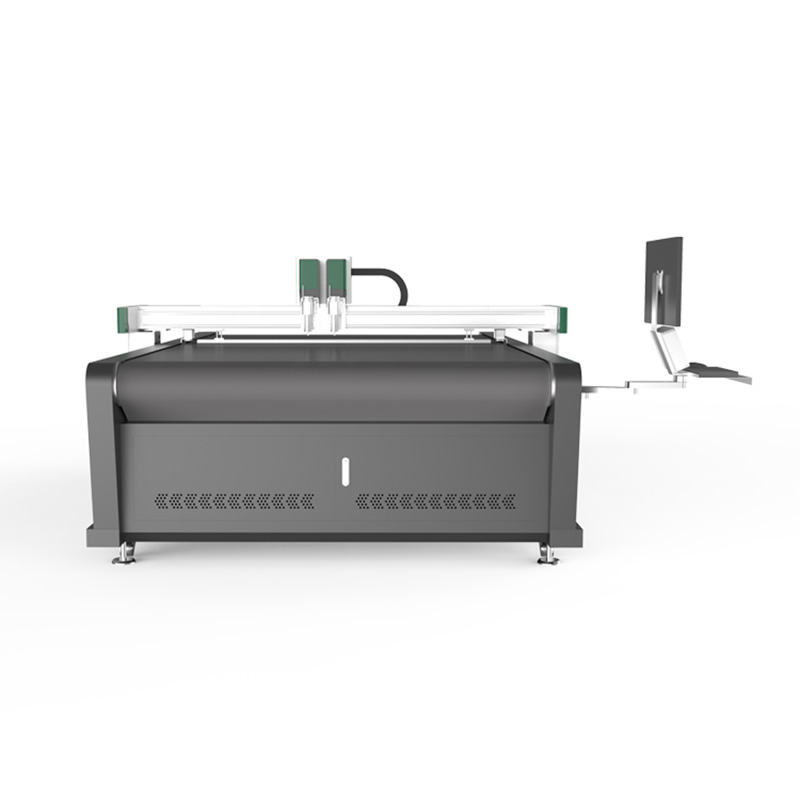
Modern upholstery manufacturing faces unprecedented pressure to balance quality, speed, and cost-effectiveness while meeting diverse customer demands. Traditional fabric cutting methods, including manual cutting and conventional automated systems, increasingly struggle to handle the complex requirements of contemporary furniture production. Wide-format auto fabric cutters have emerged as a transformative solution, addressing the fundamental challenges that upholstery manufacturers encounter when processing diverse fabric types and managing high-volume orders.
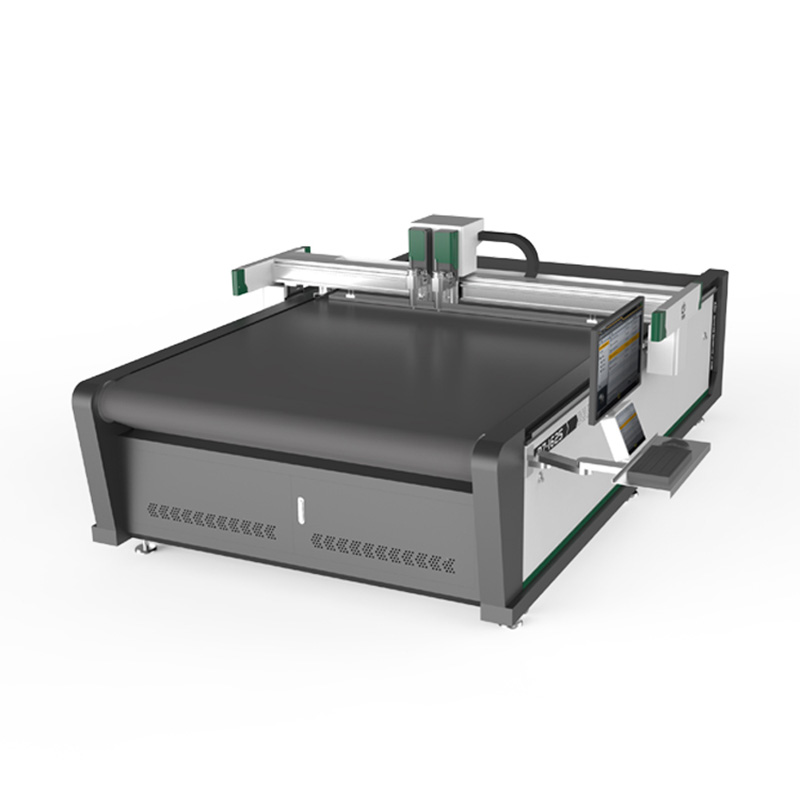
The strategic importance of adopting wide-format auto fabric cutters extends beyond mere operational improvements, fundamentally reshaping how upholstery manufacturers approach production planning, material utilization, and quality control. These advanced cutting systems deliver measurable advantages in precision, speed, and material efficiency while enabling manufacturers to handle increasingly complex design requirements and tight delivery schedules that characterize today's competitive furniture market.
Material Efficiency and Waste Reduction Benefits
Optimized Fabric Utilization Patterns
Wide-format auto fabric cutters revolutionize material utilization through sophisticated nesting algorithms that maximize fabric usage across large cutting surfaces. These systems analyze pattern layouts and automatically arrange cutting paths to minimize waste, achieving material utilization rates often exceeding 90% compared to traditional cutting methods that typically achieve 70-80% efficiency. The advanced software calculates optimal piece placement considering fabric grain direction, pattern matching requirements, and cut quality parameters.
The automated optimization process considers multiple variables simultaneously, including fabric width, pattern repeat intervals, and piece orientation requirements. This comprehensive analysis ensures that expensive upholstery fabrics are used with maximum efficiency, particularly important when working with premium materials like leather, designer textiles, or specialty performance fabrics where material costs represent a significant portion of total production expenses.
Manufacturing facilities using wide-format auto fabric cutters report material savings of 15-25% compared to conventional cutting methods, translating directly to improved profit margins and competitive pricing capabilities. These savings become particularly significant when multiplied across high-volume production runs or when working with imported or limited-availability fabric collections.
Reduced Edge Waste and Trim Loss
Traditional cutting methods often generate substantial edge waste due to imprecise cuts, inconsistent blade angles, and manual measurement errors. Wide-format auto fabric cutters eliminate these inefficiencies through precision-controlled cutting heads that maintain consistent blade pressure and angle throughout the cutting process, resulting in clean, accurate cuts with minimal material loss.
The precision cutting capability extends to complex curved cuts and intricate shapes commonly required in upholstery applications, such as armrest covers, seat cushion profiles, and decorative elements. Automated systems maintain cutting accuracy within tolerances of ±0.5mm, ensuring that each piece meets exact specifications while minimizing the need for additional trimming or adjustment operations.
This precision becomes particularly valuable when cutting expensive specialty fabrics or when producing custom furniture pieces where material replacement costs can significantly impact project profitability. The consistent quality also reduces the likelihood of cutting errors that would require re-cutting entire pieces or sections.
Production Speed and Throughput Advantages
Accelerated Cutting Operations
Wide-format auto fabric cutters dramatically increase cutting speed compared to manual methods, with modern systems capable of cutting complex patterns at speeds reaching 1,000-2,000mm per minute depending on material type and cut complexity. This acceleration enables upholstery manufacturers to complete cutting operations for entire furniture sets in hours rather than days, fundamentally changing production scheduling and delivery capabilities.
The continuous operation capability allows these systems to run extended production cycles with minimal supervision, enabling manufacturers to maximize equipment utilization during regular production hours and potentially operate unmanned during off-shifts for standard cutting operations. This extended operational window significantly increases daily throughput without proportional increases in labor costs.
Automated tool changing systems further enhance efficiency by allowing the same machine to handle different fabric types and thicknesses without manual intervention, reducing setup times and enabling seamless transitions between different cutting jobs. This flexibility proves particularly valuable for manufacturers producing diverse furniture lines requiring various fabric types and cutting techniques.
Batch Processing Capabilities
Modern wide-format auto fabric cutters excel at batch processing multiple layers of fabric simultaneously, with many systems capable of cutting through 20-50 layers depending on material thickness. This multi-layer capability dramatically increases effective cutting speed when producing multiple units of the same design, making these systems particularly effective for standard furniture lines and volume orders.
The batch processing advantage becomes even more pronounced when combined with automated material feeding systems that can handle roll-fed fabrics up to several hundred meters in length. This combination enables continuous operation for large orders without frequent material repositioning, maximizing productive cutting time and minimizing operator intervention requirements.
Batch operations also improve consistency across multiple pieces, ensuring that all components in a furniture set maintain identical dimensions and quality characteristics. This consistency proves particularly important for upholstered furniture where visible seam alignment and pattern matching significantly impact final product appearance and quality perception.
Quality Control and Precision Manufacturing
Consistent Cut Quality Standards
Wide-format auto fabric cutters maintain consistent cutting quality throughout extended production runs, eliminating the variability inherent in manual cutting operations. Automated systems apply consistent blade pressure, maintain optimal cutting speeds, and follow programmed cutting paths with mechanical precision, ensuring that every piece meets established quality standards regardless of operator skill level or fatigue factors.
The computer-controlled cutting process eliminates human error factors such as measurement mistakes, marking inaccuracies, and inconsistent hand pressure that commonly affect manual cutting operations. This consistency becomes particularly important when cutting complex curves, sharp angles, or intricate details that require precise execution for proper fit and appearance in the finished furniture piece.
Quality monitoring systems integrated into modern wide-format auto fabric cutters can detect and compensate for material thickness variations, blade wear, and other factors that might affect cut quality, automatically adjusting parameters to maintain optimal results. This adaptive capability ensures consistent quality even when processing different fabric types or when operating for extended periods.
Enhanced Pattern Matching Accuracy
Pattern matching represents one of the most challenging aspects of upholstery manufacturing, particularly when working with striped, plaid, or geometric fabrics where visual alignment significantly impacts the finished product's aesthetic quality. Wide-format auto fabric cutters address this challenge through vision systems and pattern recognition software that automatically align cutting operations with fabric patterns.
These advanced systems can identify pattern repeat intervals, automatically adjust cutting layouts to ensure proper pattern alignment across multiple pieces, and maintain consistent pattern positioning throughout batch operations. This capability proves particularly valuable for high-end upholstery applications where pattern matching quality directly influences customer satisfaction and perceived value.
The automated pattern matching capability also reduces setup time and complexity when transitioning between different patterned fabrics, as the system can automatically recognize and adapt to new pattern configurations without extensive manual programming or adjustment procedures.
Operational Flexibility and Adaptability
Multi-Material Processing Capabilities
Modern upholstery manufacturers work with diverse material types ranging from traditional cotton and wool fabrics to synthetic blends, leather, vinyl, and technical textiles. Wide-format auto fabric cutters accommodate this diversity through adjustable cutting parameters, interchangeable cutting tools, and adaptive control systems that optimize performance for each material type.
The ability to process multiple material types on a single system eliminates the need for separate cutting equipment for different fabric categories, reducing equipment investment requirements and simplifying production floor layout. This consolidation also enables more efficient scheduling and resource allocation across diverse product lines and custom orders.
Tool change systems allow operators to quickly switch between different cutting methods, such as blade cutting for woven fabrics, hot knife cutting for synthetic materials, or specialized tools for leather processing. This versatility enables manufacturers to handle diverse customer requirements without maintaining separate cutting stations for each material type.
Custom Design Integration
The integration capabilities of wide-format auto fabric cutters with CAD software and design systems enable seamless translation of custom furniture designs into cutting programs. Designers can create detailed cutting patterns using standard design software, export these patterns to the cutting system, and begin production without time-consuming manual pattern creation or template preparation.
This digital integration proves particularly valuable for custom upholstery manufacturers who regularly produce unique pieces or modifications to standard designs. The ability to quickly convert digital designs to cutting programs reduces lead times and enables rapid response to customer requests or design changes.
The system's ability to store and recall cutting programs also facilitates repeat orders and enables manufacturers to maintain consistent quality when reproducing previous designs. This program library capability becomes increasingly valuable as manufacturers build extensive catalogs of successful designs and cutting configurations.
Economic Impact and Return on Investment
Labor Cost Optimization
Wide-format auto fabric cutters significantly reduce labor requirements for cutting operations, typically requiring one operator to manage cutting operations that would previously require multiple skilled workers. This reduction in labor dependency addresses ongoing challenges in finding and retaining skilled cutting personnel while providing more predictable staffing requirements for production planning.
The reduced skill requirements for operating automated cutting systems also expand the available labor pool and reduce training time for new employees. Operators can learn to manage automated cutting operations more quickly than developing traditional manual cutting skills, enabling faster workforce scaling and reduced training costs.
Labor cost savings typically range from 40-60% compared to equivalent manual cutting operations, with additional benefits from reduced supervision requirements and increased predictability in production scheduling. These savings often justify equipment investment within 18-36 months depending on production volume and local labor costs.
Improved Production Scheduling Predictability
The consistent performance characteristics of wide-format auto fabric cutters enable more accurate production scheduling and delivery commitments. Unlike manual operations that can vary significantly based on operator availability, skill level, and working conditions, automated cutting systems provide predictable throughput rates that support reliable planning and customer communication.
This scheduling predictability becomes particularly valuable for manufacturers working with retail chains, commercial clients, or other customers requiring firm delivery commitments. The ability to accurately predict cutting completion times supports better coordination with downstream operations and improved overall production flow.
Reduced variability in cutting operations also enables just-in-time inventory management strategies, allowing manufacturers to minimize work-in-process inventory while maintaining production schedule reliability. This inventory optimization can significantly improve cash flow and reduce storage requirements.
FAQ
What types of fabrics can wide-format auto fabric cutters handle effectively?
Wide-format auto fabric cutters can process virtually all common upholstery materials including natural fiber fabrics, synthetic blends, leather, vinyl, canvas, and technical textiles. Modern systems accommodate material thicknesses from lightweight decorator fabrics to heavy-duty commercial upholstery materials, with adjustable cutting parameters optimized for each material type. The key requirement is ensuring proper material support and using appropriate cutting tools for each fabric category.
How much space do wide-format auto fabric cutters require in manufacturing facilities?
Space requirements vary by system size, but typical wide-format auto fabric cutters require 15-25 feet in length and 8-12 feet in width, plus additional space for material handling, operator access, and waste removal. The total facility footprint including supporting equipment and workflow areas typically ranges from 500-1,000 square feet. However, this space investment often replaces multiple manual cutting stations while providing significantly higher throughput capacity.
What is the typical maintenance schedule and cost for these cutting systems?
Regular maintenance includes daily cleaning and inspection, weekly lubrication of moving components, and monthly blade replacement or sharpening depending on usage intensity. Annual professional service typically costs 3-5% of the original equipment investment and includes comprehensive system calibration, wear component replacement, and software updates. Most manufacturers report total maintenance costs of 5-8% of equipment value annually when following recommended maintenance schedules.
How long does it take to train operators on wide-format auto fabric cutting systems?
Basic operational training typically requires 2-3 days for employees with manufacturing experience, while comprehensive training including programming, troubleshooting, and optimization techniques may take 1-2 weeks. Most operators achieve productive proficiency within 2-4 weeks of regular operation. The learning curve is generally shorter than traditional manual cutting skills, making these systems more accessible to a broader range of potential operators.
Table of Contents
- Material Efficiency and Waste Reduction Benefits
- Production Speed and Throughput Advantages
- Quality Control and Precision Manufacturing
- Operational Flexibility and Adaptability
- Economic Impact and Return on Investment
-
FAQ
- What types of fabrics can wide-format auto fabric cutters handle effectively?
- How much space do wide-format auto fabric cutters require in manufacturing facilities?
- What is the typical maintenance schedule and cost for these cutting systems?
- How long does it take to train operators on wide-format auto fabric cutting systems?