
 EN
EN



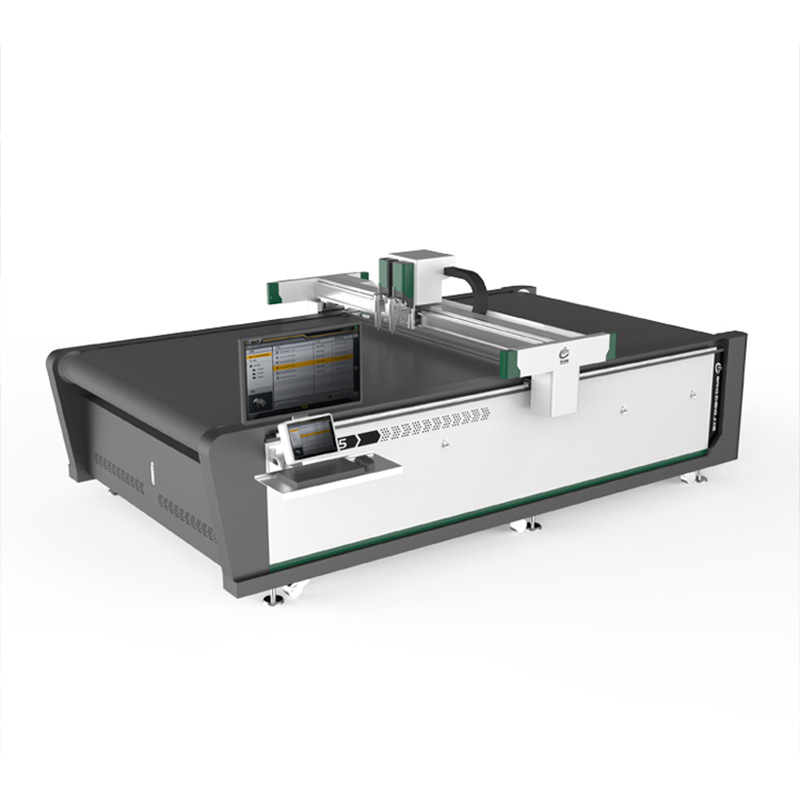
When manufacturing intricate designs that demand millimeter-perfect precision, selecting the right automatic fabric cutter becomes a critical decision that directly impacts product quality, material waste, and production efficiency. The most precise pattern alignment for complex designs requires advanced cutting systems that integrate sophisticated vision recognition technology, high-resolution servo motors, and intelligent nesting algorithms that can handle multi-layer fabrics while maintaining consistent accuracy across thousands of cutting cycles.
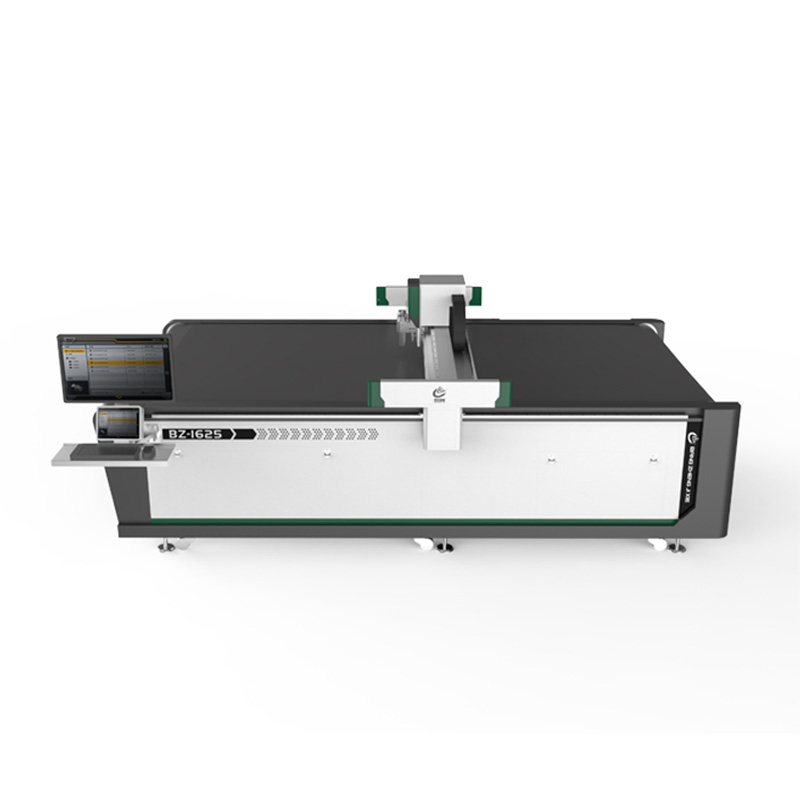
The distinction between standard cutting equipment and precision-engineered automatic fabric cutter systems lies in their ability to achieve consistent pattern registration within tolerance ranges of ±0.1mm or better. For manufacturers working with delicate materials like silk, technical textiles, or composite fabrics where pattern misalignment can result in significant material losses or product defects, understanding the specific technological features that enable superior alignment accuracy becomes essential for making informed equipment investments.
Core Technologies That Enable Superior Pattern Alignment
Vision Recognition and Camera Systems
The most precise automatic fabric cutter systems incorporate high-resolution camera arrays that scan fabric surfaces before cutting operations begin. These vision systems detect registration marks, pattern boundaries, and fabric defects with sub-millimeter accuracy. Advanced models utilize multiple cameras positioned at different angles to create three-dimensional fabric topology maps, compensating for material thickness variations and surface irregularities that could affect cutting precision.
Industrial-grade cameras with resolution capabilities exceeding 2048x2048 pixels enable automatic fabric cutter systems to identify pattern features as small as 0.05mm. The integration of LED lighting systems with adjustable intensity and color temperature ensures consistent image quality across different fabric types and colors, maintaining alignment accuracy regardless of material characteristics or ambient lighting conditions.
Servo Motor Precision and Control Systems
High-precision automatic fabric cutter equipment relies on advanced servo motor technology that provides positioning accuracy within 0.01mm increments. These systems incorporate closed-loop feedback mechanisms that continuously monitor cutting head position and automatically correct for any deviation from programmed cutting paths. The servo control system processes positioning data at frequencies exceeding 1000Hz, ensuring smooth cutting motion even during complex directional changes required for intricate pattern geometries.
The most sophisticated automatic fabric cutter models feature multi-axis servo systems that control not only X-Y positioning but also Z-axis pressure regulation and cutting tool rotation. This comprehensive control enables precise adaptation to varying fabric thicknesses and densities while maintaining consistent cutting quality across all pattern elements, regardless of their complexity or orientation within the cutting area.
Pattern Recognition and Alignment Algorithms
Intelligent Nesting Optimization
Advanced automatic fabric cutter systems employ sophisticated nesting algorithms that optimize pattern placement to minimize material waste while ensuring adequate spacing for precision cutting. These algorithms analyze fabric grain direction, pattern orientation requirements, and cutting tool clearance needs to generate optimal cutting layouts that maximize material utilization without compromising alignment accuracy.
The most effective nesting systems integrate real-time fabric scanning data with CAD pattern files, automatically adjusting pattern placement to account for fabric defects, grain variations, or dimensional inconsistencies. This dynamic optimization ensures that each pattern piece receives optimal positioning for precise cutting while maximizing overall material efficiency across production runs.
Registration Mark Detection and Compensation
Precision automatic fabric cutter systems utilize multiple registration mark detection methods to ensure accurate pattern alignment. These systems can recognize printed registration marks, laser-etched reference points, or woven pattern features that serve as alignment references. Advanced detection algorithms compensate for fabric stretching, skewing, or distortion that may occur during material handling or feeding processes.
The registration system continuously monitors fabric position throughout the cutting process, making real-time adjustments to maintain alignment accuracy even when processing large fabric panels or multiple pattern repeats. This continuous monitoring capability enables the automatic fabric cutter to maintain consistent precision across extended production runs without requiring manual realignment or operator intervention.
Material Handling and Feeding Systems
Vacuum Hold-Down Technology
The most precise automatic fabric cutter systems incorporate advanced vacuum hold-down technology that ensures consistent fabric positioning throughout the cutting process. These systems feature segmented vacuum zones that can be individually controlled to provide optimal hold-down pressure for different fabric areas. The vacuum system prevents fabric movement, bunching, or lifting that could compromise cutting accuracy, particularly when working with lightweight or slippery materials.
Sophisticated automatic fabric cutter models utilize pressure-sensitive vacuum control that automatically adjusts suction levels based on fabric type and thickness. This adaptive pressure management prevents fabric damage while ensuring adequate hold-down force for precise cutting operations. The vacuum system also incorporates fabric detection sensors that identify material edges and adjust suction patterns accordingly.
Conveyor Integration and Material Flow
Advanced automatic fabric cutter systems integrate seamlessly with material handling conveyors that maintain fabric tension and alignment during feeding operations. These conveyor systems feature precision drive mechanisms that advance fabric at controlled rates while monitoring for slippage or misalignment. Belt tensioning systems automatically adjust to accommodate different fabric weights and characteristics.
The most sophisticated material handling systems include fabric edge detection and automatic alignment correction. These systems identify fabric edges as material enters the cutting area and make real-time adjustments to ensure proper alignment with cutting templates. This automated alignment capability significantly reduces setup time while improving cutting accuracy for intricate pattern work.
Cutting Tool Technology and Precision Mechanisms
Oscillating Knife Systems
High-precision automatic fabric cutter equipment utilizes advanced oscillating knife technology that provides clean, accurate cuts through multiple fabric layers. These systems feature variable frequency oscillation that can be adjusted based on material characteristics and cutting requirements. The oscillating motion, combined with precise feed rates, ensures smooth cutting action that prevents fabric pulling or distortion during pattern cutting operations.
Advanced oscillating knife systems incorporate automatic blade depth adjustment that responds to fabric thickness variations across the cutting area. This automatic adjustment maintains optimal cutting performance while preventing over-cutting that could damage underlying materials or cutting surfaces. The knife systems also feature rapid tool change capabilities that enable quick adaptation to different cutting requirements without interrupting production flow.
Laser Cutting Integration
Some automatic fabric cutter systems integrate laser cutting capabilities for applications requiring extremely precise edge finishing or intricate detail work. These hybrid systems combine mechanical cutting for primary pattern shapes with laser cutting for fine details, perforations, or specialized edge treatments. The laser system operates under the same precision control framework as the mechanical cutting system, ensuring consistent alignment between different cutting methods.
Laser-integrated automatic fabric cutter systems provide sealed cutting edges that prevent fraying in synthetic materials while enabling cutting of extremely fine details that would be difficult to achieve with mechanical cutting alone. The laser system can create precise perforations, registration holes, or identification marks as part of the cutting process, adding value-added features to cut pattern pieces.
Quality Control and Verification Systems
Real-Time Cutting Monitoring
The most advanced automatic fabric cutter systems incorporate real-time quality monitoring that tracks cutting accuracy throughout production operations. These systems utilize sensors to monitor cutting force, blade position, and fabric response during cutting operations. Any deviation from normal operating parameters triggers immediate alerts and automatic adjustments to maintain cutting quality.
Advanced monitoring systems capture dimensional data for each cut piece, comparing actual dimensions against programmed specifications. This data collection enables statistical process control and trend analysis that helps identify potential accuracy issues before they affect production quality. The monitoring system maintains detailed cutting logs that support quality assurance documentation and process improvement initiatives.
Post-Cutting Verification
Sophisticated automatic fabric cutter installations include post-cutting verification systems that inspect completed pattern pieces for dimensional accuracy and edge quality. These systems utilize optical measurement technology to verify critical dimensions and identify any cutting defects that require correction. The verification process provides immediate feedback on cutting performance and enables rapid adjustment of cutting parameters if needed.
The verification system maintains comprehensive quality records that track cutting accuracy over time and across different material types. This historical data helps operators optimize cutting parameters for specific applications and provides documentation for quality certification requirements. Integration with production management systems enables automatic sorting and routing of verified pieces to subsequent production operations.
FAQ
What cutting tolerance can I expect from the most precise automatic fabric cutter systems?
The most advanced automatic fabric cutter systems achieve cutting tolerances within ±0.1mm for standard operations and ±0.05mm for specialized precision applications. These tolerance levels are maintained consistently across production runs when proper calibration and maintenance procedures are followed. Actual tolerance achievement may vary based on fabric characteristics, cutting speed settings, and environmental conditions.
How do automatic fabric cutter systems handle fabric stretching or distortion during cutting?
Advanced automatic fabric cutter systems address fabric distortion through combination of controlled fabric tensioning, segmented vacuum hold-down, and real-time position monitoring. The systems automatically detect fabric movement or stretching and adjust cutting paths accordingly. Fabric tensioning systems maintain optimal stretch levels while vacuum hold-down prevents localized distortion during cutting operations.
Can automatic fabric cutter systems maintain alignment accuracy when cutting multiple fabric layers simultaneously?
Yes, precision automatic fabric cutter systems are specifically designed to maintain alignment accuracy across multiple fabric layers. Advanced models can accurately cut up to 50mm total thickness while maintaining pattern registration within specified tolerances. The systems utilize increased cutting force and modified cutting speeds to ensure clean cuts through all layers without shifting or misalignment.
What maintenance requirements are necessary to preserve cutting accuracy in automatic fabric cutter systems?
Maintaining cutting accuracy requires regular calibration of servo positioning systems, replacement of cutting tools according to manufacturer schedules, and cleaning of vision system cameras and lighting elements. Daily maintenance includes verification of vacuum system performance and inspection of fabric hold-down surfaces. Weekly calibration checks ensure continued alignment accuracy, while monthly comprehensive system calibration maintains long-term precision performance.
Table of Contents
- Core Technologies That Enable Superior Pattern Alignment
- Pattern Recognition and Alignment Algorithms
- Material Handling and Feeding Systems
- Cutting Tool Technology and Precision Mechanisms
- Quality Control and Verification Systems
-
FAQ
- What cutting tolerance can I expect from the most precise automatic fabric cutter systems?
- How do automatic fabric cutter systems handle fabric stretching or distortion during cutting?
- Can automatic fabric cutter systems maintain alignment accuracy when cutting multiple fabric layers simultaneously?
- What maintenance requirements are necessary to preserve cutting accuracy in automatic fabric cutter systems?