
 EN
EN



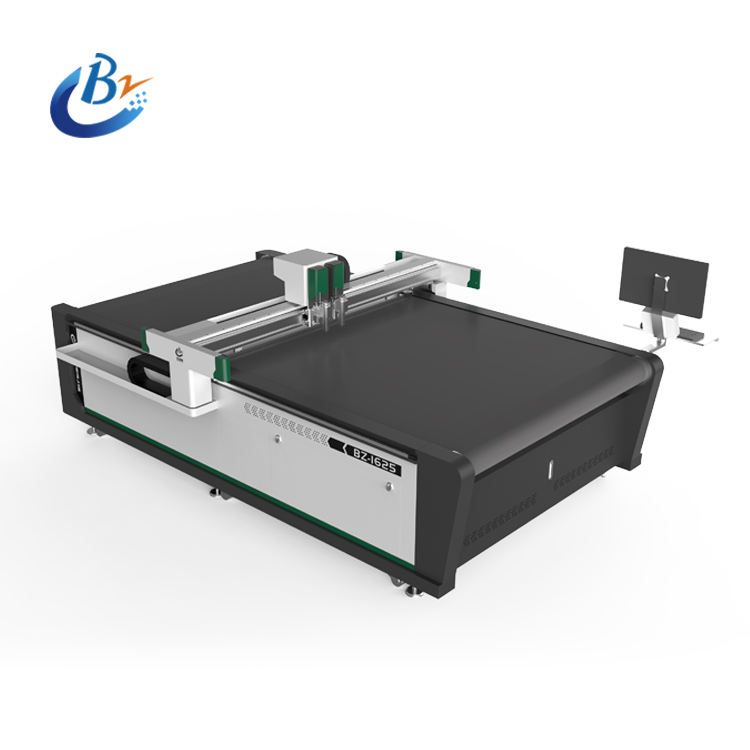
An automatic fabric cutter equipped with intelligent nesting optimization represents a revolutionary approach to minimizing material waste in textile manufacturing. This advanced technology addresses one of the industry's most persistent challenges by analyzing fabric layouts and optimizing cutting patterns to achieve maximum material utilization. The integration of sophisticated software algorithms with precision cutting hardware enables manufacturers to dramatically reduce waste while maintaining production efficiency and quality standards.
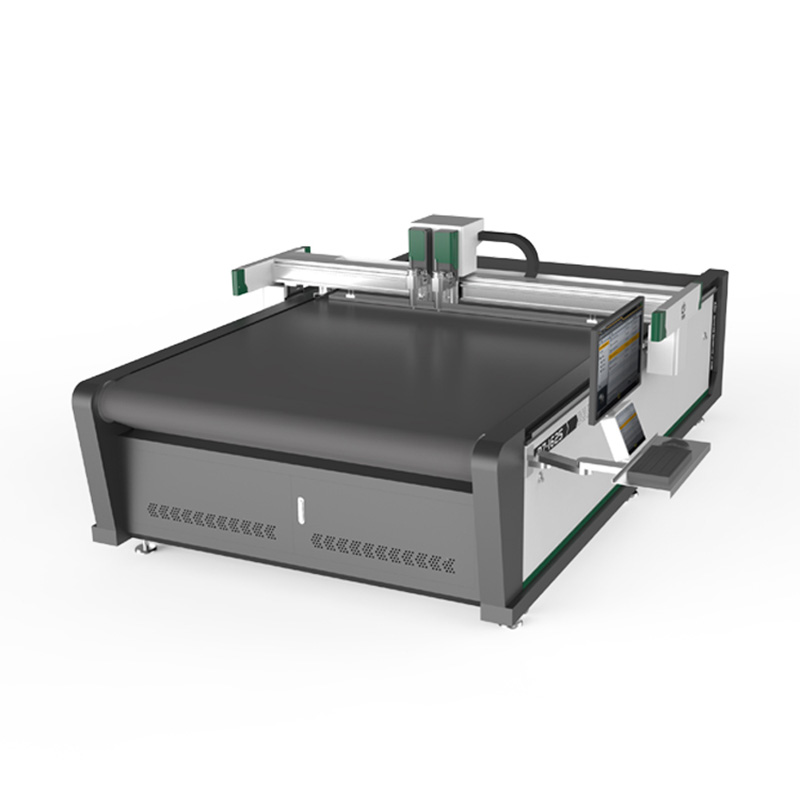
The mechanism behind waste reduction through intelligent nesting involves complex computational processes that analyze multiple variables simultaneously. An automatic fabric cutter with nesting optimization examines fabric dimensions, pattern requirements, grain direction, and defect locations to determine the most efficient cutting arrangement. This systematic approach to material utilization can reduce fabric waste by 15-25% compared to traditional cutting methods, translating to significant cost savings and environmental benefits for textile operations of all sizes.
Understanding Intelligent Nesting Technology
Core Components of Nesting Optimization
Intelligent nesting technology within an automatic fabric cutter operates through sophisticated algorithms that process multiple data inputs simultaneously. The system analyzes pattern piece geometries, fabric characteristics, and production requirements to generate optimal cutting layouts. These algorithms consider factors such as fabric grain direction, pattern matching requirements, and material defects to create the most efficient arrangement possible. The optimization process runs continuously, adjusting layouts in real-time as new orders or fabric rolls are introduced to the production queue.
The software component of an automatic fabric cutter processes thousands of potential layout combinations within seconds, evaluating each configuration for material efficiency, cutting time, and quality parameters. Advanced machine learning capabilities enable the system to improve its optimization performance over time by analyzing historical cutting data and identifying patterns that lead to better material utilization. This continuous learning process ensures that the automatic fabric cutter becomes increasingly efficient as it processes more jobs and accumulates operational experience.
Real-Time Adaptation and Analysis
Modern intelligent nesting systems demonstrate remarkable adaptability by adjusting cutting patterns based on real-time fabric conditions and production requirements. An automatic fabric cutter equipped with vision systems can detect fabric defects, texture variations, and dimension irregularities, automatically modifying the nesting arrangement to avoid problematic areas while maintaining optimal material usage. This adaptive capability ensures consistent quality while maximizing fabric utilization across varying material conditions.
The real-time analysis capabilities of an automatic fabric cutter extend beyond simple pattern placement to include predictive waste calculation and alternative layout suggestions. The system provides operators with immediate feedback on material efficiency, showing potential waste percentages before cutting begins and suggesting modifications to improve utilization. This predictive capability allows production managers to make informed decisions about order sequencing and fabric allocation to minimize overall waste across multiple cutting jobs.
Mechanisms of Waste Reduction
Geometric Optimization Algorithms
The geometric optimization algorithms within an automatic fabric cutter represent the core technology driving waste reduction through intelligent pattern arrangement. These algorithms analyze the shapes and dimensions of required pattern pieces, calculating optimal rotations, orientations, and spacing to achieve maximum fabric utilization. The system considers complex geometric relationships between irregular shapes, finding efficient arrangements that human operators might overlook or find too time-consuming to calculate manually.
Advanced automatic fabric cutter systems employ multi-objective optimization techniques that balance material efficiency with production constraints such as cutting speed and tool path optimization. The algorithms can simultaneously optimize for minimal waste, reduced cutting time, and improved part quality by analyzing multiple variables and their interactions. This comprehensive approach ensures that waste reduction doesn't come at the expense of production efficiency or quality standards, making the optimization truly beneficial for overall manufacturing performance.
Dynamic Layout Adjustment
Dynamic layout adjustment capabilities allow an automatic fabric cutter to continuously refine cutting patterns as production progresses and new information becomes available. The system can modify existing layouts to accommodate rush orders, fabric defects discovered during spreading, or changes in production priorities without sacrificing material efficiency. This flexibility ensures that waste reduction remains optimized even when production conditions change unexpectedly.
The dynamic adjustment process in an automatic fabric cutter involves sophisticated decision-making algorithms that evaluate the trade-offs between immediate material savings and long-term production efficiency. When modifications are necessary, the system calculates multiple alternative layouts and selects the option that provides the best overall material utilization while meeting production deadlines and quality requirements. This intelligent decision-making process ensures that short-term adjustments don't compromise the broader waste reduction objectives.
Implementation Benefits and Operational Impact
Quantifiable Waste Reduction Metrics
Implementing an automatic fabric cutter with intelligent nesting optimization delivers measurable waste reduction benefits that can be tracked and analyzed for continuous improvement. Typical installations report material waste reductions ranging from 15% to 30%, with some specialized applications achieving even higher efficiency gains. These improvements translate directly to reduced material costs, lower environmental impact, and improved profitability for textile manufacturing operations across various industry segments.
The waste reduction achieved by an automatic fabric cutter extends beyond simple material savings to include reduced handling waste, cutting errors, and rework requirements. The precision and consistency of automated cutting eliminate human errors that often result in unusable pieces or quality defects requiring material replacement. This comprehensive waste reduction approach addresses multiple sources of material loss, creating cumulative benefits that significantly exceed the primary nesting optimization savings.
Production Efficiency Enhancement
Beyond waste reduction, an automatic fabric cutter with intelligent nesting delivers substantial production efficiency improvements through optimized cutting sequences and reduced setup times. The system's ability to process multiple jobs simultaneously and optimize cutting paths across different pattern pieces minimizes machine idle time and maximizes throughput. This efficiency enhancement often provides value that equals or exceeds the direct material savings from waste reduction.
The integration of intelligent nesting with an automatic fabric cutter also reduces the skill requirements for operators while improving consistency and quality control. Automated optimization eliminates the need for manual layout planning and reduces dependency on operator experience for achieving efficient material utilization. This standardization of cutting operations ensures consistent waste reduction performance regardless of operator skill levels or production shift variations, creating reliable and predictable operational benefits.
Advanced Features and Technological Integration
Machine Learning and Predictive Analytics
Contemporary automatic fabric cutter systems incorporate machine learning algorithms that analyze historical cutting data to identify optimization opportunities and predict material requirements more accurately. These predictive analytics capabilities enable the system to suggest inventory levels, fabric ordering quantities, and production scheduling adjustments that further minimize waste and improve overall operational efficiency. The learning algorithms continuously refine their recommendations based on actual production outcomes and changing operational patterns.
The machine learning capabilities of an automatic fabric cutter extend to pattern recognition and optimization refinement, where the system identifies successful layout strategies and applies similar approaches to new cutting jobs. This accumulated intelligence helps the system develop sophisticated optimization strategies that go beyond basic geometric arrangement to include production-specific considerations such as fabric behavior, cutting tool performance, and quality requirements. The result is increasingly sophisticated waste reduction performance that improves continuously over time.
Integration with Manufacturing Systems
Modern automatic fabric cutter installations integrate seamlessly with broader manufacturing execution systems, enabling enterprise-wide waste reduction strategies and optimization coordination across multiple production processes. The system can coordinate with inventory management, production planning, and quality control systems to optimize material utilization across the entire manufacturing operation. This integration ensures that nesting optimization decisions consider broader operational factors and contribute to overall manufacturing efficiency and waste reduction goals.
The integration capabilities of an automatic fabric cutter enable real-time data sharing with enterprise resource planning systems, providing accurate material consumption data for cost accounting and inventory management purposes. This data integration supports more accurate production costing, better inventory planning, and improved supplier relationship management through precise material requirement forecasting. The comprehensive data integration ensures that waste reduction benefits are captured and optimized across all aspects of the manufacturing operation.
FAQ
How much material waste can an automatic fabric cutter with intelligent nesting typically reduce?
An automatic fabric cutter with intelligent nesting optimization typically reduces material waste by 15-25% compared to traditional cutting methods, with some specialized applications achieving reductions of up to 30% or more. The exact amount depends on factors such as fabric type, pattern complexity, production volume, and the sophistication of the nesting algorithms. These waste reduction percentages translate to significant cost savings and environmental benefits for most textile manufacturing operations.
What factors does the intelligent nesting system consider when optimizing fabric layouts?
The intelligent nesting system in an automatic fabric cutter considers multiple factors including pattern piece geometry, fabric grain direction, material defects, pattern matching requirements, cutting tool constraints, and production scheduling priorities. Advanced systems also analyze fabric stretch properties, color variations, texture requirements, and quality specifications to ensure optimal layouts that maintain both material efficiency and finished product quality standards.
How does real-time adaptation work in modern automatic fabric cutter systems?
Real-time adaptation in an automatic fabric cutter involves continuous monitoring of fabric conditions, production requirements, and cutting performance to automatically adjust nesting layouts as conditions change. The system uses vision systems and sensors to detect fabric defects or variations, then modifies cutting patterns to avoid problematic areas while maintaining optimal material utilization. This adaptive capability ensures consistent waste reduction performance even when dealing with varying fabric quality or unexpected production changes.
Can intelligent nesting optimization work with different types of fabrics and pattern complexities?
Yes, modern automatic fabric cutter systems with intelligent nesting are designed to handle a wide variety of fabric types and pattern complexities. The optimization algorithms can adapt to different material characteristics such as stretch, drape, and texture requirements while accommodating complex pattern shapes, multiple sizes, and specialized cutting requirements. Advanced systems include fabric-specific optimization profiles that ensure appropriate nesting strategies for each material type and application.
Table of Contents
- Understanding Intelligent Nesting Technology
- Mechanisms of Waste Reduction
- Implementation Benefits and Operational Impact
- Advanced Features and Technological Integration
-
FAQ
- How much material waste can an automatic fabric cutter with intelligent nesting typically reduce?
- What factors does the intelligent nesting system consider when optimizing fabric layouts?
- How does real-time adaptation work in modern automatic fabric cutter systems?
- Can intelligent nesting optimization work with different types of fabrics and pattern complexities?