
 EN
EN



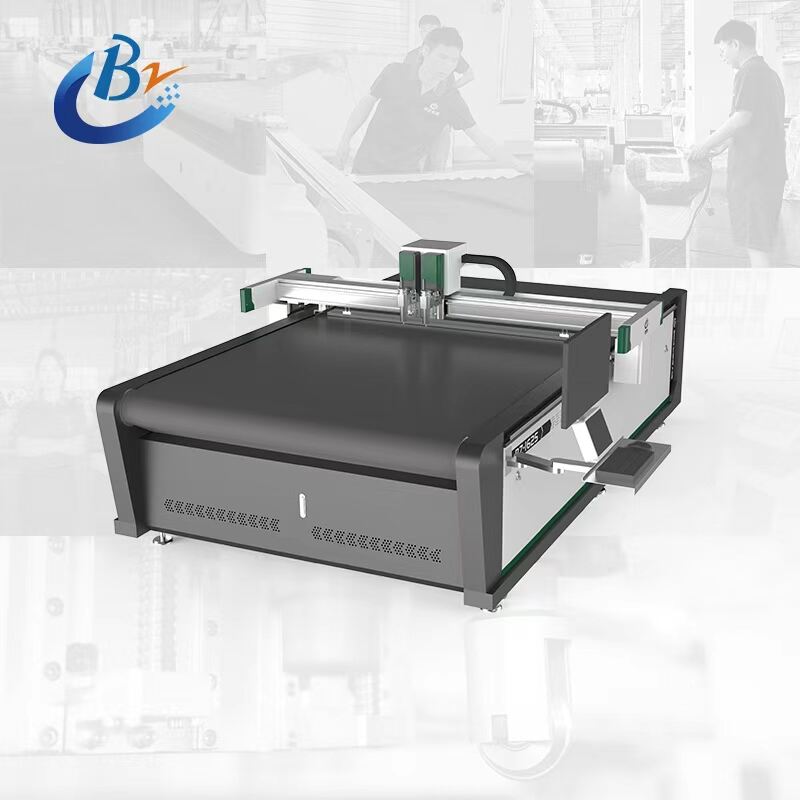
Selecting the right automated fabric cutting machine with advanced vision recognition capabilities requires understanding how pattern matching technology directly impacts production accuracy, material utilization, and overall manufacturing efficiency. Modern automated fabric cutting machine systems integrate sophisticated computer vision algorithms that can identify fabric patterns, detect flaws, and optimize cutting paths to minimize waste while maintaining precise pattern alignment across multiple layers.
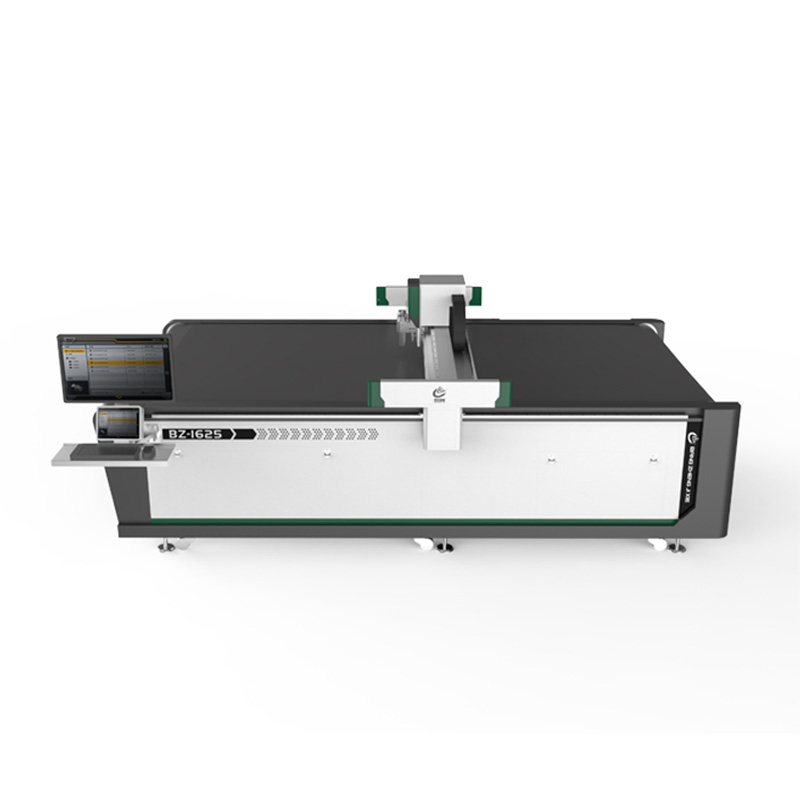
The most advanced vision recognition systems in today's automated fabric cutting machine market utilize multi-camera configurations, artificial intelligence-driven pattern recognition, and real-time fabric analysis to deliver unprecedented accuracy in pattern matching operations. These systems evaluate fabric characteristics including grain direction, pattern repeat intervals, color variations, and surface defects to ensure optimal cutting strategies that preserve design integrity while maximizing material efficiency across diverse textile applications.
Core Vision Recognition Technologies in Modern Cutting Systems
Multi-Camera Array Configuration
The most sophisticated automated fabric cutting machine platforms employ multiple high-resolution cameras positioned strategically above the cutting table to capture comprehensive fabric surface data. These camera arrays work in coordination to scan entire fabric spreads, identifying pattern elements, color boundaries, and structural features with sub-millimeter precision. The multi-camera approach eliminates blind spots that single-camera systems often encounter when processing complex or large-scale fabric layouts.
Advanced systems integrate cameras with different focal lengths and spectral sensitivities to capture both macro-level pattern structures and micro-level fabric details. This comprehensive visual data collection enables the automated fabric cutting machine to make informed decisions about cutting sequences, pattern orientation, and quality control measures throughout the production process.
Artificial Intelligence Pattern Recognition Algorithms
Leading automated fabric cutting machine solutions incorporate machine learning algorithms trained on extensive databases of fabric patterns, textures, and design elements. These AI systems can recognize complex geometric patterns, identify repeating motifs, and predict optimal cutting layouts even when working with irregular or asymmetrical designs that would challenge traditional programming approaches.
The AI-driven recognition capabilities extend beyond simple pattern identification to include fabric behavior prediction, where the system analyzes how different materials will respond to cutting forces and adjusts blade parameters accordingly. This intelligent adaptation ensures consistent cutting quality across diverse fabric types while maintaining pattern integrity throughout the production run.
Real-Time Fabric Analysis and Adaptation
The most advanced automated fabric cutting machine systems continuously monitor fabric conditions during the cutting process, adjusting parameters based on real-time visual feedback. This dynamic adaptation capability allows the system to compensate for fabric stretch, shifting, or other deformations that could compromise pattern alignment during extended cutting operations.
Real-time analysis also enables immediate detection of fabric defects or irregularities, allowing the system to either avoid problematic areas or alert operators to potential quality issues before they impact finished products. This proactive approach significantly reduces material waste and improves overall production efficiency in high-volume manufacturing environments.
Pattern Matching Accuracy and Precision Standards
Measurement Tolerance and Repeatability
The most advanced automated fabric cutting machine systems achieve pattern matching accuracies within ±0.5mm tolerances across multiple fabric layers, ensuring consistent alignment even in complex multi-piece garment production. This precision level is maintained through closed-loop feedback systems that continuously verify cutting progress against established pattern templates and make micro-adjustments as needed.
Repeatability standards for high-performance systems demand consistent pattern placement accuracy across thousands of cutting cycles, with minimal deviation accumulation over extended production runs. The automated fabric cutting machine systems achieving these standards typically incorporate advanced servo control systems and precision-engineered mechanical components that minimize backlash and ensure reliable positioning throughout the cutting process.
Multi-Layer Pattern Synchronization
Advanced vision recognition systems excel in maintaining pattern alignment across multiple fabric layers simultaneously, a critical capability for high-volume apparel and textile production. The system analyzes each layer independently while maintaining awareness of overall stack geometry to ensure consistent pattern placement from top to bottom layers.
Sophisticated algorithms account for fabric compression effects, layer shifting, and other variables that can cause pattern misalignment in multi-layer cutting operations. This comprehensive approach to layer management ensures that every cut piece meets quality standards regardless of its position within the fabric stack, maximizing yield and minimizing sorting requirements in downstream processing.
Integration Capabilities and Production Workflow Optimization
CAD System Connectivity and Data Exchange
The most advanced automated fabric cutting machine platforms seamlessly integrate with leading computer-aided design systems, enabling direct import of pattern data, grading information, and cutting instructions without manual translation or data conversion steps. This direct connectivity eliminates potential errors associated with file format conversions and ensures that design intent is preserved throughout the manufacturing process.
Advanced integration capabilities include bidirectional communication between the cutting system and upstream design tools, allowing the automated fabric cutting machine to provide feedback about material utilization, cutting feasibility, and optimization suggestions that can inform future design decisions. This collaborative approach between design and manufacturing systems maximizes efficiency while maintaining design flexibility.
Quality Control and Traceability Systems
Leading automated fabric cutting machine solutions incorporate comprehensive quality monitoring systems that document every aspect of the cutting process, from initial fabric inspection through final piece validation. These systems create detailed records of pattern placement, cutting parameters, and quality metrics that enable full traceability throughout the production chain.
Advanced quality control features include automated defect detection, dimensional verification, and statistical process monitoring that identifies trends or anomalies that could indicate equipment maintenance needs or process optimization opportunities. This proactive approach to quality management reduces waste, improves consistency, and supports continuous improvement initiatives in manufacturing operations.
Performance Optimization and Advanced Features
Cutting Speed and Throughput Capabilities
The most sophisticated automated fabric cutting machine systems balance high-speed operation with precision pattern matching, achieving cutting speeds that can exceed traditional methods while maintaining superior accuracy standards. Advanced motion control systems optimize cutting paths to minimize non-productive movements and reduce cycle times without compromising quality.
Throughput optimization features include intelligent nesting algorithms that maximize material utilization while considering pattern matching requirements, cutting tool capabilities, and production scheduling constraints. These comprehensive optimization approaches can increase overall productivity by 30-50% compared to conventional cutting methods while reducing material waste and labor requirements.
Adaptive Learning and Process Improvement
Advanced automated fabric cutting machine systems incorporate machine learning capabilities that continuously improve performance based on operational experience and feedback. These systems analyze cutting results, quality metrics, and efficiency data to identify optimization opportunities and automatically adjust processing parameters for improved outcomes.
The adaptive learning capabilities extend to pattern recognition accuracy, where the system builds databases of successful cutting strategies for specific fabric types and design patterns. This accumulated knowledge enables increasingly sophisticated decision-making that improves over time, delivering enhanced value and performance throughout the system's operational lifetime.
FAQ
What level of pattern matching accuracy can be expected from the most advanced automated fabric cutting machine systems?
The most advanced automated fabric cutting machine systems achieve pattern matching accuracies within ±0.5mm tolerances, with some premium systems reaching ±0.2mm precision under optimal conditions. This accuracy level is maintained across multiple fabric layers and various material types through sophisticated vision recognition algorithms and closed-loop feedback control systems that continuously monitor and adjust cutting parameters.
How do vision recognition systems handle complex or irregular fabric patterns?
Advanced vision recognition systems use artificial intelligence algorithms trained on extensive pattern databases to identify and process complex geometric designs, irregular motifs, and asymmetrical patterns. These systems analyze pattern elements in real-time, predict optimal cutting layouts, and adapt to variations in fabric behavior to ensure consistent pattern matching even with challenging designs that would be difficult to program using traditional methods.
What integration capabilities are essential for maximizing the benefits of advanced vision recognition in fabric cutting?
Essential integration capabilities include seamless connectivity with CAD systems for direct pattern import, bidirectional communication for design optimization feedback, and comprehensive quality control systems with full traceability. Advanced systems also integrate with production planning software, inventory management systems, and maintenance monitoring platforms to optimize overall manufacturing workflow and maximize return on investment.
How do advanced systems maintain pattern accuracy during high-speed cutting operations?
Advanced automated fabric cutting machine systems maintain pattern accuracy at high speeds through sophisticated motion control algorithms that optimize cutting paths, advanced servo systems that eliminate backlash and positioning errors, and real-time monitoring systems that provide continuous feedback about cutting progress. These systems balance speed and precision by intelligently adjusting cutting parameters based on fabric characteristics, pattern complexity, and quality requirements.
Table of Contents
- Core Vision Recognition Technologies in Modern Cutting Systems
- Pattern Matching Accuracy and Precision Standards
- Integration Capabilities and Production Workflow Optimization
- Performance Optimization and Advanced Features
-
FAQ
- What level of pattern matching accuracy can be expected from the most advanced automated fabric cutting machine systems?
- How do vision recognition systems handle complex or irregular fabric patterns?
- What integration capabilities are essential for maximizing the benefits of advanced vision recognition in fabric cutting?
- How do advanced systems maintain pattern accuracy during high-speed cutting operations?