
 EN
EN



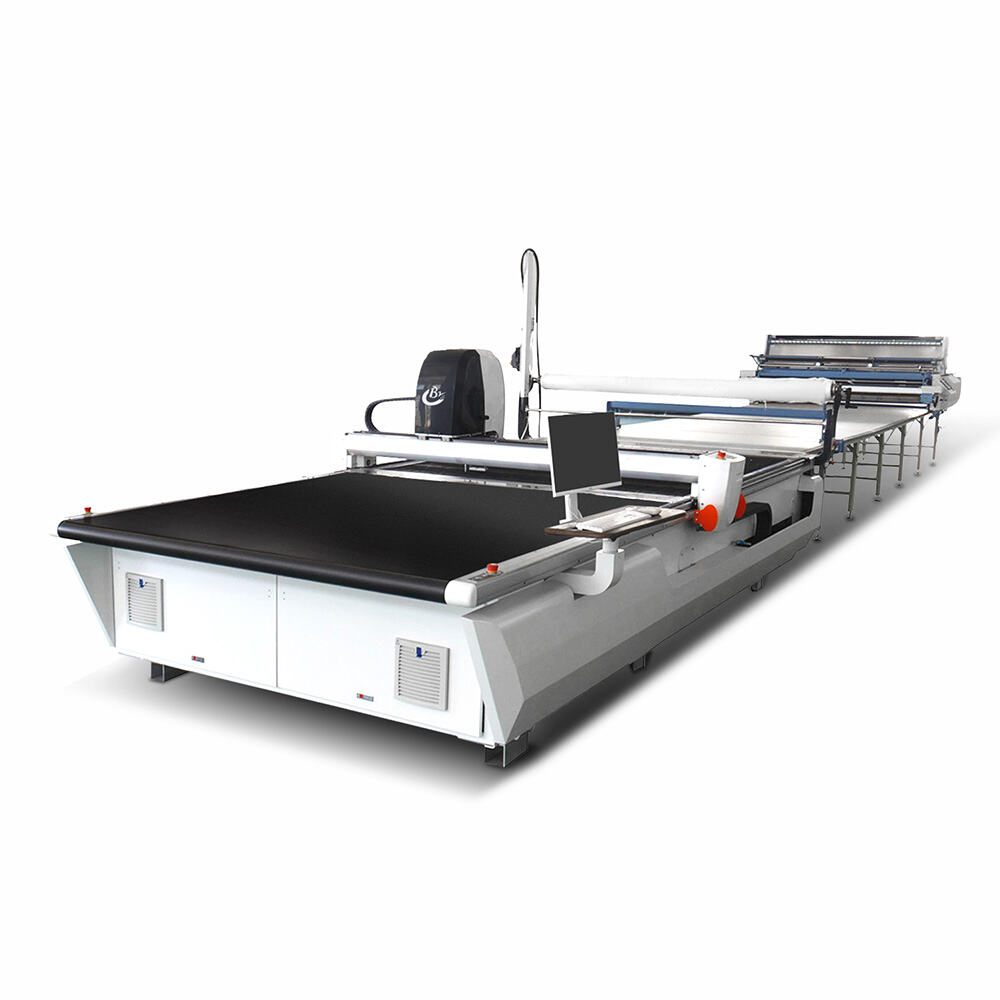
Modern textile manufacturing and garment production demand precision, efficiency, and adaptability across diverse material specifications. An auto fabric cutter with variable speed control represents a significant technological advancement that addresses the complex challenge of processing different fabric types without compromising cut quality or production throughput. Understanding how these machines dynamically adjust their operational parameters based on material characteristics is essential for manufacturers seeking to optimize their cutting operations while maintaining consistent quality standards across varied textile substrates.
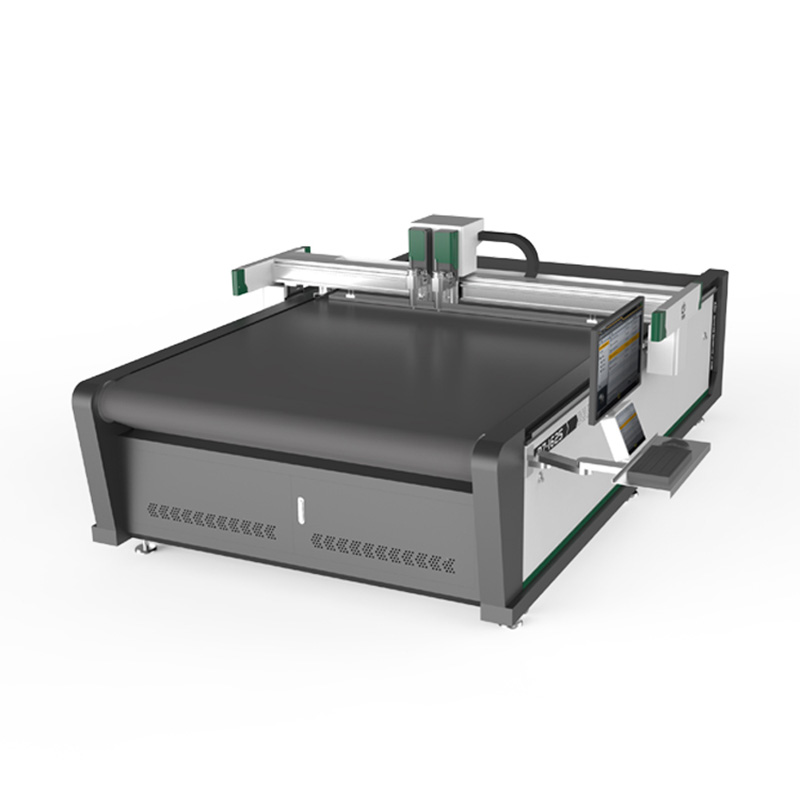
The ability of an auto fabric cutter to accommodate materials ranging from delicate silk to heavyweight canvas hinges on sophisticated speed adjustment mechanisms that respond to real-time cutting conditions. This adaptive capability transforms the cutting process from a rigid, one-size-fits-all approach into a responsive operation that accounts for material density, fiber structure, weave tightness, and surface characteristics. By examining the technical principles, control systems, and practical implications of variable speed adjustment, manufacturers can better leverage these systems to achieve optimal cutting performance across their entire fabric inventory while extending blade life and reducing material waste.
The Technical Foundation of Variable Speed Control Systems
Speed Regulation Mechanisms in Modern Auto Fabric Cutters
Variable speed control in an auto fabric cutter operates through sophisticated motor management systems that continuously adjust rotational velocity or linear cutting speed based on programmed parameters and real-time feedback. The core mechanism typically employs servo motors or variable frequency drives that can modulate power delivery with exceptional precision, enabling speed adjustments ranging from slow, deliberate cuts for delicate materials to rapid processing for sturdy fabrics. These systems incorporate encoders and position sensors that monitor cutting head movement, blade engagement depth, and material resistance, feeding this data back to the control unit for immediate speed optimization. The electronic control architecture ensures that speed changes occur smoothly without abrupt transitions that could compromise cut quality or create material distortion.
The relationship between cutting speed and material characteristics is governed by fundamental physics principles related to blade-fabric interaction. When an auto fabric cutter encounters dense or tightly woven materials, the control system reduces speed to allow the blade sufficient time to penetrate fibers cleanly without generating excessive heat or causing thread pull. Conversely, when processing lightweight or loosely woven fabrics, the system can increase speed without risking material damage, thereby maximizing throughput. This dynamic adjustment capability relies on sophisticated algorithms that correlate material properties with optimal cutting parameters, effectively creating a digital knowledge base that informs speed selection for each specific fabric type encountered during production runs.
Integration of Sensor Technology and Feedback Loops
Modern auto fabric cutter systems incorporate multiple sensor technologies that enable intelligent speed adjustment based on actual cutting conditions rather than predetermined settings alone. Force sensors embedded in the cutting head measure resistance encountered during blade penetration, providing immediate feedback about material density and structural integrity. Optical sensors can detect fabric thickness variations, surface texture differences, and even color changes that might indicate material transitions within layered cutting operations. Temperature sensors monitor blade and material heating, triggering speed reductions when thermal buildup approaches levels that could compromise cut quality or material properties. This multi-sensor approach creates a comprehensive understanding of cutting conditions that informs precise speed modulation.
The feedback loop architecture in an advanced auto fabric cutter processes sensor data through control algorithms that make microsecond-level adjustments to maintain optimal cutting conditions. When sensors detect increased resistance indicating a transition from lightweight to heavyweight fabric, the control system immediately reduces speed while potentially adjusting blade pressure and angle to maintain cut quality. This responsive behavior eliminates the need for manual intervention or production stops when processing mixed fabric batches, significantly enhancing operational efficiency. The integration of machine learning capabilities in some systems allows the auto fabric cutter to develop increasingly accurate speed adjustment profiles over time, effectively learning from accumulated cutting experience to refine its response to specific fabric characteristics.
Fabric-Specific Speed Adjustment Strategies
Addressing Lightweight and Delicate Material Requirements
When an auto fabric cutter processes lightweight materials such as chiffon, organza, or fine silk, the variable speed system implements specific strategies to prevent material distortion, shifting, or damage during cutting operations. These delicate fabrics require reduced cutting speeds combined with optimized blade sharpness and minimal downward pressure to achieve clean edges without causing fiber pull or creating frayed boundaries. The control system typically programs lower acceleration rates when initiating cuts on lightweight materials, preventing the sudden movement that could displace fabric layers or create tension-induced distortions. Additionally, the auto fabric cutter may engage specialized hold-down mechanisms or vacuum systems synchronized with reduced cutting speeds to stabilize material position throughout the cutting process.
The challenge with delicate fabrics extends beyond simple speed reduction to encompass the entire motion profile of the cutting head. An auto fabric cutter addressing lightweight materials must balance slow enough speeds to prevent damage with sufficient momentum to ensure clean blade penetration without snagging. The variable speed system achieves this balance through curved acceleration profiles that gradually build cutting speed rather than applying instantaneous velocity changes. For extremely delicate materials like lace or sheer nylon, the system may implement pulsed cutting patterns where the blade makes intermittent contact at controlled speeds, allowing fabric fibers to separate naturally rather than being forcefully severed. This sophisticated approach demonstrates how speed adjustment encompasses not merely velocity magnitude but the entire temporal pattern of blade movement.
Optimizing Performance for Medium-Weight and Standard Fabrics
Standard fabric types including cotton twill, polyester blends, and medium-weight denim represent the operational sweet spot where an auto fabric cutter can leverage higher speeds while maintaining precision and cut quality. For these materials, the variable speed system typically operates in a moderate range that balances productivity with accuracy, adjusting within narrower parameters compared to the extremes required for very light or very heavy fabrics. The control algorithms for medium-weight materials focus on maintaining consistent speed throughout complex cutting patterns, compensating for directional changes, curve negotiation, and detail work that might otherwise require manual speed adjustment. This consistency ensures uniform edge quality regardless of pattern complexity while maximizing overall cutting throughput.
The versatility advantage of an auto fabric cutter becomes particularly evident when processing mixed batches containing various medium-weight fabrics with subtly different characteristics. The variable speed system can detect minor resistance variations indicating transitions between cotton and polyester blends, for example, and make proportional speed adjustments that maintain optimal cutting conditions without operator intervention. This adaptive capability eliminates production bottlenecks associated with manual machine reconfiguration between fabric types, enabling continuous operation across diverse material inventories. For manufacturers working with seasonal collections or custom orders requiring frequent material changes, this seamless adjustment capability directly translates to improved production scheduling flexibility and reduced setup time overhead.
Managing Heavy and Technical Fabric Challenges
Heavy fabrics such as canvas, upholstery materials, leather, and technical textiles present the greatest challenge to cutting systems due to their density, structural integrity, and resistance to blade penetration. An auto fabric cutter addressing these materials implements substantial speed reductions combined with increased blade pressure and potentially specialized blade geometries designed for aggressive cutting. The variable speed system must carefully balance reduced velocity with sufficient blade energy to achieve clean penetration without stalling or creating excessive heat buildup that could damage both the blade and the material. For particularly challenging materials like aramid fabrics or composite textiles, the system may implement stepwise cutting approaches where initial passes score the material surface before subsequent passes complete the separation.
The thermal management aspect becomes critical when an auto fabric cutter processes heavy materials at reduced speeds for extended periods. Lower cutting speeds can paradoxically increase heat generation in the cutting zone due to prolonged blade-material contact time, potentially causing material degradation or blade dulling. Advanced variable speed systems address this challenge through programmed cooling intervals, where the cutting head briefly withdraws or reduces pressure to allow heat dissipation, or through integration with cooling systems that actively manage blade temperature. The control algorithms must balance speed reduction necessary for clean cutting against the thermal consequences of extended contact time, demonstrating the complex optimization calculations underlying apparently simple speed adjustments. For manufacturers regularly processing heavy materials, understanding these thermal dynamics helps optimize auto fabric cutter configuration and maintenance schedules to sustain peak performance.
Material Detection and Automatic Speed Selection
Pre-Cut Material Analysis Systems
Sophisticated auto fabric cutter systems incorporate pre-cut analysis capabilities that automatically identify material characteristics before blade engagement, enabling proactive speed optimization rather than reactive adjustment. These systems employ optical scanning technologies that analyze fabric surface texture, weave density, and thickness profiles across the cutting area, creating a digital map of material properties that informs cutting parameter selection. Some advanced implementations utilize spectroscopic analysis to identify fiber composition, distinguishing between natural and synthetic materials that may require different cutting approaches despite similar visual appearances. This pre-analysis capability allows the auto fabric cutter to select optimal speed profiles before cutting begins, minimizing the adjustment period that might otherwise compromise initial cut quality.
The integration of material databases within the control system further enhances automatic speed selection by correlating detected characteristics with proven cutting parameters for similar materials. When an auto fabric cutter analyzes an incoming fabric and identifies it as a polyester-cotton blend with specific thread count and thickness measurements, the system can reference historical data showing optimal cutting speeds for comparable materials. This knowledge-based approach accelerates the setup process and reduces the trial-and-error period typically required when introducing new materials to production. For operations processing hundreds of fabric varieties annually, this automatic selection capability represents a significant efficiency advantage, effectively embedding expert cutting knowledge within the machine's operational intelligence.
Real-Time Adaptation During Cutting Operations
Beyond initial material analysis, an advanced auto fabric cutter continuously monitors cutting conditions and dynamically adjusts speed in response to variations encountered during operation. This real-time adaptation proves essential when processing fabrics with inconsistent properties, such as materials with deliberate texture variations, printed patterns that affect local fabric density, or layered cutting operations where material characteristics change with depth. The control system processes continuous feedback from force, temperature, and position sensors, comparing actual cutting conditions against expected parameters and making instantaneous speed adjustments to maintain optimal performance. This responsive capability ensures consistent cut quality even when processing materials with significant internal variation or when working with fabric stacks containing multiple different materials.
The sophistication of real-time adaptation in an auto fabric cutter extends to predictive adjustment based on upcoming pattern requirements. When the control system recognizes that the cutting path will transition from straight edges to tight curves or intricate details, it can preemptively adjust speed to maintain precision through these demanding sections. Similarly, when approaching pattern boundaries where cut quality has the greatest visual impact, the system may reduce speed slightly to ensure exceptionally clean edges. This anticipatory behavior requires integration between the pattern data and the speed control system, creating a coordinated operational approach where cutting velocity continuously adapts not only to material properties but also to the geometric demands of the specific pattern being executed. For manufacturers prioritizing edge quality and pattern accuracy, this integrated approach delivers superior results compared to fixed-speed systems.
Operational Benefits and Productivity Implications
Quality Consistency Across Diverse Material Portfolios
The variable speed capability of an auto fabric cutter directly translates to consistent cut quality across materials that would otherwise require separate machine configurations or manual adjustment protocols. By automatically optimizing speed for each material type, the system eliminates the quality variations that typically occur when using fixed-speed equipment to process diverse fabrics. This consistency proves particularly valuable in applications requiring precise matching of cut pieces, such as apparel assembly where mismatched edges create visible seams or upholstery production where component fit determines final product quality. The ability to maintain consistent edge characteristics regardless of material type reduces quality control burdens and minimizes rejection rates, directly impacting manufacturing profitability.
Beyond edge quality, the appropriate speed selection facilitated by an auto fabric cutter prevents material-specific defects that compromise usability. For stretch fabrics, excessive cutting speed can create distortion that alters pattern dimensions, while insufficient speed in rigid materials may produce frayed edges requiring secondary finishing operations. The variable speed system addresses these material-specific vulnerabilities by selecting cutting parameters that respect each fabric's structural characteristics, effectively customizing the cutting process to material requirements without operator intervention. This defect prevention capability reduces material waste and eliminates costly rework, contributing to overall operational efficiency while supporting sustainability objectives through improved material utilization.
Blade Life Extension and Maintenance Optimization
Intelligent speed adjustment in an auto fabric cutter significantly extends blade service life by preventing the excessive wear associated with inappropriate cutting velocities. When processing heavy materials at speeds optimized for lightweight fabrics, blades experience accelerated dulling due to excessive force application and heat generation. Conversely, cutting lightweight materials at speeds intended for heavy fabrics can cause unnecessary blade deflection and premature edge breakdown. The variable speed system prevents both scenarios by continuously matching cutting velocity to material resistance, ensuring that blades operate within optimal force ranges that minimize wear while maintaining cutting effectiveness. This optimization translates to longer intervals between blade replacements, reducing consumable costs and minimizing production interruptions for maintenance activities.
The maintenance implications extend beyond blade replacement frequency to encompass the entire cutting system. An auto fabric cutter operating with appropriate speed selection generates less vibration, experiences reduced mechanical stress on drive components, and maintains more stable thermal conditions compared to fixed-speed systems regularly operating outside optimal parameters. This gentler operational profile extends the service life of bearings, motors, guides, and control electronics, reducing total cost of ownership while improving system reliability. For manufacturers operating multiple cutting systems or running continuous production schedules, these maintenance advantages represent substantial economic benefits that justify the premium investment in variable speed technology. The predictable maintenance schedules enabled by optimized operation also facilitate more effective production planning and resource allocation.
Throughput Optimization and Production Flexibility
The productivity advantage of an auto fabric cutter with variable speed extends beyond simply cutting faster to encompass the elimination of setup time and adjustment periods when changing between material types. Traditional fixed-speed systems require operator intervention to reconfigure cutting parameters for different fabrics, creating production delays and requiring skilled personnel to determine appropriate settings. The variable speed system automates this adjustment process, enabling immediate transitions between material types without manual reconfiguration. For operations processing diverse fabric inventories or fulfilling custom orders with frequent material changes, this flexibility advantage dramatically improves overall equipment effectiveness and allows more responsive scheduling to customer demands.
The throughput optimization achieved by an auto fabric cutter results from the system's ability to operate each material at its individually optimal speed rather than compromising on a universal setting that inevitably underperforms for some fabric types. Lightweight materials can be processed at maximum safe speeds without risk of damage, while heavy materials receive the reduced speeds necessary for clean cutting, with the system seamlessly transitioning between these extremes as production requirements dictate. This material-specific optimization ensures that the cutting operation never becomes a production bottleneck due to inappropriate speed selection, maintaining smooth workflow throughout the manufacturing process. The cumulative time savings across diverse cutting operations typically results in throughput improvements of twenty to thirty percent compared to fixed-speed alternatives, representing substantial capacity expansion without additional capital equipment investment.
FAQ
What mechanisms allow an auto fabric cutter to detect different fabric types automatically?
An auto fabric cutter employs multiple detection technologies including optical sensors that analyze surface texture and weave patterns, thickness measurement systems that profile material depth, and resistance sensors that monitor blade penetration force. Advanced systems may incorporate spectroscopic analysis to identify fiber composition. These sensors feed data to control algorithms that compare detected characteristics against material databases, enabling automatic identification and appropriate speed selection before cutting begins. The detection process typically occurs during material loading or initial positioning, allowing the system to optimize parameters proactively rather than adjusting reactively after cutting commences.
Can variable speed adjustment compensate for blade wear as cutting tools dull over time?
Variable speed systems in an auto fabric cutter can partially compensate for blade dulling by reducing cutting velocity to maintain adequate penetration force as blade sharpness declines. However, this compensation has practical limits, as excessive speed reduction eventually compromises productivity and may increase heat generation. Advanced systems monitor cutting force trends over time and can alert operators when blade performance degradation reaches thresholds requiring replacement, preventing quality deterioration before it affects production. While speed adjustment extends usable blade life and maintains consistent cut quality longer than fixed-speed systems, it should be viewed as extending intervals between necessary blade maintenance rather than eliminating the requirement entirely.
How does variable speed control affect energy consumption in fabric cutting operations?
An auto fabric cutter with variable speed control typically demonstrates improved energy efficiency compared to fixed-speed systems because the motor operates only at the velocity required for specific materials rather than continuously running at maximum capacity. When processing lightweight fabrics requiring reduced speeds, the system consumes proportionally less power, while heavier materials receive necessary power delivery. The sophisticated motor control systems employed in variable speed equipment also improve overall electrical efficiency through optimized power factor and reduced harmonic distortion. Cumulative energy savings across diverse cutting operations typically range from fifteen to twenty-five percent compared to equivalent fixed-speed systems, contributing to reduced operational costs and supporting sustainability objectives.
What training requirements exist for operators working with variable speed auto fabric cutters?
Modern auto fabric cutter systems with automatic speed adjustment significantly reduce operator skill requirements compared to manual or fixed-speed equipment because the machine manages material-specific parameter selection autonomously. Operators primarily need training in material loading procedures, pattern input methods, and basic system monitoring rather than detailed knowledge of cutting mechanics for different fabric types. However, personnel should understand the capabilities and limitations of automatic adjustment systems to recognize situations requiring intervention, such as processing entirely new material types not in the system database or addressing unusual cutting quality issues. Most manufacturers can train operators to competent performance levels within several days, with advanced troubleshooting skills developing through ongoing experience. The reduced training burden represents a significant advantage for operations facing skilled labor shortages or high workforce turnover.
Table of Contents
- The Technical Foundation of Variable Speed Control Systems
- Fabric-Specific Speed Adjustment Strategies
- Material Detection and Automatic Speed Selection
- Operational Benefits and Productivity Implications
-
FAQ
- What mechanisms allow an auto fabric cutter to detect different fabric types automatically?
- Can variable speed adjustment compensate for blade wear as cutting tools dull over time?
- How does variable speed control affect energy consumption in fabric cutting operations?
- What training requirements exist for operators working with variable speed auto fabric cutters?