
 EN
EN



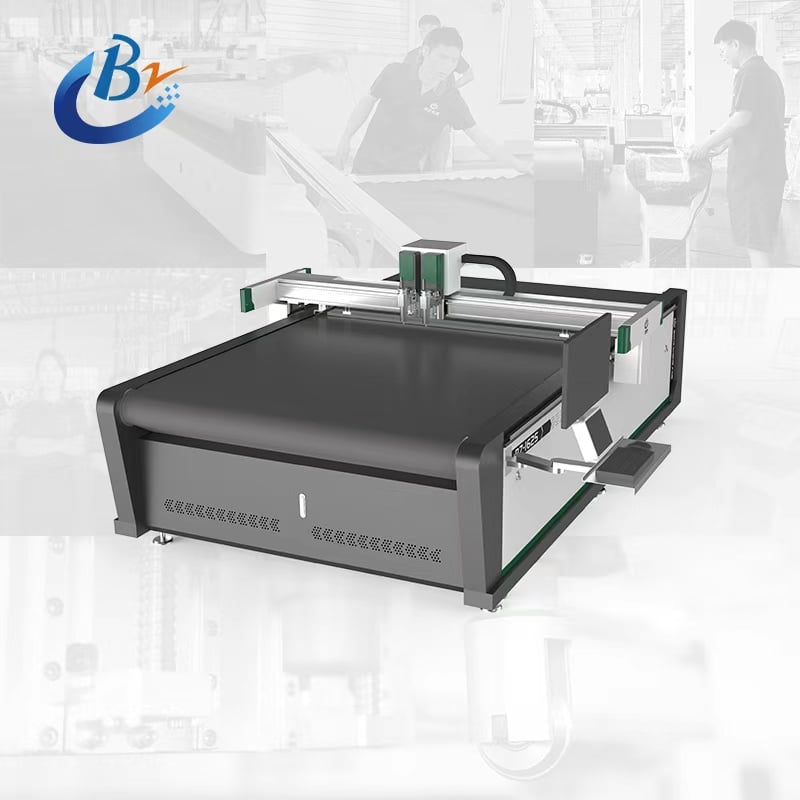
In high-volume textile and garment manufacturing, the ability to sustain output quality over extended production shifts is not just a convenience — it is a competitive necessity. An automatic fabric cutter with continuous cutting capability is specifically engineered to meet this demand, enabling factories to process large fabric quantities without the interruptions, inconsistencies, or fatigue-related errors that plague manual or semi-automated operations. Understanding how this technology functions under sustained workloads reveals why it has become a cornerstone of modern production floor strategy.
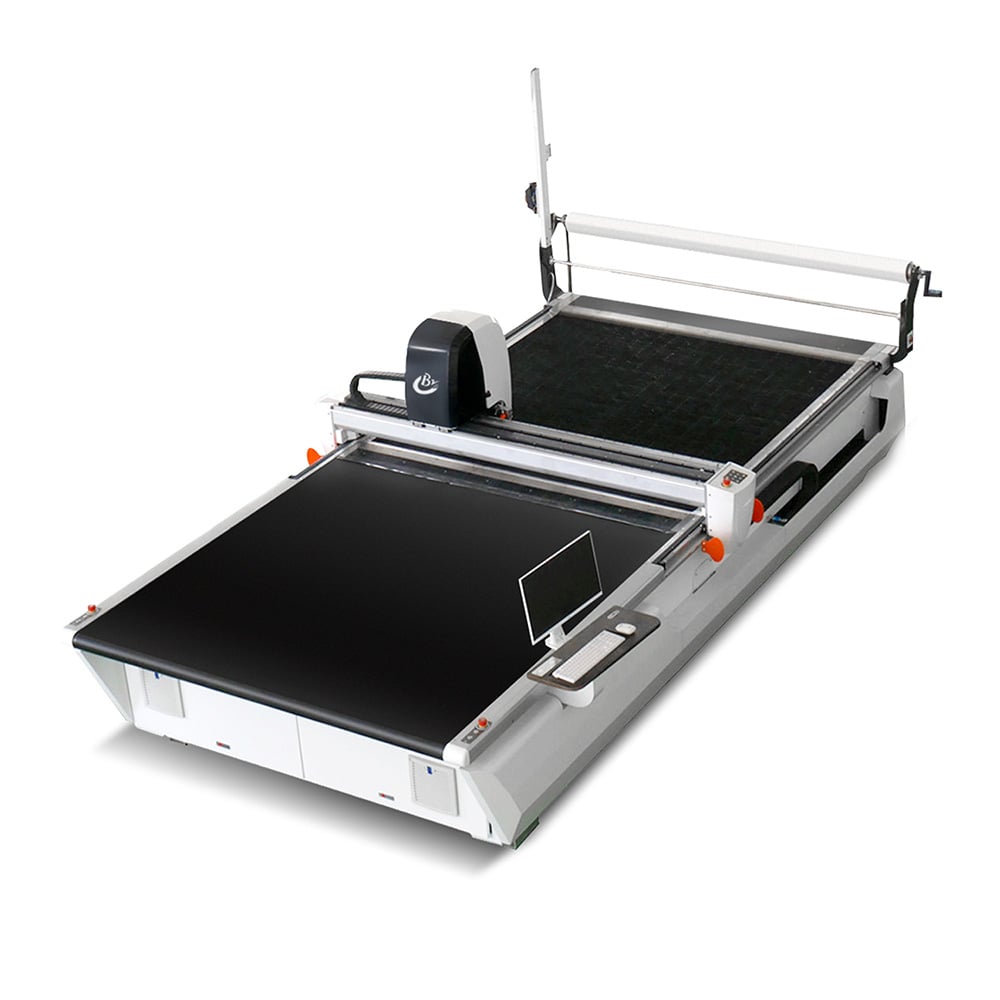
Long production runs introduce a distinct set of mechanical, thermal, and operational challenges. When an automatic fabric cutter must operate for hours or even entire shifts without stopping, every component — from the blade mechanism and material feed system to the CNC control interface — must be designed with endurance in mind. This article examines the key engineering principles and workflow strategies that allow a modern automatic fabric cutter to handle the pressures of extended, high-throughput cutting environments.
The Core Architecture That Enables Continuous Operation
Robust Drive Systems and Structural Rigidity
The foundation of any automatic fabric cutter designed for long runs begins with its mechanical architecture. Industrial-grade drive motors, reinforced cutting beams, and vibration-dampening frames are not optional upgrades — they are baseline requirements for machines expected to sustain hours of uninterrupted cutting. When a machine operates continuously, minor mechanical flexions accumulate, and a structurally weak frame will translate those vibrations into cutting deviation and premature component wear.
High-quality automatic fabric cutter models integrate servo-driven axes that maintain positional accuracy even after thousands of cuts. Unlike conventional stepper-based systems, servo motors provide real-time feedback and self-correction, meaning that the machine actively counteracts drift over long periods. This design principle ensures that the ten-thousandth cut in a production run remains as precise as the first, which is critical for pattern matching and minimal fabric waste.
Structural rigidity also plays an indirect role in energy efficiency. A well-braced machine requires less torque compensation during directional changes, reducing motor load over extended shifts. This translates not only into longer machine lifespan but also into lower electricity consumption per unit of output — an important factor for operations running multiple shifts per day.
Thermal Management During Extended Cutting Sessions
Heat buildup is one of the most underappreciated challenges in continuous cutting operations. As an automatic fabric cutter runs for extended periods, the cutting blade, motor windings, and control electronics all generate thermal load. Without proper dissipation systems, this heat accumulates, leading to blade dulling, dimensional inaccuracies in cut pieces, and potential electronic failures.
Modern automatic fabric cutter designs address this through active cooling channels in the blade housing, thermally isolated control cabinets, and heat-rated motor insulation. Some systems incorporate blade temperature sensors that trigger automatic feed-rate adjustments when thermal thresholds are approached, preventing overheating without requiring a full production stop. This kind of intelligent thermal management allows the machine to self-regulate and maintain cutting integrity throughout a long run.
Cooling is also relevant to the cutting surface. Continuous multi-layer cutting generates friction heat at the fabric-blade interface, which can cause synthetic fibers to fuse at cut edges — a defect unacceptable in precision garment manufacturing. Industrial automatic fabric cutter systems often integrate air-knife cooling or specialized blade coatings that minimize thermal transfer to the fabric, preserving cut-edge quality even during the final hours of an extended production session.
Material Feeding and Tension Control Over Long Runs
Automated Spreading and Feed Synchronization
A common bottleneck in long production runs is the transition between fabric rolls or layered spreads. Each time an operator must manually rethread, reposition, or re-tension the fabric, production momentum is lost and error risk increases. An automatic fabric cutter designed for continuous use typically pairs with an automated spreading system that handles these transitions programmatically, reducing human intervention to a minimum.
Feed synchronization ensures that the material entering the cutting zone is always at the correct tension and alignment relative to the cutting head. Inconsistent tension — even slight variations — causes fabric to shift during cutting, resulting in pieces that deviate from the programmed pattern dimensions. The automatic fabric cutter uses edge-sensing technology and tension-roller feedback loops to compensate in real time, maintaining uniformity across every layer in a multi-layer stack.
In denim and heavy woven fabric applications specifically, the weight of layered material creates additional gravitational tension that must be counteracted by the feed system. An automatic fabric cutter engineered for these materials incorporates heavier-duty feed mechanisms with torque-compensated drives, ensuring that the bottom layer of a thick fabric stack is fed with the same precision as the top layer.
Multi-Layer Cutting Without Compression Loss
Long production runs often demand multi-layer cutting to maximize throughput. As the automatic fabric cutter processes stacked layers simultaneously, consistent compression across the entire spread is essential. Inadequate or uneven compression causes layers to shift laterally during cutting, creating size deviations that accumulate across a batch.
Leading automatic fabric cutter systems use vacuum hold-down tables that apply negative pressure evenly across the entire cutting surface, locking all layers in position simultaneously. This vacuum compression not only prevents lateral shift but also reduces the effective cutting resistance, allowing the blade to pass through thick material stacks more cleanly and at higher speeds. The result is faster throughput and cleaner cut edges — both critical during long production runs where marginal efficiencies multiply into significant output gains.
Vacuum integrity must be maintained throughout the run. Pressure sensors in the cutting table monitor for leakage or inconsistency, alerting operators before compression loss affects cut quality. This self-monitoring capability means the automatic fabric cutter can sustain multi-layer operations for full production shifts without requiring manual inspection of layer positioning between every cutting cycle.
CNC Control Systems and Production Continuity
Nesting Optimization for Uninterrupted Workflow
One of the most powerful contributors to long-run efficiency in an automatic fabric cutter is its CNC nesting and programming intelligence. In manual or basic automated systems, an operator must pause cutting to reconfigure the layout for the next batch of pattern pieces. Advanced CNC systems preload multiple nesting plans in sequence, allowing the machine to transition between batches without any production pause.
Optimized nesting also directly reduces material waste per run. When an automatic fabric cutter calculates the most space-efficient arrangement of pattern pieces, it maximizes the usable area of each fabric spread. Over a long production run involving thousands of units, even a one-percent improvement in nesting efficiency translates into substantial fabric savings. This makes nesting intelligence not just a productivity tool but a direct cost-reduction mechanism.
The CNC system also maintains a cutting log throughout the run, recording parameters such as blade speed, feed rate, completed panels, and material consumption. This data allows production managers to analyze performance after each shift, identify bottlenecks, and fine-tune the machine's operating parameters for subsequent runs. The automatic fabric cutter thus becomes not only a production tool but a source of actionable operational intelligence.
Error Detection and Automatic Recovery Protocols
In a long production run, the statistical likelihood of encountering an anomaly — a fabric defect, a sudden material alignment error, or a minor mechanical interruption — is higher than in short-burst operations. What distinguishes a truly continuous-capable automatic fabric cutter from a basic model is its ability to detect, report, and recover from such anomalies without human intervention or catastrophic production loss.
Sensor arrays integrated into the cutting head and table monitor blade load, material thickness variation, and positional drift in real time. When the system detects a parameter outside acceptable tolerance — such as unexpected resistance from a fabric fold or density increase — it automatically adjusts cutting speed, blade pressure, or trajectory to compensate. Only in severe anomaly cases does the automatic fabric cutter halt and alert an operator, minimizing downtime to genuine interventions rather than precautionary stops.
Recovery protocols also address blade condition monitoring. Blade wear is cumulative over a long run, and a dull blade produces ragged edges and increases heat generation. The automatic fabric cutter tracks blade usage cycles and prompts blade changes at predetermined intervals, preventing quality degradation in the later stages of an extended production run before it becomes visible in finished pieces.
Operational Efficiency and Labor Considerations
Reducing Operator Dependency on Long Shifts
A key benefit of a continuous-capable automatic fabric cutter is its ability to sustain production quality with minimal operator supervision. In traditional cutting rooms, worker fatigue over long shifts directly correlates with increasing error rates, slower throughput, and higher accident risk. By automating the most repetitive and precision-sensitive aspects of the cutting process, the automatic fabric cutter fundamentally reshapes the operator's role from active executor to quality supervisor.
Operators working alongside an automatic fabric cutter during long runs focus primarily on material loading, completed piece collection, and exception response rather than guiding the cutting process itself. This cognitive load reduction allows a smaller team to manage larger production volumes without sacrificing quality, making the automatic fabric cutter a central component in labor efficiency strategies for mid-to-large scale manufacturers.
Additionally, the consistency delivered by automation is not subject to the natural variation introduced by operator attention fluctuations over a long shift. The automatic fabric cutter performs the five-hundredth cut of a shift with the same parameters as the first, ensuring that size consistency across a batch is maintained at a level no manual process can realistically match over extended time periods.
Maintenance Scheduling Within Production Windows
Continuous operation does not mean the elimination of maintenance — it means intelligent scheduling of maintenance activities so they do not interrupt production flow unnecessarily. A well-designed automatic fabric cutter incorporates predictive maintenance indicators that track component wear and schedule interventions during natural production pauses, such as roll changes or shift transitions, rather than during active cutting time.
Lubrication cycles, blade replacement, and belt tension checks are all triggered by usage counters and condition sensors rather than arbitrary time intervals. This condition-based maintenance approach prevents both under-maintenance — which causes unexpected failures — and over-maintenance — which wastes time and parts unnecessarily. For operations running an automatic fabric cutter through double or triple shifts, this distinction can represent several additional productive hours per week.
Training operators to interpret maintenance alerts correctly is equally important. A well-maintained automatic fabric cutter can sustain cutting quality throughout a long production run precisely because its mechanical and electronic systems remain within optimal operating parameters. Establishing clear maintenance protocols tied to the machine's built-in monitoring systems is one of the most reliable ways to protect both machine longevity and production continuity simultaneously.
FAQ
What types of fabrics can an automatic fabric cutter handle during long production runs?
An automatic fabric cutter is engineered to process a wide range of materials, including denim, woven synthetics, knits, non-woven technical fabrics, and multi-layered composites. The key variable is ensuring that the machine's blade type, compression system, and feed tension are configured appropriately for the specific fabric's weight, stretch, and weave density. Industrial-grade automatic fabric cutter models typically offer configurable parameters that allow operators to adapt the system to different material types within the same production environment.
How does an automatic fabric cutter maintain cut accuracy across thousands of pieces in a single run?
Accuracy over long runs is maintained through a combination of servo-driven positional control, real-time sensor feedback, vacuum hold-down compression, and continuous CNC monitoring. These systems work together to detect and compensate for any mechanical drift, material shift, or blade wear that would otherwise cause dimensional deviation to accumulate across the run. The automatic fabric cutter actively self-corrects rather than relying on fixed mechanical tolerances alone.
Is it necessary to stop an automatic fabric cutter between fabric rolls during a long production run?
Modern automatic fabric cutter systems paired with automated spreading equipment minimize or eliminate the need for full machine stops during roll changes. The spreading system handles re-feeding and re-tensioning as a semi-continuous process, while the CNC control manages the transition between nested cutting plans automatically. In practice, brief pauses for material loading are unavoidable, but they are significantly shorter than in manual operations and do not require resetting the machine's operational parameters.
How does an automatic fabric cutter contribute to waste reduction over extended production runs?
The automatic fabric cutter reduces fabric waste primarily through optimized CNC nesting, which calculates the most space-efficient arrangement of pattern pieces before cutting begins. Over a long run, this optimization reduces the cumulative off-cut waste significantly compared to manual layout methods. Additionally, consistent cut accuracy means fewer rejected pieces due to dimensional errors, which further reduces material waste and rework costs across high-volume production batches.
Table of Contents
- The Core Architecture That Enables Continuous Operation
- Material Feeding and Tension Control Over Long Runs
- CNC Control Systems and Production Continuity
- Operational Efficiency and Labor Considerations
-
FAQ
- What types of fabrics can an automatic fabric cutter handle during long production runs?
- How does an automatic fabric cutter maintain cut accuracy across thousands of pieces in a single run?
- Is it necessary to stop an automatic fabric cutter between fabric rolls during a long production run?
- How does an automatic fabric cutter contribute to waste reduction over extended production runs?