
 EN
EN



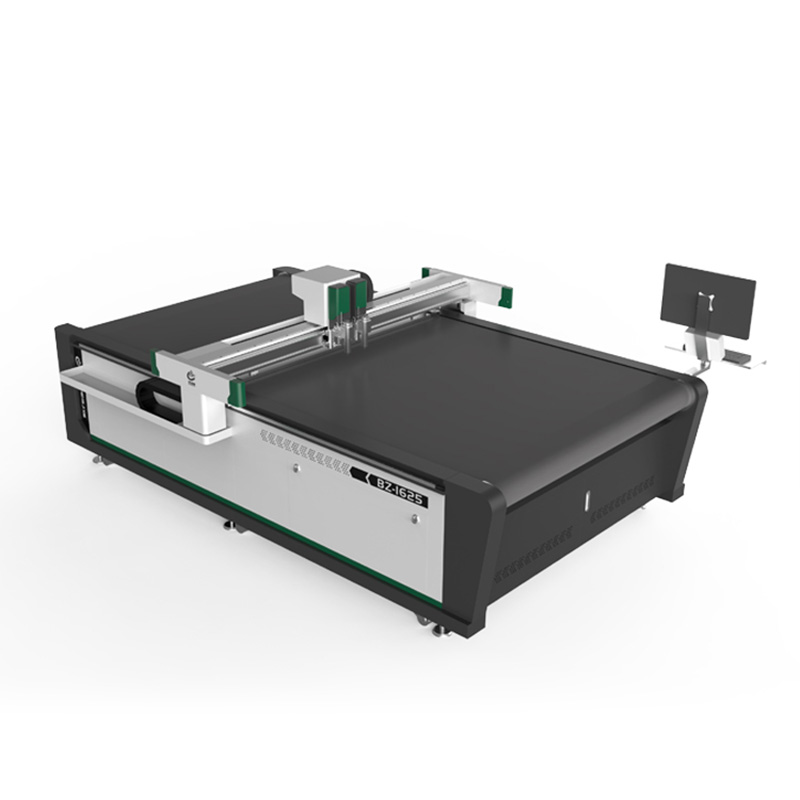
An automatic fabric cutter equipped with intelligent nesting software represents one of the most impactful investments a textile manufacturer can make. The short answer to the title question is yes — an automatic fabric cutter can absolutely optimize fabric utilization, and it does so through a combination of precision mechanics and data-driven layout logic that manual cutting simply cannot match.
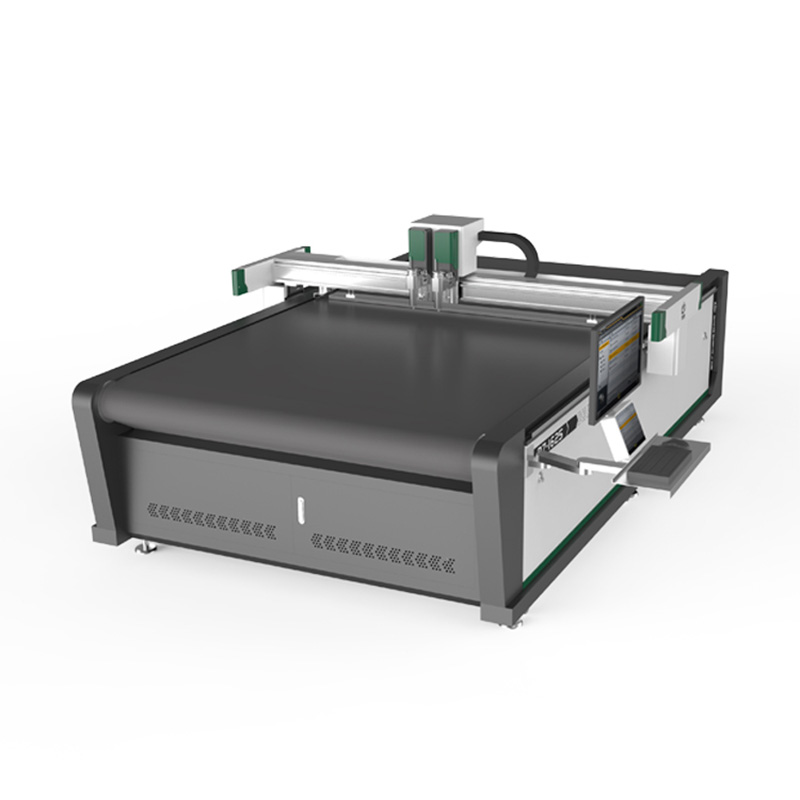
Understanding how an automatic fabric cutter achieves this optimization requires looking at two interconnected systems: the mechanical cutting unit and the nesting algorithm that governs how pattern pieces are arranged on the fabric. Together, these systems allow an automatic fabric cutter to minimize offcuts, reduce raw material waste, and deliver consistent, repeatable results across every production run. This article explores the mechanisms behind that optimization, the conditions that make it most effective, and the practical business implications for garment and textile operations.
How Intelligent Nesting Software Works Inside an Automatic Fabric Cutter
The Nesting Algorithm and Pattern Placement Logic
At the core of every high-performance automatic fabric cutter is a nesting engine that calculates the most space-efficient arrangement of pattern pieces before a single cut is made. The software evaluates thousands of possible layout combinations in seconds, rotating, flipping, and repositioning shapes to minimize the gap between pieces. When an automatic fabric cutter uses advanced nesting logic, fabric utilization rates routinely reach 85 to 95 percent, compared to 70 to 80 percent achievable by experienced manual operators. This difference in material yield is directly traceable to the computational power behind the automatic fabric cutter's nesting module.
The nesting software integrated into a modern automatic fabric cutter also accounts for fabric grain direction, pattern matching constraints, and material defects flagged by the operator. These parameters guide the layout engine so that the automatic fabric cutter does not simply maximize piece density at the cost of product quality. The result is a balanced output where yield improvement and quality compliance work together, not against each other.
Real-Time Adjustment and Multi-Layer Cutting
A well-designed automatic fabric cutter can nest patterns across multiple fabric layers simultaneously, compounding the efficiency gains. By spreading the optimized layout across a full spread of fabric plies, the automatic fabric cutter multiplies the material savings on every single cut cycle. Operators can also input order quantities and marker length constraints, and the automatic fabric cutter's software dynamically recalculates the nest to accommodate those variables without manual intervention. This level of adaptability is what separates an intelligent automatic fabric cutter from a basic CNC cutting unit that only follows pre-programmed paths.
Conditions That Determine How Well an Automatic Fabric Cutter Optimizes Utilization
Fabric Type and Spread Quality
The optimization potential of an automatic fabric cutter is partly determined by the fabric being processed. Stable, uniform materials such as woven synthetics and cotton blends allow the automatic fabric cutter to execute its nested layout with very high fidelity. Stretchy, slippery, or heavily textured fabrics introduce spread inconsistencies that can reduce the precision with which the automatic fabric cutter follows the computed nest. Proper spreading equipment and tension control are therefore important supporting conditions for achieving the full utilization gains the automatic fabric cutter is designed to deliver.
Fabric width consistency is another critical factor. An automatic fabric cutter's nesting software calculates layouts based on a declared usable width. Variations in selvedge or fabric roll width can cause the automatic fabric cutter to leave more waste than the nest predicts. Operators who audit fabric roll specifications before feeding them to the automatic fabric cutter see more consistent utilization outcomes and fewer costly remakes.
Order Complexity and Batch Size
The automatic fabric cutter delivers its strongest utilization improvements when handling complex, multi-size orders with many pattern pieces per garment. In these scenarios, the nesting algorithm has more geometric combinations to explore and can achieve tighter packing densities than simpler orders allow. For small single-style batches, the automatic fabric cutter still outperforms manual cutting in speed and accuracy, but the relative gain in fabric utilization may be more modest. Production planners who consolidate orders and maximize spread length give the automatic fabric cutter the best conditions to operate at peak efficiency.
Business Impact of Using an Automatic Fabric Cutter with Nesting Software
Material Cost Reduction and ROI
Fabric is typically the largest single cost component in garment production, often representing 40 to 60 percent of total product cost. Even a modest improvement in fabric utilization delivered by an automatic fabric cutter translates into significant savings per unit. A facility cutting several thousand meters of fabric per day can recover the capital cost of an automatic fabric cutter within a relatively short period through material savings alone. The automatic fabric cutter also reduces the labor hours associated with manual marking, spreading, and cutting, further strengthening the financial case.
Beyond direct cost savings, the automatic fabric cutter provides data traceability. Each cutting session generates a digital record of material consumption, nest efficiency, and cut accuracy. Managers using an automatic fabric cutter with reporting capabilities can track utilization trends, identify inefficiencies, and make informed procurement and planning decisions. This data layer adds long-term strategic value that extends well beyond the immediate cut-floor benefits of the automatic fabric cutter.
Scalability and Production Consistency
One of the most compelling advantages of an automatic fabric cutter is its ability to deliver the same optimized output regardless of operator skill level or production volume. A manual cutting team's performance varies with fatigue, experience, and shift changes. An automatic fabric cutter applies the same nesting logic and cutting precision to the first order of the day and the last, ensuring that fabric utilization targets are met consistently. As production volumes scale, the automatic fabric cutter scales with them without proportional increases in labor cost or quality risk, making it a foundational asset for growing textile businesses.
FAQ
What fabric types work best with an automatic fabric cutter?
An automatic fabric cutter performs best with dimensionally stable fabrics such as woven cottons, polyesters, and blended textiles. These materials hold their position during spreading, allowing the automatic fabric cutter to cut with precision matching the nested layout. Stretch fabrics can be processed, but they may require additional fixturing or a specialized automatic fabric cutter blade configuration to maintain accuracy.
How much fabric waste can an automatic fabric cutter eliminate?
With intelligent nesting software, an automatic fabric cutter can reduce fabric waste by 10 to 20 percent compared to manual cutting methods. The exact savings depend on order complexity, fabric type, and spread parameters. Facilities that optimize these input conditions consistently achieve the higher end of this range with their automatic fabric cutter systems.
Is an automatic fabric cutter suitable for small production runs?
Yes, an automatic fabric cutter can handle small runs effectively. While the proportional fabric savings are greatest on complex multi-size orders, the automatic fabric cutter still delivers speed, accuracy, and consistent cut quality even for short batches. For businesses handling both small custom orders and large volume runs, a flexible automatic fabric cutter with adjustable nesting parameters is a practical solution that supports both production modes.