
 EN
EN



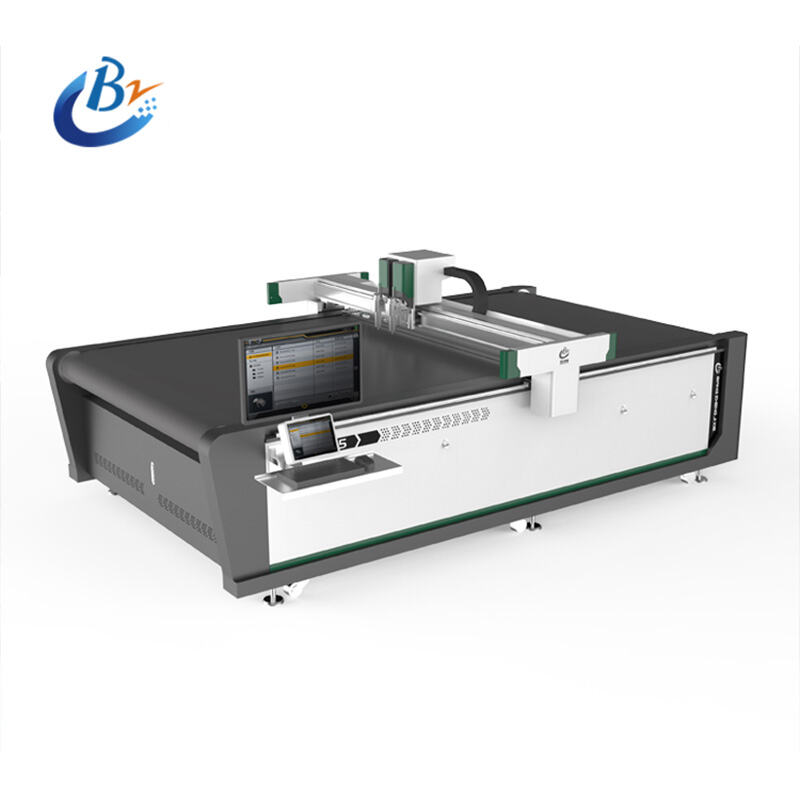
Modern textile manufacturing demands precision, speed, and adaptability. An automated fabric cutting machine equipped with material recognition technology represents one of the most significant advances in this space. Rather than relying on manual operator input to configure cutting parameters for each new fabric type, these systems use integrated sensing and software intelligence to detect what material is loaded and adjust their settings accordingly — all without human intervention.
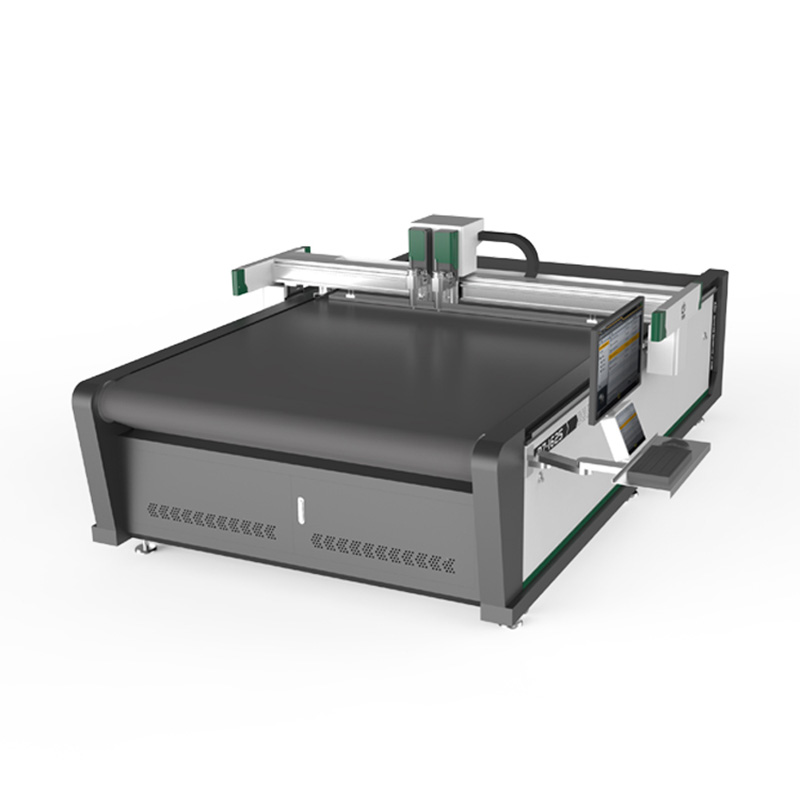
Understanding how this automatic adjustment process works is essential for production managers, textile engineers, and procurement teams evaluating whether to upgrade their cutting operations. This article breaks down the mechanism behind material recognition in an automated fabric cutting machine, explains how each detected variable triggers a corresponding setting change, and outlines the practical benefits this capability delivers on the production floor.
The Role of Material Recognition in Automated Cutting
What Material Recognition Actually Detects
Material recognition in an automated fabric cutting machine is not a single sensor but a layered detection system. It typically combines optical sensors, pressure feedback, and sometimes spectral analysis to build a profile of the loaded fabric. The system evaluates surface texture, thickness, density, stretch behavior, and in some configurations, fiber composition.
Each of these data points contributes to a material profile that the machine's control software matches against a pre-built library of fabric types. When a match is confirmed — whether it is a tightly woven denim, a loosely knit jersey, a delicate chiffon, or a technical nonwoven — the system retrieves the corresponding cutting parameters associated with that material class.
This recognition step happens before the first cut is made. The automated fabric cutting machine scans the loaded material during the feed-in phase, processes the sensor data in real time, and completes its identification within seconds. The operator does not need to select a fabric profile manually, which eliminates a common source of setup error in high-mix production environments.
How the Recognition System Builds Its Material Library
The material library embedded in an automated fabric cutting machine is built through a combination of factory-loaded profiles and operator-trained entries. Manufacturers typically pre-load the system with profiles for the most common fabric categories used in apparel, upholstery, technical textiles, and industrial applications.
When a production facility introduces a new fabric that falls outside the existing library, the machine's calibration mode allows an operator to run a sample cut, record the sensor readings, and save a new profile under a custom label. Over time, the library grows to reflect the specific material mix of that facility, making the automated fabric cutting machine increasingly accurate in its recognition and adjustment behavior.
This learning capability is particularly valuable in contract cutting operations where the material mix changes frequently. Rather than reconfiguring the machine manually for each new order, operators simply load the fabric and allow the recognition system to handle the rest.
How Detected Material Properties Trigger Automatic Setting Adjustments
Blade Speed and Cutting Velocity
One of the first parameters the automated fabric cutting machine adjusts based on material recognition is blade speed. Dense, tightly woven fabrics such as canvas or heavy denim require a slower, more controlled cutting velocity to maintain edge quality and prevent blade deflection. Lightweight or loosely structured fabrics, by contrast, can be cut at higher speeds without compromising accuracy.
The recognition system translates the detected fabric density and thickness into a recommended blade speed range. The machine's motion controller then sets the cutting head velocity within that range, optimizing throughput without sacrificing cut quality. This adjustment happens automatically each time a new material is loaded, ensuring that the automated fabric cutting machine always operates at the correct speed for the specific fabric in use.
In multi-layer cutting scenarios, the system also accounts for the cumulative thickness of the fabric stack. If the detected material is being cut in multiple plies, the blade speed is further modulated to ensure clean penetration through all layers simultaneously.
Blade Pressure and Downforce Control
Blade pressure — the downward force applied by the cutting head — is another critical variable that the automated fabric cutting machine adjusts based on material recognition data. Fabrics with high resistance to cutting, such as thick technical textiles or bonded composites, require greater downforce to achieve a clean, complete cut. Delicate materials like silk or fine knits require minimal pressure to avoid distortion or damage.
The pressure control system in a modern automated fabric cutting machine uses servo-driven actuators that can modulate downforce in real time. When the material recognition system identifies a high-resistance fabric, it signals the actuator to increase pressure to the appropriate level. For sensitive materials, it reduces pressure to the minimum effective threshold.
This dynamic pressure adjustment is especially important when cutting stretch fabrics. Excessive downforce on an elastic material causes it to compress during cutting, resulting in pieces that spring back to a larger size than intended. The recognition system detects stretch characteristics and reduces pressure accordingly, preserving dimensional accuracy in the finished cut pieces.
Blade Type and Oscillation Frequency
Some advanced automated fabric cutting machine models support multiple blade configurations or oscillating blade mechanisms with adjustable frequency. Material recognition data informs which blade mode is most appropriate for the detected fabric. Straight blades work well for stable woven materials, while oscillating blades are better suited for thick, dense, or layered materials that benefit from a reciprocating cutting action.
When the system detects a material that requires oscillation, it activates the oscillating mechanism and sets the frequency based on the fabric's resistance profile. Higher frequencies are used for denser materials, while lower frequencies are applied to materials where a smoother cut path is preferred. This automatic selection removes the need for operators to manually switch blade modes between jobs.
Feed Rate and Fabric Tension Management
Automatic Feed Rate Calibration
The feed rate — how quickly the fabric is advanced through the cutting zone — must be matched to the material's structural characteristics. An automated fabric cutting machine with material recognition adjusts the feed rate to prevent slippage, bunching, or stretching during the cutting process. Stable woven fabrics can be fed at higher rates, while knits and stretch materials require slower, more controlled advancement.
The recognition system communicates the detected material type to the feed drive controller, which sets the appropriate feed rate before cutting begins. If the system detects mid-run variations in the fabric — such as a change in weave density or the presence of a seam — it can make incremental feed rate adjustments in real time to maintain consistent cutting quality throughout the roll.
This level of feed rate intelligence is particularly valuable in long production runs where fabric characteristics may vary slightly from one section of a roll to another. The automated fabric cutting machine compensates for these variations automatically, reducing the need for operator monitoring and intervention.
Tension Control for Stretch and Knit Fabrics
Fabric tension management is one of the more technically demanding aspects of cutting stretch and knit materials. If tension is too high, the fabric stretches during cutting and the finished pieces are undersized. If tension is too low, the fabric shifts or wrinkles, causing misalignment and cut inaccuracies. An automated fabric cutting machine with material recognition addresses this by automatically setting the tension control system to the appropriate level for the detected material.
For highly elastic fabrics, the system reduces tension to near-zero and relies on vacuum hold-down or pinning systems to stabilize the material during cutting. For stable wovens, moderate tension is applied to keep the fabric flat and aligned. The transition between these modes is handled automatically based on the material recognition output, with no manual adjustment required from the operator.
This automatic tension management capability makes the automated fabric cutting machine suitable for a much wider range of materials than a conventional fixed-parameter cutter. It allows a single machine to handle everything from rigid technical fabrics to highly elastic sportswear materials without requiring separate equipment or extensive manual reconfiguration.
Nesting Optimization and Cut Path Adjustment Based on Material Type
How Material Properties Influence Nesting Logic
Nesting — the process of arranging pattern pieces on the fabric to minimize waste — is not purely a geometric exercise. The material's grain direction, stretch axis, and surface pattern all impose constraints on how pieces can be positioned. An automated fabric cutting machine with material recognition feeds material data directly into the nesting software, allowing it to apply the correct orientation rules automatically.
For woven fabrics, the system enforces grain line alignment based on the detected warp and weft direction. For stretch fabrics, it aligns pieces along the non-stretch axis to ensure consistent fit in the finished garment. For patterned materials, it activates pattern-matching logic that adjusts piece placement to align repeating motifs across adjacent panels.
These nesting adjustments happen automatically once the material is recognized, without requiring the operator to manually configure orientation rules for each new fabric. The result is a nesting layout that is both material-appropriate and optimized for minimum fabric waste — a combination that directly impacts material cost per unit.
Cut Path Sequencing for Different Fabric Behaviors
The sequence in which cut paths are executed also varies by material type. For fabrics prone to fraying, the automated fabric cutting machine prioritizes cutting interior notches and detail cuts before outer contours, reducing the risk of edge distortion. For stretch fabrics, the system sequences cuts to minimize the time any section of the fabric remains under tension without being fully cut free.
Material recognition enables the machine to select the appropriate cut path sequence automatically. The control software maps the detected material behavior to a sequencing strategy from its library and applies it to the current cutting plan. This level of cut path intelligence is difficult to replicate manually, particularly in high-speed production environments where operators are managing multiple machines simultaneously.
By automating cut path sequencing based on material type, the automated fabric cutting machine reduces edge quality issues, minimizes rework, and maintains consistent output quality across different fabric categories without requiring specialized operator knowledge for each material.
FAQ
Can an automated fabric cutting machine recognize all fabric types without manual input?
Most automated fabric cutting machine models with material recognition can identify a wide range of common fabric types from their pre-loaded library without any manual input. However, highly specialized or novel materials may require an initial calibration run where the operator trains the system by saving a new material profile. Once saved, the machine recognizes that material automatically in all future runs.
How does the automated fabric cutting machine handle fabrics with mixed fiber compositions?
Mixed-fiber fabrics are recognized based on their physical properties — thickness, density, surface texture, and stretch behavior — rather than their chemical composition. The automated fabric cutting machine matches these physical characteristics to the closest profile in its library and applies the corresponding settings. For blended fabrics with unusual behavior, operators can create a custom profile that captures the specific cutting requirements of that material.
Does automatic setting adjustment slow down the cutting process?
The material recognition and setting adjustment process in a modern automated fabric cutting machine typically completes within a few seconds during the fabric loading phase. This adds negligible time to the overall production cycle while eliminating the much longer manual setup time that would otherwise be required. In high-mix environments, the time savings from automatic adjustment are substantial compared to manual reconfiguration between jobs.
What happens if the automated fabric cutting machine misidentifies a material?
If a material is misidentified, the operator can override the automatic selection and manually assign the correct profile before cutting begins. Most systems also allow operators to flag misidentification events, which helps improve the recognition algorithm over time. Running a short test cut on a fabric sample before committing to a full production run is a standard practice that catches any misidentification before it affects finished goods.
Table of Contents
- The Role of Material Recognition in Automated Cutting
- How Detected Material Properties Trigger Automatic Setting Adjustments
- Feed Rate and Fabric Tension Management
- Nesting Optimization and Cut Path Adjustment Based on Material Type
-
FAQ
- Can an automated fabric cutting machine recognize all fabric types without manual input?
- How does the automated fabric cutting machine handle fabrics with mixed fiber compositions?
- Does automatic setting adjustment slow down the cutting process?
- What happens if the automated fabric cutting machine misidentifies a material?