
 EN
EN



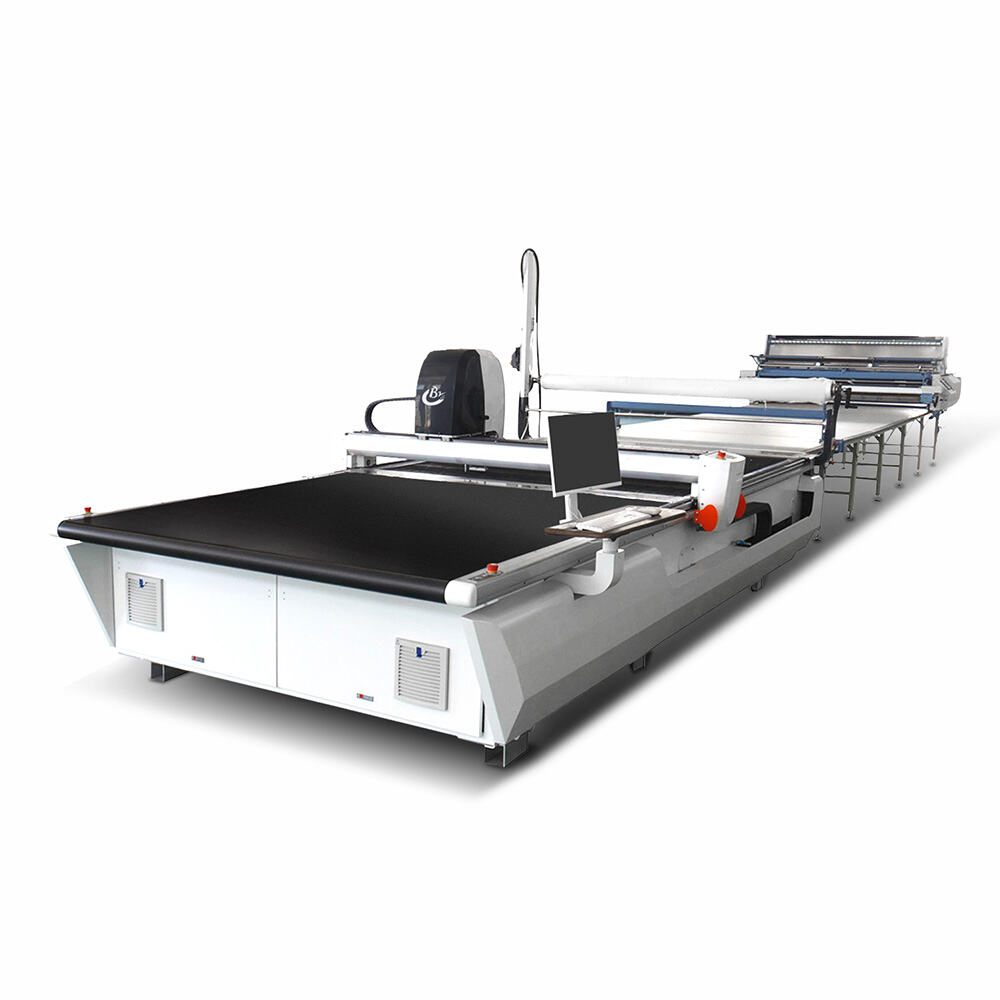
Fashion brands today operate in an environment where speed to market determines competitive advantage, and nowhere is this more critical than in the sampling phase. Rapid sampling enables designers to test concepts, evaluate fit and drape, and make informed decisions before committing to full production runs. However, traditional manual cutting methods create bottlenecks that delay sample production, increase labor costs, and introduce consistency issues that compromise quality assessment. This is precisely why an increasing number of fashion brands are turning to automated fabric cutting machines to transform their sampling workflows and accelerate product development cycles.
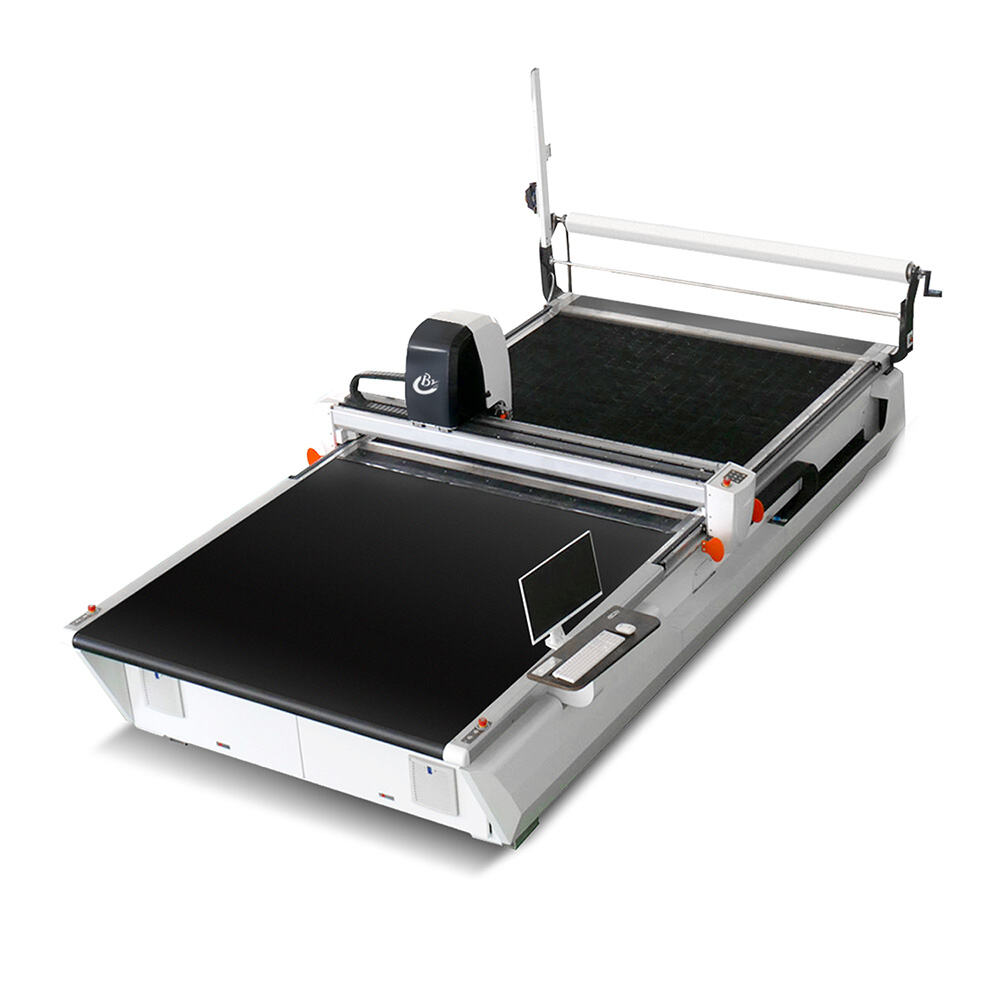
The shift toward automation in fabric cutting addresses fundamental challenges that have plagued the fashion industry for decades. When brands need to produce multiple sample iterations within compressed timelines, manual cutting becomes both a productivity constraint and a quality risk. Automated fabric cutting machines eliminate human variability, reduce material waste, and enable same-day turnaround on sample cuts that would traditionally require days of skilled labor. Understanding why these systems deliver such substantial value requires examining the specific operational, financial, and strategic benefits they provide throughout the rapid sampling process.
The Speed Imperative in Fashion Sampling
Compression of Product Development Timelines
Fashion brands face relentless pressure to shorten the time between concept and market availability. Consumer preferences shift rapidly, and trend cycles that once lasted seasons now evolve within weeks. This acceleration demands that sampling workflows operate at unprecedented speeds. Automated fabric cutting machines address this requirement by reducing cutting time per sample piece by seventy to eighty percent compared to manual methods. Where a skilled cutter might require forty minutes to precisely cut pattern pieces for a single garment sample, an automated system completes the same task in eight to ten minutes with superior accuracy.
The cumulative effect across multiple sampling iterations becomes transformative. When brands produce five to seven sample rounds before finalizing a design, the time savings compound significantly. Automated fabric cutting machines enable design teams to test more variations within the same development window, improving final product quality without extending time to market. This capacity to iterate rapidly while maintaining precision gives brands the agility to respond to emerging trends and competitive pressures that manual workflows simply cannot match.
Same-Day Sampling Capabilities
The ability to produce samples on demand within a single working day fundamentally changes how design teams operate. Traditional sampling workflows require coordination between pattern makers, cutters, and sample sewers across multiple departments, often spanning several days even for simple garments. Automated fabric cutting machines collapse this timeline by eliminating the queue time associated with manual cutting departments. Pattern files transfer digitally from design software directly to cutting systems, and fabric pieces emerge ready for assembly within minutes of receiving the cut order.
This same-day capability enables design reviews and fitting sessions to occur in real time. When a designer identifies a needed adjustment during a morning fitting, the corrected pattern can be cut and reassembled by afternoon, allowing immediate validation of the change. This rapid feedback loop accelerates decision-making and reduces the likelihood of discovering fit issues late in the development process when corrections become expensive. Fashion brands using automated fabric cutting machines for sampling report that compressed iteration cycles improve both product quality and team productivity by enabling more experimental approaches without timeline penalties.
Precision and Consistency Advantages
Elimination of Human Cutting Variability
Manual fabric cutting introduces inherent variability that affects sample quality and fit assessment accuracy. Even highly skilled cutters produce slight dimensional variations between identical pattern pieces, particularly when working with challenging fabrics like slippery satins or bias-cut knits. These inconsistencies create ambiguity during fitting sessions because it becomes difficult to determine whether fit issues stem from pattern problems or cutting variations. Automated fabric cutting machines remove this variable entirely by executing each cut with computer-controlled precision, ensuring that every sample piece matches the digital pattern specifications exactly.
This precision proves particularly valuable when producing multiple samples of the same design for size grading validation or comparative testing. Automated systems cut size two, size eight, and size fourteen samples with identical accuracy, enabling designers to assess grading algorithms without the confounding factor of cutting inconsistency. The dimensional repeatability of automated fabric cutting machines also facilitates accurate assessment of fabric behavior, as designers can confidently attribute any fit variations to material properties rather than cutting errors, leading to more informed fabric selection decisions.
Complex Pattern Handling Without Skill Constraints
Fashion designs increasingly incorporate intricate pattern pieces with complex curves, sharp angles, and precise notch placements that challenge even experienced manual cutters. Automated fabric cutting machines handle these complexities without difficulty, executing the most demanding pattern geometries with the same ease as simple rectangular pieces. This capability removes skill limitations as a constraint on design ambition, allowing creative teams to explore complex construction techniques and innovative silhouettes without worrying whether the cutting department can accurately execute the patterns.
The consistency with which automated systems handle complex patterns also improves communication between design and production teams. When production teams receive samples cut with the same precision that automated systems will deliver in bulk manufacturing, they gain accurate previews of production challenges and can provide more reliable costing and timing estimates. This alignment between sampling and production cutting capabilities reduces the surprises that often emerge when manually cut samples transition to automated production, leading to smoother commercialization processes and fewer costly adjustments after production commits.
Material Efficiency and Cost Control
Waste Reduction Through Optimized Nesting
Fabric waste represents a significant cost factor in sampling operations, particularly when working with expensive specialty materials or limited-availability textiles. Manual cutting typically achieves material utilization rates of seventy to seventy-five percent, meaning that a quarter of purchased fabric becomes waste. Automated fabric cutting machines incorporate sophisticated nesting algorithms that arrange pattern pieces to maximize fabric usage, routinely achieving utilization rates exceeding eighty-five percent. For high-value fabrics costing fifty to one hundred dollars per yard, this efficiency improvement delivers immediate financial returns.
The waste reduction advantage extends beyond direct material costs to include inventory management benefits. When sampling requires less fabric per design iteration, brands can maintain smaller fabric inventories while still supporting robust sampling programs. This reduced inventory requirement frees working capital and minimizes the risk of holding obsolete materials when trend directions shift. Automated fabric cutting machines also enable brands to produce samples from shorter fabric lengths, making it economically viable to sample with small-quantity specialty fabrics that manual cutting would waste excessively.
Labor Cost Optimization
Skilled manual cutters command premium wages due to the expertise required for accurate fabric cutting, and many fashion markets face shortages of qualified cutting personnel. Automated fabric cutting machines reduce dependence on this scarce labor resource by enabling less specialized operators to oversee cutting operations. A single operator can often manage multiple automated systems simultaneously, dramatically improving labor productivity compared to manual cutting workflows where one skilled worker produces one cut at a time.
This labor efficiency proves particularly valuable for brands producing high volumes of samples across multiple collections simultaneously. During peak sampling periods when design teams prepare seasonal collections, automated fabric cutting machines maintain consistent output without requiring overtime labor or temporary staff additions. The operational flexibility this provides enables brands to absorb sampling volume fluctuations without proportional increases in labor costs, creating a more predictable and manageable cost structure for product development operations.
Quality Enhancement Through Digital Integration
Direct CAD to Cut Workflow Accuracy
Traditional sampling workflows involve multiple translation steps between digital pattern files and physical fabric pieces, with each transition introducing potential for errors. Patterns may be printed, traced, or manually marked on fabric, and each of these intermediate steps creates opportunities for dimensional distortion or misinterpretation. Automated fabric cutting machines eliminate these translation errors by reading pattern files directly from CAD systems and executing cuts based on the original digital specifications without intermediate conversions.
This direct digital workflow also creates valuable documentation and traceability. Every sample cut generates a digital record that associates specific pattern versions with the resulting physical samples, enabling design teams to track which pattern iteration produced which sample outcomes. When designers review samples and identify needed adjustments, they can reference the exact pattern specifications used to produce those samples, eliminating confusion about which pattern version is under discussion. This precision in communication reduces development errors and ensures that pattern corrections address the actual issues identified during sampling reviews.
Notch and Marking Precision for Assembly Accuracy
Accurate garment assembly depends critically on precise notch placement and alignment marks that guide sample sewers in matching and joining pattern pieces. Manual cutting introduces variability in notch location and depth, sometimes leading to assembly confusion or misalignment that affects sample fit. Automated fabric cutting machines place notches and internal marks with millimeter-level precision, ensuring that sample sewers receive perfectly prepared pieces that align correctly during assembly without ambiguity or adjustment.
This marking precision becomes especially important when sampling complex garments with multiple layers, intricate seaming, or precise matching requirements such as stripe alignment or pattern matching. Automated systems can mark drill holes for pocket placements, create reference lines for topstitching, and add alignment guides that would be time-prohibitive to mark manually. These detailed markings improve sample assembly quality and reduce the likelihood that assembly errors will obscure pattern or fit issues during design review sessions, leading to more productive sampling cycles and fewer repeated samples.
Strategic Business Advantages
Competitive Responsiveness and Market Agility
Fashion brands that can rapidly sample and validate new designs gain significant competitive advantages in responding to market opportunities. When a competitor launches a successful silhouette or a social media trend creates sudden demand for a specific style element, brands with rapid sampling capabilities can evaluate similar designs and bring products to market while demand remains strong. Automated fabric cutting machines provide the speed foundation for this responsiveness, enabling brands to move from concept to validated sample in days rather than weeks.
This agility also reduces the financial risk associated with trend-driven product development. When sampling cycles are fast and inexpensive, brands can afford to test more speculative design concepts without committing significant resources before validating market potential. Automated fabric cutting machines make it economically feasible to produce small sample sets for early customer feedback or limited test marketing, providing data that informs production decisions and reduces the likelihood of costly inventory mistakes from misjudged product appeal.
Enhanced Creative Exploration and Innovation
The accessibility and speed of automated fabric cutting machines encourage design teams to explore more creative options during development. When producing an additional sample variation requires minimal time and cost, designers feel empowered to test alternative construction approaches, experiment with unconventional pattern shapes, or validate innovative design details that might seem too risky to sample under traditional workflows. This creative freedom often leads to distinctive products that differentiate brands in crowded markets.
The reduced friction in the sampling process also improves collaboration between design and technical teams. Pattern technicians can quickly test proposed solutions to construction challenges, and designers can immediately evaluate the results, creating a collaborative problem-solving environment that produces better final products. Automated fabric cutting machines remove the bottleneck that often forces teams to commit to design directions before thoroughly exploring alternatives, resulting in more refined products that better balance aesthetic vision with technical execution requirements.
FAQ
What types of fabrics can automated fabric cutting machines handle for fashion sampling?
Modern automated fabric cutting machines accommodate virtually all textile types used in fashion production, including woven fabrics from lightweight chiffons to heavyweight denims, knit fabrics with varying stretch characteristics, and technical materials like bonded fabrics and coated textiles. Advanced systems use different cutting technologies such as rotary blades, reciprocating knives, or laser cutting depending on material characteristics, ensuring clean edges without fraying or distortion. Some specialized automated cutting systems even handle delicate materials like lace and mesh that challenge manual cutters, along with difficult substrates like leather and vinyl that require significant skill when cut manually.
How much space do automated fabric cutting machines require in a sampling facility?
Space requirements for automated fabric cutting machines vary by system capacity and configuration, but most fashion sampling operations can be accommodated by compact systems requiring approximately one hundred to one hundred fifty square feet of floor space including material loading areas and operator access zones. This footprint is comparable to or smaller than traditional manual cutting tables when accounting for the material staging and workflow space manual operations require. Many brands find that automated systems actually improve space efficiency because the faster cutting speeds reduce work-in-progress accumulation and the need for extensive cutting queue staging areas that manual workflows demand.
Can automated fabric cutting machines integrate with existing design software systems?
Contemporary automated fabric cutting machines feature extensive compatibility with industry-standard fashion design and pattern-making software including systems like Gerber, Lectra, Optitex, and Browzwear among others. Most cutting systems accept standard file formats such as DXF, AAMA, and ASTM which these design platforms export, enabling seamless workflow integration without requiring software replacement or extensive file conversion processes. Some automated cutting manufacturers also provide direct integration plugins for popular design software, further streamlining the transfer of pattern data from design workstations to cutting equipment and ensuring that the digital pattern specifications translate accurately to physical cuts.
What is the typical return on investment timeline for automated fabric cutting machines in sampling operations?
Return on investment timelines for automated fabric cutting machines in fashion sampling contexts typically range from twelve to twenty-four months depending on sampling volume, labor costs in the specific market, and the value of materials being cut. Brands producing more than twenty samples daily generally achieve faster payback periods due to substantial labor savings and material waste reduction. The financial return calculation should include not only direct cost savings but also the value of accelerated time-to-market capabilities and improved sample quality, which often deliver strategic benefits that exceed the measurable operational cost reductions and justify investment even for moderate-volume sampling operations.
Table of Contents
- The Speed Imperative in Fashion Sampling
- Precision and Consistency Advantages
- Material Efficiency and Cost Control
- Quality Enhancement Through Digital Integration
- Strategic Business Advantages
-
FAQ
- What types of fabrics can automated fabric cutting machines handle for fashion sampling?
- How much space do automated fabric cutting machines require in a sampling facility?
- Can automated fabric cutting machines integrate with existing design software systems?
- What is the typical return on investment timeline for automated fabric cutting machines in sampling operations?