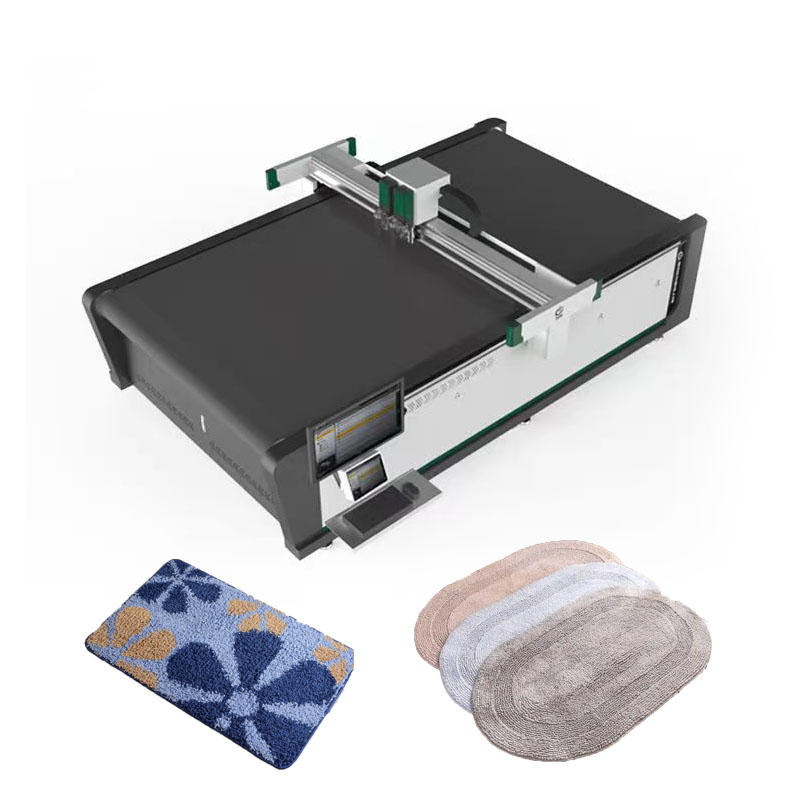
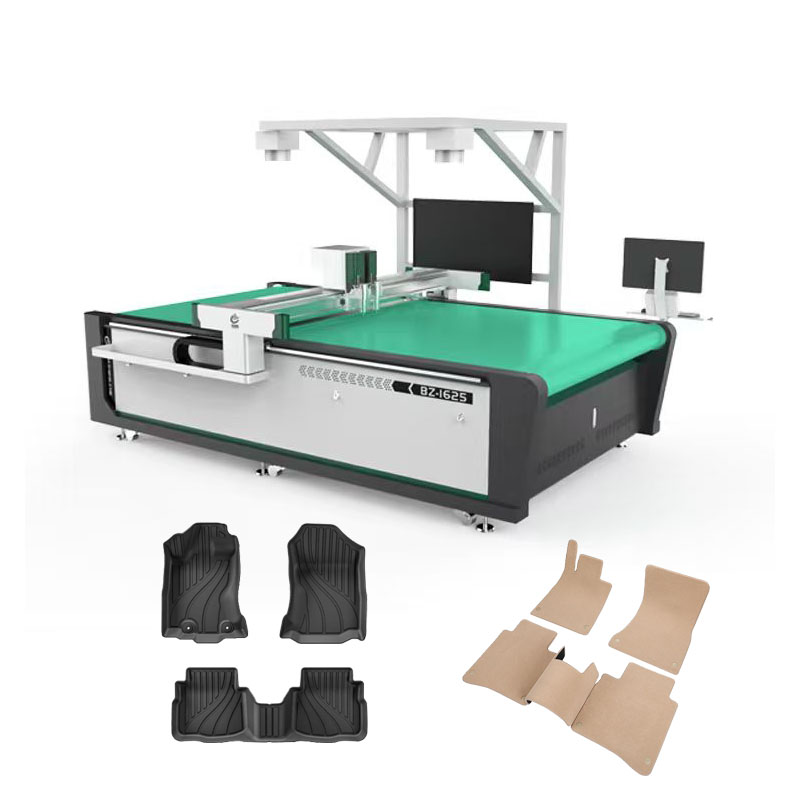
garment cutting machine for knit fabric
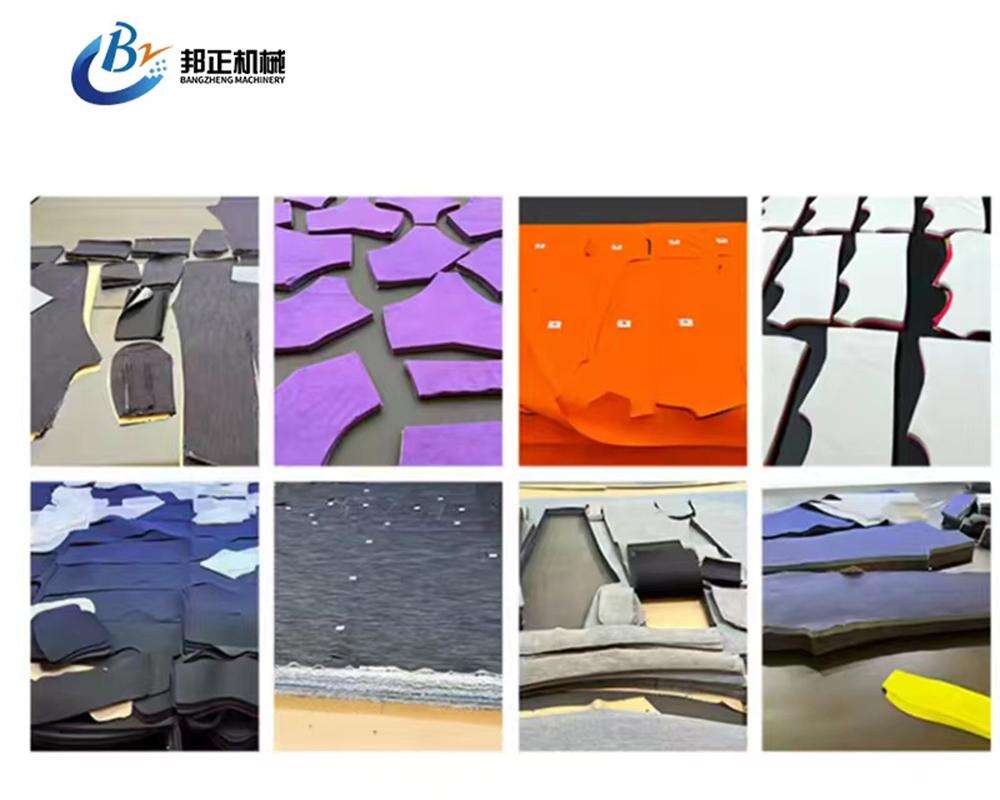
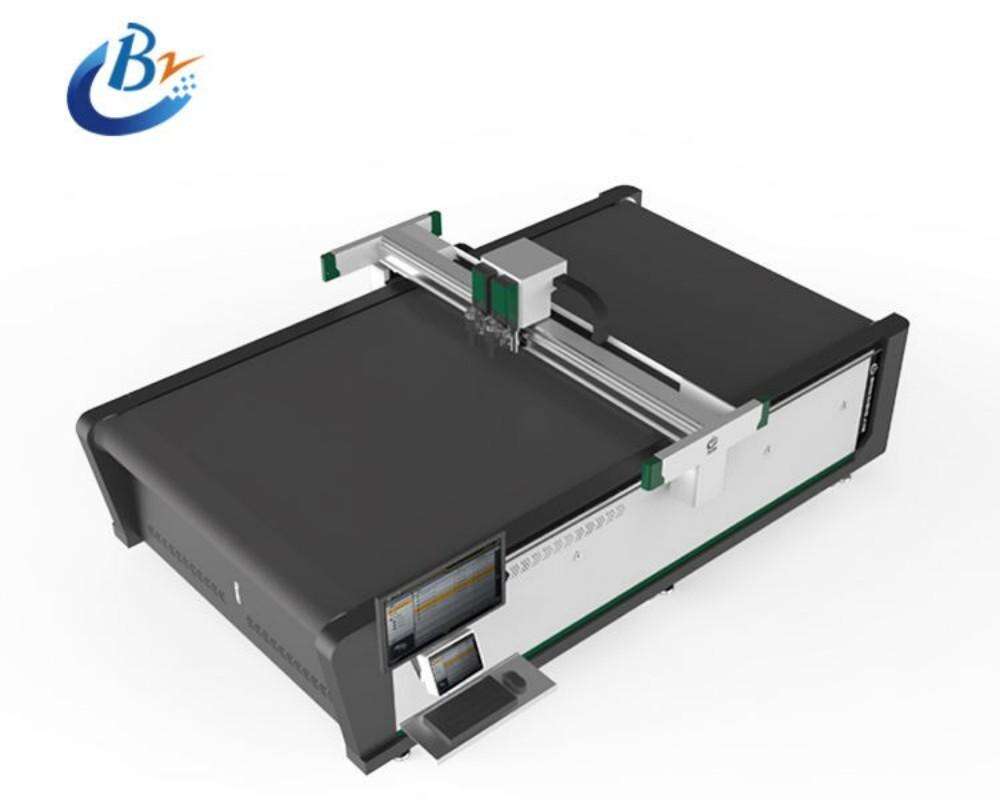
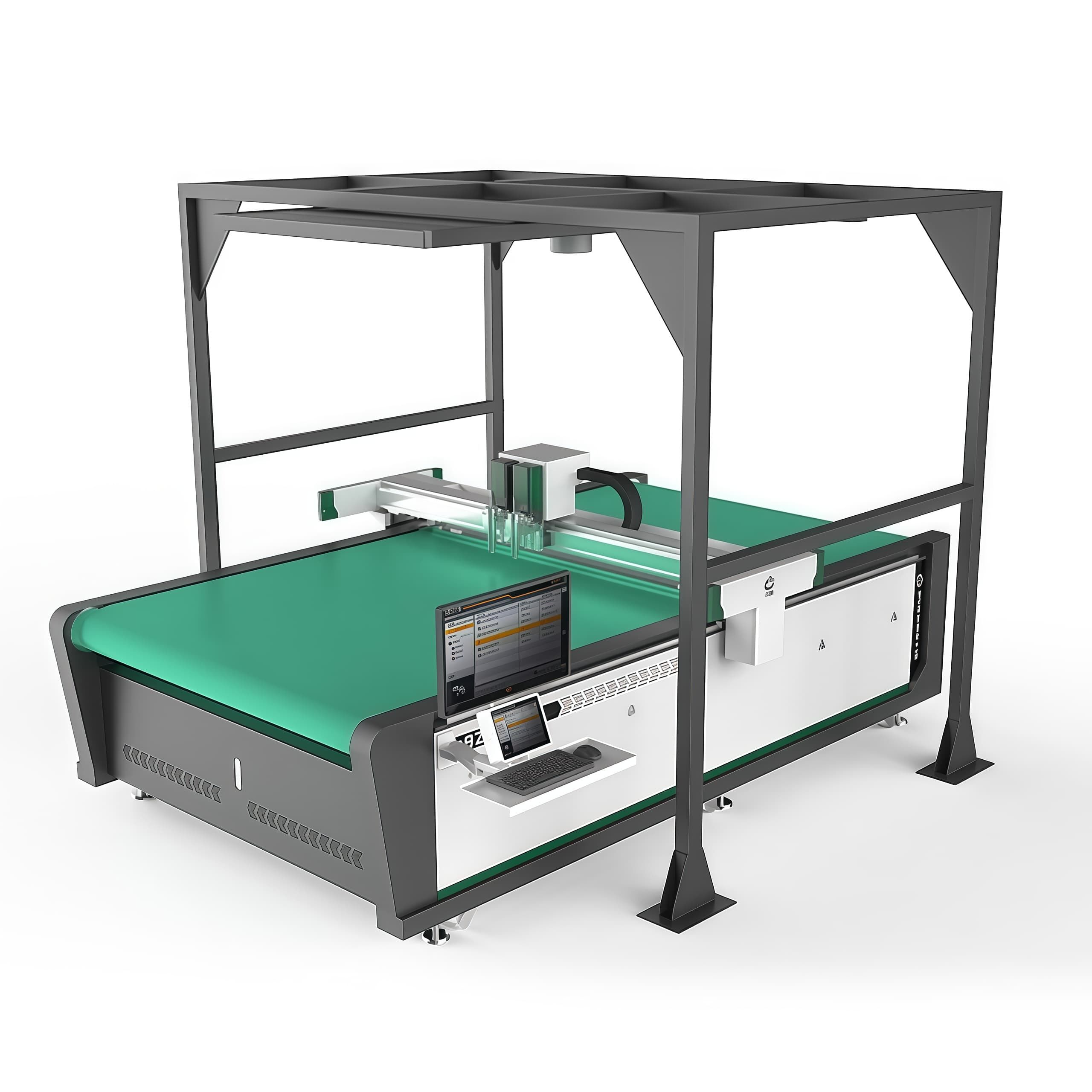
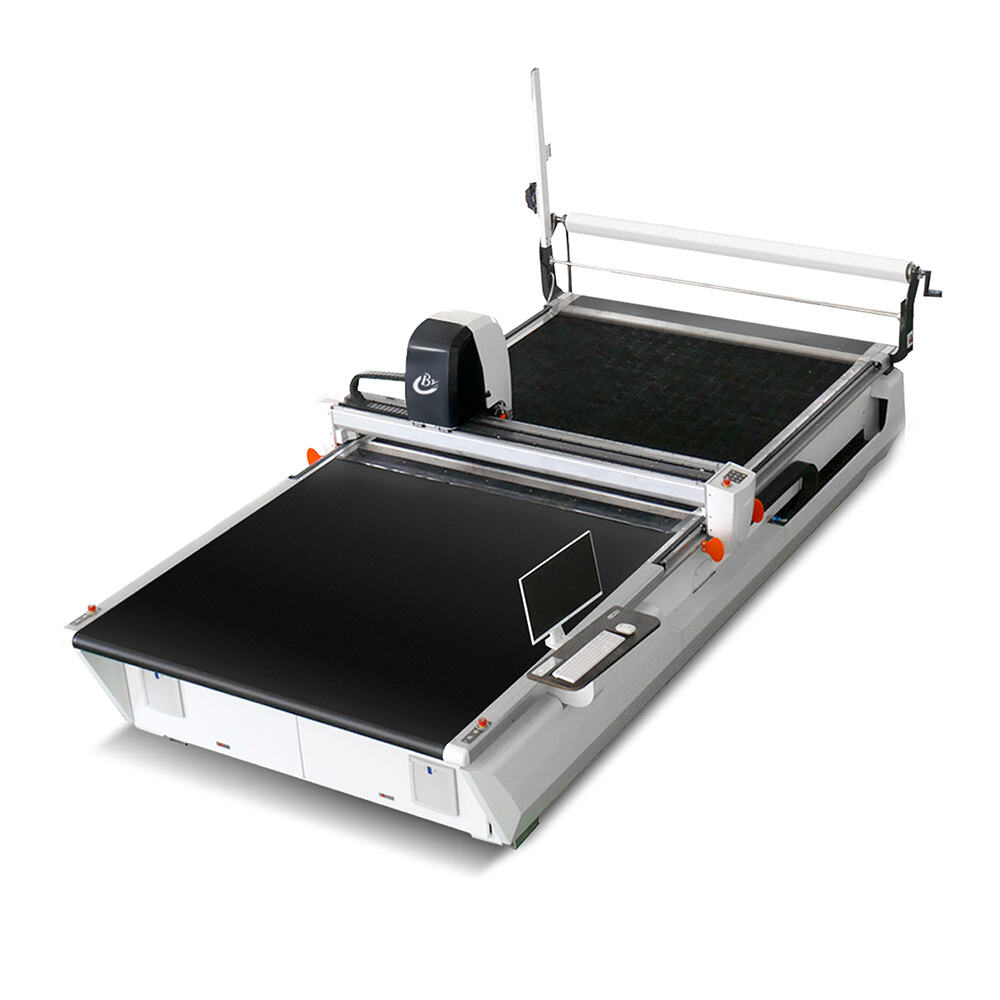
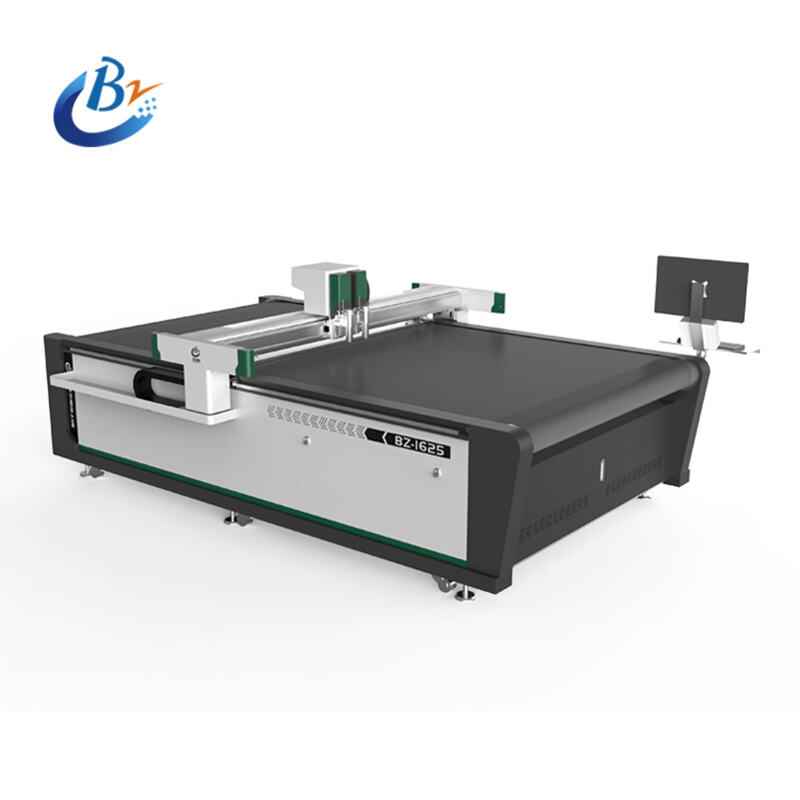
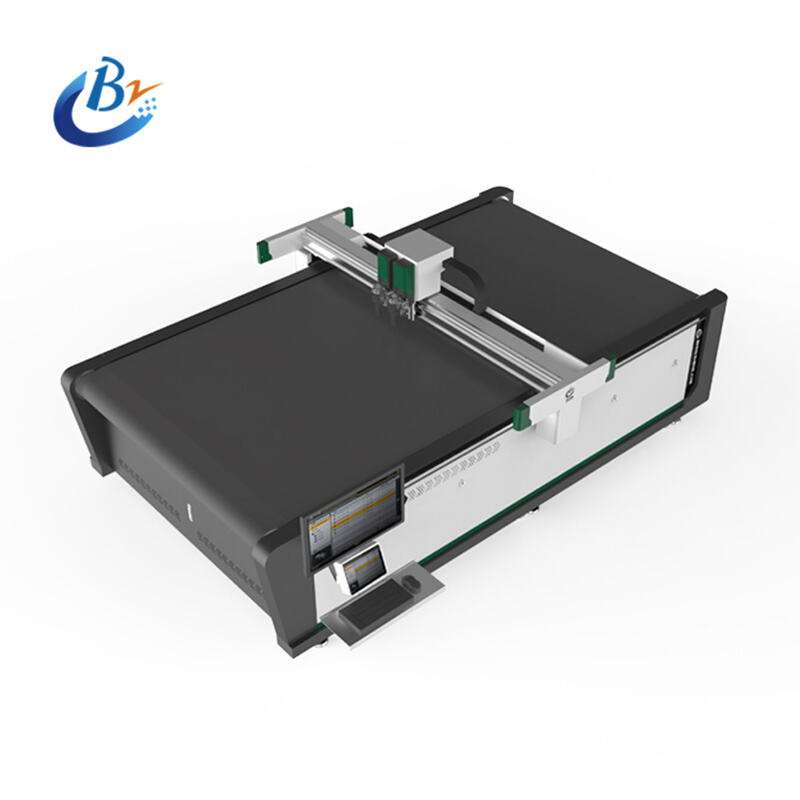
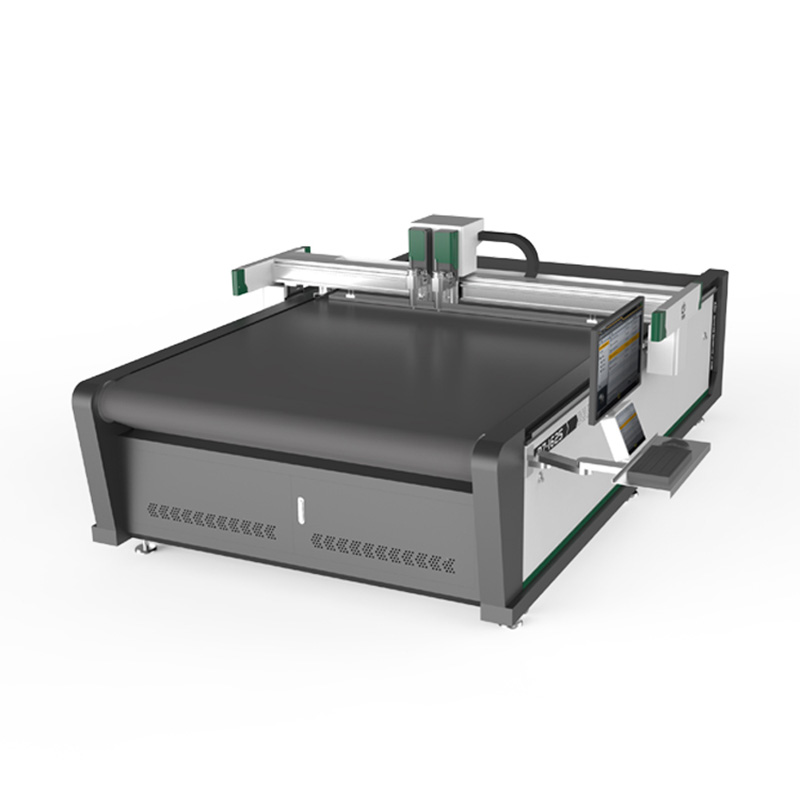
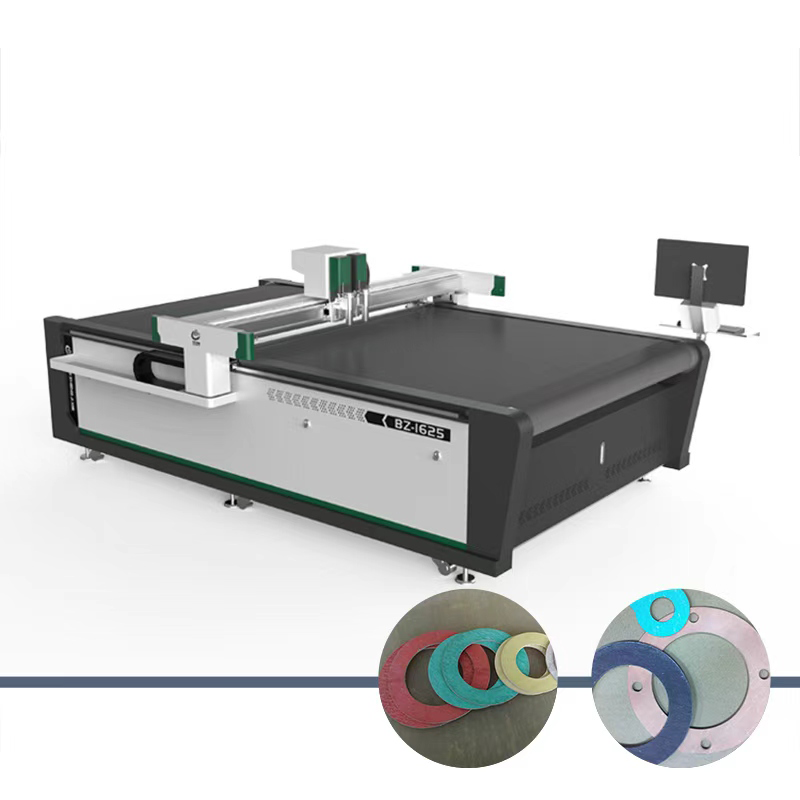
The garment cutting machine for knit fabric represents a revolutionary advancement in textile manufacturing technology, specifically engineered to handle the unique challenges posed by stretchy, flexible materials. This specialized equipment transforms the way manufacturers approach knit fabric processing, delivering unprecedented precision and efficiency in cutting operations. The primary function of this garment cutting machine for knit fabric centers on its ability to maintain dimensional stability while cutting through various knit materials including jersey, interlock, rib knits, and performance fabrics. The machine incorporates advanced vacuum systems that secure the fabric during cutting, preventing distortion and ensuring clean, accurate cuts every time. Technological features include computer-controlled cutting heads that can be programmed for complex patterns and shapes, automatic fabric feeding mechanisms, and integrated measurement systems that guarantee consistent results. The garment cutting machine for knit fabric utilizes laser cutting technology combined with ultrasonic welding capabilities, allowing for simultaneous cutting and edge sealing in certain applications. This dual functionality significantly reduces production time and eliminates the need for additional finishing processes. Applications span across multiple industries including sportswear manufacturing, intimate apparel production, medical textile creation, and automotive interior fabrication. The machine's versatility extends to handling various fabric weights and compositions, from lightweight mesh materials to heavy-duty compression fabrics. Quality control features include real-time monitoring systems that detect fabric irregularities and automatically adjust cutting parameters accordingly. The garment cutting machine for knit fabric also incorporates waste reduction algorithms that optimize pattern placement, maximizing material utilization and minimizing production costs. Safety features include emergency stop mechanisms, protective barriers, and operator training protocols that ensure safe operation. The equipment's modular design allows for easy maintenance and upgrades, ensuring long-term reliability and adaptability to changing production requirements.

 EN
EN