cnc cutting machine for cloth
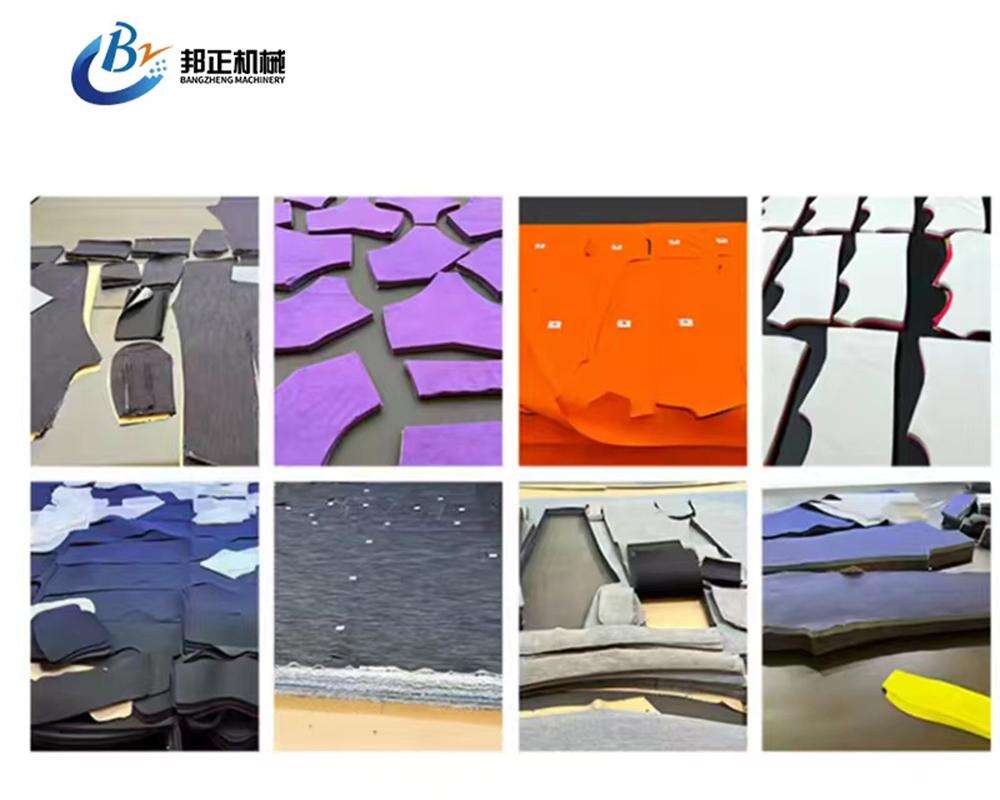
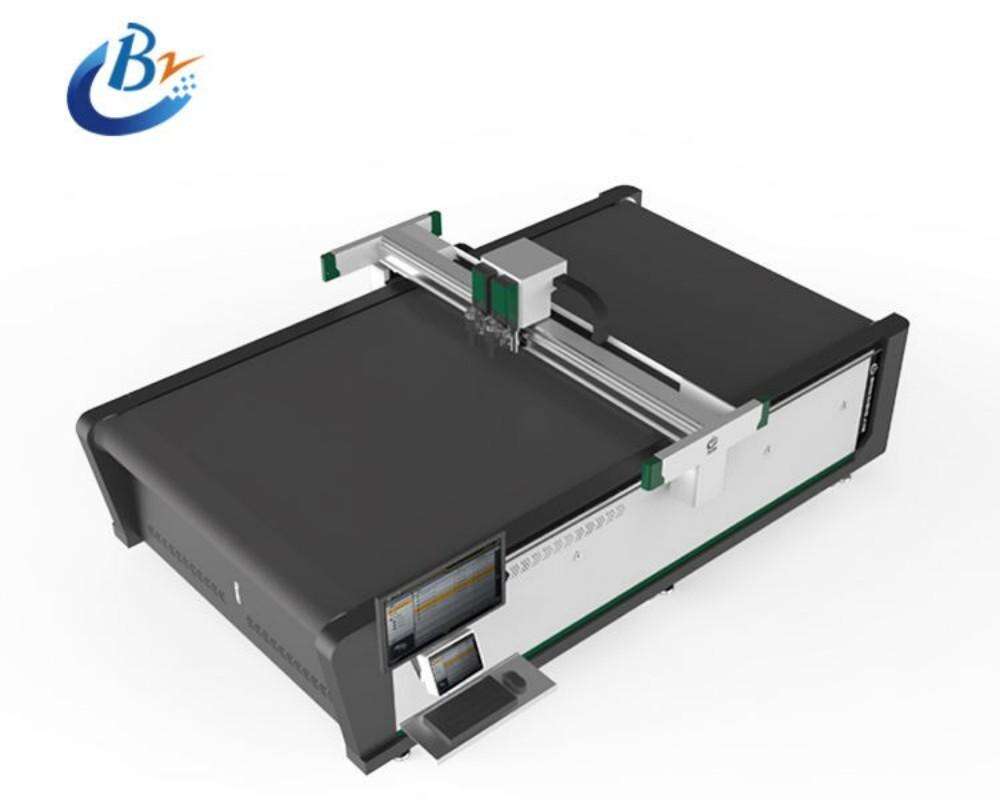
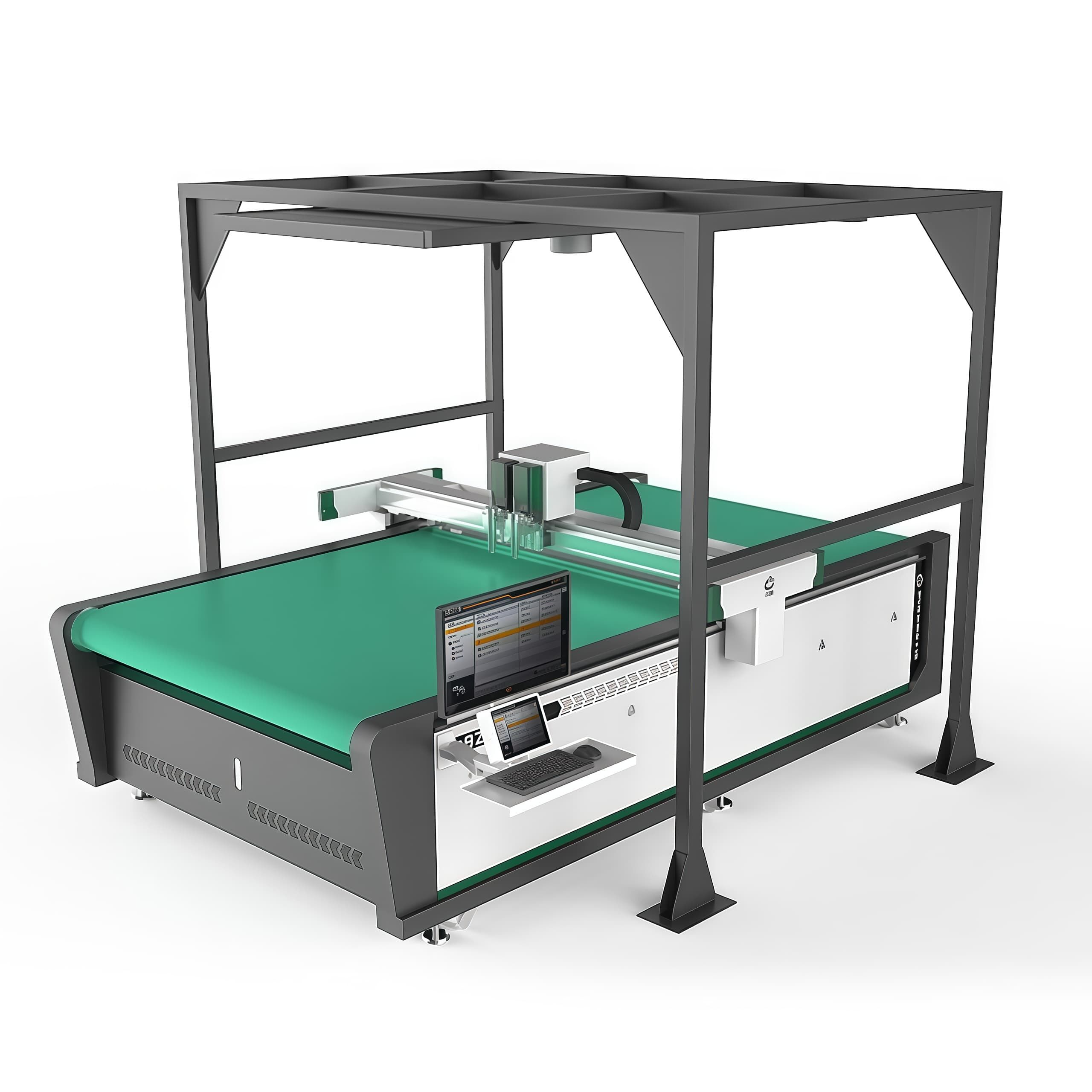
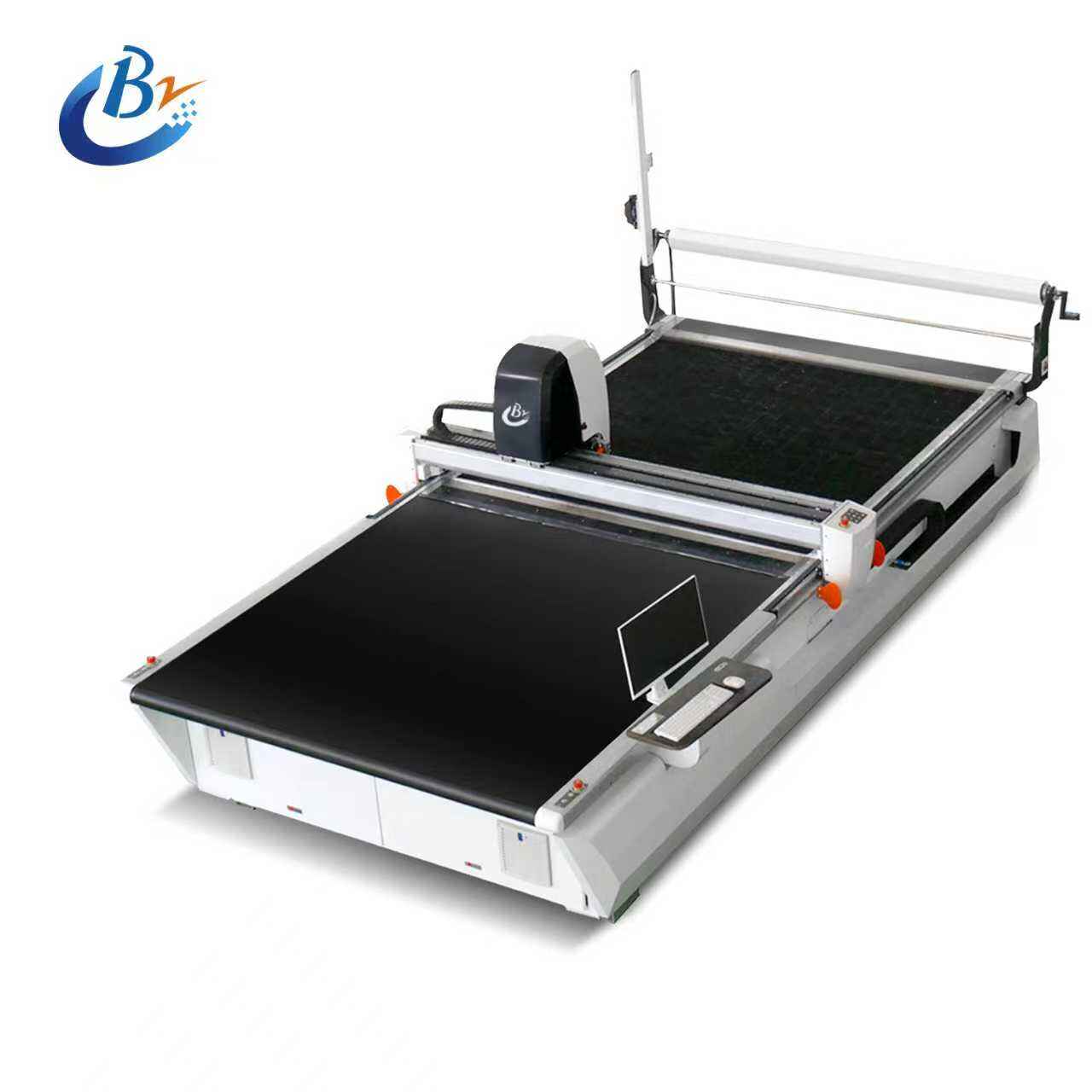
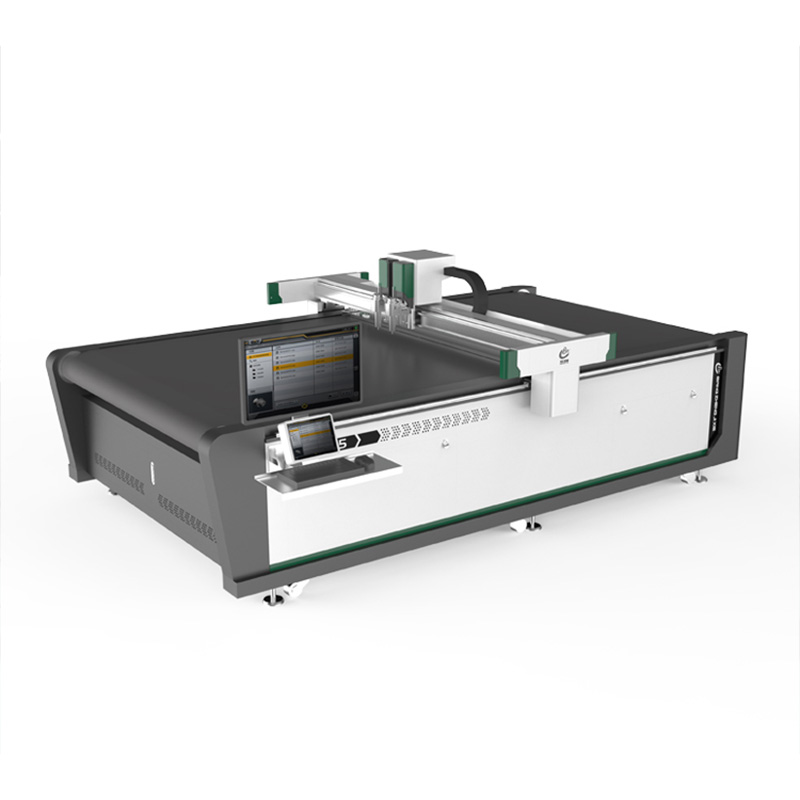
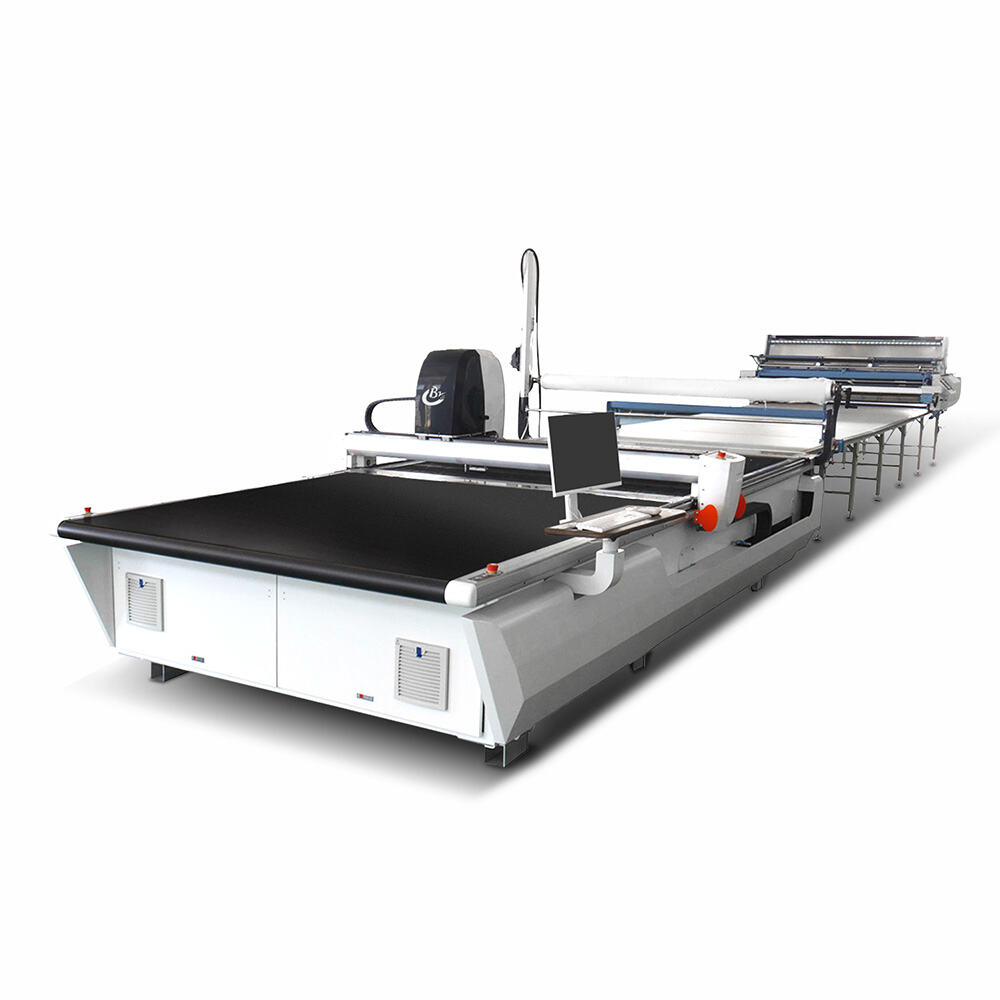
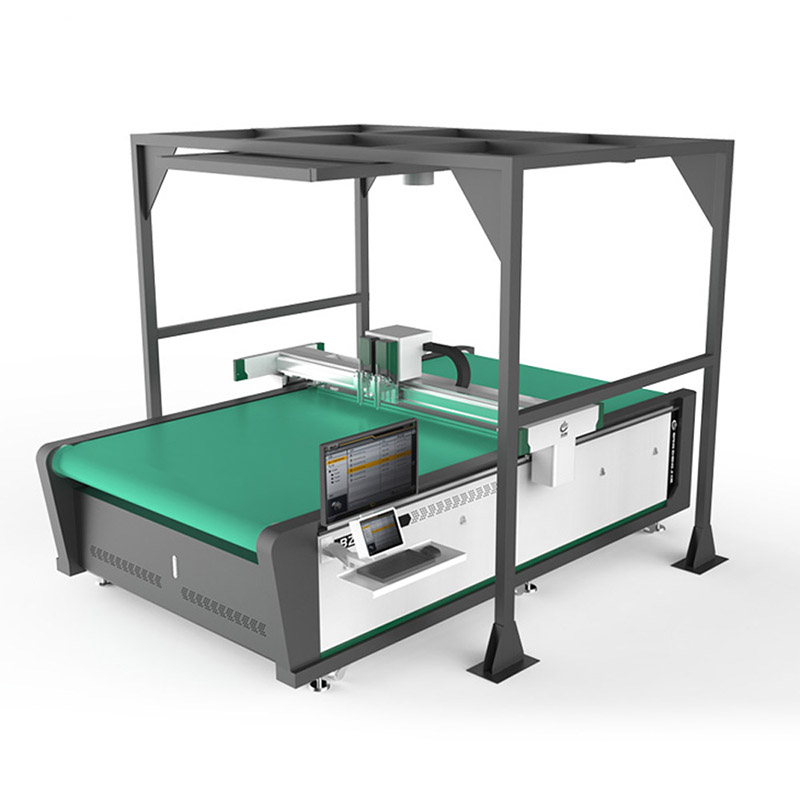
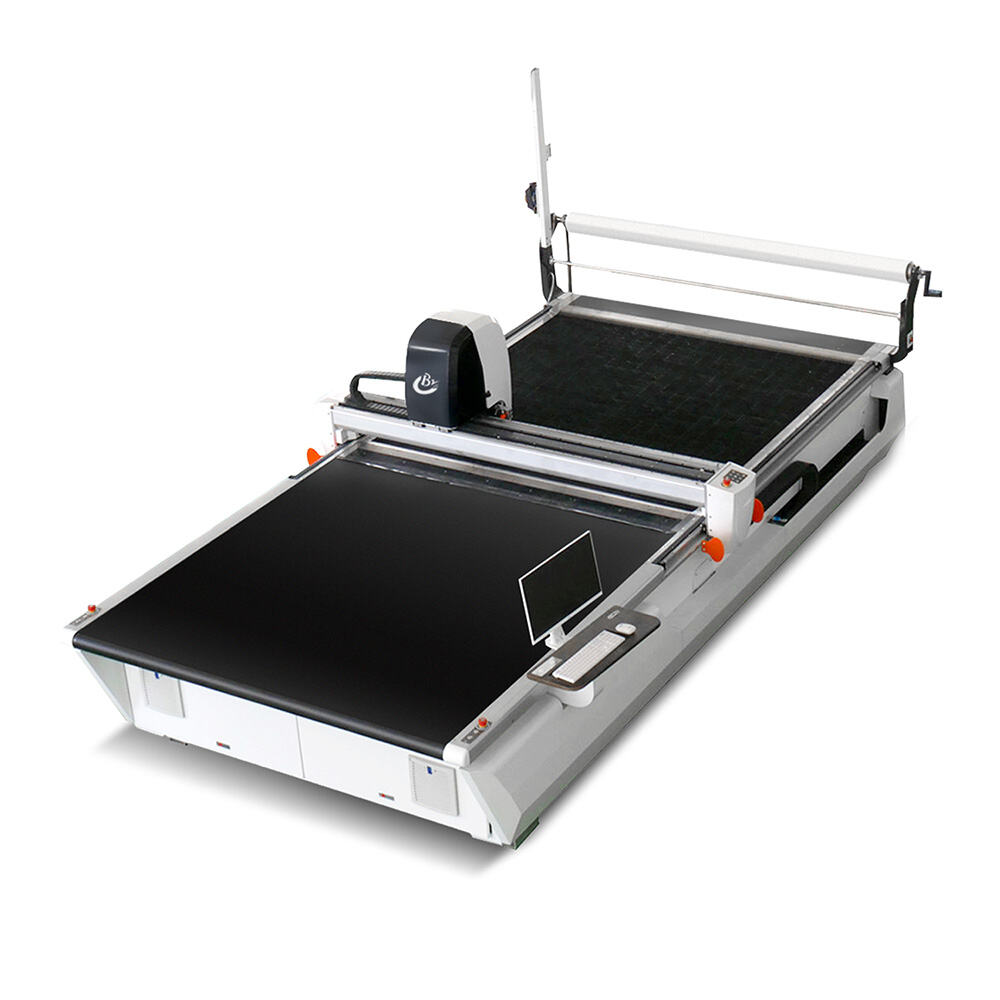
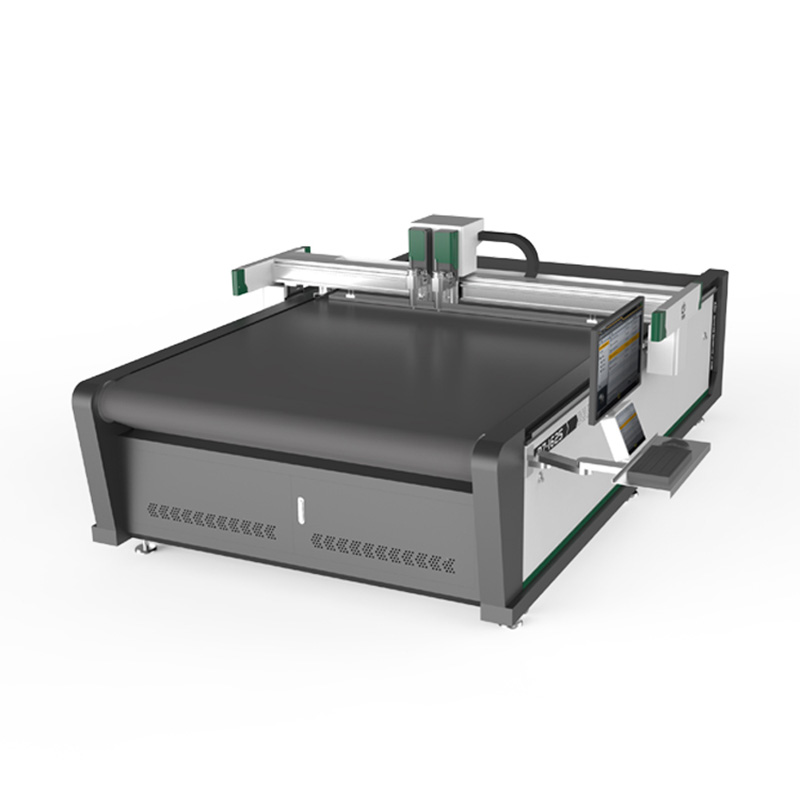
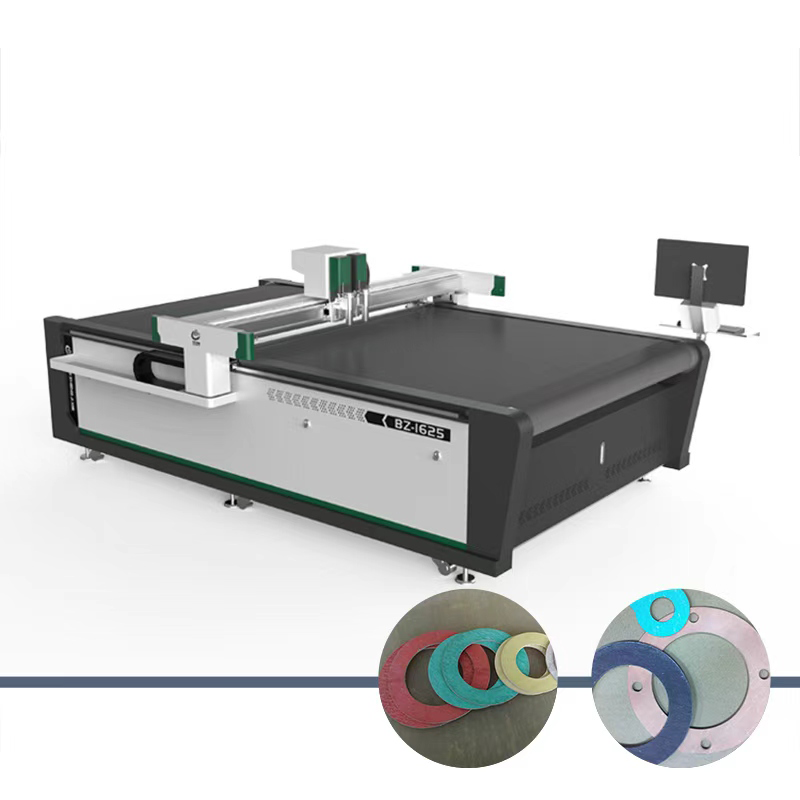
The CNC cutting machine for cloth represents a revolutionary advancement in textile manufacturing and garment production technology. This sophisticated automated system utilizes computer numerical control to precisely cut various fabric materials with exceptional accuracy and speed. Modern CNC cutting machines for cloth integrate advanced software programming with high-performance mechanical components to deliver consistent, professional-grade cutting results across diverse textile applications. These machines employ sharp cutting tools, typically oscillating knives or rotary blades, controlled by sophisticated positioning systems that follow pre-programmed cutting patterns. The technology enables manufacturers to process multiple fabric layers simultaneously, significantly reducing production time while maintaining superior cut quality. CNC cutting machines for cloth accommodate various material types, from delicate silks and lightweight cottons to heavy-duty canvas and technical textiles. The system's computer-controlled precision eliminates human error common in manual cutting processes, ensuring each piece matches exact specifications. Advanced models feature vacuum hold-down systems that secure fabrics during cutting operations, preventing material shifting that could compromise accuracy. The cutting head moves along X and Y axes with remarkable precision, typically achieving tolerances within millimeters. Many CNC cutting machines for cloth incorporate automatic material feeding systems, enabling continuous operation for large production runs. These machines often include integrated design software that allows operators to import patterns directly from CAD programs, streamlining the transition from design concept to physical production. The technology supports complex cutting patterns, including intricate curves, sharp angles, and detailed shapes that would be challenging or impossible to achieve consistently through manual methods. Safety features include emergency stop systems, protective barriers, and sensor technology that prevents operation when safety protocols are not met.

 EN
EN