Multi-Material Versatility and Adaptive Cutting Solutions
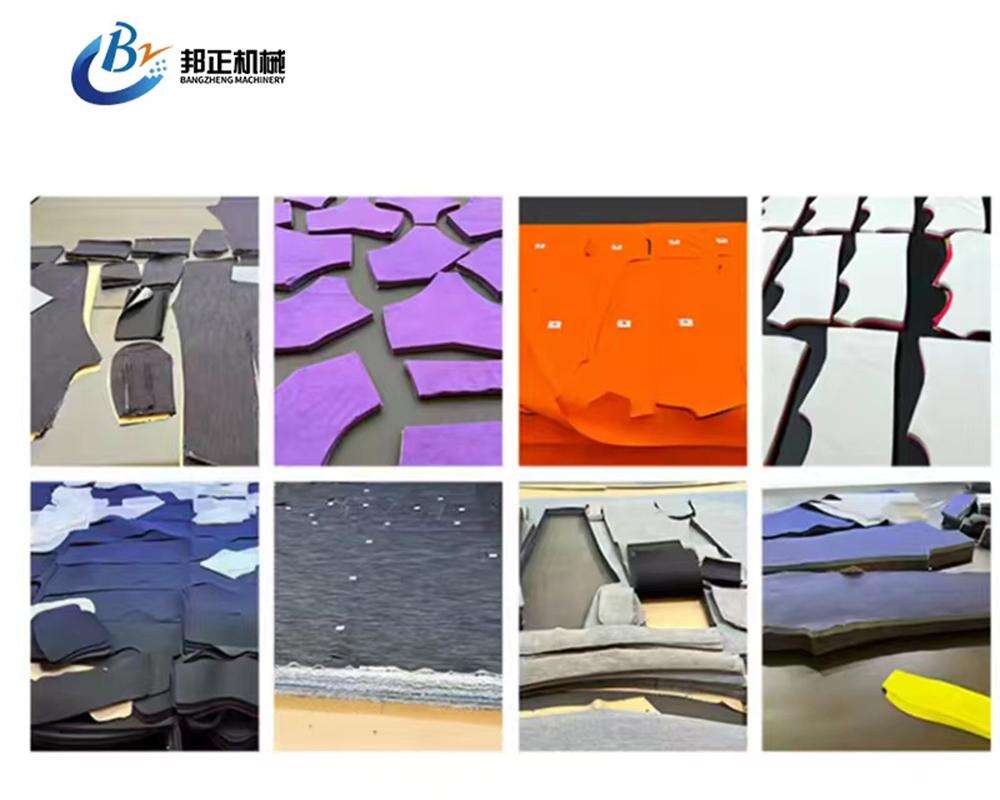
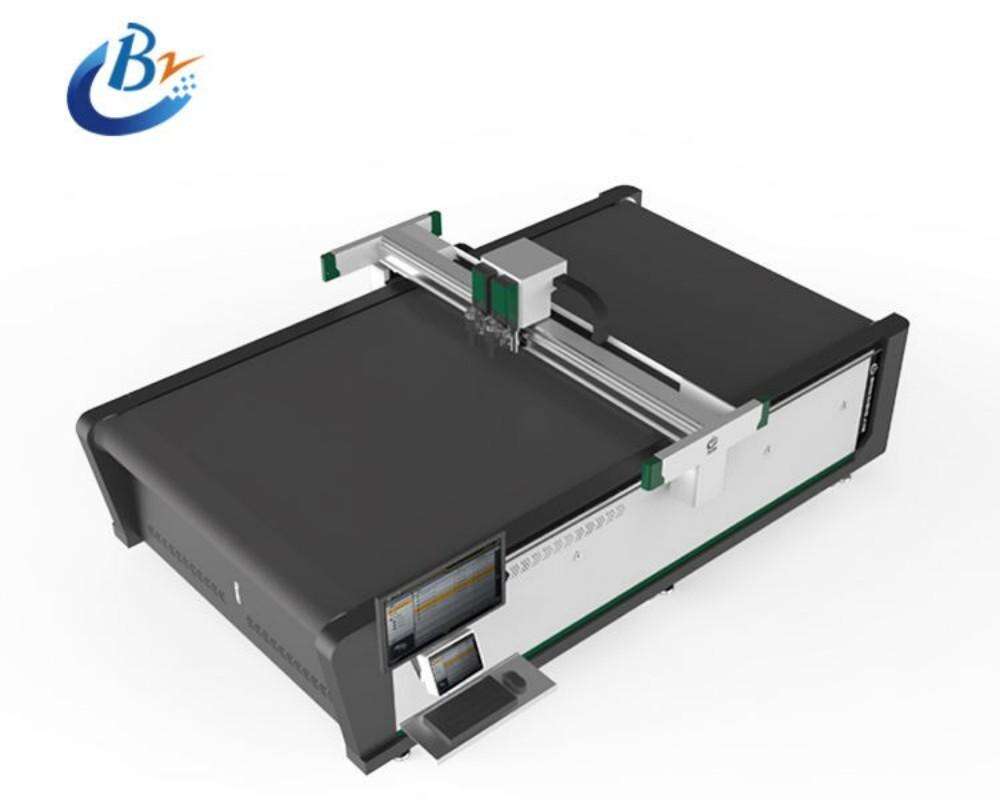
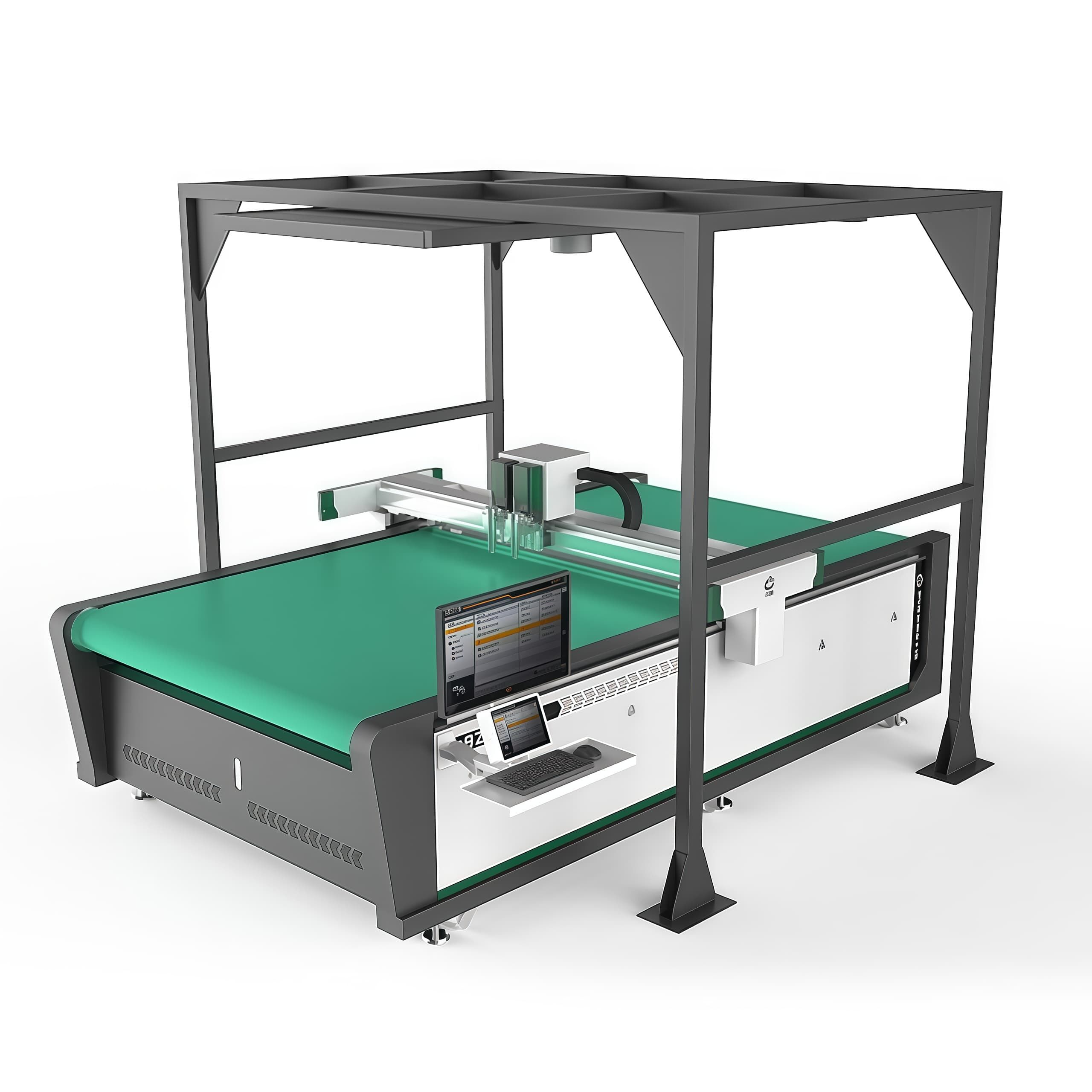
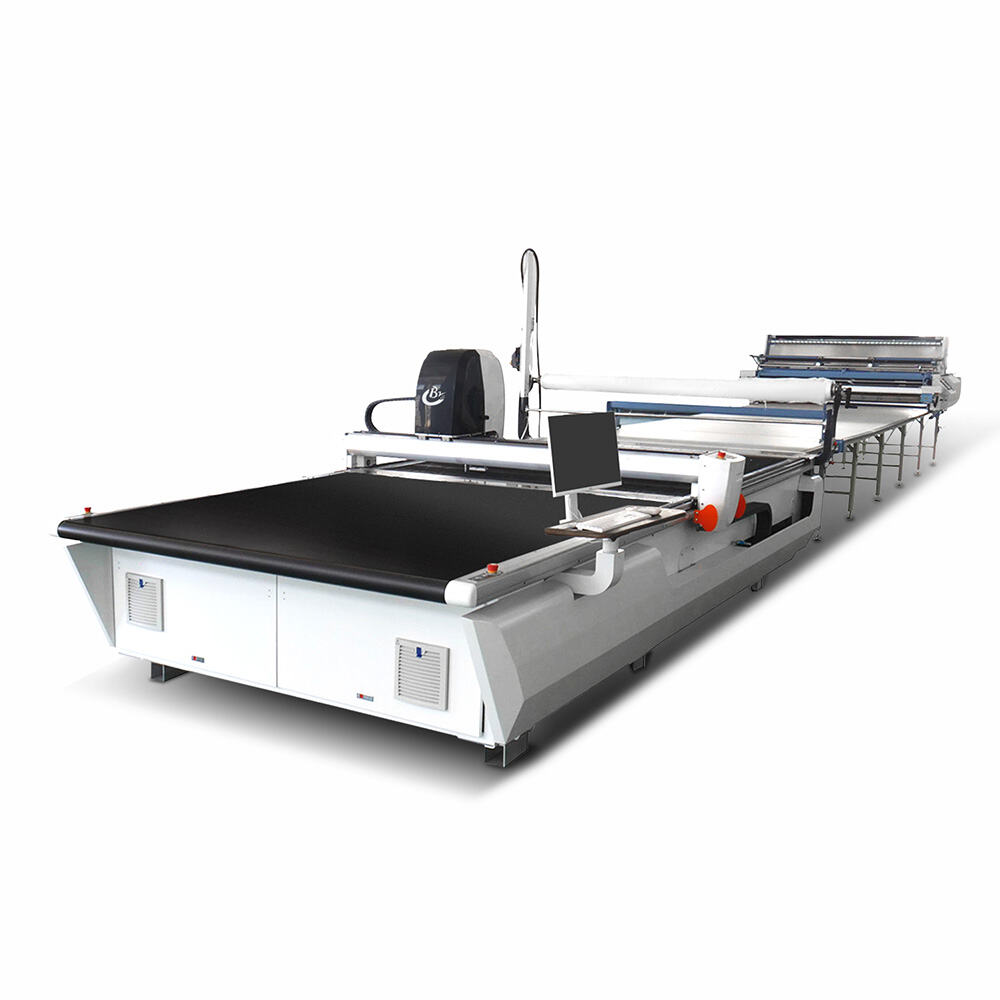
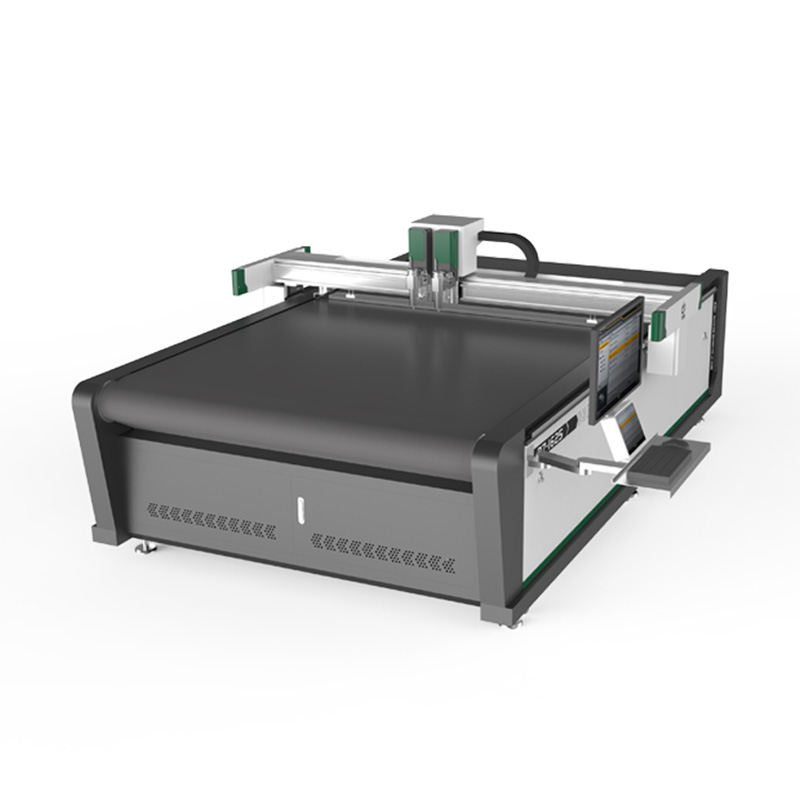
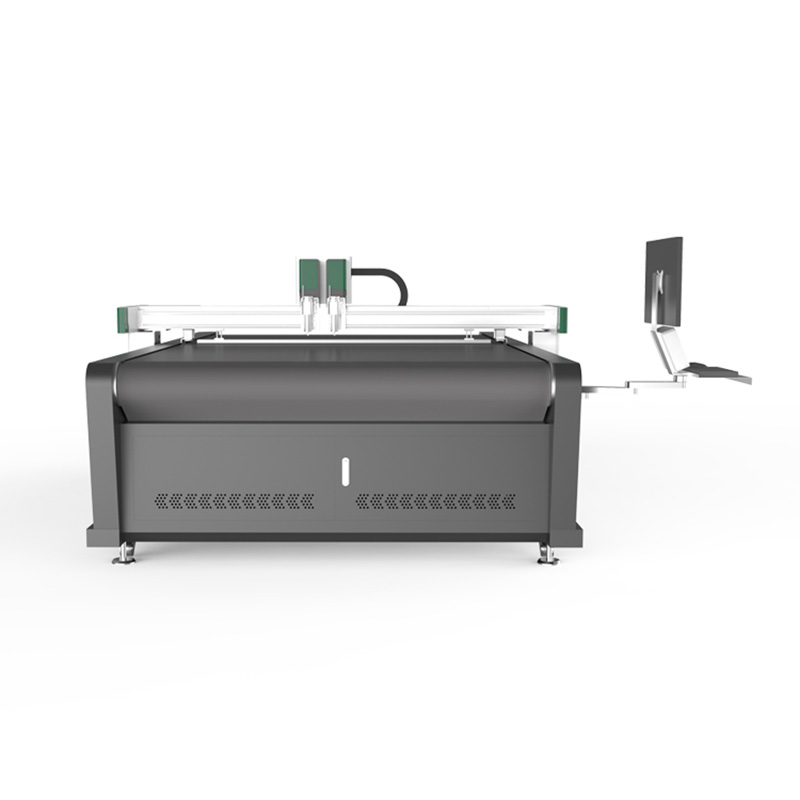
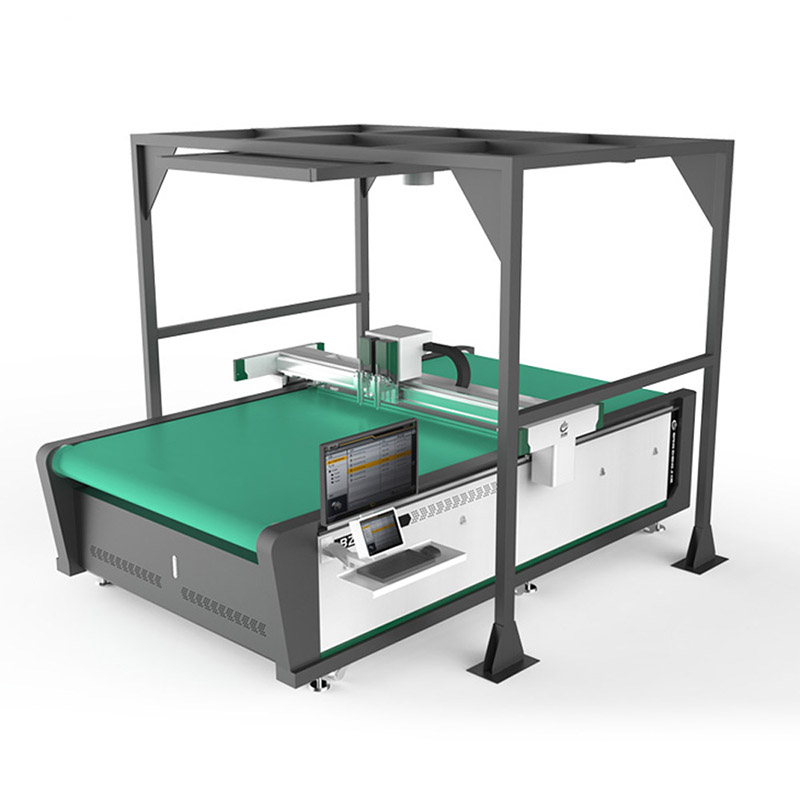
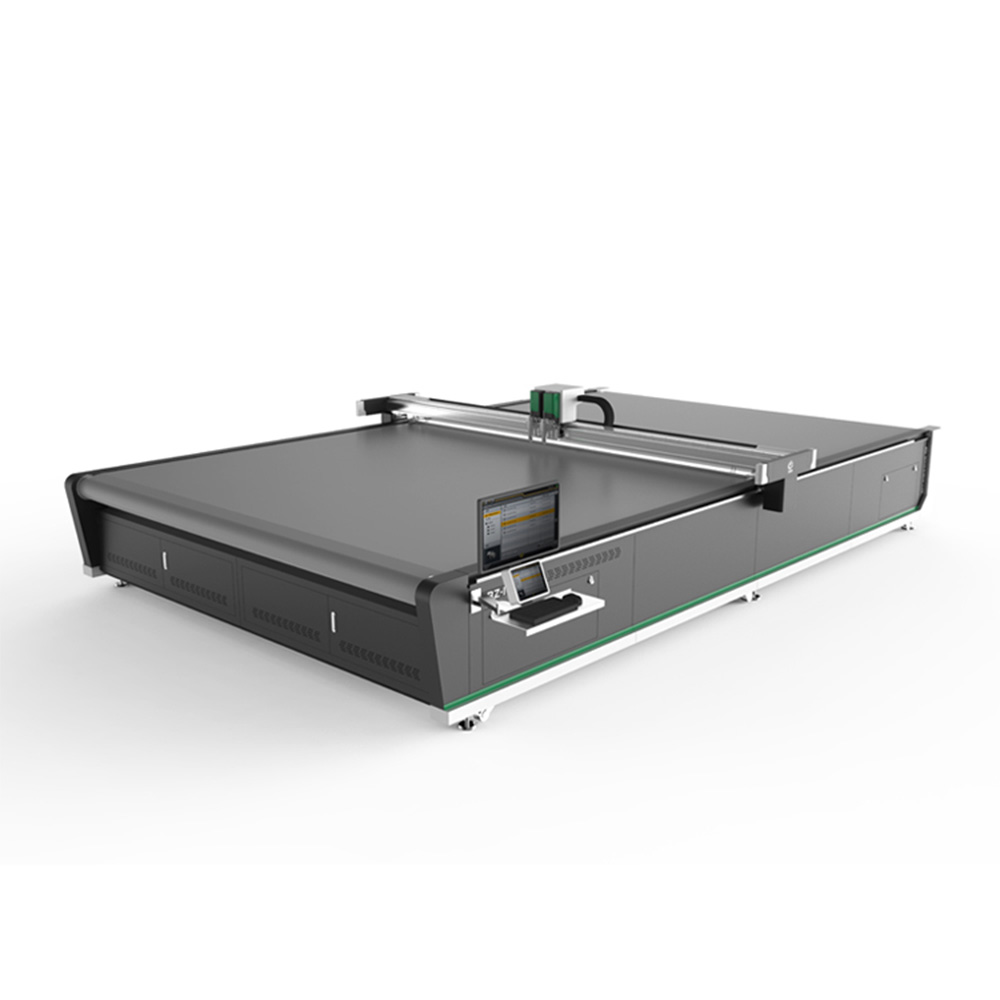
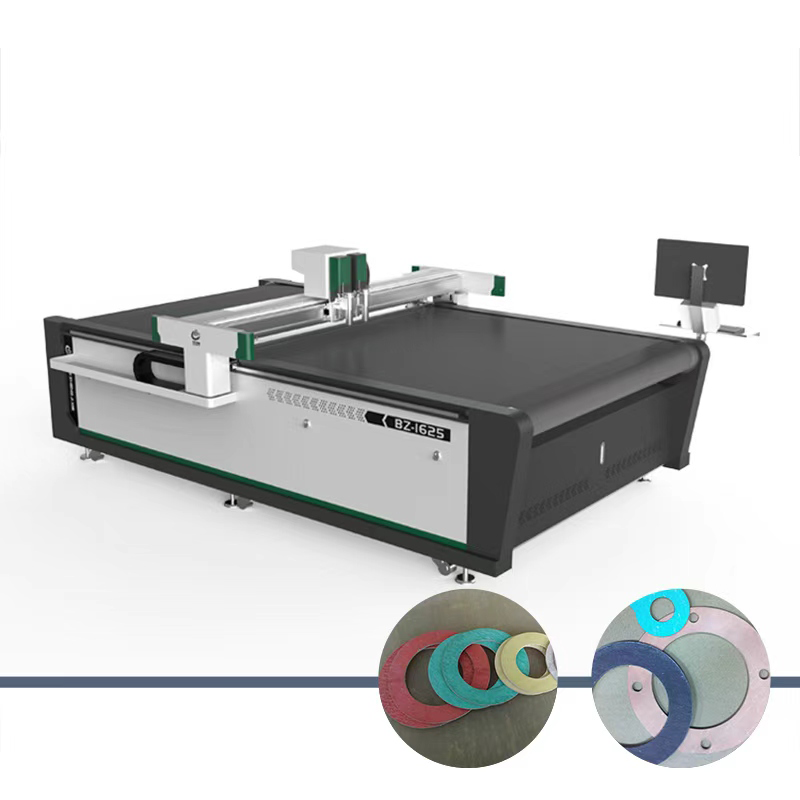
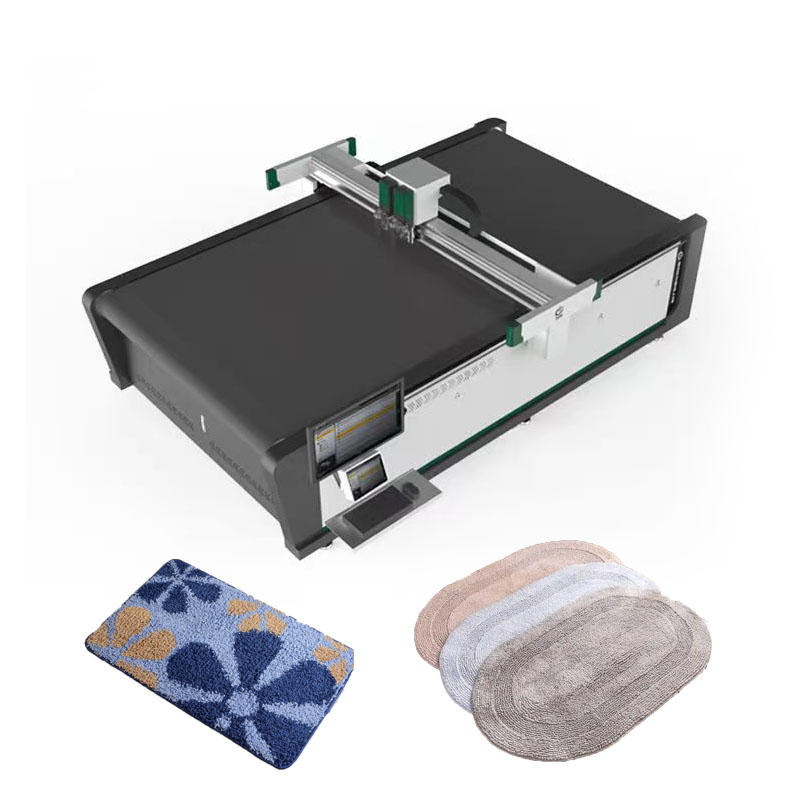
The cloth CNC cutting equipment demonstrates exceptional versatility through its ability to handle an extensive range of materials and adapt cutting parameters to optimize performance across diverse textile applications. This remarkable adaptability stems from sophisticated material recognition systems that automatically identify fabric types, analyze material properties, and adjust cutting parameters to ensure optimal results regardless of material composition, thickness, or texture characteristics. The equipment successfully processes natural fibers including cotton, wool, silk, and linen, synthetic materials such as polyester, nylon, and spandex, technical textiles including aramid fibers and carbon fiber composites, leather and synthetic leather products, foam materials, rubber sheets, and specialized industrial fabrics used in aerospace and automotive applications. Advanced blade technology incorporated in the cloth CNC cutting equipment includes oscillating knives for thick materials, tangential blades for precise curves, rotary cutters for continuous cutting operations, and specialized tools for specific material types such as ultrasonic cutting heads for synthetic materials and heated blades for thermoplastic fabrics. The adaptive cutting solutions automatically optimize cutting speeds, blade angles, and feed rates based on real-time material feedback, ensuring clean cuts with minimal fraying or edge distortion across all material types. The equipment's multi-zone cutting capability allows simultaneous processing of different materials within a single cutting cycle, maximizing productivity for manufacturers working with diverse material requirements. Material handling systems integrated into the cloth CNC cutting equipment include adjustable vacuum zones that accommodate various material weights and textures, ensuring secure material positioning throughout cutting operations. The versatility extends to pattern complexity, as the equipment handles everything from simple geometric shapes to intricate design patterns with multiple internal cutouts, nested components, and variable cutting depths. Specialized software modules optimize cutting sequences for different material types, automatically adjusting tool paths to minimize material waste while maximizing cutting quality. The adaptive nature of the system enables rapid changeover between different materials and cutting requirements, reducing setup times and increasing overall equipment utilization rates. Quality assurance features continuously monitor cutting performance across different materials, automatically adjusting parameters to maintain consistent edge quality and dimensional accuracy regardless of material variations or production volume fluctuations.

 EN
EN