Advanced CNC Cloth Cutting Machine: Precision Textile Processing Solutions for Modern Manufacturing

All Categories

Get a Free Quote

Our representative will contact you soon.
Email
Name
Company Name
Message
0/1000

cnc cloth cutting machine

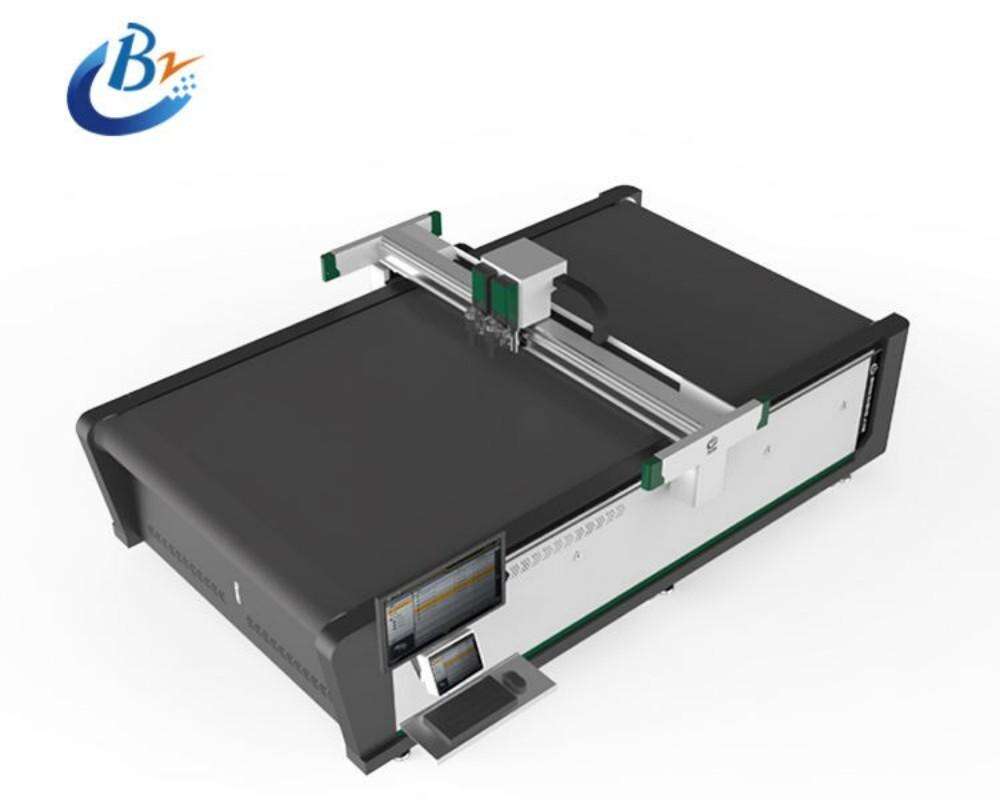
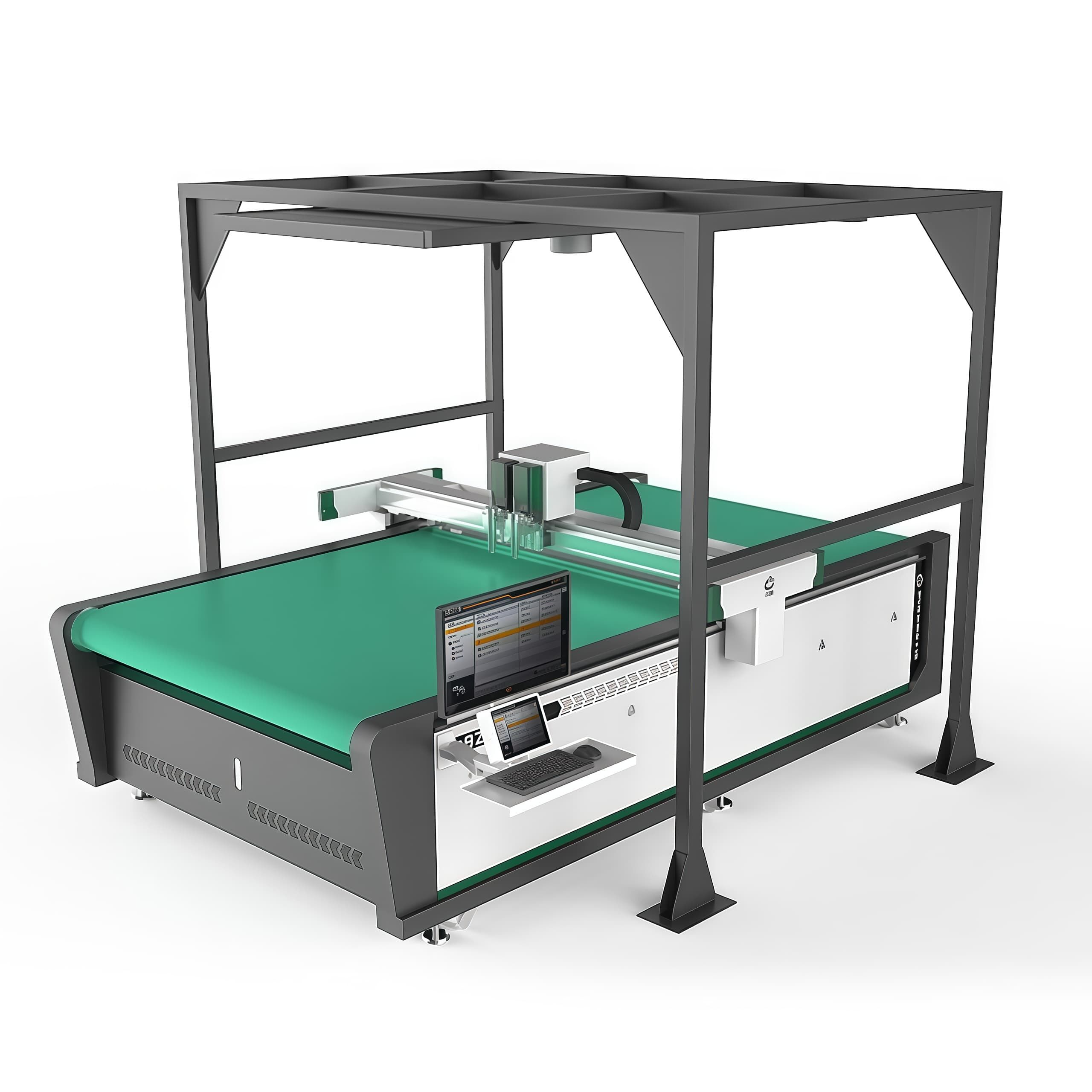
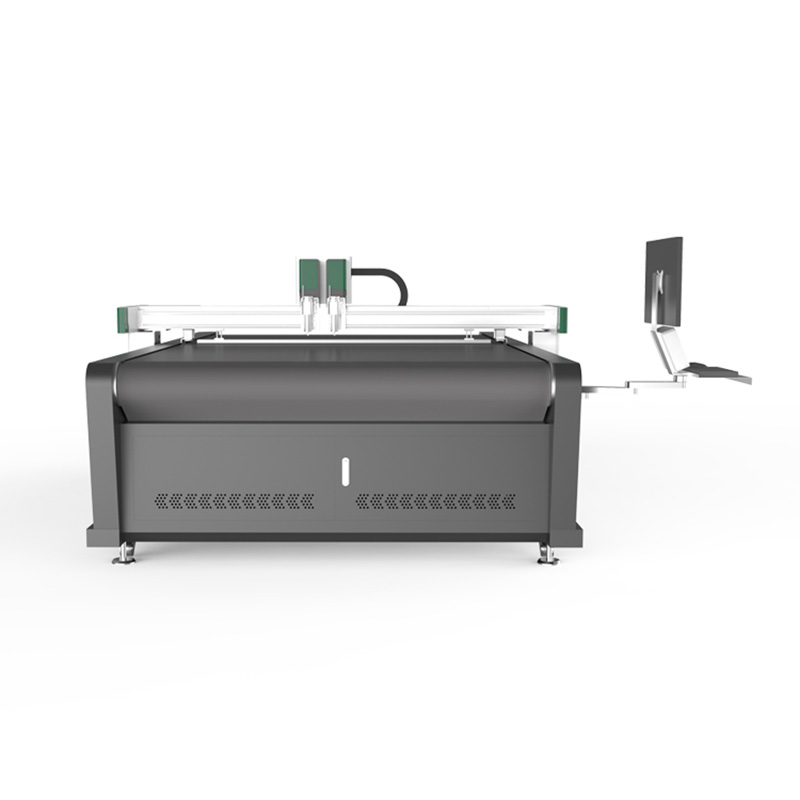
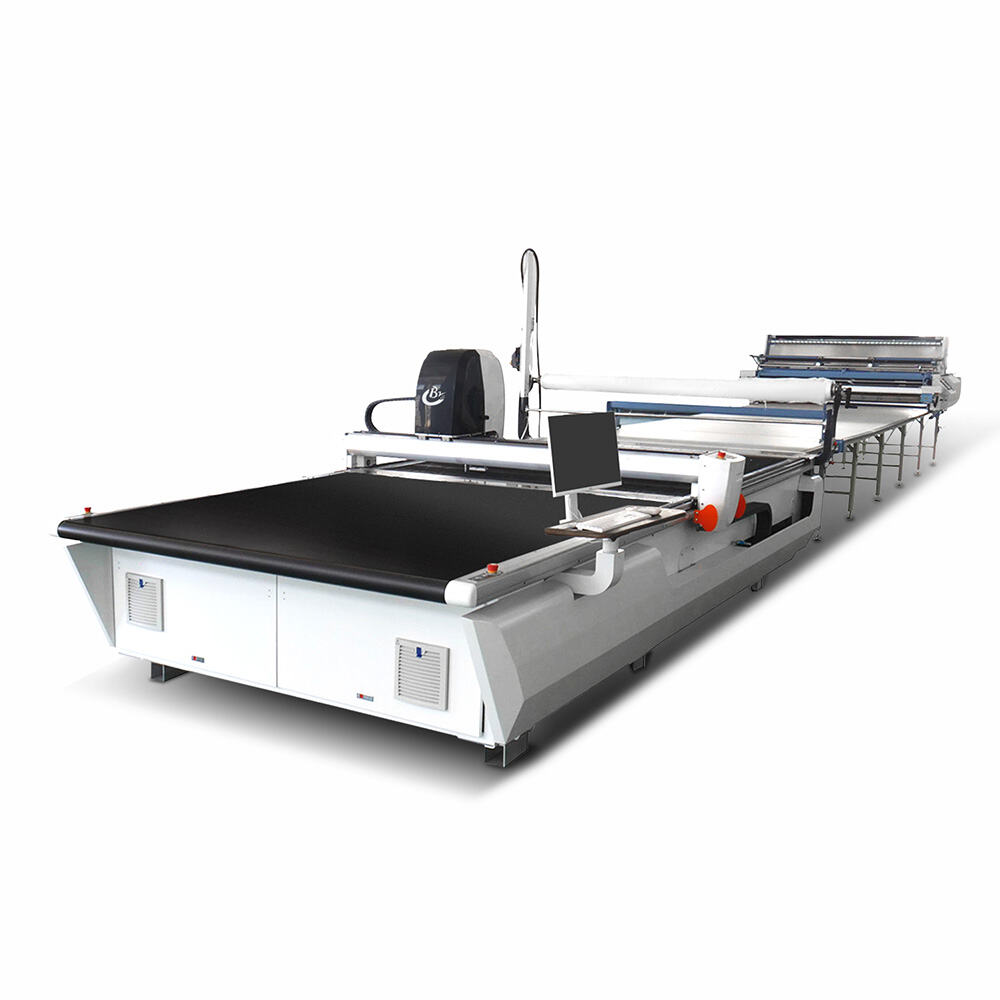
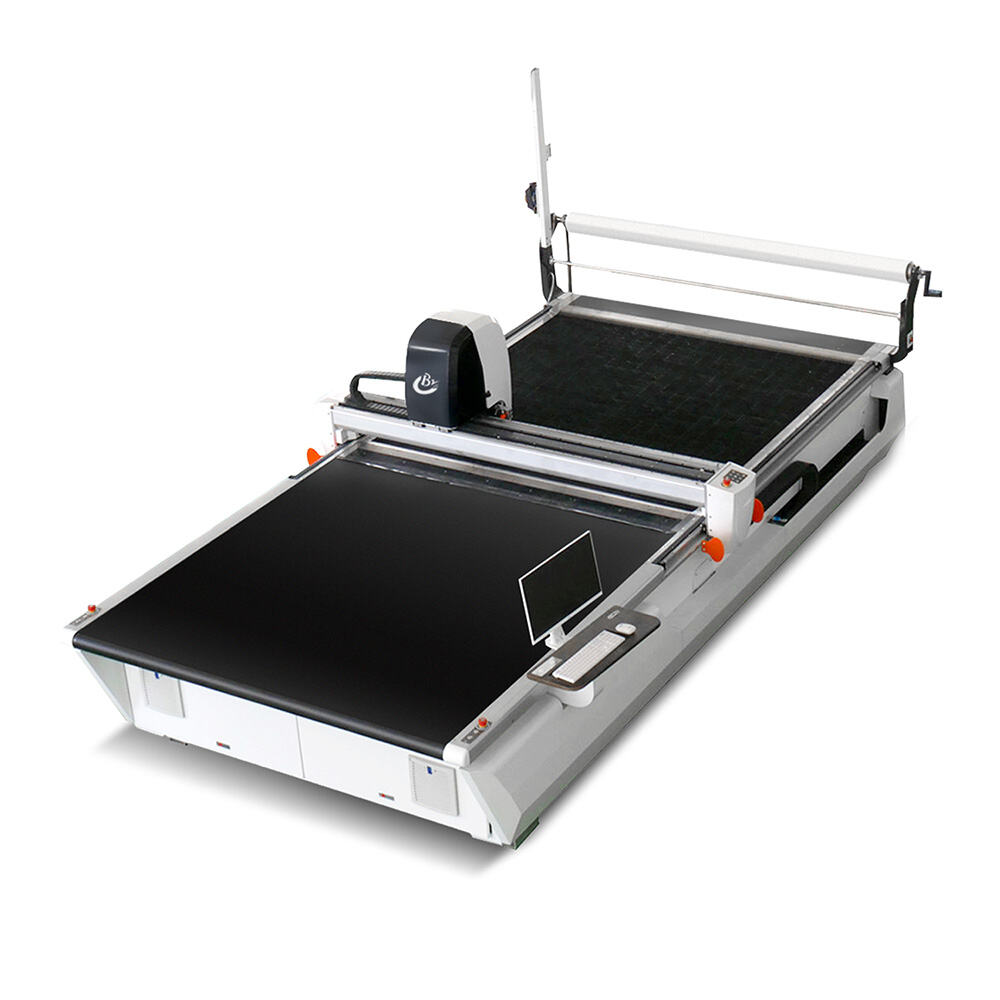
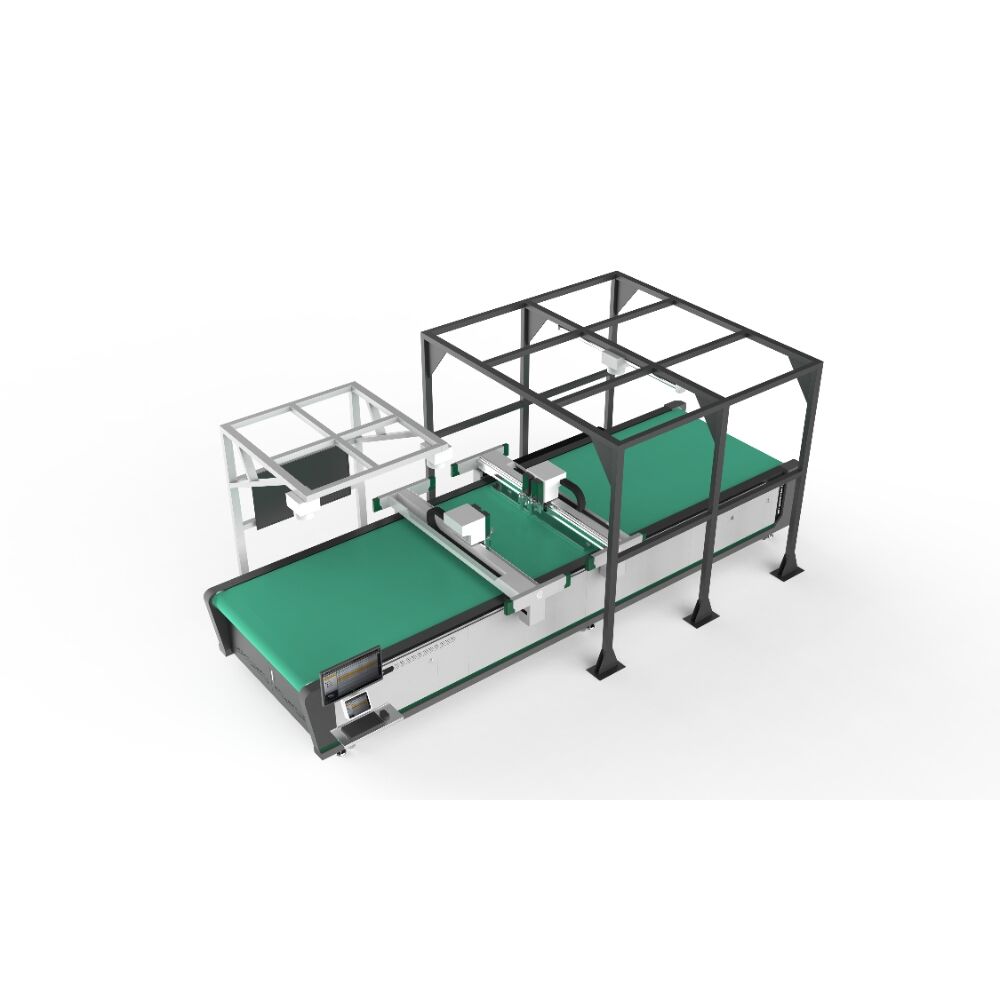
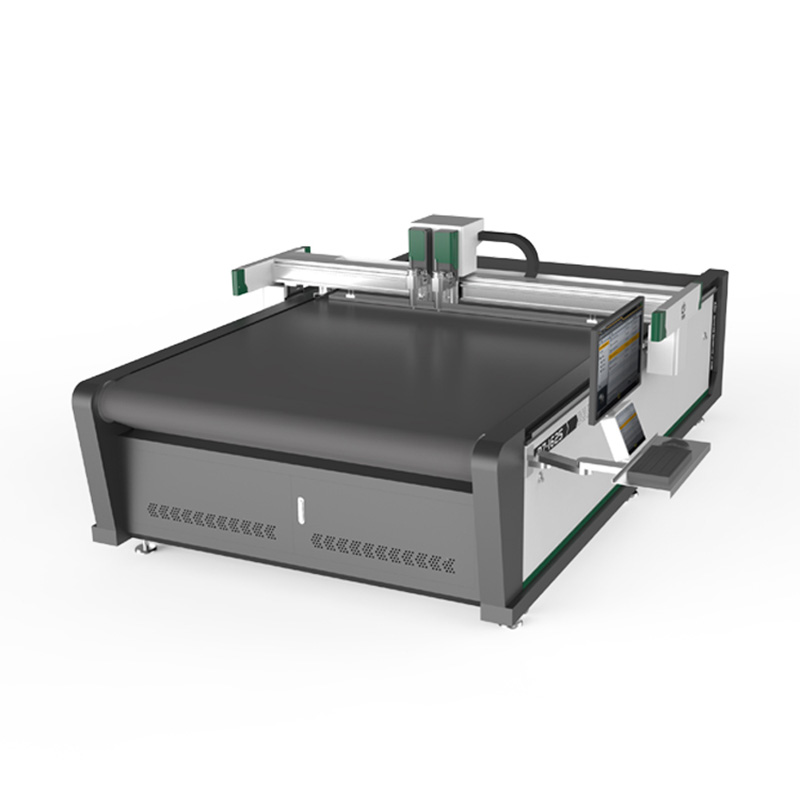
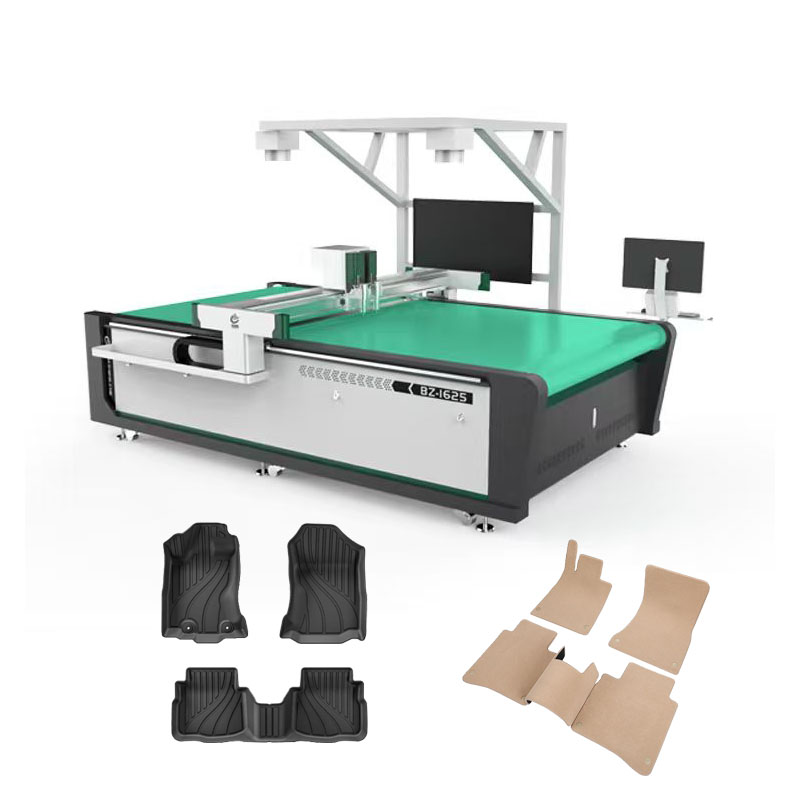
The CNC cloth cutting machine represents a revolutionary advancement in textile manufacturing technology, combining computer numerical control systems with precision cutting mechanisms to deliver unparalleled accuracy in fabric processing. This sophisticated equipment operates through pre-programmed digital patterns that guide automated cutting tools across various textile materials with exceptional precision. The core functionality revolves around transforming digital designs into physical cuts, eliminating human error while maximizing material utilization. Modern CNC cloth cutting machines integrate advanced servo motors, high-resolution cameras, and intelligent software algorithms to ensure consistent cutting quality across different fabric types and thicknesses. The technological foundation includes user-friendly CAD/CAM software that allows operators to import designs directly from design programs, automatically optimizing cutting layouts to minimize waste. These machines feature adjustable cutting speeds, variable blade depths, and multi-layer cutting capabilities that accommodate diverse production requirements. The cutting head assembly typically incorporates oscillating knives, rotary cutters, or laser systems depending on material specifications and desired edge quality. Advanced sensors continuously monitor cutting parameters, automatically adjusting blade pressure and speed to maintain optimal performance across varying fabric densities. The CNC cloth cutting machine finds extensive applications across multiple industries including fashion apparel, automotive upholstery, furniture manufacturing, technical textiles, and promotional products. In fashion production, these machines handle everything from delicate silk fabrics to heavy denim materials, ensuring consistent pattern accuracy for garment assembly. Automotive manufacturers rely on CNC cloth cutting machines for precise interior component fabrication, while furniture producers utilize them for upholstery cutting with complex curved patterns. The versatility extends to industrial applications such as filtration media, protective clothing, and composite material preparation, making the CNC cloth cutting machine an indispensable tool for modern textile processing operations.


Popular Products

The CNC cloth cutting machine delivers substantial operational benefits that transform traditional textile manufacturing processes into efficient, profitable ventures. Speed enhancement stands as the most immediate advantage, with these machines completing cutting tasks up to ten times faster than manual methods while maintaining superior accuracy levels. Production facilities experience dramatic increases in daily output without compromising quality standards, enabling them to meet tight deadlines and handle larger order volumes effectively. Cost reduction emerges through multiple channels, primarily through minimized material waste achieved by intelligent nesting algorithms that optimize fabric utilization rates. The CNC cloth cutting machine calculates the most efficient cutting layouts, reducing fabric consumption by up to thirty percent compared to manual cutting methods. Labor cost savings prove equally significant as these machines require minimal operator intervention, allowing skilled workers to focus on higher-value tasks while reducing dependency on specialized cutting personnel. Quality consistency represents another crucial advantage, as the CNC cloth cutting machine eliminates variations inherent in manual cutting processes. Every piece cut follows exact specifications without deviation, ensuring perfect fits during assembly and reducing costly rework or rejection rates. This consistency proves particularly valuable in high-volume production environments where maintaining uniform quality across thousands of pieces becomes challenging with traditional methods. Flexibility advantages manifest through rapid changeover capabilities that allow manufacturers to switch between different patterns or materials within minutes rather than hours. The CNC cloth cutting machine adapts instantly to new designs through simple software updates, eliminating the need for physical templates or extensive setup procedures. Safety improvements protect workers from repetitive strain injuries and sharp cutting tools, creating healthier work environments while reducing insurance costs and workplace compensation claims. Environmental benefits emerge through reduced waste generation and energy-efficient operations that support sustainable manufacturing practices. The precision cutting minimizes offcuts and scraps, contributing to corporate sustainability goals while reducing disposal costs. Integration capabilities allow these machines to connect seamlessly with existing production management systems, providing real-time data on cutting progress, material consumption, and production metrics that enable better decision-making and resource planning.

Practical Tips

Bangzheng Multi-Layer Fabric Cutting Machine: A Cutting Innovator in the Era of Intelligent Manufacturing

30

Jan

Bangzheng Multi-Layer Fabric Cutting Machine: A Cutting Innovator in the Era of Intelligent Manufacturing

View More
Bangzheng Vibrating Knife Fabric Cutting Machine: Intelligent Precision Redefining Industry Cutting Standards

30

Jan

Bangzheng Vibrating Knife Fabric Cutting Machine: Intelligent Precision Redefining Industry Cutting Standards

View More
Bangzheng Intelligent Leather Cutting Machine: High-Precision Digital Solution for Modern Leather Processing

10

Mar

Bangzheng Intelligent Leather Cutting Machine: High-Precision Digital Solution for Modern Leather Processing

View More

Get a Free Quote

Our representative will contact you soon.
Email
Name
Company Name
Message
0/1000

cnc cloth cutting machine

Precision Engineering with Advanced Technology Integration

Precision Engineering with Advanced Technology Integration

The CNC cloth cutting machine incorporates cutting-edge precision engineering that revolutionizes fabric processing through advanced technology integration. At its core, the machine utilizes high-resolution servo control systems that position cutting tools with micron-level accuracy, ensuring every cut follows predetermined patterns with absolute precision. The sophisticated control architecture combines multiple feedback sensors that continuously monitor cutting head position, blade angle, and material tension to maintain optimal cutting conditions throughout the entire process. Advanced vision systems equipped with high-definition cameras capture real-time images of the fabric surface, automatically detecting fabric grain direction, pattern alignment, and material defects before initiating the cutting sequence. This intelligent recognition capability prevents costly mistakes and ensures optimal material utilization by adjusting cutting paths based on actual fabric characteristics rather than theoretical specifications. The CNC cloth cutting machine employs adaptive algorithms that learn from previous cutting operations, continuously improving performance through machine learning capabilities that optimize cutting parameters for different fabric types and environmental conditions. Temperature compensation systems automatically adjust cutting parameters based on ambient conditions and material properties, ensuring consistent results regardless of seasonal variations or production environment changes. The integration of multiple cutting technologies within a single platform allows operators to select the most appropriate cutting method for specific materials, whether oscillating knives for delicate fabrics, rotary cutters for thick materials, or specialized tools for technical textiles. Real-time monitoring systems provide immediate feedback on cutting quality, material consumption, and production progress, enabling proactive adjustments that maintain optimal performance levels. The sophisticated software interface simplifies complex operations through intuitive controls that guide operators through setup procedures while providing comprehensive diagnostic information for maintenance scheduling and performance optimization. This technological sophistication translates into tangible benefits for manufacturers who require consistent, high-quality cutting results while maximizing productivity and minimizing operational costs.
Versatile Material Handling and Multi-Layer Cutting Capabilities

Versatile Material Handling and Multi-Layer Cutting Capabilities

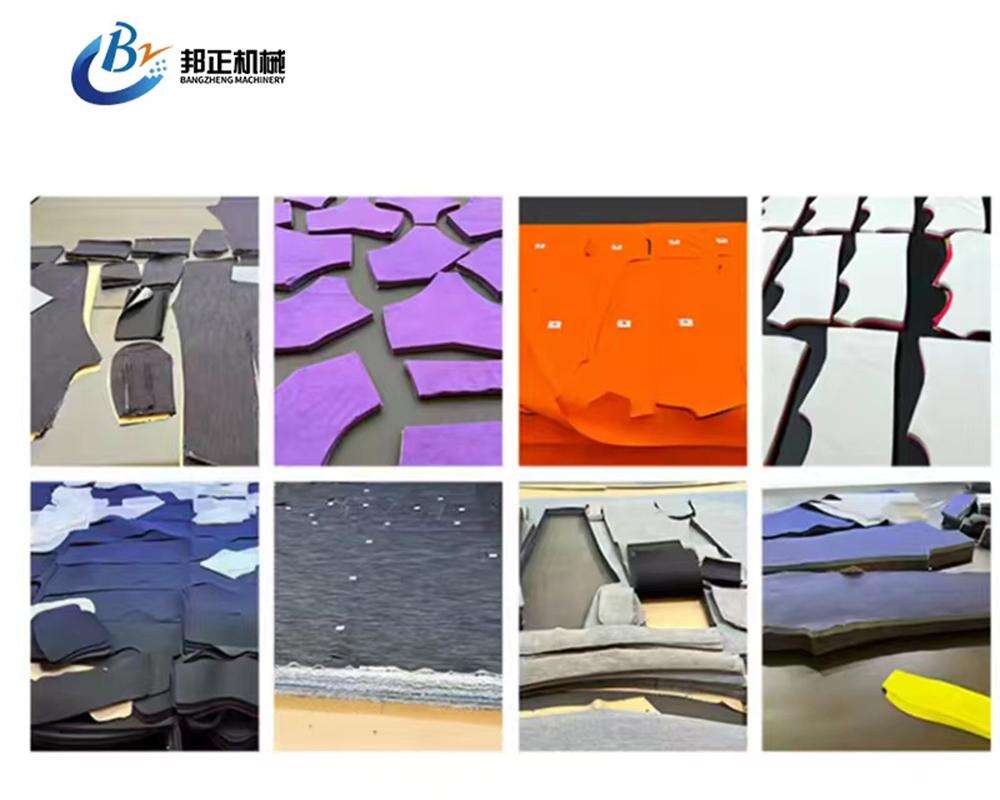
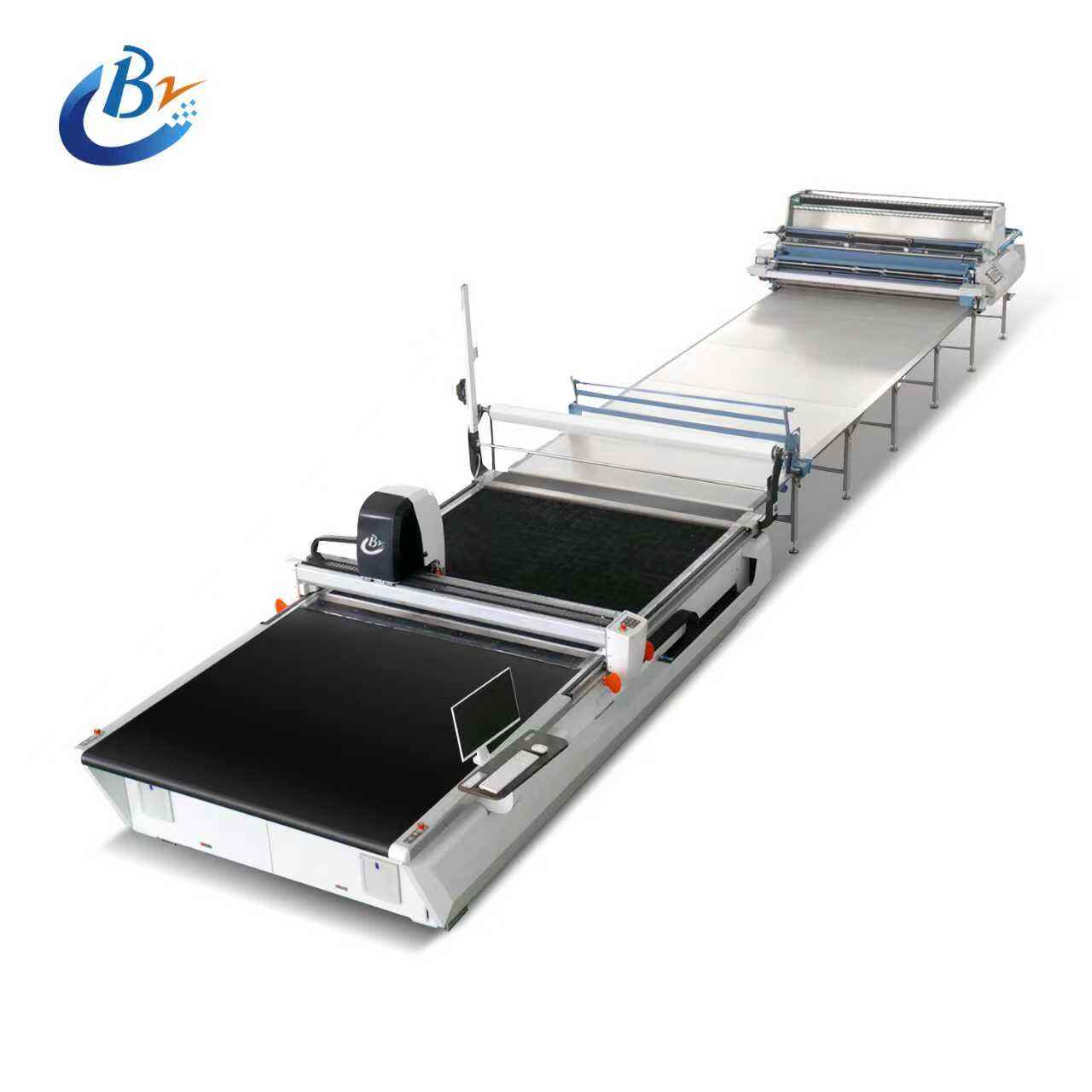
The exceptional versatility of the CNC cloth cutting machine manifests through its comprehensive material handling capabilities that accommodate virtually any textile application across diverse industries. This remarkable adaptability stems from sophisticated material handling systems that adjust automatically to different fabric weights, thicknesses, and surface textures without requiring manual intervention or extensive reconfiguration. The machine processes materials ranging from gossamer-thin silk weighing mere ounces per yard to heavy-duty canvas and technical fabrics exceeding twenty ounces per yard, maintaining cutting accuracy across this entire spectrum. Multi-layer cutting functionality represents a defining characteristic that dramatically enhances production efficiency by allowing simultaneous cutting of multiple fabric layers with identical precision. Advanced pneumatic systems create controlled vacuum zones that secure up to twelve layers of fabric simultaneously, preventing shifting or bunching during cutting operations while ensuring each layer receives identical cuts. The CNC cloth cutting machine employs intelligent layer detection sensors that automatically adjust cutting depth and blade pressure to penetrate the exact number of layers without damaging the cutting surface beneath. Specialized fabric handling mechanisms accommodate stretchy materials like jersey knits and elastane blends that traditionally pose challenges for automated cutting systems. The machine applies controlled tension through strategically positioned hold-down systems that prevent material distortion while maintaining consistent feeding speeds that preserve fabric integrity. Pattern matching capabilities enable accurate placement of designs across printed or woven patterns, ensuring symmetrical garment pieces and optimal aesthetic results in finished products. The versatile material handling extends to technical applications including aramid fibers, carbon fiber fabrics, and composite materials used in aerospace and automotive applications where precision cutting directly impacts final product performance. Automatic material feeding systems handle continuous rolls of fabric up to several hundred yards in length, enabling uninterrupted production runs that maximize efficiency while minimizing material handling labor. Quick-change tooling systems allow rapid transitions between different material types within minutes, supporting mixed-product manufacturing environments where flexibility determines competitive advantage and customer satisfaction levels.
Cost-Effective Production with Minimal Waste Generation

Cost-Effective Production with Minimal Waste Generation

The economic impact of implementing a CNC cloth cutting machine extends far beyond initial equipment investment, delivering substantial long-term cost savings through multiple efficiency improvements and waste reduction mechanisms. Material optimization algorithms represent the cornerstone of cost-effective production, utilizing sophisticated nesting software that analyzes cutting patterns and automatically arranges pieces to minimize fabric waste. These intelligent systems can achieve material utilization rates exceeding ninety-five percent in optimal conditions, compared to typical manual cutting rates of seventy to eighty percent, resulting in immediate material cost reductions that often justify equipment investment within twelve to eighteen months. The CNC cloth cutting machine eliminates costly human errors that frequently occur in manual cutting operations, such as incorrect measurements, pattern misalignment, or cutting mistakes that render entire pieces unusable. Automated quality control systems detect and prevent these issues before they impact production, reducing rejection rates and eliminating expensive rework procedures that consume additional materials and labor hours. Energy efficiency features contribute to operational cost reductions through optimized power consumption patterns that minimize electricity usage during idle periods while maintaining rapid response capabilities when production demands increase. Predictive maintenance capabilities monitor component wear patterns and operating parameters to schedule maintenance activities during planned downtime, preventing costly emergency repairs and extending equipment lifespan. The reduction in skilled labor requirements creates additional cost advantages by reducing dependency on specialized cutting personnel while enabling existing staff to focus on higher-value activities that directly impact product quality and customer satisfaction. Inventory management benefits emerge through reduced work-in-progress materials and faster turnaround times that minimize storage requirements and capital tied up in unfinished products. The CNC cloth cutting machine supports lean manufacturing principles by enabling just-in-time production capabilities that respond quickly to changing demand patterns without maintaining excessive inventory levels. Quality consistency reduces warranty claims and customer returns that can significantly impact profitability, particularly in consumer goods markets where brand reputation depends on consistent product quality. Integration with enterprise resource planning systems provides real-time production data that enables accurate costing, improved scheduling, and better resource allocation decisions that optimize overall operational efficiency and profitability across entire manufacturing operations.

Get a Free Quote

Our representative will contact you soon.
Email
Name
Company Name
Message
0/1000