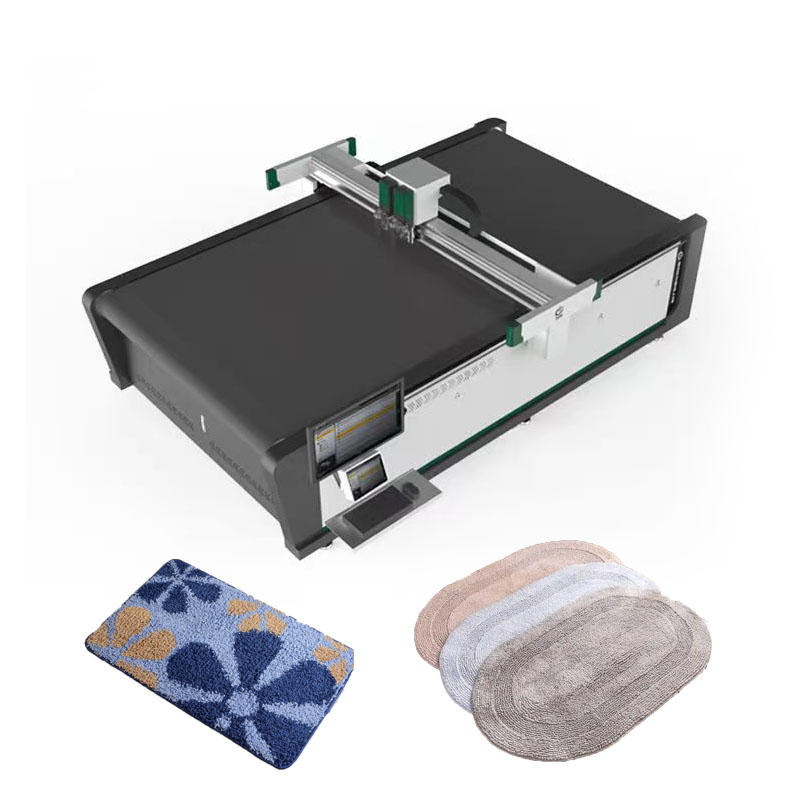
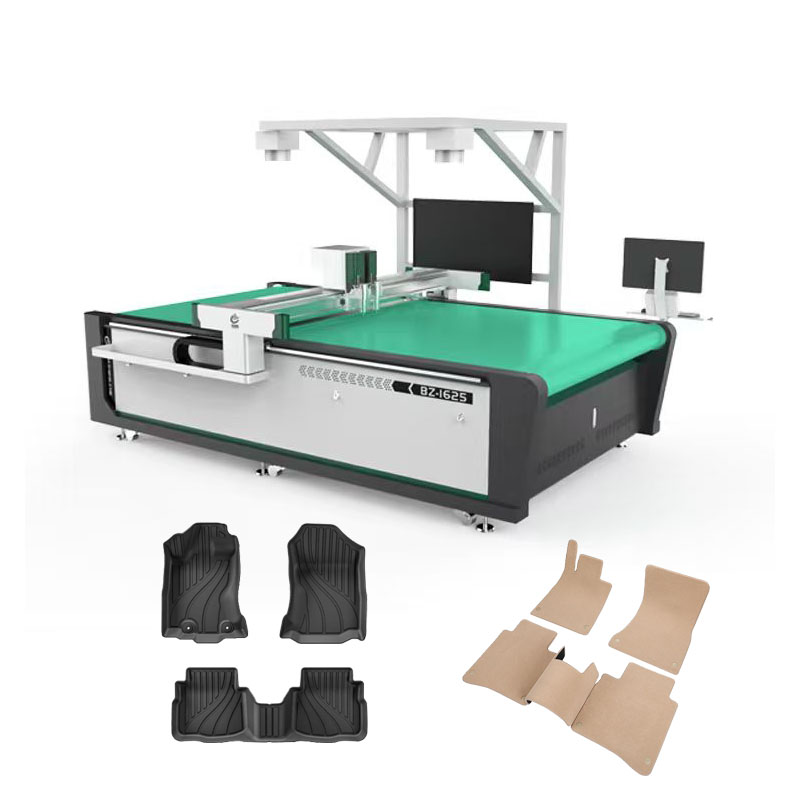
Versatile Multi-Material Processing for Diverse Applications
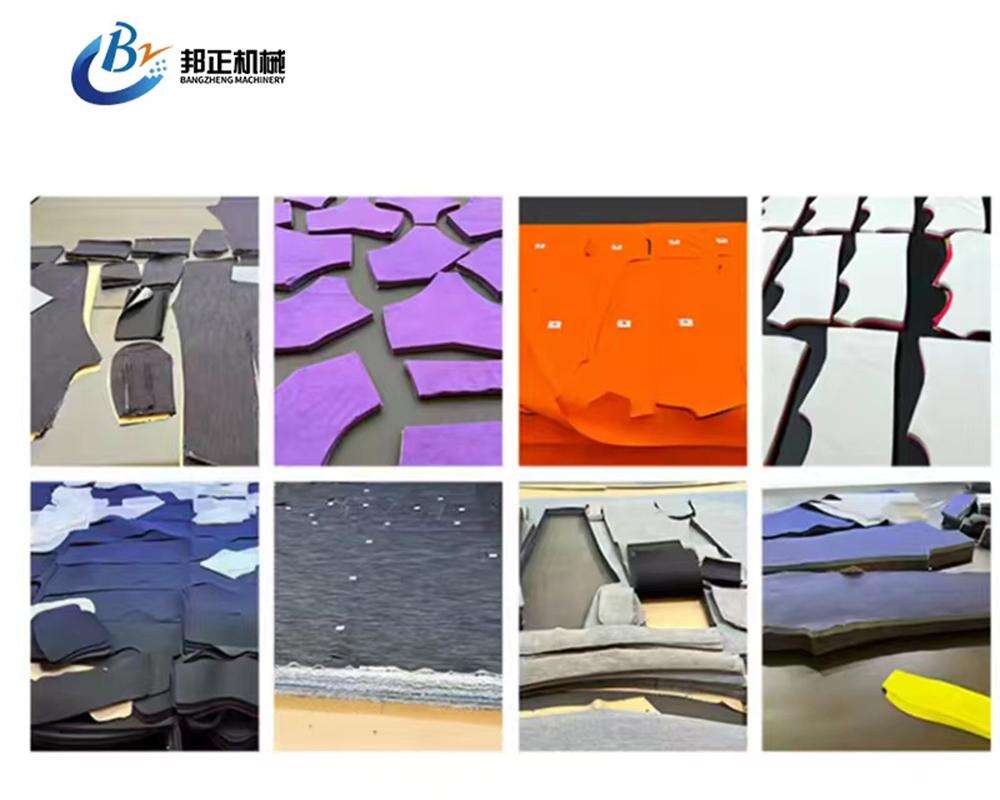
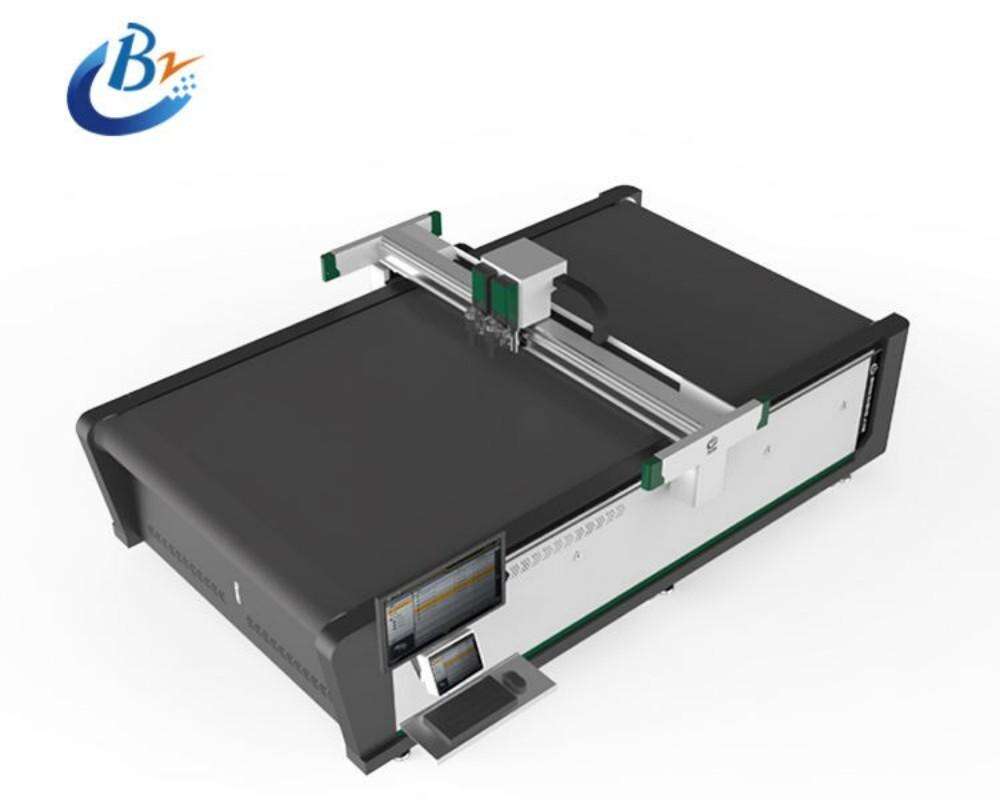
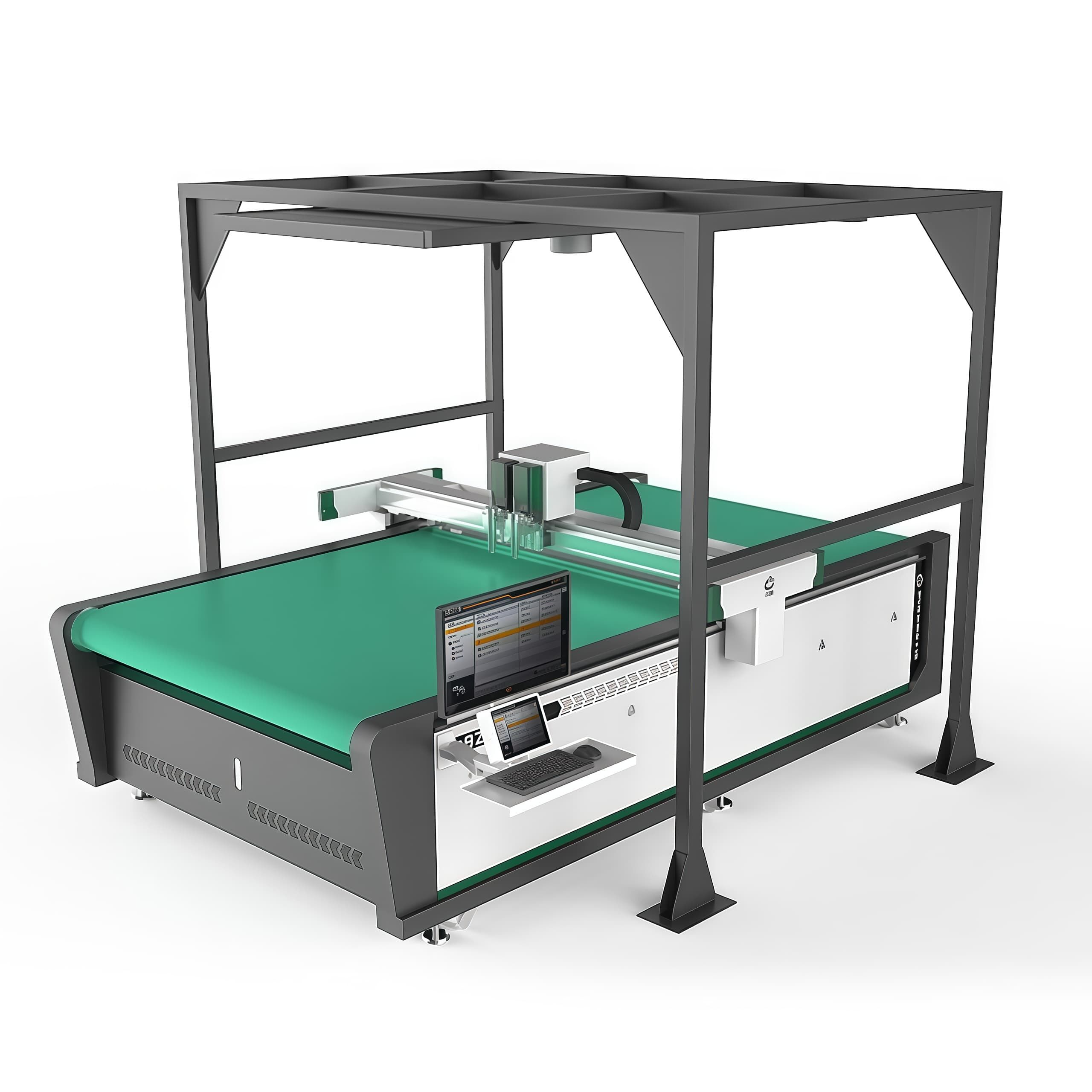
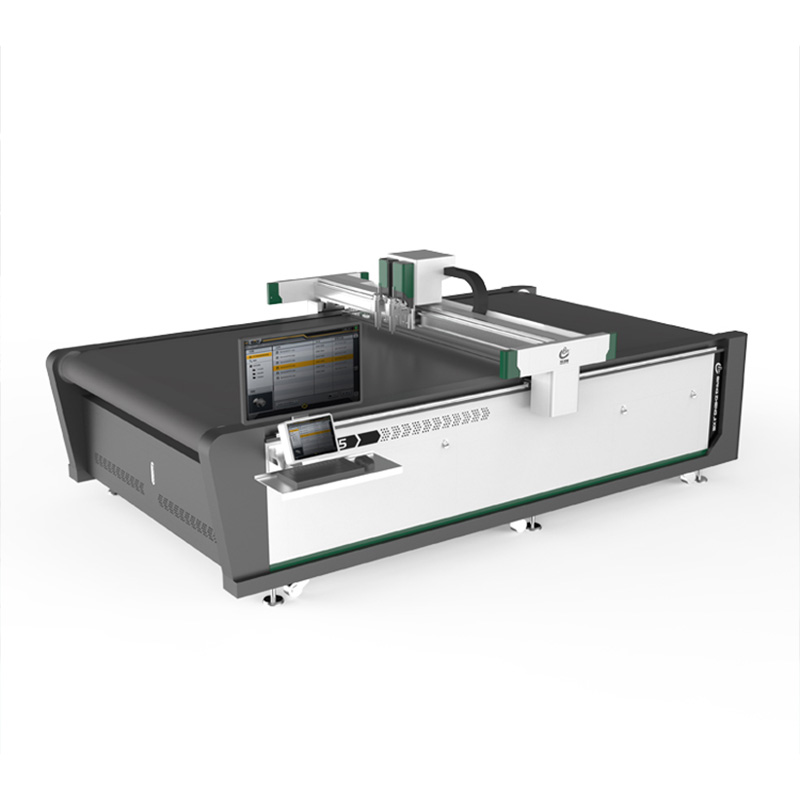
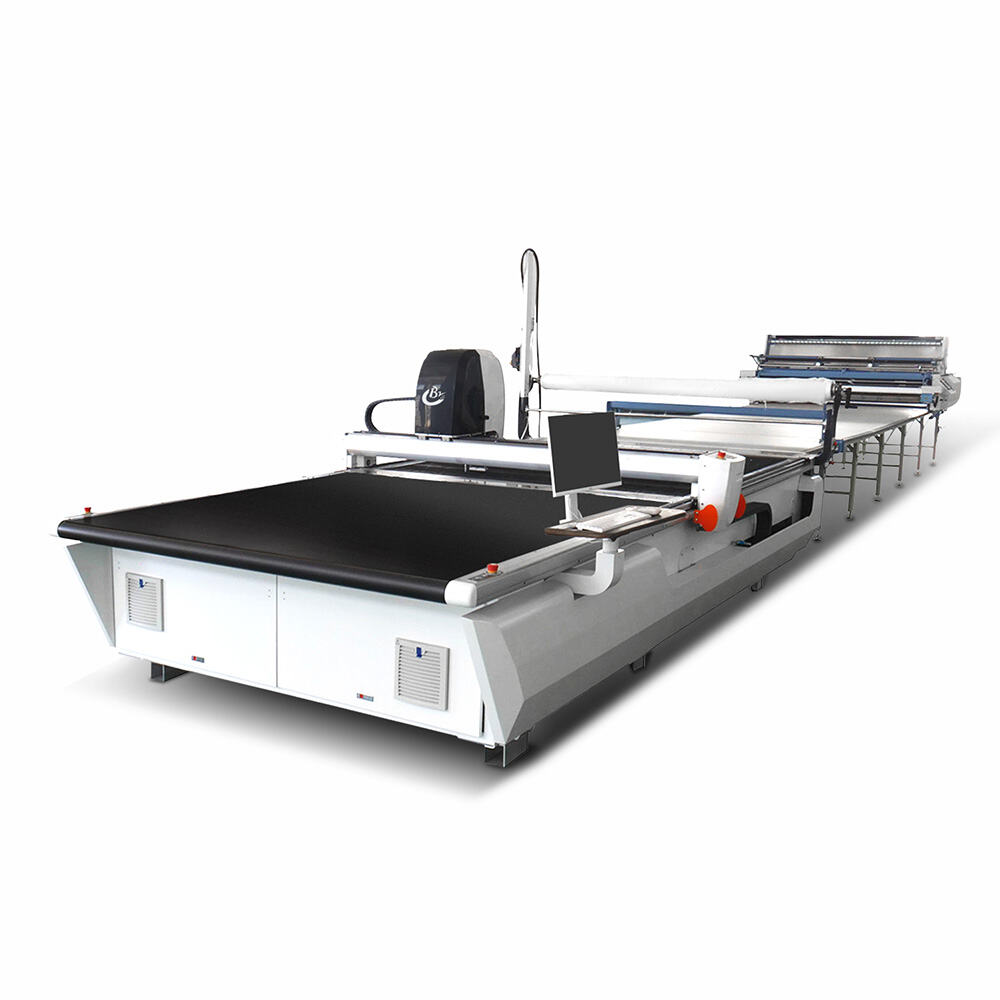
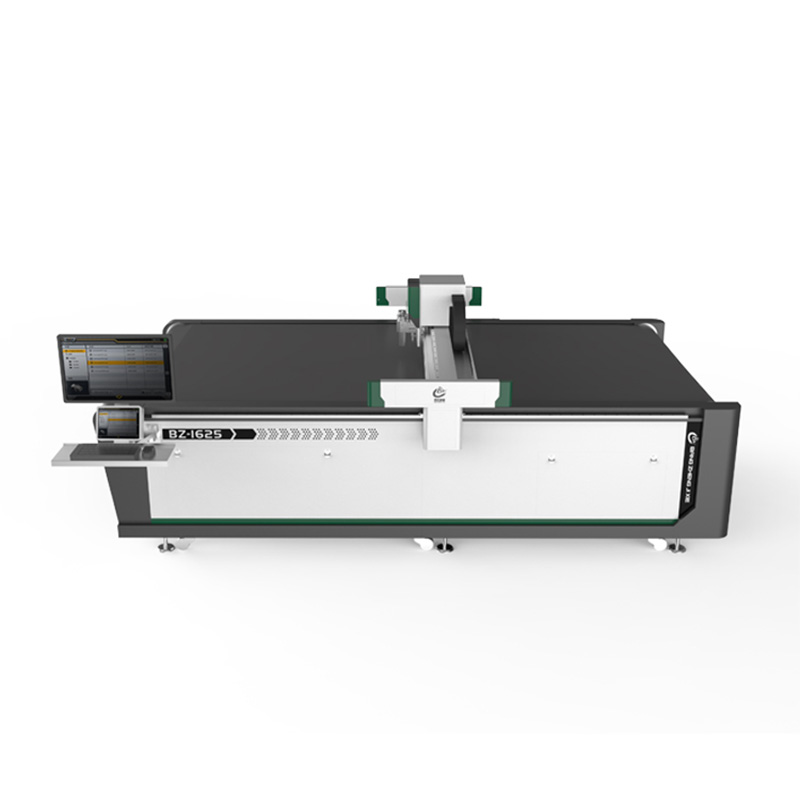
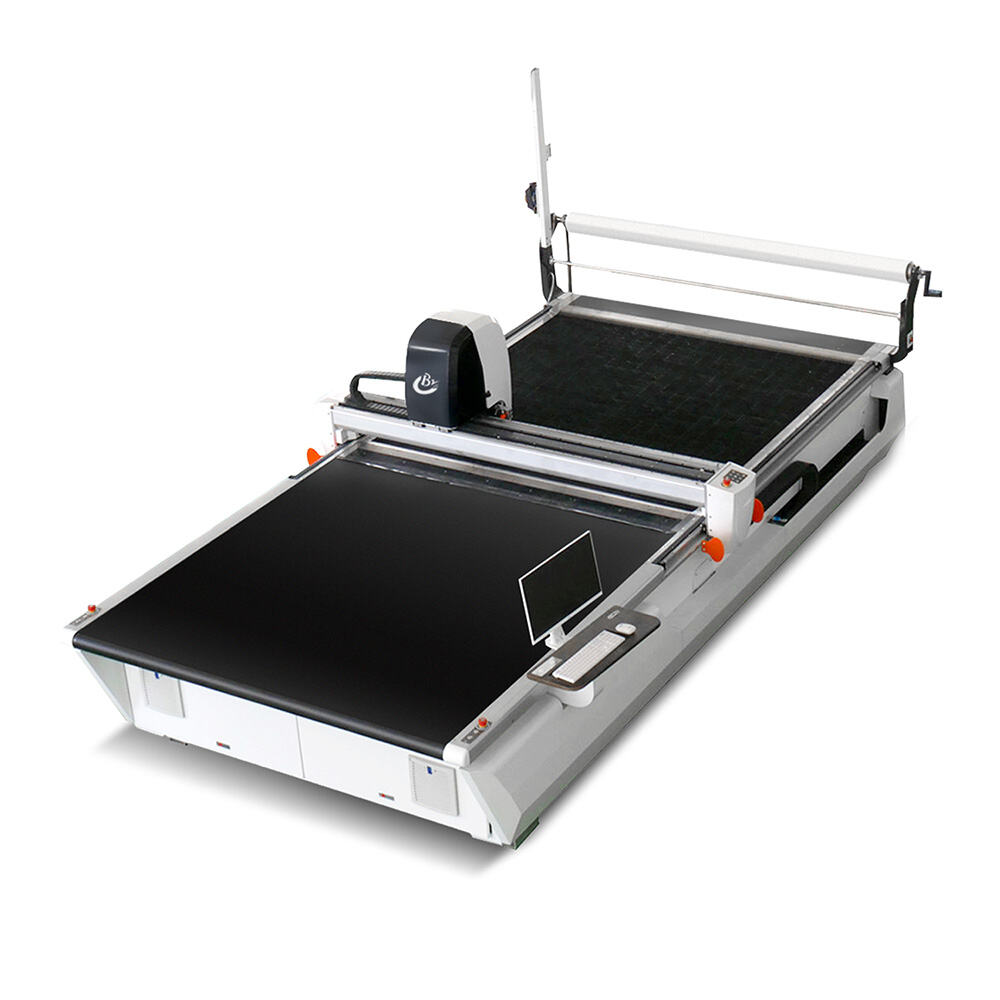
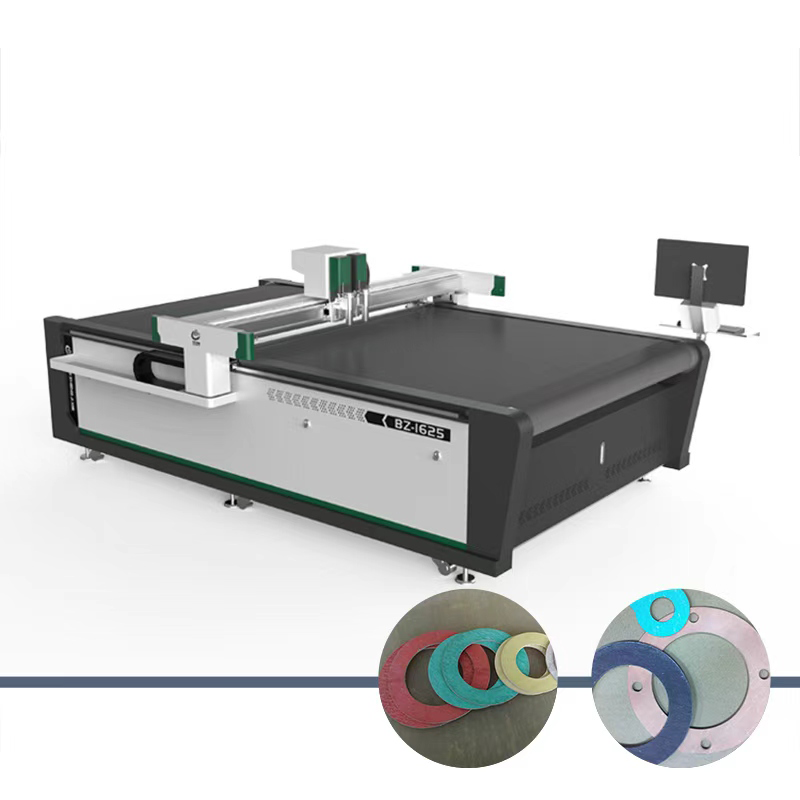
The exceptional versatility of the auto fabric cutting machine enables manufacturers to process an extensive range of materials and applications, from delicate luxury fabrics to heavy-duty industrial textiles, making it an invaluable asset for diverse manufacturing operations. This multi-material capability stems from advanced cutting head technology that automatically adjusts cutting parameters based on material identification sensors, ensuring optimal processing regardless of fabric composition, weight, or structure. The auto fabric cutting machine successfully processes natural fibers including cotton, silk, wool, and linen, as well as synthetic materials such as polyester, nylon, spandex, and advanced technical fabrics used in aerospace and automotive applications. Specialized cutting modes accommodate different material characteristics, with gentle processing for delicate fabrics that prevents fraying or damage, while robust cutting capabilities handle heavy canvas, leather, and composite materials with equal precision. The versatility extends to various thickness ranges, from gossamer-thin silk measuring fractions of millimeters to multi-layer composite materials several centimeters thick, all processed with consistent accuracy and quality. Pattern complexity adaptation allows the auto fabric cutting machine to execute intricate designs with multiple curves, angles, and fine details, while also efficiently processing simple geometric shapes for basic applications. The system accommodates various fabric widths up to industrial standards, making it suitable for both apparel manufacturing and technical textile production including geotextiles, medical textiles, and filtration materials. Multi-layer cutting capabilities enable simultaneous processing of up to 50 fabric layers, dramatically increasing productivity for high-volume orders while maintaining individual piece accuracy throughout the stack. The auto fabric cutting machine processes stretch fabrics without distortion, maintaining pattern integrity even with materials that exhibit significant elasticity during handling. Special applications include processing of coated fabrics, laminated materials, and fabrics with metallic threads or embedded components, expanding manufacturing possibilities beyond traditional textile processing. Temperature-sensitive materials receive specialized handling through controlled cutting environments that prevent heat damage during processing operations.

 EN
EN