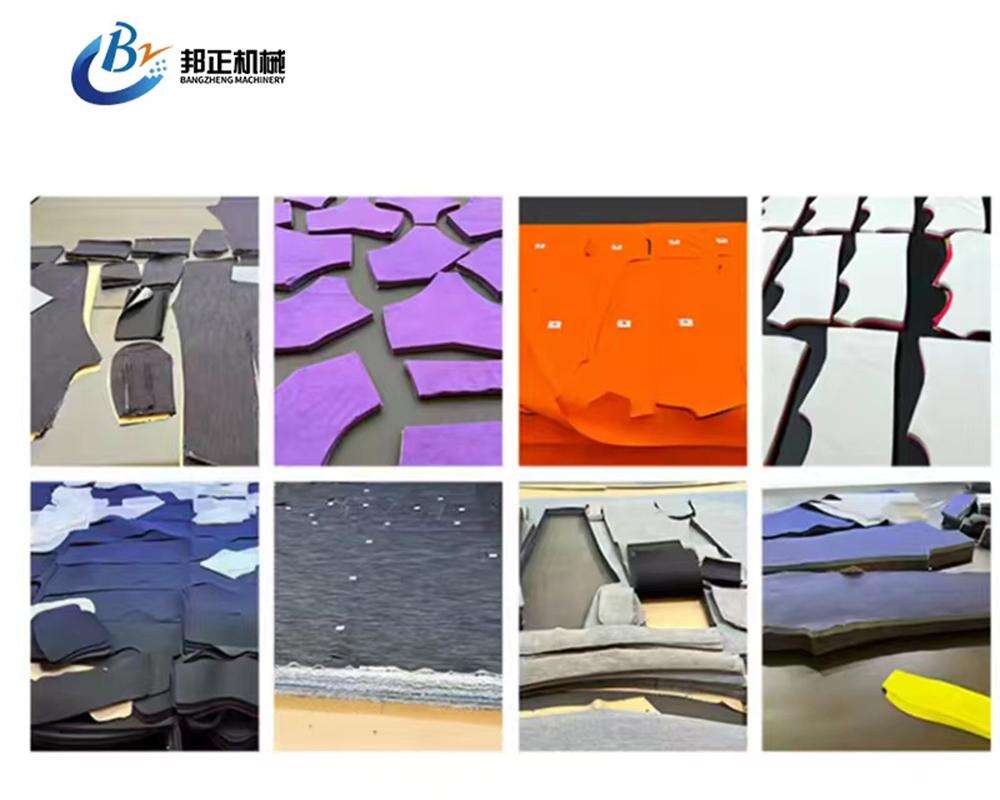
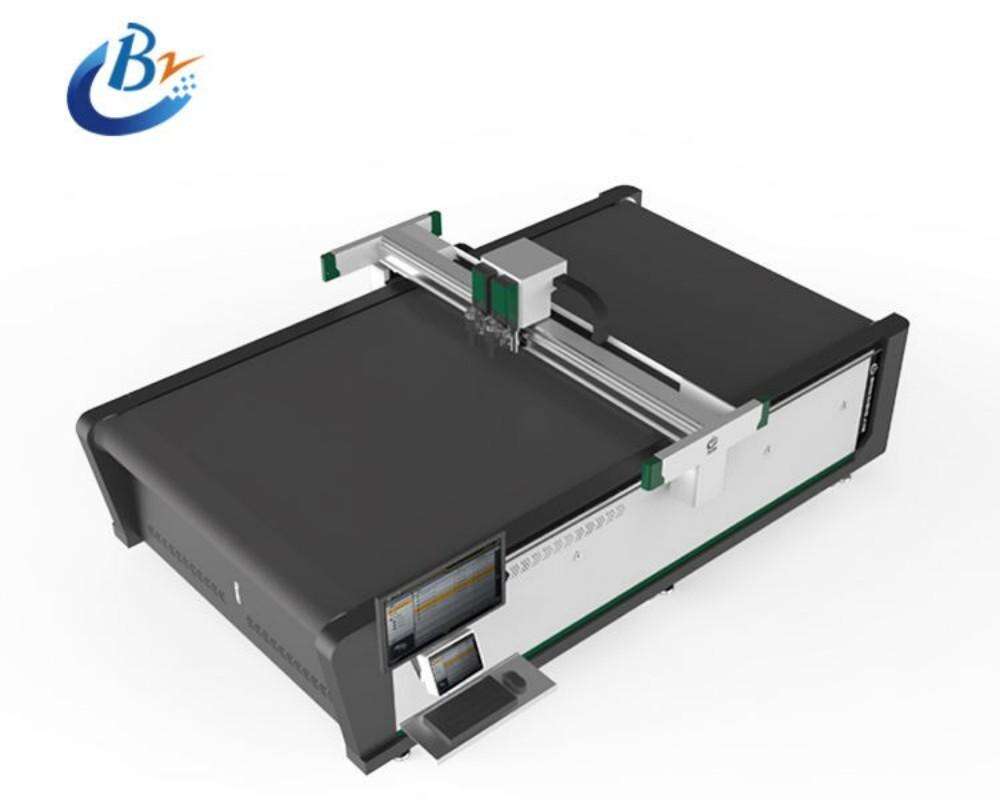
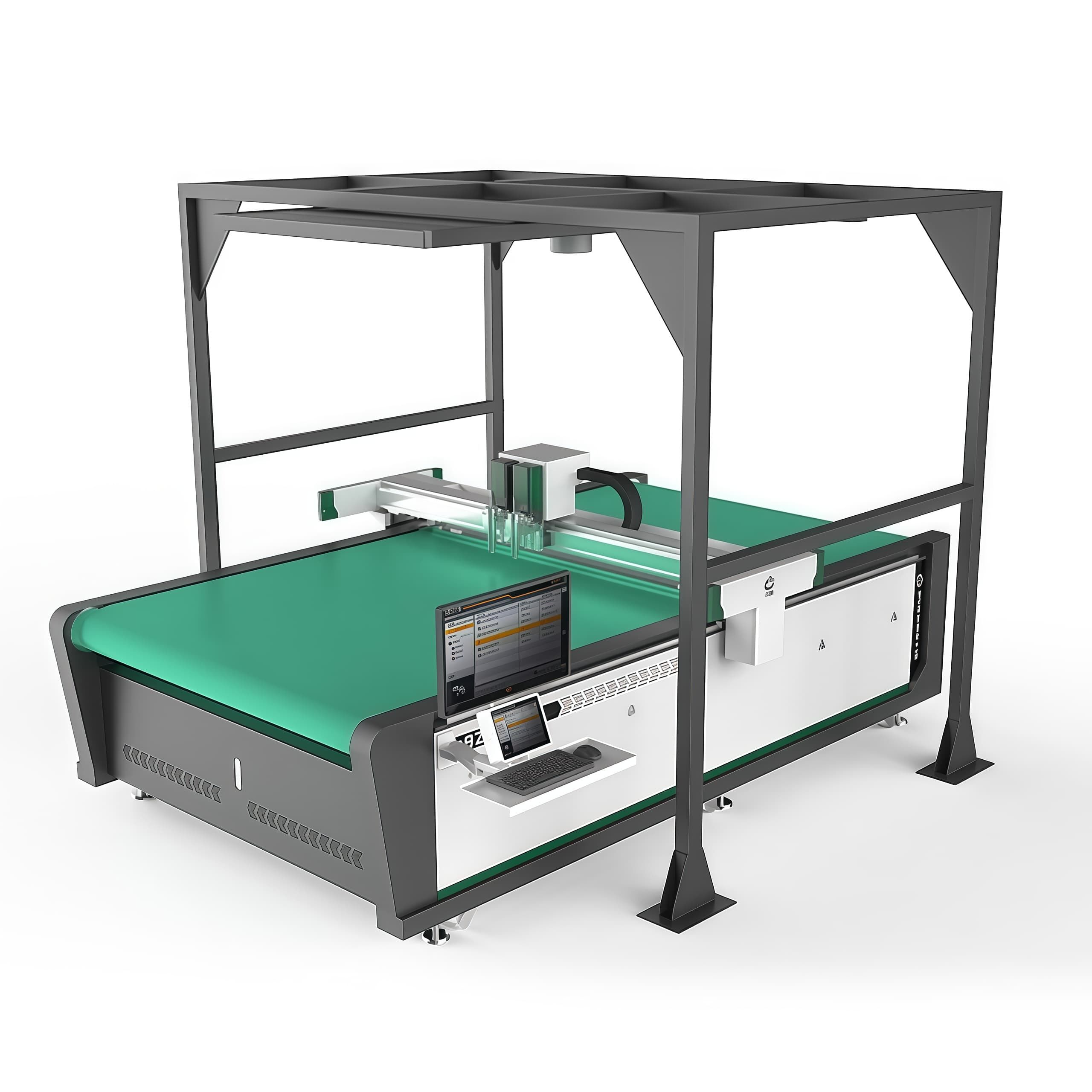
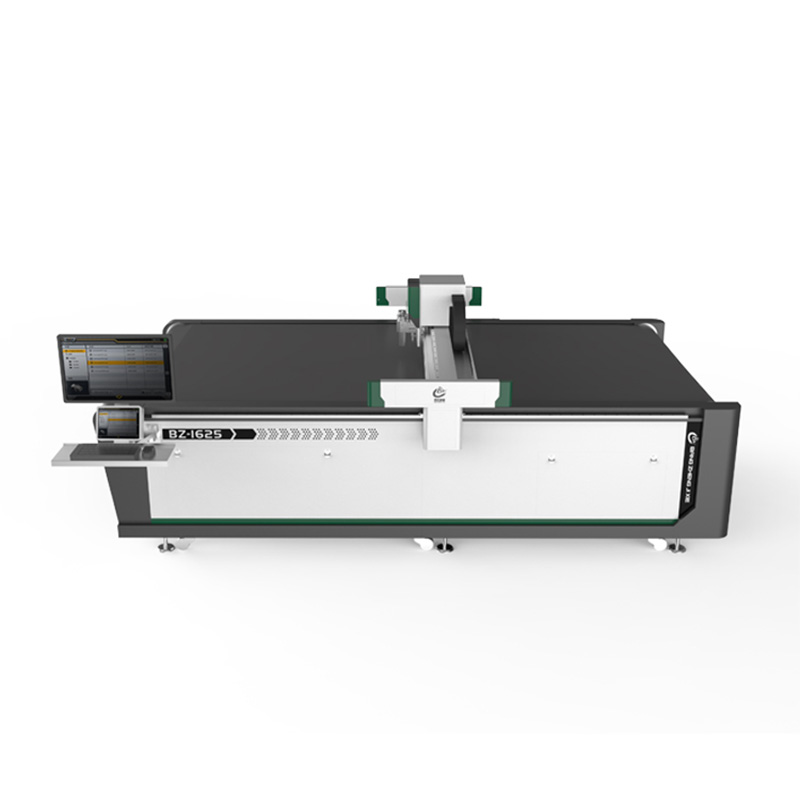
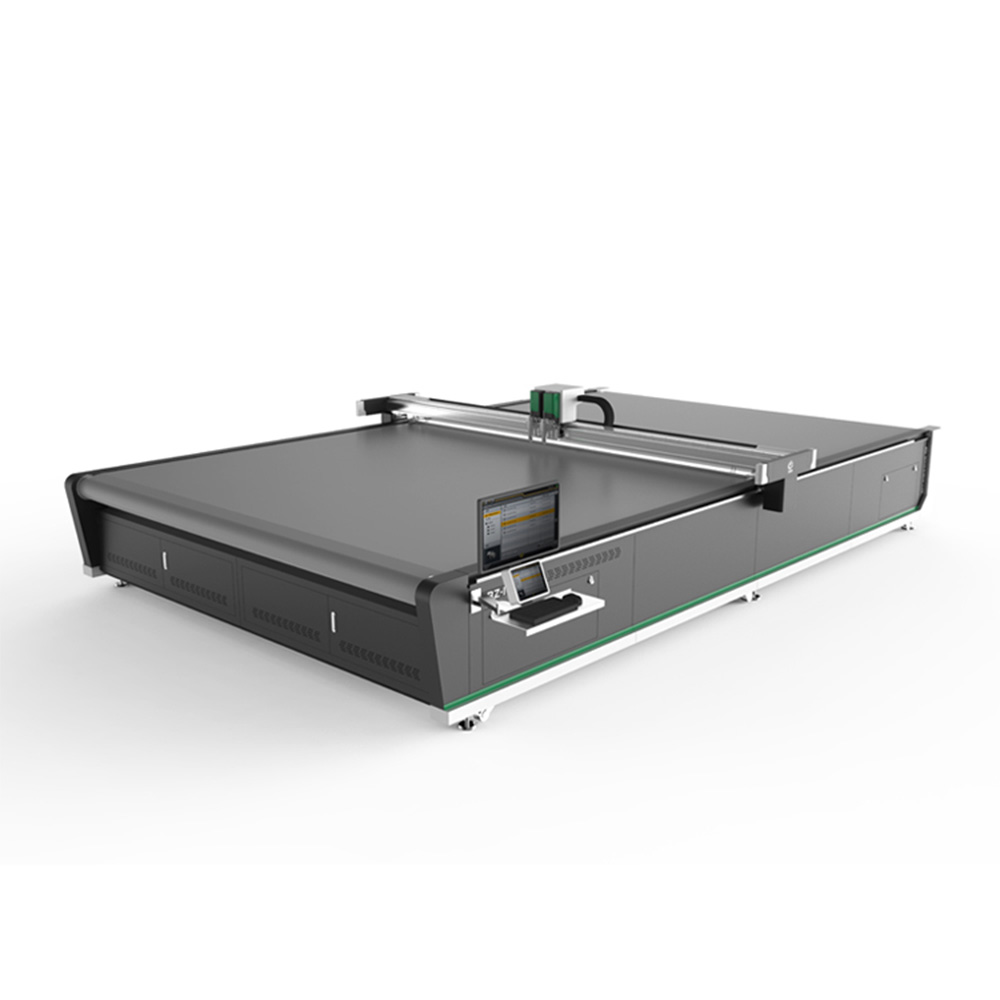
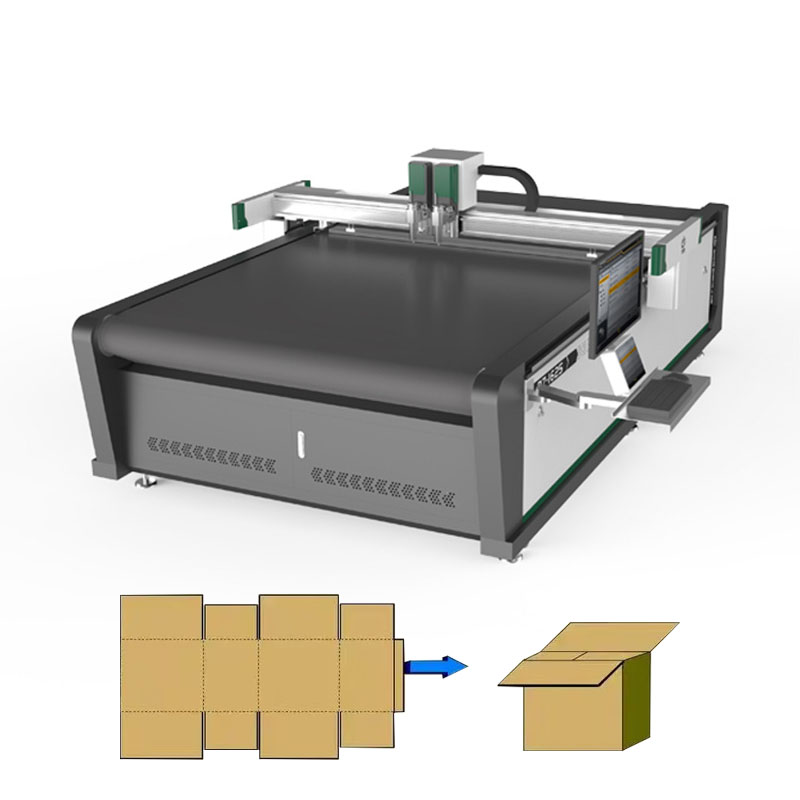
automatic fabric spreading and cutting machine
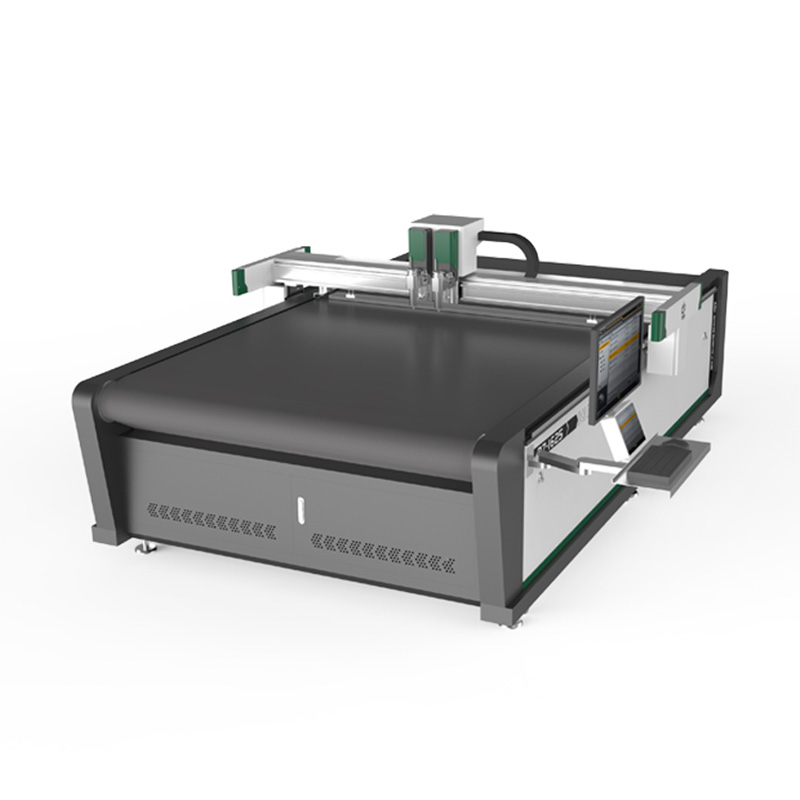
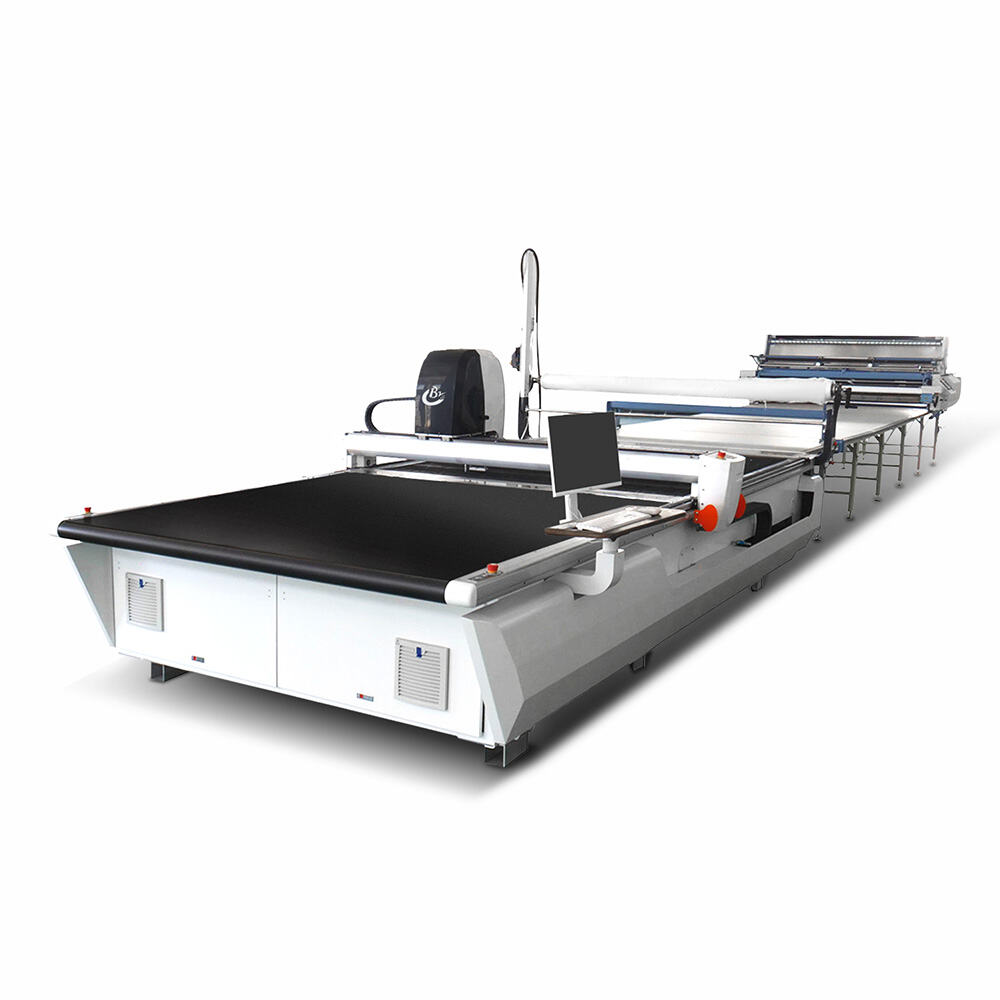
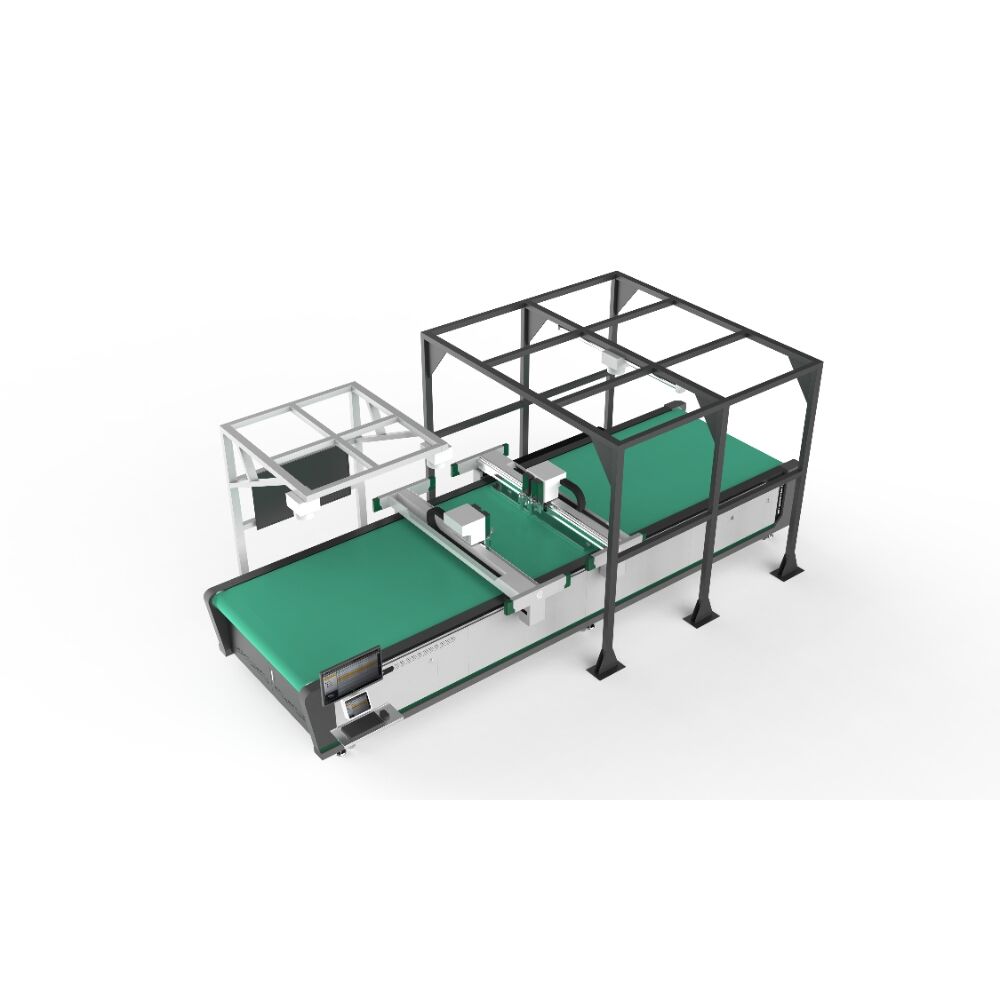
The automatic fabric spreading and cutting machine represents a revolutionary advancement in textile manufacturing technology, transforming how fabrics are processed in garment production facilities worldwide. This sophisticated equipment combines precision engineering with intelligent automation to deliver unparalleled efficiency in fabric handling operations. The machine integrates multiple functions within a single system, including automated fabric spreading, pattern recognition, and high-precision cutting capabilities. At its core, the automatic fabric spreading and cutting machine utilizes advanced servo motor technology and computer-controlled systems to ensure consistent fabric tension and alignment throughout the spreading process. The spreading mechanism features adjustable speed controls and fabric edge detection sensors that maintain optimal fabric positioning across varying material types and weights. The cutting component employs laser guidance systems or computer-controlled blade mechanisms that follow pre-programmed patterns with millimeter accuracy. Modern automatic fabric spreading and cutting machines incorporate touchscreen interfaces that allow operators to input specifications, monitor progress, and adjust parameters in real-time. The system's fabric feeding mechanism accommodates rolls of different widths and weights, automatically adjusting tension and speed to prevent fabric distortion or damage. Quality control sensors continuously monitor fabric alignment and detect potential defects or irregularities during the spreading process. The cutting module supports various cutting methods, including rotary blade cutting, laser cutting, and ultrasonic cutting, depending on fabric composition and thickness requirements. Safety features include emergency stop mechanisms, protective barriers, and automatic shutdown protocols that activate when irregularities are detected. The machine's modular design allows for customization based on specific production requirements and available floor space. Integration capabilities enable seamless connection with existing production management systems and inventory tracking software. This comprehensive approach to fabric processing significantly reduces manual labor requirements while maintaining superior quality standards throughout the manufacturing process.

 EN
EN