Advanced Textiles Automatic Cutting Systems - Precision Fabric Processing Solutions

All Categories

Get a Free Quote

Our representative will contact you soon.
Email
Name
Company Name
Message
0/1000

textiles automatic cutting

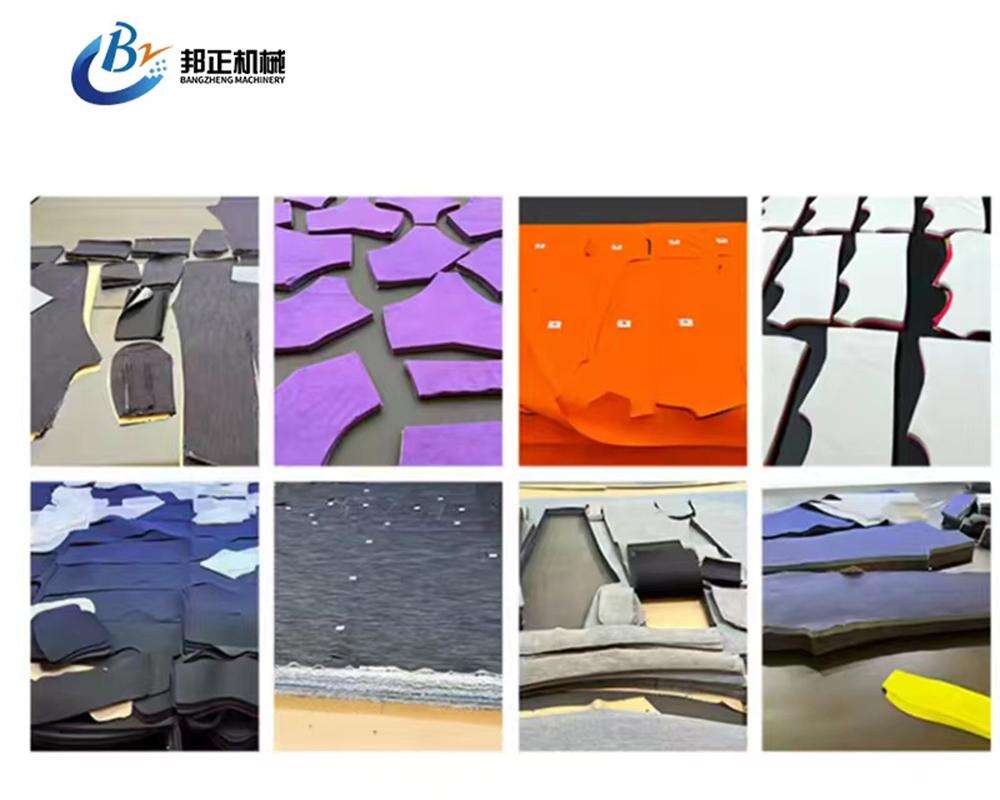
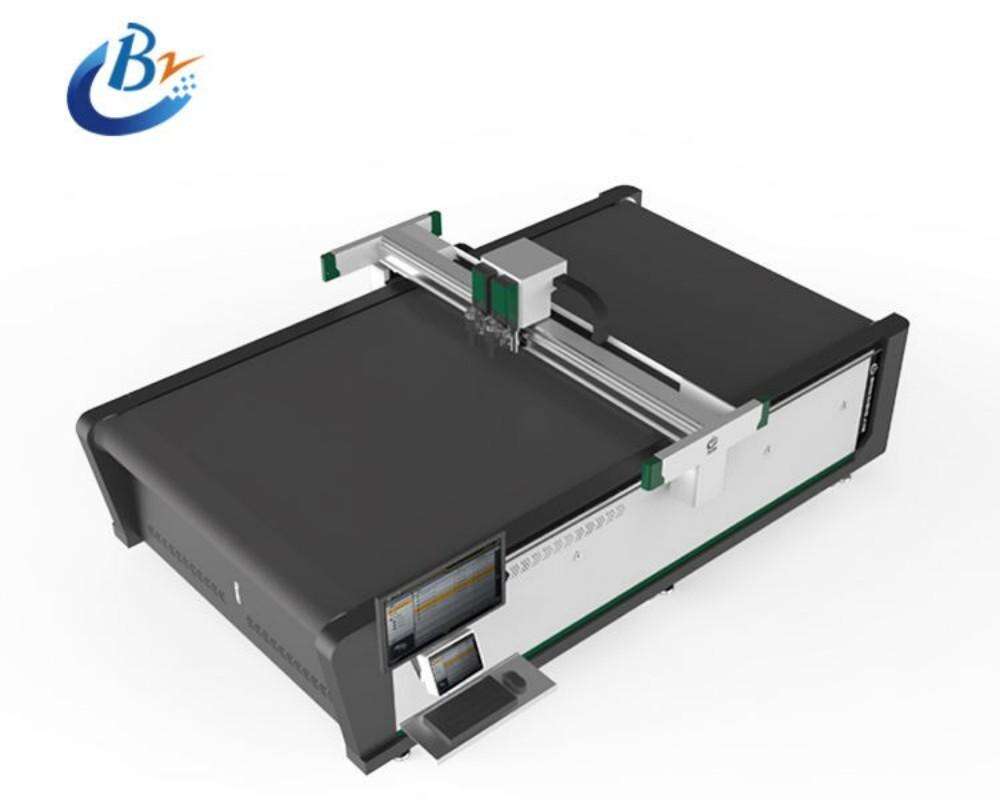
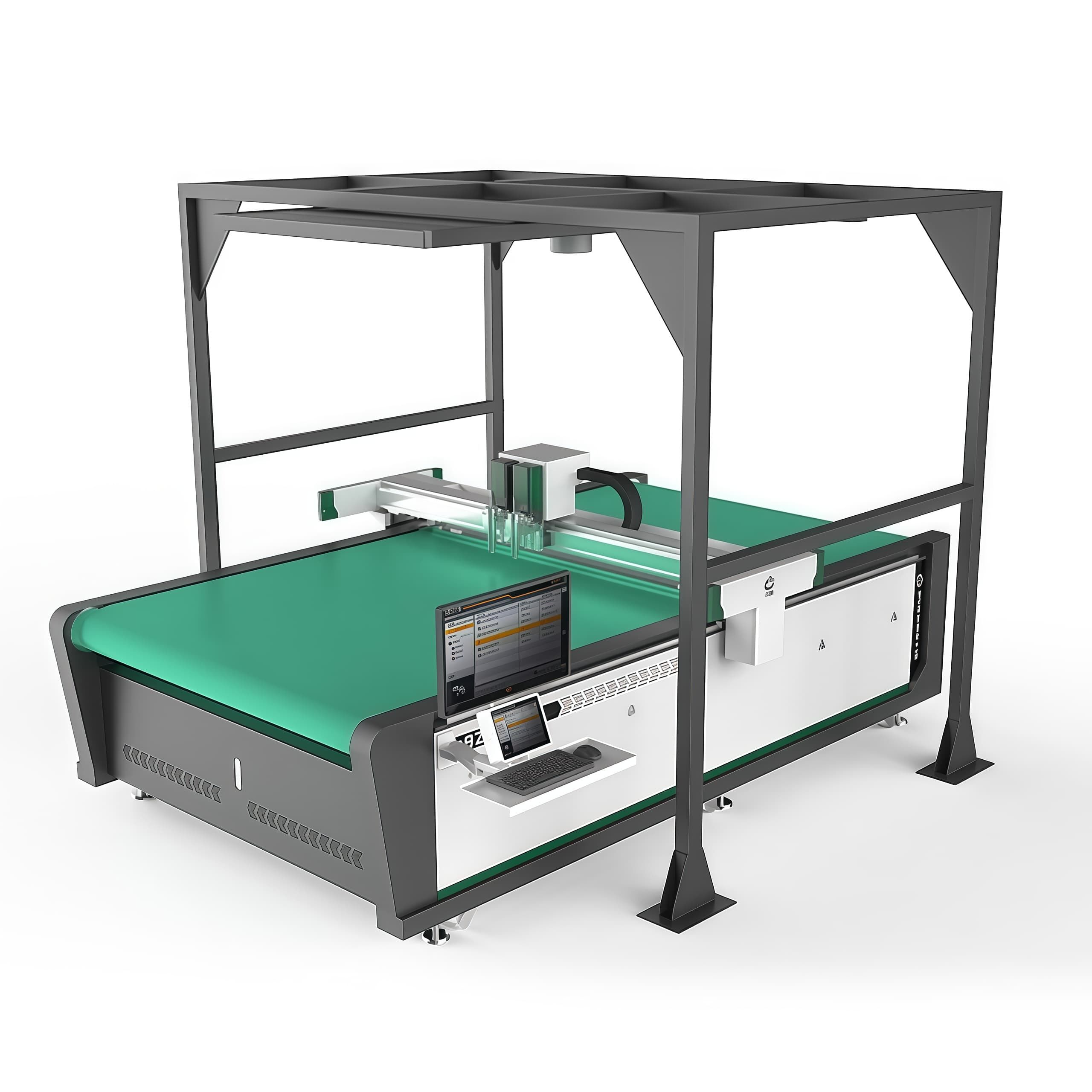
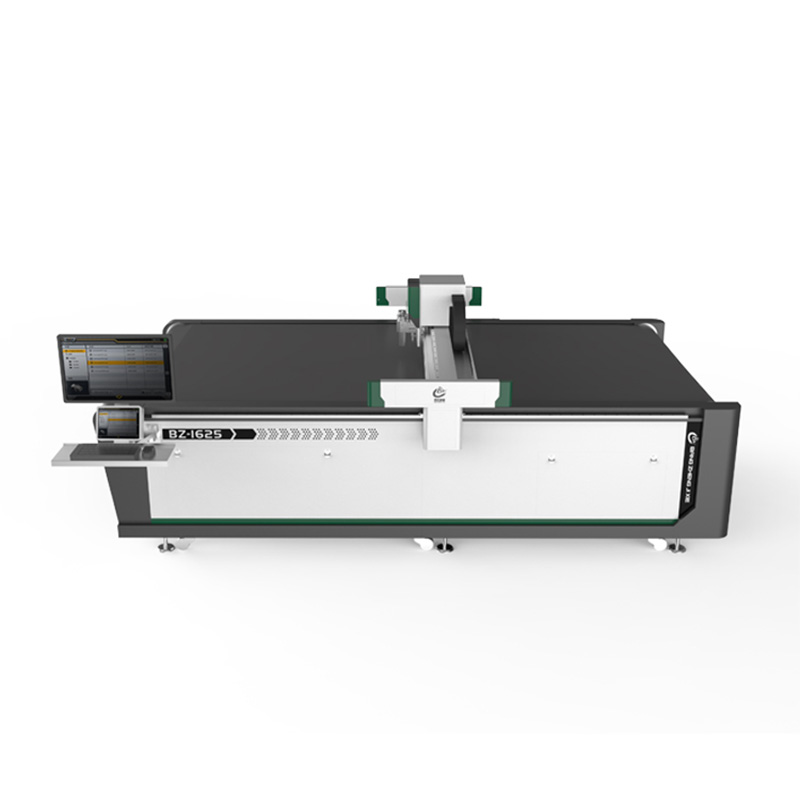
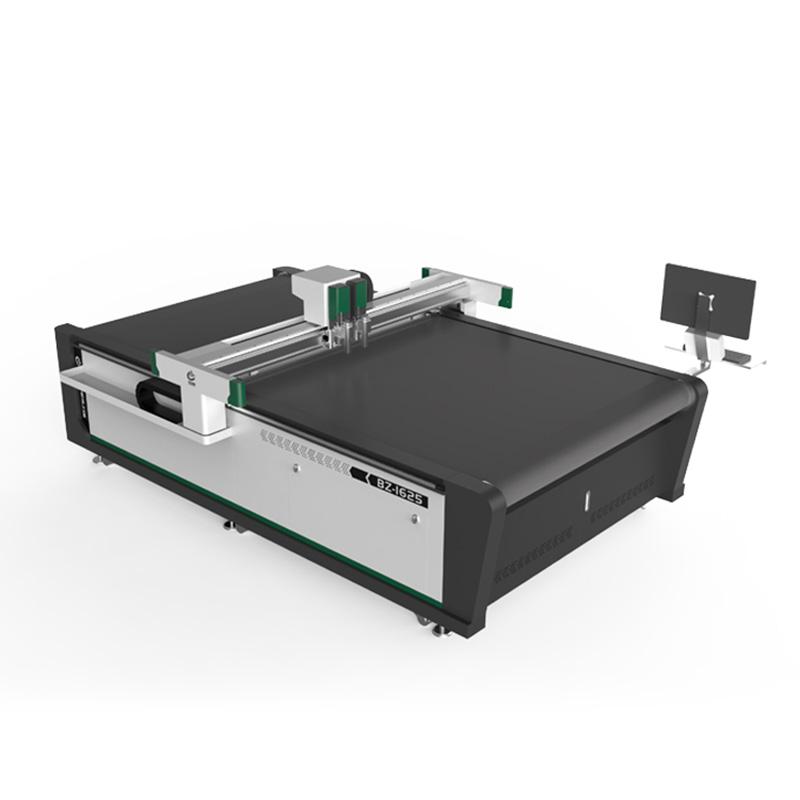
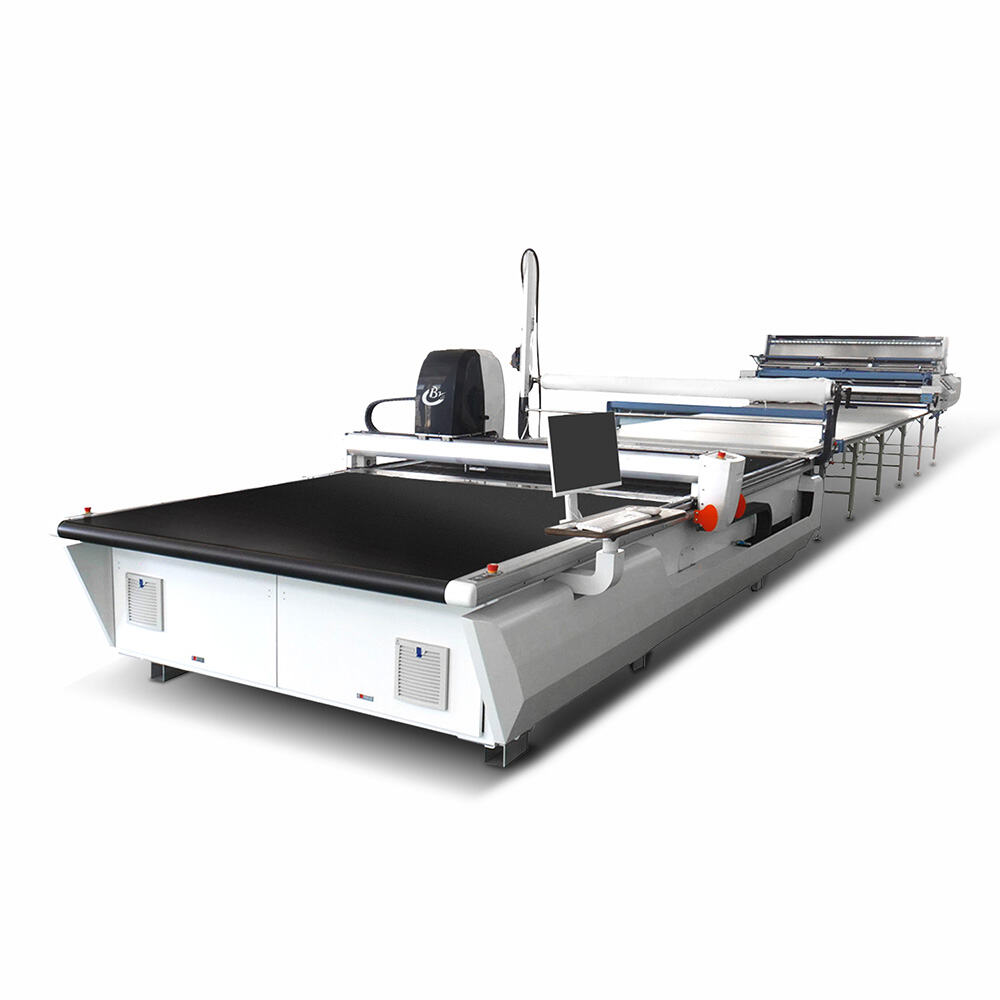
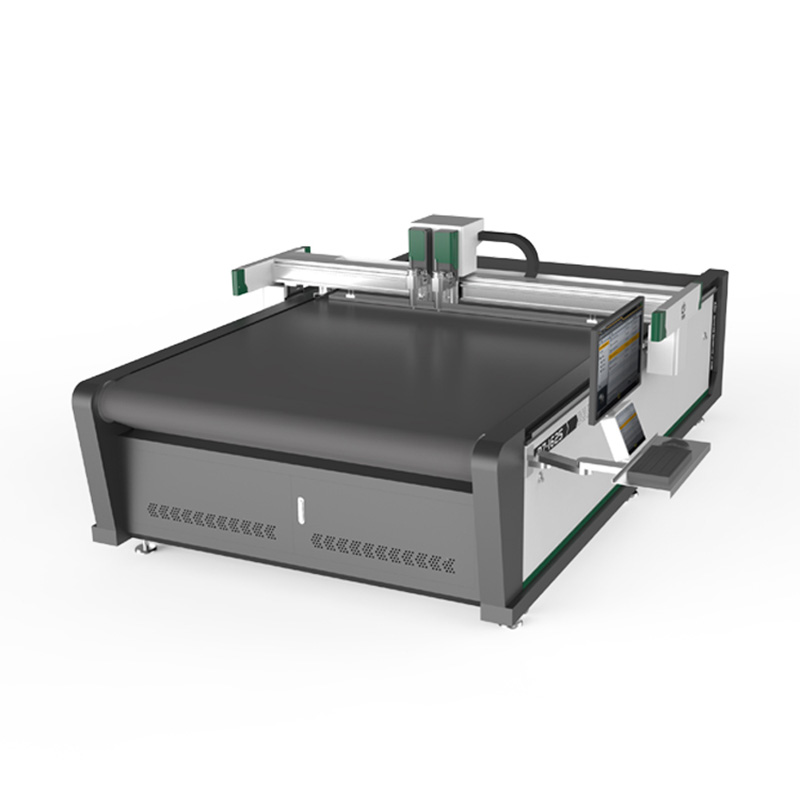
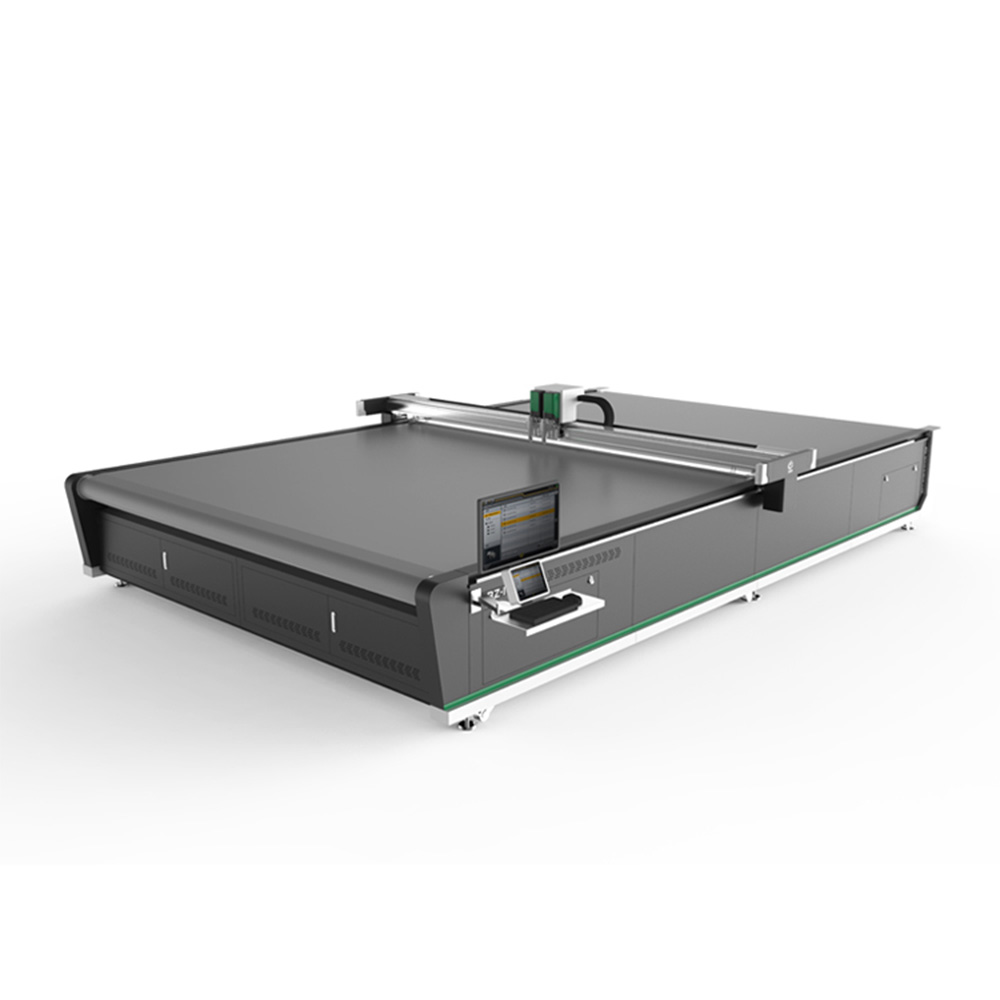
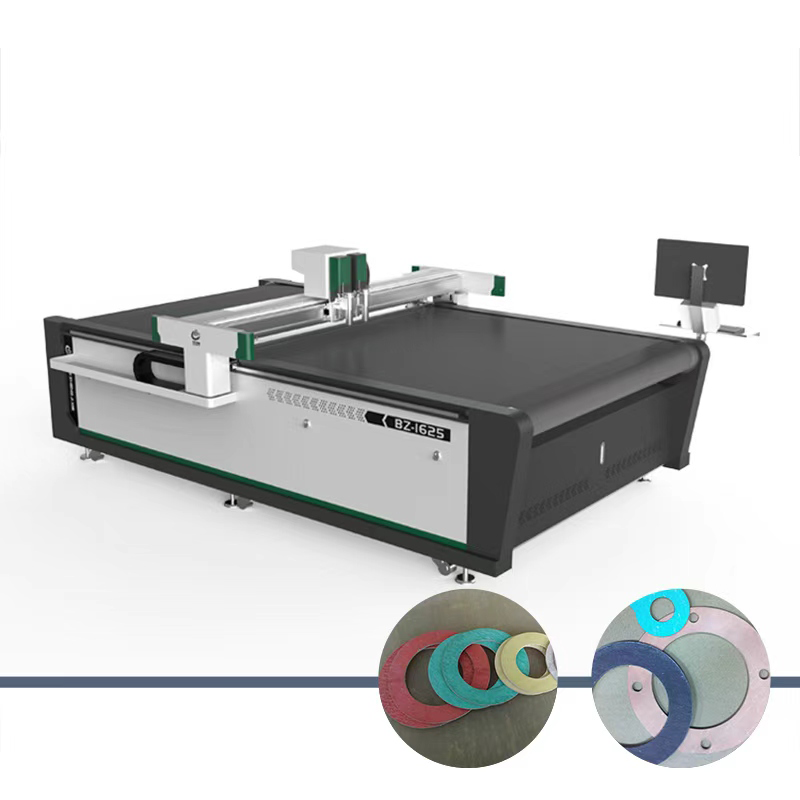
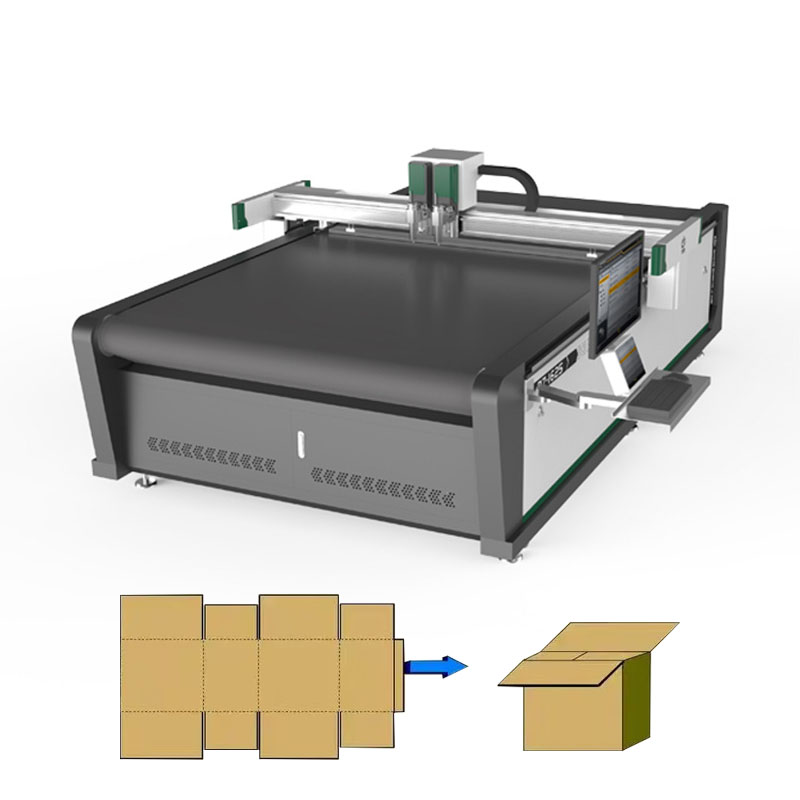
Textiles automatic cutting represents a revolutionary advancement in fabric processing technology that transforms traditional manufacturing workflows through precision automation. This sophisticated system integrates computer-controlled machinery with advanced software algorithms to execute accurate cutting patterns across various textile materials. The technology employs multiple cutting methods including laser cutting, ultrasonic cutting, waterjet cutting, and blade cutting, each optimized for specific fabric types and thickness requirements. Modern textiles automatic cutting systems feature high-resolution cameras and scanning capabilities that detect fabric defects, grain direction, and pattern alignment before initiating the cutting process. The main functions encompass pattern recognition, material optimization, automated feeding mechanisms, and real-time quality control monitoring. These systems can process multiple fabric layers simultaneously, significantly reducing production time while maintaining consistent cutting accuracy. The technological features include CAD integration that allows seamless import of design files, automatic nesting algorithms that minimize material waste, and adaptive cutting parameters that adjust based on fabric characteristics. Advanced sensors monitor blade sharpness, cutting speed, and material tension to ensure optimal performance throughout extended production runs. The applications span across diverse industries including fashion and apparel manufacturing, automotive upholstery, home furnishing production, technical textiles, and industrial fabric processing. In fashion manufacturing, textiles automatic cutting enables rapid prototype development and mass production of garments with complex geometries. Automotive applications benefit from precise cutting of interior components, seat covers, and protective materials. The technology proves invaluable for producing medical textiles, filtration materials, and composite fabrics used in aerospace applications. Home furnishing manufacturers utilize these systems for curtains, upholstery, and decorative textiles requiring intricate patterns and consistent quality standards.


Popular Products

Textiles automatic cutting delivers substantial productivity improvements that directly impact manufacturing efficiency and profitability. Companies experience dramatic reductions in production time as automated systems operate continuously without fatigue, processing materials at speeds impossible to achieve through manual cutting methods. The precision achieved through computer-controlled cutting eliminates human error, resulting in consistent piece dimensions and reduced material waste. This accuracy translates to better fitting garments, improved assembly processes, and decreased rejection rates during quality control inspections. Labor cost savings represent another significant advantage as textiles automatic cutting reduces dependency on skilled manual cutters while allowing existing workforce to focus on higher-value tasks such as design, quality assurance, and machine supervision. The technology enables manufacturers to respond quickly to market demands and seasonal variations without extensive workforce adjustments. Material optimization algorithms automatically arrange cutting patterns to maximize fabric utilization, often achieving waste reduction of twenty to thirty percent compared to manual methods. This optimization becomes particularly valuable when working with expensive specialty fabrics or materials with limited availability. Enhanced workplace safety emerges as operators work at safe distances from cutting mechanisms, reducing risks associated with sharp tools and repetitive strain injuries common in traditional cutting operations. The consistent cutting quality eliminates variations that occur due to operator skill differences, fatigue, or environmental factors. Flexibility in handling diverse fabric types allows manufacturers to expand their product offerings without investing in specialized equipment for each material category. Production scalability becomes achievable as systems can easily accommodate increased order volumes by extending operating hours or adding additional cutting stations. Real-time monitoring capabilities provide immediate feedback on production status, material consumption, and system performance, enabling proactive maintenance scheduling and inventory management. Integration with enterprise resource planning systems creates seamless data flow from design conception through production completion, improving overall supply chain coordination and customer communication.

Latest News

Bangzheng Multi-Layer Fabric Cutting Machine: A Cutting Innovator in the Era of Intelligent Manufacturing

30

Jan

Bangzheng Multi-Layer Fabric Cutting Machine: A Cutting Innovator in the Era of Intelligent Manufacturing

View More
Bangzheng Vibrating Knife Fabric Cutting Machine: Intelligent Precision Redefining Industry Cutting Standards

30

Jan

Bangzheng Vibrating Knife Fabric Cutting Machine: Intelligent Precision Redefining Industry Cutting Standards

View More
Bangzheng Intelligent Leather Cutting Machine: High-Precision Digital Solution for Modern Leather Processing

10

Mar

Bangzheng Intelligent Leather Cutting Machine: High-Precision Digital Solution for Modern Leather Processing

View More

Get a Free Quote

Our representative will contact you soon.
Email
Name
Company Name
Message
0/1000

textiles automatic cutting

Advanced Pattern Recognition and Material Optimization Technology

Advanced Pattern Recognition and Material Optimization Technology

The sophisticated pattern recognition capabilities of textiles automatic cutting systems represent a breakthrough in manufacturing intelligence that revolutionizes how fabric processing operations approach efficiency and quality control. These advanced systems utilize high-resolution imaging technology combined with artificial intelligence algorithms to analyze fabric characteristics, detect potential defects, and optimize cutting patterns in real-time. The pattern recognition function automatically identifies fabric grain direction, stretch properties, and surface irregularities that could affect final product quality, adjusting cutting parameters accordingly to ensure optimal results. This intelligent analysis extends to automatic nesting algorithms that calculate the most efficient arrangement of pattern pieces across the fabric width, considering factors such as grain requirements, pattern matching needs, and material properties. The system continuously learns from previous cutting operations, building a comprehensive database of optimal settings for different fabric types and pattern configurations. Material optimization technology integrated within textiles automatic cutting systems achieves unprecedented levels of efficiency by minimizing waste while maintaining quality standards. The software analyzes each fabric roll's characteristics and automatically adjusts cutting layouts to accommodate variations in width, thickness, or surface conditions. This adaptive approach ensures consistent quality across entire production runs while maximizing material utilization rates. Advanced sensors monitor fabric tension and alignment throughout the cutting process, making micro-adjustments to maintain precision even when processing challenging materials such as stretch fabrics, delicate silks, or heavy industrial textiles. The technology's ability to handle multiple fabric layers simultaneously while maintaining individual piece accuracy demonstrates the sophisticated control systems that modern textiles automatic cutting equipment employs. These capabilities translate directly into cost savings, quality improvements, and production flexibility that give manufacturers significant competitive advantages in today's demanding marketplace.
Precision Cutting Technology with Multi-Method Capabilities

Precision Cutting Technology with Multi-Method Capabilities

Modern textiles automatic cutting systems incorporate multiple cutting technologies within a single platform, providing manufacturers with unprecedented versatility and precision in fabric processing operations. Laser cutting technology offers exceptional accuracy for intricate designs and delicate materials, creating clean edges without fraying while enabling complex geometric patterns impossible to achieve through traditional methods. The laser system automatically adjusts power levels and cutting speeds based on material thickness and composition, ensuring optimal results across diverse fabric types from lightweight chiffons to heavy canvas materials. Ultrasonic cutting technology provides superior performance for synthetic materials and technical textiles, using high-frequency vibrations to create sealed edges that prevent fraying and improve durability in finished products. This method proves particularly valuable for activewear, outdoor gear, and medical textiles where edge integrity is critical for performance and safety. Waterjet cutting capabilities enable processing of extremely thick materials and multi-layer composites without heat-affected zones, making it ideal for automotive textiles, upholstery materials, and industrial applications requiring precise dimensional accuracy. The blade cutting system handles traditional woven fabrics with exceptional speed and accuracy, featuring automatic blade changing mechanisms and sharpness monitoring to maintain consistent cutting quality throughout extended production runs. Each cutting method within the textiles automatic cutting system operates under computer control with programmable parameters that optimize performance for specific applications and materials. The system seamlessly transitions between cutting methods based on job requirements, allowing manufacturers to process diverse orders efficiently without manual reconfiguration. Advanced motion control systems ensure smooth, vibration-free operation at high cutting speeds while maintaining positional accuracy measured in fractions of millimeters. This precision capability enables production of technical textiles with tight tolerances, fashion garments with complex curves, and industrial components requiring exact dimensional specifications.
Integrated Quality Control and Production Management Systems

Integrated Quality Control and Production Management Systems

The comprehensive quality control and production management capabilities embedded within modern textiles automatic cutting systems create a seamless manufacturing environment that ensures consistent output quality while optimizing operational efficiency. Real-time monitoring systems continuously track cutting parameters, material consumption, and production metrics, providing immediate alerts when variations exceed predetermined tolerances. This proactive approach prevents quality issues before they impact finished products, reducing waste and minimizing costly rework or customer returns. The integrated vision systems perform automatic quality inspections during the cutting process, identifying defects such as missed cuts, dimensional variations, or material flaws that could compromise product integrity. Advanced data analytics capabilities process production information to identify trends, predict maintenance requirements, and optimize cutting parameters for future jobs. The system maintains detailed records of every cutting operation, creating comprehensive traceability that supports quality certifications and regulatory compliance requirements essential in industries such as automotive, medical, and aerospace manufacturing. Production management features enable seamless integration with enterprise resource planning systems, providing real-time updates on job progress, material consumption, and delivery schedules. Automated reporting functions generate detailed production summaries, efficiency metrics, and cost analyses that support informed decision-making and continuous improvement initiatives. The textiles automatic cutting system's ability to store and recall cutting programs for repeat orders eliminates setup time and ensures consistent results regardless of operator changes or production scheduling variations. Predictive maintenance algorithms analyze system performance data to schedule maintenance activities during planned downtime, minimizing unexpected production interruptions and extending equipment life. The sophisticated inventory management features track material usage patterns and automatically generate reorder notifications when stock levels approach predetermined minimums. This integrated approach to quality control and production management transforms textiles automatic cutting systems from simple cutting tools into comprehensive manufacturing solutions that enhance overall operational effectiveness and competitive positioning in demanding markets.

Get a Free Quote

Our representative will contact you soon.
Email
Name
Company Name
Message
0/1000