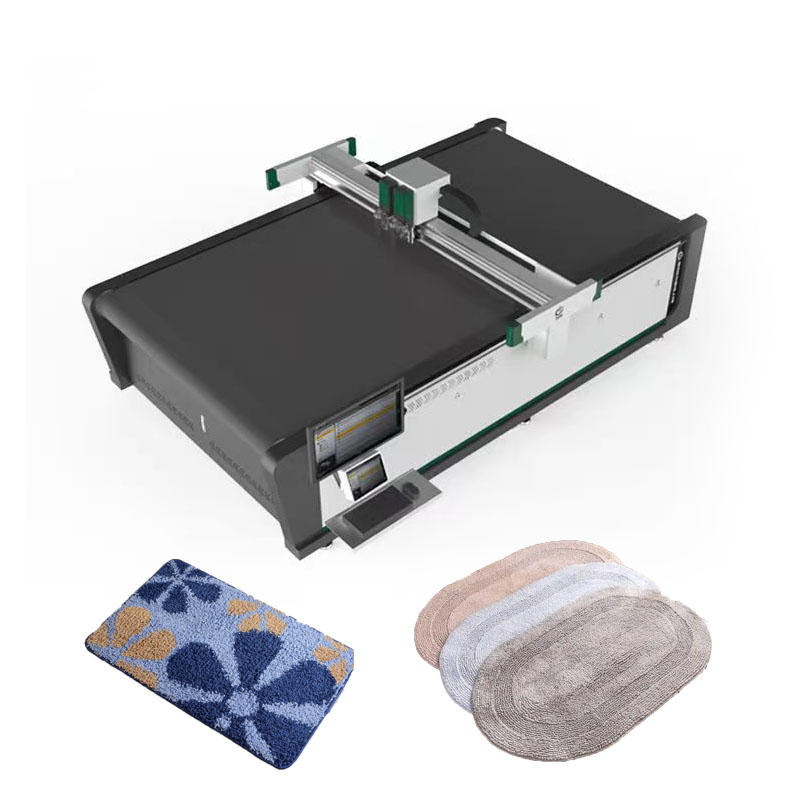
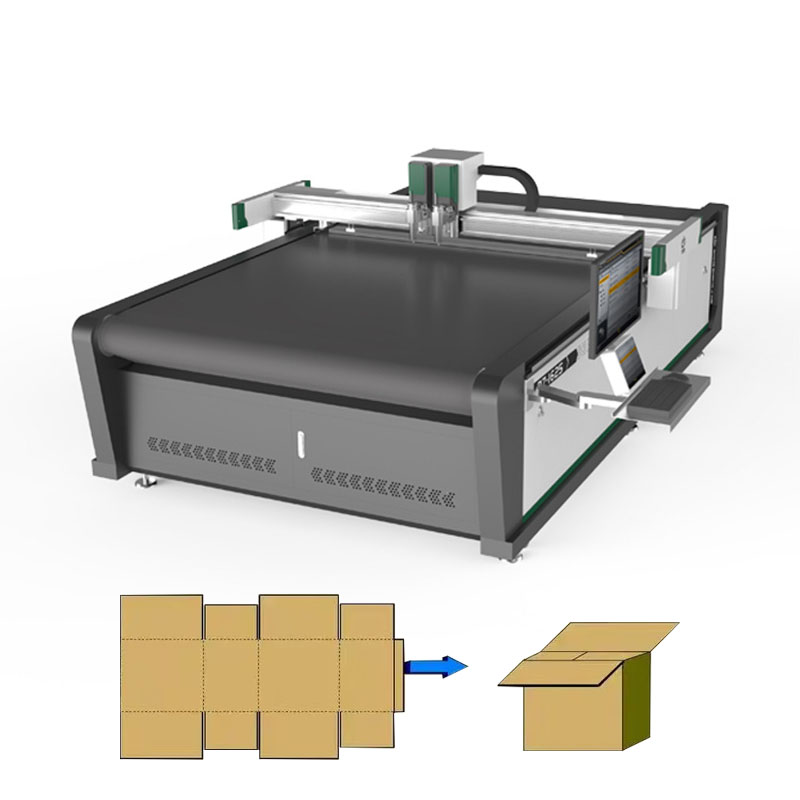
Auto Cutter for Textile: Advanced Precision Cutting Solutions for Modern Manufacturing

All Categories

Get a Free Quote

Our representative will contact you soon.
Email
Name
Company Name
Message
0/1000

auto cutter for textile

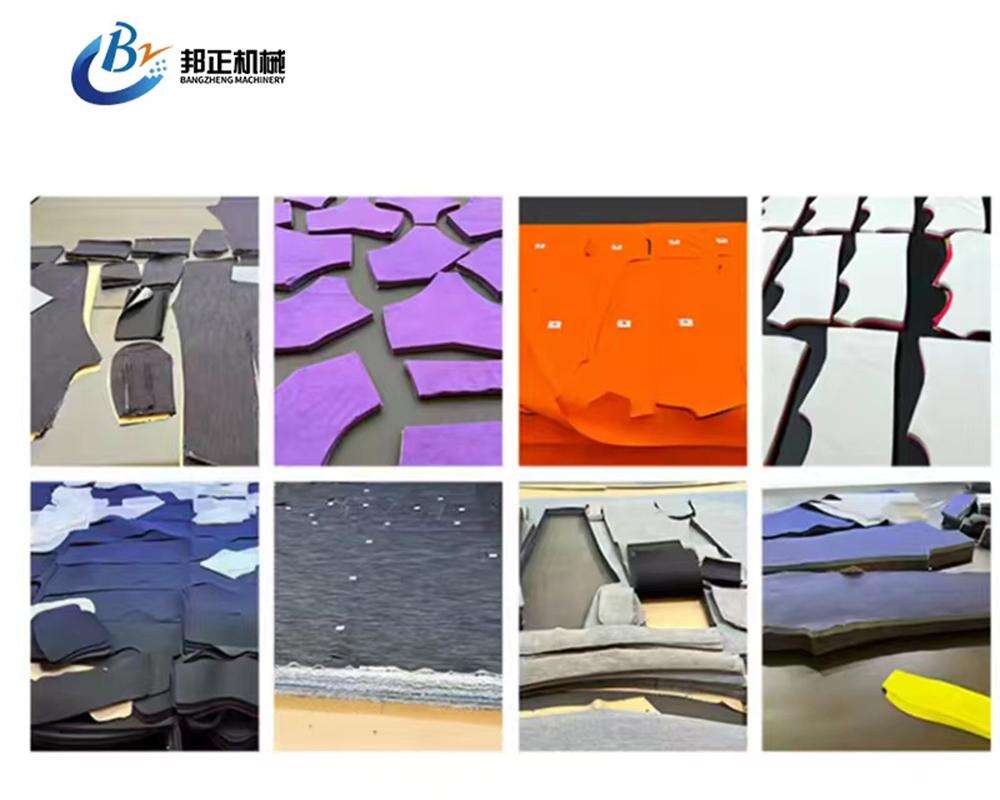
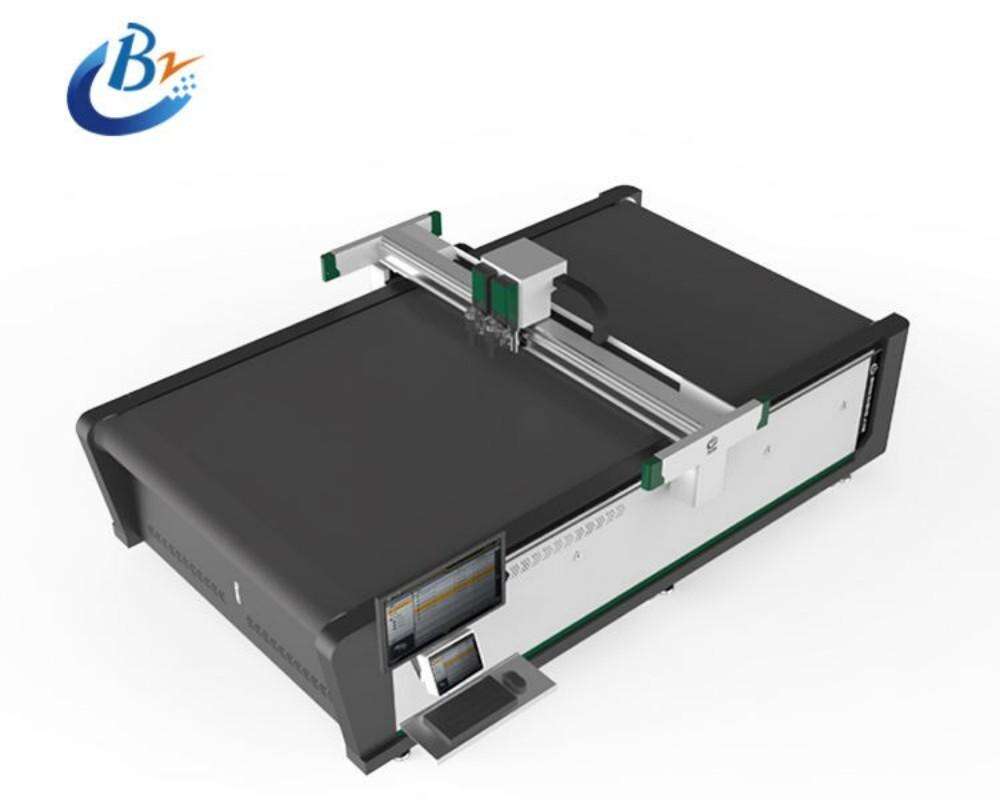
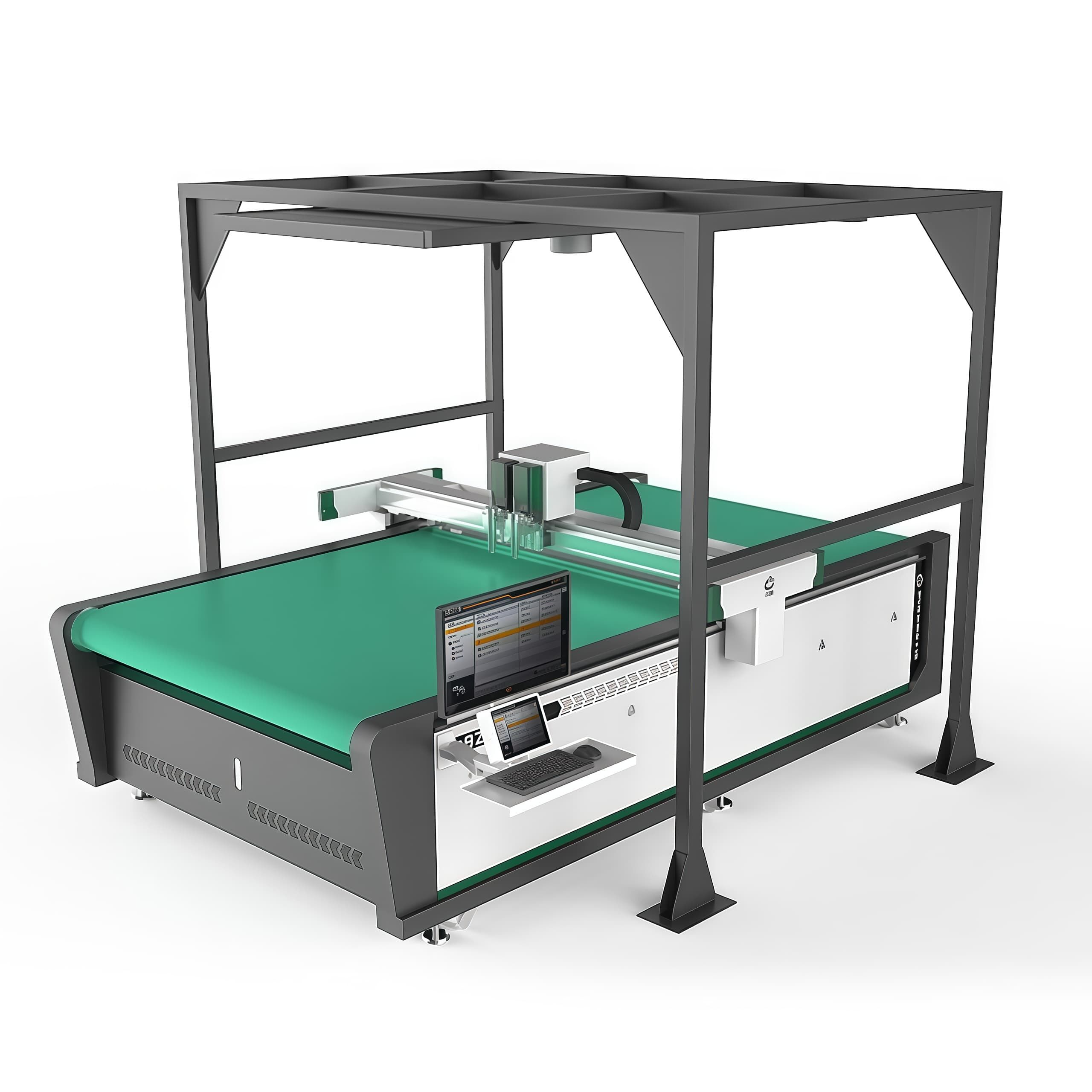
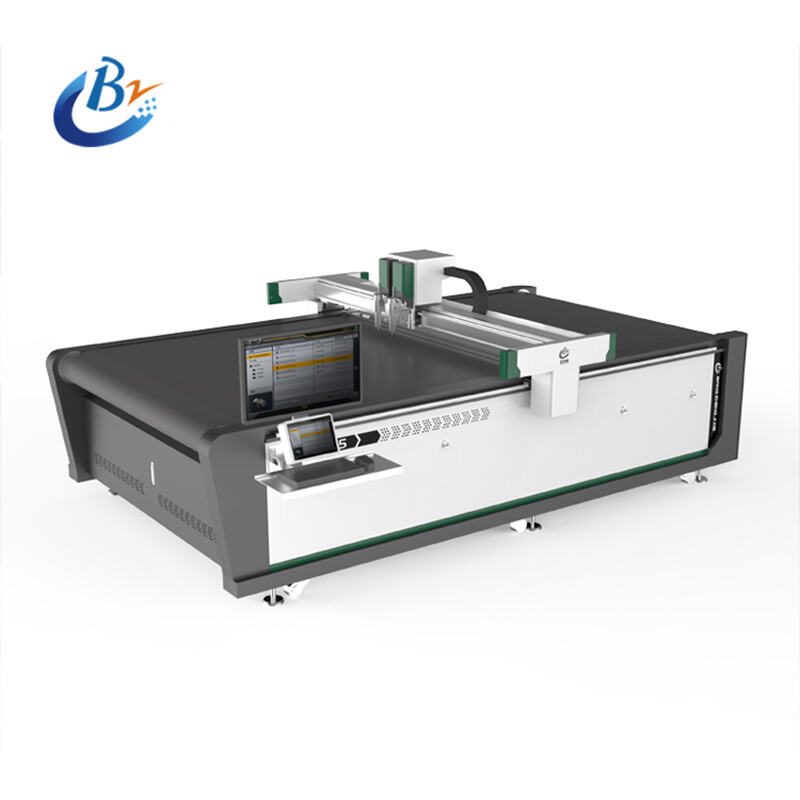
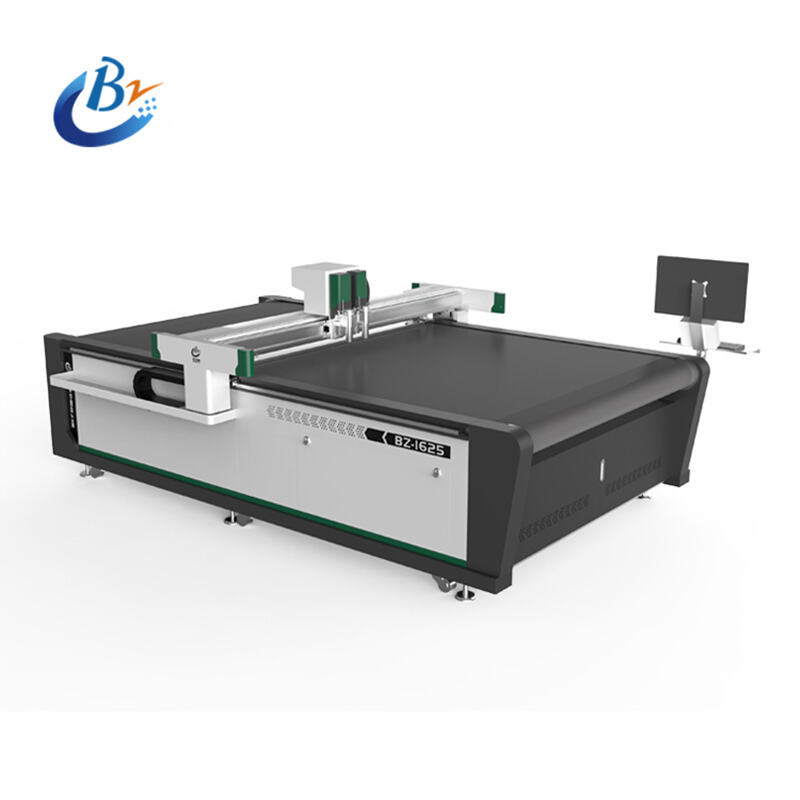
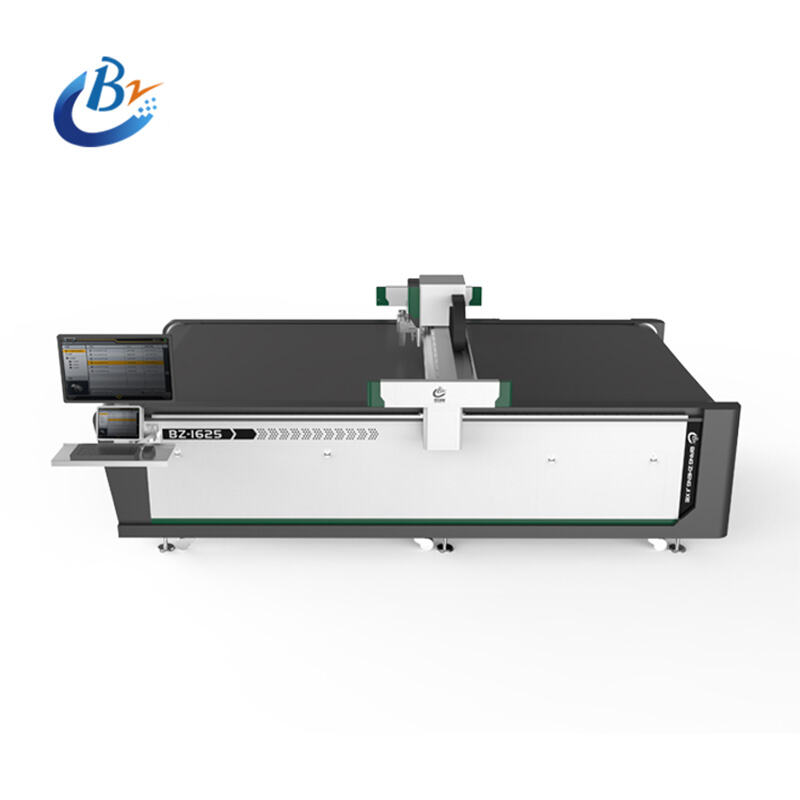
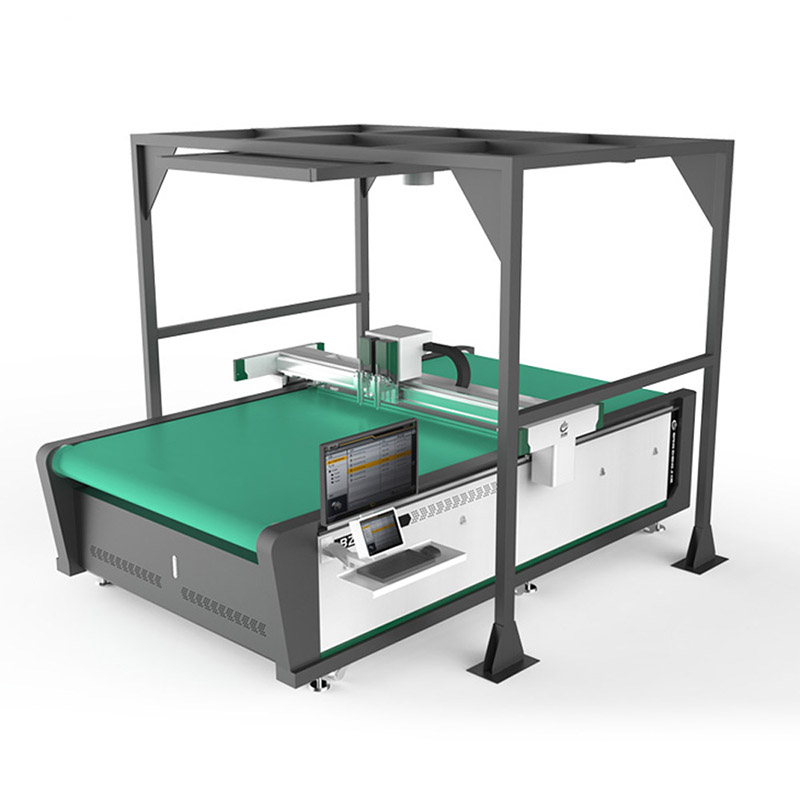
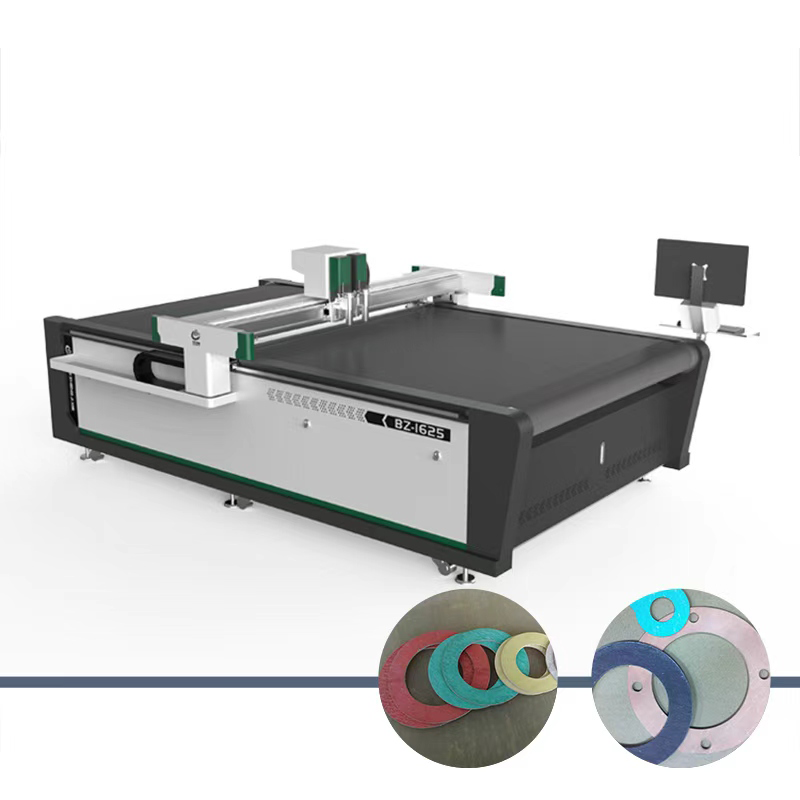
An auto cutter for textile represents a revolutionary advancement in fabric cutting technology, designed to streamline manufacturing processes across various textile industries. This sophisticated machine combines precision engineering with intelligent automation to deliver consistent, accurate cuts while significantly reducing production time and material waste. The auto cutter for textile operates through computer-controlled systems that guide high-speed cutting tools along predetermined patterns, ensuring each piece meets exact specifications every time. Modern textile auto cutters incorporate advanced sensors and feedback mechanisms that continuously monitor cutting performance, automatically adjusting blade pressure and speed to accommodate different fabric types and thicknesses. The main functions of an auto cutter for textile include pattern recognition, automated material feeding, precise blade positioning, and waste optimization algorithms. These machines excel at handling multiple fabric layers simultaneously, dramatically increasing production capacity while maintaining superior cut quality. Technological features encompass digital pattern storage capabilities, allowing manufacturers to quickly switch between different designs without manual setup. The auto cutter for textile utilizes servo-driven motors for exceptional accuracy, typically achieving tolerances within 0.1mm across various textile materials including cotton, polyester, silk, denim, and technical fabrics. Integration capabilities allow seamless connection with existing production management systems, enabling real-time monitoring of cutting progress and material consumption. Applications span numerous sectors including fashion garments, automotive upholstery, home textiles, industrial fabrics, and protective clothing manufacturing. The versatility of an auto cutter for textile makes it suitable for both high-volume production runs and small-batch custom orders, adapting efficiently to changing market demands while maintaining consistent quality standards throughout the manufacturing process.


Popular Products

The auto cutter for textile delivers substantial operational benefits that directly impact manufacturing efficiency and profitability for textile companies worldwide. First and foremost, these machines dramatically increase cutting speed compared to traditional manual methods, typically processing materials three to five times faster while maintaining superior precision levels. This enhanced productivity allows manufacturers to meet tight delivery schedules and handle larger order volumes without compromising quality standards. The auto cutter for textile significantly reduces labor costs by automating repetitive cutting tasks that previously required skilled operators, freeing up human resources for more value-added activities such as quality control and product development. Material waste reduction represents another crucial advantage, as the intelligent nesting algorithms built into modern auto cutters optimize fabric layout to minimize scrap generation, often achieving waste reduction of 15-20% compared to conventional cutting methods. This optimization translates directly into cost savings on raw materials, particularly important when working with expensive specialty fabrics. Consistency and repeatability are hallmarks of the auto cutter for textile, eliminating variations caused by human error and ensuring every cut piece matches exact specifications. This reliability reduces downstream production issues, minimizes rework requirements, and enhances overall product quality. The machines offer exceptional flexibility in handling various fabric types and thicknesses without requiring extensive setup changes or operator retraining. Quick pattern changeover capabilities enable manufacturers to respond rapidly to design modifications or rush orders, maintaining competitive advantage in fast-paced markets. Safety improvements are substantial, as the auto cutter for textile incorporates multiple protective features that reduce workplace injury risks associated with manual blade handling. Enhanced traceability features allow manufacturers to track material usage and cutting performance metrics, supporting quality management systems and continuous improvement initiatives. Energy efficiency of modern auto cutters contributes to reduced operational costs while supporting sustainability goals. The machines require minimal maintenance when properly operated, maximizing uptime and production availability throughout extended manufacturing campaigns.

Practical Tips

Bangzheng Multi-Layer Fabric Cutting Machine: A Cutting Innovator in the Era of Intelligent Manufacturing

30

Jan

Bangzheng Multi-Layer Fabric Cutting Machine: A Cutting Innovator in the Era of Intelligent Manufacturing

View More
Bangzheng Vibrating Knife Fabric Cutting Machine: Intelligent Precision Redefining Industry Cutting Standards

30

Jan

Bangzheng Vibrating Knife Fabric Cutting Machine: Intelligent Precision Redefining Industry Cutting Standards

View More
Bangzheng Intelligent Leather Cutting Machine: High-Precision Digital Solution for Modern Leather Processing

10

Mar

Bangzheng Intelligent Leather Cutting Machine: High-Precision Digital Solution for Modern Leather Processing

View More

Get a Free Quote

Our representative will contact you soon.
Email
Name
Company Name
Message
0/1000

auto cutter for textile

Advanced Pattern Recognition and Nesting Intelligence

Advanced Pattern Recognition and Nesting Intelligence

The sophisticated pattern recognition system integrated within the auto cutter for textile represents a breakthrough in manufacturing efficiency that revolutionizes how textile companies approach fabric utilization and production planning. This intelligent technology employs advanced algorithms to analyze fabric characteristics, identify optimal cutting layouts, and automatically generate nesting patterns that maximize material usage while minimizing waste generation. The system continuously learns from cutting operations, building a comprehensive database of fabric behaviors and cutting parameters that improve performance over time. When processing new materials, the auto cutter for textile leverages this accumulated knowledge to predict optimal cutting strategies, reducing setup time and eliminating guesswork in production planning. The pattern recognition capability extends beyond simple shape identification to include complex considerations such as fabric grain direction, stretch properties, and pattern matching requirements for printed materials. This comprehensive analysis ensures that each cut piece maintains proper orientation and characteristics essential for downstream manufacturing processes. The nesting intelligence automatically arranges multiple pattern pieces within available fabric space, considering factors such as seam allowances, notch placement, and quality zones to achieve maximum efficiency. Real-time optimization occurs as the auto cutter for textile processes each layer, making micro-adjustments to cutting paths based on actual fabric conditions encountered during operation. This adaptive capability proves particularly valuable when working with natural fibers that may exhibit variations in texture or thickness across different areas of the same fabric roll. The system maintains detailed records of cutting performance and material consumption, generating comprehensive reports that support quality management initiatives and cost control efforts. Integration with enterprise resource planning systems allows seamless data exchange, enabling accurate inventory management and production forecasting based on actual cutting yields rather than theoretical calculations.
Multi-Layer Cutting Precision with Adaptive Control

Multi-Layer Cutting Precision with Adaptive Control

The multi-layer cutting capability of the auto cutter for textile delivers unprecedented productivity gains while maintaining exceptional precision across varying fabric thicknesses and material combinations. This advanced feature enables manufacturers to stack multiple fabric layers and cut them simultaneously, dramatically reducing processing time for high-volume production runs while ensuring consistent accuracy throughout the entire cutting operation. The adaptive control system continuously monitors cutting conditions, automatically adjusting blade pressure, cutting speed, and feed rates to accommodate different fabric properties within the same stack. This intelligent responsiveness proves essential when processing fabric combinations that may include varying weights or stretch characteristics, ensuring clean, precise cuts across all layers without fraying, stretching, or distortion. The auto cutter for textile employs sophisticated sensor technology that detects variations in material density and adjusts cutting parameters in real-time, preventing common issues such as incomplete cuts in lower layers or excessive pressure damage to delicate fabrics. Vacuum hold-down systems maintain consistent fabric positioning throughout the cutting process, eliminating shifting that could compromise accuracy or create safety hazards during operation. The precision capabilities extend to complex cutting patterns that include curves, notches, and intricate details that would be challenging or impossible to achieve consistently with manual cutting methods. Quality control features include automatic blade condition monitoring that alerts operators when cutting tools require maintenance or replacement, preventing degradation in cut quality that could impact downstream manufacturing processes. The multi-layer system accommodates various fabric types simultaneously, making it ideal for manufacturers producing garments that combine different materials such as linings, interfacings, and outer fabrics. Production planning benefits significantly from the predictable cutting rates and consistent quality delivered by the auto cutter for textile, enabling accurate scheduling and delivery commitments to customers while maintaining efficient resource utilization throughout the manufacturing facility.
Seamless Integration with Digital Manufacturing Workflows

Seamless Integration with Digital Manufacturing Workflows

The comprehensive integration capabilities of the auto cutter for textile transform traditional manufacturing environments into connected, data-driven production facilities that optimize efficiency across all operational aspects. This advanced connectivity extends beyond basic cutting functions to encompass complete workflow integration with design software, production planning systems, and quality management databases. The machine seamlessly accepts digital patterns directly from computer-aided design applications, eliminating time-consuming manual pattern preparation and reducing opportunities for transcription errors that could impact production quality. Real-time data exchange with manufacturing execution systems provides instant visibility into cutting progress, material consumption, and production metrics that support informed decision-making throughout the manufacturing process. The auto cutter for textile generates comprehensive operational data that feeds into analytical systems, enabling manufacturers to identify optimization opportunities and track performance trends over extended periods. Integration with inventory management systems automatically updates material consumption records as cutting operations proceed, maintaining accurate stock levels and triggering replenishment orders when material quantities reach predetermined thresholds. This automated inventory tracking eliminates manual record-keeping requirements while providing precise visibility into material usage patterns that support purchasing decisions and cost control initiatives. The connectivity extends to maintenance management systems that monitor machine performance parameters and predict service requirements before equipment issues impact production schedules. Quality traceability features link cutting data with specific fabric lots and production orders, creating comprehensive audit trails that support quality investigations and customer inquiries. Remote monitoring capabilities allow technical support teams to diagnose operational issues and provide assistance without requiring on-site visits, minimizing downtime and maintaining production continuity. The auto cutter for textile supports various communication protocols, ensuring compatibility with existing manufacturing infrastructure while providing flexibility for future system expansions. Cloud-based data storage options enable secure access to cutting data from multiple locations, supporting distributed manufacturing operations and collaborative design processes that span geographic boundaries.

Get a Free Quote

Our representative will contact you soon.
Email
Name
Company Name
Message
0/1000