auto fabric cutting system
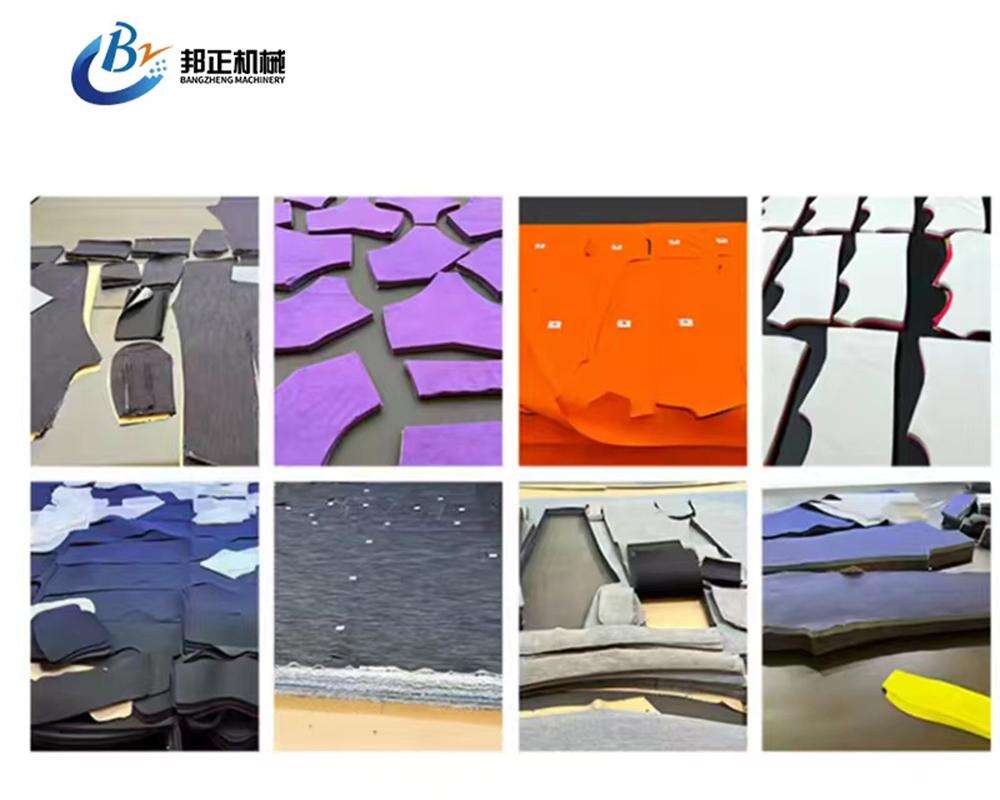
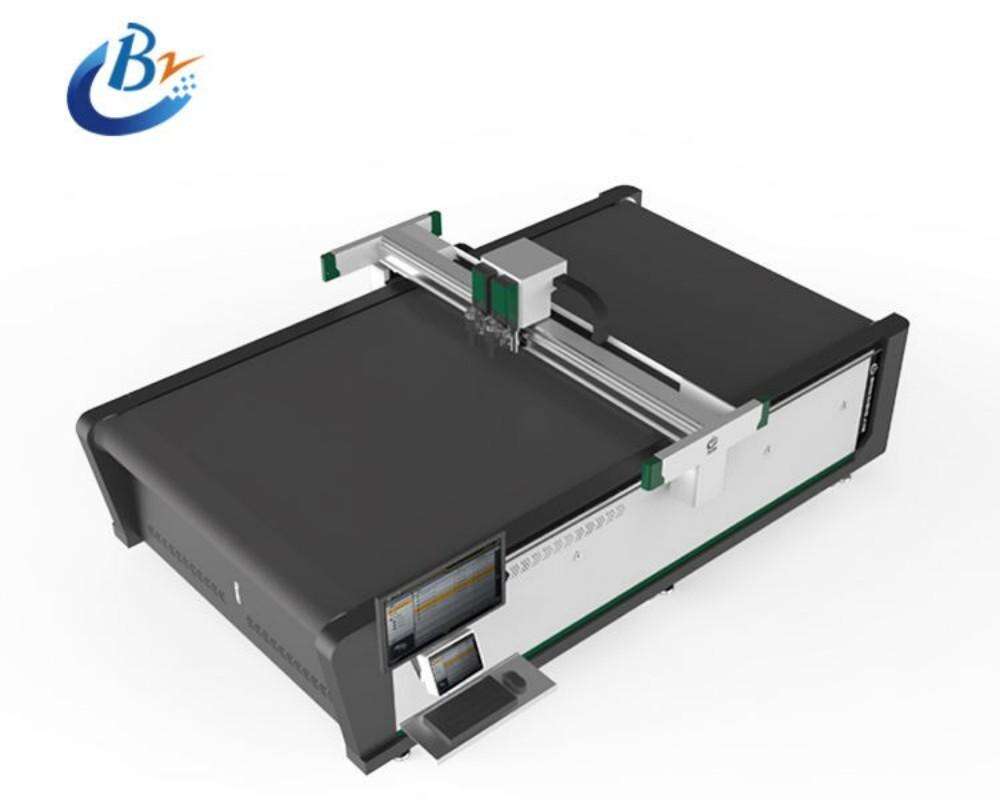
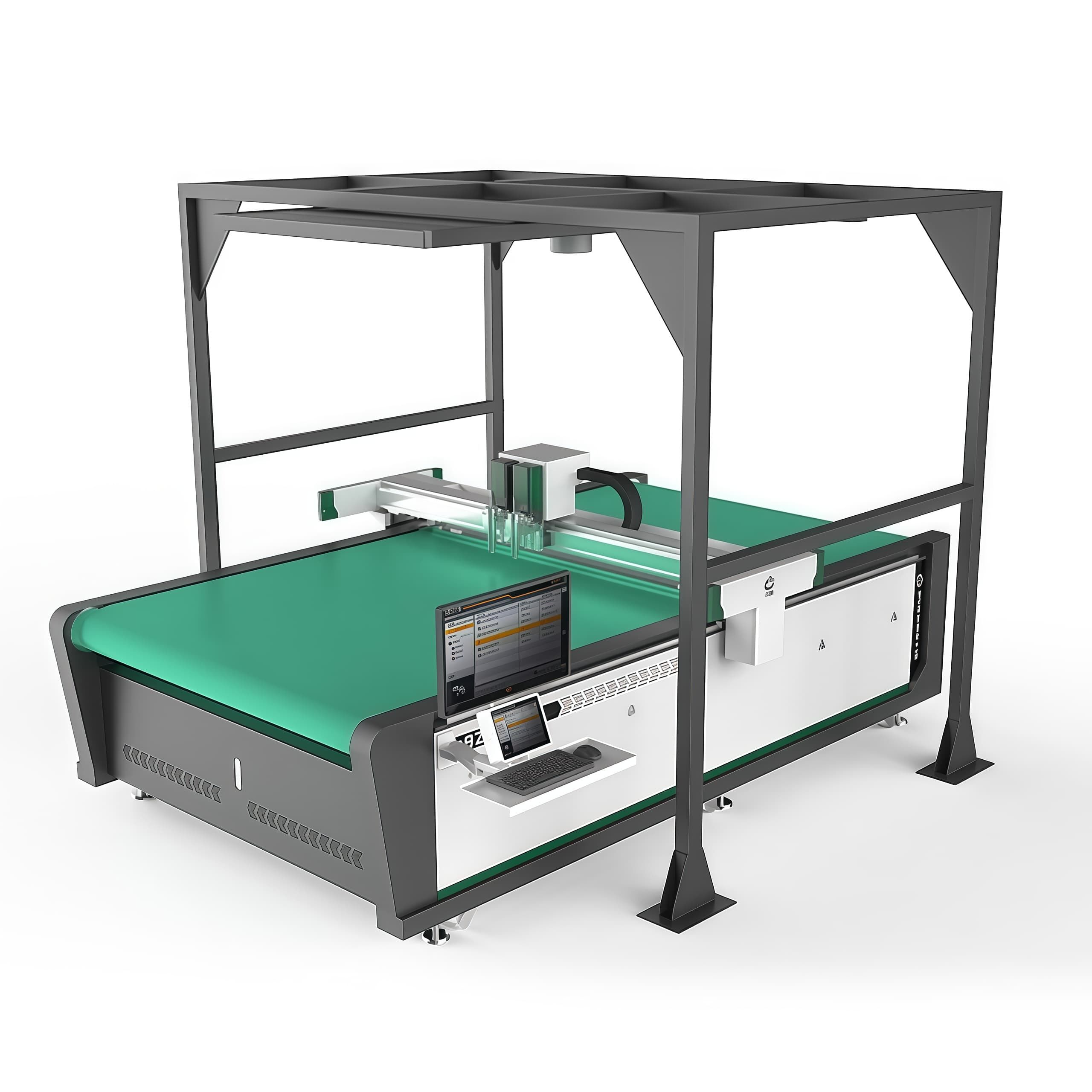
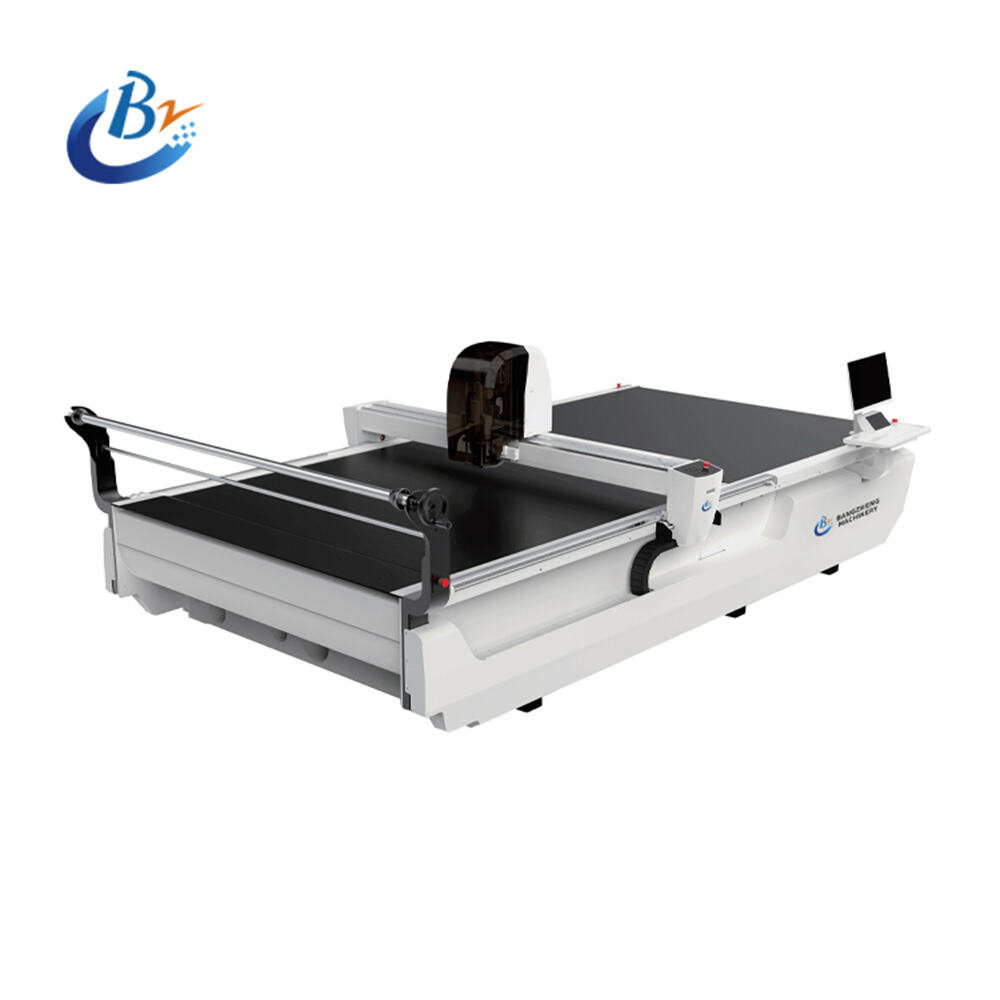
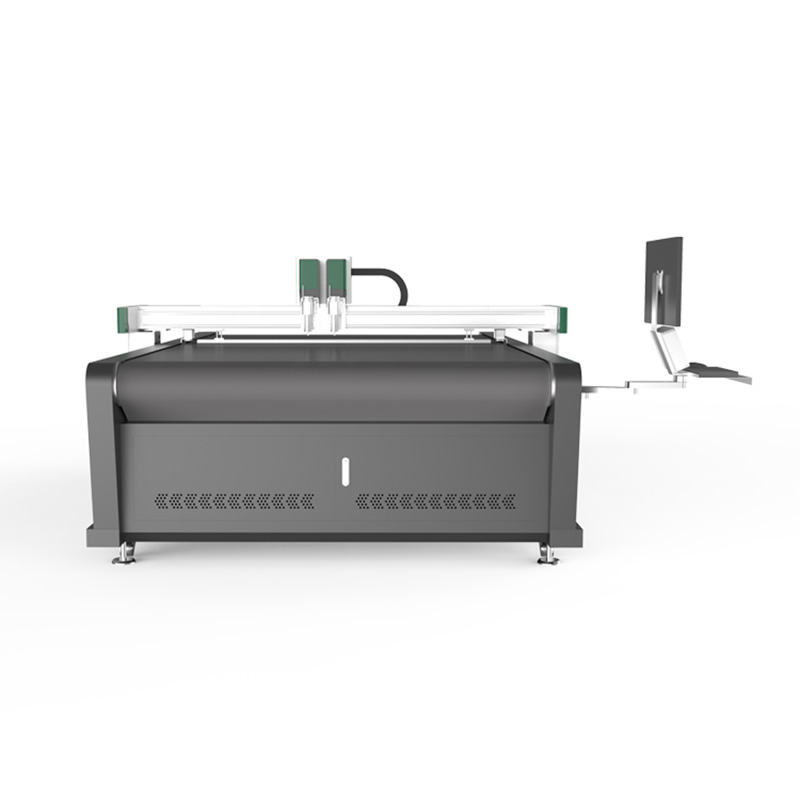
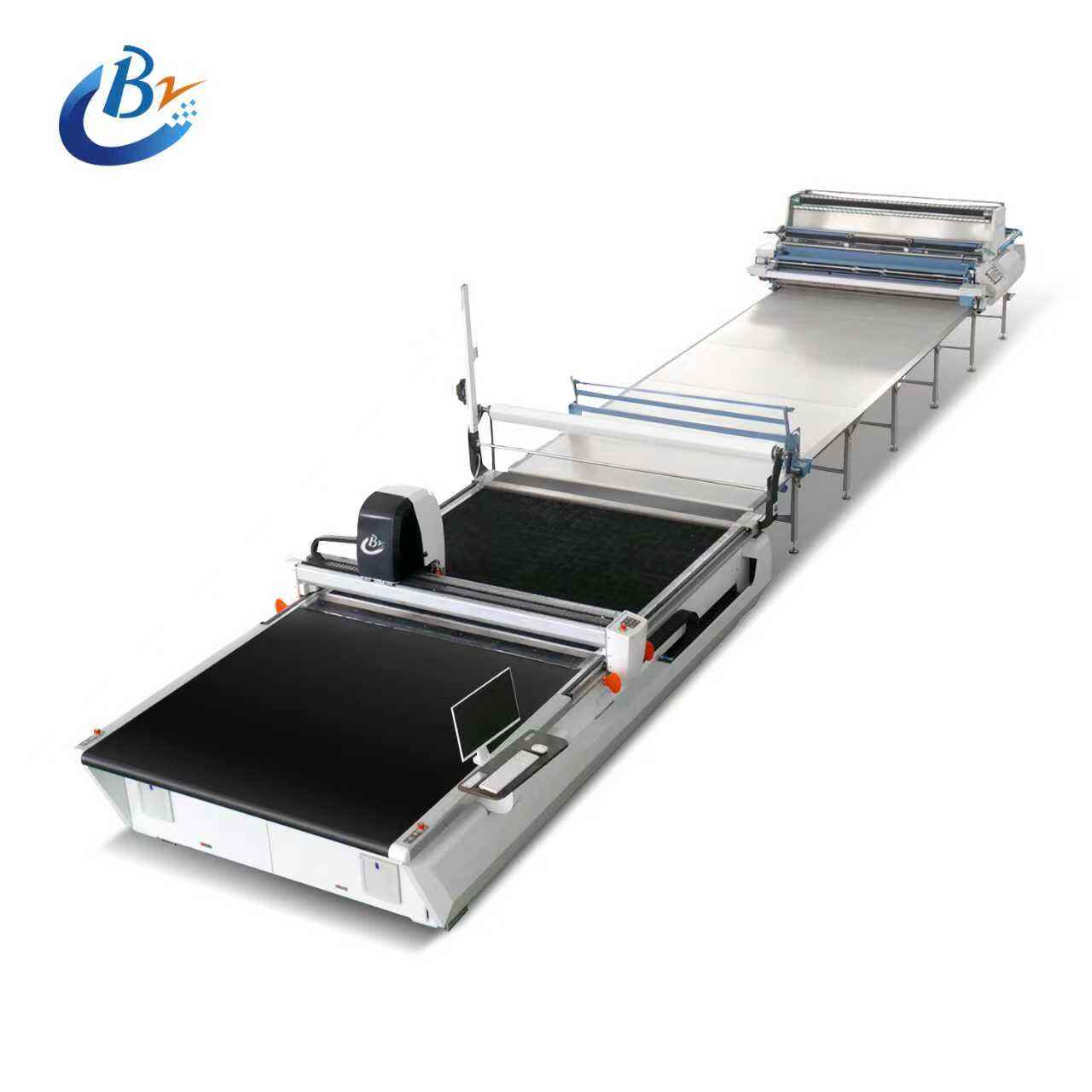
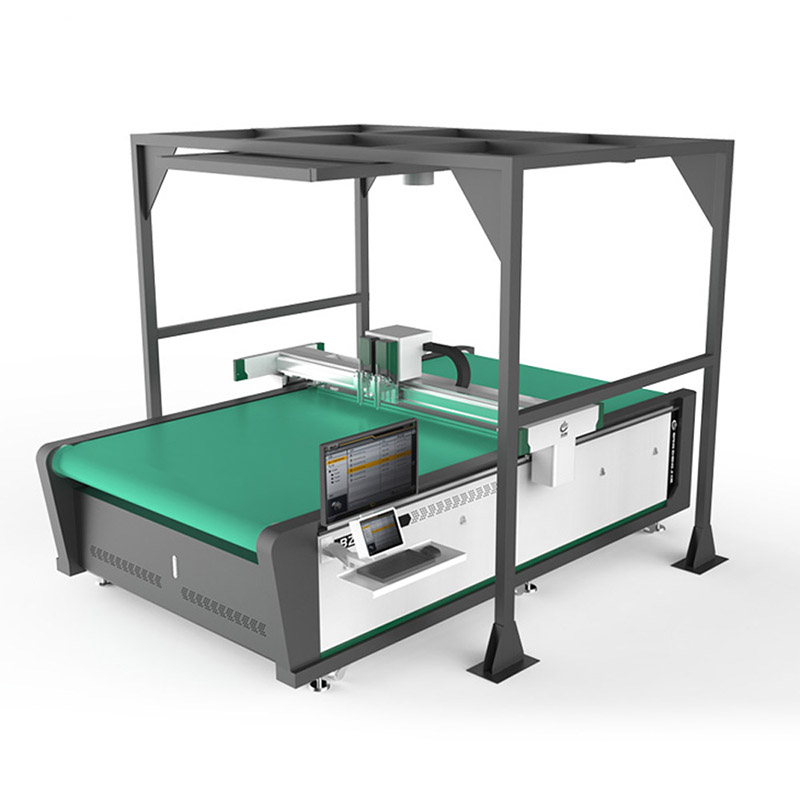
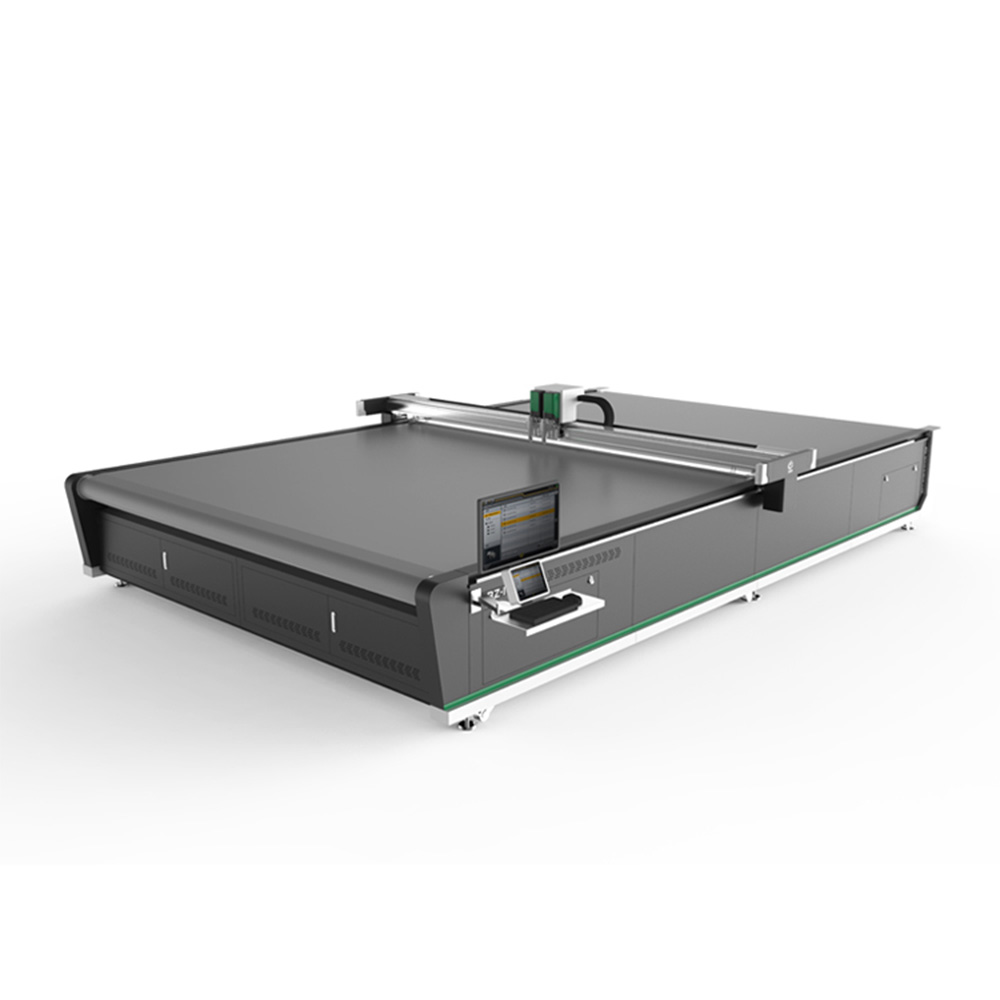
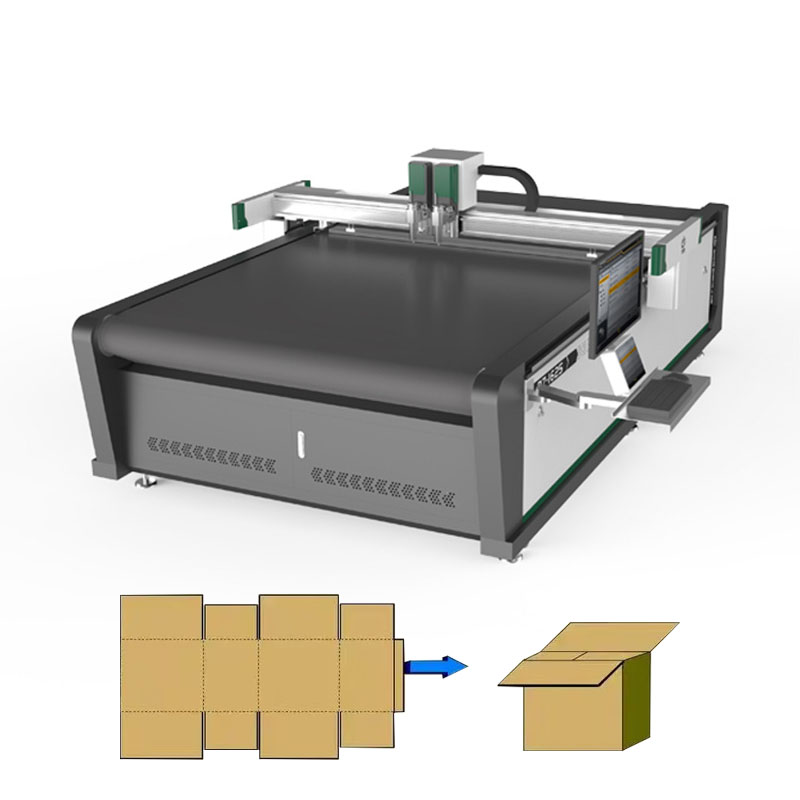
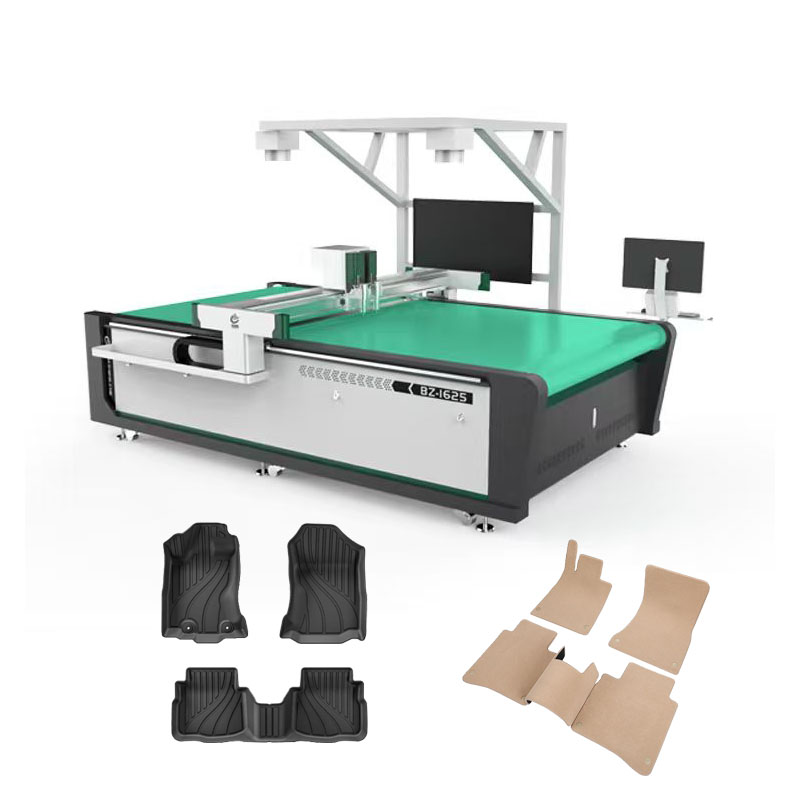
The auto fabric cutting system represents a revolutionary advancement in textile manufacturing technology, transforming how manufacturers approach fabric processing and production workflows. This sophisticated automated solution integrates computer-controlled precision cutting with advanced material handling capabilities, delivering exceptional accuracy and efficiency in fabric preparation processes. Modern auto fabric cutting systems utilize state-of-the-art CAD software integration, allowing operators to import digital patterns directly from design programs and execute cuts with millimeter-level precision. The system employs high-speed oscillating blades, rotary cutters, or laser cutting technology depending on material requirements and thickness specifications. Advanced sensors and cameras continuously monitor fabric positioning and quality, ensuring optimal cutting results while minimizing material waste. The auto fabric cutting system features intuitive touchscreen interfaces that simplify operation and reduce training requirements for production staff. Automated spreading mechanisms handle various fabric types, from lightweight synthetics to heavy-duty industrial materials, accommodating different widths and weights seamlessly. The system includes sophisticated nesting algorithms that maximize material utilization by optimizing pattern placement and reducing fabric consumption. Real-time production monitoring and reporting capabilities provide manufacturers with valuable insights into cutting efficiency, material usage, and production metrics. Integration with inventory management systems enables automatic tracking of fabric consumption and remaining stock levels. The auto fabric cutting system supports multiple cutting heads working simultaneously, dramatically increasing throughput compared to traditional manual cutting methods. Quality control features include automatic edge detection, tension monitoring, and defect identification systems that ensure consistent cutting quality throughout production runs. These systems accommodate various industrial applications including apparel manufacturing, automotive upholstery, furniture production, technical textiles, and composite material processing, making them versatile solutions for diverse manufacturing environments.

 EN
EN