Advanced Material Handling and Production Monitoring Systems
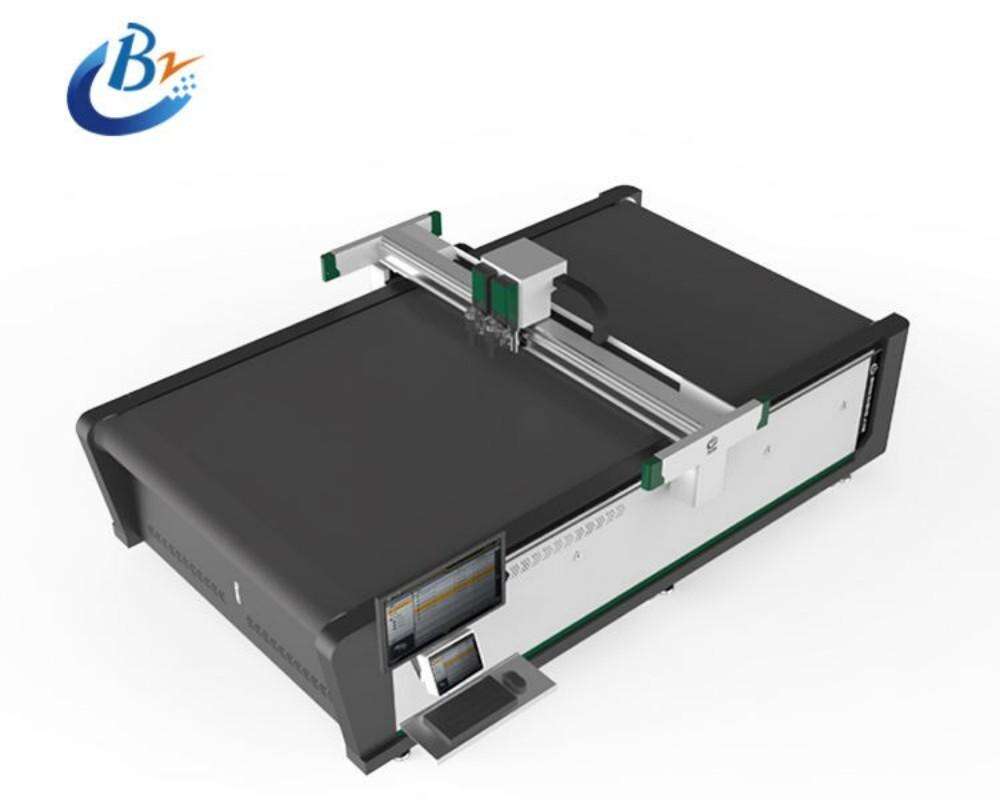
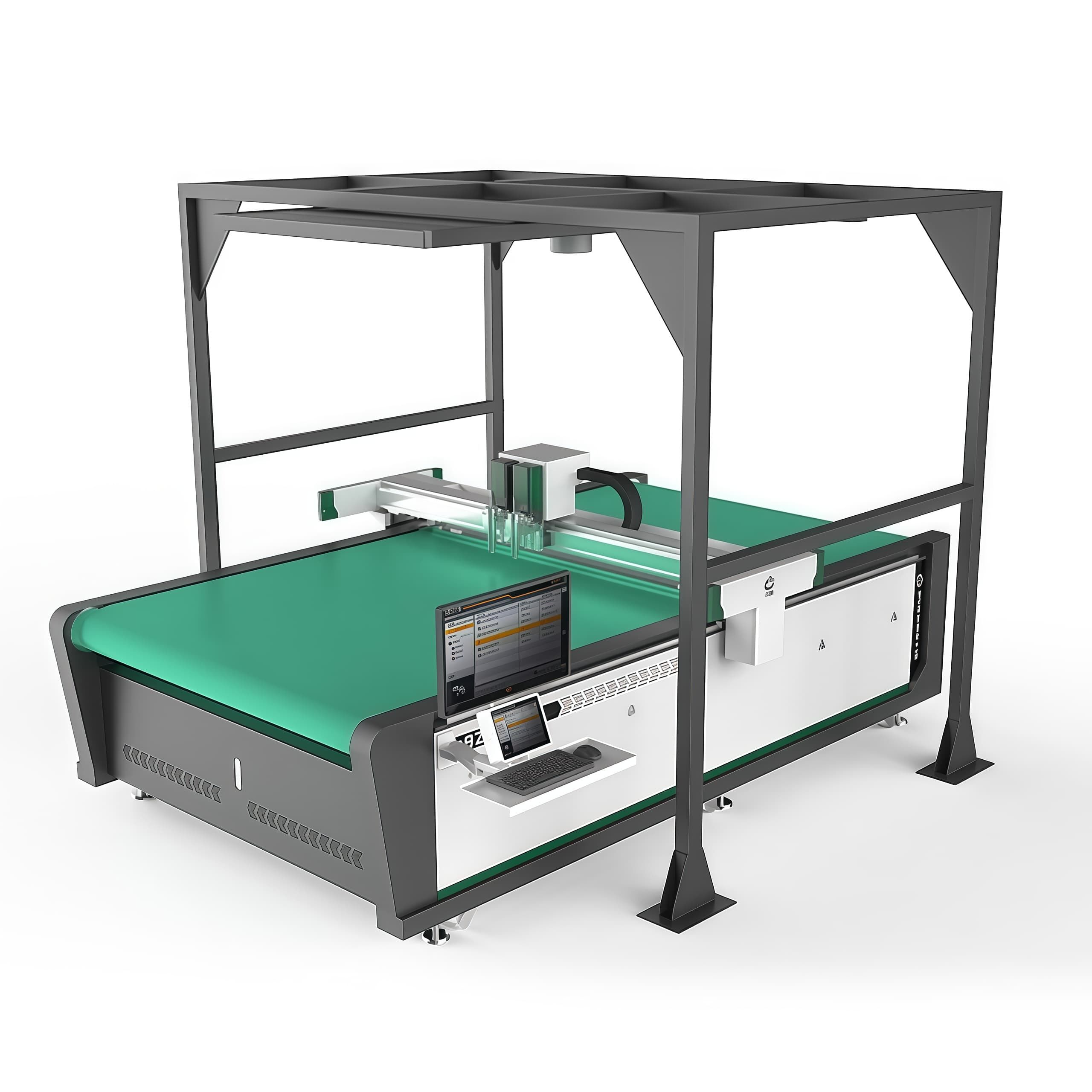
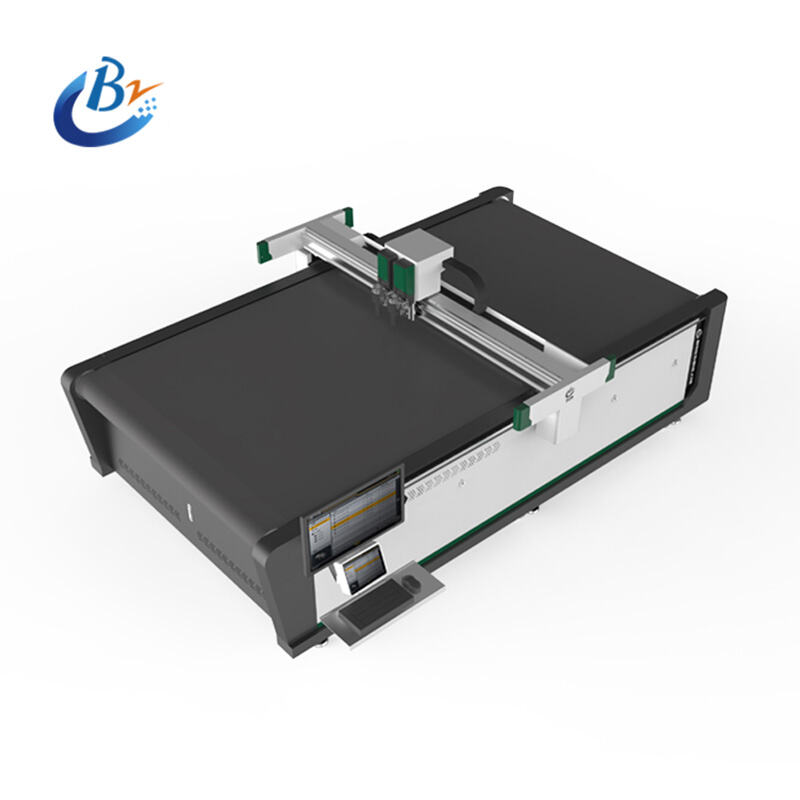
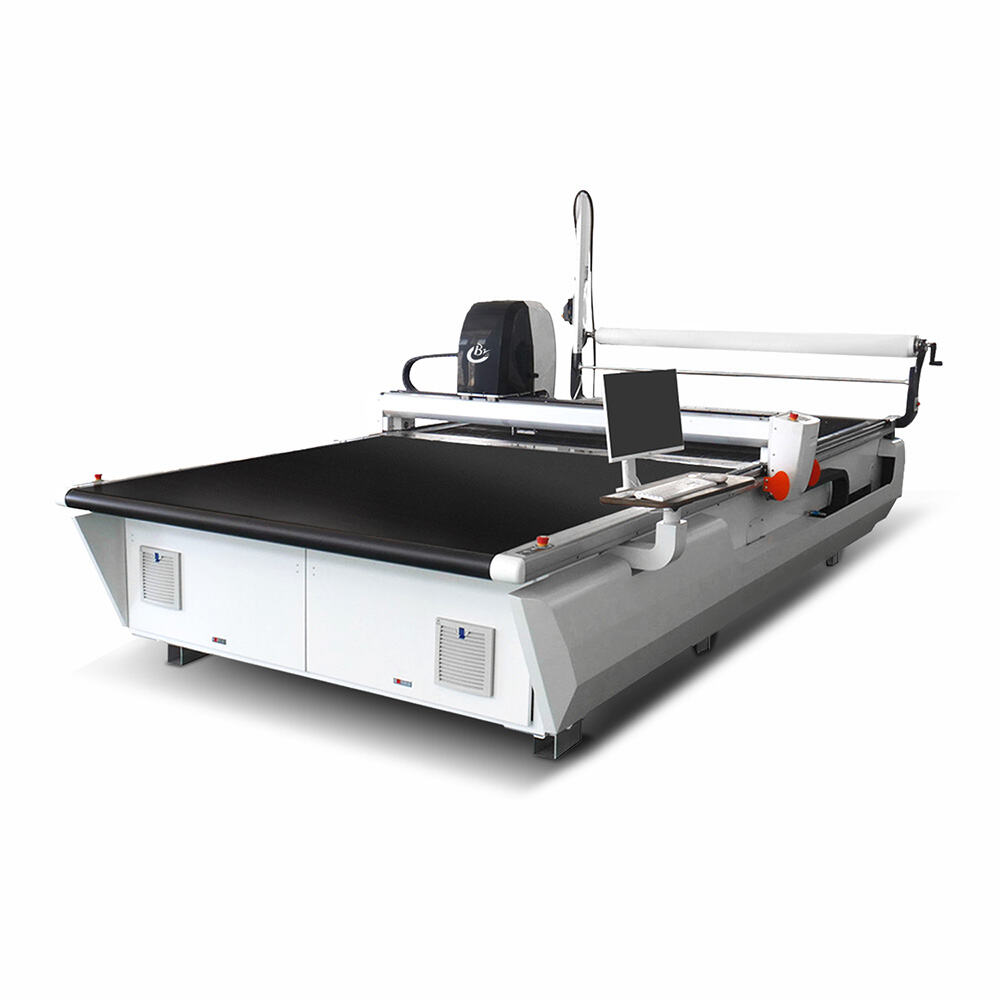
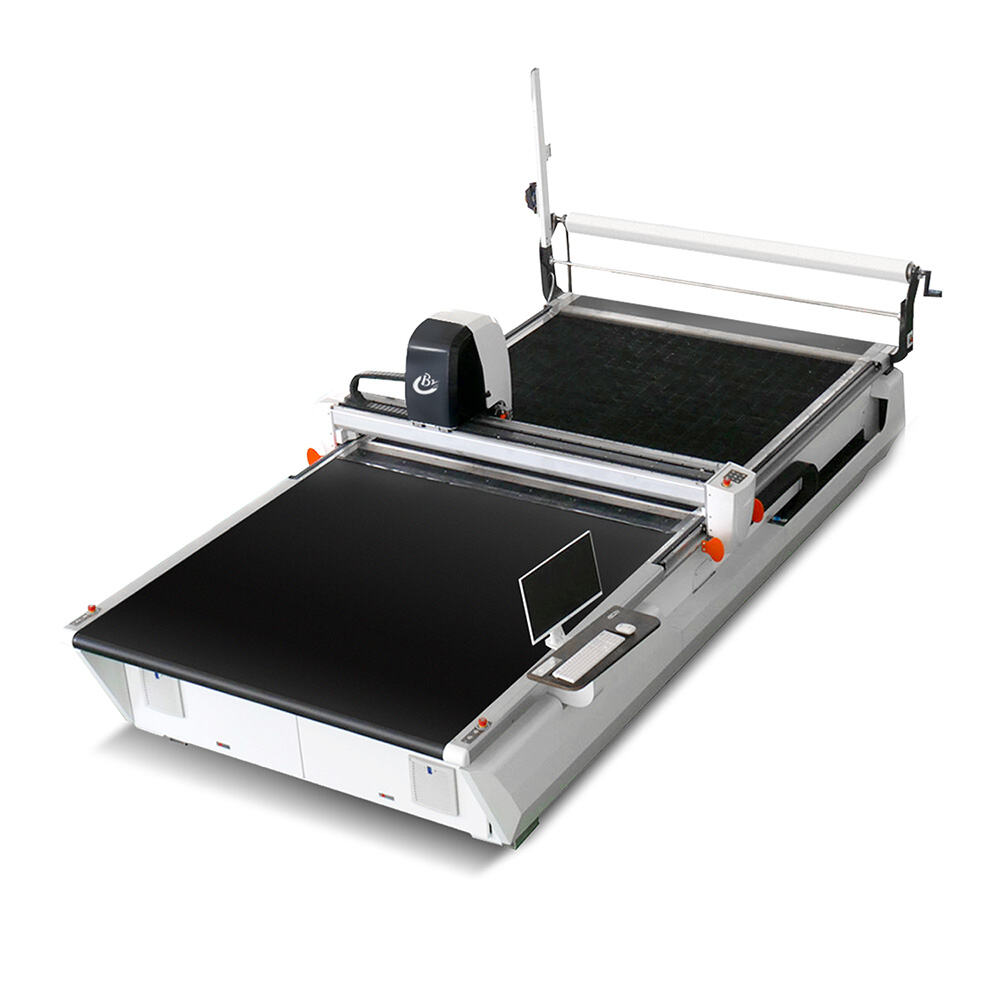
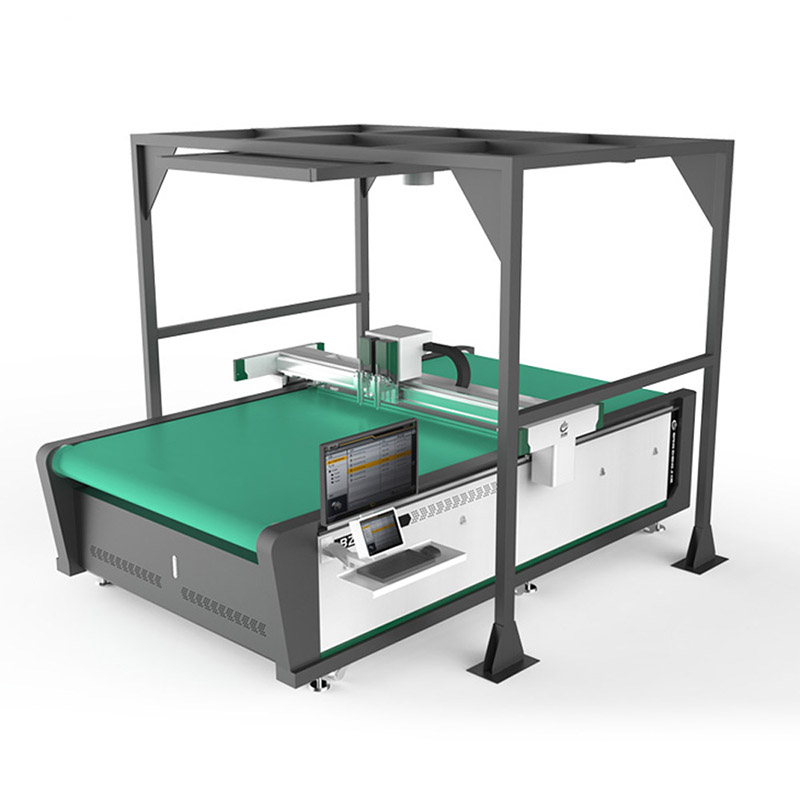
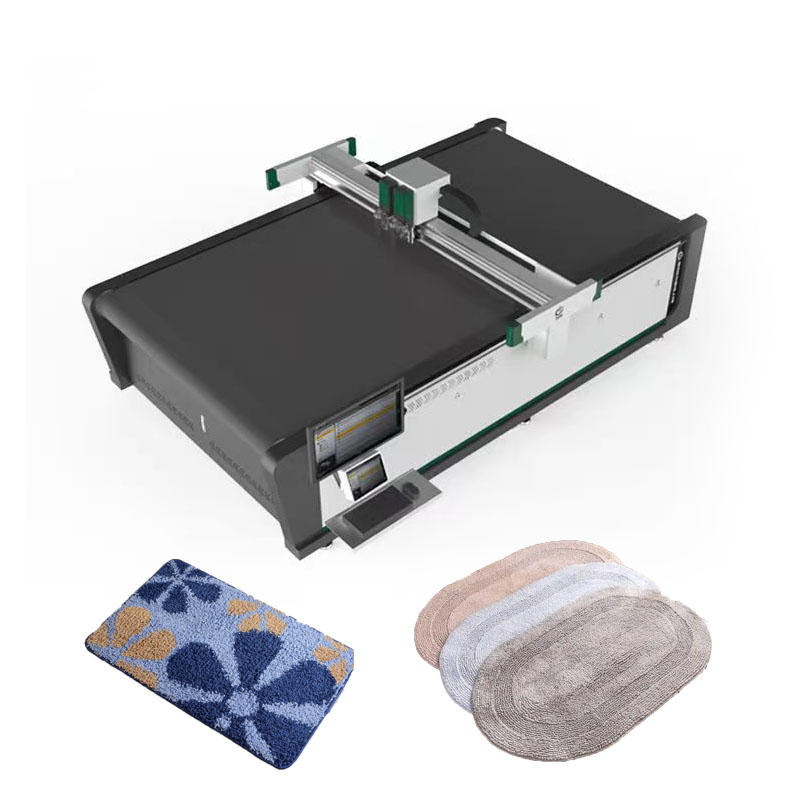
The automatic fabric cutter for clothes incorporates sophisticated material handling systems that automate fabric positioning, tension control, and waste removal processes throughout cutting operations. The pneumatic fabric spreading mechanism ensures consistent fabric tension across the cutting surface, eliminating wrinkles and distortions that could affect cutting accuracy. Automated fabric feeding systems accommodate rolls up to 2000 meters in length, enabling continuous production runs without manual intervention. The automatic fabric cutter for clothes features intelligent fabric detection sensors that identify material characteristics including thickness, density, and grain direction, automatically adjusting handling parameters for optimal cutting conditions. The conveyor integration system seamlessly transfers cut pieces to subsequent production stages, maintaining workflow continuity and reducing manual handling requirements. Advanced suction systems remove fabric particles and debris generated during cutting operations, maintaining clean work surfaces and preventing contamination of subsequent cuts. The automatic fabric cutter for clothes includes environmental monitoring sensors that track temperature, humidity, and dust levels, automatically adjusting cutting parameters to compensate for environmental variations that could affect material behavior. Real-time production monitoring displays provide operators with comprehensive visibility into cutting progress, material consumption, and system performance metrics. The integrated quality control system captures high-resolution images of cut pieces, comparing results against digital patterns to identify deviations or defects immediately. Automated sorting systems organize cut pieces by size, color, or production order, streamlining downstream assembly processes. The automatic fabric cutter for clothes maintains detailed production logs that track cutting times, material usage, and operator activities for performance analysis and process optimization. Predictive maintenance algorithms monitor system components continuously, identifying potential issues before failures occur and scheduling maintenance activities to minimize production disruptions. The remote diagnostic capabilities enable technical support teams to troubleshoot issues remotely, reducing downtime and maintenance costs while ensuring optimal system performance throughout the production lifecycle.

 EN
EN