Comprehensive Automation Integration and Workflow Optimization
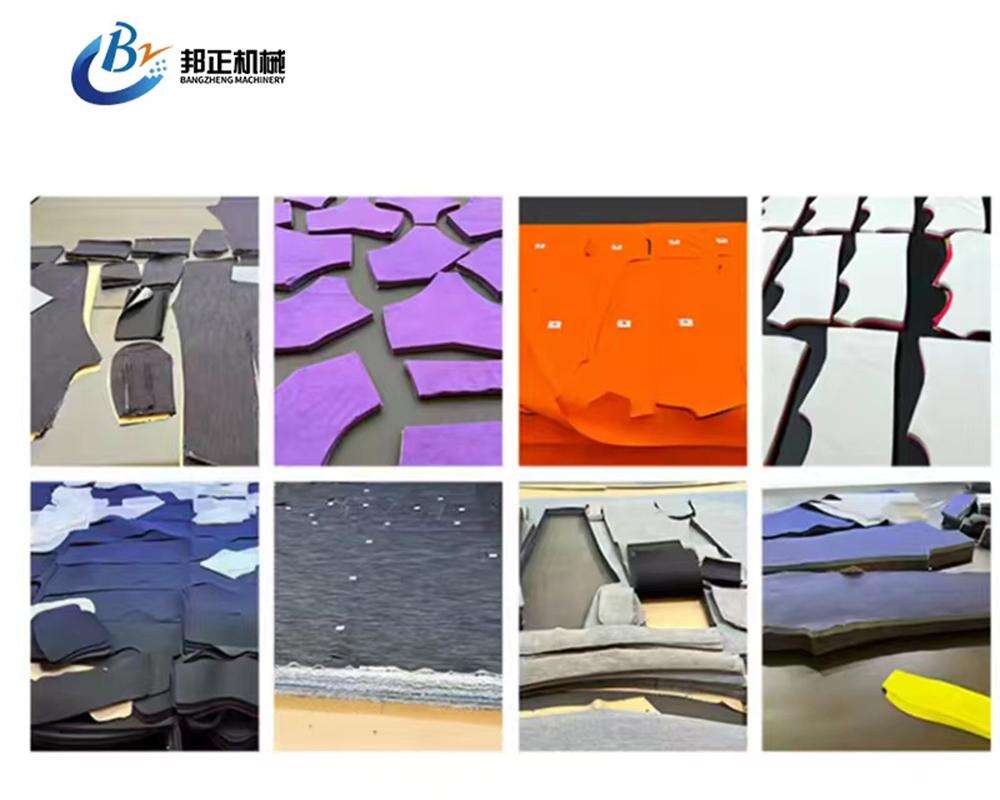
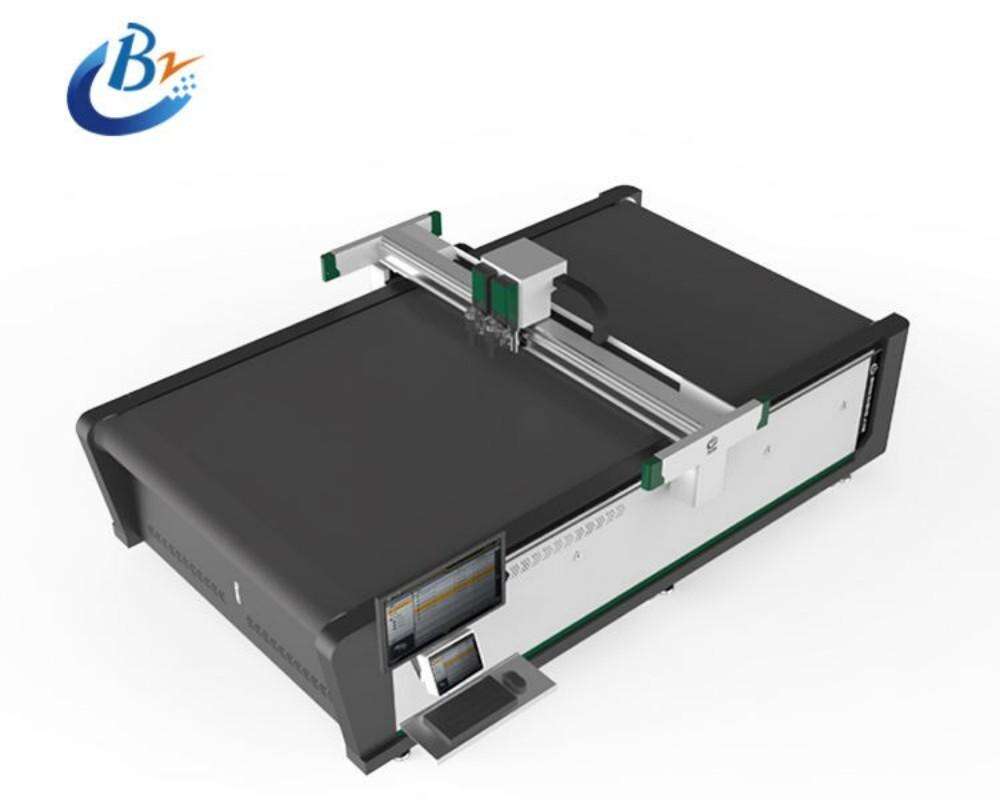
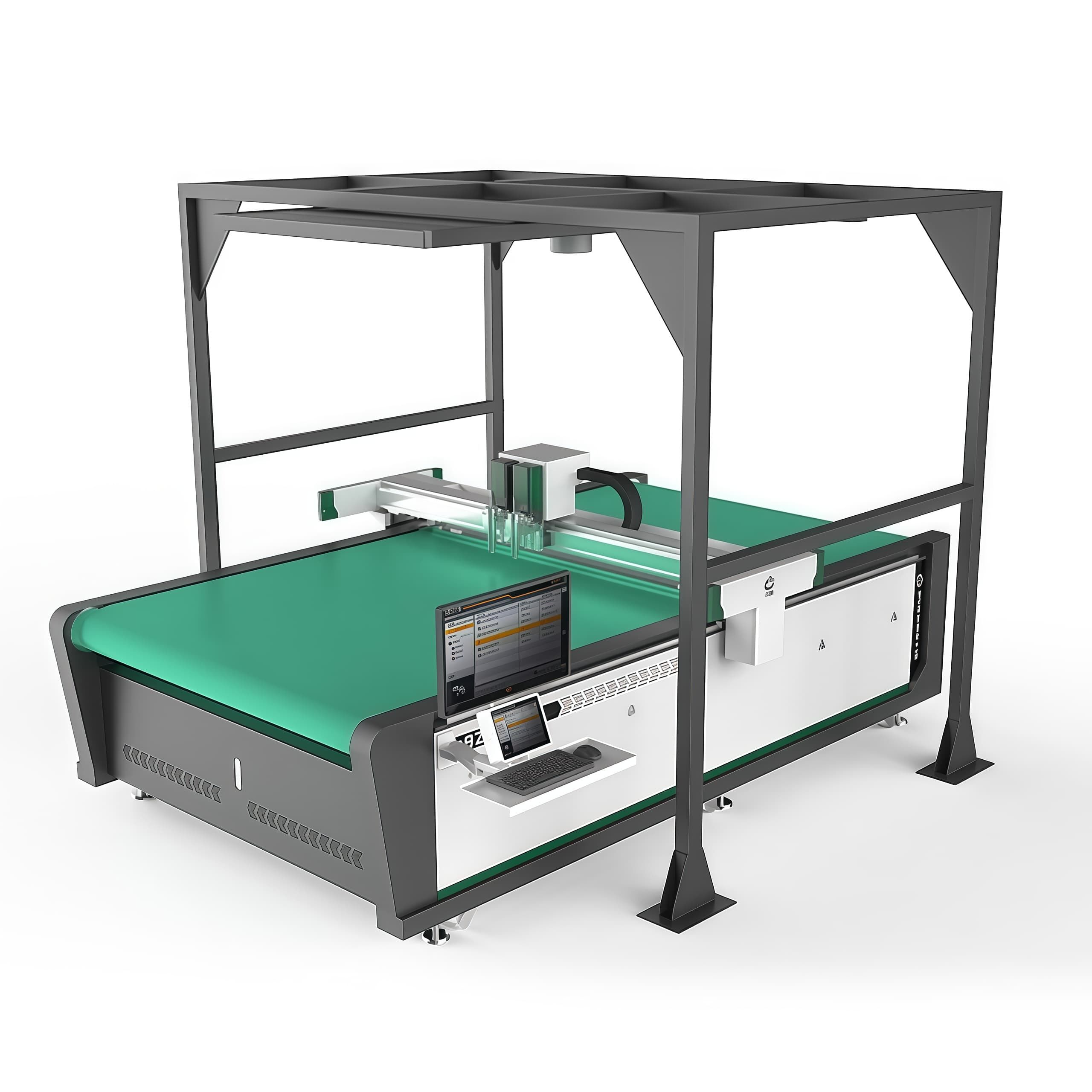
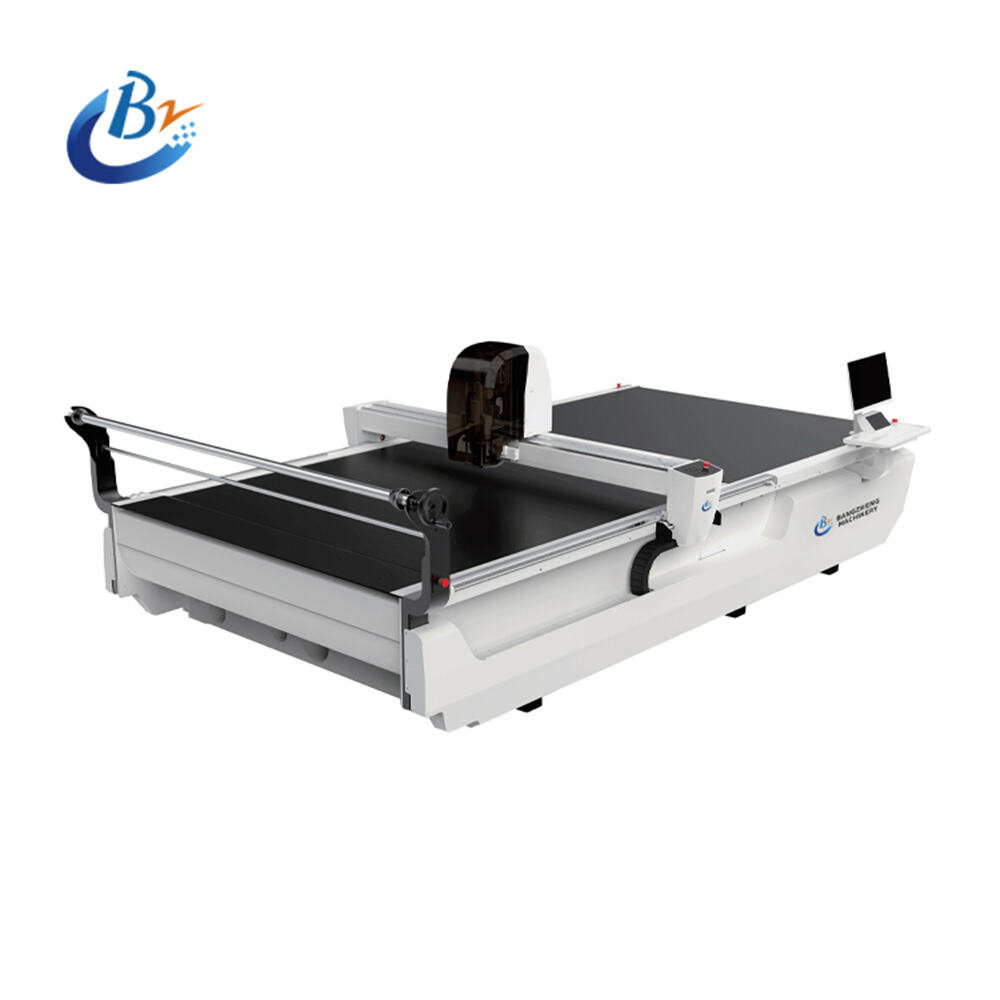
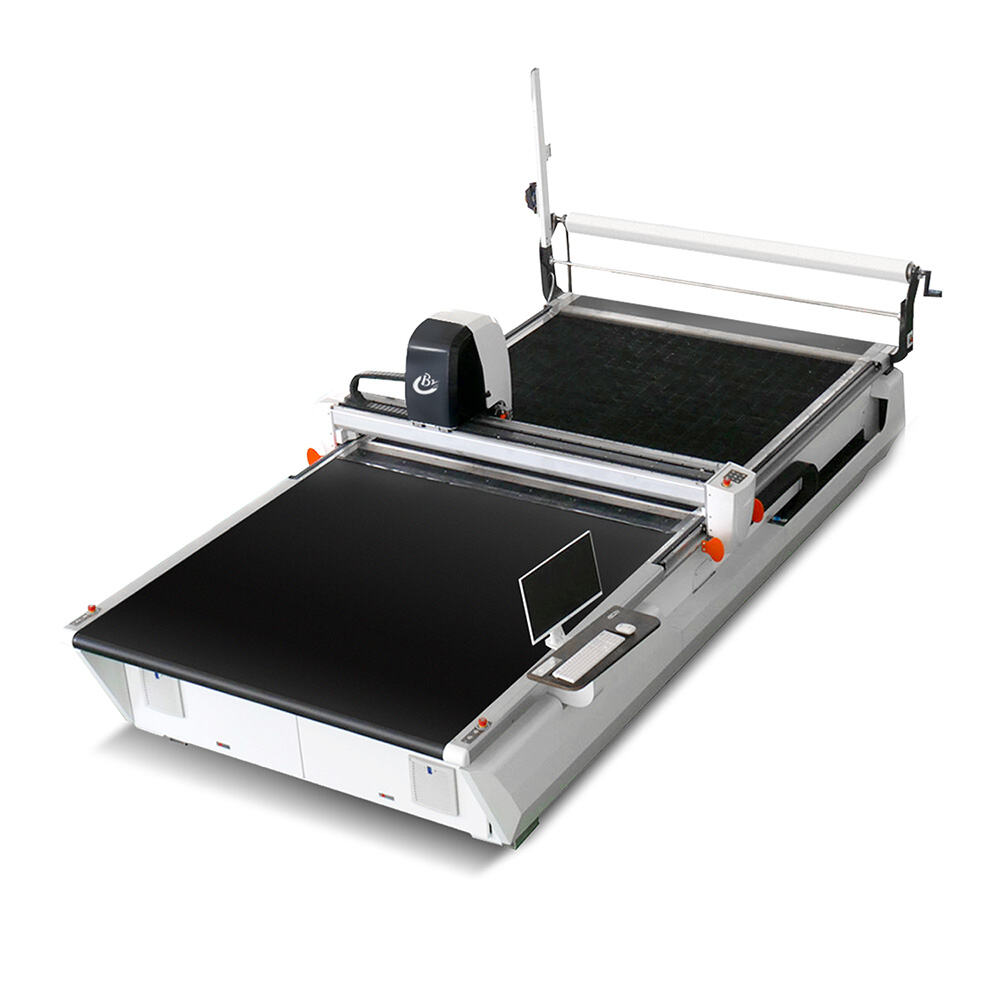
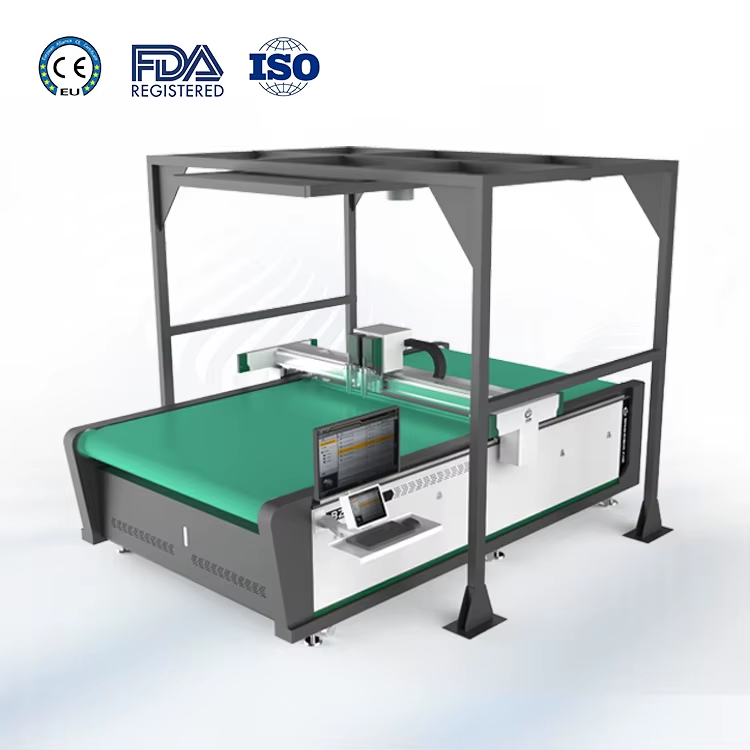
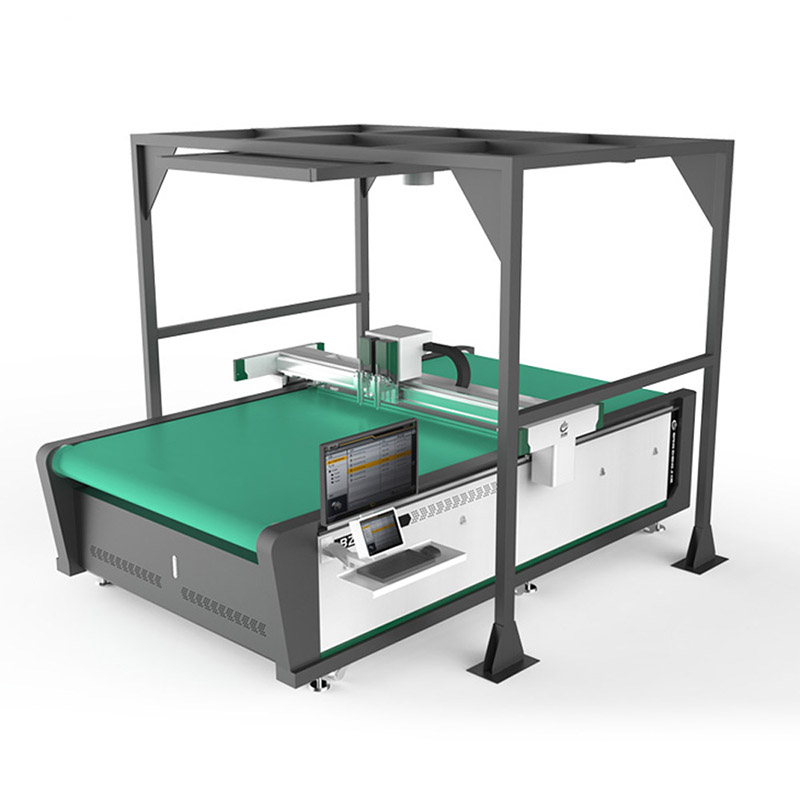
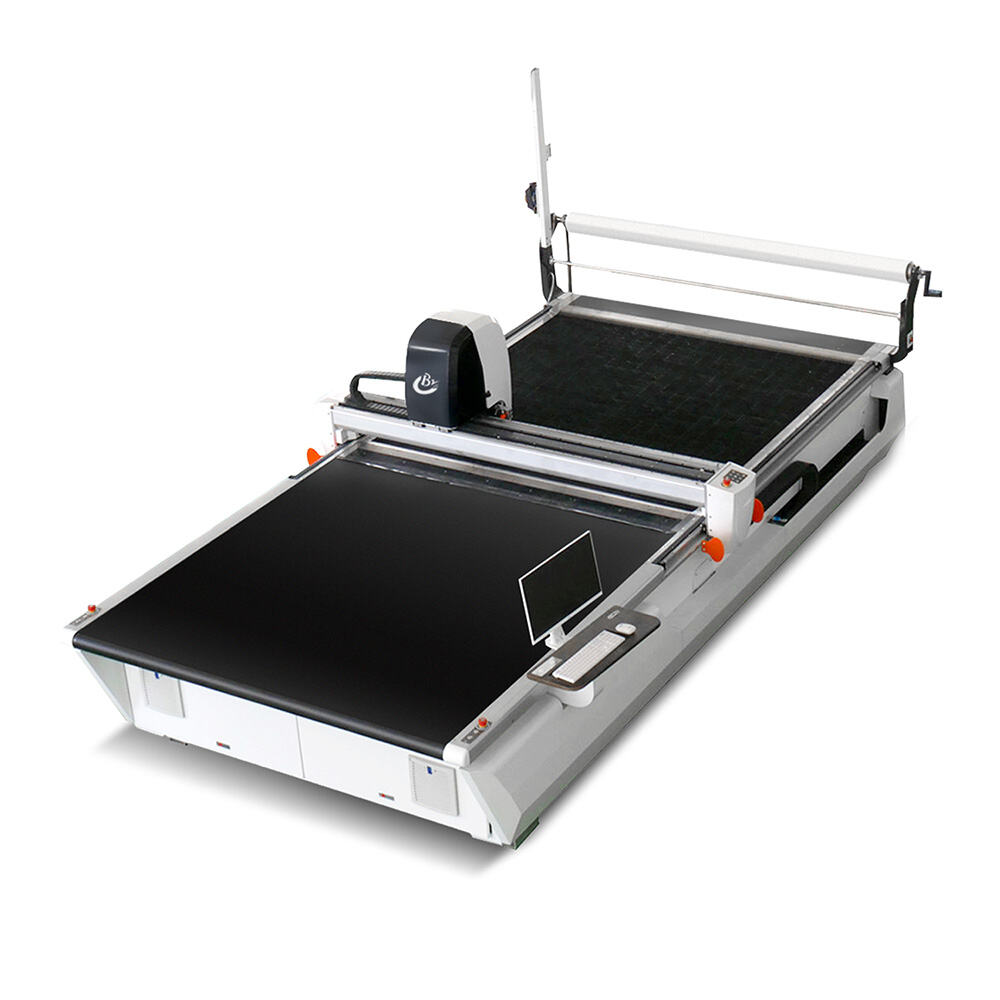
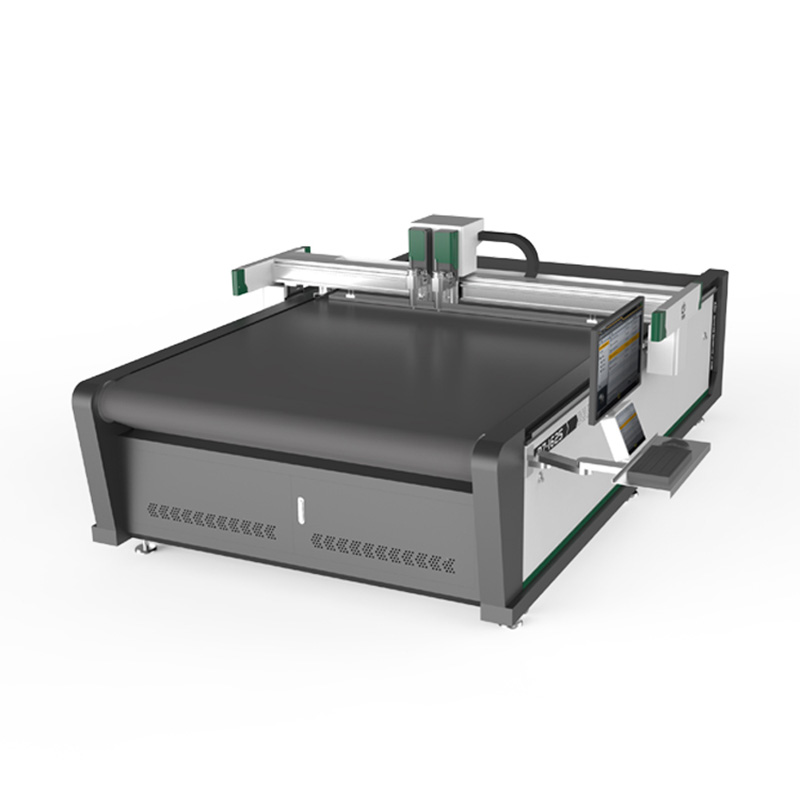
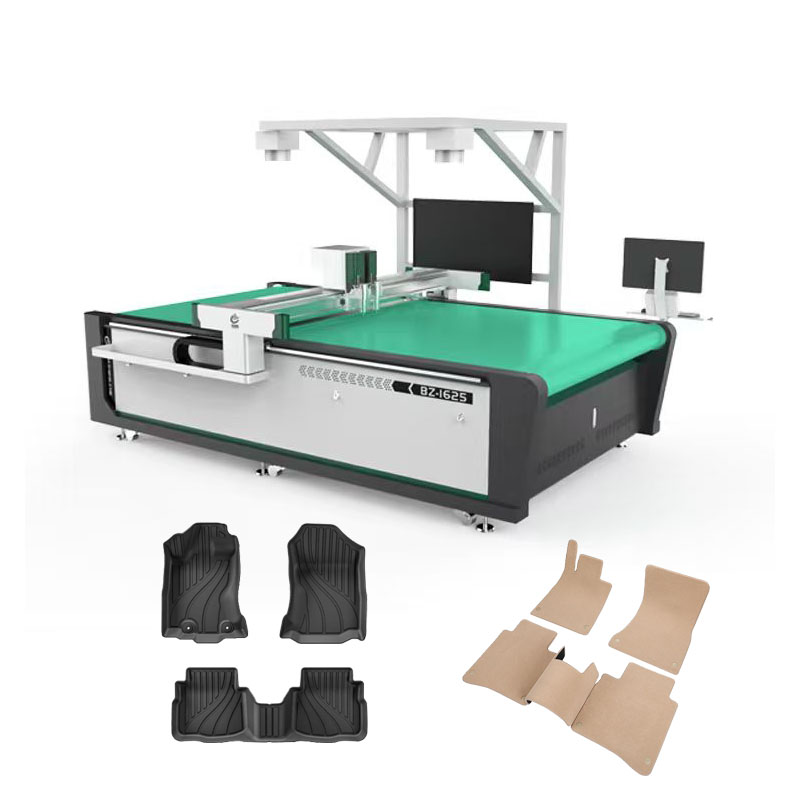
Auto fabric cutter vendors distinguish themselves through comprehensive automation integration capabilities that transform entire manufacturing workflows from manual-intensive processes to streamlined, efficient operations. The integration ecosystem encompasses every aspect of the cutting process, from initial design file import through final piece collection and quality verification, creating seamless workflows that eliminate bottlenecks and reduce handling time between operations. Modern systems from leading auto fabric cutter vendors feature sophisticated material handling automation, including automatic fabric feeding, tension control, and waste removal systems that operate without human intervention, allowing operators to focus on higher-value activities while maintaining continuous production flow. The workflow optimization extends to intelligent scheduling algorithms that analyze production requirements, material availability, and equipment capacity to automatically sequence cutting jobs for maximum efficiency and minimal setup time between different orders or material types. Auto fabric cutter vendors provide comprehensive software suites that integrate with popular CAD systems, enterprise resource planning platforms, and inventory management systems, creating unified digital workflows that span from initial design conception through final production reporting. This integration capability enables real-time production monitoring, automatic material consumption tracking, and predictive maintenance scheduling that prevents unexpected downtime and optimizes equipment utilization rates. The automation integration includes advanced nesting software that automatically arranges cutting patterns to maximize material utilization while considering grain direction, pattern matching requirements, and production sequence optimization. Quality control integration represents another critical component, with automated inspection systems that verify cutting accuracy, detect potential defects, and generate quality reports without manual intervention. Auto fabric cutter vendors understand that successful automation integration requires comprehensive support services, including system design consultation, installation management, operator training programs, and ongoing technical support to ensure customers achieve maximum return on their automation investment. The workflow optimization benefits extend beyond the cutting department, as improved cutting consistency and accuracy reduce downstream processing time in sewing, assembly, and finishing operations, creating compound efficiency gains throughout the entire manufacturing process.

 EN
EN