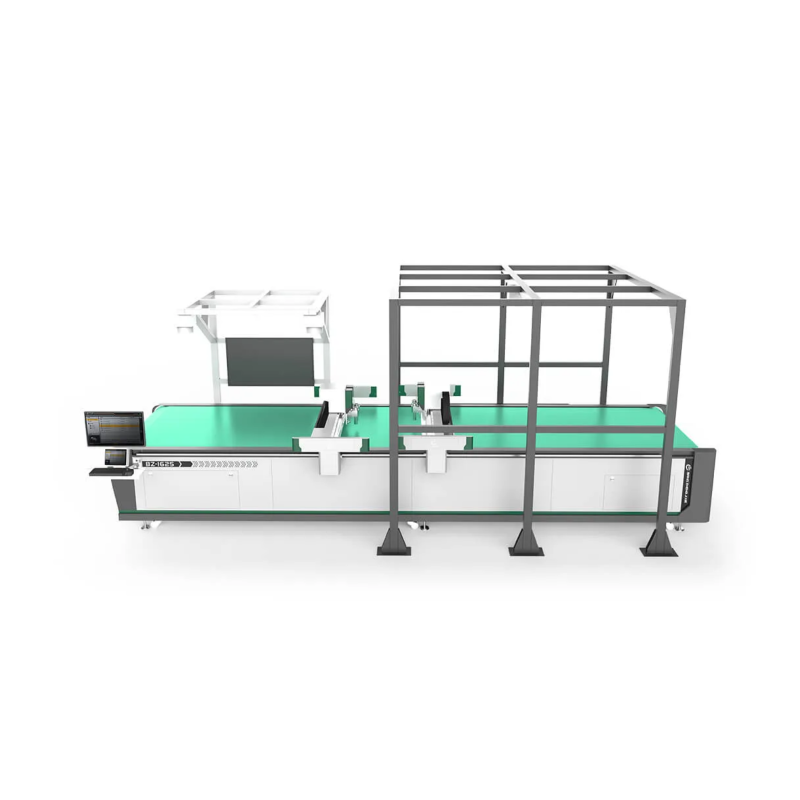
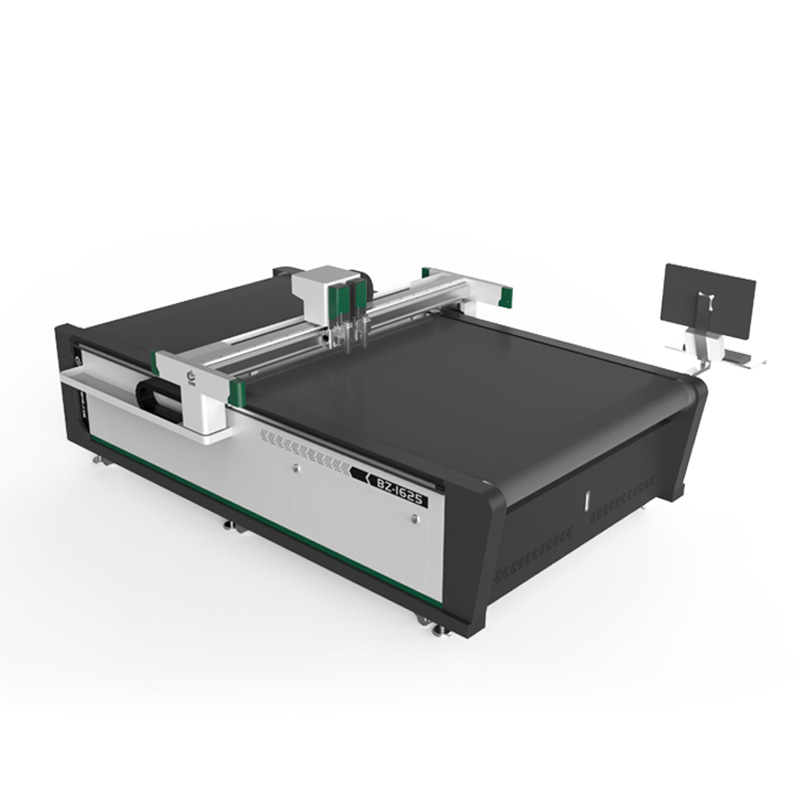
In the field of flexible materials processing, enterprises have long faced a triple dilemma: low efficiency, poor precision, and labor shortages. Traditional manual cutting relies on skilled workers, which is not only inefficient but also prone to pr...
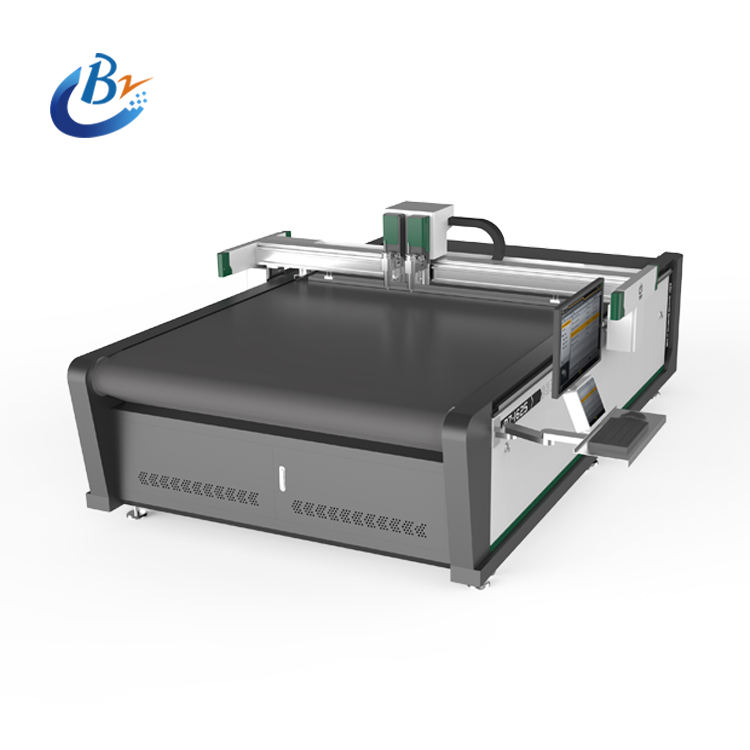
In the field of flexible materials processing, enterprises have long faced a triple dilemma: low efficiency, poor precision, and labor shortages. Traditional manual cutting relies on skilled workers, which is not only inefficient but also prone to producing burrs on the edges. While laser cutting is fast, it leaves scorched yellow edges on the fabric, resulting in a high scrap rate. As for traditional die-cutting, the long mold-making cycle and high cost make it completely unsuitable for the fast-response demands of "small batches and multiple styles."
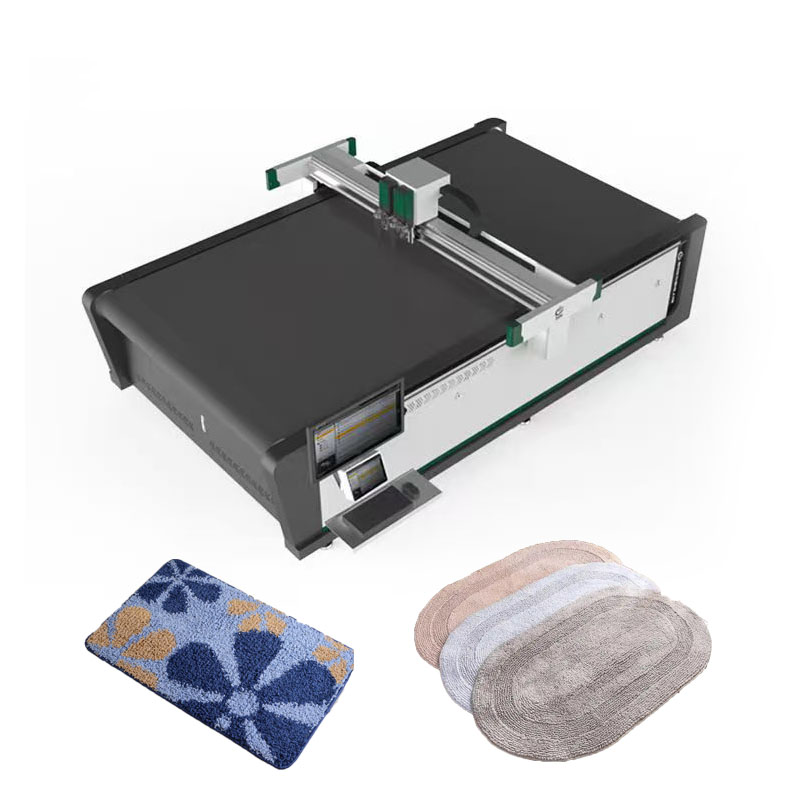
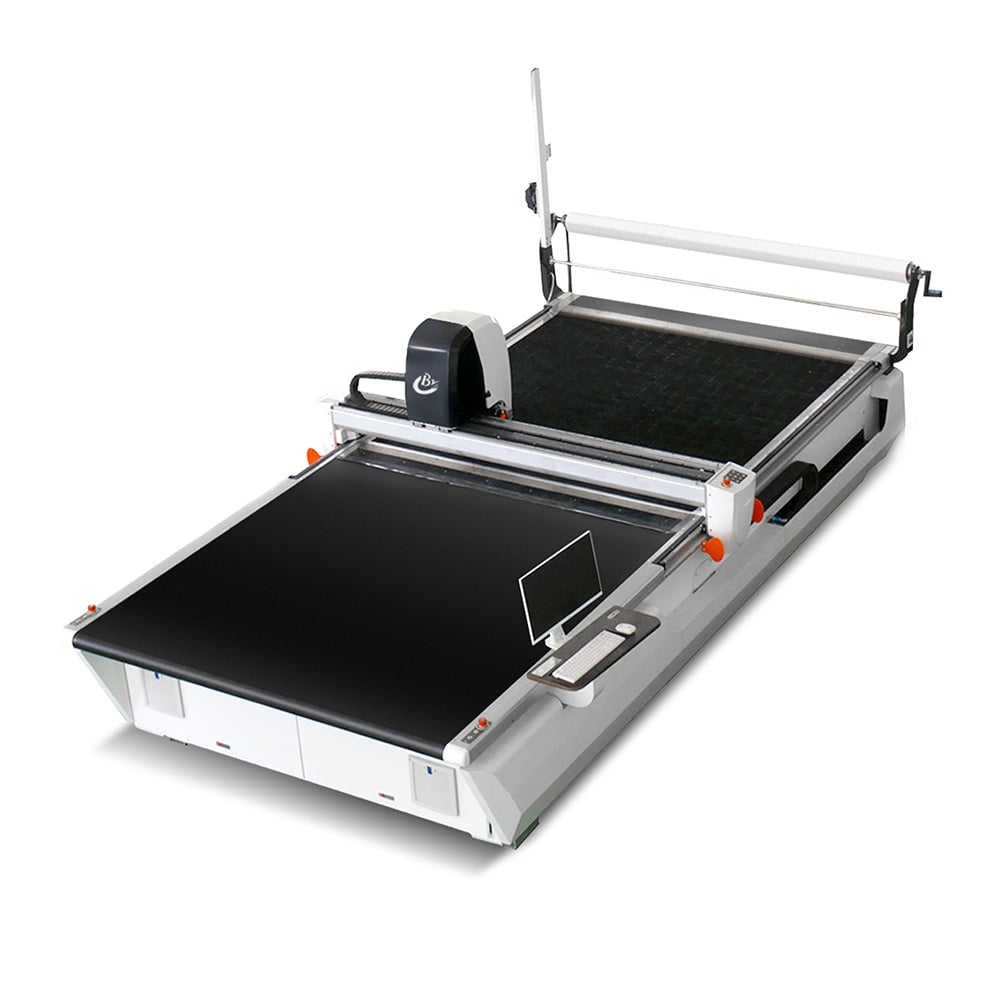
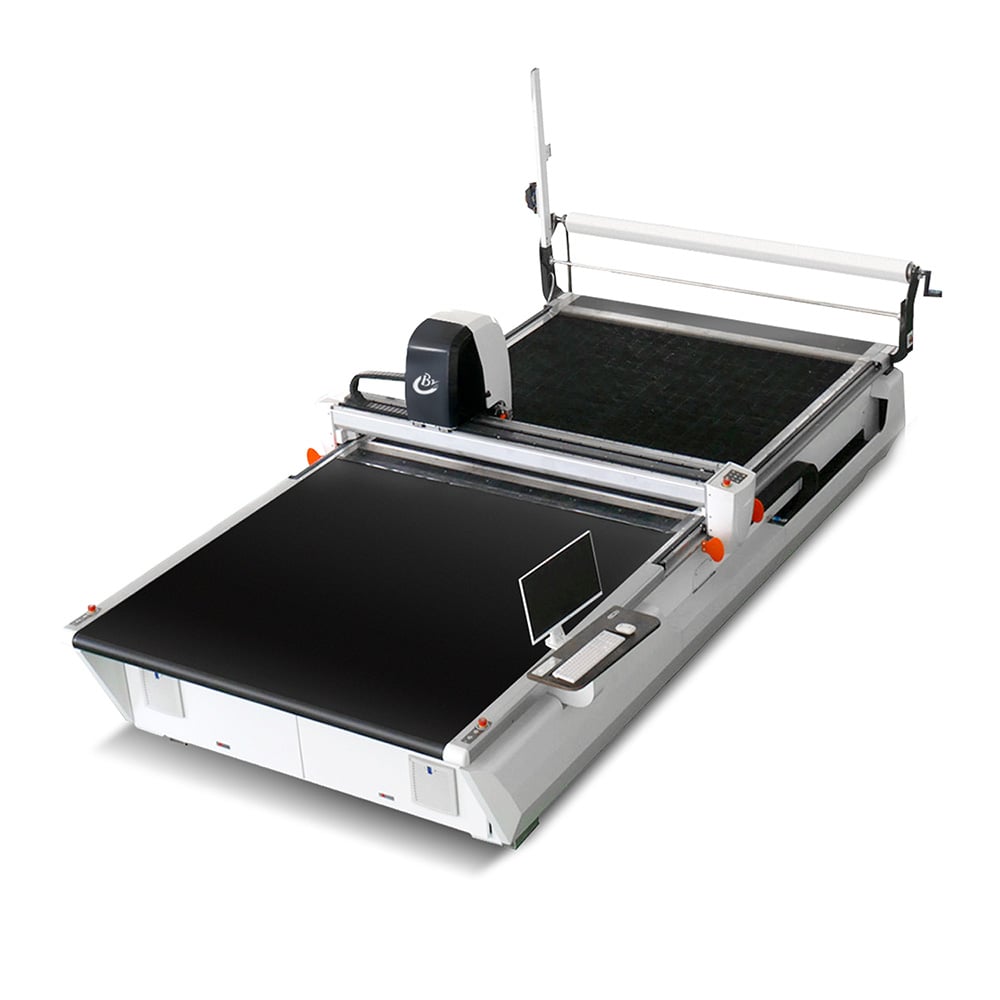
The emergence of the vibrating knife cutting machine is precisely to revolutionize this situation. It uses a high-frequency vibrating blade for physical cold cutting, perfectly solving the pain points of hot-melt materials. Its application range is extremely wide, encompassing everything from ordinary clothing fabrics, Oxford cloth, and mesh fabrics to high-precision carbon fiber, glass fiber prepregs, and even leather, EVA foam, and honeycomb cardboard—all can be cut with a single machine.
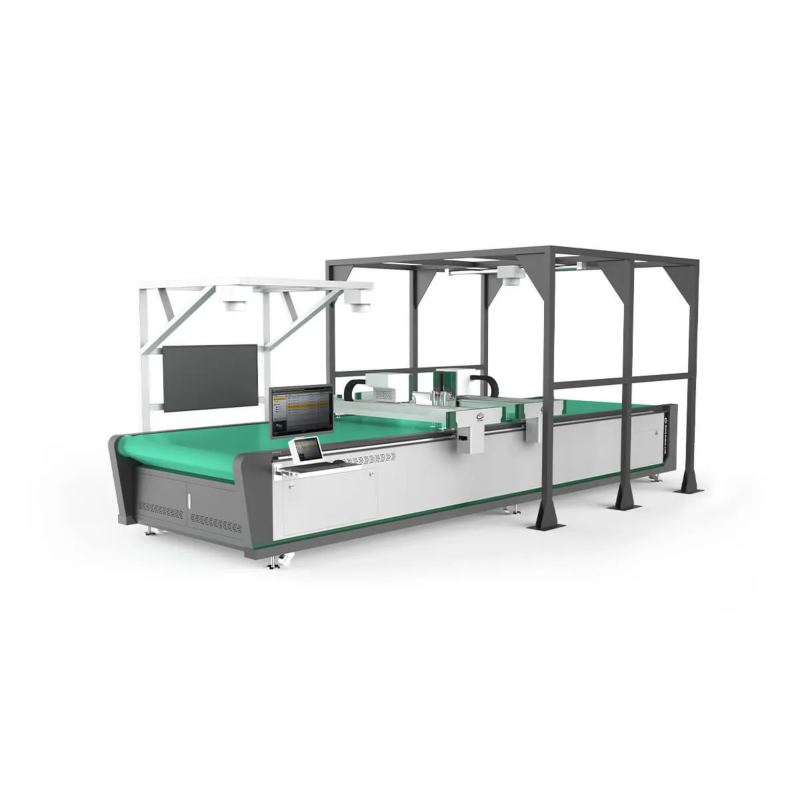
Its advantages are obvious: First, it's "precise," with an accuracy of ±0.01mm. Combined with a vacuum adsorption system, even silk can be cut flat and without shifting. Second, it's "economical," with intelligent layout software helping to save 8%-15% of raw materials and eliminating the need for die-cutting molds, thus saving mold-making costs. Third, it's "intelligent," with CCD visual positioning, even printed fabrics can be automatically edge-tracked and cut, and a single machine can replace 4-6 workers.
Currently, this technology has become an industry necessity. In the footwear and apparel industry, Nike and Adidas' supply chains have long adopted vibratory knife cutting for shoe materials. In the home textile industry, after introducing it, a well-known Zhejiang home textile company saw a 40% increase in jacquard fabric cutting efficiency and a 50% reduction in cycle time. In the high-end manufacturing sector, companies such as China Aerospace, Huawei, and CATL all use vibratory knives for cutting composite materials and precision gaskets.
In summary: Purchasing a vibratory knife cutting machine is no longer just buying a piece of equipment, but investing in the company's future flexible production capabilities. In today's era where "small-batch, rapid-response" production is the mainstream, whoever masters the digital production line that eliminates the need for die-cutting and enables immediate cutting holds the power to set order prices and take the initiative in delivery. This is not merely an equipment upgrade, but a green revolution in manufacturing efficiency—saying goodbye to burnt smells, embracing high precision, and making production more efficient.
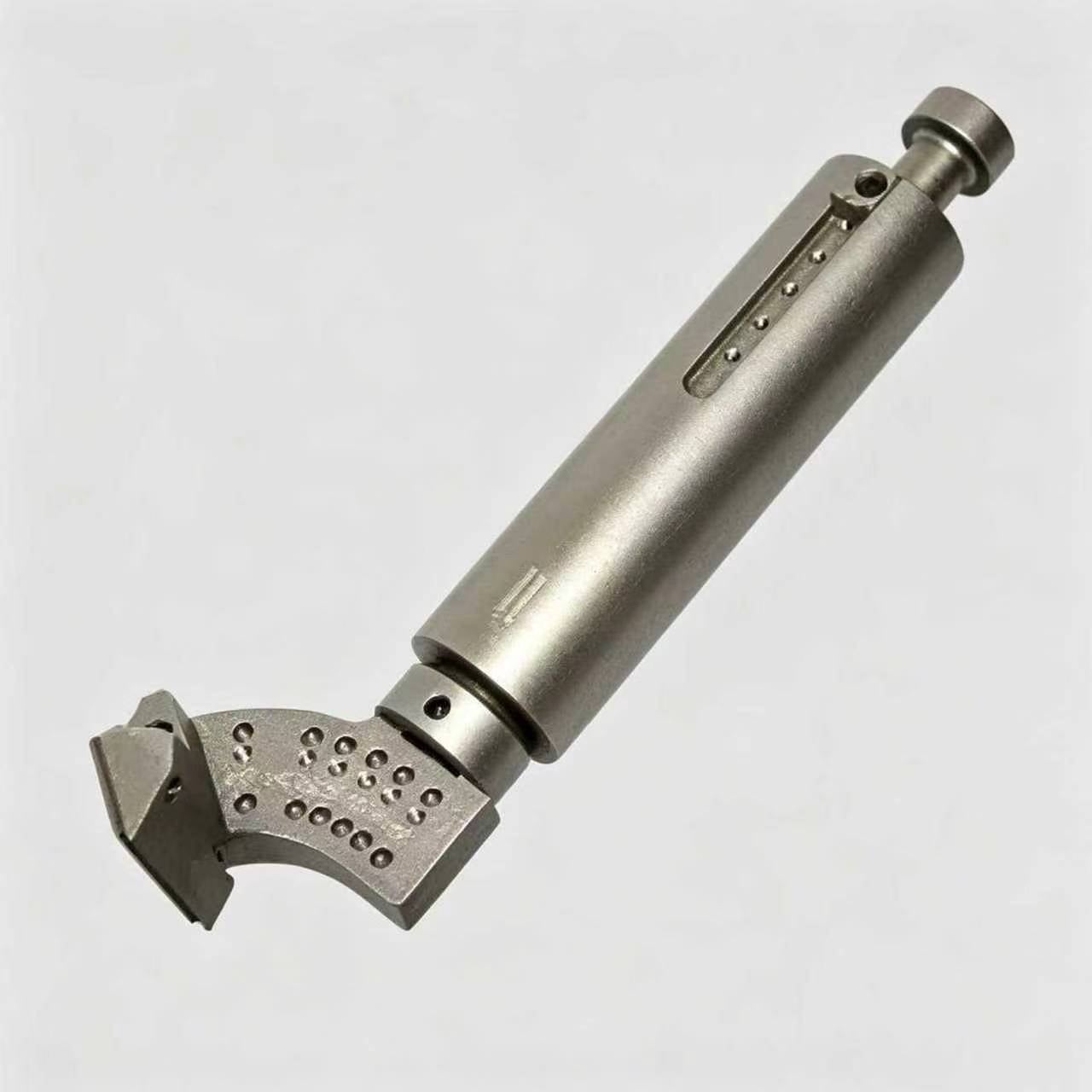
Adjustable Angle V-Cut Tool
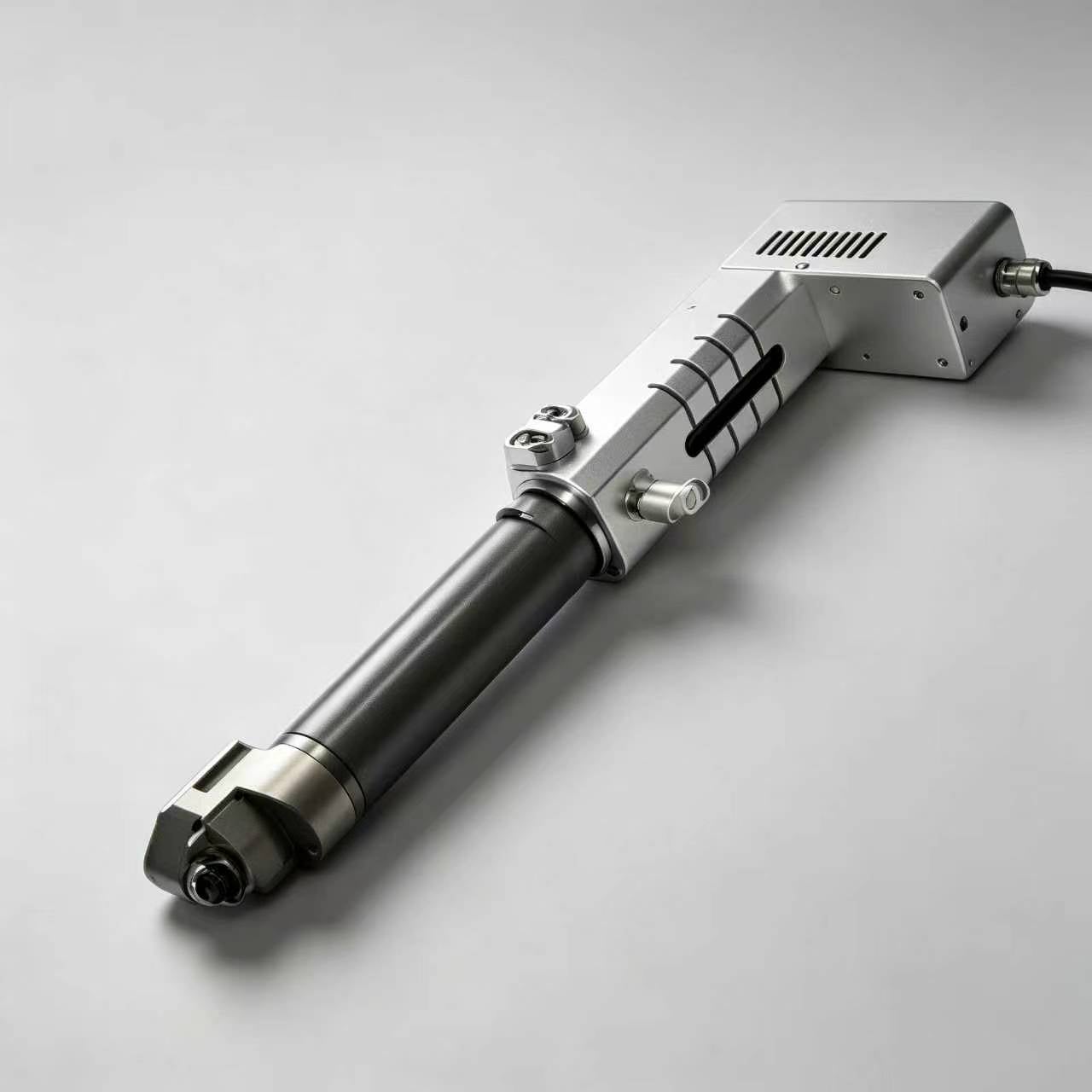
Oscillating Knife Tool
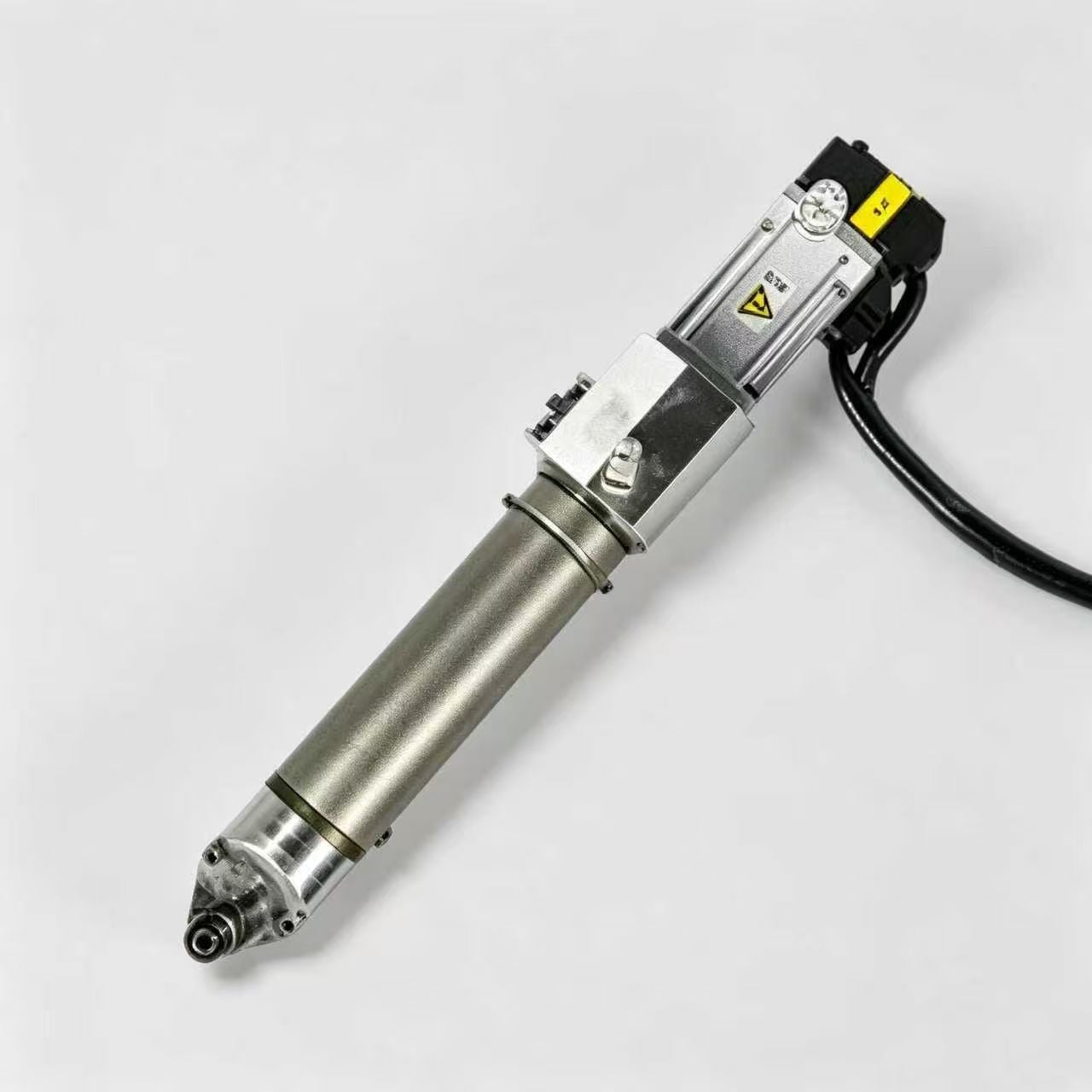
High-power Rotary Knife Tool
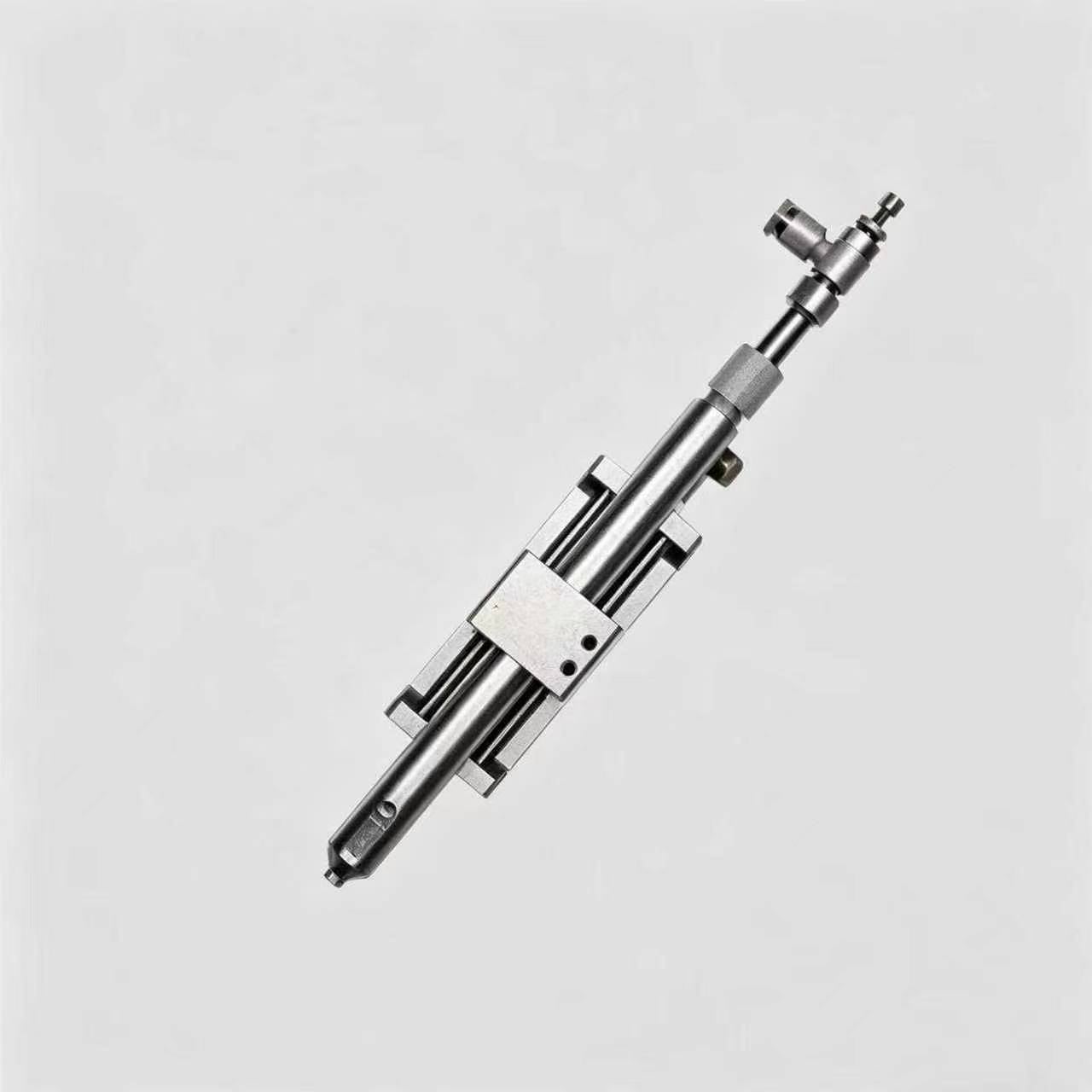
Marking Pen
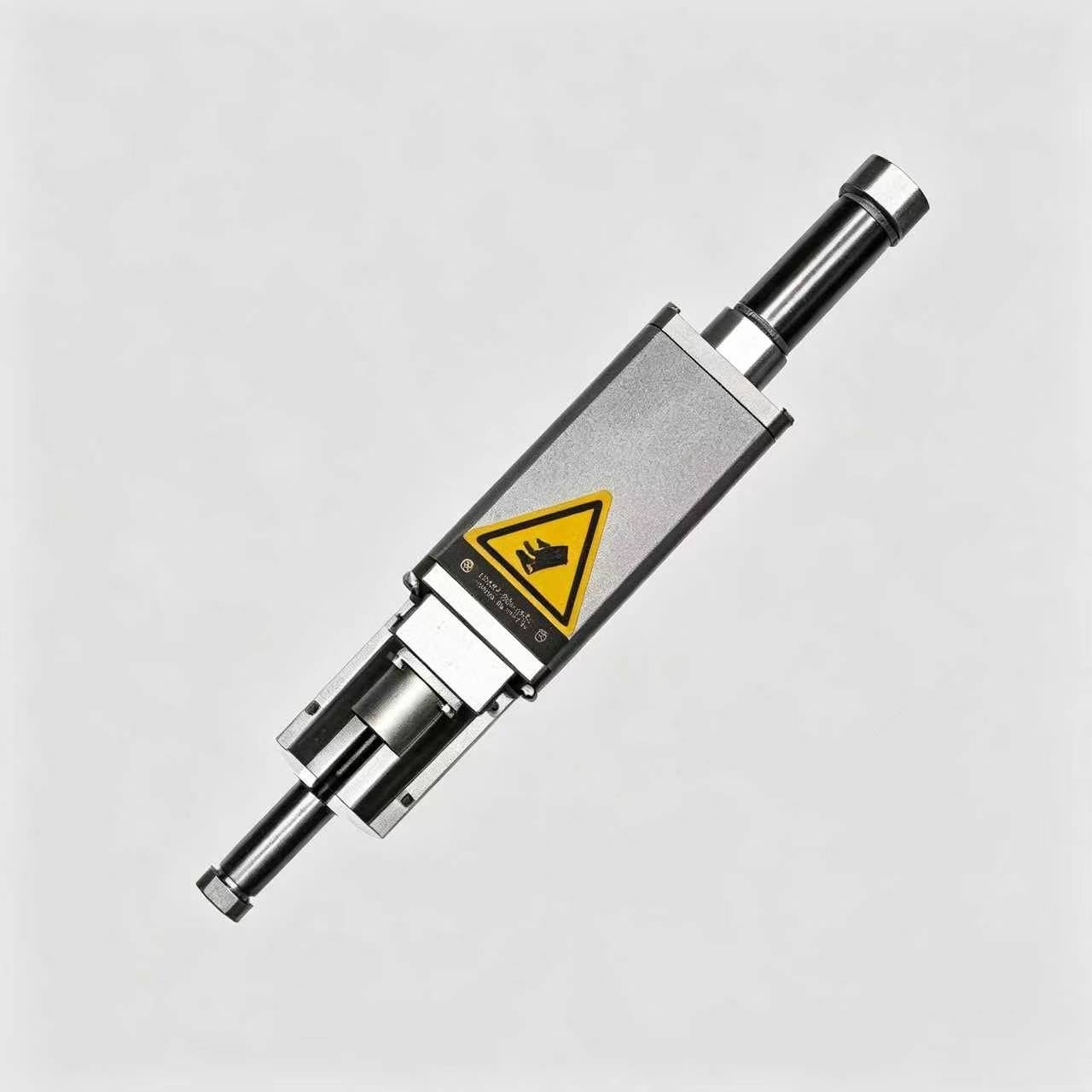
Punching Tool
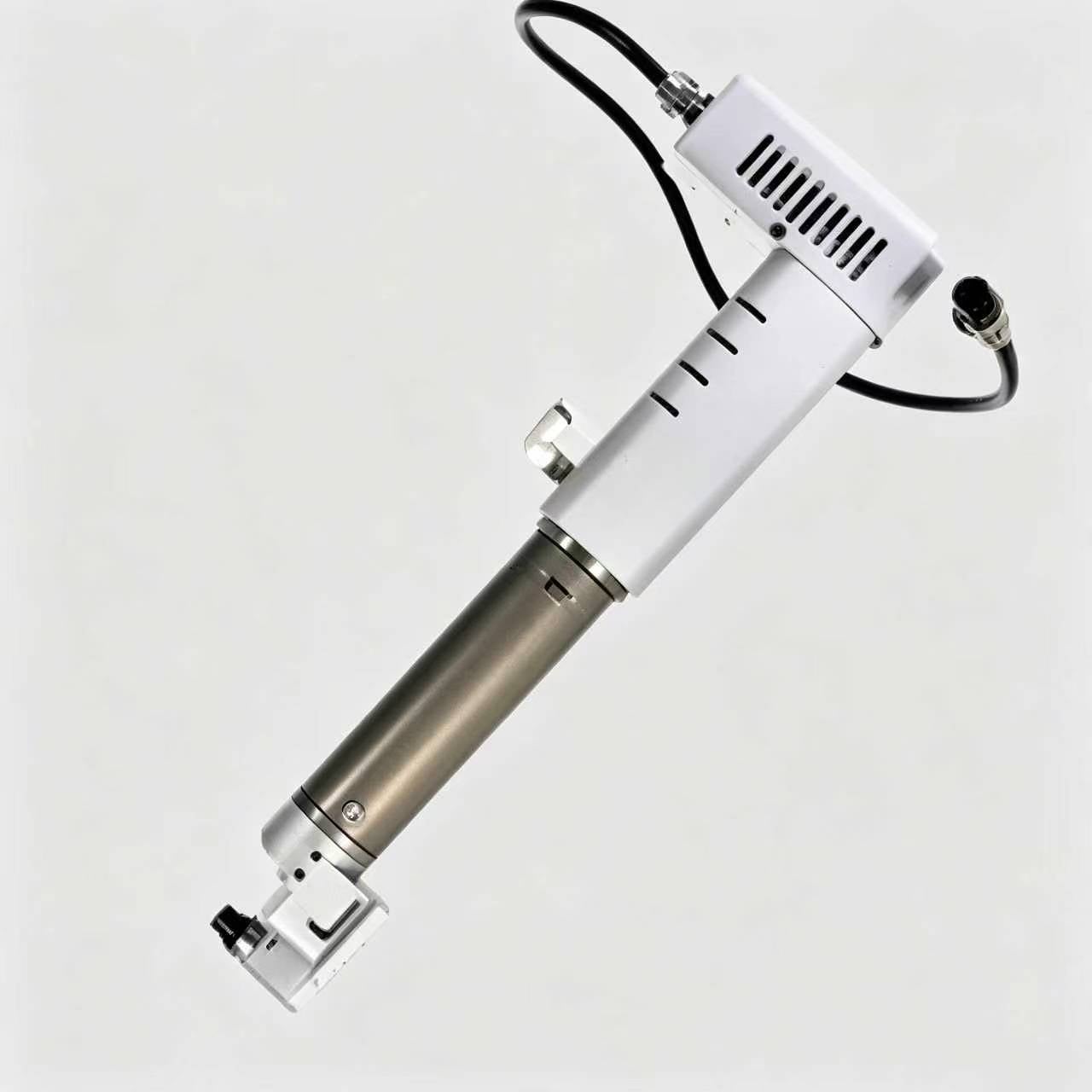
Driven Rotary Knife Tool
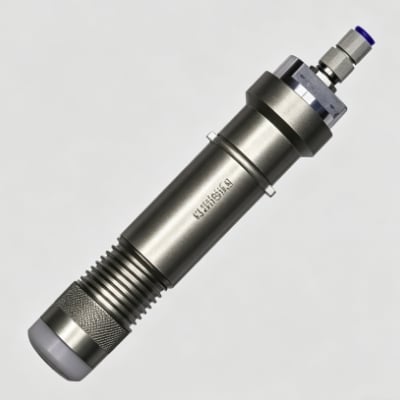
Pneumatic Knife Tool
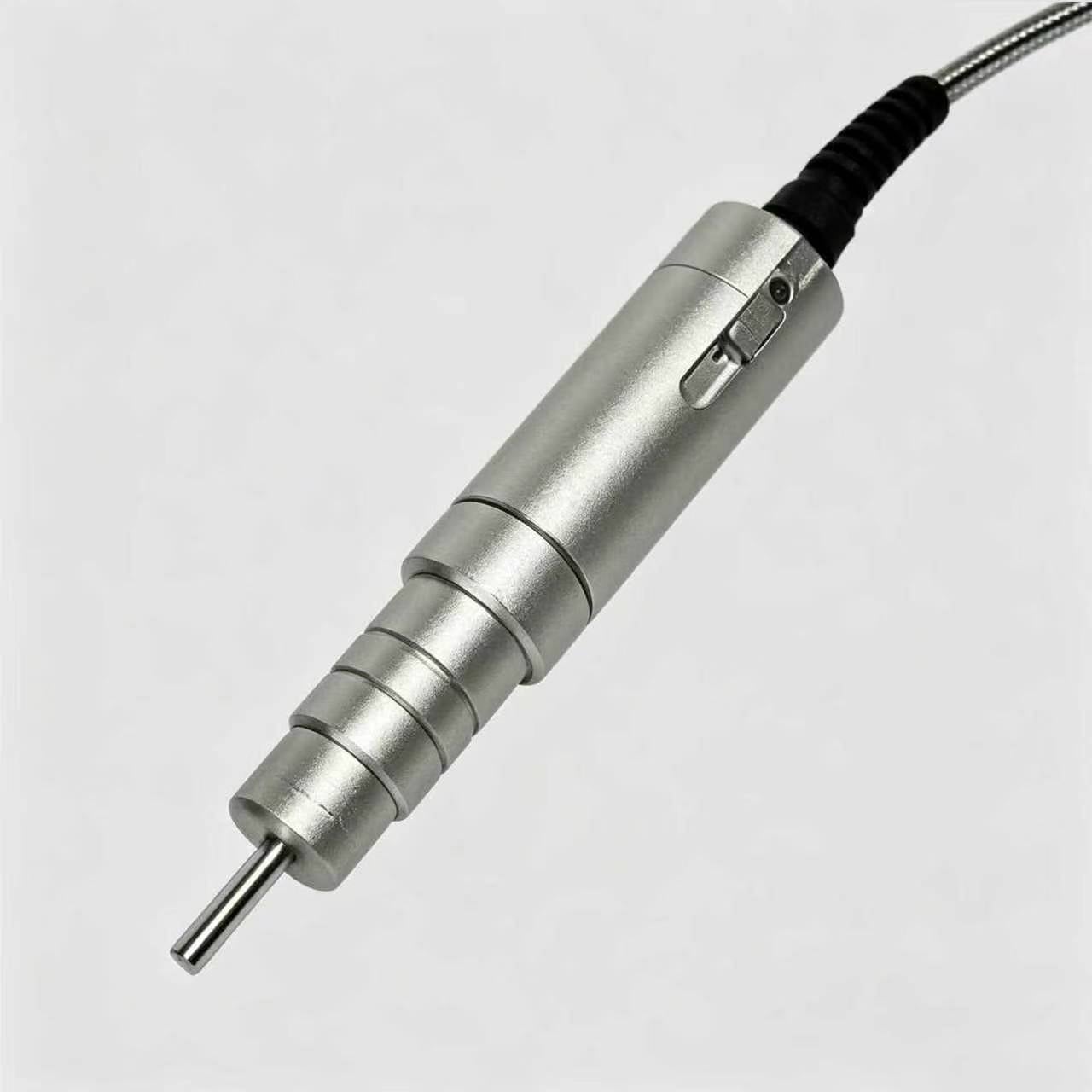
Leveling Tool

Bangzheng provides industrial vibrating knife cutting machines for automotive, aerospace, electronics & apparel. 15+ years expertise, 50+ countries served, full-service support. Contact us today!
Room 301, 3rd Floor, Building 2, Phase II, Longhu Shangcheng, Shunhua Road Subdistrict, High-tech Zone, Jinan City, Shandong Province
Copyright © 2026 Bangzheng (Shandong) Intelligent Manufacturing Co., Ltd. All rights reserved. Privacy Policy

 EN
EN