
 EN
EN
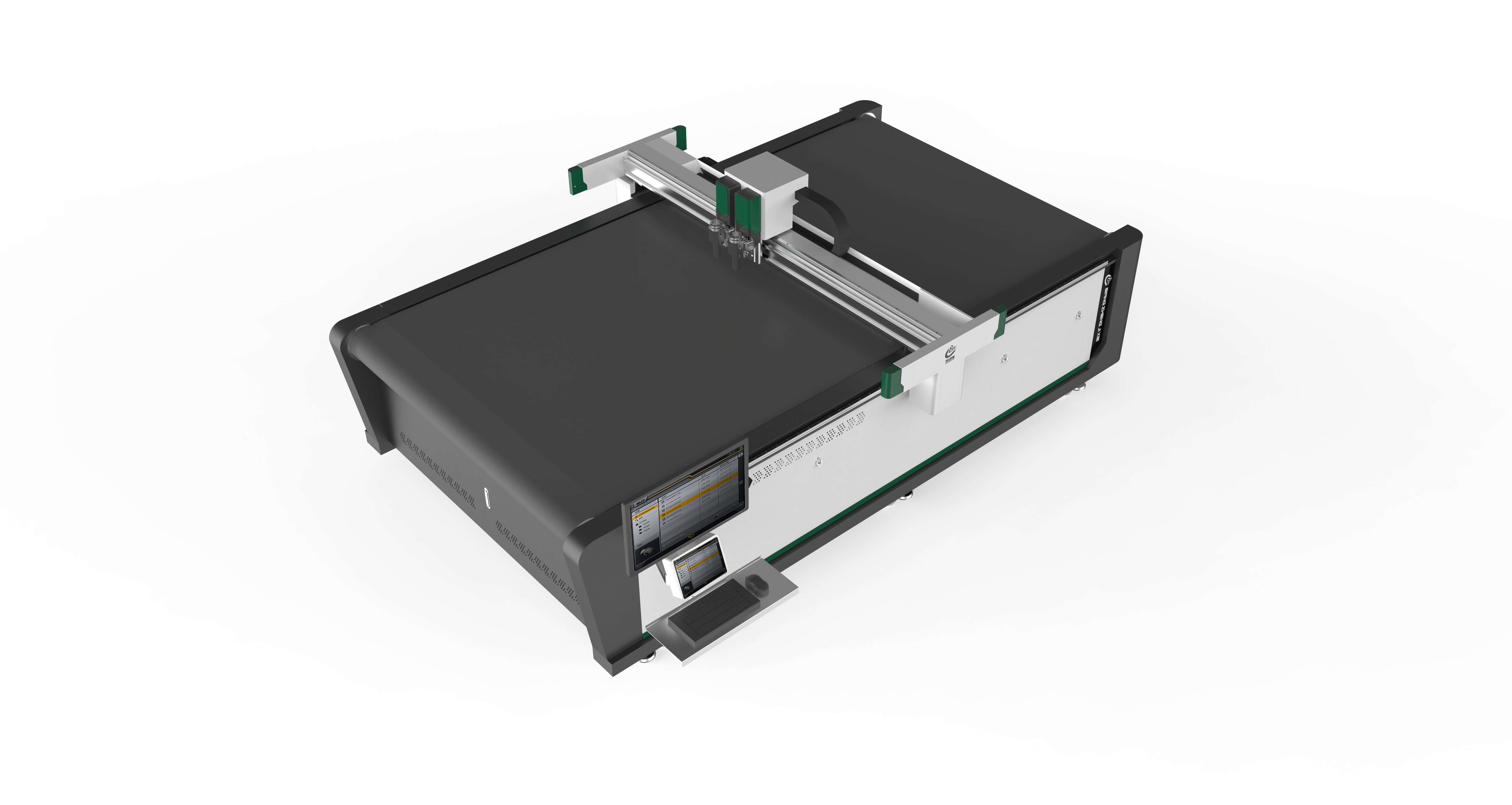
Mastering advanced features on an auto fabric cutter requires structured training programs that bridge the gap between basic operation and sophisticated manufacturing capabilities. Modern textile facilities depend on operators who can leverage precision cutting technologies, automated pattern recognition, and integrated workflow systems to maintain competitive production standards. Effective training programs focus on hands-on experience with computer-controlled cutting systems, safety protocols for high-speed operations, and troubleshooting complex technical issues that arise during automated fabric processing.
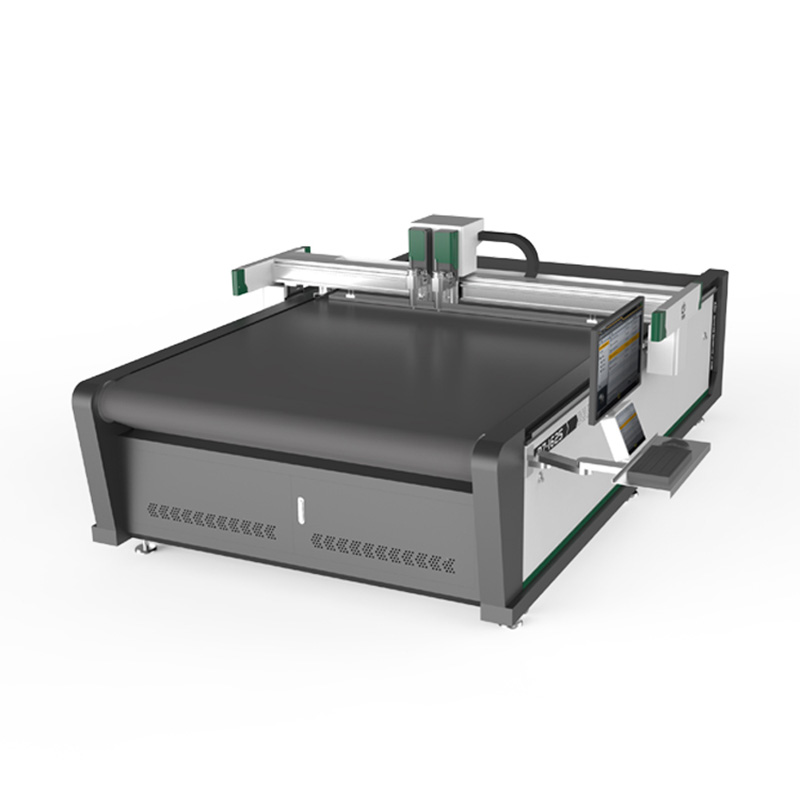
Training programs for advanced auto fabric cutter operation must address both technical proficiency and operational efficiency to ensure operators can maximize equipment capabilities while maintaining quality standards. These comprehensive programs typically combine theoretical knowledge of cutting technologies with practical application sessions, allowing operators to develop confidence with sophisticated features like multi-layer cutting, automated nesting algorithms, and precision blade management systems.
Technical Proficiency Training Components
Computer-Aided Design Integration
Operators must understand how to interface their auto fabric cutter with CAD software systems that control pattern layout and cutting sequences. Training programs focus on interpreting digital pattern files, adjusting cutting parameters for different fabric types, and optimizing material utilization through advanced nesting techniques. This technical foundation enables operators to handle complex cutting jobs that require precise coordination between design software and cutting equipment.
Advanced CAD integration training includes understanding file formats, pattern scaling adjustments, and real-time modification capabilities during cutting operations. Operators learn to troubleshoot software communication issues and adapt cutting sequences when material characteristics differ from original design specifications. This knowledge proves essential when working with specialized fabrics that require customized cutting approaches.
Automated Feature Management
Modern auto fabric cutter systems include sophisticated automation features that require specific operator knowledge to function effectively. Training programs teach operators how to calibrate automatic material feeding systems, adjust tension controls for different fabric weights, and monitor cutting quality through integrated sensors. Understanding these automated systems allows operators to maintain consistent production quality while minimizing material waste.
Operators receive instruction on managing automatic blade changing systems, programming cutting speed variations for complex patterns, and utilizing vacuum hold-down systems for lightweight materials. These advanced features require careful operator oversight to prevent equipment damage and ensure cutting accuracy across diverse fabric types and thicknesses.
Safety and Maintenance Training Elements
High-Speed Operation Safety Protocols
Safety training for advanced auto fabric cutter operation addresses unique hazards associated with high-speed automated cutting systems. Operators learn emergency shutdown procedures, proper material handling techniques for large fabric rolls, and safety protocols for blade replacement and maintenance activities. This training ensures operators can work safely around powerful cutting equipment while maintaining production efficiency.
Advanced safety protocols include understanding lockout/tagout procedures for maintenance activities, recognizing signs of equipment malfunction, and implementing proper ventilation controls for cutting operations that generate fabric particles. Operators also receive training on personal protective equipment requirements and safe positioning during automated cutting cycles.
Preventive Maintenance Procedures
Comprehensive training programs include preventive maintenance instruction that enables operators to perform routine equipment care and identify potential problems before they affect production. Operators learn blade inspection techniques, lubrication schedules for moving components, and calibration procedures for cutting accuracy verification. This maintenance knowledge helps extend equipment life and reduces unexpected downtime.
Training covers cleaning procedures for cutting tables, belt tension adjustments, and sensor calibration techniques that maintain cutting precision. Operators also learn to document maintenance activities and recognize when professional service intervention becomes necessary to address complex mechanical or electronic issues.
Production Optimization Training Methods
Efficiency Analysis and Improvement
Training programs teach operators how to analyze production data from their auto fabric cutter to identify efficiency improvement opportunities. Operators learn to interpret cutting speed reports, material utilization statistics, and quality metrics to optimize their operational techniques. This analytical approach helps operators contribute to continuous improvement initiatives within manufacturing facilities.
Advanced efficiency training includes understanding how fabric grain direction affects cutting quality, optimizing cutting sequences to minimize material movement, and coordinating with upstream and downstream processes to maximize overall workflow efficiency. Operators develop skills in batch processing techniques and learn to balance cutting speed with quality requirements for different product specifications.
Quality Control and Troubleshooting
Operators receive training on quality control procedures specific to automated fabric cutting operations, including dimensional accuracy verification, edge quality assessment, and pattern matching precision evaluation. This quality focus ensures that advanced auto fabric cutter capabilities translate into consistent product quality that meets manufacturing standards.
Troubleshooting training covers common issues like cutting deviation, material shifting during operation, and blade wear patterns that affect cutting quality. Operators learn systematic diagnostic approaches to identify root causes of quality problems and implement corrective actions that restore optimal cutting performance without requiring extended equipment downtime.
Hands-On Application Training Approaches
Simulation-Based Learning
Effective training programs utilize simulation software that replicates auto fabric cutter operations without consuming actual materials or risking equipment damage. These simulation environments allow operators to practice complex cutting scenarios, experiment with different parameter settings, and develop problem-solving skills in a controlled learning environment. Simulation training proves particularly valuable for preparing operators to handle unusual cutting requirements or emergency situations.
Advanced simulation training includes virtual reality components that provide realistic equipment interaction experiences, allowing operators to practice maintenance procedures and emergency responses before working with actual cutting equipment. This immersive training approach accelerates skill development and builds operator confidence with sophisticated equipment features.
Progressive Skill Development
Training programs structure learning progression from basic auto fabric cutter operation to advanced feature mastery through carefully designed skill-building exercises. Operators begin with fundamental cutting operations and gradually advance to complex multi-layer cutting, automated material handling, and integrated production line coordination. This progressive approach ensures solid foundational knowledge while building toward expert-level capabilities.
Advanced skill development includes cross-training on different auto fabric cutter models and configurations, preparing operators to adapt their expertise to various equipment types within manufacturing facilities. Operators also receive exposure to emerging technologies and cutting techniques that represent future developments in automated fabric processing.
FAQ
How long does comprehensive auto fabric cutter training typically take?
Comprehensive training for advanced auto fabric cutter operation typically requires 4-6 weeks of structured instruction, including both classroom learning and hands-on practice sessions. The duration varies based on operator experience level, equipment complexity, and specific manufacturing requirements. Advanced feature mastery may require additional specialized training modules extending the total training period to 8-10 weeks for complete proficiency.
What qualifications should operators have before starting advanced training?
Operators should have basic mechanical aptitude, computer literacy for CAD software interaction, and prior experience with industrial equipment operation. Many training programs require completion of basic safety certification and fundamental fabric handling knowledge before advancing to sophisticated auto fabric cutter features. Mathematical skills for pattern calculations and quality measurement interpretation also prove beneficial for training success.
How often should operators receive refresher training on new features?
Operators should receive refresher training annually or whenever significant software updates or new equipment features become available. Quarterly skill assessments help identify areas requiring additional training focus, while monthly safety review sessions maintain awareness of proper operating procedures. Continuous learning programs ensure operators stay current with evolving auto fabric cutter technologies and manufacturing best practices.
What training methods prove most effective for complex technical features?
Hands-on training combined with visual demonstration proves most effective for complex auto fabric cutter features, allowing operators to practice actual equipment operation while receiving immediate feedback. Peer mentoring programs pair experienced operators with trainees to provide practical insights and troubleshooting guidance. Interactive training modules that simulate real production scenarios help operators develop confidence with advanced features before handling critical production runs.