
 EN
EN
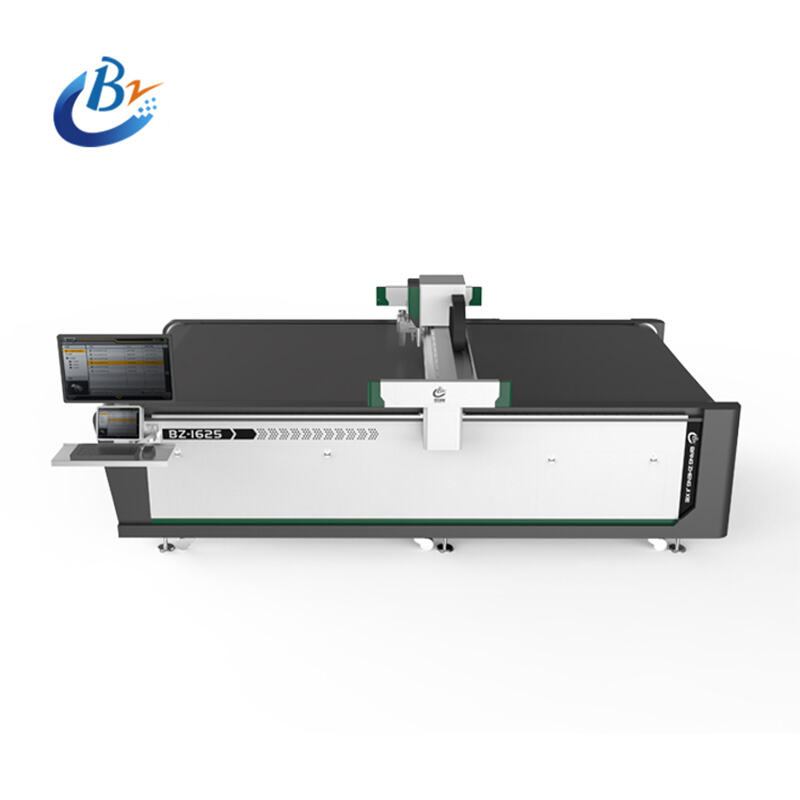
Selecting the appropriate work area size for an automatic cutting machine for fabric represents one of the most critical decisions in optimizing your production workflow. The work area dimensions directly impact material utilization efficiency, production throughput, and operational costs, making this choice fundamental to achieving sustainable manufacturing success. Understanding how to evaluate your specific requirements against available machine configurations ensures you invest in equipment that maximizes both immediate productivity and long-term scalability.

The process of determining the correct work area size involves analyzing multiple interconnected factors that influence cutting efficiency and operational flexibility. Modern automatic cutting machines for fabric offer diverse work area configurations, from compact desktop units suitable for small-scale operations to large-format industrial systems capable of handling full fabric rolls. Your selection methodology should systematically evaluate material dimensions, production volumes, space constraints, and future growth projections to identify the optimal balance between capability and cost-effectiveness.
Understanding Work Area Size Fundamentals
Standard Work Area Configurations
Automatic cutting machine for fabric systems typically offer work areas ranging from 600mm x 900mm for entry-level units to 3200mm x 2500mm for industrial-grade installations. These dimensions represent the maximum material size that can be processed in a single cutting cycle, directly impacting your ability to handle different fabric types and production requirements. Small work areas excel in precision applications where material waste minimization takes priority over high-volume throughput, while larger configurations support efficient processing of wide-width fabrics and complex pattern layouts.
The relationship between work area size and cutting precision remains consistent across most quality automatic cutting machines for fabric, meaning larger work areas do not inherently compromise accuracy. However, larger systems require more sophisticated motion control systems and structural rigidity to maintain cutting quality across the entire work surface. Understanding these technical relationships helps you evaluate whether increased work area capacity justifies the associated investment and operational requirements.
Work Area Utilization Efficiency
Effective work area utilization depends on optimizing the relationship between your typical fabric dimensions and the machine's cutting envelope. An automatic cutting machine for fabric with a work area that closely matches your standard material sizes minimizes handling time and reduces material waste through improved nesting efficiency. However, oversized work areas can accommodate multiple smaller pieces simultaneously, potentially increasing overall throughput despite reduced individual piece efficiency.
Production efficiency analysis should consider both single-piece cutting scenarios and batch processing capabilities when evaluating work area requirements. Some operations benefit from processing multiple identical pieces simultaneously, while others require flexibility to handle varying sizes and shapes within the same production run. The optimal work area size balances these competing requirements while maintaining consistent cutting quality across all operational scenarios.
Analyzing Your Production Requirements
Material Dimension Assessment
Comprehensive analysis of your fabric specifications forms the foundation for determining appropriate work area requirements for your automatic cutting machine for fabric. Document the maximum, minimum, and most common dimensions of materials you process, including both individual pieces and full-width fabric handling requirements. This analysis should encompass current production needs and anticipated changes in material specifications driven by market demands or product diversification plans.
Fabric roll widths vary significantly across different textile types, with standard widths ranging from 900mm for specialized materials to 1800mm or wider for industrial fabrics. Your automatic cutting machine for fabric must accommodate these variations while providing sufficient clearance for material handling and positioning accuracy. Consider whether your operation requires the ability to process full-width materials or whether sectioning larger fabrics into manageable sizes remains acceptable for your production workflow.
Volume and Throughput Considerations
Production volume requirements significantly influence the optimal work area size for your automatic cutting machine for fabric investment. High-volume operations benefit from larger work areas that enable batch processing of multiple pieces, reducing setup time and maximizing machine utilization. However, low-volume, high-variety production may prioritize flexibility and precision over raw throughput capacity, suggesting smaller, more agile work area configurations.
Calculate your daily, weekly, and seasonal production volumes to establish baseline capacity requirements for your automatic cutting machine for fabric selection. Consider peak production periods and seasonal variations that may require temporary capacity increases, ensuring your chosen work area size can accommodate these fluctuations without creating production bottlenecks. Factor in realistic expectations for machine utilization rates, accounting for setup time, maintenance requirements, and operational flexibility needs.
Evaluating Space and Installation Constraints
Physical Space Requirements
Work area size directly correlates with the overall footprint required for your automatic cutting machine for fabric installation, including necessary clearances for material handling, operator access, and maintenance activities. Large work area machines require proportionally larger installation spaces, with additional considerations for material loading systems, waste removal equipment, and safety barriers. Evaluate your available floor space against machine dimensions, ensuring adequate clearance for optimal operation and future expansion possibilities.
Ceiling height requirements may also influence work area selection, particularly for automatic cutting machine for fabric systems with vertical material handling components or dust collection systems. Some large-format machines require specialized foundation preparations or structural modifications to ensure stable operation and vibration isolation. Factor these installation requirements into your total project cost and timeline when comparing different work area size options.
Workflow Integration Factors
The optimal work area size for your automatic cutting machine for fabric must integrate seamlessly with upstream and downstream production processes. Consider material flow patterns, storage requirements, and operator movement patterns when evaluating different work area configurations. Larger work areas may require modified material handling procedures or additional automation to maintain efficient workflow integration.
Assess how work area size impacts quality control procedures, finished piece handling, and waste management systems within your production environment. An automatic cutting machine for fabric with an oversized work area may complicate quality inspection processes or require additional personnel for effective operation, potentially offsetting productivity gains through increased labor costs or quality control challenges.
Economic and Performance Trade-offs
Investment Cost Analysis
Work area size represents one of the primary cost drivers in automatic cutting machine for fabric procurement, with larger systems commanding proportionally higher initial investments. However, the relationship between work area size and total cost of ownership extends beyond purchase price to include installation costs, operating expenses, and productivity impacts. Larger work areas may offer better material utilization efficiency and higher throughput capacity, potentially justifying higher initial costs through improved operational economics.
Evaluate financing implications and return on investment calculations for different work area size options, considering both direct productivity benefits and indirect operational improvements. Some automatic cutting machine for fabric configurations offer modular expansion capabilities, allowing initial installation with smaller work areas and subsequent upgrades as production requirements evolve. This approach can optimize cash flow while maintaining future flexibility for capacity expansion.
Operational Efficiency Optimization
The relationship between work area size and operational efficiency varies significantly based on specific production requirements and operational practices. Larger work areas enable more efficient nesting of complex patterns and reduce material waste through optimized cutting layouts, while smaller areas offer faster setup times and reduced material handling complexity. Your automatic cutting machine for fabric selection should prioritize efficiency metrics most critical to your operational success.
Consider long-term efficiency implications of work area size choices, including operator training requirements, maintenance complexity, and upgrade potential. Some operations achieve optimal efficiency through multiple smaller automatic cutting machine for fabric units rather than single large-format systems, providing operational redundancy and flexibility for diverse production requirements. Evaluate these alternative approaches against single large-system configurations to identify the most effective solution for your specific needs.
FAQ
What is the minimum work area size needed for most fabric cutting applications?
Most fabric cutting applications require a minimum work area of 1000mm x 1500mm to accommodate standard garment pieces and small textile products efficiently. However, specialized applications may operate effectively with smaller work areas of 600mm x 900mm, while large-format applications typically require work areas exceeding 2000mm x 1500mm for optimal material utilization and productivity.
How does work area size affect cutting accuracy and precision?
Work area size does not inherently impact cutting accuracy when comparing quality automatic cutting machines for fabric within the same manufacturer's product line. However, larger work areas require more sophisticated motion control systems and structural rigidity to maintain consistent precision across the entire cutting envelope, making machine quality and design more critical factors than work area size alone.
Can I upgrade the work area size of my existing automatic cutting machine for fabric?
Most automatic cutting machines for fabric feature fixed work area dimensions that cannot be modified after installation due to structural and mechanical constraints. Some manufacturers offer modular systems with expansion capabilities, but these options must be specified during initial purchase. Upgrading work area size typically requires replacing the entire cutting system rather than modifying existing equipment.
What factors should I prioritize when choosing between multiple work area size options?
Prioritize material dimensions, production volume requirements, and available installation space when selecting work area size for your automatic cutting machine for fabric. Consider both current needs and future growth projections, ensuring your chosen work area can accommodate anticipated changes in production requirements while maintaining operational efficiency and cost-effectiveness throughout the equipment's service life.
Table of Contents
- Understanding Work Area Size Fundamentals
- Analyzing Your Production Requirements
- Evaluating Space and Installation Constraints
- Economic and Performance Trade-offs
-
FAQ
- What is the minimum work area size needed for most fabric cutting applications?
- How does work area size affect cutting accuracy and precision?
- Can I upgrade the work area size of my existing automatic cutting machine for fabric?
- What factors should I prioritize when choosing between multiple work area size options?