
 EN
EN
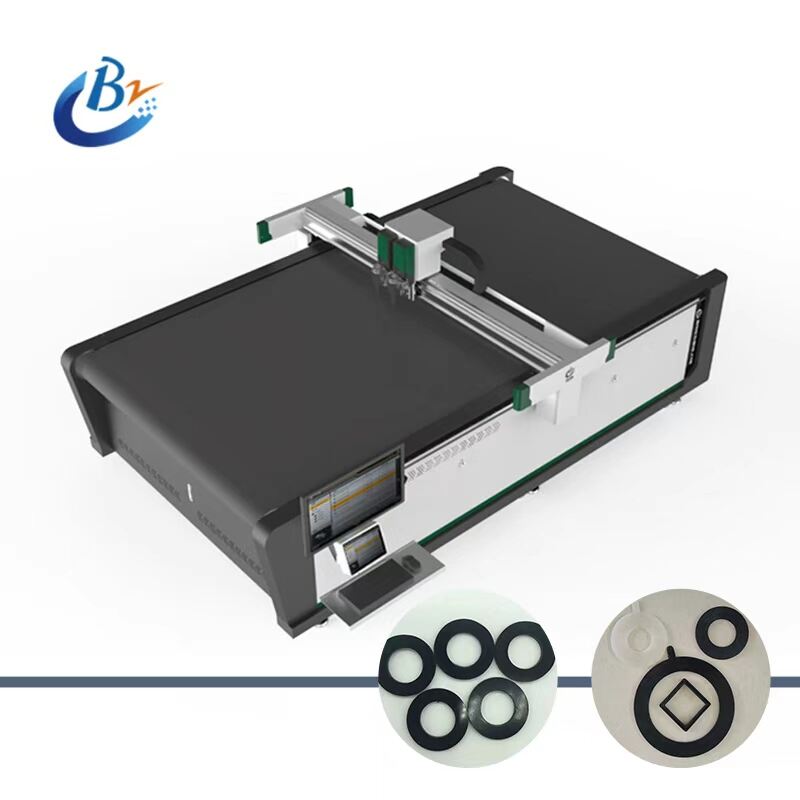
Yes, an automatic cutting machine for fabric equipped with a conveyor system can absolutely support continuous production operations in textile manufacturing environments. These advanced systems are specifically engineered to eliminate production bottlenecks and maintain uninterrupted workflow by seamlessly integrating material handling with precision cutting processes. The combination of automated fabric feeding, cutting, and material removal creates a self-sustaining production cycle that significantly enhances manufacturing efficiency.
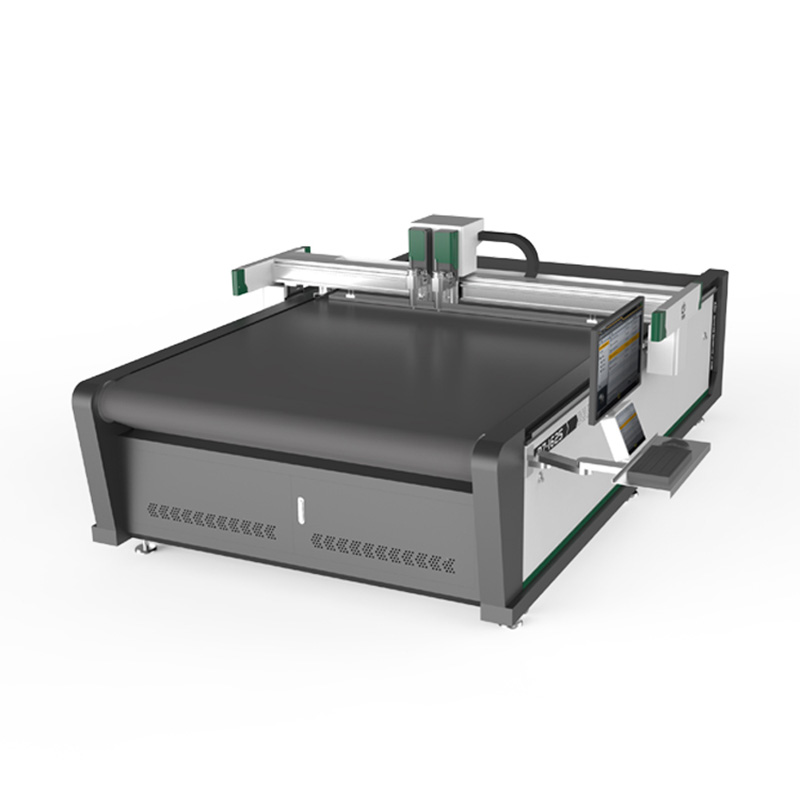
Modern automatic cutting machine for fabric systems with conveyor integration represent a fundamental shift from traditional batch processing methods to continuous flow manufacturing. This technological advancement addresses the critical need for consistent throughput in high-volume textile production, where manual material handling and traditional cutting methods create inherent delays and production inconsistencies. The conveyor system enables operators to achieve true continuous production by automatically managing fabric flow throughout the entire cutting process.
How Conveyor Systems Enable Continuous Production Flow
Automated Material Feed Mechanisms
The conveyor system in an automatic cutting machine for fabric creates a continuous material feed mechanism that eliminates manual intervention between cutting cycles. Advanced systems utilize precision-controlled belt conveyors that maintain consistent fabric tension and positioning throughout the cutting process. This automated feeding ensures that new fabric sections are immediately available for cutting as soon as the previous section is completed, creating an unbroken production chain.
Sophisticated sensor technology monitors fabric position and automatically adjusts conveyor speed to match cutting requirements. The system can detect fabric edges, maintain proper alignment, and compensate for material variations without operator intervention. This level of automation ensures that the automatic cutting machine for fabric maintains optimal cutting speeds while preserving accuracy and quality standards essential for continuous production.
Seamless Cutting Process Integration
The integration between cutting mechanisms and conveyor systems creates a synchronized production environment where cutting operations occur while material continues to move through the system. Modern automatic cutting machine for fabric units employ advanced motion control algorithms that coordinate cutting head movement with conveyor speed, enabling cutting operations to occur on moving fabric without compromising precision.
This seamless integration eliminates the traditional stop-and-go cycle associated with conventional cutting methods. The automatic cutting machine for fabric can maintain continuous motion while executing complex cutting patterns, significantly reducing cycle times and increasing overall production throughput. The system automatically adjusts cutting parameters based on fabric type and pattern requirements while maintaining continuous material flow.
Automated Waste Removal and Material Handling
Continuous production requires efficient waste removal and cut piece handling systems that operate without interrupting the primary cutting process. Advanced conveyor systems incorporate automated waste collection mechanisms that remove fabric scraps and excess material during the cutting operation. This automated waste management prevents material buildup that could interfere with continuous production flow.
The automatic cutting machine for fabric integrates multiple conveyor segments that separate cut pieces from waste materials, directing finished pieces to collection areas while simultaneously removing waste materials. This multi-stream material handling capability ensures that the cutting zone remains clear for continuous operation, preventing production delays caused by material accumulation or manual cleaning requirements.
Production Capacity and Throughput Advantages
Elimination of Manual Handling Bottlenecks
Traditional fabric cutting operations rely heavily on manual material handling, creating significant bottlenecks that limit production capacity. The automatic cutting machine for fabric with conveyor system eliminates these bottlenecks by automating material positioning, cutting execution, and piece removal processes. This automation removes human operators from the critical path of production, allowing the system to operate at consistent speeds determined by machine capabilities rather than human limitations.
The continuous flow design enables operators to focus on quality control and system monitoring rather than repetitive material handling tasks. This shift in operator responsibilities not only increases production speed but also improves cutting accuracy and consistency. The automatic cutting machine for fabric can maintain optimal cutting speeds throughout extended production runs without the fatigue-related slowdowns common in manual operations.
Scalable Production Volume Management
Conveyor-integrated systems provide exceptional scalability for managing varying production volumes without requiring significant operational changes. The automatic cutting machine for fabric can automatically adjust cutting speed and material feed rates based on production requirements, seamlessly transitioning between different volume demands. This scalability ensures optimal resource utilization across diverse production scenarios.
Advanced systems incorporate production scheduling algorithms that optimize cutting sequences based on material types, pattern complexity, and delivery requirements. The automatic cutting machine for fabric can automatically prioritize high-priority orders while maintaining overall production efficiency, ensuring that continuous production capabilities translate into meaningful business advantages.
Extended Operating Hours and Shift Continuity
The automated nature of conveyor-equipped cutting systems enables extended operating hours with minimal supervision requirements. The automatic cutting machine for fabric can operate continuously across multiple shifts with minimal operator intervention, maximizing equipment utilization and production output. This capability is particularly valuable for meeting tight delivery schedules and managing seasonal demand fluctuations.
Advanced monitoring systems provide real-time production data and predictive maintenance alerts that enable proactive system management. Operators can monitor system performance remotely and schedule maintenance activities during planned downtime periods, ensuring that continuous production capabilities are maintained throughout extended operating periods.
Quality Control in Continuous Production Environment
Real-Time Monitoring and Feedback Systems
Maintaining quality standards during continuous production requires sophisticated monitoring systems that can detect and correct variations in real-time. The automatic cutting machine for fabric incorporates advanced sensor technology that continuously monitors cutting accuracy, material alignment, and system performance parameters. These monitoring systems provide immediate feedback when deviations occur, enabling automatic corrections without interrupting production flow.
Integrated vision systems analyze cut piece dimensions and edge quality throughout the production process, automatically adjusting cutting parameters to maintain specified tolerances. The automatic cutting machine for fabric can detect material defects, cutting tool wear, and alignment issues before they impact product quality, ensuring that continuous production does not compromise quality standards.
Automated Quality Assurance Protocols
Continuous production environments require automated quality assurance protocols that can identify and segregate defective pieces without manual intervention. Advanced systems incorporate automated inspection stations that evaluate cut pieces as they move through the conveyor system, automatically diverting pieces that fail quality criteria to separate collection areas.
The automatic cutting machine for fabric maintains detailed production records that track quality metrics across different material types, cutting patterns, and production periods. This data enables continuous improvement initiatives and provides traceability for quality audits and customer requirements. Automated quality protocols ensure that continuous production maintains consistent quality standards throughout extended production runs.
Integration with Manufacturing Systems and Workflow
ERP and Production Planning Integration
Modern automatic cutting machine for fabric systems integrate seamlessly with enterprise resource planning systems to optimize production scheduling and material utilization. This integration enables real-time production tracking and automatic adjustment of cutting sequences based on inventory levels, order priorities, and delivery schedules. The conveyor system receives cutting instructions directly from production planning systems, eliminating manual programming and reducing setup times.
Advanced integration capabilities enable the automatic cutting machine for fabric to communicate production status, material consumption, and quality metrics to upstream and downstream processes. This communication ensures that continuous production aligns with overall manufacturing objectives and enables coordinated workflow management across multiple production systems.
Downstream Process Coordination
The continuous output from conveyor-equipped cutting systems requires coordination with downstream manufacturing processes to maintain overall production flow. The automatic cutting machine for fabric can synchronize output rates with sewing operations, assembly processes, and packaging systems to prevent bottlenecks in subsequent production stages.
Advanced systems incorporate buffer management capabilities that automatically adjust cutting rates based on downstream capacity and requirements. This coordination ensures that continuous cutting production translates into optimized overall manufacturing performance rather than creating bottlenecks in subsequent processes.
FAQ
How long can an automatic cutting machine for fabric with conveyor system operate continuously without manual intervention?
Modern automatic cutting machine for fabric systems with conveyor integration can operate continuously for 8-12 hours with minimal manual intervention, depending on fabric type and cutting complexity. Advanced systems with automated tool changing and waste removal can extend continuous operation to 16-24 hours with appropriate material supply and waste management systems.
What fabric types are suitable for continuous production using conveyor-equipped cutting systems?
Most textile materials including cotton, polyester, blends, denim, and technical fabrics are suitable for continuous production with automatic cutting machine for fabric systems. Material thickness, stretch characteristics, and surface texture may require specific conveyor configurations, but modern systems can accommodate a wide range of fabric types through adjustable tension and speed controls.
How does conveyor integration affect cutting accuracy compared to traditional stationary cutting methods?
Conveyor-integrated automatic cutting machine for fabric systems maintain cutting accuracy equal to or better than traditional stationary methods through advanced motion control and compensation algorithms. The continuous motion actually reduces fabric distortion caused by repeated clamping and repositioning, often resulting in improved edge quality and dimensional consistency.
What maintenance requirements are necessary to sustain continuous production capability?
Continuous production with automatic cutting machine for fabric systems requires regular conveyor belt inspection, cutting tool monitoring, and sensor calibration. Preventive maintenance schedules typically include daily cleaning, weekly lubrication, and monthly component inspections. Advanced systems provide predictive maintenance alerts that optimize maintenance timing to minimize production interruptions.
Table of Contents
- How Conveyor Systems Enable Continuous Production Flow
- Production Capacity and Throughput Advantages
- Quality Control in Continuous Production Environment
- Integration with Manufacturing Systems and Workflow
-
FAQ
- How long can an automatic cutting machine for fabric with conveyor system operate continuously without manual intervention?
- What fabric types are suitable for continuous production using conveyor-equipped cutting systems?
- How does conveyor integration affect cutting accuracy compared to traditional stationary cutting methods?
- What maintenance requirements are necessary to sustain continuous production capability?