Advanced Non Woven Cutting Machine Solutions - Precision Industrial Fabric Processing Equipment

All Categories

Get a Free Quote

Our representative will contact you soon.
Email
Name
Company Name
Message
0/1000

non woven cutting machine

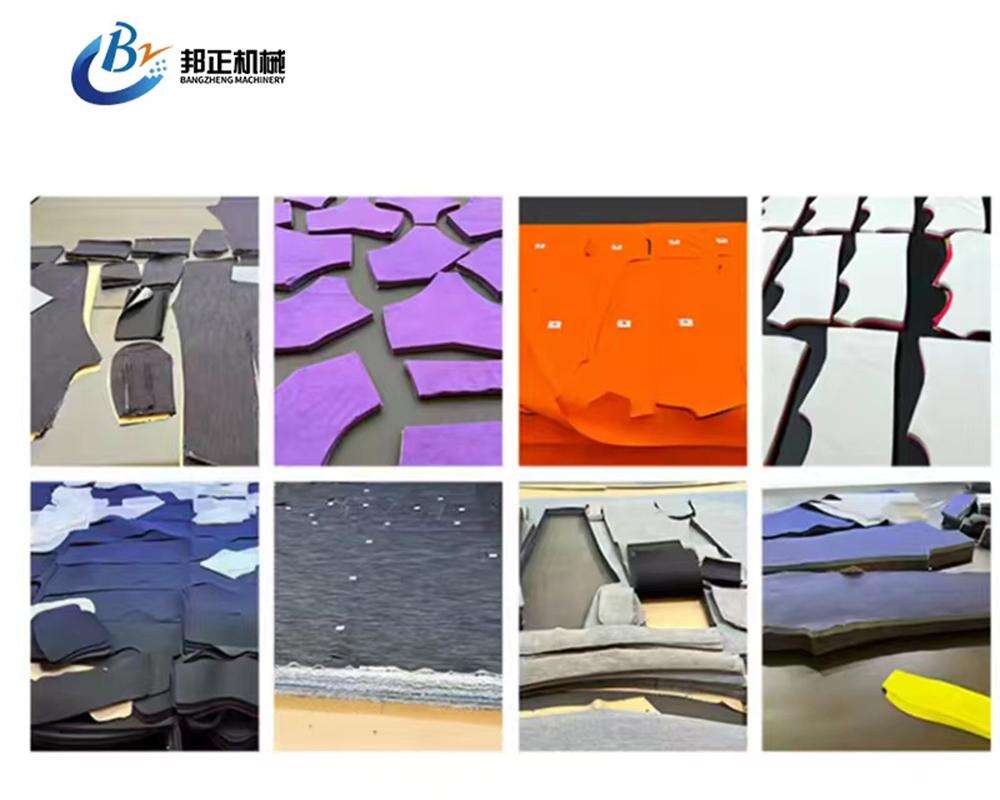
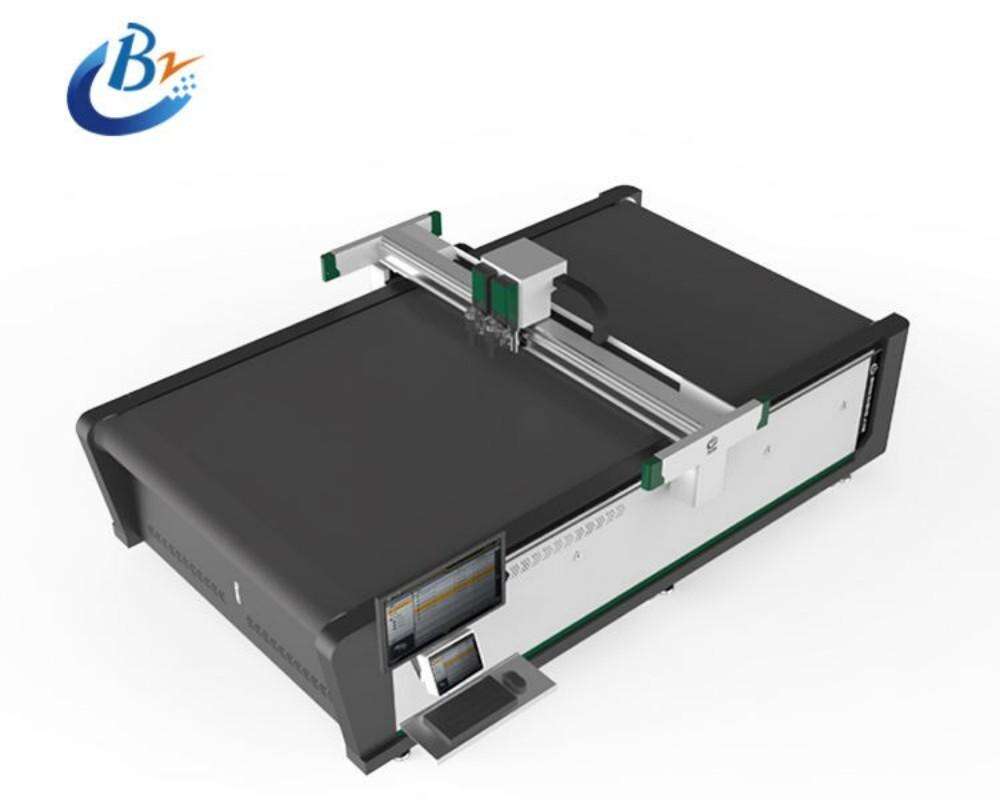
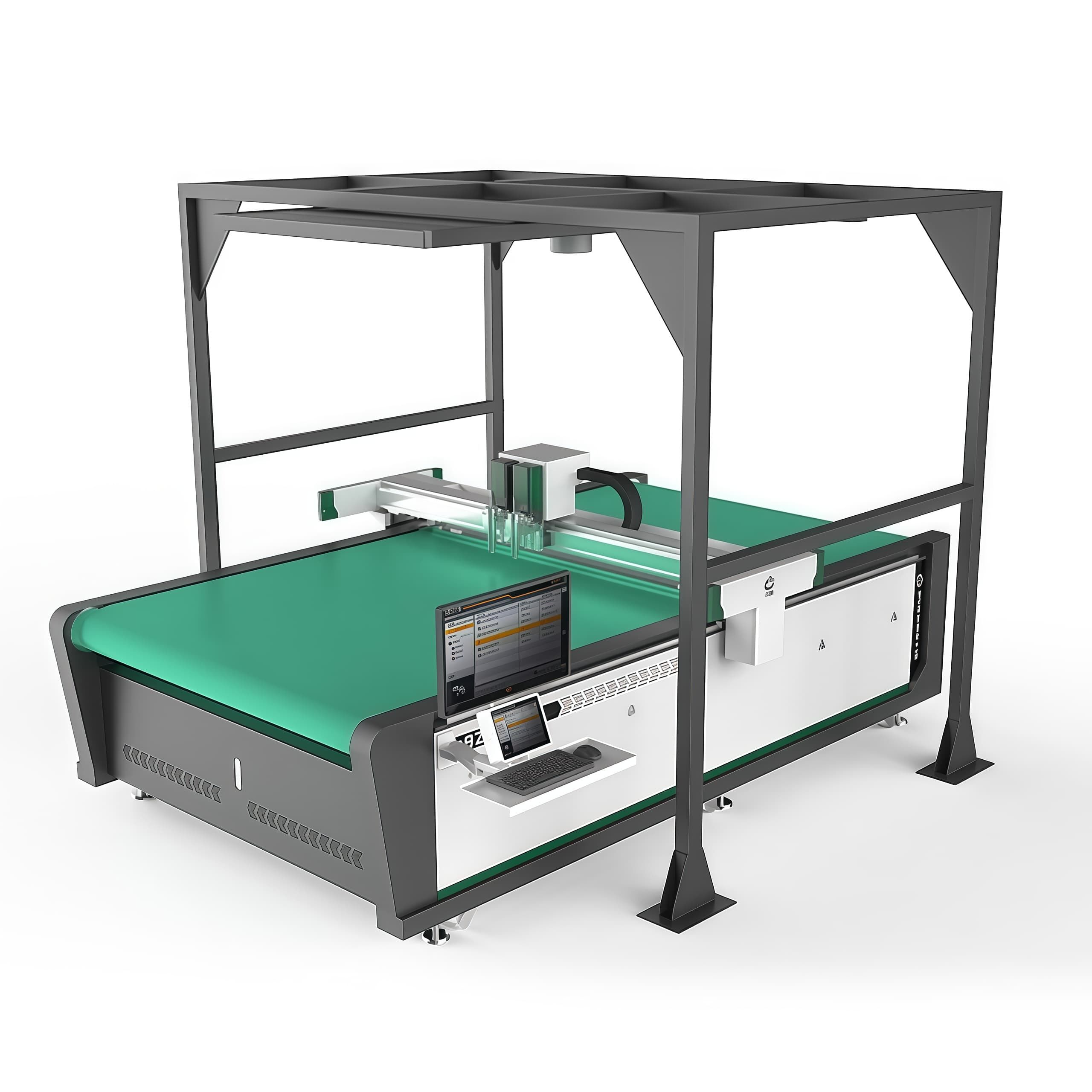
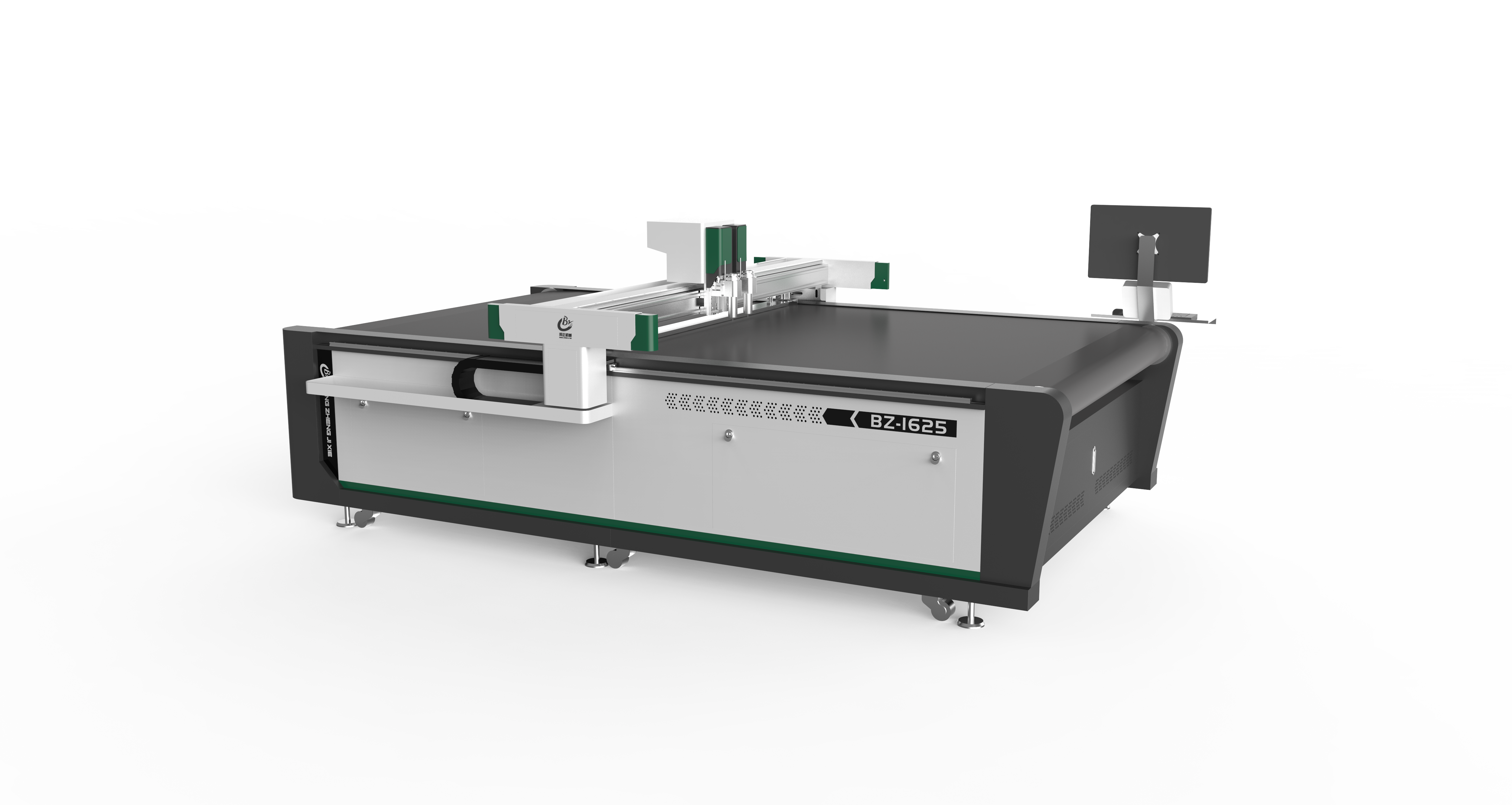
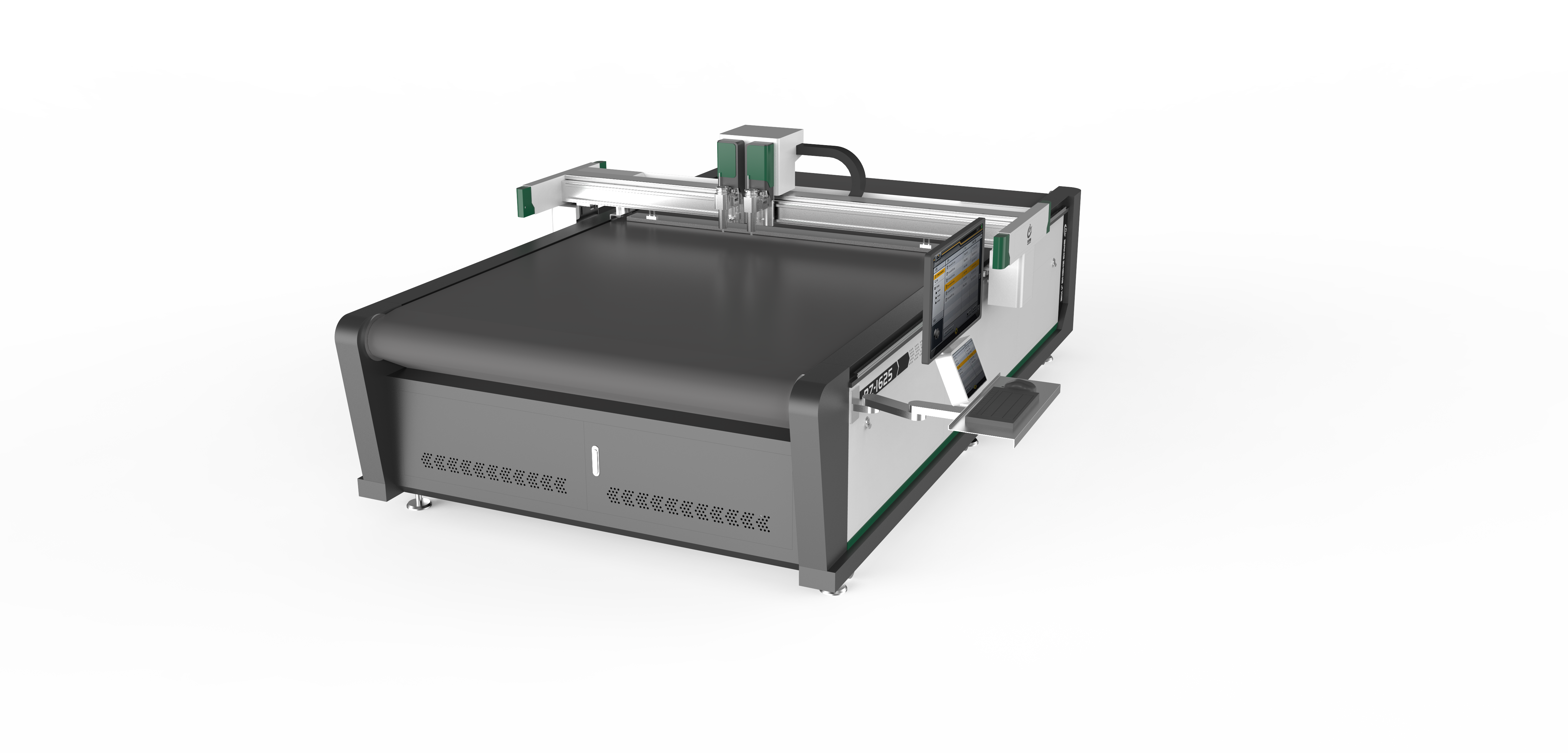
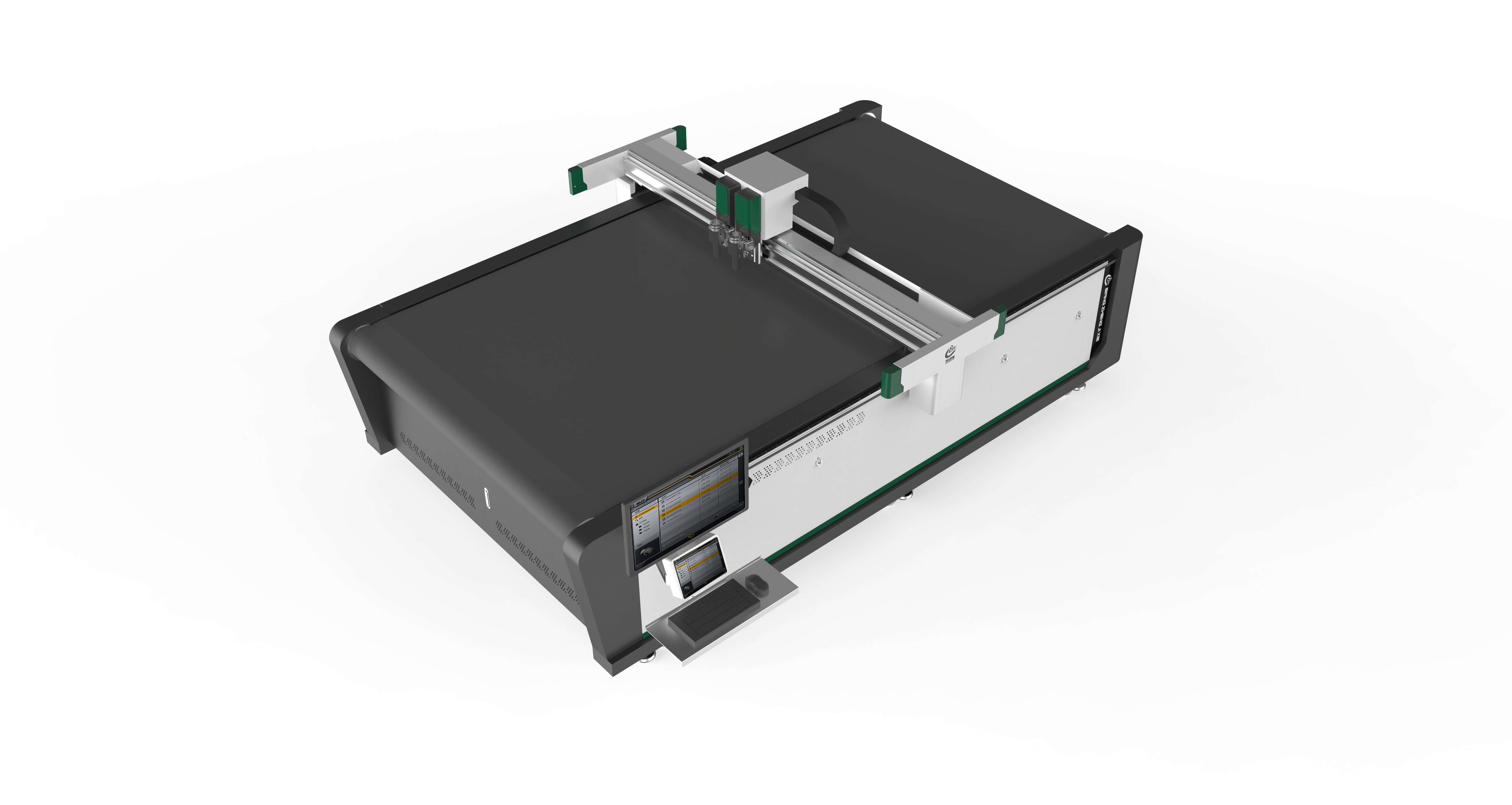
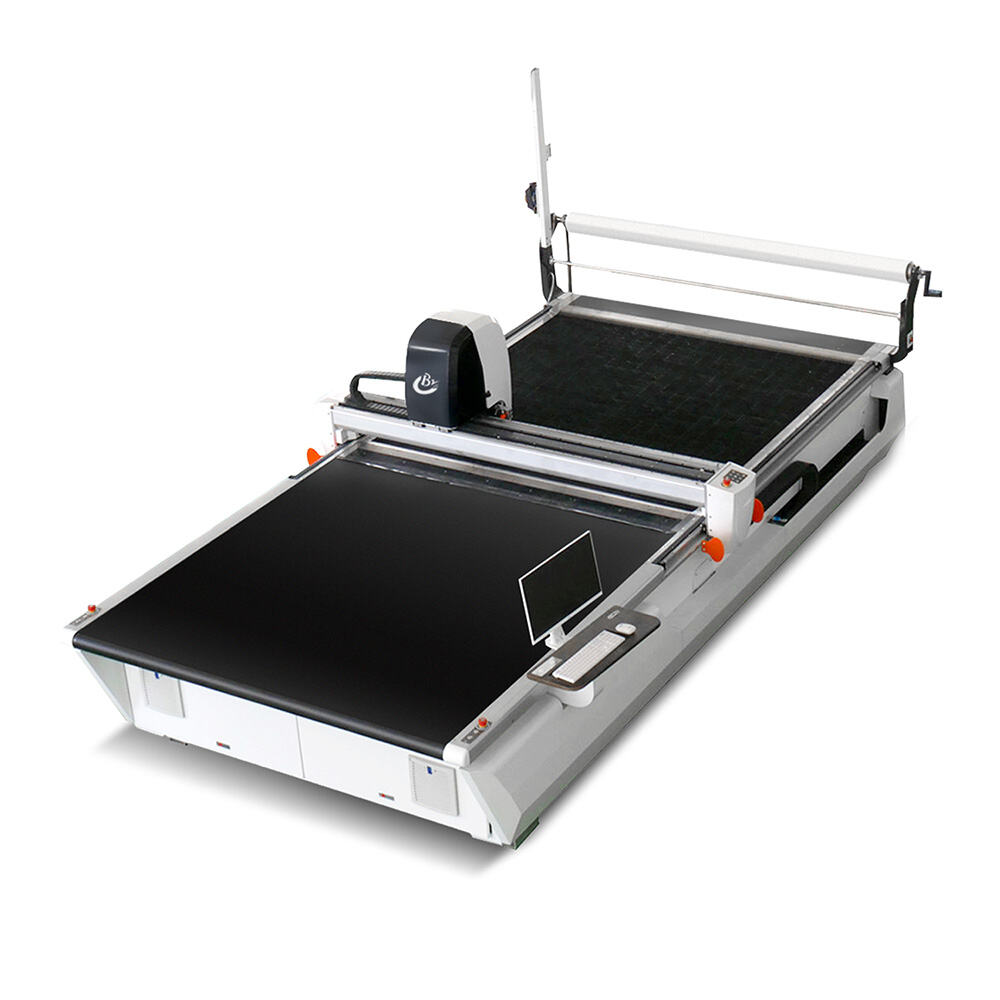
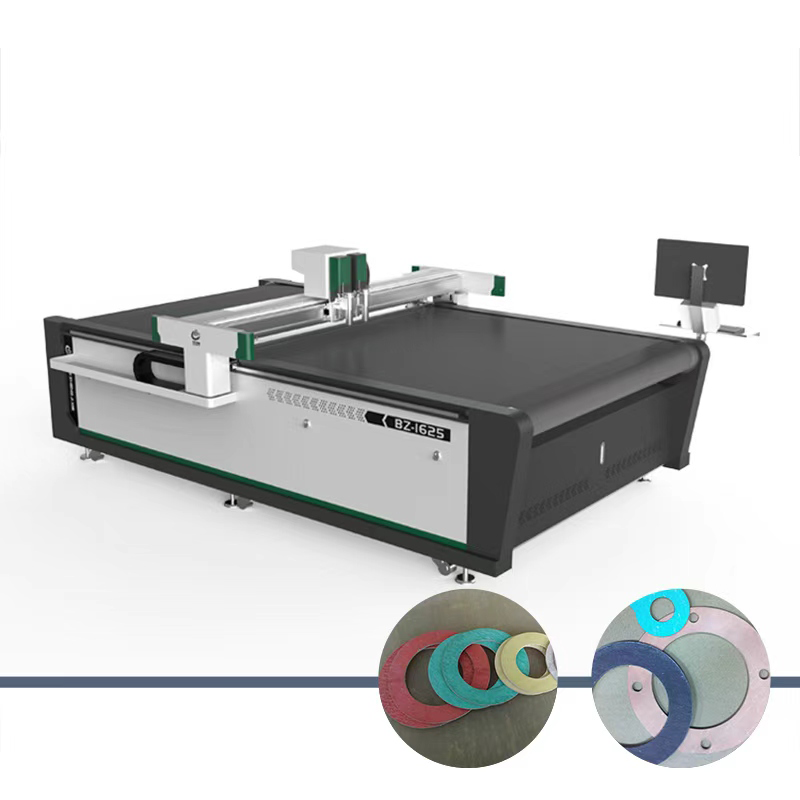
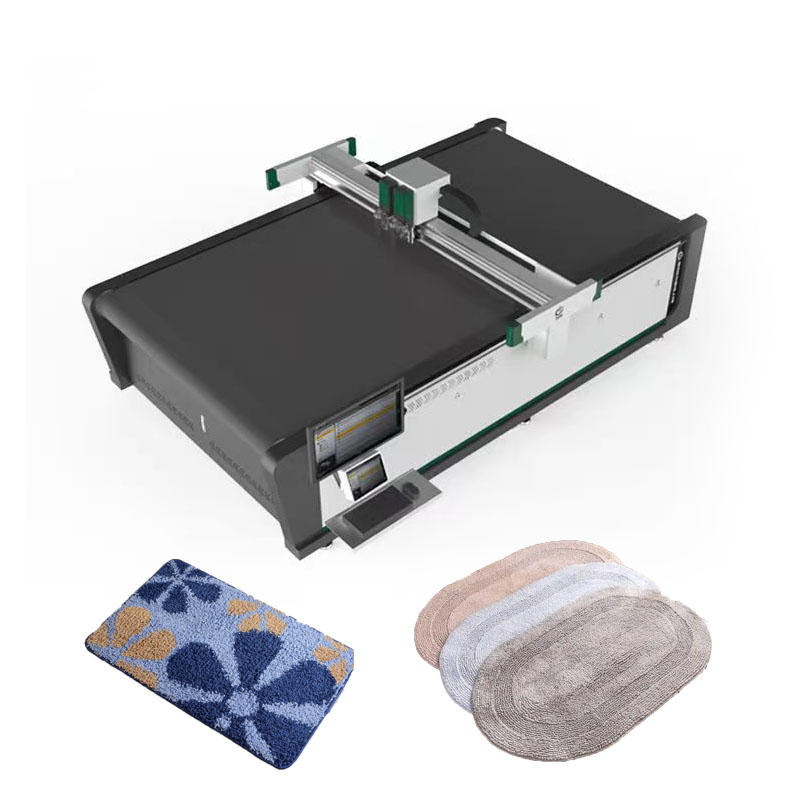
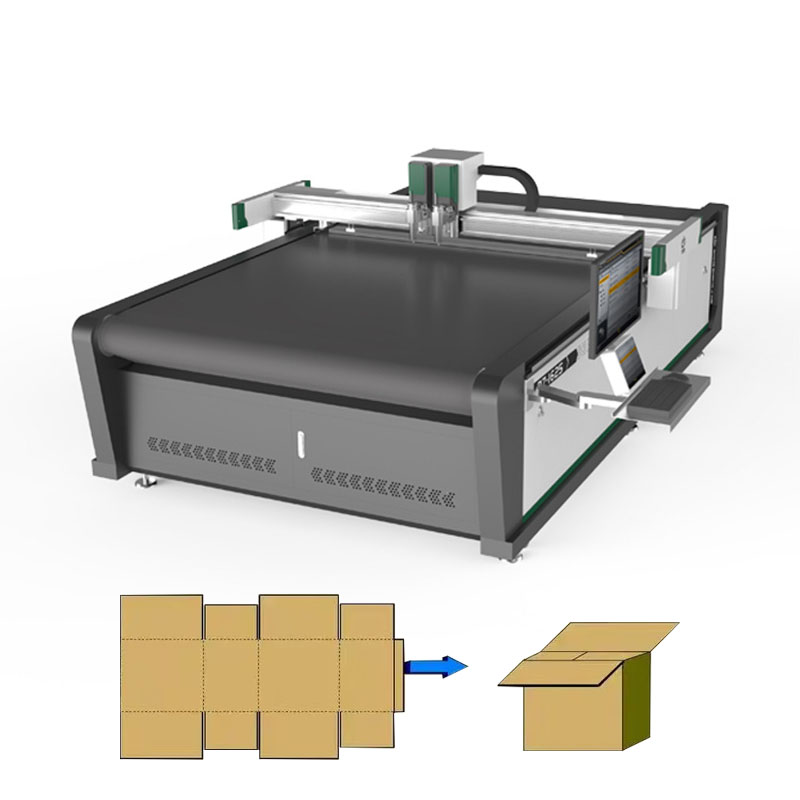
A non woven cutting machine represents a sophisticated industrial solution designed to precisely cut and shape non-woven fabrics across various manufacturing sectors. These specialized machines utilize advanced technology to process materials including polypropylene, polyester, cotton blends, and synthetic fibers commonly used in medical textiles, automotive components, filtration systems, and hygiene products. The primary function of a non woven cutting machine involves creating accurate cuts through single or multiple fabric layers while maintaining material integrity and preventing fraying or distortion. Modern non woven cutting machines incorporate servo-driven systems that ensure consistent cutting speeds and patterns, enabling manufacturers to achieve uniform product dimensions with minimal waste generation. The technological features encompass computer-controlled positioning systems, automatic material feeding mechanisms, and programmable cutting parameters that accommodate different fabric weights and thicknesses. Many units feature laser guidance systems for enhanced precision, ultrasonic cutting capabilities for heat-sensitive materials, and interchangeable cutting tools to handle diverse production requirements. Applications span numerous industries where non-woven materials play crucial roles, including medical device manufacturing for surgical gowns and masks, automotive sector for interior padding and insulation components, construction industry for geotextiles and building wraps, and consumer goods production for cleaning wipes and disposable products. The versatility of non woven cutting machines makes them indispensable for manufacturers seeking to streamline production processes while maintaining high-quality standards. These machines support both small-batch custom orders and large-scale industrial production, offering flexible solutions that adapt to changing market demands and product specifications.


New Products

Non woven cutting machines deliver substantial operational benefits that directly impact manufacturing efficiency and profitability for businesses across multiple industries. These machines significantly reduce labor costs by automating previously manual cutting processes, allowing a single operator to manage multiple cutting stations simultaneously while achieving consistent results that surpass hand-cutting accuracy. The precision cutting capabilities eliminate material waste, which translates to immediate cost savings particularly important when processing expensive specialty fabrics or working with tight profit margins. Production speed increases dramatically compared to traditional cutting methods, with modern non woven cutting machines capable of processing hundreds of pieces per hour depending on complexity and material specifications. This enhanced throughput enables manufacturers to meet demanding delivery schedules and scale operations efficiently without proportional increases in labor requirements. Quality consistency represents another major advantage, as computerized controls ensure every cut meets exact specifications, reducing defect rates and customer complaints while building brand reputation for reliability. The machines offer remarkable versatility in handling various material types and thicknesses, from delicate medical-grade fabrics to robust industrial textiles, making them suitable for diverse product lines within single facilities. Maintenance requirements remain minimal due to robust construction and quality components, resulting in extended operational lifespans and reduced downtime costs. Safety features integrated into modern non woven cutting machines protect operators while maintaining productivity, including emergency stop systems, protective guards, and automated material handling that minimizes direct contact with cutting tools. Environmental benefits include reduced waste generation through optimized cutting patterns and lower energy consumption compared to alternative cutting methods. The machines support sustainable manufacturing practices by maximizing material utilization and reducing overall environmental footprint. Return on investment typically occurs within the first year of operation for most manufacturers, making non woven cutting machines financially attractive capital equipment purchases that continue delivering value throughout their operational life.

Tips And Tricks

Bangzheng Multi-Layer Fabric Cutting Machine: A Cutting Innovator in the Era of Intelligent Manufacturing

30

Jan

Bangzheng Multi-Layer Fabric Cutting Machine: A Cutting Innovator in the Era of Intelligent Manufacturing

View More
Bangzheng Vibrating Knife Fabric Cutting Machine: Intelligent Precision Redefining Industry Cutting Standards

30

Jan

Bangzheng Vibrating Knife Fabric Cutting Machine: Intelligent Precision Redefining Industry Cutting Standards

View More
Bangzheng Intelligent Leather Cutting Machine: High-Precision Digital Solution for Modern Leather Processing

10

Mar

Bangzheng Intelligent Leather Cutting Machine: High-Precision Digital Solution for Modern Leather Processing

View More

Get a Free Quote

Our representative will contact you soon.
Email
Name
Company Name
Message
0/1000

non woven cutting machine

Advanced Precision Control Technology

Advanced Precision Control Technology

The precision control technology integrated within modern non woven cutting machines represents a revolutionary advancement that transforms manufacturing capabilities for businesses processing non-woven materials. This sophisticated system combines computer-aided design integration with servo-driven actuators to achieve cutting tolerances as tight as plus or minus 0.1 millimeters, ensuring exceptional consistency across production runs. The technology employs advanced sensor systems that continuously monitor material position, thickness variations, and cutting tool performance, automatically adjusting parameters to maintain optimal results throughout extended operation periods. Real-time feedback mechanisms detect material irregularities and compensate accordingly, preventing defects before they occur and maintaining product quality standards that exceed customer expectations. The precision control system supports complex cutting patterns including curved lines, intricate shapes, and multi-directional cuts that would be impossible to achieve consistently through manual methods. Programmable memory functions store hundreds of cutting patterns, enabling rapid changeovers between different products without setup delays or operator training requirements. The technology accommodates various material weights and densities automatically, adjusting cutting speed, pressure, and blade selection to optimize results for each specific application. Quality assurance features include pattern verification systems that confirm each cut meets programmed specifications before advancing to subsequent operations, eliminating defective products from reaching downstream processes. The precision control technology integrates seamlessly with existing manufacturing execution systems, providing real-time production data and performance metrics that support continuous improvement initiatives. This advanced capability enables manufacturers to compete effectively in markets demanding high-precision components while maintaining cost-competitive pricing structures that support business growth and profitability.
Multi-Material Processing Versatility

Multi-Material Processing Versatility

Multi-material processing versatility distinguishes premium non woven cutting machines as indispensable assets for manufacturers serving diverse market segments with varying material requirements and specifications. These machines demonstrate exceptional adaptability by processing materials ranging from ultra-lightweight medical-grade fabrics weighing less than 10 grams per square meter to heavy-duty industrial textiles exceeding 500 grams per square meter without requiring extensive reconfiguration or tool changes. The versatility extends beyond weight variations to encompass different fiber compositions including natural cotton, synthetic polyester, polypropylene blends, and specialized composite materials used in advanced applications. Advanced material handling systems automatically adjust feeding mechanisms, cutting pressures, and blade selections based on detected material properties, ensuring optimal processing conditions for each substrate type. This capability eliminates the need for multiple specialized machines, reducing capital equipment costs and facility space requirements while simplifying operator training and maintenance procedures. The machines successfully process materials with varying structural characteristics including calendered surfaces, textured finishes, laminated constructions, and reinforced compositions commonly found in automotive, medical, and filtration applications. Specialized cutting technologies within these versatile systems include ultrasonic cutting for heat-sensitive materials, rotary blade cutting for thick substrates, and reciprocating knife cutting for precise edge finishing. The multi-material capability supports manufacturers pursuing market diversification strategies by enabling single equipment investments to serve multiple product lines and customer segments. Quality consistency remains constant across all material types due to adaptive control systems that automatically optimize processing parameters for each substrate. This versatility proves particularly valuable for job shops and contract manufacturers serving multiple industries, as it maximizes equipment utilization while providing flexibility to accept diverse customer requirements without significant setup changes or production delays.
Automated Production Integration

Automated Production Integration

Automated production integration capabilities of modern non woven cutting machines enable seamless incorporation into comprehensive manufacturing systems, delivering substantial operational improvements and supporting Industry 4.0 manufacturing initiatives. These machines feature sophisticated communication protocols that interface directly with enterprise resource planning systems, manufacturing execution systems, and quality management platforms to create fully integrated production environments. Real-time data exchange capabilities provide instant visibility into production status, material consumption rates, equipment performance metrics, and quality indicators that support proactive decision-making and rapid response to changing production requirements. The integration extends to upstream and downstream processes through automated material handling systems that eliminate manual material transfer, reducing labor requirements while preventing contamination and handling damage. Robotic loading and unloading systems work seamlessly with the non woven cutting machine to create continuous production flows that operate with minimal human intervention, significantly improving throughput while reducing labor costs. Predictive maintenance algorithms monitor equipment performance continuously, analyzing vibration patterns, cutting force variations, and tool wear indicators to schedule maintenance activities during planned downtime periods rather than unexpected breakdowns. The integration capabilities support lean manufacturing principles by providing real-time inventory tracking, automatic material replenishment signals, and production scheduling optimization based on actual equipment capacity and performance data. Quality control integration includes automatic inspection systems that verify cut dimensions, edge quality, and pattern accuracy, routing defective products to rework stations while maintaining production flow continuity. Advanced reporting capabilities generate comprehensive production reports, efficiency analyses, and trend data that support continuous improvement initiatives and operational optimization efforts. This automated integration transforms traditional manufacturing operations into smart factories that respond dynamically to market demands while maintaining consistent quality standards and optimal resource utilization throughout production processes.

Get a Free Quote

Our representative will contact you soon.
Email
Name
Company Name
Message
0/1000