Intelligent Material Recognition and Adaptive Cutting Optimization
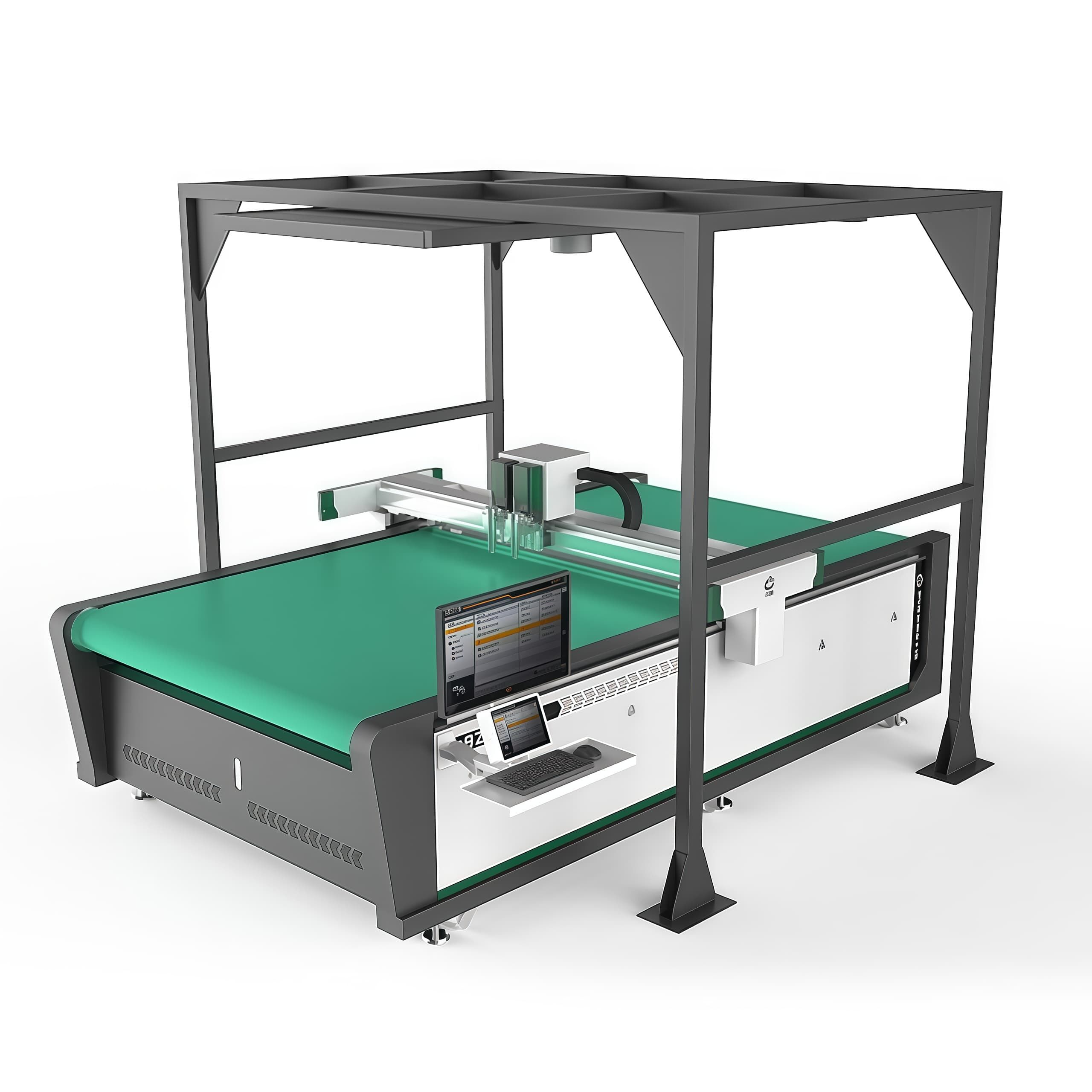
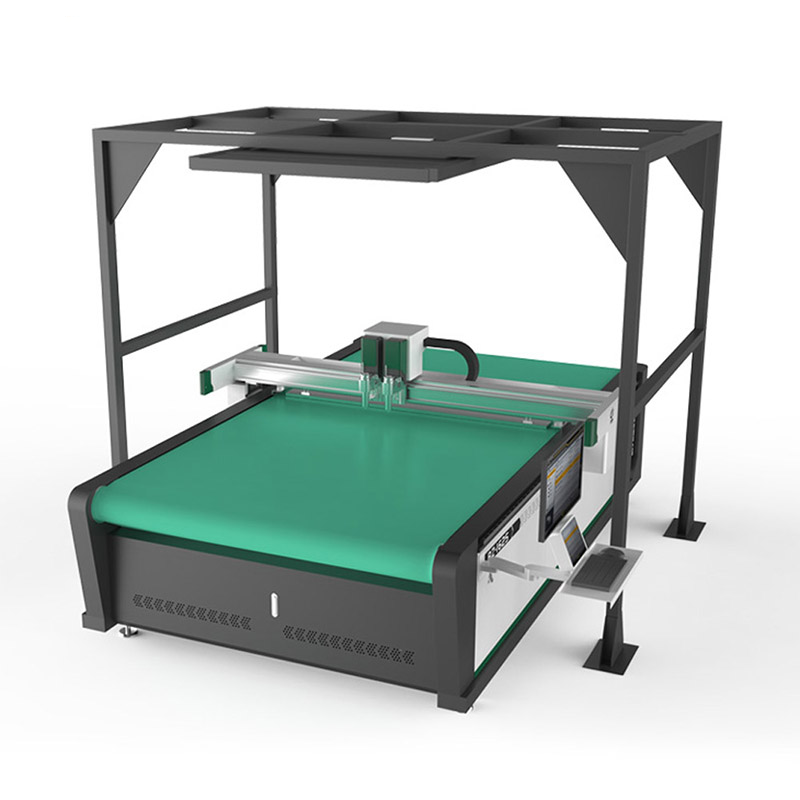
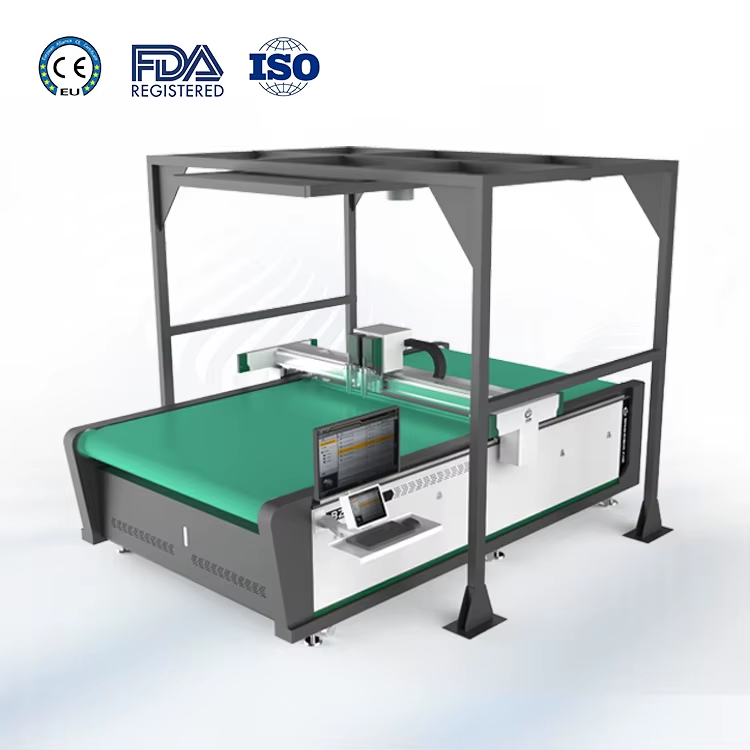
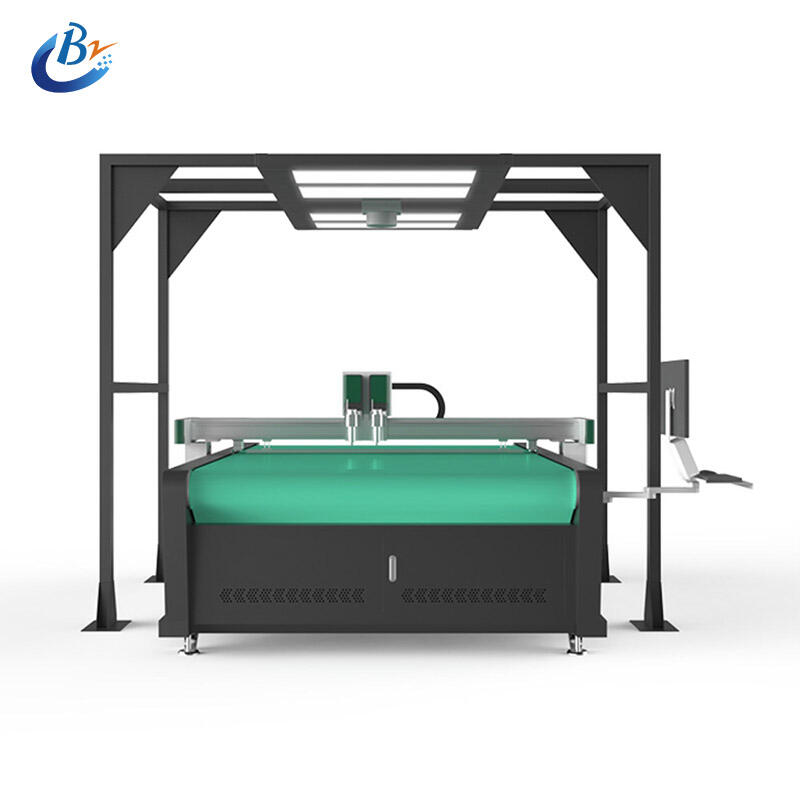
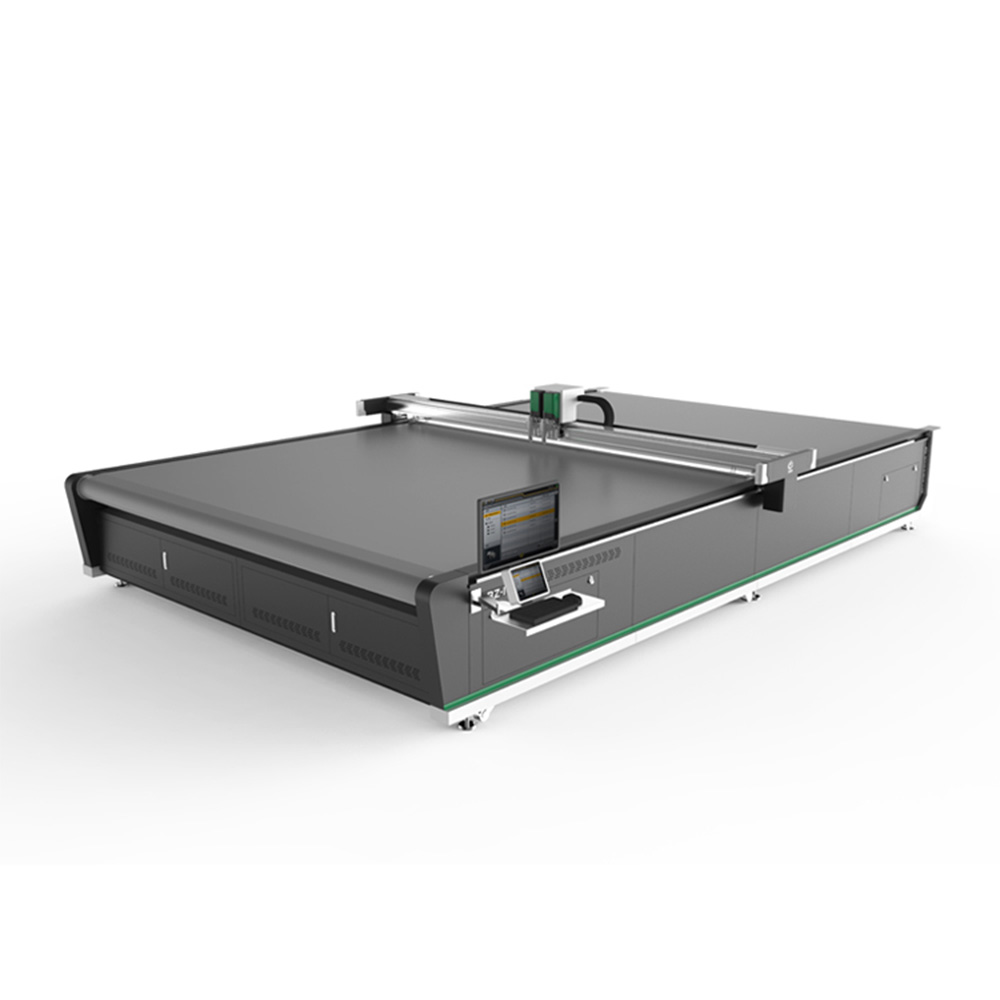
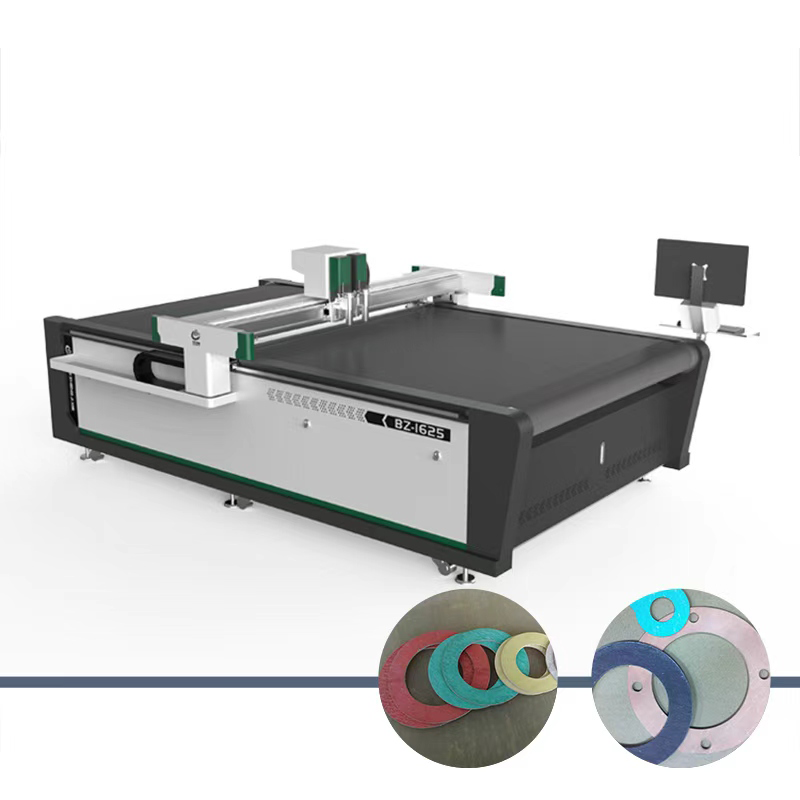
The leather cutting cnc machine features sophisticated intelligent material recognition technology that automatically identifies leather characteristics and optimizes cutting parameters in real-time, eliminating guesswork and ensuring optimal results across diverse material types and conditions. This advanced system employs high-resolution cameras and sensors that scan the entire material surface before cutting begins, creating detailed maps that identify variations in thickness, texture, grain direction, defects, and color consistency throughout the leather piece. The recognition system builds comprehensive material profiles that include density measurements, flexibility assessments, and surface condition evaluations, enabling the machine to automatically select appropriate cutting speeds, blade pressures, and tool configurations for each specific area of the material. Machine learning algorithms continuously improve recognition accuracy by analyzing cutting results and correlating them with initial material assessments, creating an ever-expanding database of material characteristics and optimal processing parameters. The adaptive cutting optimization feature automatically adjusts cutting paths to work with natural grain directions, minimizing stress on the leather and producing cleaner, more durable edges that require minimal post-processing finishing. Defect avoidance capabilities allow the system to identify flaws, scratches, scars, or inconsistencies in the leather surface and automatically modify cutting patterns to avoid these areas or relocate pattern pieces to unblemished sections of the material. This intelligent adaptation reduces material waste while ensuring that only high-quality leather sections are incorporated into finished products. The system maintains detailed records of material utilization and cutting optimization decisions, providing valuable data for inventory management, quality control, and cost analysis purposes. Real-time parameter adjustment ensures consistent cutting quality even when processing materials with varying characteristics within the same piece, automatically compensating for thickness variations, density changes, or surface irregularities without operator intervention. The technology proves particularly valuable when processing exotic leathers, recycled materials, or synthetic alternatives that may exhibit inconsistent properties throughout their surface area. Advanced pattern nesting algorithms work in conjunction with material recognition data to position cutting patterns in optimal locations that maximize material utilization while avoiding defective areas, significantly improving yield rates and reducing waste. This intelligent approach to material processing enables manufacturers to achieve consistent, high-quality results while minimizing material costs and reducing the skill level required for machine operation.

 EN
EN