Professional Garment Cutting Machine for Small Business - Precision, Efficiency & Growth Solutions

All Categories

Get a Free Quote

Our representative will contact you soon.
Email
Name
Company Name
Message
0/1000

garment cutting machine for small business

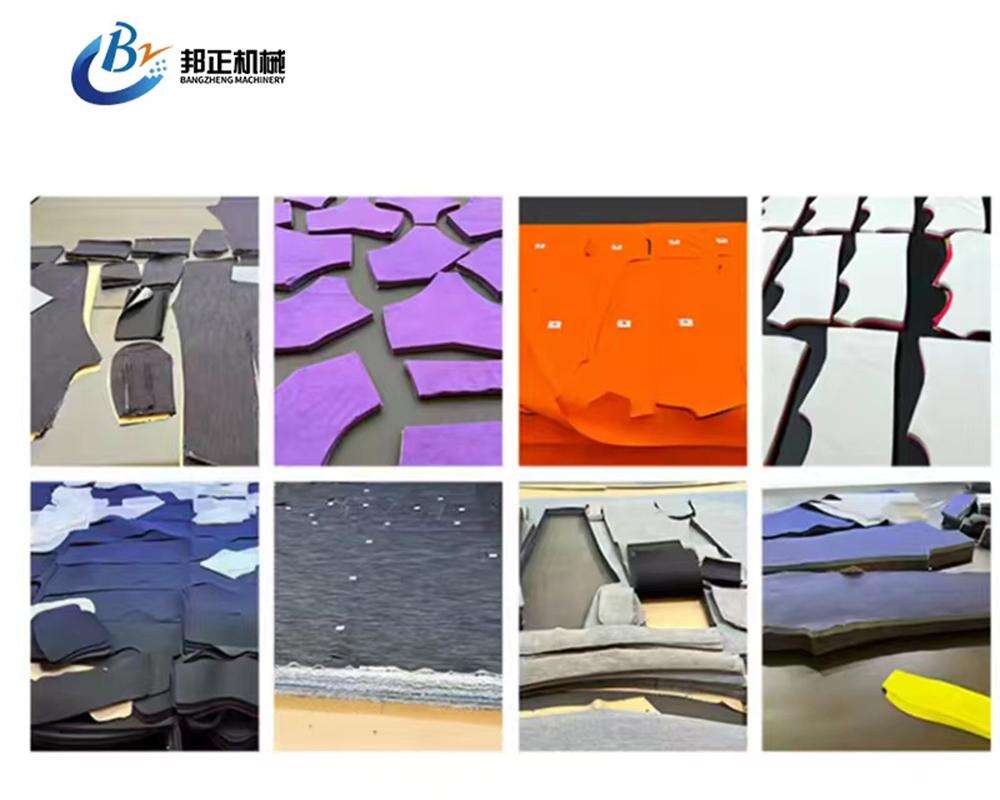
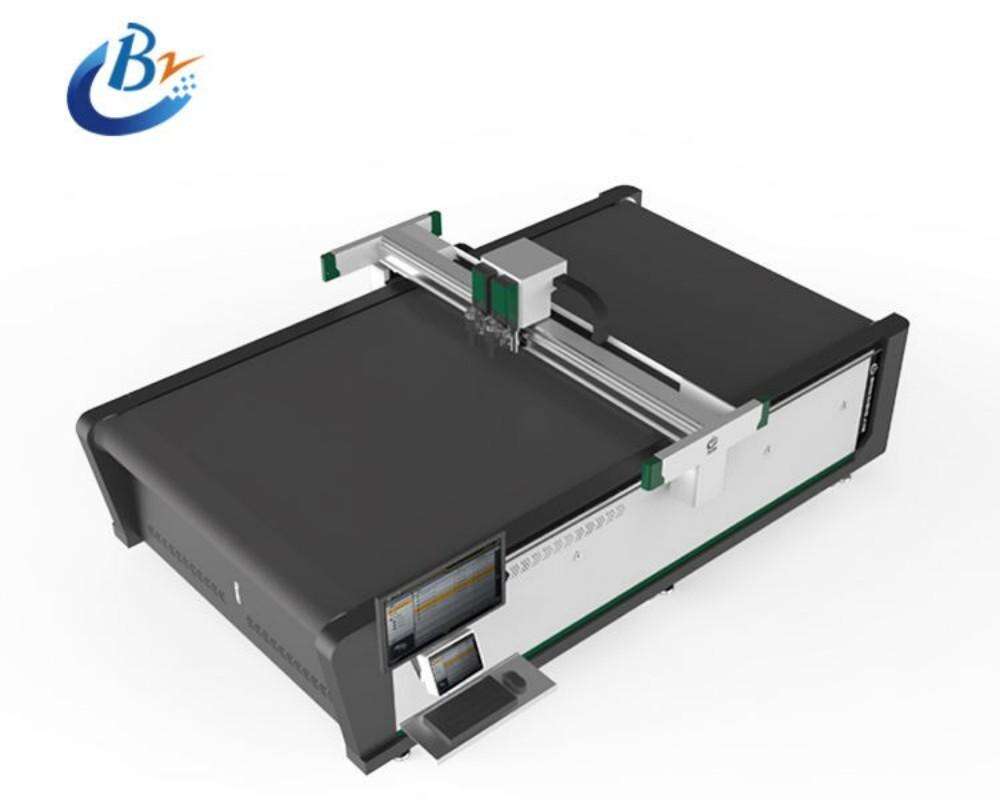
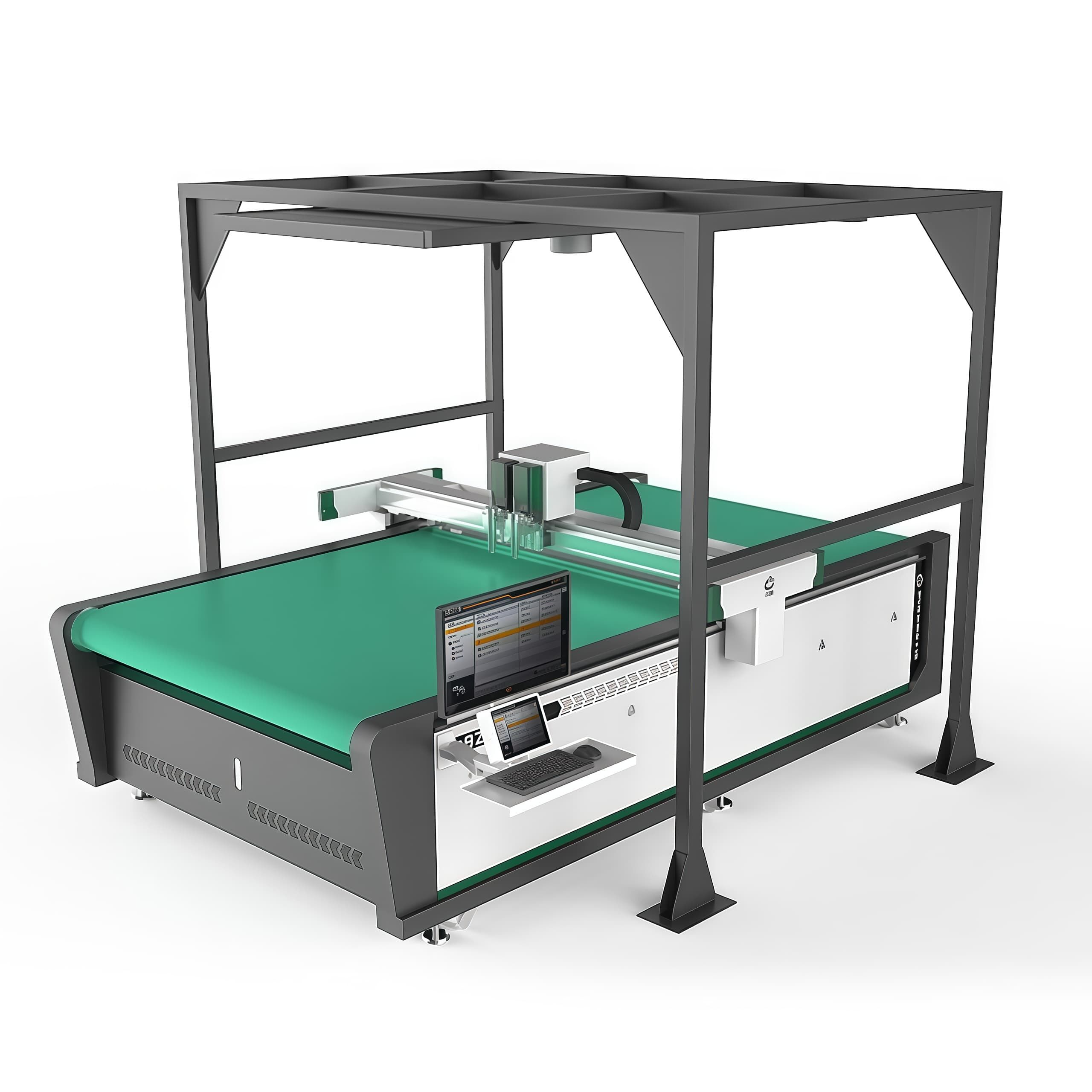
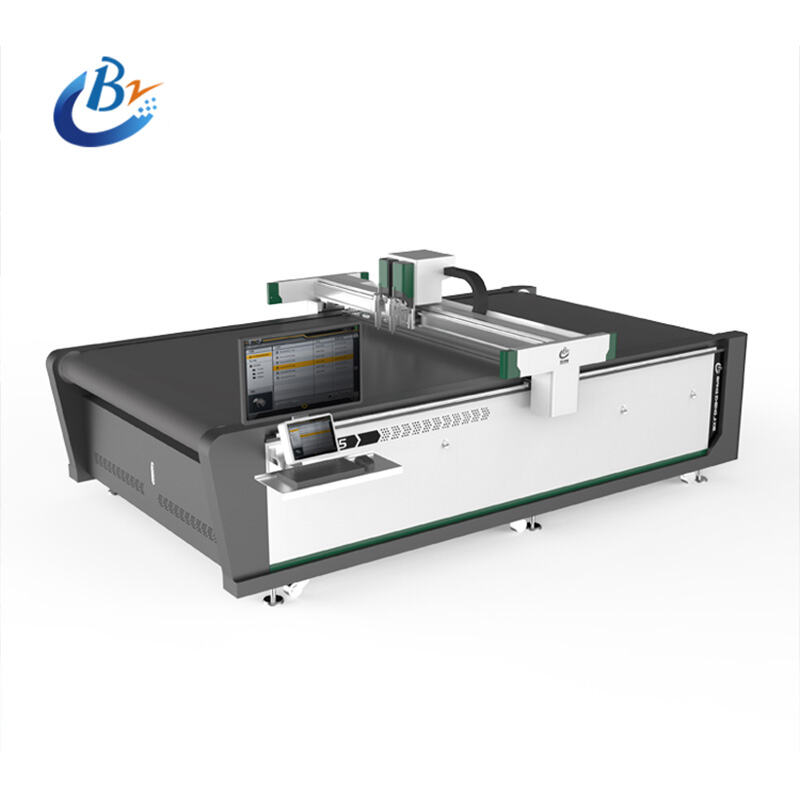
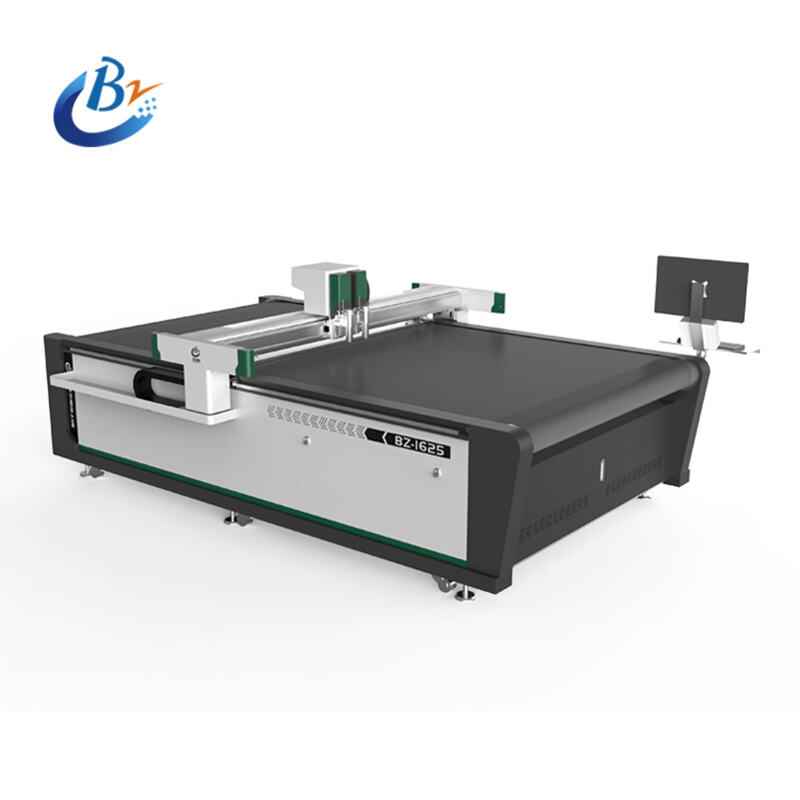
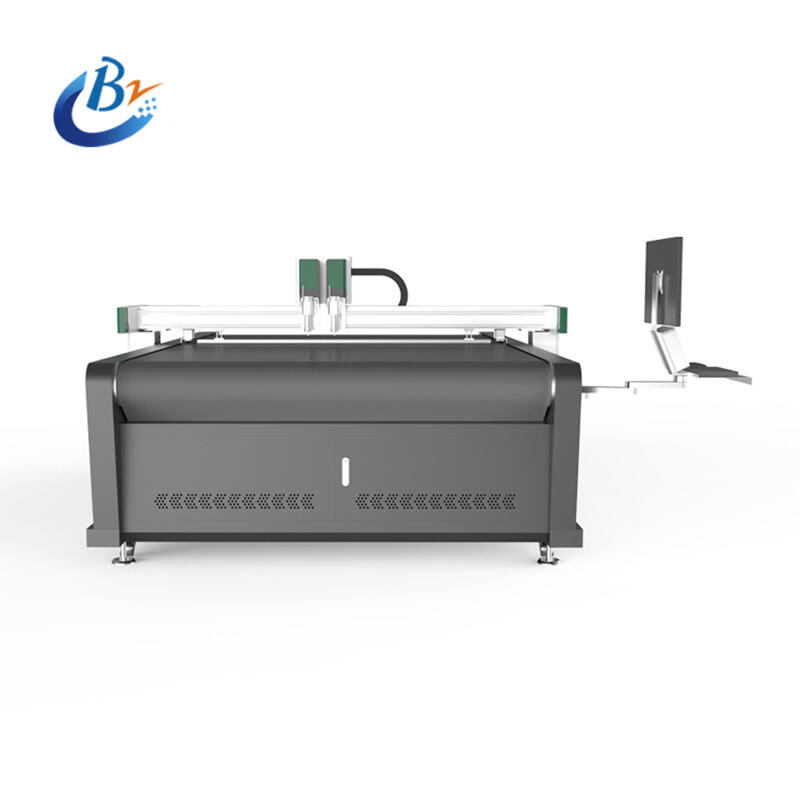
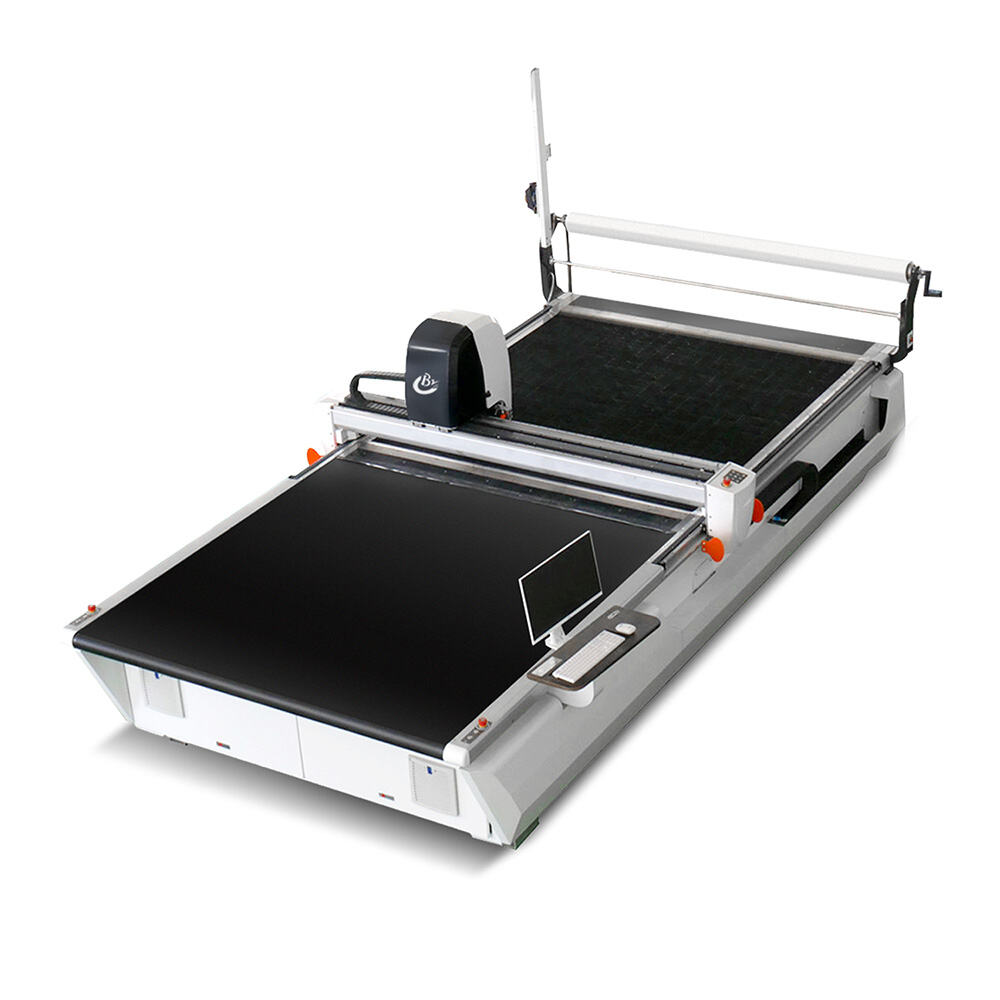
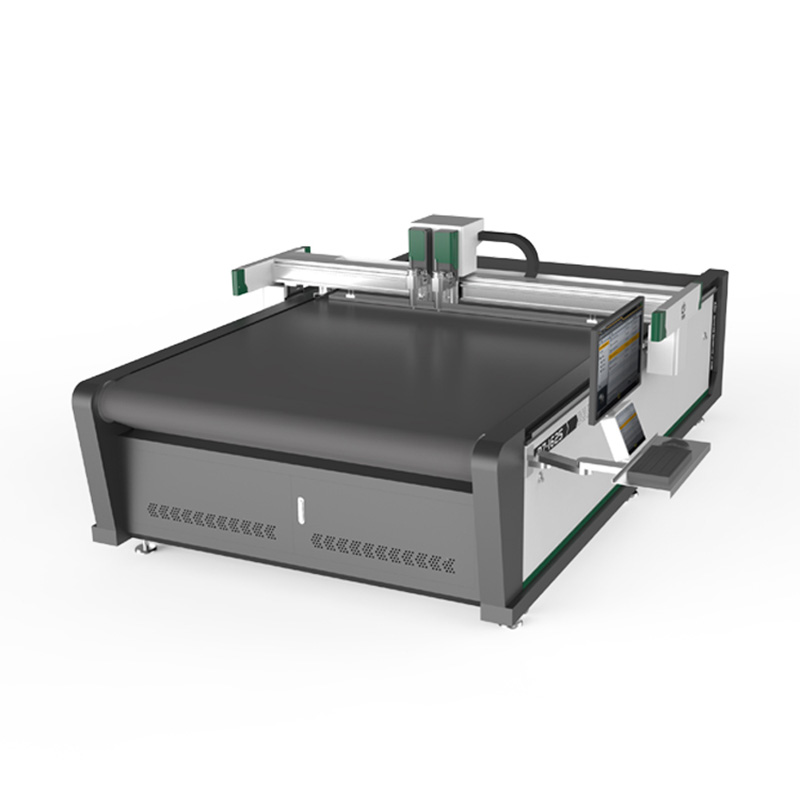
A garment cutting machine for small business represents a revolutionary tool that transforms fabric cutting operations from manual labor-intensive processes into precise, efficient, and automated workflows. These specialized machines are designed specifically to meet the unique needs of small-scale apparel manufacturers, independent designers, and boutique fashion houses who require professional-grade cutting capabilities without the massive investment typically associated with industrial equipment. The primary function of a garment cutting machine for small business centers around delivering accurate fabric cutting through computer-controlled systems that can handle multiple layers of fabric simultaneously while maintaining consistent precision across all cuts. Modern garment cutting machines for small business incorporate advanced technological features including CAD software integration, which allows users to import digital patterns directly from design programs, eliminating the need for physical pattern pieces and reducing material waste significantly. The laser guidance systems found in many garment cutting machine for small business models provide visual cutting lines that ensure operators maintain perfect accuracy throughout the cutting process. These machines typically feature adjustable cutting speeds and blade pressure settings, enabling users to work with diverse fabric types ranging from delicate silks to heavy denim materials. The automated blade sharpening systems integrated into advanced garment cutting machine for small business units maintain optimal cutting performance while reducing maintenance downtime. Applications for garment cutting machines in small business environments span across various sectors including custom tailoring shops, small-scale fashion production, prototype development, and sample making for larger manufacturers. Educational institutions teaching fashion design also benefit from these machines as training tools for students learning industry-standard cutting techniques. The versatility of a garment cutting machine for small business extends to non-apparel applications such as upholstery work, automotive interior manufacturing, and technical textile production, making these investments valuable for diversified small businesses seeking to expand their service offerings.


New Product Releases

Small businesses investing in a garment cutting machine experience immediate improvements in production efficiency, with cutting times reduced by up to 70 percent compared to traditional manual methods. This dramatic time savings allows small business owners to accept more orders and increase revenue without hiring additional staff members. The precision offered by a garment cutting machine for small business eliminates human error in cutting processes, resulting in consistent piece dimensions that reduce assembly time and improve finished product quality. Material waste reduction represents another significant advantage, as computer-controlled cutting optimizes fabric usage patterns and minimizes scraps, directly impacting profit margins for cost-conscious small businesses. Labor cost savings accumulate quickly when using a garment cutting machine for small business, as one operator can accomplish the work previously requiring multiple skilled cutters, freeing up human resources for other value-added activities such as design development or customer service. The repeatability factor ensures that every piece cut matches exactly with others in the same batch, creating uniformity that enhances brand reputation and customer satisfaction. Small businesses benefit from improved workplace safety when using garment cutting machines, as automated cutting reduces the risk of injuries associated with manual blade handling and repetitive motion strain. The learning curve for operating a garment cutting machine for small business remains manageable, with most operators becoming proficient within days rather than the months required to develop expert manual cutting skills. Scalability advantages emerge as businesses grow, since garment cutting machines can handle increased production volumes without proportional increases in labor costs or floor space requirements. Quality control becomes more predictable with garment cutting machine technology, as consistent cutting parameters eliminate variations that often occur with manual processes. The professional appearance of machine-cut garments helps small businesses compete more effectively with larger manufacturers, as end consumers cannot distinguish between products cut on expensive industrial equipment versus appropriately sized garment cutting machines for small business operations. Return on investment typically occurs within the first year of operation for most small businesses, making garment cutting machines financially attractive investments that continue generating value for years beyond the initial payback period.

Tips And Tricks

Bangzheng Multi-Layer Fabric Cutting Machine: A Cutting Innovator in the Era of Intelligent Manufacturing

30

Jan

Bangzheng Multi-Layer Fabric Cutting Machine: A Cutting Innovator in the Era of Intelligent Manufacturing

View More
Bangzheng Vibrating Knife Fabric Cutting Machine: Intelligent Precision Redefining Industry Cutting Standards

30

Jan

Bangzheng Vibrating Knife Fabric Cutting Machine: Intelligent Precision Redefining Industry Cutting Standards

View More
Bangzheng Intelligent Leather Cutting Machine: High-Precision Digital Solution for Modern Leather Processing

10

Mar

Bangzheng Intelligent Leather Cutting Machine: High-Precision Digital Solution for Modern Leather Processing

View More

Get a Free Quote

Our representative will contact you soon.
Email
Name
Company Name
Message
0/1000

garment cutting machine for small business

Advanced Pattern Recognition and Material Optimization Technology

Advanced Pattern Recognition and Material Optimization Technology

The sophisticated pattern recognition system integrated into modern garment cutting machines for small business represents a quantum leap in cutting efficiency and material utilization. This technology employs intelligent algorithms that analyze fabric patterns, grain direction, and defect locations to automatically position cutting layouts for maximum material usage while maintaining pattern integrity. The system can identify and work around fabric flaws, ensuring that defective areas are excluded from critical garment pieces, thereby reducing rejection rates and material waste. Small business owners benefit enormously from this feature as it directly translates to cost savings and improved profit margins. The pattern recognition capability extends beyond simple geometric shapes to accommodate complex curved seams, notches, and intricate design elements that characterize high-end fashion pieces. When multiple fabric layers are processed simultaneously, the garment cutting machine for small business maintains precise registration between layers, ensuring that all pieces remain perfectly aligned throughout the cutting process. This technological advancement eliminates the need for experienced pattern makers to manually plan cutting layouts, democratizing access to professional-grade efficiency for small business operators who may lack extensive industry experience. The material optimization algorithms continuously learn from cutting patterns, becoming more efficient over time as they build databases of successful layouts for different fabric types and garment styles. Real-time feedback systems alert operators to potential material shortages or layout inefficiencies before cutting begins, allowing for adjustments that maximize yield from expensive fabrics. The integration with inventory management systems enables automatic calculation of material requirements for production runs, streamlining procurement processes and reducing carrying costs for small businesses operating with limited working capital. This feature proves particularly valuable for custom garment manufacturers who work with unique fabric selections for individual clients, as the system can instantly determine feasibility and material requirements for specific orders.
Modular Expandability and Multi-Material Versatility

Modular Expandability and Multi-Material Versatility

The modular design philosophy underlying garment cutting machines for small business creates unprecedented flexibility for growing enterprises seeking to expand their capabilities without replacing entire systems. This expandability feature allows small business owners to start with basic cutting functionality and systematically add advanced modules such as automated material handling, multi-head cutting systems, or specialized blade assemblies as their operations scale. The investment protection offered by modular expandability ensures that initial purchases remain relevant and valuable even as business requirements evolve. Material versatility represents another cornerstone advantage, as these machines accommodate an extensive range of textiles from gossamer-thin organza to robust canvas materials weighing several ounces per square yard. The automatic blade selection and pressure adjustment systems recognize different material characteristics and optimize cutting parameters accordingly, eliminating the guesswork traditionally associated with processing diverse fabric types. Small businesses serving varied market segments benefit tremendously from this versatility, as a single garment cutting machine for small business can handle wedding dress production in the morning and heavy-duty workwear manufacturing in the afternoon without requiring manual recalibration or tool changes. The quick-change blade systems enable rapid transitions between material types, minimizing downtime and maximizing productive hours. Specialized cutting heads designed for specific applications, such as bias cutting or pile fabric handling, can be swapped in minutes rather than hours required for traditional machine modifications. The material feed systems adapt automatically to different fabric weights and surface textures, maintaining consistent tension and preventing stretching or distortion during the cutting process. This adaptability proves crucial for small businesses working with technical textiles, performance fabrics, or specialty materials that require precise handling to maintain their engineered properties. The expandable workspace configurations allow small businesses to process larger pattern pieces as their product lines evolve toward bigger garments or home textile applications, ensuring long-term utility and return on investment.
Integrated Quality Control and Production Tracking Systems

Integrated Quality Control and Production Tracking Systems

The comprehensive quality control framework embedded within garment cutting machines for small business delivers real-time monitoring and documentation capabilities that rival those found in large-scale manufacturing facilities. This integrated approach combines optical inspection systems, dimensional verification technology, and automated defect detection to ensure every cut piece meets predetermined quality standards before proceeding to subsequent production stages. Small business owners gain tremendous value from these systems as they eliminate the need for separate quality control personnel while providing documented proof of compliance for customer audits or certification requirements. The production tracking components maintain detailed records of cutting activities, including material consumption, processing times, and operator performance metrics, enabling data-driven decisions about process improvements and capacity planning. Automated alerts notify operators immediately when cutting parameters drift outside acceptable tolerances, preventing the production of defective pieces that would otherwise result in costly rework or customer returns. The integration with enterprise resource planning systems allows seamless data flow between cutting operations and other business functions such as inventory management, scheduling, and customer relationship management. Traceability features create complete audit trails linking finished garments back to specific fabric lots and cutting sessions, supporting quality investigations and enabling rapid response to any field issues that may arise. The statistical process control capabilities identify trends in cutting performance before they result in quality problems, enabling proactive maintenance and process adjustments that maintain consistent output quality. Small businesses benefit from automated compliance reporting that simplifies regulatory submissions and customer quality audits, reducing administrative overhead while demonstrating professional operational standards. The integration of predictive maintenance algorithms monitors machine performance indicators and schedules service activities to prevent unexpected downtime, ensuring reliable operation during critical production periods. Real-time dashboard displays provide instant visibility into production metrics, enabling small business managers to make informed decisions about resource allocation and delivery commitments without requiring specialized technical expertise to interpret complex data outputs.

Get a Free Quote

Our representative will contact you soon.
Email
Name
Company Name
Message
0/1000