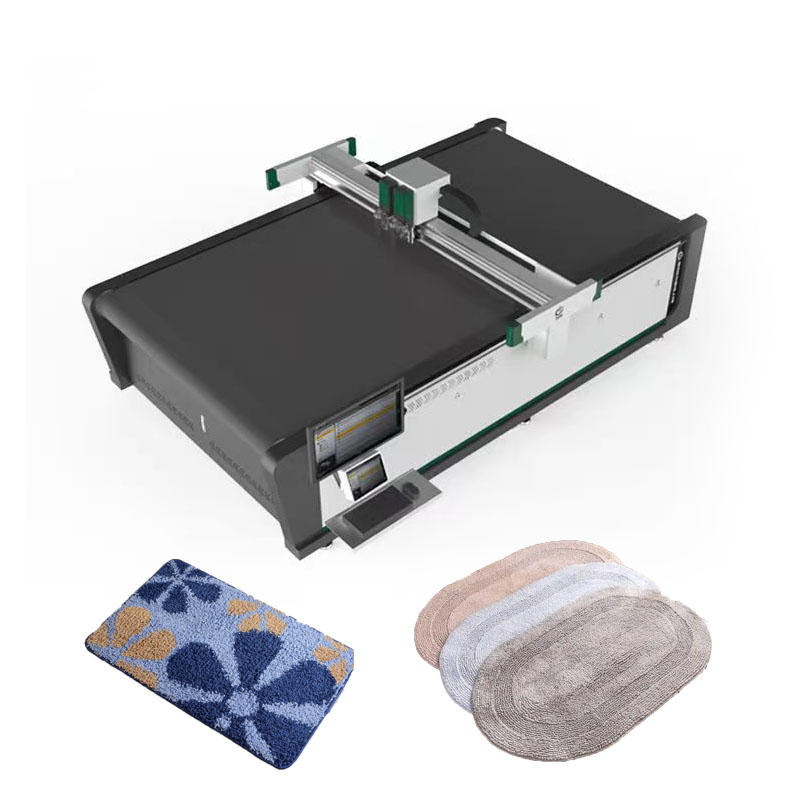
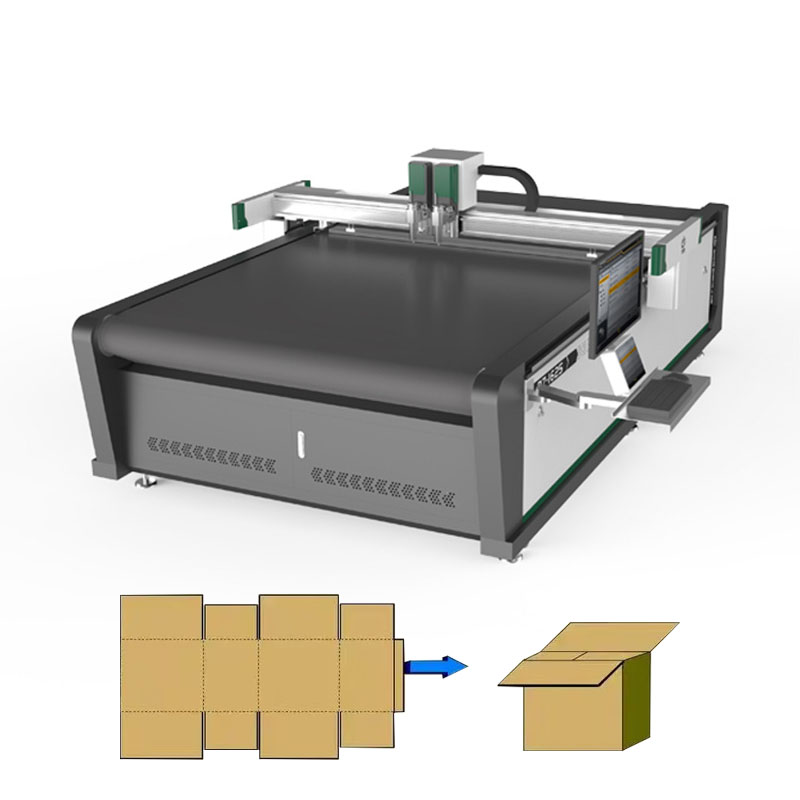
flatbed cnc cutting machine
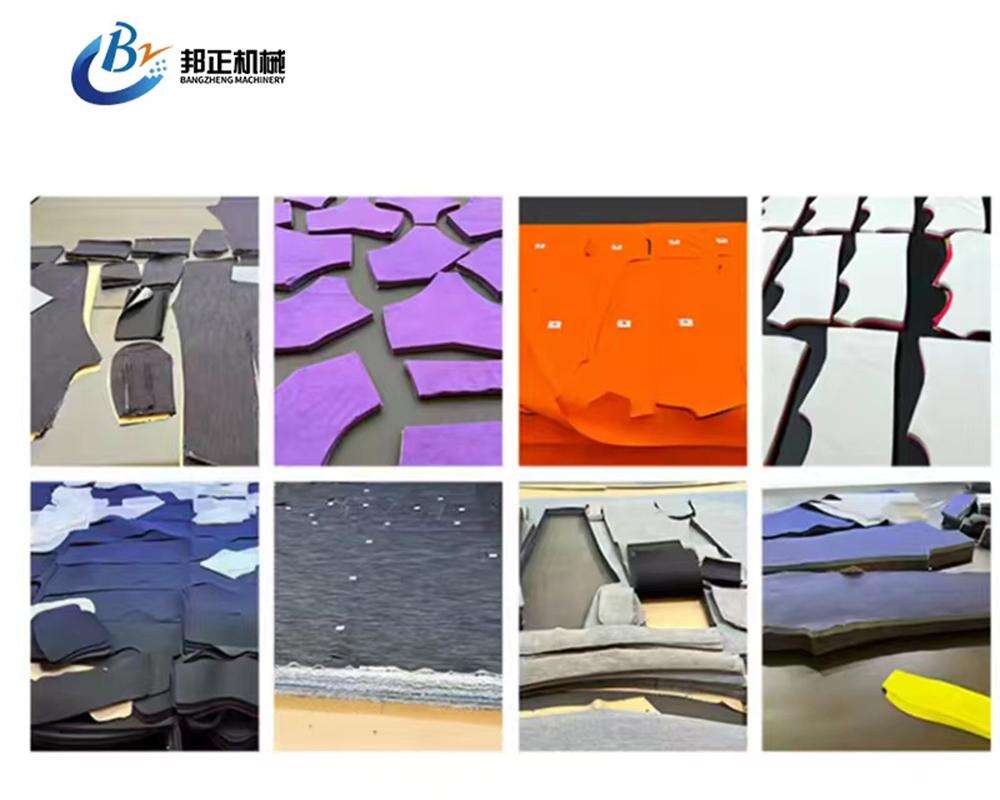
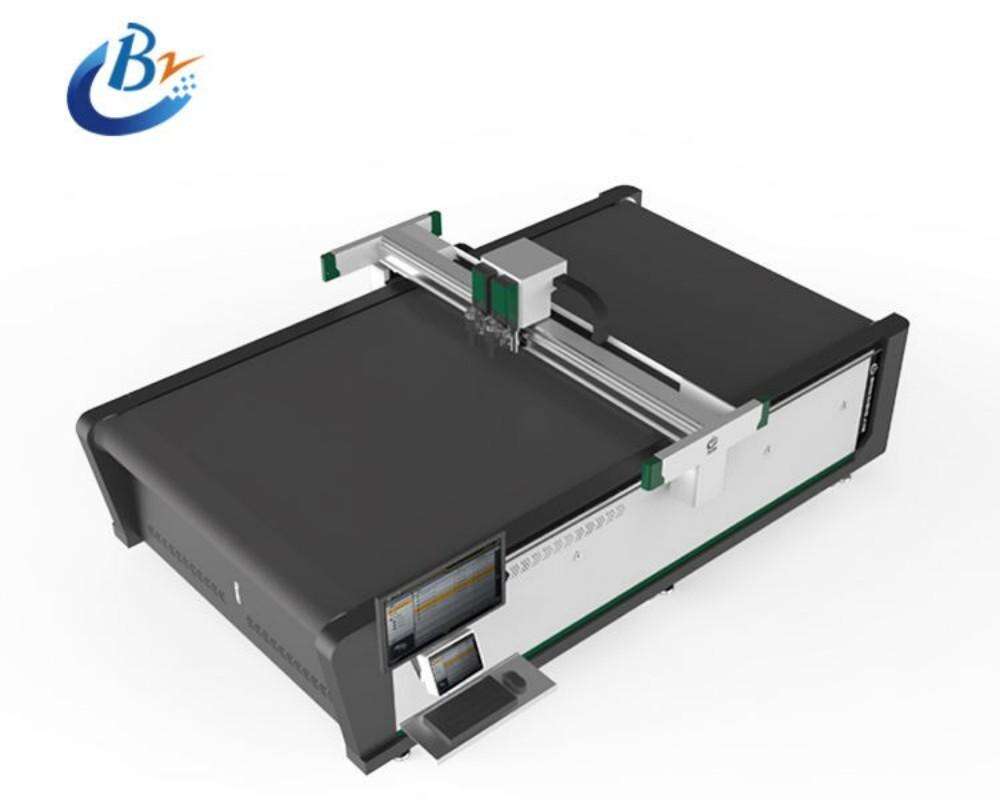
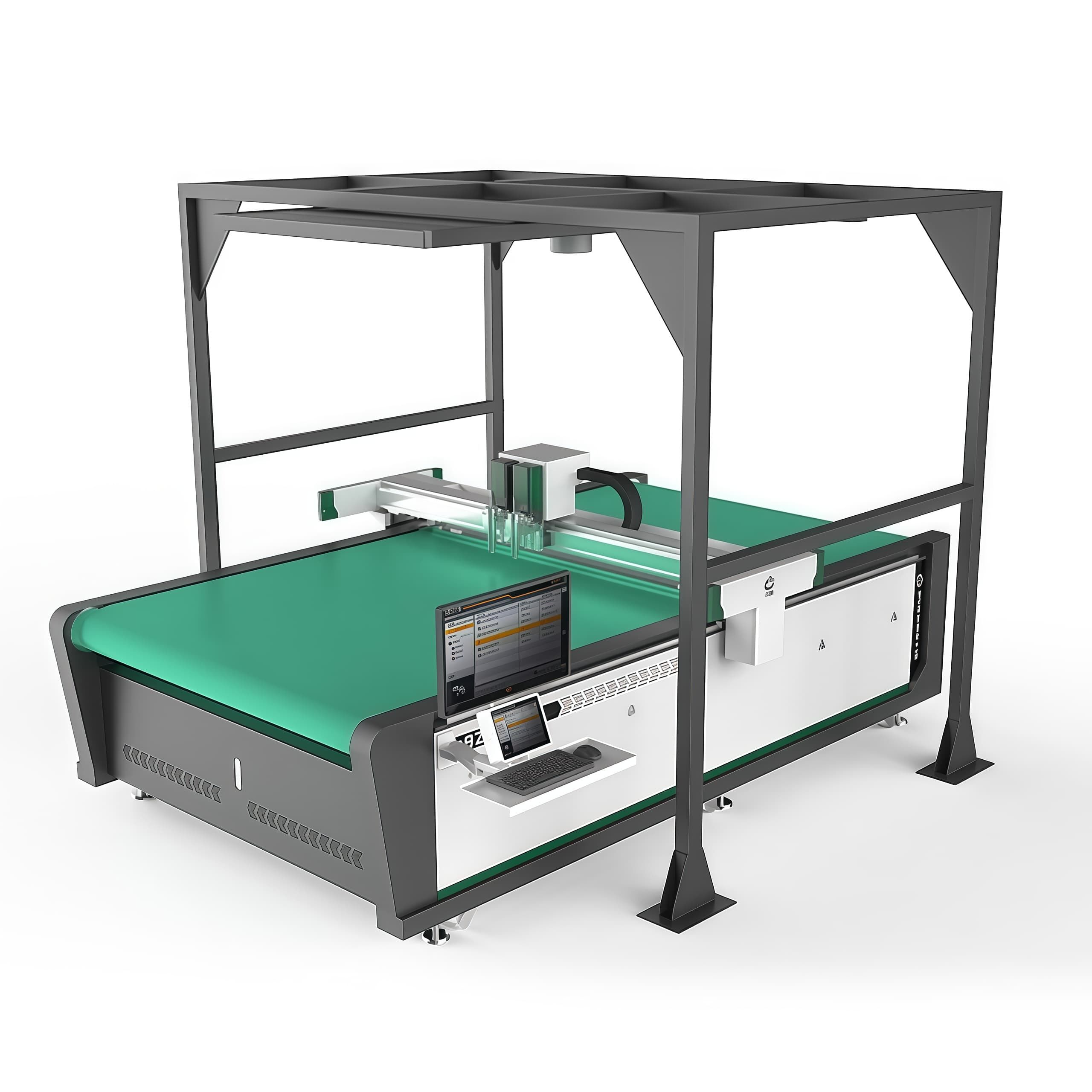
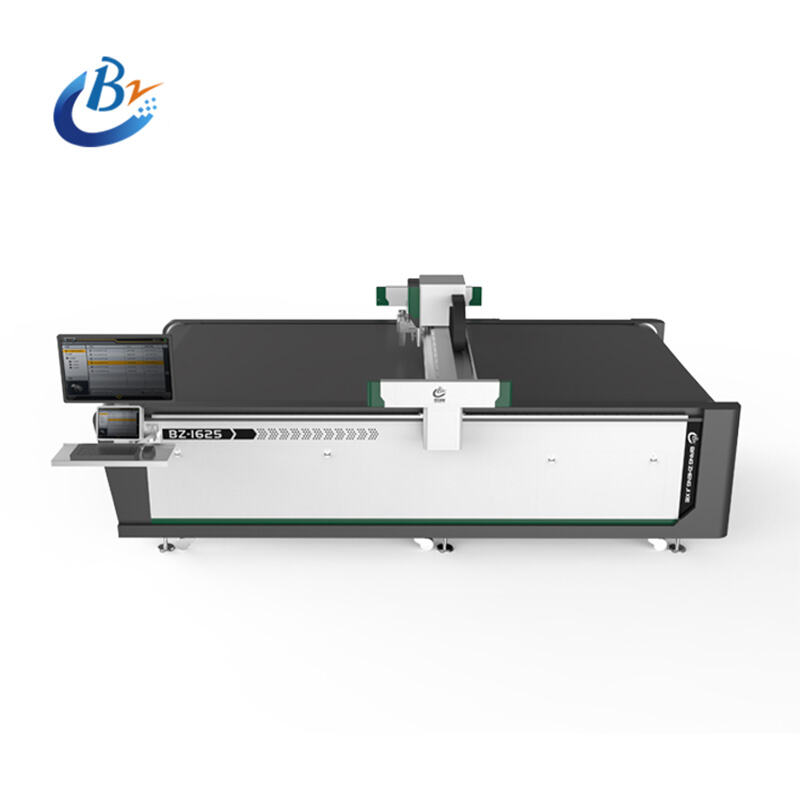
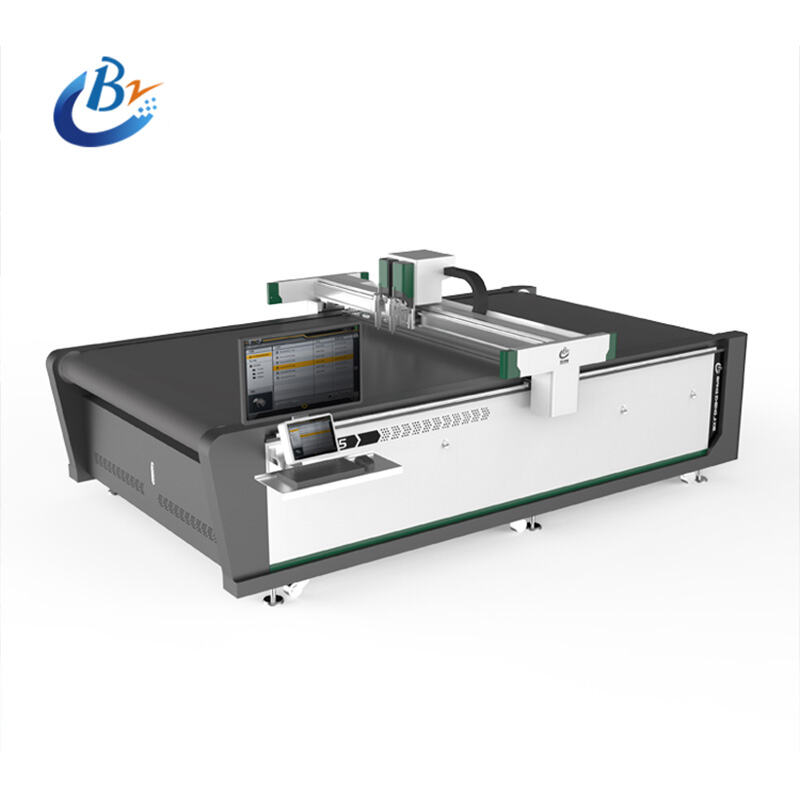
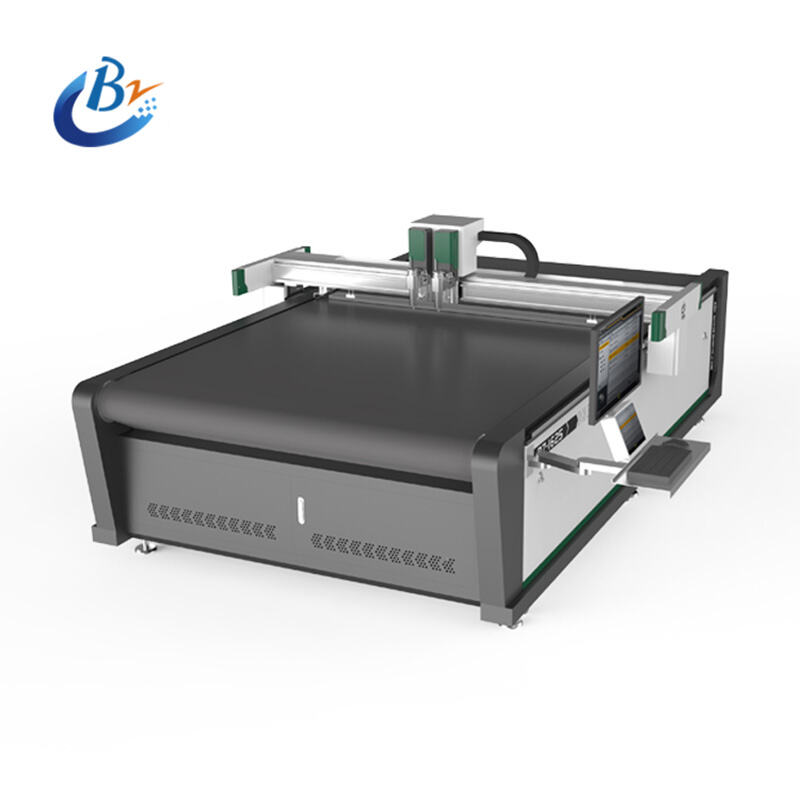
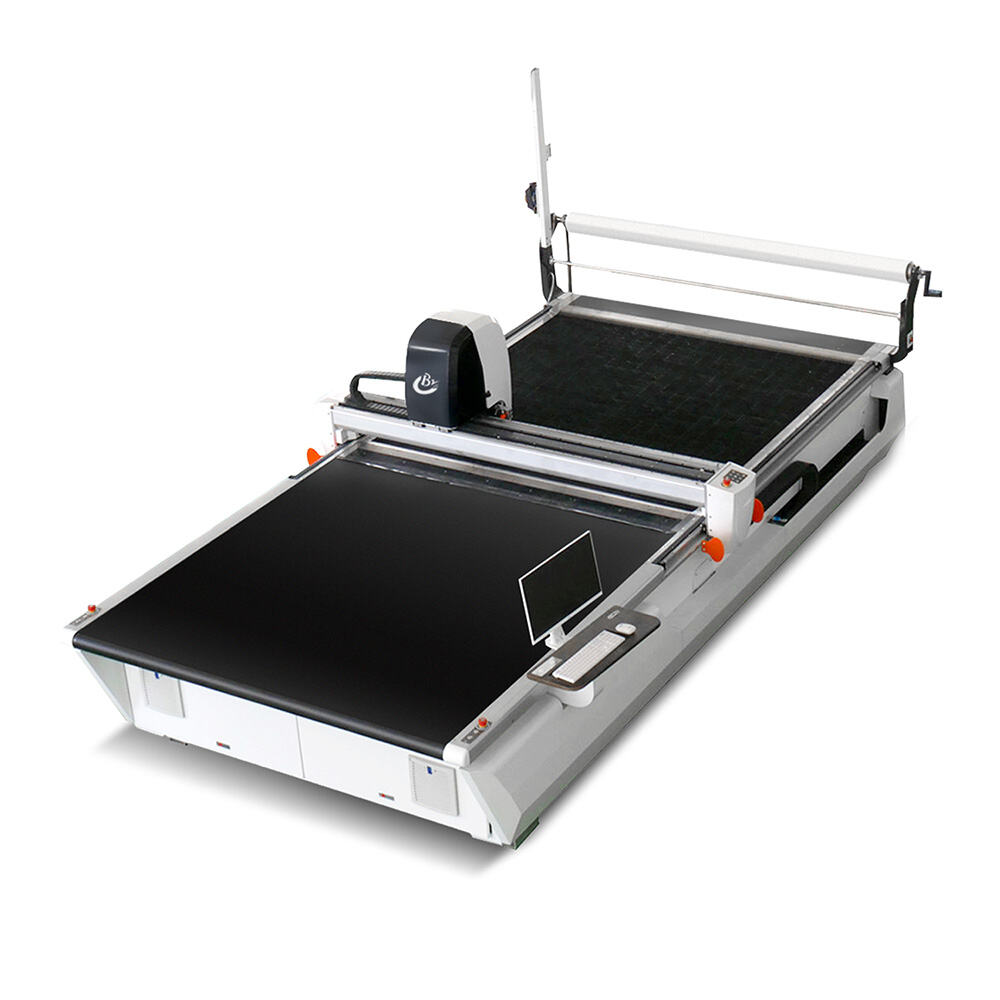
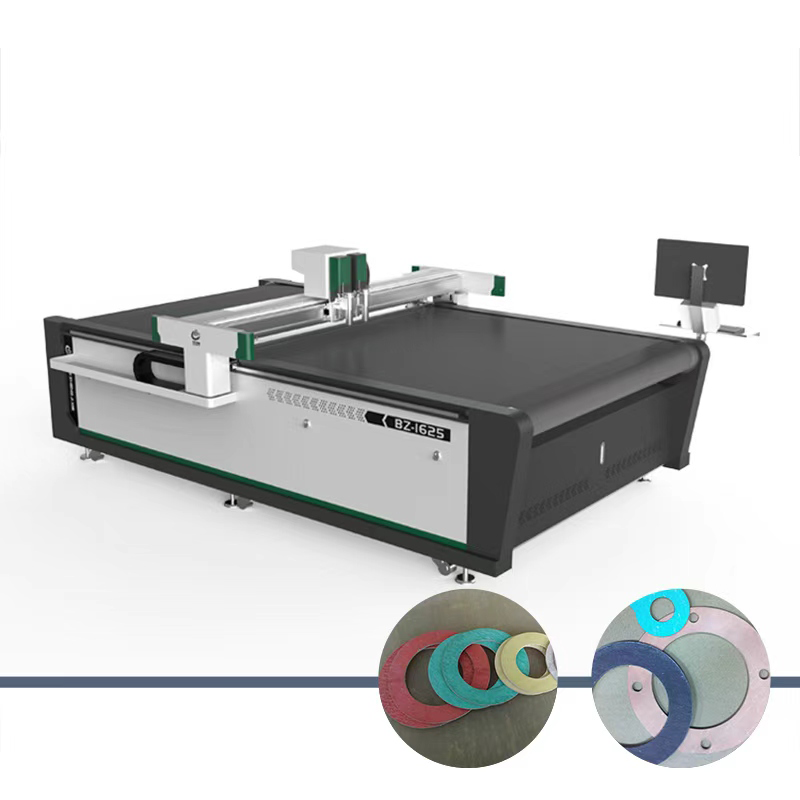
A flatbed CNC cutting machine represents a sophisticated piece of industrial equipment designed to deliver precise cutting solutions across diverse materials and applications. This automated cutting system combines computer numerical control technology with a flat working surface, creating an ideal platform for processing various materials including metals, plastics, composites, textiles, and foam. The flatbed CNC cutting machine operates through programmed instructions that guide cutting tools along predetermined paths, ensuring consistent results and eliminating human error from the manufacturing process. The fundamental architecture consists of a sturdy flatbed table that supports materials during cutting operations, while overhead gantry systems carry cutting heads equipped with different tool types. These machines utilize various cutting technologies including plasma, laser, waterjet, knife cutting, and router systems, depending on material requirements and thickness specifications. Advanced servo motors control precise movements along X, Y, and Z axes, enabling complex geometries and intricate patterns. Modern flatbed CNC cutting machine models incorporate sophisticated software interfaces that translate CAD designs into machine-readable code, streamlining the transition from concept to production. The control systems feature user-friendly touchscreen interfaces that allow operators to monitor cutting progress, adjust parameters, and troubleshoot issues efficiently. Safety systems include emergency stops, protective barriers, and automated material handling features that minimize operator exposure to cutting processes. These machines excel in high-volume production environments where consistency and speed are paramount, while also accommodating prototype development and small-batch manufacturing. The versatility of flatbed CNC cutting machine technology makes it indispensable across industries including aerospace, automotive, signage, packaging, furniture manufacturing, and architectural applications. Quality assurance capabilities include real-time monitoring systems that detect deviations from programmed specifications, ensuring every cut meets established tolerances and surface finish requirements.

 EN
EN