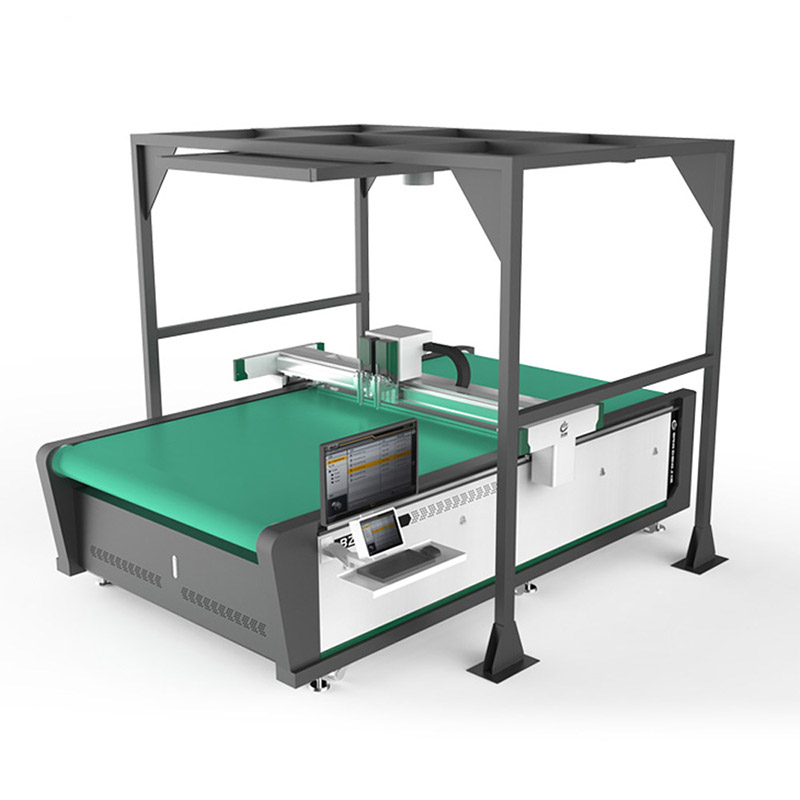
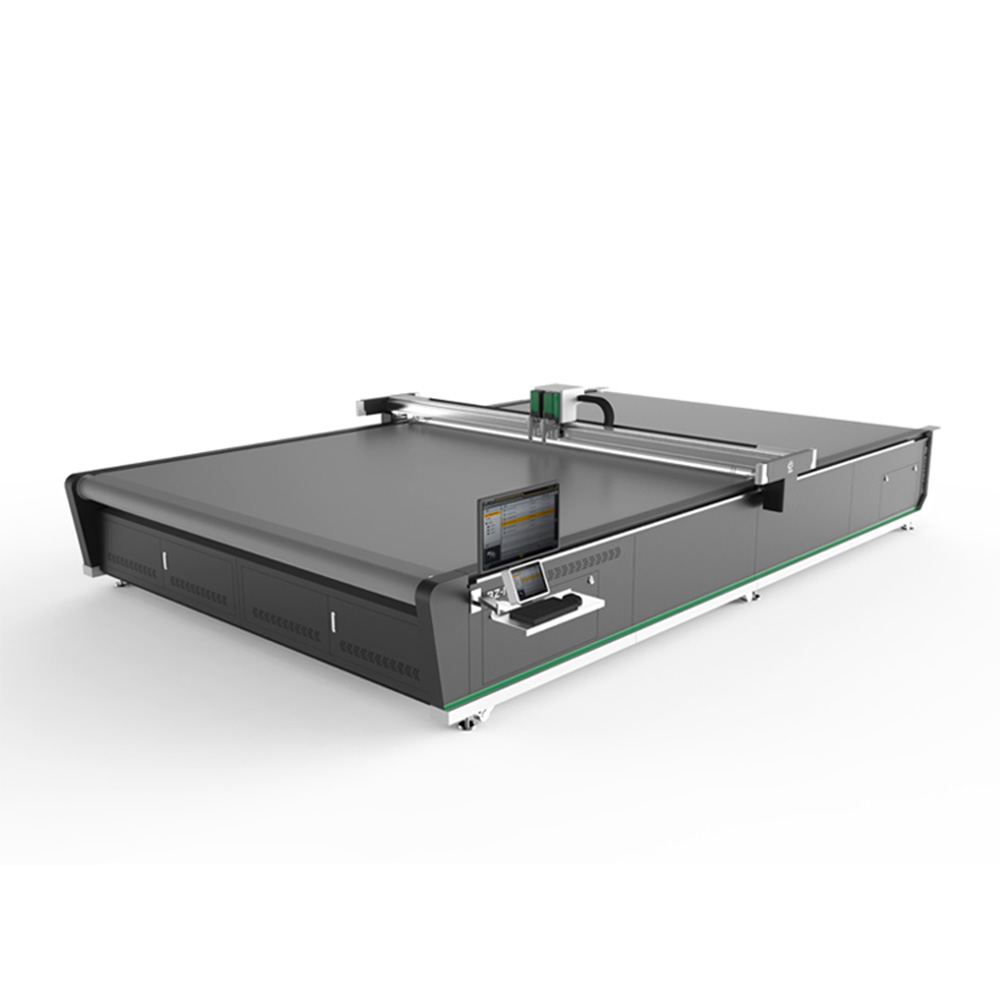
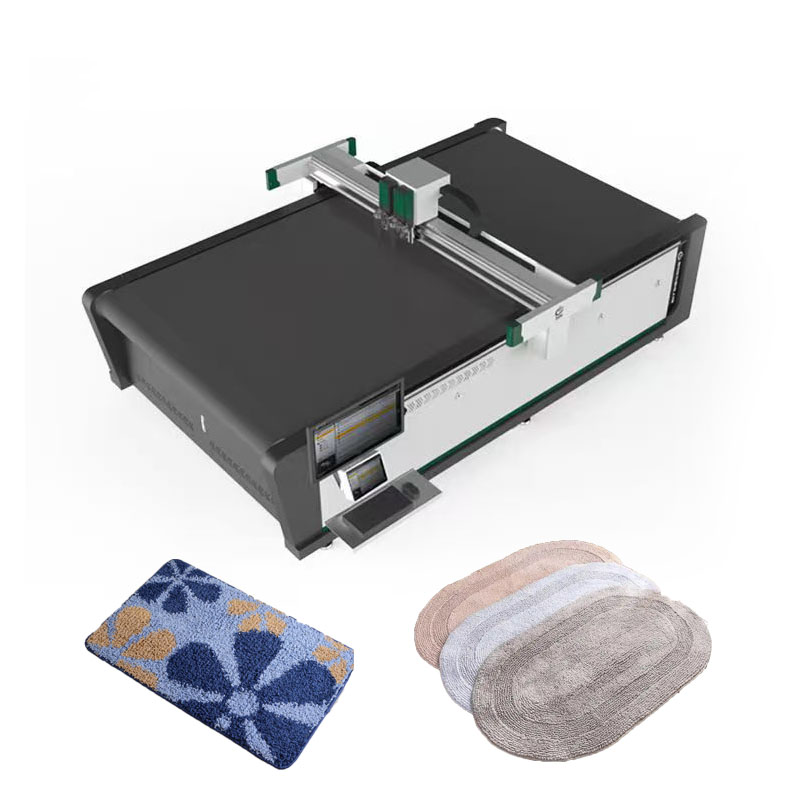
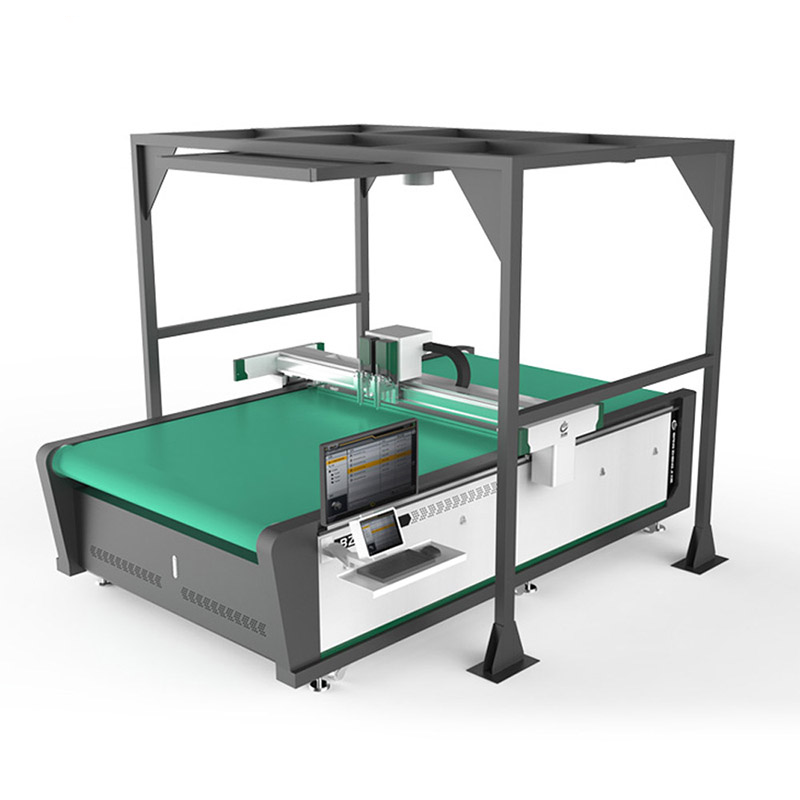
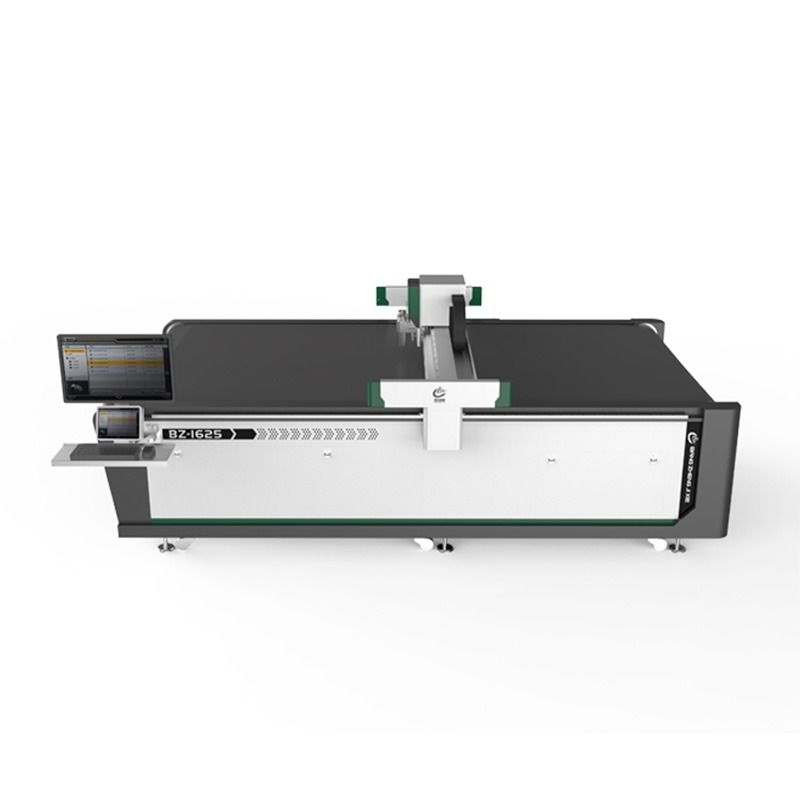
It fundamentally solves the pain points of traditional die-cutting, such as high mold opening costs (increasing costs by 30%-50% for small orders) and laser cutting, including edge scorching and strong odor. Widely used in industries such as c...
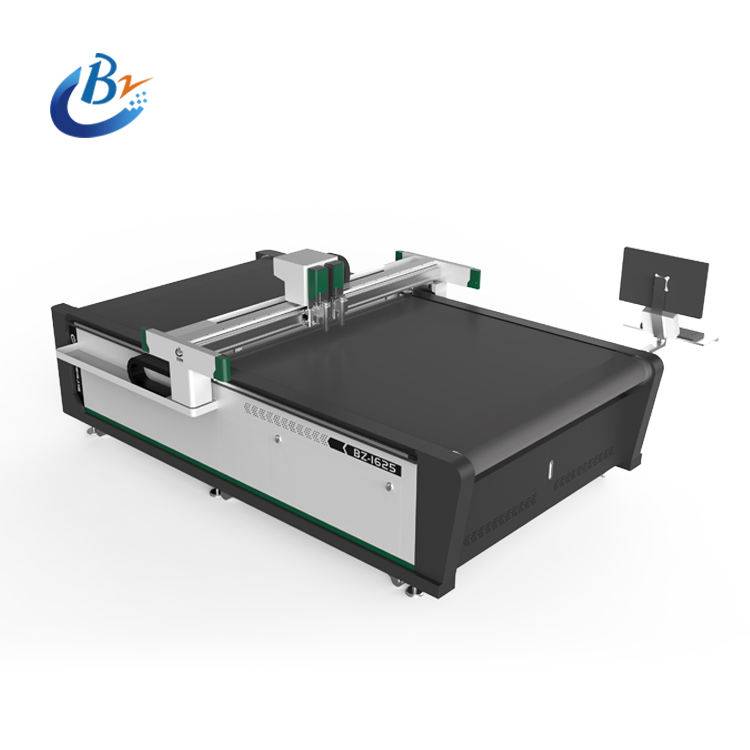
It fundamentally solves the pain points of traditional die-cutting, such as high mold opening costs (increasing costs by 30%-50% for small orders) and laser cutting, including edge scorching and strong odor.
Widely used in industries such as curtains, sofas, carpets, and bedding, it achieves zero-mold, high-precision cold cutting.
Its core advantages include intelligent layout, saving 8%-15% of fabric, increasing efficiency by 3-5 times compared to manual cutting, and producing smooth, yellow-free edges.
Choosing a manufacturer that is ISO certified and supports sample testing allows for rapid response to flexible production and reduces long-term operating costs.
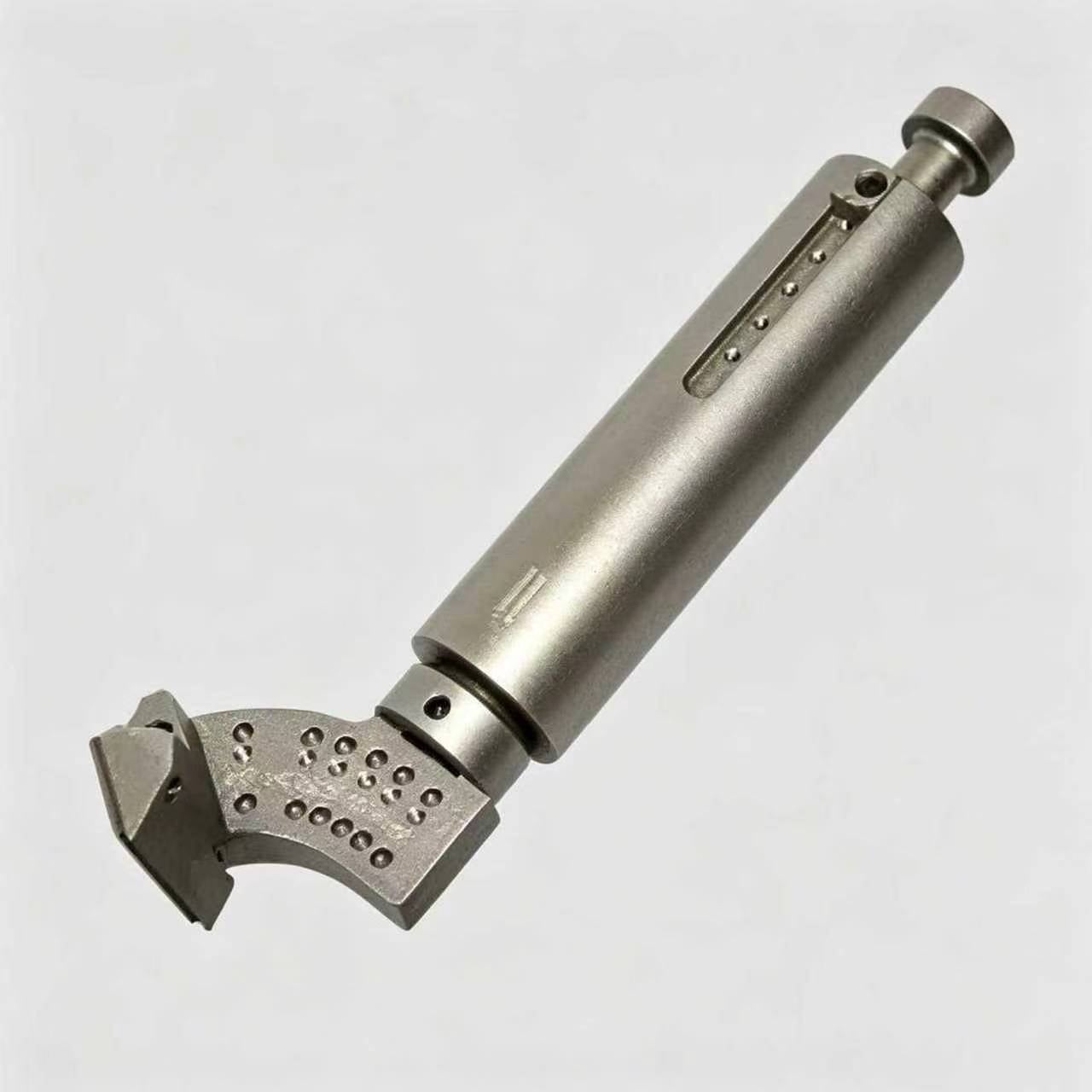
Adjustable Angle V-Cut Tool
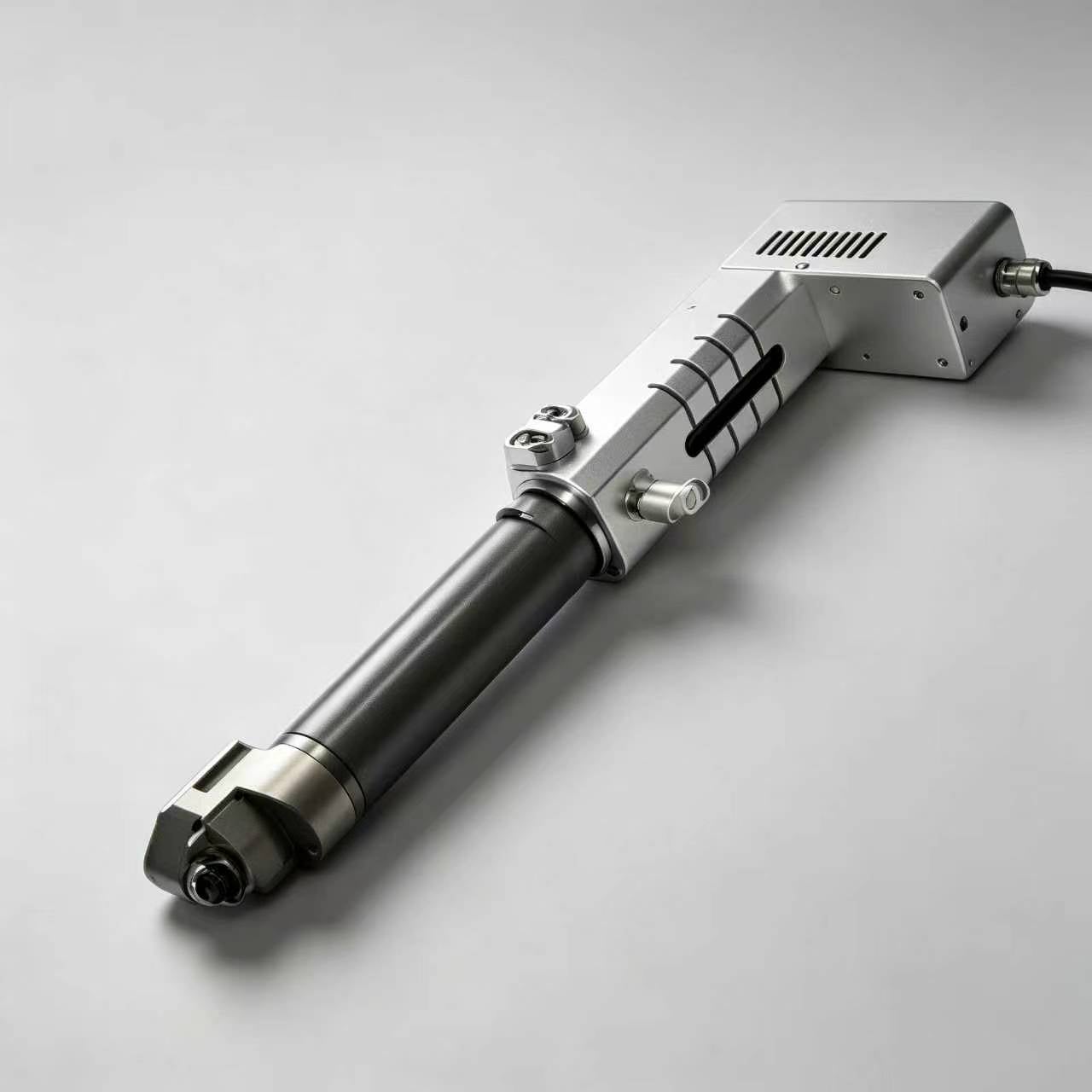
Oscillating Knife Tool
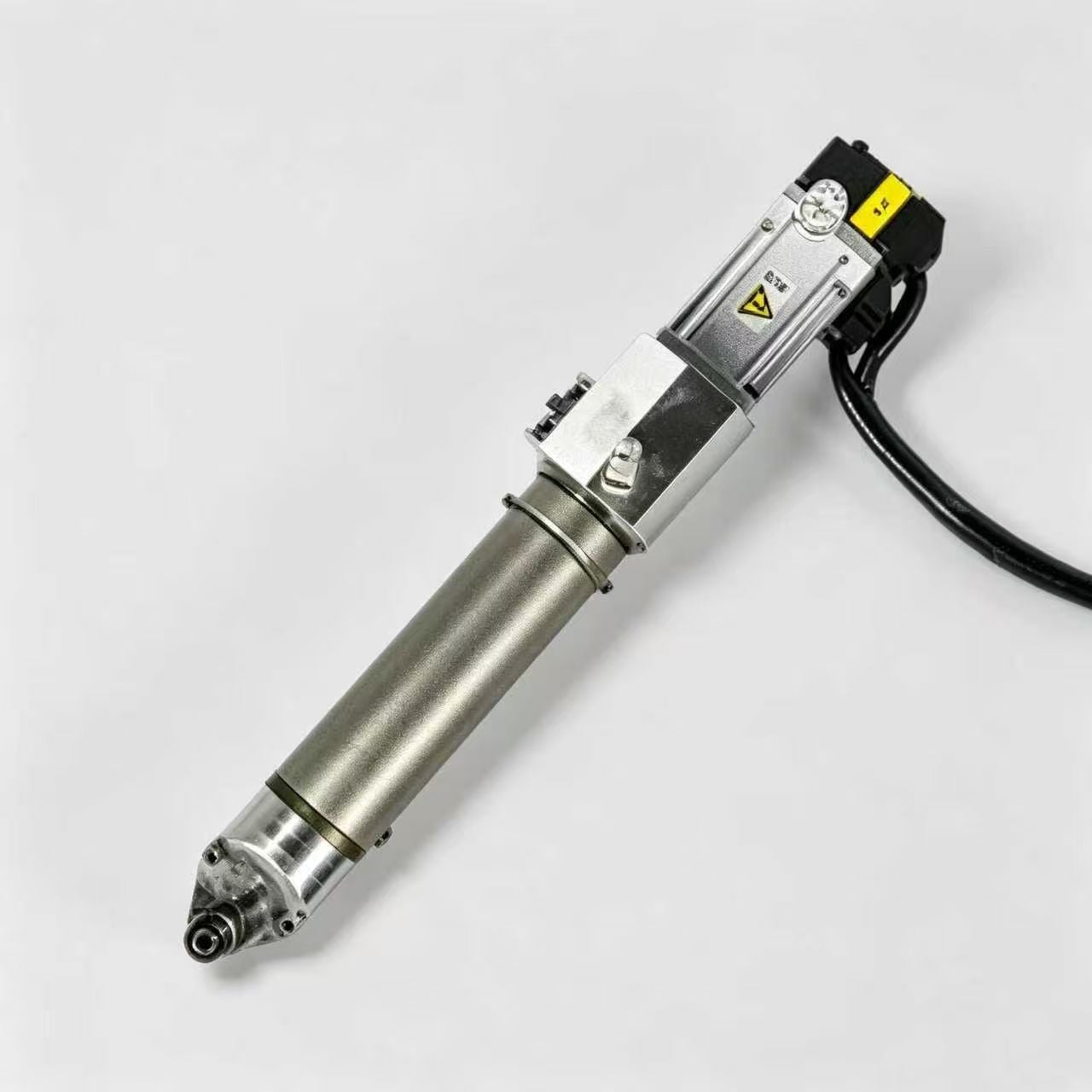
High-power Rotary Knife Tool
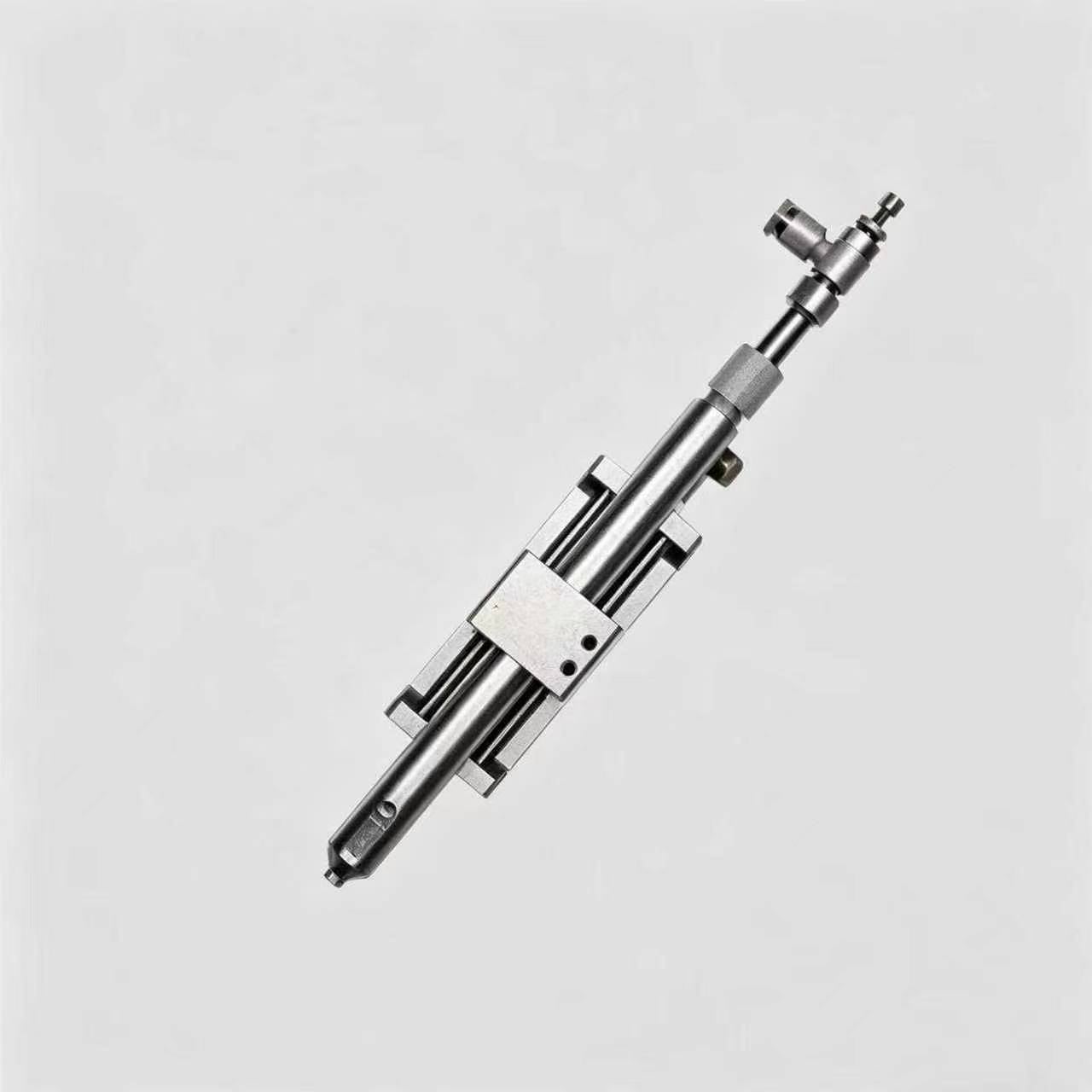
Marking Pen
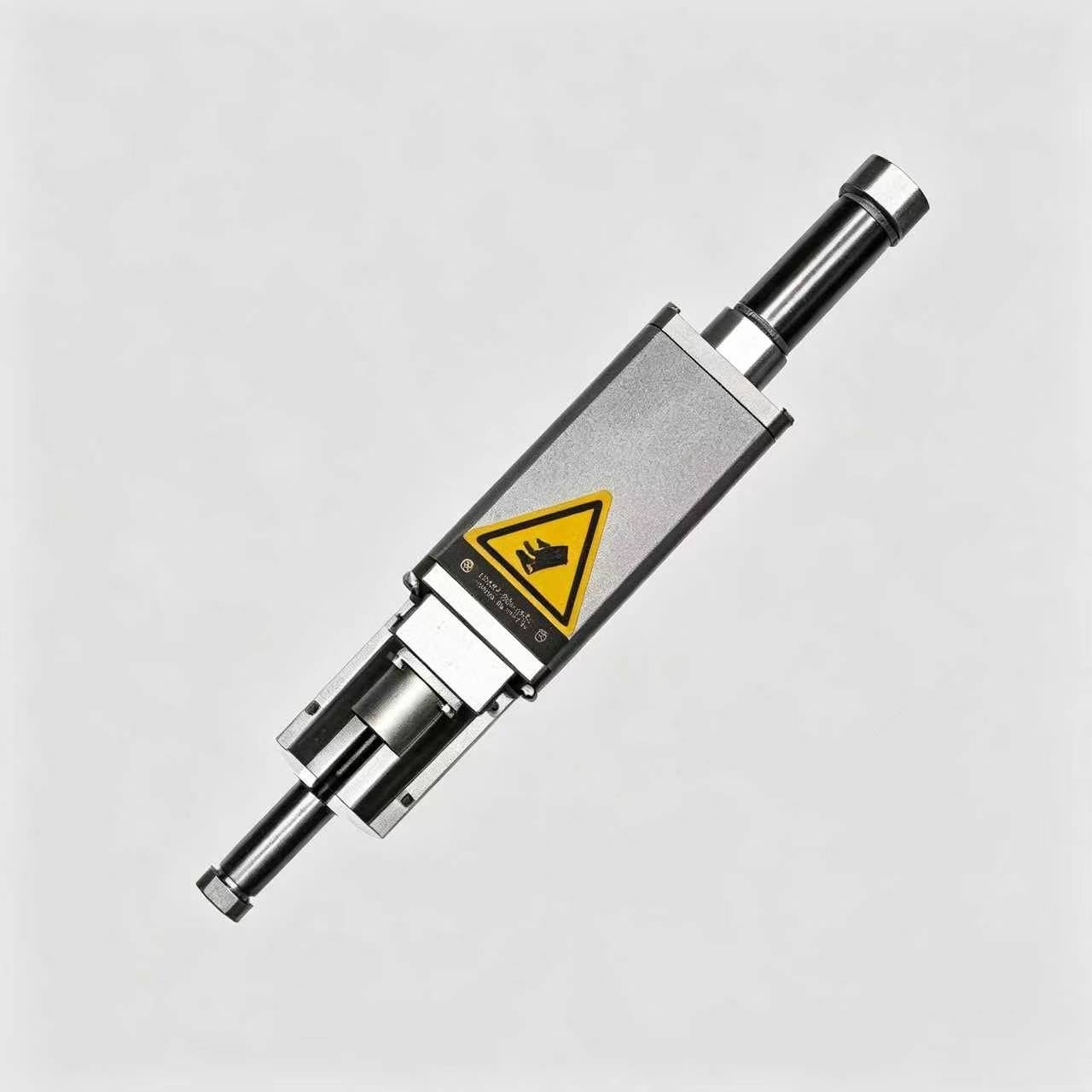
Punching Tool
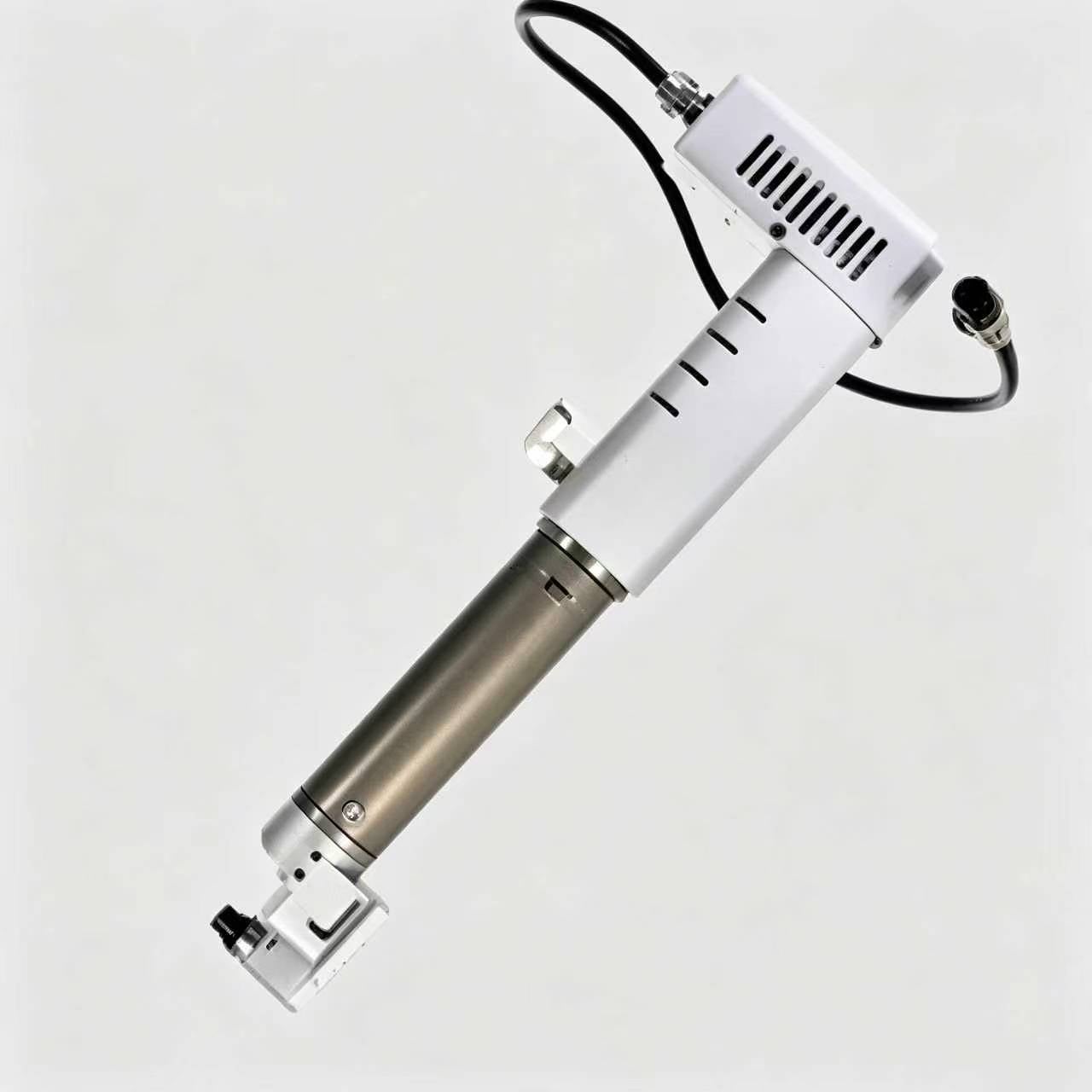
Driven Rotary Knife Tool
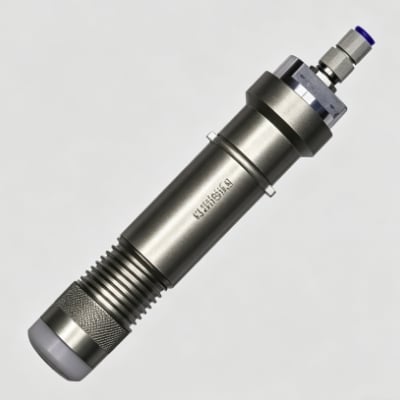
Pneumatic Knife Tool
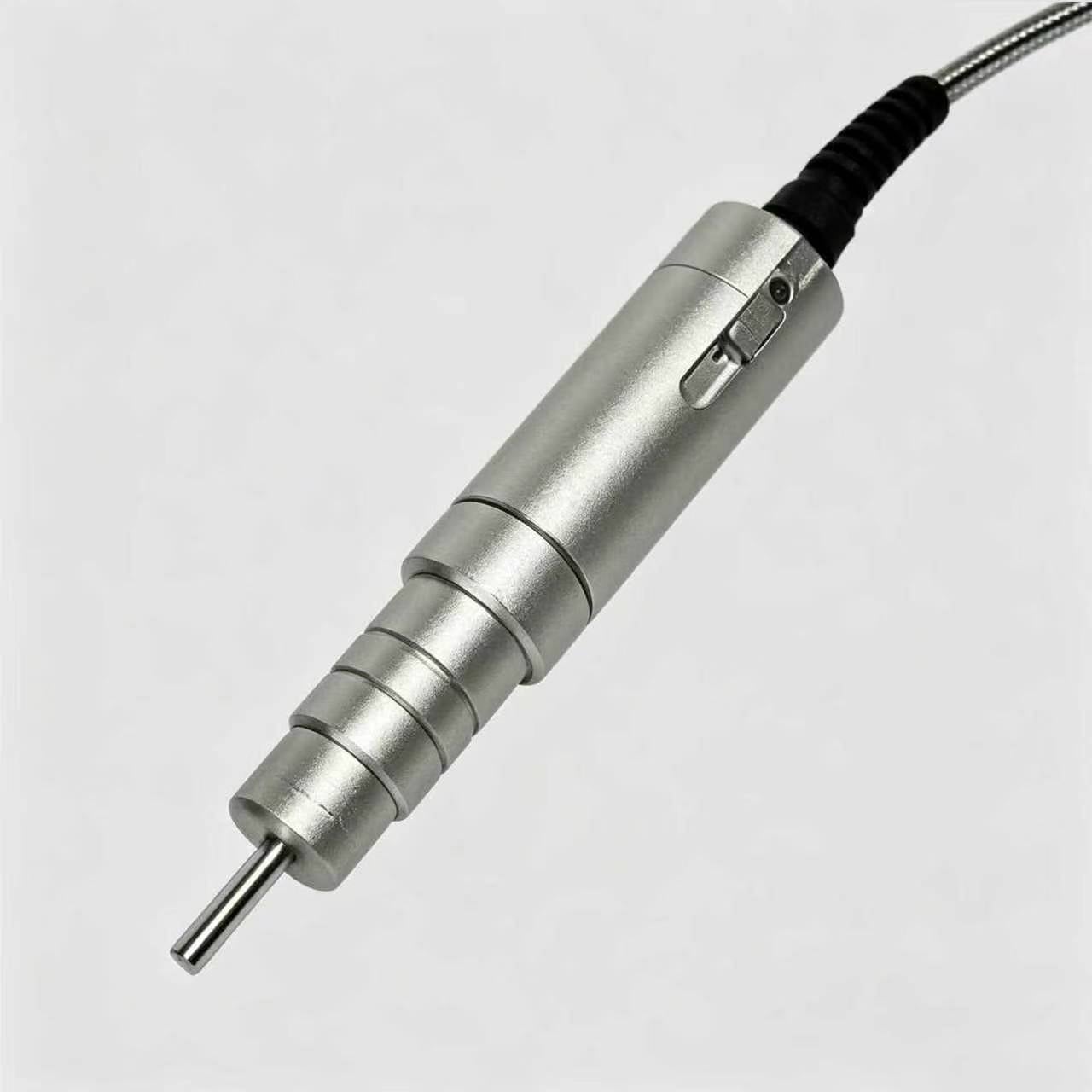
Leveling Tool

Bangzheng provides industrial vibrating knife cutting machines for automotive, aerospace, electronics & apparel. 15+ years expertise, 50+ countries served, full-service support. Contact us today!
Room 301, 3rd Floor, Building 2, Phase II, Longhu Shangcheng, Shunhua Road Subdistrict, High-tech Zone, Jinan City, Shandong Province
Copyright © 2026 Bangzheng (Shandong) Intelligent Manufacturing Co., Ltd. All rights reserved. Privacy Policy

 EN
EN