
 EN
EN



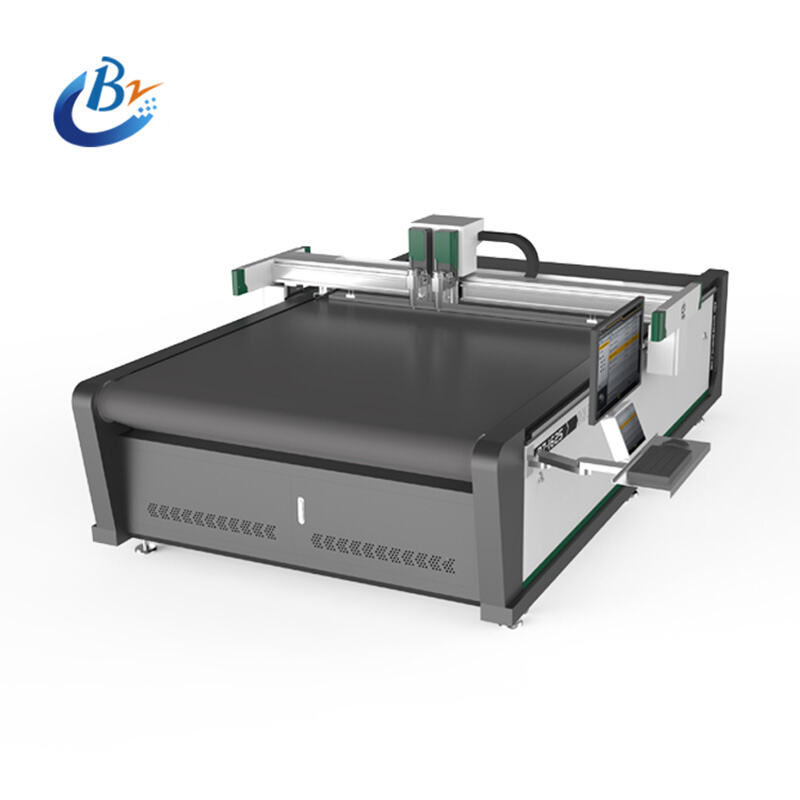
အထုပ်ကြီးများဖြင့် စီးပွားရေးလုပ်ငန်းများတွင် စက်ပစ္စည်းများ၏ ယုံကြည်စိတ်ချရမှုနှင့် လုပ်ဆောင်မှု ထိရောက်မှုသည် ထုတ်လုပ်မှုနှုန်း၊ ထုတ်ကုန်အရည်အသွေးနှင့် စုစုပေါင်းအမြတ်အစွန်းကို တိုက်ရိုက်သက်ရောက်မှုရှိပါသည်။ အလိုအလျောက် သုပ်သပ်မှုစနစ်များပါရှိသော အလိုအလျောက် အဝတ်အစားဖြတ်စက်သည် စီးပွားရေးလုပ်ငန်းများတွင် အသုံးပြုသည့် ရှေးရိုးစက်များကို အထူးသဖြင့် စိတ်ဖိစီးမှုများဖြစ်စေသည့် အရေးကြီးသော လုပ်ဆောင်မှုဆိုင်ရာ စိန်ခေါ်မှုများကို ဖြေရှင်းပေးပါသည်။ နေ့စဥ်အဝတ်အစားအလွှာများ ရှုပ်ထွေးမှုအလွန်များပါသည် (ရှုပ်ထွေးမှု ၁၀၀ မှ ၁၀၀၀ အထိ) ဖြတ်တောက်ရှိနေစဉ် လုပ်သမ်းများမှ လက်ဖြင့် ထိန်းသိမ်းရေးလုပ်ဆောင်မှုများနှင့် အလိုအလျောက် သုပ်သပ်မှုစနစ်များကြား ကွာခြားချက်သည် စက်ပစ္စည်းများ၏ စံချိန်စံညွှန်းအတိုင်း လုပ်ဆောင်မှုကို ထိန်းသိမ်းရေး၊ မျှော်လင့်မထားသည့် အလုပ်လုပ်မှု ရပ်ဆို့မှုများကို လျော့နည်းစေရေးနှင့် စက်ပစ္စည်းများ၏ အသက်တာကို ရှည်လျားစေရေးတွင် အဓိကအချက်ဖြစ်လာပါသည်။
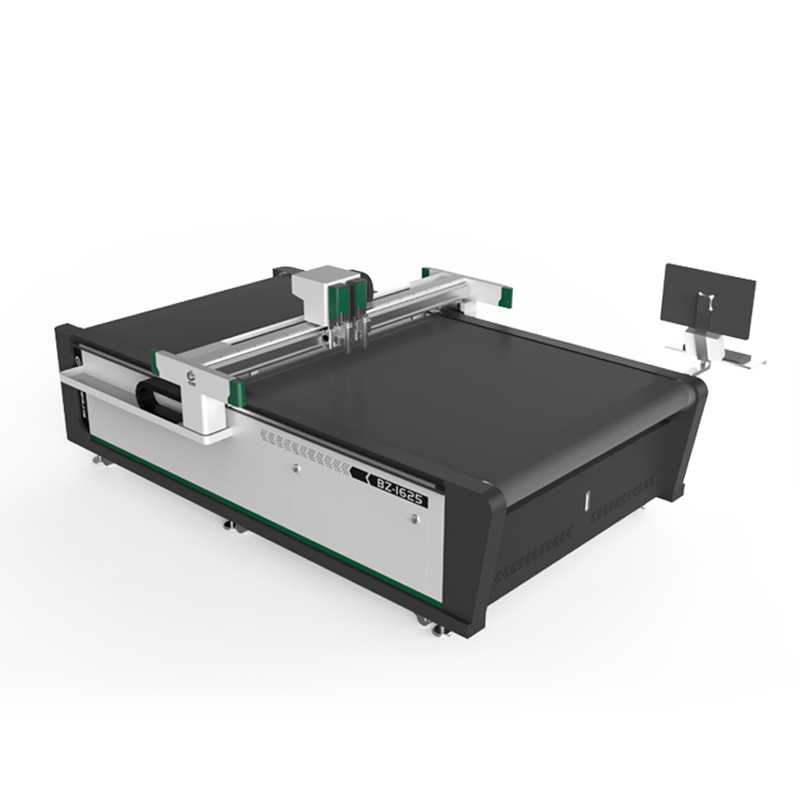
အထူးသဖြင့် အရေအတွက်များပြားသော ဖြတ်တောက်မှုလုပ်ဆောင်မှုများတွင် အလိုအလျောက် သို့မဟုတ် အလိုအလျောက် ချောမွေ့စေသည့် စနစ်၏ အရေးပါမှုသည် လွယ်ကူမှုအတွက်သာမက ပိုမိုနက်ရှိုင်းသော အဆင့်တွင် ရှိပါသည်။ ဤပေါင်းစပ်ထားသော နည်းပညာသည် ဖြတ်တောက်မှုစနစ်များက ဆက်လက်ဖွင့်လှစ်နေသည့် ဖိအားအောက်တွင် တိကျမှုကို မည်သို့ထိန်းသိမ်းပေးသည်၊ ထုတ်လုပ်သူများက ပုံမှန်ပြုပြင်ထိန်းသောင်းလုပ်ငန်းများအတွက် အလုပ်သမားအင်အားကို မည်သို့စီမံခန့်ခွဲသည်၊ စက်မှုလုပ်ငန်းများက ခေတ်မီအရည်အသွေးစံနှုန်းများတွင် လိုအပ်သည့် တစ်သေးတစ်ဖေးဖေးရှိမှုကို မည်သို့အောင်မြင်စေသည် စသည်တို့ကို အခြေခံ၍ အလိုအလျောက် ချောမွေ့စေသည့် စနစ်၏ အရေးပါမှုကို နားလည်ရန် လိုအပ်ပါသည်။ အလိုအလျောက် ချောမွေ့စေသည့် စနစ်၏ အရေးပါမှုကို နားလည်ရန်အတွက် ဆက်လက်ဖွင့်လှစ်နေသည့် ဖြတ်တောက်မှုလုပ်ဆောင်မှုများ၏ ယန္တရားဆိုင်ရာ အခြေအနေများ၊ ပုံမှန်ပြုပြင်ထိန်းသောင်းနည်းဗျူဟာများ၏ စီးပွားရေးဆိုင်ရာ အကျိုးသက်ရောက်မှုများနှင့် စက်မှုအထည်အလုပ်များတွင် စက်ပေါ်တွင် မလုံလောက်သည့် ဂရုစုံစမ်းမှုများ၏ အရည်အသွေးဆိုင်ရာ အကျိုးသက်ရောက်မှုများကို စုံစမ်းလေ့လာရန် လိုအပ်ပါသည်။
ဆက်လက်ဖွင့်လှစ်နေသည့် ဖြတ်တောက်မှုလုပ်ဆောင်မှုများတွင် ယန္တရားဆိုင်ရာ ဖိအားကို စီမံခန့်ခွဲခြင်း
အရေအတွက်များပြားသည့် ပတ်ဝန်းကျင်များတွင် ပွန်းပေါင်းမှုကြောင့် ဖြစ်ပေါ်လာသည့် အပူချိန်ကို နားလည်ခြင်း
အချိန်ကြာမောင်းသော ဖြတ်တောက်မှုလုပ်ဆောင်မှုများအတွင်း အလိုအလျောက် ဖြတ်တောက်စက်သည် ရှိသော အစိတ်အပိုင်းများကြား အထူးသဖြင့် ဓားအစိတ်အပိုင်းများ၊ လမ်းညွှန်ရေးလိုင်းစနစ်များနှင့် မောင်းနေသော စနစ်များတွင် အလွန်များပြားသော ပွန်းစားမှုကို ခံစားရပါသည်။ ဤပွန်းစားမှုသည် အပိတ်အစိတ်အပိုင်းများ၏ ပုံပေါ်မှုကို မြန်မြန်နောက်ပိုင်းတွင် ပိုမိုဆိုးရွားစေပါသည်။ စက်မှုလုပ်ငန်းများတွင် စက်များသည် နေ့စဥ် ၈ နှင့် ၁၂ နာရီအထိ အဆက်မပါး လုပ်ဆောင်နေသည့်အခါ အပူပိုမိုစုပုံလာခြင်းသည် အင်ဂျင်နီယာအတွက် အရေးကြီးသော စိန်ခေါ်မှုတစ်ရပ်ဖြစ်လာပါသည်။ လုံလောက်သော သဲမှုန်များ မရှိပါက သံနှင့်သံအကြား ထိတ်တွေ့မှုများတွင် အဏုကြွင်းများ ဖြစ်ပေါ်လာပြီး စက်၏ စွမ်းဆောင်ရည်ကို တဖြည်းဖြည်း ပိုမိုဆိုးရွားစေပါသည်။
အလိုအလျောက် သိုးမှုန်စနစ်များသည် အချိန်အတိအကျဖြင့် ပရိုဂရမ်သတ်မှတ်ထားသော အချိန်ကာလများတွင် အရေးကြီးသော ပွတ်တိမ်မှုနေရာများသို့ တိကျစွာ တွက်ချက်ထားသော သိုးမှုန်ပမာဏများကို ပေးပို့ခြင်းဖြင့် ဤစိန်ခေါ်မှုကို ဖြေရှင်းပေးပါသည်။ ဤဆက်လက်သော ကာကွယ်မှုသည် အပူချိန်အများဆုံးဖြစ်သည့် အချိန်များတွင်ပါ ရှိနေသော လှုပ်ရှားနေသော မျက်နှာပြင်များကြားတွင် ထိရောက်သော သိုးမှုန်အလွှာကို ထိန်းသိမ်းပေးပါသည်။ ထို့ကြောင့် အစိတ်အပိုင်းများ၏ အပူချိန်များသည် တည်ငြိမ်စွာ ထိန်းသိမ်းနိုင်ပြီး ကတ်ထ်ခ်အတိအကျကို ထိခိုက်စေနိုင်သည့် အပူချိန်ကြောင့် ဖြစ်ပေါ်လာသော ပေါ်လွန်မှုပြဿနာများကို ကာကွယ်ပေးပါသည်။ ထုတ်လုပ်မှုအလုပ်စဥ်တစ်ခုလုံးတွင် သုံးစွဲမှုများသည် မတူညီသော သိပ်သိပ်ထဲမှုများရှိသည့် အဝတ်အထည်အမျိုးမျိုးကို အဆက်မပါး လုပ်ကိုင်ရသည့် လုပ်ငန်းများတွင် ဤအပူချိန်တည်ငြိမ်မှုသည် အမျိုးမျိုးသော ပစ္စည်းများ၏ အရည်အသွေးများကို တိကျစွာ ထိန်းသိမ်းရာတွင် အလွန်အရေးကြီးပါသည်။
အရေးကြီးသော အစိတ်အပိုင်းများကို မြန်မြန်ပျက်စီးမှုပုံစံများမှ ကာကွယ်ခြင်း
အထူးသဖြင့် အရေအတွက်များပြားသော ဖြတ်တောက်မှုလုပ်ဆောင်ခြင်းများသည် ယန္တရားများ၏ အစိတ်အပိုင်းများကို ထပ်ခါထပ်ခါ ဖြစ်ပေါ်လာသော ဖိအားများအောက်တွင် ထားရှိပြီး ကာကွယ်မှုမရှိသော မျက်နှာပုံများကို အလွန်မြန်မြန် ပျက်စီးစေနိုင်ပါသည်။ အလိုအလျောက် ဖြတ်တောက်မှုစက်များတွင် တောင်းဆိုမှုများကို တောင်းဆိုသည့် လမ်းညွှန်စနစ်များသည် တစ်နေ့လျှင် အကြိမ်ပေါင်းထောင်ချီ၍ ရှေးရှေးနောက်နောက် ရှေးရှေးနောက်နောက် ရှေးရှေးနောက်နောက် ရှေးရှေးနောက်နောက် ရှေးရှေးနောက်နောက် ရှေးရှေးနောက်နောက် ရှေးရှေးနောက်နောက် ရှေးရှေးနောက်နောက် ရှေးရှေးနောက်နောက် ရှေးရှေးနောက်နောက် ရှေးရှေးနောက်နောက် ရှေးရှေးနောက်နောက် ရှေးရှေးနောက်နောက် ရှေးရှေးနောက်နောက် ရှေးရှေးနောက်နောက် ရှေးရှေးနောက်နောက် ရှေးရှေးနောက်နောက် ရှေးရှေးနောက်နောက် ရ......
အလိုအလျောက် သိုးသွင်းခြင်းစနစ်သည် သတ္တုများ၏ မျက်နှာပုံများကို ခွဲထားပေးသည့် ကာကွယ်ရေးဖလင်များကို ထိန်းသိမ်းခြင်းဖြင့် ဤပျက်စီးမှုဖြစ်စဉ်ကို ဖောက်ထွင်းပေးပါသည်။ ထို့အပ alongside အဝိုင်းကြီးများပေါ်တွင် ဖိအားများကို ပိုမိုကျယ်ပေါ်သော ထိတ်တွေ့မှုဧရိယာများအတွင်း ဖြန့်ဖြူးပေးပါသည်။ ထို ယန္တရားများ၏ ကာကွယ်မှုသည် ထုတ်လုပ်မှုအစီအစဥ်များကြောင့် အပေါ်ယံပြုပြင်မှုအတွက် အချိန်အနည်းငယ်သာ ကျန်ရှိသည့် အသုံးများသော ပတ်ဝန်းကျင်များတွင် အထူးအရေးကြီးပါသည်။ ဖောက်စီးခြင်းလုပ်ငန်းများတွင် အလိုအလျောက် သိုးသွင်းခြင်းစနစ်များကို အသုံးပြုသည့် ထုတ်လုပ်သူများသည် လက်ဖြင့် သိုးသွင်းထားသည့် စက်ကူးများနှင့် နှိုင်းယှဉ်ပါက အစိတ်အပိုင်းများ၏ အသက်တာကို သုံးဆမှ ငါးဆအထ do တိုးတက်မှုကို အများအားဖြင့် တွေ့ရှိရပါသည်။ ထိုသို့သော အသက်တာတိုးတက်မှုသည် အစိတ်အပိုင်းအသစ်များ အစားထိုးရာတွင် ကုန်ကုန်ကုန်ကုန်ကုန်ကုန်ကုန်ကုန်ကုန်ကုန်ကုန်ကုန်ကုန်ကုန်ကုန်ကုန်ကုန်ကုန်ကုန်ကုန်ကုန်ကုန်ကုန်ကုန်ကုန်ကုန်ကုန်ကုန်ကုန်ကုန်ကုန်ကုန်ကုန်ကုန်ကုန်ကုန်ကုန်ကုန်ကုန်ကုန်ကုန်ကုန်ကုန်ကုန်ကုန်ကုန်ကုန်ကုန်ကုန်ကုန်ကုန်ကုန်ကုန်ကုန်ကုန်ကုန်ကုန်ကုန်ကုန်ကုန်ကုန်ကုန်ကုန်ကုန်ကုန်ကုန်ကုန်ကုန်ကုန်ကုန်ကုန်ကုန်ကုန်ကုန်ကုန်ကုန်ကုန်ကုန်ကုန်ကုန်ကုန်ကုန်ကုန်ကုန်ကုန......
အဆက်မပါသည့် လုပ်ဆောင်မှုဖိအားများအောက်တွင် တိကျသော ပြုပြင်ထိန်းသိမ်းမှု
အနိမ့်ဆုံးအတိမ်အနက်ဖြင့် ဖြတ်တောက်ခြင်း၏ တိကျမှုသည် လမ်းညွှန်စနစ်များ၊ ဓားထားရှိမှု စနစ်များနှင့် ပစ္စည်းများကို ရှေးရှေးသို့ ရွှေ့ပေးသည့် အစိတ်အပိုင်းများအတွင်းရှိ ယန္တရားဆိုင်ရာ အလွဲအမှားများအပေါ် အခြေခံပါသည်။ အလိုအလျောက် အဝတ်အစားဖြတ်တောက်သည့်စက်သည် အဆက်မပါဘဲ လည်ပတ်နေသည့်အခါ အစိတ်အပိုင်းများ၏ အကွာအဝေးများတွင် အလွန်သေးငယ်သော တိုးမှုများသည် အလွန်သေးငယ်သော ဖြတ်တောက်မှုအမှားများကို ဖြစ်ပေါ်စေပြီး အလွန်များပြားသော အလွှာများတွင် ထိုအမှားများသည် ပိုမိုပြင်းထန်လာနိုင်ပါသည်။ အဝတ်အစားထုတ်လုပ်မှုတွင် ပုံစံ၏ တိကျမှုသည် မီလီမီတာ ၁ ချောင်းအတွင်း သတ်မှတ်ထားပြီး ထုတ်ကုန်အရည်အသွေးကို ဆုံးဖြတ်ပါသည်။ ထို့ကြောင့် ဤအလွန်သေးငယ်သော အလွဲအမှားများကို ထိန်းသိမ်းရေးသည် မဖြစ်မနေ လုပ်ရမည့် အရေးကြီးသော အလုပ်ဖြစ်လာပါသည်။ လက်ဖြင့် သုပ်သုပ်ပေးသည့် နည်းလမ်းများသည် လိုအပ်သော တည်ငြိမ်မှုကို ပေးနိုင်ခြင်းမရှိပါ။ အကြောင်းမှာ သုပ်သုပ်ပေးသည့် အချိန်နှင့် ပမာဏသည် လုပ်သောသူ၏ ဆုံးဖြတ်ချက်နှင့် အချိန်ရှိမှုအပေါ် မှီခိုနေပါသည်။
အလိုအလျောက်စနစ်များသည် လူသားအလုပ်သမားများ၏ လက်တွေ့အလုပ်လုပ်ဆောင်မှုဖြင့် မရနိုင်သည့် ယန္တရားဆိုင်ရာ တည်ငြိမ်မှုဖြင့် ချောမွေ့ရောင်းရှောင်ရေးကို ပေးစေပါသည်။ ပရိုဂရမ်မ်ရေးသားနိုင်သည့် ထိန်းချုပ်မှုစနစ်များသည် အလုပ်အကိုင်အပိုင်းအစများ၊ ထုတ်လုပ်မှုဖိအားများ သို့မဟုတ် အလုပ်သမားများ၏ အတွေ့အကြုံအဆင့်များကွဲပွဲမှုများကြောင့် မဟုတ်ဘဲ အရေးကြီးသည့် အောက်ခြေများသို့ သင့်လျော်သည့် ချောမွေ့ရောင်းရှောင်ရေးပမာဏကို အကောင်းဆုံးအချိန်များတွင် အမြဲတမ်း ပေးစေပါသည်။ ဤတည်ငြိမ်မှုသည် ထုတ်လုပ်မှုလုပ်ငန်းများတွင် အတိအကျရှိသည့် အရွယ်အစားများကို အမြဲတမ်းထိန်းသိမ်းပေးနိုင်ခြင်းကို တိုက်ရိုက်ဖော်ပေးပါသည်။ အောတိုမိုတစ် သို့မဟုတ် လေကြောင်းအင်ဂျင်နီယာလုပ်ငန်းများအတွက် နည်းပညာအသုံးပြုသည့် အထည်များကို ဖြစ်စေသည့် စက်ရုံများသည် ဤတိက်မှုရှိသည့် ထိန်းသိမ်းရေးစွမ်းရည်များမှ အထူးအကျေးဇူးပါသည်။ အဘယ်ကြောင့်ဆိုသော် ၎င်းတို့၏ အရည်အသွေးအတိုင်းအတာများသည် အများအားဖြင့် လူသားများ၏ ထိန်းသိမ်းရေးနည်းလမ်းများဖြင့် မှန်ကန်စွာ ထောက်ပံ့ပေးနိုင်ခြင်းမရှိသည့် အတိအကျများကို လိုအပ်သောကြောင့်ဖြစ်ပါသည်။
ထိန်းသိမ်းရေးအလုပ်သမားများနှင့် စက်ပစ္စည်းမှုအချိန်ပိုင်းလျော့နည်းမှုများ၏ စီးပွားရေးဆိုင်ရာ အကျိုးသက်ရောက်မှုများ
ထုတ်လုပ်မှုစက်ရုံများတွင် အလုပ်သမားများ၏ အသုံးပြုမှုကို အကောင်းဆုံးဖော်ထုတ်ခြင်း
ဖက်ဘရစ်ဖြတ်စက်များအတွက် ရိုးရာထိန်းသိမ်းရေးလုပ်ထိုက်မှုများတွင် ပုံမှန်ချောဆီသုတ်လိမ်းရေးလုပ်ငန်းများအတွက် အထူးပြုထားသော နည်းပညာပါမ်သ်များ၏ အချိန်ကို လိုအပ်ပါသည်။ ဖြတ်စက်အများအပြားပါဝင်သော စက်ရုံများတွင် ဤလက်နှင့်ဆိုင်သော ထိန်းသိမ်းရေးလုပ်ငန်းများသည် သိသိသာသာ စုစည်းလာပါသည်။ ပုံမှန်ထိန်းသိမ်းရေးလုပ်ထိုက်မှုတစ်ခုသည် စက်တစ်လုံးလျှင် မိနစ် ၁၅ မှ ၂၀ အထိ ကုန်ကျပါသည်။ အလိုအလျောက်အထည်ဖြတ်စက် ထိုသို့သော လုပ်ငန်းများကို ထုတ်လုပ်မှုအလုပ်ရုံတွင် စက် ၅ လုံးမှ ၁၀ လုံးအထိ နေ့စဥ်ပြုလုပ်ရေးအတွက် မြှောက်ထားပါက ကျွမ်းကျင်သော နည်းပညာပါမ်သ်များ၏ အချိန် ၂ နှစ်မှ ၃ နှစ်အထိ ချောဆီသုတ်လိမ်းရေးလုပ်ငန်းများအတွက်သာ အသုံးပြုရှိပါသည်။ ထိုအချိန်များကို တန်ဖိုးမြင့်သော ထိန်းသိမ်းရေးလုပ်ငန်းများအတွက် အသုံးပြုနိုင်ပါသည်။
အလိုအလျောက် သုတ်လိမ်းခြင်းစနစ်သည် ဤပုံမှန်ပြုလုပ်ရသော အလုပ်အကို ဖယ်ရှားပေးပါသည်။ ထို့ကြောင့် ပိုမိုမှန်ကန်သော ရှေးမှန်းခြင်း စစ်ဆေးမှုများ၊ ရှုပ်ထွေးသော ပြုပြင်မှုများနှင့် ထုတ်လုပ်မှုစွမ်းရည်ကို တိုးမှုန်းပေးသည့် စက်ပစ္စည်းများ၏ စွမ်းဆောင်ရည် မြင့်တင်ရေး စီမံကိန်းများတွင် ထိန်းသိမ်းရေး ဝန်ထမ်းများသည် အာရုံစိုက်နိုင်ပါသည်။ စီးပွားရေးအရ အကူအညီပေးသည့် တန်ဖိုးသည် လုပ်သမ်းအချိန်များကို ရိုးရှင်းစွာ တွက်ချက်ခြင်းကို ကျော်လွန်သော အရေးကြီးသော တန်ဖိုးများကို ပေးစေပါသည်။ ကျွမ်းကျင်သော ထိန်းသိမ်းရေး နည်းပညာရှင်များသည် အထူးပြုသော အသိပညာအရင်းအမြစ်များဖြစ်ပြီး ၎င်းတို့၏ ကျွမ်းကျင်မှုသည် ပုံမှန်လုပ်ဆောင်ချက်များထက် ပြဿနာဖြေရှင်းခြင်းတွင် အများဆုံးတန်ဖိုးကို ဖန်တီးပေးပါသည်။ ထို့ကြောင့် ထုတ်လုပ်မှုလုပ်ငန်းများတွင် အလုပ်သမ်းစုအရေအတွက်ကို မတိုးမှုန်းဘဲ ထိန်းသိမ်းရေးစွမ်းရည်ကို အလိုအလျောက် သုတ်လိမ်းခြင်းဖြင့် ထိရောက်စွာ မြင့်တင်ပေးနိုင်ပါသည်။ ထိုသို့သော စွမ်းရည်သည် လုပ်သမ်းစုစုနုတ်ကုန်များသည် လုပ်ငန်းလုပ်ဆောင်မှု အမြတ်နုတ်နှုန်းကို အရေးပါစွာ သက်ရောက်မှုရှိသည့် ပြိုင်ဆိုင်မှုများ များပါသော ထုတ်လုပ်မှုပတ်ဝန်းကျင်များတွင် အထူးအရေးပါပါသည်။
မျှော်မှန်းမထားသော အလုပ်လုပ်နေမှု ရပ်ဆို့မှုများကို လျှော့ချရေး နည်းဗျူဟာများ
ထုတ်လုပ်မှုလုပ်ငန်းစဉ်အတွင်း စက်ပစ္စည်းများ ပျက်စီးခြင်းသည် ချက်ချင်းပြုပြင်မှုစရိတ်များကို ကျော်လွန်၍ အဆင့်များစွာသော အကျိုးသက်ရောက်မှုများကို ဖြစ်ပေါ်စေပါသည်။ အရေးကြီးသော ထုတ်လုပ်မှုအမှာစာအတွင်း အလိုအလျောက် ကုန်စုပ်ဖြတ်စက်တစ်လုံးသည် ဘေးရင့်များ ပျက်စီးခြင်း (bearing failure) သို့မဟုတ် လမ်းညွှန်ရိုးများ ကောင်းစွာမ လှည့်ပေးနိုင်ခြင်း (guide rail seizure) ဖြစ်ပါက၊ ထိုအချိန်တွင် ဖြစ်ပေါ်လာသော စက်ရပ်နေမှုကြောင့် ချုပ်လုပ်ခြင်းလုပ်ငန်းများ၊ အရည်အသွေးစစ်ဆေးမှုစတေးရှင်းများနှင့် ပို့ဆောင်ရေးအစီအစဥ်များ အပ်နှက်များအထိ အကျိုးသက်ရောက်မှုရှိပါသည်။ ထုတ်လုပ်မှုအစီအစဥ်များသည် အနည်းငယ်သာ အပ်နှက်အားဖြင့် လည်ပတ်သည့် အထုတ်အလုပ်များများတွင် စက်ပစ္စည်းများ ၄ နာရီကြာ ပျက်စီးမှုတစ်ခုသည် တစ်နေ့တာ ထုတ်လုပ်မှုအစီအစဥ်ကို အပ်နှက်ဖြစ်စေနိုင်ပါသည်။ ထို့အပ်နှက်မှုသည် ပို့ဆောင်ရေးစာချုပ်များတွင် အရေးကြီးသော အရေးယူမှုများကို ဖြစ်ပေါ်စေနိုင်ပါသည်။
အလိုအလျောက် သုပ်သုပ်စနစ်များသည် ယန္တရားမှုများ၏ အများစုကို ဖြစ်စေသည့် သုပ်သုပ်ခြင်း လွဲမှားမှုများကို ကာကွယ်ခြင်းဖြင့် မျှော်မှန်းမထားသည့် ပျက်စီးမှုများကို သိသိသာသာ လျော့နည်းစေသည်။ စီးပွားရေးလုပ်ငန်းများတွင် စုတ်ထုတ်မှုလုပ်ငန်းများမှ စ-statistical analysis များအရ သုပ်သုပ်ခြင်းမှု မလ sufficiently ဖြစ်ခြင်းသည် မျှော်မှန်းမထားသည့် စက်ပစ္စည်းပျက်စီးမှုများ၏ ၄၀ ရှိသည်။ ဤပျက်စီးမှုများကို စနစ်တကျ ဖယ်ရှားပေးခြင်းဖြင့် အလိုအလျောက်စနစ်များသည် ပြုပြင်ထိန်းသိမ်းမှုကို တုံ့ပြန်မှုအခြေပေါ် အရေးပေါ်စီမံမှုမှ ကြိုတင်သတ်မှတ်ထားသည့် စီမံကိန်းများအဖြစ် ပြောင်းလဲပေးသည်။ ဤယုံကြည်စိတ်ချရမှုသည် ထုတ်လုပ်မှုအစီအစဉ်များကို ပိုမိုတိက်မှုရှိစွာ ချမှတ်ရန်၊ စုံစမ်းမှုများကို ပိုမိုတင်သေးစွာ စီမံရန်နှင့် ဖောက်သည်များအား ပိုမိုကောင်းမွန်စွာ ပေးပို့နိုင်ရန် အထောက်အကူပေးပါသည်။ ဤအရာများအားလုံးသည် စျေးနှုန်းအများကြီး အရေးပါသည့် စုတ်ထုတ်မှုဈေးကွက်များတွင် ပိုမိုကောင်းမွန်သည့် ပြိုင်ဆိုင်မှုအားသာချက်များကို ဖန်တီးပေးပါသည်။
ပိုင်ဆိုင်မှုစုစုပေါင်းကုန်ကျစရိတ် စဉ်းစားရမည့်အချက်များ
ဖက်ဘရစ်ဖြတ်စက်ပစ္စည်းများသို့ ရင်းနှီးမှုများကို အကဲဖေးနှိုင်းရာတွင် ခေတ်မီသော ထုတ်လုပ်ရေးလုပ်ငန်းများသည် စက်ပစ္စည်း၏ စုစုပေါင်းပိုင်ဆိုင်မှုစုစုပေါင်းစုစုပေါင်းကုန်ကျစားရိတ် (TCO) ကို အဓိကထား၍ စုံစမ်းစစ်ဆေးပါသည်။ အလိုအလျောက် အဆီမွေးခြင်းစနစ်ပါဝင်သော အလိုအလျောက်ဖက်ဘရစ်ဖြတ်စက်သည် လက်နှီးမှုန်းဖြင့် ထိန်းသိမ်းရမည့် အလားတူစက်များနှင့် နှိုင်းယှဉ်ပါက စုစုပေါင်းစုစုပေါင်းစုစုပေါင်းစုစုပေါင်းစုစုပေါင်းစုစုပေါင်းစုစုပေါင်းစုစုပေါင်းစုစုပေါင်းစုစုပေါင်းစုစုပေါင်းစုစုပေါင်းစုစုပေါင်းစုစုပေါင်းစုစုပေါင်းစုစုပေါင်းစုစုပေါင်းစုစုပေါင်းစုစုပေါင်းစုစုပေါင်းစုစုပေါင်းစုစုပေါင်းစုစုပေါင်းစုစုပေါင်းစုစုပေါင်းစုစုပေါင်းစုစုပေါင်းစုစုပေါင်းစုစုပေါင်းစုစုပေါင်းစုစုပေါင်းစုစုပေါင်းစုစ......
စုစုပေါင်းစရိတ်ညီမျှခြင်းတွင် အစိတ်အပိုင်းများကို အစားထိုးရန် ကုန်ကျစရိတ်လျော့နည်းခြင်း၊ သဲဆီထေးခြင်းအတွက် အလုပ်သမားစရိတ်များ ပျောက်ကွယ်သွားခြင်း၊ မျှော်မှန်းမထားသော စက်ပစ္စည်းအသုံးမဝင်မှုကြောင့် ဆုံးရှုံးမှုများ လျော့နည်းခြင်းနှင့် စက်ပစ္စည်းများ၏ အသက်တာကြာရှည်လာခြင်းတို့ ပါဝင်ပါသည်။ အထုတ်အလုပ်ပမာဏများပြားသော စက်ရုံများတွင် ထုတ်လုပ်သူများသည် ဤစုစုပေါင်းချွေတာမှုများမှတစ်ဆင့် အလိုအလျောက်သဲဆီထေးခြင်း ရင်းနှီးမှုအတွက် ၁၂ လမှ ၁၈ လအတွင်း အကျိုးအမြတ်ပြန်လာမှုကို ရရှိလေ့ရှိပါသည်။ သုံးသပ်ခြင်းများ၏ ဘဏ္ဍာရေးအရ သုံးသပ်ခြင်းများကို ကျော်လွန်၍ အလိုအလျောက်စနစ်များဖြင့် ဖန်တီးပေးသော လုပ်ဆောင်မှုများ၏ ခန့်မှန်းနိုင်မှုသည် အရေးကြီးသော အကျိုးကျေးဇူးများကို ပေးစေပါသည်။ ထိုအကျိုးကျေးဇူးများကို အရေအတွက်ဖြင့် အပြည့်အဝ တွက်ချက်ရန် ခက်ခဲပါသည်။ ထုတ်လုပ်မှုအစီအစဥ်ရေးဆွဲသူများသည် စက်ပစ္စည်းများ အသုံးပြုနိုင်မှုအပေါ် ယုံကြည်မှုရှိလာပြီး၊ အရည်အသွေးစီမံခန့်ခွဲမှုအဖွဲ့သည် အတိအကျဖြင့် ဖြတ်တောက်မှုစွမ်းရည်ကို ရရှိပါသည်။ လုပ်ငန်းဆောင်တာများအနက် ဦးဆောင်မှုအဖွဲ့သည် အနည်းငယ်သာ အပိုအဖြစ် သတ်မှတ်ထားသော အချိန်အပိုများဖြင့် ပေးပို့မှုအချိန်များကို သတ်မှတ်နိုင်ပါသည်။
ခေတ်မှီ စီးထွက်လုပ်ငန်းများတွင် အရည်အသွေးတူညီမှုအတွက် လိုအပ်ချက်များ
ရှည်လျားသော ထုတ်လုပ်မှုအကြိမ်ရေများတွင် အရွယ်အစားအတိအကျမှု
ခေတ်မီ အဝတ်အစားများနှင့် နည်းပညာအသုံးပြုသည့် အထည်များကို ဖောက်သည်များသည် ပထမဆုံးအကုန်ပစ္စည်းမှ အဆက်မပြတ် ထုတ်လုပ်မှုတွင် အထောက်အပံ့ပေးသည့် အကုန်ပစ္စည်း ၁၀၀၀ ခုအထိ တူညီသည့် အတိအကျရှိသည့် ဖြတ်တောက်မှုကို လိုအပ်ပါသည်။ အလိုအလျောက် အထည်ဖြတ်စက်သည် အသုံးပြုမှုလိုအပ်ချက်များပေါ်မူတည်၍ တစ်ဝက်မှ တစ်မီလီမီတာအထိ အတိအကျရှိသည့် နေရာချထားမှုအတိအကျကို ထိန်းသိမ်းပေးရပါမည်။ ဤအတိအကျမှုသည် ဖြတ်တောက်မှုစနစ်တစ်ခုလုံးတွင် ယန္တရားများ၏ အခြေအနေပေါ်တွင် တိုက်ရိုက်မှီခိုပါသည်။ လမ်းညွှန်ရိုးများတွင် ပုံပေါ်လာသည့် ပုံပေါ်မှုများ (wear) သို့မဟုတ် ဓားနေရာချထားမှုစနစ်များတွင် ဘောလ်အင်ဂျင်များတွင် အကွာအဝေးများ (play) ဖြစ်ပေါ်လာသည့်အခါ အရွယ်အစားအတိအကျမှုသည် တဖြည်းဖြည်းချင်း လျော့နည်းလာပါသည်။
အလိုအလျောက် သိုးမှုန်းခြင်းသည် အတိုင်းအတာ တိကျမှုအတွက် လိုအပ်သော ယန္တရားဆိုင်ရာ အခြေအနေကို ထိန်းသိမ်းပေးပါသည်။ အကောင်းမွန်ဆုံး အကွာအဝေးများကို ထိန်းသိမ်းခြင်းဖြင့် နေ့စဉ် အများအားဖြင့် အသုံးပြုမှုများသော အချိန်ကာလအတွင်း စက်မှုအမှုန်အမှုန် ပျက်စီးမှုများကို ကာကွယ်ပေးခြင်းဖြင့် ထုတ်လုပ်မှု အလုပ်စဉ်၏ အစတွင် ရရှိသော တိကျမှုနှင့် အဆုံးတွင် ရရှိသော ဖြတ်တောက်မှု တိကျမှုကို တူညီစေပါသည်။ ထုတ်လုပ်မှု ရက်အများအပြားကို ဖုံးလွှမ်းသော အမှုန်အမှုန်များကို ဖြစ်စေသည့် အချိန်တွင် ဤ တည်ငြိမ်မှုသည် အထူးသော အရေးကြီးမှုရှိပါသည်။ ထုတ်လုပ်မှု အစုအဖွဲ့များ မတူညီသော အချိန်ကာလများတွင် ဖြတ်ထုတ်ထားသော အစိတ်အပိုင်းများကို ပေါင်းစပ်၍ အဝတ်အစားများ ထုတ်လုပ်သည့် ကုမ္ပဏီများသည် စုပ်ယူမှု ပြဿနာများ၊ အရောင် ကိုက်ညီမှု ပြဿနာများနှင့် ဖြတ်တောက်မှုအချိန်တွင် မသိရှိနိုင်သော ပုံစံ အပေါ်မှ အပေါ်ယံ ကွဲလွဲမှုများမှ အရည်အသွေး ပြဿနာများ ဖြစ်ပေါ်လာခြင်းကို ကာကွယ်ရန် အတိုင်းအတာ တိကျမှုကို အခြေခံပါသည်။
အထူးသော အသုံးပျော်မှုများအတွက် မျက်နှာပုံ အရည်အသွေး ကာကွယ်ရေး
အရွယ်အစားအတိအကျမှုကို ကျော်လွန်၍ ဖြတ်ထုတ်မှုအရည်အသွေးသည် ချောမွေ့မှု၊ ထောင်လေးထောင်ဖက်မှုနှင့် အနားမှုန်ထောင်မှု (fraying) သို့မဟုတ် ပုံပျက်မှုများမှ လွတ်မောက်မှု စသည့် အနားများ၏ အရည်အသွေးလက္ခဏာများကို ပါဝင်ပါသည်။ ဤမျက်နှာပြင်အရည်အသွေးဆိုင်ရာ အင်္ဂါရပ်များသည် ဓားမှုန်းအခြေအနေအပေါ်တွင် အပိုင်းအစိတ်အပိုင်းအစား မှီခိုပါသည်။ သို့သော် ဖြတ်ထုတ်မှုစနစ်တစ်ခုလုံး၏ ယန္တရားဆိုင်ရာ တည်ငြိမ်မှုအပေါ်တွင်လည်း အလွန်အမင်း မှီခိုပါသည်။ ဘောလ်အင်္ဂါရပ်များတွင် မျော့နေမှု (roughness) သို့မဟုတ် လမ်းညွှန်ရေးလိုင်းများတွင် မညီမျှမှုများ ရှိသည့် အလိုအလျောက် အဝတ်အထည်ဖြတ်စက်တစ်ခုသည် ဤယန္တရားဆိုင်ရာ အပေါ်ယံအက်ကြောင်းများကို ဖြတ်ထုတ်မှုအနားများ၏ အရည်အသွေးပေါ်သို့ အက်ကြောင်းများအဖြစ် လွှဲပေးပါသည်။ မကောင်းစွာ သုပ်လေးပေးထားသည့် အစိတ်အပိုင်းများမှ လာသည့် တုန်ခါမှုများသည် ဖြတ်ထုတ်မှုအနားများတွင် အဏုကြီးမှုအဆင့် (microscopic) သို့မဟုတ် သွေးကြောများကဲ့သို့သော အနားများကို ဖန်တီးပေးပါသည်။ ထိုသို့သော အနားများသည် ချုပ်လုပ်ထားသည့် အစုအဖွဲ့များတွင် ချုပ်ကြောင်းအားကို ပိုမိုအားနည်းစေပါသည်။ သို့မဟုတ် မှုန်းထားသည့် အနားများတွင် အလှအပဆိုင်ရာ ပုံပေါ်မှုကို ပိုမိုအားနည်းစေပါသည်။
အလိုအလျောက် သီးခြားသုပ်သွင်းမှုစနစ်များသည် အထူးကောင်းမွန်သော အစွန်းအရည်အသွေးကို ထောက်ပံ့ပေးရန် လိုအပ်သည့် ယန္တရားဆိုင်ရာ ချောမွေ့မှုကို ထိန်းသိမ်းပေးပါသည်။ လိုအပ်သည့်အတိုင်း မသုပ်သွင်းထားသော မှန်ဖောက်ခြင်း လှုပ်ရှားမှုစနစ်များတွင် ဖြစ်ပေါ်လေ့ရှိသည့် ကပ်ကပ်ချောချော လှုပ်ရှားမှု (stick-slip behavior) ကို ဖယ်ရှားပေးခြင်းဖြင့် အလိုအလျောက်စနစ်များသည် ဓားစနစ်များအား ပုံမှန်အမြန်နှုန်းဖြင့် ပိုမိုတည်ငြိမ်စွာ လှုပ်ရှားနိုင်စေပြီး သန့်ရှင်းသော အစွန်းများကို ထုတ်လုပ်ရန် လိုအပ်သည့် အနည်းငယ်သာ တုန်ခါမှုကို ဖန်တီးပေးပါသည်။ ဆေးဘက်ဆိုင်ရာအသုံးအဆောင်များအတွက် နည်းပညာအသုံးပြုသည့် အထူးအဝတ်အစားများ သို့မဟုတ် အထူးအရည်အသွေးမြင့် အဝတ်အစားများအတွက် အသုံးပြုသည့် အထူးအရည်အသွေးမြင့် အထည်များကို စီမံခန့်ခွဲသည့် ထုတ်လုပ်သူများသည် ဤအရည်အသွေးကာကွယ်မှုမှ အထူးအကျေးဇူးပါသည်။ ဤဈေးကွက်များတွင် အထည်ကို ပြန်လည်အစားထိုးရန် လိုအပ်သည့် ဖြတ်တောက်မှုအမှားများသည် အမြတ်အစွန်းကို လုံးဝပျောက်ကွယ်စေနိုင်ပါသည်။ ထို့ကြောင့် အလိုအလျောက် သီးခြားသုပ်သွင်းမှုစနစ်များမှ ပေးအပ်သည့် အရည်အသွေးအာမခံခြင်းသည် စီးပွားရေးအရ မရှိမဖြစ် အရေးကြီးမှုရှိပါသည်။
အရည်အသွေးစနစ်များအတွက် လုပ်ငန်းစဉ် စွမ်းရည် စာရွက်စာတမ်းများ
ISO အရည်အသွေးစီမံခန့်ခွဲမှုစနစ်အောက်တွင် လုပ်ဆောင်နေသော ထုတ်လုပ်မှုစက်ရုံများ သို့မဟုတ် ပိုမိုတင်းကြပ်သော ပေးသွင်းသူအရည်အသွေးစွမ်းရည် အတည်ပြုခြင်းလိုအပ်ချက်များကို သတ်မှတ်ထားသည့် လုပ်ငန်းများတွင် လုပ်ငန်းစဉ်စွမ်းရည်များကို မှတ်တမ်းတင်ရမည်ဖြစ်ပြီး အချိန်ကြာမှုအတွင်း စွမ်းဆောင်ရည်ကို အမြဲတမ်း ထိရောက်စွာ ပြသရမည်။ အလိုအလျောက် အဝတ်အစားဖြတ်စက် (auto fabric cutter) သည် ထုတ်ကုန်၏ အတည်ပြုမှုကို တိုက်ရိုက်အကျိုးသက်ရောက်မှုရှိသည့် စက်ပစ္စည်းအခြေအနေပေါ် မှီခိုနေသည့် အရေးကြီးသော လုပ်ငန်းစဉ်ထိန်းချုပ်မှုအမှတ်ဖြစ်သည်။ အရည်အသွေးစနစ်များသည် စက်ပစ္စည်းများကို သတ်မှတ်ထားသည့် စံနှုန်းများအတိုင်း ပုံမှန်ထိန်းသိမ်းမှုများ ပြုလုပ်နေကြောင်း အထောက်အထားများကို လိုအပ်ပြီး ထုတ်လုပ်မှုကာလအတွင်း စက်ပစ္စည်း၏ ယန္တရားဆိုင်ရာ အခြေအနေသည် လုပ်ငန်းစဉ်အတွက် လက်ခံနိုင်သည့် စံနှုန်းများအတွင်း အမြဲတမ်း ထိန်းသိမ်းထားရမည်။
အလိုအလျောက် သိုးမှုန်စနစ်များသည် အတည်ပြုနိုင်သော ပုံမှန်ထိန်းသိမ်းရေး အကောင်အထည်ဖော်မှုများကို မှတ်တမ်းတင်ပေးခြင်းဖြင့် အရည်အသွေးဆိုင်ရာ မှတ်တမ်းမှတ်သိမ်းမှု စွမ်းရည်များကို မြင့်တင်ပေးပါသည်။ ခေတ်မှီ အလိုအလျောက် သိုးမှုန်စနစ်များတွင် သိုးမှုန်ခေတ်များ၊ သိုးမှုန်ပစ္စည်း သုံးစွဲမှုနှုန်းများနှင့် စနစ်အခြေအနေ ညွှန်ပ indicators များကို မှတ်တမ်းတင်သည့် ဒေတာမှတ်တမ်းတင်မှု စနစ်များ ပါဝင်ပါသည်။ ဤမှတ်တမ်းများသည် လက်နှင့် လုပ်ဆောင်သည့် လုပ်ထိန်းသိမ်းရေး လုပ်ထုပ်များဖြင့် ယုံကုံစိတ်ချရသည့် အတိုင်းအတာဖြင့် ထောက်ပံ့ပေးရန် ခက်ခဲသည့် ထိန်းသိမ်းရေး လုပ်ထုပ်များ လိုက်နာမှုအကြောင်း အရှင်းလင်းသော အထောက်အထားများကို ဖန်တီးပေးပါသည်။ ဖောက်သည်များ၏ စစ်ဆေးမှုများ သို့မဟုတ် အသိအမှတ်ပြုမှု ပြန်လည်သုံးသပ်မှုများအ during တွင် ဤအီလက်ထရွန်နစ် ထိန်းသိမ်းရေး အတည်ပြုချက်များသည် စနစ်တက်သော လုပ်ငန်းစဉ် ထိန်းချုပ်မှုကို ပြသပေးပြီး အရည်အသွေး စနစ်၏ ယုံကုံစိတ်ချရမှုကို အားကောင်းစေပါသည်။ အလုပ်သမ်ဗုန်း၊ လေကြောင်းနှင့် ဆေးဘက်ဆိုင်ရာ စက်မှုလုပ်ငန်းများသို့ ပေးပို့သည့် ထုတ်လုပ်သူများအတွက် ထုတ်လုပ်သူ၏ အရည်အသွေးဆိုင်ရာ မှတ်တမ်းများကို အထူးဂရုစိုက်စေသည့် အခါတွင် အလိုအလျောက် သိုးမှုန်စနစ်များမှ ပေးသည့် စစ်ဆေးမှု လမ်းကြောင်းသည် ချက်ချင်း စက်မှုအကျိုးကျေးဇူးများကို ကျော်လွန်၍ အရေးပါသည့် တန်ဖိုးကို ကိုယ်စားပြုပါသည်။
ထုတ်လုပ်မှုပတ်ဝန်းကျင်များတွင် လုပ်ငန်းဆောင်တာ ထိရောက်မှု မြင့်တင်ခြင်း
ထုတ်လုပ်မှု စွမ်းဆောင်ရည် အများဆုံးဖော်ထုတ်ရေး နည်းဗျူဟာများ
အထုတ်လုပ်မှုပမာဏများပြားသော စီးထရိုက်ထုတ်လုပ်ရေးလုပ်ငန်းများသည် စက်ပစ္စည်းတစ်ခုလျှင် အချိန်တိုင်းတွင် အများဆုံးထုတ်လုပ်မှုပမာဏကို ရရှိရန် အမြဲတမ်းဖိအားကောင်းစွာဖြင့် လုပ်ဆောင်နေကြသည်။ အလိုအလျောက် အဆီပေးစက်ပါရှိသော အလိုအလျောက် စီးထရိုက်ဖြတ်စက်သည် ထုတ်လုပ်မှုနှုန်းကို အထိရောက်ဆုံးဖြစ်စေရန် အများစုသော နည်းလမ်းများဖြင့် အထောက်အကူပေးပါသည်။ ပထမဦးဆုံးအနက် လက်ဖျားဖြင့် အဆီပေးခြင်းကို ဖျက်သိမ်းခြင်းဖြင့် စက်မှုလုပ်ငန်းများကို ထိန်းသုတ်ရန်အတွက် စက်မှုလုပ်ငန်းများကို ရပ်တန့်ရသည့် ထုတ်လုပ်မှုအတားအဆီးများကို ဖယ်ရှားပေးပါသည်။ အရေးကြီးသော အမှာယူမှုများကို အများဆုံးအမြန်နှုန်းဖြင့် လုပ်ဆောင်ရန် သို့မဟုတ် အချိန်ပိုအလုပ်ချိန်များဖြင့် လုပ်ဆောင်နေသည့် စက်ရုံများတွင် ဤသို့သော အချိန်အနည်းငယ်ကို ခုနှစ်စဥ်နှင့် လစဥ်အတွင်း စုစုပေါင်းအားဖြင့် အရေးပါသော ထုတ်လုပ်မှုစွမ်းရည်အသစ်များအဖြစ် အသုံးချနိုင်ပါသည်။
ဒုတိယအနက်၊ အလိုအလျောက်သုပ်သွေးမှုဖြင့် ထိန်းသောင်းထားသော စက်ပစ္စည်း၏ ယန္တရားဆိုင်ရာအခြေအနေသည် အရည်အသွေးကို မထိခိုက်စေဘဲ ပိုမိုမြန်ဆန်သော ဖြတ်တောက်မှုမြန်နှုန်းများကို ဖော်ဆောင်ပေးနိုင်ပါသည်။ ကောင်းစွာသုပ်သွေးထားသော စနစ်များတွင် ပွန်းစဲမှုခုခံမှုနှုန်း နိမ့်ပါသည်။ ထို့ကြောင့် မော်တာများသည် လိုအပ်သော ရွှေ့ပေးမှုနှုန်းများကို စွမ်းအင်သုံးစွဲမှုနှင့် ယန္တရားဆိုင်ရာဖိအားများ လျော့နည်းစေရန်ဖြင့် အောင်မြင်စွာ အကောင်အထည်ဖော်နိုင်ပါသည်။ ဤစွမ်းရည်သည် ဖြတ်တောက်မှုအားများသည် စက်ပစ္စည်း၏ စွမ်းရည်အကန့်အသတ်များသို့ ချဉ်းကပ်လာသည့် သိပ်သည်းမှုများသော ပစ္စည်းများ သို့မဟုတ် အထူကြီးသော အလွှာများကို ဖြတ်တောက်ရာတွင် အထူးအရေးပါပါသည်။ ထိန်းသောင်းမှုအတွက် အချိန်ရပ်များ ဖျက်သိမ်းခြင်းနှင့် မြန်နှုန်းအား အများဆုံးအထိ အသုံးချနိုင်ခြင်းတို့၏ ပေါင်းစပ်မှုသည် အထုတ်လုပ်မှုပမာဏများများသော လုပ်ငန်းများတွင် အကောင်အထည်ဖော်နိုင်သော ထုတ်လုပ်မှုပမာဏကို ၅ ရှုံး ၈ ရှုံးအထ do တိုးမြင်စေပါသည်။ ထိုသို့သော တိုးတက်မှုသည် ရှိပ already သော စက်ပစ္စည်းရင်းနှီးမှုများမှ အပိုအမြတ်အစွမ်းကို အရှိန်အဟောင်းဖော်ဆောင်ပေးနိုင်ပါသည်။
အလုပ်အကိုင်အပိုင်းအမြဲတမ်း ယုံကြည်စိတ်ချရမှု
အဆက်မပါသော သို့မဟုတ် အလုပ်အကိုင်အစီအစဥ်များဖြင့် လည်ပတ်နေသော စက်ရုံများသည် ထူးခြားသော ပြုပြင်ထိန်းသောင်းဆောင်ရွက်မှု စိန်ခေါ်မှုများကို ရင်ဆိုင်ရပါသည်။ အလုပ်အကိုင်အစီအစဥ်သုံးမျှော် လည်ပတ်နေသော အလိုအလျောက် အဝတ်အထည်ဖြတ်စက်သည် အဆီပေးခြင်းလိုအပ်ချက်များ ပေါ်ပေါက်လာသည့်အချိန်ပေါ်တွင် ပြုပြင်ထိန်းသောင်းဆောင်ရွက်မှု စီမံခန့်ခွဲမှုအတွက် အလွန်ကွဲပြားသော အခြေအနေများကို ကြုံတွေ့ရပါသည်။ နေ့အလုပ်အကိုင်အစီအစဥ်များတွင် ပြုပြင်ထိန်းသောင်းဆောင်ရွက်မှု ဝန်ထမ်းများ အပြည့်အဝ ရရှိနေခြင်းကြောင့် အကောင်းမွန်ဆုံး အကူအညီများကို ရရှိနေပါသည်။ သို့သော် ညအလုပ်အကိုင်အစီအစဥ်များနှင့် အပေါ်တွင် အလုပ်လုပ်သည့် အလုပ်အကိုင်အစီအစဥ်များတွင် နည်းပညာဆိုင်ရာ အကူအညီများ အလွန်နည်းပါးစွာသာ ရရှိနေပါသည်။ လက်ဖျားဖြင့် အဆီပေးခြင်း လုပ်ထိုးမှုများသည် ဝန်ထမ်းအင်အား နည်းပါးသည့် အချိန်များတွင် အန္တရာယ်များကို ဖော်ပေါ်စေပါသည်။ ထိုသို့သော အချိန်များတွင် ပြုပြင်ထိန်းသောင်းဆောင်ရွက်မှုများကို နောက်ပိုင်းတွင် လုပ်ဆောင်ရန် အကောင်းမွန်ဆုံး မဟုတ်သည့် အချိန်များတွင် လုပ်ဆောင်ရန် ဖြစ်သည့်အပြင် အတွေ့အကြုံနည်းပါးသော ဝန်ထမ်းများကို အသုံးပြုရန် ဖြစ်ပါသည်။
အလိုအလျောက်သဲလွန်စွက်စွက်စွက်စွက်စွက်စွက်စွက်စွက်စွက်စွက်စွက်စွက်စွက်စွက်စွက်စွက်စွက်စွက်စွက်စွက်စွက်စွက်စွက်စွက်စွက်စွက်စွက်စွက်စွက်စွက်စွက်စွက်စွက်စွက်စွက်စွက်စွက်စွက်စွက်စွက်စွက်စွက်စွက်စွက်စွက်စွက်စွက်စွက်စွက်စွက်စွက်စွက်စွက်စွက်စွက်စွက်စွက်စွက်စွက်စွက်စွက်စွက်စွက်စွက်စွက်စွက်စွက်စွက်စွက်စွက်စွက်စွက်စွက်စွက်စွက်စွက်စွက်စွက်စွက်စွက်စွက်စွက်စွက်စွက်စွက်စ......
လုပ်သွင်းသူ၏ အာရုံစိုက်မှု မြင့်တင်ခြင်း
အထုတ်လုပ်မှုပမာဏများပြားသော စက်ရုံများတွင် စက်အော်ပရေတာများ၏ အာရုဏ်စိုက်မှုသည် ပိုမိုမှန်ကန်စွာ ဖြန့်ဖြူးပေးရမည့် စိတ်ပိုင်းဆိုင်ရာ အရင်းအမြစ်တစ်ခုဖြစ်ပါသည်။ အလိုအလျောက် ဖက်ဘရစ် ကတ်တာကို စီမံခန့်ခွဲနေသော စက်အော်ပရေတာများသည် ပုံစံဖော်ထုတ်မှု အတိုင်းအတာများကို စောင်းကြည့်ခြင်း၊ ပုံစံဖော်ထုတ်မှု တိကျမှုကို အတည်ပြုခြင်း၊ အရည်အသွေးစစ်ဆေးမှုများ ပြုလုပ်ခြင်းနှင့် ထုတ်လုပ်မှု အစီအစဥ်ဆိုင်ရာ ဆက်သွယ်မှုများကို တစ်ပါတည်း စောင်းကြည့်နေရပါသည်။ ဤအာရုဏ်စိုက်မှု ဝန်ထုပ်ပေါ်သို့ လက်ဖျားဖြင့် အဆီထုပ်ခြင်း တာဝန်များကို ထပ်မံဖော်ထုတ်ပေးခြင်းဖြင့် စိတ်ပိုင်းဆိုင်ရာ ဝန်ထုပ်များ ပိုမိုများပေါ်လာပြီး ထိန်းသိမ်းရေး လုပ်ငန်းများ နှင့် ထုတ်လုပ်မှု အာရုဏ်စိုက်မှု နှစ်များကြား ပဋိပက္ခများ ဖြစ်ပေါ်လာပါသည်။ ထို့ကြောင့် ထုတ်လုပ်မှု အရည်အသွေး နှင့် ထုတ်လုပ်မှု အာရုဏ်စိုက်မှု နှစ်များစလုံး ထိခိုက်နေနိုင်ပါသည်။
အလိုအလျောက် သိုးသိုးမှုသည် စက်မှုလုပုပ်ငန်းသမားများ၏ ထိန်းသိမ်းရေးလုပ်ဆောင်ချက်များကို ဖယ်ရှားပေးပြီး ထုတ်လုပ်မှုအရည်အသွေးနှင့် ထုတ်လုပ်မှုစွမ်းဆောင်ရည်ပေါ်တွင် အပြည့်အဝ အာရုံစိုက်နိုင်စေပါသည်။ ဤရိုးရှင်းသော လုပ်ဆောင်မှုပုံစံသည် အသစ်စက်မှုလုပ်သမားများအတွက် လေ့ကျင်းမှုလိုအပ်ချက်များကို လျော့နည်းစေပြီး စက်ကိရိယာများကို ထိရောက်စွာ အသုံးပြုနိုင်ရန် လိုအပ်သော ကျွမ်းကျင်မှုအဆင့်ကို လျော့နည်းစေပါသည်။ လုပ်သမားအင်အား အလဲလှယ်မှုများ ဖြစ်ပေါ်နေသည့် စက်ရုံများ သို့မဟုတ် ထုတ်လုပ်မှုစွမ်းရည်ကို တိုးချဲ့နေသည့် စက်ရုံများသည် ဤလုပ်ဆောင်မှုရိုးရှင်းမှုမှ အထူးအကျေးဇူးပါသည်။ စက်မှုလုပ်သမားများ၏ ထိန်းသိမ်းရေး စွမ်းရည်အပေါ် မှီခိုခြင်းမရှိဘဲ စက်ကိရိယာများ၏ စွမ်းဆောင်ရည်ကို ထိန်းသိမ်းနိုင်ခြင်းသည် လူသားအချက်များ၏ အပြောင်းအလဲမှုကို လျော့နည်းစေပြီး စက်ကိရိယာအခြေအနေနှင့် ထုတ်လုပ်မှုအရည်အသွေးကို ထိခိုက်စေနိုင်သည့် စက်မှုထုတ်လုပ်မှုပတ်ဝန်းကျင်များတွင် ပိုမိုခိုင်မာသော ထုတ်လုပ်မှုစနစ်များကို ဖန်တီးပေးပါသည်။
နည်းပညာအရ ပေါင်းစပ်မှုနှင့် စနစ်အသုံးပြုနိုင်မှု စဉ်းစားမှုများ
ခုတ်လုပ်သည့်စက်ပစ္စည်းများအတွက် သုတ်လိမ်းခြင်းစနစ်၏ အဆောက်အဦးဖွဲ့စည်းပုံ
အလိုအလျောက် ဖက်ဘရစ်ကတ်တာများအတွက် ခေတ်မှီသော အလိုအလျောက် သုပ်ဆေးပေးစနစ်များသည် စက်၏ လုပ်ဆောင်မှု စက်ဝိုင်းများနှင့် ကိုဩဒိနိတ်ပေးထားသော ရှုပ်ထွေးသော ထိန်းချုပ်မှု ယေဘုယျများကို ပါဝင်ပါသည်။ ဤစနစ်များတွင် အများအားဖြင့် ဗဟိုချုပ်စုထားသော သုပ်ဆေး သိုလှောင်မှု ပုံဥာဏ်များ၊ ပရိုဂရမ်ရေးသားနိုင်သော ထိန်းချုပ်မှု ယူနစ်များ၊ ဖြန့်ဖြူးမှု မနီဖော့လ်ဒ်များနှင့် လုပ်ဆောင်မှု အမှတ်အသားများသို့ သုပ်ဆေးပမာဏများကို တိကျစွာ ပေးပေးသော တိကျသော မှီတ်ချက်ပေးစက်များ ပါဝင်ပါသည်။ ဤစနစ်၏ အဆောက်အအုံသည် ဖက်ဘရစ်ကတ်တာ စက်ပစ္စည်းများ၏ နေရာချထားမှု ပုံစံကို ကောင်းစွာ ကိုက်ညီစေရန် ဒီဇိုင်းပြုလုပ်ထားပါသည်။ ထို့အပြင် လိုအပ်သော သုပ်ဆေးများသည် မှုန်းမှုန်းမှု များဖြစ်သော မှုန်းမှုန်းမှု လိုင်းများ (linear guide rails)၊ ဘောလ်စကူးများ (ball screws)၊ ဘီယာ စုစည်းမှုများ (bearing assemblies) နှင့် ဓားထားရှိမှု စနစ်များ (blade positioning mechanisms) အပါအဝင် အရေးကြီးသော မှုန်းမှုန်းမှု မျက်နှာပြင်အားလုံးသို့ ရောက်ရှိရန် သေချာစေရန် လိုအပ်ပါသည်။
စနစ်ဒီဇိုင်းဆောင်ရာများတွင် လုပ်ဆောင်နေသည့် အဝတ်အစားပစ္စည်းများနှင့် သက်ဆိုင်ရာ ချောမောဆေးအမျိုးအစား၏ သ совместим်ဖြစ်မှု၊ ပစ္စည်းများ ညစ်ညမ်းမှုမဖြစ်စေရန် ဖြတ်တောက်ခြင်း စက်ဝိုင်းများနှင့် ချောမောဆေးပေးသည့် အချိန်ကို ညှိပေးခြင်း၊ နောက်ထပ် လုပ်ဆောင်မှုကာလများအတွက် လုံလောက်သည့် သိုလှောင်မှုအိုင်းများ၏ စွမ်းရည် အပါအဝင် အချက်များ ပါဝင်ပါသည်။ အဆင့်မြင့် အကောင်အထည်ဖော်မှုများတွင် ချောမောဆေးစနစ်ကို စက်ပစ္စည်း၏ စုံစမ်းစစ်ဆေးမှုစနစ်များနှင့် ပေါင်းစပ်ထားပြီး လုပ်သောသူများအား အချိန်နှင့်တစ်ပါက် အခြေအနေအချက်အလက်များကို ပေးစေပါသည်။ ထို့အပါအဝင် ချောမောဆေးအရေအတွက် ပြန်ဖြည့်ရန် လိုအပ်သည့်အခါ သို့မဟုတ် စနစ်အတွင်း အမှားအမှင်များ ဖော်ပြသည့်အခါ ထိန်းသိမ်းရေးအကြောင်းကြားချက်များကို ထုတ်လုပ်ပေးပါသည်။ ဤပေါင်းစပ်မှုသည် ချောမောဆေးပေးခြင်းကို သီးခြားထိန်းသိမ်းရေးလုပ်ဆောင်ချက်မှ စက်ပစ္စည်း၏ အခြေအနေစုံစမ်းစစ်ဆေးမှု စနစ်၏ အစိတ်အပိုင်းတစ်ခုအဖြစ် ပြောင်းလဲပေးပါသည်။
အခြေအနေပေါ်မူတည်၍ ပြောင်းလဲနိုင်သည့် ချောမောဆေးပေးခြင်း
အထူးသဖြင့် အရေအတွက်များပါသော ဖြတ်တောက်မှုလုပ်ဆောင်မှုများတွင် ပစ္စည်းအမျိုးအစားများ၊ အလွှာအရေအတွက်များ၊ ဖြတ်တောက်မှုအမြန်နှုန်းများနှင့် ပတ်ဝန်းကျင်အပူချိန်များ စသည့် အခြေအနေများသည် အများအားဖြင့် အပြောင်းအလဲရှိပါသည်။ အဆင့်မြင့် အလိုအလျောက် သုပ်ဆေးပေးစနစ် ပါဝင်သော အလိုအလျောက် ဖြတ်တောက်စက်သည် ဤအပြောင်းအလဲများကို ကိုက်ညီစေရန် သုပ်ဆေးပေးမှု ပါရာမီတာများကို အလိုအလျောက် ညှိပေးနိုင်ပါသည်။ ပရိုဂရမ်မ်ရေးသားနိုင်သော စနစ်များကြောင့် ထိန်းသိမ်းရေးဝန်ထမ်းများသည် ထုတ်လုပ်မှုအခြေအနေများအလိုက် သုပ်ဆေးပေးမှု ပရိုဖိုင်များကို ကိုယ်ပိုင်သတ်မှတ်နိုင်ပါသည်။ ထို့ကြောင့် အလွန်များပြားသော အသုံးပုံအမျိုးမျိုးတွင် သုပ်ဆေးပေးမှုကို အကောင်းများဆုံး အကာအကွယ်ပေးနိုင်ပါသည်။ အထူးသဖြင့် အလုပ်နည်းနည်းသာ လုပ်ရသည့် အခြေအနေများတွင် သုပ်ဆေးပေးမှုကို အလွန်အကျွံမှ မပေးဘို့ သေချာစေပါသည်။
ဤလုပ်ဆောင်နိုင်မှုသည် ဖောက်သည်အမှာစာများအရ ထုတ်လုပ်မှုလိုအပ်ချက်များသည် မကြာခဏပြောင်းလဲလေ့ရှိသည့် စီးပွားရေးလုပ်ငန်းများတွင် အထူးအသုံးဝင်ပါသည်။ အလုပ်လုပ်မှုအခြေအနေအားလုံးအတွက် အဆိုးဆုံးအခြေအနေများအတွက် အဆီထောက်ကူပေးမှုကို ပြင်ဆင်ပြီး ပိုမိုနှေးကွေးသည့် လုပ်ဆောင်မှုများအတွက် အဆီထောက်ကူပေးမှုကို ဖုန်းပေးခြင်းကို လက်ခံရန် မဟုတ်ဘဲ အသုံးပြုမှုကို အကောင်းဆုံးဖြစ်အောင် လုပ်ဆောင်ပေးသည့် စနစ်များသည် ကာကွယ်မှုအဆင့်များကို ထိန်းသိမ်းရင်း အသုံးပြုမှုကို အကောင်းဆုံးဖြစ်အောင် လုပ်ဆောင်ပါသည်။ ထို့ကြောင့် ရရှိသည့် ထိရောက်မှုများသည် အဆီထောက်ကူပေးမှုစရိတ်များကို လျှော့ချပေးပြီး အဆီထောက်ကူပေးမှုကို အလွန်အကျွံအသုံးပြုမှုကြောင့် ဖြစ်ပေါ်လာနိုင်သည့် ပစ္စည်းညစ်ညမ်းမှုအန္တရာယ်ကို အနည်းဆုံးဖြစ်အောင် လုပ်ဆောင်ပေးပါသည်။ ဤအချက်များသည် စက်မှုပစ္စည်းများနှင့် အထည်အသုံးအဆောင်များအပါအဝင် အမျိုးမျိုးသော အထည်အမျိုးအစားများကို စီမံခန့်ခွဲသည့် စက်ရုံများတွင် အရေးကြီးသည့် စဉ်းစားမှုများဖြစ်ပါသည်။
ပြုပြင်ထိန်းသိမ်းမှု စောင်းကြည့်ခြင်းနှင့် ကြိုတင်ခန့်မှန်းနိုင်မှုများ
ခုန်စားသည့် အထည်ဖြတ်စက်များအတွက် ခေတ်မီသော အလိုအလျောက် သဲလေးပေးစနစ်များသည် ရိုးရှင်းသော အချိန်သတ်မှတ်ပေးပေးမှုကို ကျော်လွန်၍ ကြိုတင်ပြုပြင်ထိန်းသိမ်းရေး ဗျူဟာများကို မြင့်တင်ပေးသည့် ရောဂါရှာဖွေရေးစနစ်များကို ပါဝင်စေသည်။ သဲလေးဖြစ်စေသည့် ဖိအား၊ ပေးပို့မှု စက်ကြိမ်နှုန်း ပြီးမှုနှင့် သဲလေးသုံးစွဲမှုနှုန်းများကို စောင်းကြည့်သည့် စက်မှုဆိုင်ရာ စက်များသည် စက်မှုပြဿနာများ ဖြစ်ပေါ်လာမည့် အစောပိုင်း သတိပေးချက်များကို ပေးပေးသည်။ သဲလေးသုံးစွဲမှု ပုံစံများ ပုံမှန်မဟုတ်ပါက ဘီယာများ ပျက်စီးနေခြင်းကို ညွှန်ပြနိုင်ပါသည်။ ထိုနည်းတူစွာ ပေးပို့မှုဖိအား ပုံမှန်မဟုတ်မှုများသည် ဖြန့်ဖြူးရေး လိုင်းများ ပိတ်ဆို့နေခြင်း သို့မဟုတ် မီတာချိန်ညှိ ဖောင်းပိုက်များ ပျက်စီးနေခြင်းကို ညွှန်ပြနိုင်ပါသည်။
ဤအဖွဲ့အစည်းဆိုင်ရာ စစ်ဆေးရေးအချက်အလက်များသည် ပုံမှန်ပြုပြင်ရေးအဖွဲ့များအား တုံ့ပြန်မှုအပေါ် အခြေခံသော ပြုပြင်မှုနည်းလမ်းများမှ ကြိုတင်ခန့်မှန်းနောက်ခံအခြေအနေအရ လုပ်ဆောင်သော စွက်ဖောက်မှုနည်းလမ်းများသို့ ပြောင်းလဲနောက်ခံပေးပါသည်။ စက်မှုပေါ်လွဲမှုများကို ထုတ်လုပ်မှုအဟန့်အတားများအဖြစ် စောင်းမှုများဖြစ်ပေါ်လာသည်အထိ စောင်းမှုများကို စောင်းမှုများကို စောင်းမှုများကို စောင်းမှုများကို စောင်းမှုများကို စောင်းမှုများကို စောင်းမှုများကို စောင်းမှုများကို စောင်းမှုများကို စောင်းမှုများကို စောင်းမှုများကို စောင်းမှုများကို စောင်းမှုများကို စောင်းမှုများကို စောင်းမှုများကို စောင်းမှုများကို စောင်းမှုများကို စောင်းမှုများကို စောင်း...... အခြေအနေညှိမှုများအရ ပုံမှန်သတ်မှတ်ထားသော စက်ပစ္စည်းများ ပြုပြင်မှုအချိန်များတွင် အစိတ်အပိုင်းများကို အစီအစဉ်ဖော်ဆောင်ပေးနိုင်ပါသည်။ မျှော်လင့်မထားသော စက်ပစ္စည်းများ ရပ်နေမှုများသည် စီးပွားရေးအရ အလွန်ကြီးမားသော အကုန်ကုန်စရိတ်များကို ဖော်ပေးသည့် အထုတ်လုပ်မှုအရေအတွက်များမှုများတွင် ဤကြိုတင်ခန့်မှန်းနောက်ခံစွမ်းရည်သည် အလွန်အရေးကြီးသော တန်ဖိုးကို ဖော်ပေးပါသည်။ အဆီထောပ်စနစ်အချက်အလက်များကို ပိုမိုကျယ်ပေါ်သော စက်ပစ္စည်းစောင်းမှုပလက်ဖောင်းများနှင့် ပေါင်းစပ်ခြင်းဖြင့် စက်ပစ္စည်းအခြေအနေအကြောင်း စုံလငုံသော သတင်းအချက်အလက်များကို ဖော်ပေးပါသည်။ ထိုသတင်းအချက်အလက်များသည် စက်ပစ္စည်းများ၏ ပုံမှန်ပြုပြင်မှုများကို ပိုမိုကောင်းမွန်စေရန် အထောက်အကူပေးပါသည်။ ထို့အပါအဝင် စက်ပစ္စည်းများ၏ အသက်တာကို ပိုမိုရှည်လျားစေပါသည်။ ထို့အပါအဝင် စက်ပစ္စည်းများကို ပြုပြင်ရေးအတွက် ကုန်ကုန်စရိတ်များကို အနည်းဆုံးဖော်ပေးပါသည်။
မေးလေ့ရှိသောမေးခွန်းများ
အလိုအလျောက်အဆီထောပ်မှုသည် အထုတ်လုပ်မှုအရေအတွက်များမှုများတွင် အထွေထွေအတိအကျဖြင့် ဘယ်လိုပြောင်းလဲပေးပါသည်။
အလိုအလျောက်သဲမှုန်ပေးခြင်းစနစ်သည် စက်မှုအစိတ်အပိုင်းများ၏ ယေဘုယျအားဖြင့် တူညီသော စက်မှုအကွာအဝေးများကို ထိန်းသိမ်းပေးပြီး ရှေးရှေးနေရာချိန်ညှိမှုအမှားများကို ဖြစ်ပေါ်စေနိုင်သည့် မတ်မတ်တန်တန် ရှေးရှေးလှုပ်ရှားမှုစနစ်များတွင် ကပ်ကပ်တွေ့တွေ့ လှုပ်ရှားမှုအပြုအမှုများကို ဖျောက်ဖျက်ပေးပါသည်။ အများအားဖြင့် အထုတ်အလုပ်များတွင် အဆက်မပြတ်လုပ်ဆောင်မှုများသည် အပူနှင့် ပွန်းပဲ့မှုများကို ဖြစ်ပေါ်စေပြီး အုပ်နိုင်မှုစနစ်များတွင် အရွယ်အစားပြောင်းလဲမှုများနှင့် ဘေရာင်းစနစ်များတွင် အပေါက်ပေါက်မှုများ တိုးပေါ်လာစေနိုင်ပါသည်။ အလိုအလျောက်သဲမှုန်ပေးခြင်းစနစ်များသည် အကောင်းဆုံးအချိန်များတွင် အတိအကျရှိသော သဲမှုန်ပမာဏများကို ပေးပေးပါသည်။ ထိုသဲမှုန်ပမာဏများသည် ရှေးရှေးလှုပ်ရှားနေသည့် အစိတ်အပိုင်းများကြားတွင် သဲမှုန်အလွှာအထူကို ထိန်းသိမ်းပေးပြီး သံမှုန်မှုန်မှုန်မှုန်မှုန်မှုန်မှုန်မှုန်မှုန်မှုန်မှုန်မှုန်မှုန်မှုန်မှုန်မှုန်မှုန်မှုန်မှုန်မှုန်မှုန်မှုန်မှုန်မှုန်မှုန်မှုန်မှုန်မှုန်မှုန်မှုန်မှုန်မှုန်မှုန်မှုန်မှုန်မှုန်မှုန်မှုန်မှုန်မှုန်မှုန်မှုန်မှုန်မှုန်မှုန်မှုန်မှုန်မှုန်မှုန်မှုန်မှုန်မှုန်မှုန်မှုန်မှုန်မှုန်မှုန်မှုန်မှုန်မှုန်မှုန်မှုန်မှုန်......
ထုတ်လုပ်သူများသည် အလိုအလျောက်သဲမှုန်ပေးခြင်းစနစ်များကို အသုံးပြုခြင်းဖြင့် ဘယ်လောက်အထိ ကုန်ကုန်သက်သော စရိတ်ခွဲမှုများကို စုဆောင်းနိုင်မည်နည်း။
ထုတ်လုပ်သူများသည် ပုံမှန်အားဖြင့် ထိန်းသိမ်းမှု အလုပ်သမားလိုအပ်ချက် လျော့နည်းခြင်း၊ အစိတ်အပိုင်းများ၏ သက်တမ်းတိုးခြင်း၊ အစီအစဉ်မကျသော ရပ်နားချိန် လျော့နည်းခြင်း၊ အကောင်းမွန်ဆုံး ပို့ဆောင်မှုမှတစ်ဆင့် ဆီသုံးစွဲမှု လျော့နည်းခြင်း အပါအဝင် လမ်းကြောင်းများစွာမှတစ်ဆင့် ကုန်ကျစရိတ်သက်သာမှုကို သိရှိနိုင်သည်။ စုပေါင်းငွေကြေးသက်ရောက်မှုက ထုတ်လုပ်မှုပမာဏနဲ့ တည်ဆဲထိန်းသိမ်းမှုဆိုင်ရာ လုပ်ကိုင်ပုံအပေါ် မူတည်ပြီး ကွဲပြားပေမဲ့ ဖြတ်တောက်ရေးကိရိယာတွေကို ဆက်တိုက်သုံးတဲ့ စက်ရုံတွေဟာ မကြာခဏဆိုသလို ၁၂ လကနေ ၁၈ လအတွင်း ရင်းနှီးမြှုပ်နှံမှု ပြန်လည်ရရှိစေပါတယ်။ စက်ပစ္စည်းများဖြင့် လက်လုပ်ဆီလိမ်းခြင်းများကို ပယ်ဖျက်ပေးခြင်းဖြင့် တစ်ပတ်ကို ၁၀ နာရီမှ ၁၅ နာရီအထိ လုပ်အားသက်သာမှု ရရှိနိုင်သည်။ အစိတ်အပိုင်းသက်တမ်း ၃၀ မှ ၅၀ ရာခိုင်နှုန်းအထိ တိုးမြှင့်ပေးခြင်းဖြင့် အစိတ်အပိုင်းများ အစားထိုးရန် ကုန်ကျစရိတ်ကို သိသိသာသာ လျော့ကျစေနိုင်ပြီး ဆီပေးသွင်းမှုနှင့် ဆက်စပ်သော ပျက်စီးမှုများကို ဖယ်ရှားပေးခြင်းအားဖြင့် အရေးပါတဲ့ ပို့ဆောင်မှုကာလများအတွင်း ကုန်ထုတ်လုပ်မှု တန်ဖိုး ဆုံးရှုံးမှု ဒေါ်လာထောင်
အဝတ်အစားဖြတ်စက်များတွင် အလိုအလျောက်မွှေပေးရေးစနစ်များကို တပ်ဆင်နိုင်ပါသလား။
လေးစိတ်ကြီးများကို အလိုအလျောက် ချောဆီပေးစနစ်ဖြင့် နောက်ထပ်တပ်ဆင်နိုင်သည့် လက်ရှိရှိသော အများအားဖြင့် အသုံးပြုနေသော ဖက်ဘရစ်ဖြတ်စနစ်များစွာရှိသည်။ သို့သော် ထိုသို့သော နောက်ထပ်တပ်ဆင်မှုများ လုပ်ဆောင်နိုင်မုန်းသည် စက်ကိရိယာများ၏ အသက်အရွယ်၊ ယန္တရားဆိုင်ရာ ဒီဇိုင်းနှင့် စနစ်အစိတ်အပိုင်းများကို တပ်ဆင်ရန် ရရှိနေသော နေရာအရွယ်အစားပေါ်တွင် မှီခိုပါသည်။ နောက်ထပ်တပ်ဆင်မှုများကို အကောင်အထည်ဖော်ရာတွင် ချောဆီပေးသည့် အမှတ်များ၏ တည်နေရာများကို သေချာစွာ ဆန်းစစ်ရန်၊ သင့်လျော်သော ချောဆီပေးပေးမှုပမာဏများကို ဆုံးဖြတ်ရန်နှင့် လက်ရှိရှိသော ထိန်းချုပ်မှုစနစ်များနှင့် ပေါင်းစပ်မှုကို လုပ်ဆောင်ရန် လိုအပ်ပါသည်။ ခေတ်မှီ အလိုအလျောက် ချောဆီပေးစနစ်များသည် နောက်ထပ်တပ်ဆင်မှုများကို လွယ်ကူစေရန် အပိုင်းအစများအလိုက် ခွဲထုတ်ထားသော ဒီဇိုင်းများကို ပေးစေပါသည်။ ထိုသို့သော ဒီဇိုင်းများတွင် သေးငယ်သော ပန်ပ်များ၊ ပေါ်လ်ပ်သော ဖြန့်ဖြူးရေး ပိုက်များနှင့် စက်ကိရိယာထိန်းချုပ်မှုစနစ်များနှင့် သီးခြားအလုပ်လုပ်နိုင်သည့် သို့မဟုတ် ပေါင်းစပ်အလုပ်လုပ်နိုင်သည့် ပရိုဂရမ်မ်ရေးသားနိုင်သော ထိန်းချုပ်မှုကိရိယာများ ပါဝင်ပါသည်။ နောက်ထပ်တပ်ဆင်မှုများကို စဉ်းစားနေသော ထုတ်လုပ်သူများသည် သူတို့၏ သီးခြားဖက်ဘရစ်ဖြတ်စက်များနှင့် လုပ်ဆောင်မှုလိုအပ်ချက်များအတွက် သေချာစွာ ကိုက်ညီမှုရှိပြီး အကောင်အထည်ဖော်မှုအကောင်းဆုံးဖြစ်စေရန် ချောဆီပေးစနစ် ကျွမ်းကျင်သူများနှင့် စက်ကိရိယာထုတ်လုပ်သူများနှင့် တိုင်ပင်သင့်ပါသည်။
အလိုအလျောက် ချောဆီပေးစနစ်သည် ကိုယ်ပိုင်အတွက် မည်သည့် ပုံမှန်ပြုပြင်ထိန်းသောက်မှုများကို လုပ်ဆောင်ရန် လိုအပ်ပါသည်။
အလိုအလျောက် သီးသန့် အဆီထည့်ပေးသည့် စနစ်များသည် အဆီအိုင်းမှ အဆီဖြည့်ခြင်း၊ အဆီစစ်ထုတ်စက်များ အစားထိုးခြင်း၊ အဆီပို့လွှတ်သည့် လိုင်းများ စစ်ဆေးခြင်းနှင့် အဆီပမာဏ တိကျစွာ ထောက်မှတ်ပေးသည့် ကိရိယာများ စစ်ဆေးခြင်း စသည့် ကာလတိုင်း ထိန်းသိမ်းရန် လိုအပ်ပါသည်။ သို့သော် ဤထိန်းသိမ်းမှုလုပ်ငန်းများကို အဆီထည့်ပေးရန် နေ့စဉ် သို့မဟုတ် အလုပ်အဖွဲ့အလိုက် လုပ်ဆောင်ရသည့် လက်နှင့် အဆီထည့်ပေးသည့် လုပ်ငန်းများကို အစားထိုးပေးသည့် အချိန်ကာလများထက် သိသိသာသာ ပိုမိုရှည်လျားသည့် ကာလများတွင် ပြုလုပ်ရပါသည်။ အများအားဖြင့် ထိန်းသိမ်းမှု အစီအစဥ်များတွင် လေးပတ်တစ်ကြိမ် အဆီအိုင်းများ စစ်ဆေးခြင်း၊ သုံးလတစ်ကြိမ် အဆီစစ်ထုတ်စက်များ အစားထိုးခြင်းနှင့် တစ်နှစ်တစ်ကြိမ် စနစ်တစ်ခုလုံးကို စုံစမ်းစစ်ဆေးခြင်း တို့ပါဝင်ပါသည်။ ခေတ်မှီစနစ်များတွင် အဆီအိုင်းအဆီပမာဏ ပြန်လည်ဖြည့်သွင်းရန် လိုအပ်သည့် အနက်အထိ ကျော်လွန်သည့်အခါ သို့မဟုတ် စနစ်၏ အချက်အလက်များတွင် အကူအညီလိုအပ်သည့် ပြဿနာများ ဖော်ပြနေသည့်အခါ လုပ်သမ်းများအား အသိပေးသည့် စောင်းကြောင်းများ ပါဝင်ပါသည်။ အလိုအလျောက်စနစ်များအတွက် စုစုပေါင်း ထိန်းသိမ်းမှု ဝန်ထုပ်သည် လက်နှင့် အဆီထည့်ပေးသည့် လုပ်ငန်းများမှ ဖျေက်ပေးလိုက်သည့် အလုပ်သမ်းအား အပိုင်းအစ သိပ်များမှုများထက် အလွန်သေးငယ်ပါသည်။ ထို့အပ alongside စက်ပစ္စည်းများကို ပိုမိုတည်ငြိမ်စွာ ကာကွယ်ပေးနိုင်ပါသည်။ ထို့အပ alongside စက်ပစ္စည်းများ၏ စက်မှုအခြေအနေကို ပိုမိုကောင်းမောင်းစွာ စောင်းကြောင်းပေးနိုင်ပါသည်။ ထို့ကြောင့် စုစုပေါင်း ထိန်းသိမ်းမှု အစီအစဥ်၏ ထိရောက်မှုကို မြင့်တင်ပေးနိုင်ပါသည်။
အကြောင်းအရာများ
- ဆက်လက်ဖွင့်လှစ်နေသည့် ဖြတ်တောက်မှုလုပ်ဆောင်မှုများတွင် ယန္တရားဆိုင်ရာ ဖိအားကို စီမံခန့်ခွဲခြင်း
- ထိန်းသိမ်းရေးအလုပ်သမားများနှင့် စက်ပစ္စည်းမှုအချိန်ပိုင်းလျော့နည်းမှုများ၏ စီးပွားရေးဆိုင်ရာ အကျိုးသက်ရောက်မှုများ
- ခေတ်မှီ စီးထွက်လုပ်ငန်းများတွင် အရည်အသွေးတူညီမှုအတွက် လိုအပ်ချက်များ
- ထုတ်လုပ်မှုပတ်ဝန်းကျင်များတွင် လုပ်ငန်းဆောင်တာ ထိရောက်မှု မြင့်တင်ခြင်း
- နည်းပညာအရ ပေါင်းစပ်မှုနှင့် စနစ်အသုံးပြုနိုင်မှု စဉ်းစားမှုများ
-
မေးလေ့ရှိသောမေးခွန်းများ
- အလိုအလျောက်အဆီထောပ်မှုသည် အထုတ်လုပ်မှုအရေအတွက်များမှုများတွင် အထွေထွေအတိအကျဖြင့် ဘယ်လိုပြောင်းလဲပေးပါသည်။
- ထုတ်လုပ်သူများသည် အလိုအလျောက်သဲမှုန်ပေးခြင်းစနစ်များကို အသုံးပြုခြင်းဖြင့် ဘယ်လောက်အထိ ကုန်ကုန်သက်သော စရိတ်ခွဲမှုများကို စုဆောင်းနိုင်မည်နည်း။
- အဝတ်အစားဖြတ်စက်များတွင် အလိုအလျောက်မွှေပေးရေးစနစ်များကို တပ်ဆင်နိုင်ပါသလား။
- အလိုအလျောက် ချောဆီပေးစနစ်သည် ကိုယ်ပိုင်အတွက် မည်သည့် ပုံမှန်ပြုပြင်ထိန်းသောက်မှုများကို လုပ်ဆောင်ရန် လိုအပ်ပါသည်။