
 EN
EN



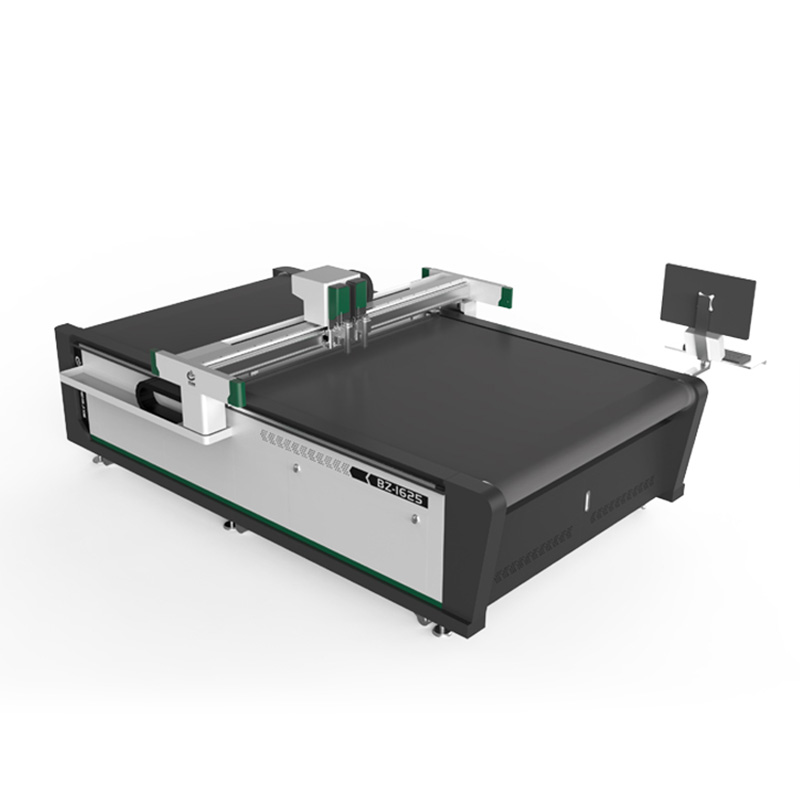
Fast fashion brands operate in an intensely competitive market where production speed directly translates to market advantage. The demand for rapid turnaround from design concept to retail shelf has never been higher, and traditional cutting methods simply cannot keep pace. An automatic garment cutting machine represents a strategic investment that addresses the core challenge of fast fashion: delivering fresh inventory faster while maintaining quality and controlling costs.
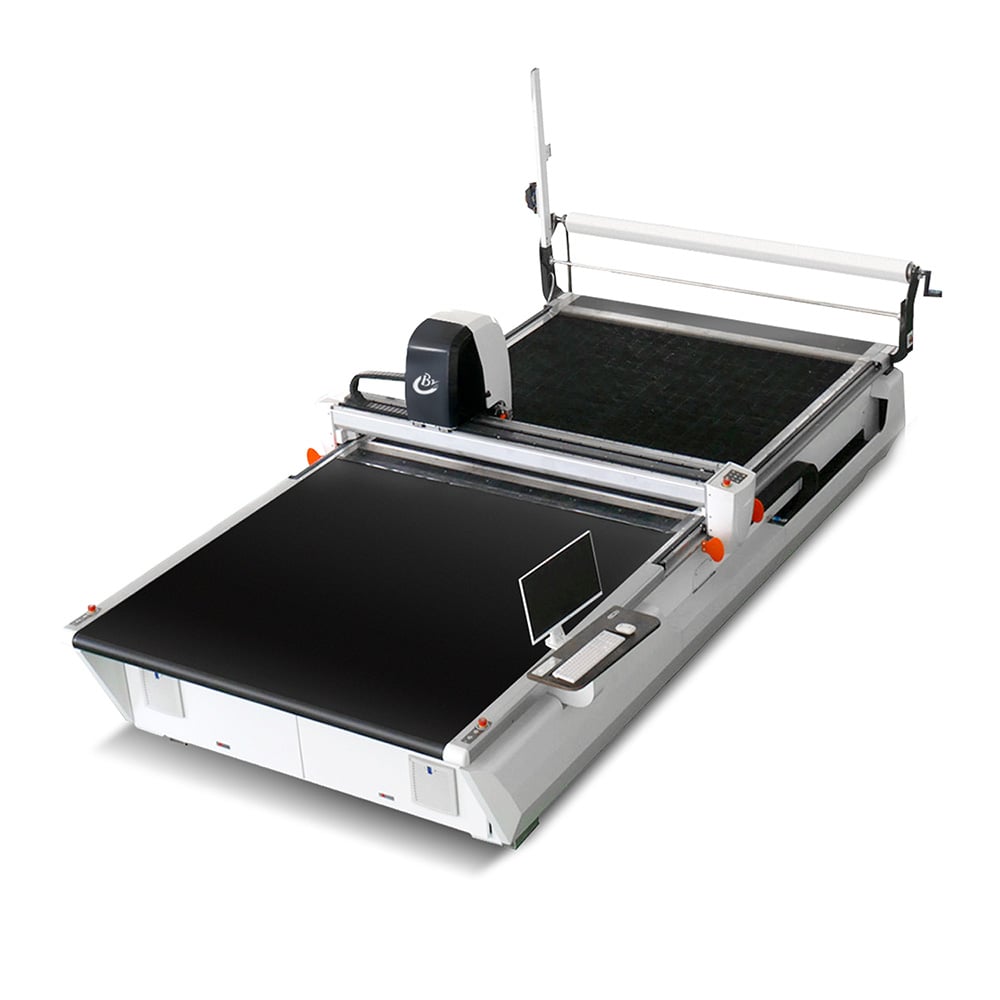
The integration of an automatic garment cutting machine into production workflows transforms operational efficiency across multiple dimensions. By automating the cutting process, fast fashion manufacturers eliminate production bottlenecks that slow inventory replenishment cycles. This technology enables brands to respond to market trends with unprecedented agility, capitalize on seasonal demand spikes, and reduce the time between design approval and product availability in stores.
Accelerating Production Speed and Market Responsiveness
Meeting Fast Fashion Timelines
The fast fashion business model depends on rapid product cycles that keep customers engaged and stores freshly stocked. An automatic garment cutting machine dramatically compresses production timelines by eliminating manual cutting delays. Where traditional cutting operations might take hours to process a single marker, an automatic garment cutting machine completes the same work in a fraction of the time, allowing manufacturers to process substantially more fabric daily and deliver finished goods to retailers on aggressive schedules.
This speed advantage translates directly to competitive positioning. Brands using an automatic garment cutting machine can detect emerging fashion trends, approve designs, and begin production while competitors are still in planning phases. The technology ensures that inventory hits the sales floor when demand is highest, maximizing sell-through rates and reducing markdown exposure that erodes profit margins in fast fashion retail.
Reducing Lead Times and Inventory Risk
Traditional manual cutting introduces unpredictable variability into production schedules. An automatic garment cutting machine eliminates this variability by delivering consistent, predictable cutting cycles that enable precise production forecasting. Manufacturers can reliably commit to shorter lead times, allowing retailers to order closer to actual demand rather than speculating on inventory needs weeks in advance. This reduced lead time window significantly decreases the risk of overproduction and inventory obsolescence, a critical concern in fast fashion where unsold stock represents direct loss.
Optimizing Fabric Utilization and Reducing Waste
Maximizing Cutting Efficiency
Material costs represent a substantial portion of fast fashion production expenses, and fabric waste directly impacts profitability. An automatic garment cutting machine uses sophisticated nesting algorithms and computer optimization to position pattern pieces on fabric with minimal waste. The precision of automated cutting eliminates the misalignment and cutting errors inherent in manual processes, maximizing the number of usable pieces extracted from each fabric bolt.
The efficiency gains from an automatic garment cutting machine translate to measurable cost reduction per garment. Improved fabric utilization rates lower material costs, and reduced scrap disposal reduces waste management expenses. For fast fashion brands operating on tight margins, these incremental per-unit savings accumulate across millions of garments annually, producing substantial bottom-line impact that strengthens competitive pricing power.
Supporting Sustainability Objectives
Modern consumers increasingly scrutinize brand sustainability practices, and fast fashion companies face growing pressure to demonstrate environmental responsibility. An automatic garment cutting machine directly supports sustainability goals by minimizing fabric waste generation. Reduced scrap material decreases landfill contribution and lowers waste disposal costs simultaneously, creating aligned business and environmental benefits.
The waste reduction achieved through an automatic garment cutting machine also reduces the raw material volume required to meet production targets. Lower material input requirements decrease supply chain environmental impact and support corporate sustainability commitments that resonate with conscious consumers and corporate stakeholders alike.
Enhancing Quality Consistency and Operational Control
Precision and Standardization
Quality consistency directly impacts brand reputation and customer satisfaction in fast fashion. An automatic garment cutting machine delivers precision cutting that maintains exact specifications across every production run. Automated processes eliminate human error, fatigue-related variability, and the inconsistency inherent in manual labor, ensuring that every garment matches design specifications precisely.
This consistent quality output reduces rework requirements and defect rates that increase production costs. An automatic garment cutting machine provides manufacturers with reliable, repeatable cutting performance that simplifies quality control processes and reduces the administrative overhead of managing manual cutting variability. Standardized output also simplifies downstream operations, enabling seamless integration with automated sewing and finishing processes.
Data-Driven Production Optimization
Modern automatic garment cutting machines integrate advanced digital tracking and performance analytics. These systems capture detailed production data that enables manufacturers to identify optimization opportunities, monitor equipment performance, and make evidence-based decisions about production scheduling and capacity allocation. Digital integration allows fast fashion manufacturers to correlate cutting efficiency metrics with downstream production performance, identifying bottlenecks and inefficiencies across the supply chain.
The visibility provided by an automatic garment cutting machine transforms production management from reactive firefighting to proactive optimization. Manufacturers can predict maintenance needs before equipment failure, adjust cutting parameters based on fabric characteristics, and continuously refine production workflows to maximize throughput and quality simultaneously.
FAQ
How does an automatic garment cutting machine improve production capacity?
An automatic garment cutting machine increases production capacity by operating at consistent, high speeds that far exceed manual cutting. The technology eliminates setup time variability, reduces operator breaks and fatigue-related slowdowns, and enables 24/7 operation through shift scheduling. Manufacturers can dramatically increase daily fabric throughput without proportional increases in labor costs, effectively multiplying production capacity from existing facility infrastructure.
What is the return on investment timeline for an automatic garment cutting machine?
Return on investment for an automatic garment cutting machine depends on production volume, current labor costs, fabric utilization rates, and product mix. High-volume fast fashion manufacturers typically achieve payback within 12 to 24 months through cumulative savings from reduced labor, improved material efficiency, faster production cycles that enable higher inventory turns, and reduced quality-related rework. The investment becomes increasingly attractive as production volume scales.
Can an automatic garment cutting machine work with different fabric types?
Yes, modern automatic garment cutting machines accommodate diverse fabric types including woven materials, knitted fabrics, and technical textiles. The equipment features adjustable cutting parameters, multiple blade options, and software settings optimized for different fabric characteristics. Fast fashion manufacturers producing varied product categories can utilize a single automatic garment cutting machine across multiple fabric types, maximizing equipment utilization and production flexibility.