
 EN
EN



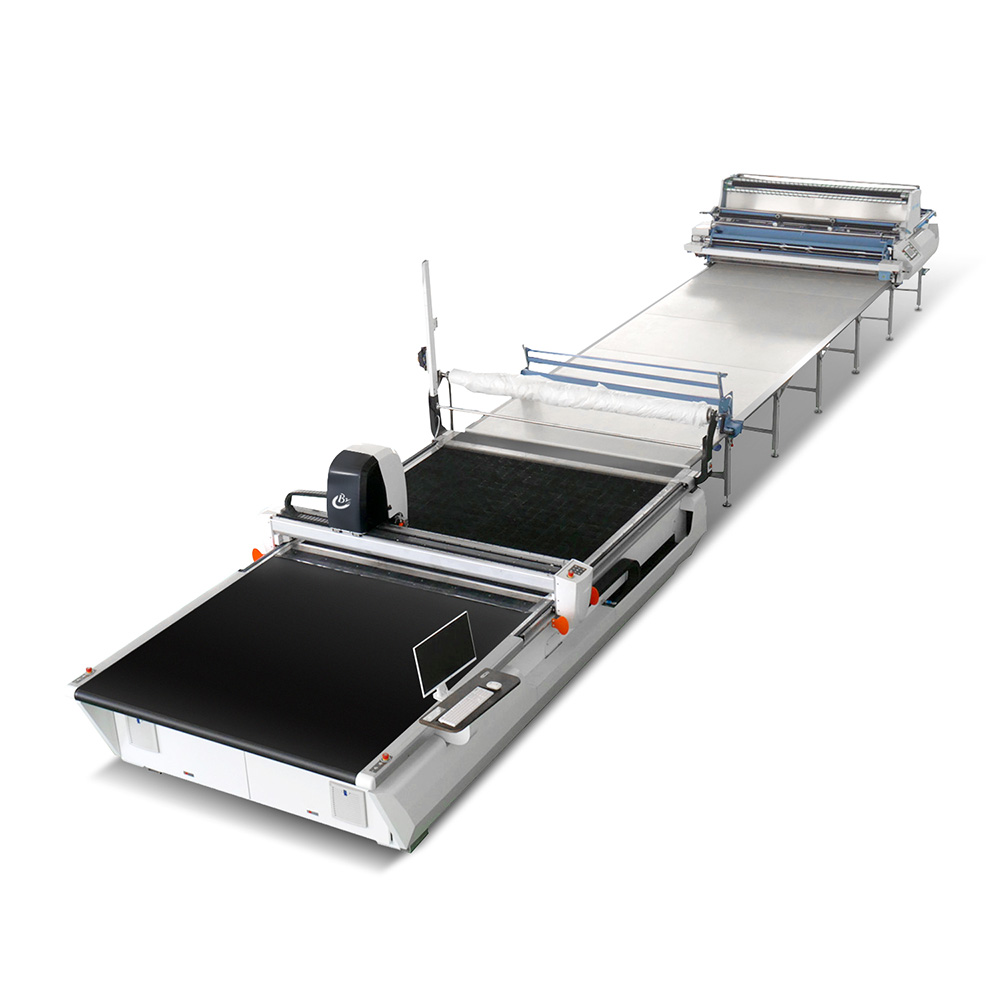
The path from design to finished garment traditionally involves multiple manual steps, each introducing delays and inconsistencies that extend overall lead times. An automatic garment cutting machine fundamentally transforms this workflow by automating the most time-consuming phase of production. When an automatic garment cutting machine integrates into your facility, the reduction in production cycles becomes immediately visible. Design teams can move patterns to cutting more rapidly, eliminating the scheduling gaps that plague manual operations. The impact ripples across your entire production timeline, compressing weeks into days and enabling faster response to market demand. This technological shift addresses a core bottleneck that has constrained apparel manufacturers for decades.
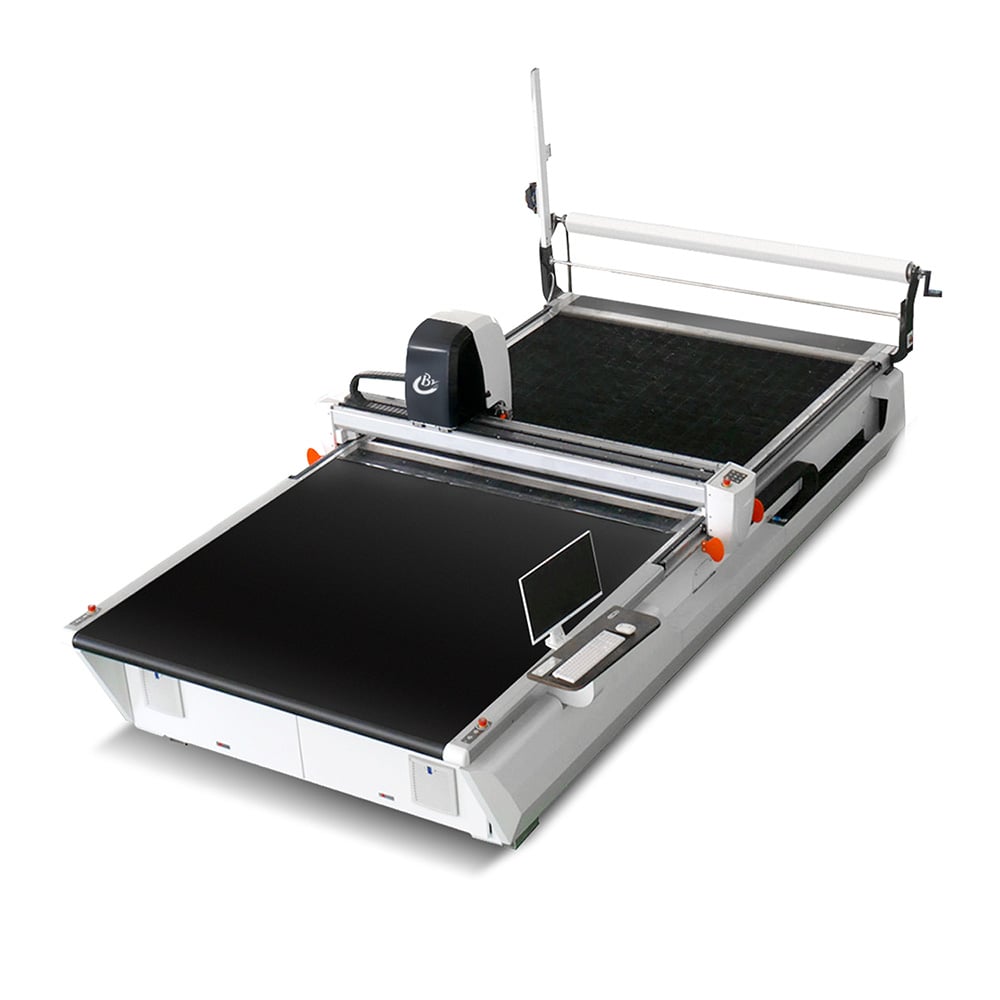
Understanding how an automatic garment cutting machine accelerates lead times requires examining both the direct cutting process and the systemic improvements it enables. Modern garment production faces constant pressure to reduce time to market while maintaining quality consistency. An automatic garment cutting machine addresses this dual mandate by delivering precision cuts at speeds manual operations cannot match. The technology eliminates human inconsistency, reduces fabric waste, and streamlines the handoff between design and production phases. Organizations investing in an automatic garment cutting machine discover that lead time reduction extends beyond cutting alone, improving coordination across design, grading, pattern making, and sewing departments.
How Cutting Automation Eliminates Production Delays
Accelerating the Cutting Phase Directly
Manual cutting represents one of the most labor-intensive and time-consuming stages in apparel manufacturing. Skilled cutters must position patterns on fabric, mark cutting lines, and execute cuts with precision, a process that demands hours even for moderate production runs. An automatic garment cutting machine completes this workflow in a fraction of the time. The system accepts digital pattern files from design software, positions fabric automatically, and executes cuts with consistent precision across multiple layers simultaneously. A single operator can manage multiple machines, and setup times drop from hours to minutes. This acceleration alone typically reduces cutting lead times by 60 to 75 percent compared to traditional manual methods.
Streamlining Pattern to Production Workflow
An automatic garment cutting machine creates new workflow possibilities by accepting digital patterns directly from design systems. Rather than waiting for manual pattern marking and cutting queue delays, designers finalize patterns and send them directly to the machine for production cutting. This seamless digital integration eliminates the waiting periods that extend overall lead times significantly. Quality control becomes more predictable because an automatic garment cutting machine produces identical cuts for every unit in the production run, eliminating the variation that manual cutting introduces. Production managers gain visibility into cutting schedules weeks in advance, enabling more accurate delivery forecasting and reducing the uncertainty that forces conservative buffer inventory.
Operational Efficiency Gains Beyond Cutting Speed
Reducing Material Waste and Associated Delays
Material waste directly impacts lead times through two mechanisms: wasted fabric reduces usable inventory, and the need to order replacement stock introduces procurement delays. An automatic garment cutting machine optimizes material utilization through intelligent nesting algorithms that position pattern pieces to minimize scrap. The precision of automated cutting means fewer miscuts requiring remakes, and the ability to cut multiple layers simultaneously reduces the number of separate cutting operations needed. These waste reduction benefits compound over time, reducing inventory shrinkage and the need for expedited material orders that disrupt production schedules. Organizations report fabric utilization improvements of 5 to 10 percent when implementing an automatic garment cutting machine, translating directly to reduced material procurement lead times.
Enabling Parallel Production Workflows
Traditional garment production follows sequential stages: cutting completes before sewing begins, and sewing must finish before finishing operations start. An automatic garment cutting machine enables parallel workflows by cutting large batches quickly, allowing sewing departments to begin work while cutting continues on additional orders. This production parallelization reduces total manufacturing lead times substantially without requiring additional floor space or labor in downstream departments. The machine's consistent output quality also reduces the need for rework and quality control holds that interrupt production flow. By maintaining steady material flow to sewing operations, an automatic garment cutting machine ensures that production bottlenecks shift away from cutting and allow the entire pipeline to operate more efficiently.
Integration With Digital Design and Production Systems
Creating Seamless Design-to-Production Connectivity
Modern automatic garment cutting machine systems integrate with computer-aided design software, eliminating manual pattern transfers that introduce errors and delays. Designers complete patterns in their CAD systems and send specifications directly to the cutting machine with no intermediate steps. This end-to-end digital continuity removes communication gaps and reduces the time patterns spend waiting in queues. An automatic garment cutting machine can begin cutting immediately upon receiving validated design files, compressing what previously required days of coordination into minutes. The digitalization also creates audit trails that support quality assurance and help identify process improvements for future production runs.
Enabling Data-Driven Production Scheduling
An automatic garment cutting machine generates detailed production data that informs scheduling decisions and identifies optimization opportunities. The system tracks cutting times for specific pattern combinations, fabric types, and batch sizes, enabling predictive scheduling that anticipates bottlenecks before they occur. Production managers leverage this data to sequence orders optimally, grouping similar patterns to reduce machine setup times and maximize throughput. This analytical approach to scheduling reduces the contingency buffers that traditional facilities build into lead times. By understanding actual cutting performance metrics, organizations can provide more accurate delivery commitments and reduce the safety stock inventory they maintain to buffer against schedule uncertainty.
Real-World Lead Time Reduction Scenarios
Small-to-Medium Production Runs
Custom and semi-custom apparel producers face particularly acute lead time challenges because setup costs and queue delays disproportionately impact small batches. An automatic garment cutting machine transforms the economics of small-batch production by reducing setup times from hours to minutes and enabling quick changeovers between different styles. A facility processing 100-unit custom orders can now cut multiple distinct orders in a single working day, whereas manual cutting required separate sessions for each style. This capability enables faster turnaround times that become a competitive advantage, allowing facilities to accept rush orders and serve style-conscious customers without sacrificing profitability. The lead time reduction from implementing an automatic garment cutting machine typically reaches 50 to 70 percent for small batch production.
High-Volume Standard Production
High-volume manufacturers benefit from an automatic garment cutting machine through sustained throughput improvements and the ability to scale production without proportional labor increases. A facility cutting 10,000 units weekly can accomplish this volume with one or two machines and minimal operator attention, compared to teams of manual cutters working extended hours. The consistency of an automatic garment cutting machine reduces quality control holds and rework, ensuring that sewing and finishing departments receive defect-free components that move through production without interruption. These cumulative efficiencies typically translate to 40 to 60 percent lead time reduction for volume producers, enabling them to respond more quickly to seasonal demand fluctuations and market opportunities.
FAQ
What is the typical implementation timeline for an automatic garment cutting machine in an existing facility?
Most facilities complete installation and operator training for an automatic garment cutting machine within 4 to 8 weeks. Initial setup involves integrating the machine with existing design software, training operators on digital pattern preparation, and optimizing nesting parameters for your specific product mix. Lead time benefits typically begin within 2 to 3 weeks of operation as the team develops proficiency with the system. Full lead time optimization usually requires 3 to 6 months as you refine production workflows and identify scheduling improvements.
Can an automatic garment cutting machine handle different fabric types and weights?
Modern automatic garment cutting machine systems support a wide range of fabrics including woven cotton, knits, blends, synthetics, and performance materials. The machine accommodates fabric weight variations and pile characteristics through adjustable pressure settings and blade configurations. However, certain specialty fabrics like leather or rubber may require additional equipment or modifications. Most facilities can handle 85 to 95 percent of their standard fabric palette with a single automatic garment cutting machine, requiring only occasional manual cutting for exceptional materials.
How does an automatic garment cutting machine reduce costs beyond lead time savings?
An automatic garment cutting machine generates cost savings through multiple channels including reduced fabric waste, lower labor per unit cut, decreased rework from quality inconsistencies, and reduced inventory holding costs from faster production cycles. Labor reductions typically range from 30 to 50 percent in the cutting department, and material savings from improved nesting achieve 5 to 10 percent utilization improvements. The combination of these factors typically delivers ROI within 18 to 36 months depending on facility volume and existing labor costs.