
 EN
EN


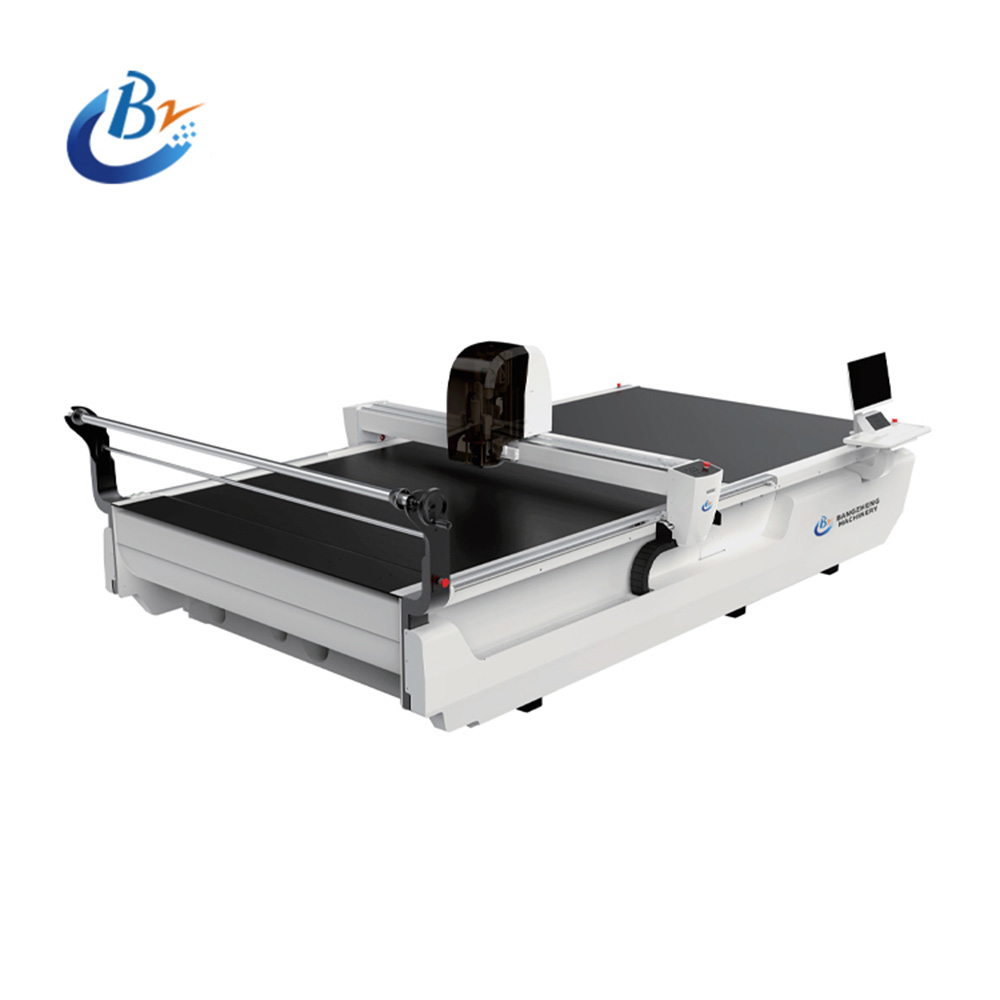
Selecting the right multi layer fabric cutting machine is one of the most critical decisions textile manufacturers face when investing in production equipment. The cutting height capability of your multi layer fabric cutting machine directly impacts efficiency, material waste, and the quality of finished products. Understanding how cutting height functions within a multi layer fabric cutting machine and matching it to your specific production requirements ensures you make an investment that delivers measurable returns. This guide walks you through the essential factors to evaluate when choosing a multi layer fabric cutting machine that aligns with your operational needs.
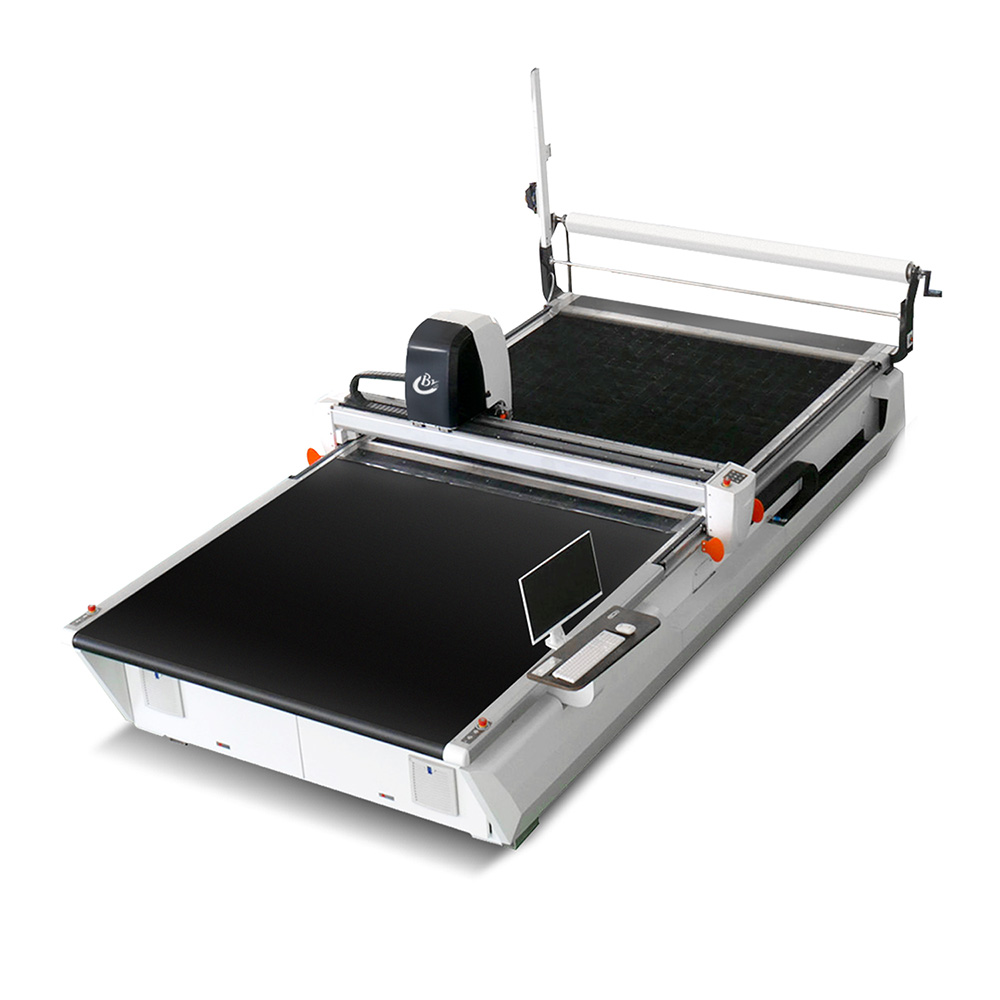
The cutting height specification of your multi layer fabric cutting machine determines how many fabric layers you can process simultaneously without compromising cut quality or accuracy. A multi layer fabric cutting machine with insufficient cutting height limits your throughput and requires multiple passes to complete larger stacks. Conversely, excessive cutting height capacity adds unnecessary cost without proportional benefit. The key is finding a multi layer fabric cutting machine whose cutting height matches your actual production volumes and fabric types.
Understanding Cutting Height in Multi Layer Fabric Cutting Machines
How Cutting Height Affects Production Capacity
The cutting height of a multi layer fabric cutting machine refers to the maximum vertical distance the cutting blade can travel through stacked material without losing precision. A higher cutting height on your multi layer fabric cutting machine allows you to stack more layers of fabric for each cutting cycle, directly reducing the number of passes needed to complete an order. This increased efficiency translates into faster turnaround times and lower labor costs per unit produced. When evaluating a multi layer fabric cutting machine, verify that the specified cutting height accommodates the typical stack thickness you process regularly.
Impact on Material Waste and Cost
A multi layer fabric cutting machine with inadequate cutting height forces you to make multiple passes through the same pattern, which increases material waste at pattern edges and reduces nesting efficiency. The right multi layer fabric cutting machine minimizes repositioning and re-cutting, preserving valuable fabric that might otherwise be lost to waste. Higher cutting height capacity in a multi layer fabric cutting machine also enables better batch optimization, allowing you to cut more variations in a single operation. Over time, the waste reduction achieved by selecting the correct cutting height on your multi layer fabric cutting machine recovers the equipment investment.
Assessing Your Production Requirements for the Right Machine
Identifying Your Average and Peak Stack Thickness
Before selecting a multi layer fabric cutting machine, document the typical stack heights you cut daily and during peak seasons. Most textile operations find that their standard cutting heights cluster around specific ranges—for example, denim manufacturers typically cut stacks between 2 to 4 inches, while apparel producers may work with 1 to 3 inches. Your chosen multi layer fabric cutting machine should exceed your peak thickness by at least 20 percent to account for fabric compression and dimensional variation. Recording this data ensures your multi layer fabric cutting machine investment precisely matches operational reality rather than generic assumptions.
Evaluating Fabric Types and Material Characteristics
Different fabrics require different cutting heights on a multi layer fabric cutting machine because material density, texture, and elasticity vary significantly. Heavy denims, canvas, and technical textiles demand a multi layer fabric cutting machine with robust cutting height capacity and blade pressure control, as these materials compress less and require more force. Lightweight silks, knits, and delicate fabrics benefit from a multi layer fabric cutting machine with moderate cutting height and precision blade management to prevent fraying and distortion. Analyze your specific fabric portfolio and ensure your chosen multi layer fabric cutting machine delivers the cutting height and pressure settings needed for each material type you process regularly.
Key Technical Specifications Beyond Cutting Height
Blade Quality and Sharpness Maintenance
The cutting height capability of a multi layer fabric cutting machine only performs effectively when the blade remains sharp and properly maintained. Dull blades force the multi layer fabric cutting machine to exert excessive pressure, which damages the cutting height mechanism and reduces precision across the stack. Premium multi layer fabric cutting machine models include automatic blade sharpening or easy-change blade cartridges that preserve cutting height accuracy over extended production runs. When evaluating a multi layer fabric cutting machine, inquire about blade maintenance protocols and the availability of replacement parts, as these factors directly impact the long-term value of your cutting height investment.
Pressure Control and Consistency
A multi layer fabric cutting machine with variable pressure control allows you to optimize cutting quality across different materials while maximizing your cutting height capacity. Consistent pressure throughout the cutting height range prevents incomplete cuts at lower layers and over-cutting at upper layers, which is a common problem when cutting height is not paired with intelligent pressure distribution. Advanced multi layer fabric cutting machine systems use automatic pressure calibration that adjusts for material density and cutting height automatically. This intelligence transforms cutting height from a static specification into a dynamic tool that adapts to real production conditions.
Matching Cutting Height to Your Business Model
Small Batch vs. High-Volume Operations
Small batch producers may prioritize a multi layer fabric cutting machine with versatile cutting height adjustment over maximum stack capacity, since they change patterns frequently and need flexibility. High-volume manufacturers benefit more from a multi layer fabric cutting machine with extended cutting height designed for consistent large stacks, even if the machine offers fewer programmable variations. Mid-size operations often find that a multi layer fabric cutting machine with moderate cutting height and strong software integration delivers the best balance between efficiency and adaptability. Your business model directly influences which cutting height specifications on a multi layer fabric cutting machine deliver the highest return on investment.
Equipment Footprint and Space Constraints
Larger cutting height capacities sometimes come with larger overall machine footprints, which can constrain your production floor layout. When selecting a multi layer fabric cutting machine, verify that the height clearance and width accommodate your workspace without forcing costly facility modifications. Some multi layer fabric cutting machine manufacturers offer compact models with optimized cutting height ranges that fit tighter spaces while maintaining practical productivity levels. Balancing cutting height capability with physical space availability ensures your multi layer fabric cutting machine integrates smoothly into existing workflow without disruption.
FAQ
What is the typical cutting height range for a standard multi layer fabric cutting machine?
Most commercial multi layer fabric cutting machines offer cutting heights between 2 and 6 inches, depending on the model and manufacturer specifications. Entry-level machines typically handle 2 to 4 inches, while industrial-grade systems reach 6 inches or higher. Your specific cutting height needs depend on your production volumes, fabric types, and batch sizes. Consult with equipment specialists to identify the optimal cutting height range for your operation.
How does cutting height affect blade wear and maintenance frequency?
Higher cutting height operations generally increase blade wear because the blade must maintain pressure and precision through more material. However, a well-designed multi layer fabric cutting machine distributes this wear evenly, extending blade life. Proper maintenance protocols, including regular blade sharpening and pressure calibration, preserve cutting performance regardless of height. The right multi layer fabric cutting machine includes maintenance indicators that alert you when service is needed.
Can a multi layer fabric cutting machine with excessive cutting height be used for thinner stacks?
Yes, most multi layer fabric cutting machines allow you to reduce cutting height through software settings or mechanical adjustments. Using a machine with higher maximum capacity for thinner work does not harm performance, though it represents over-specification. The practical consideration is cost—you pay for capabilities you may not consistently use. Select a multi layer fabric cutting machine whose standard cutting height matches your most frequent tasks, with the flexibility to adjust downward when needed.