
 EN
EN



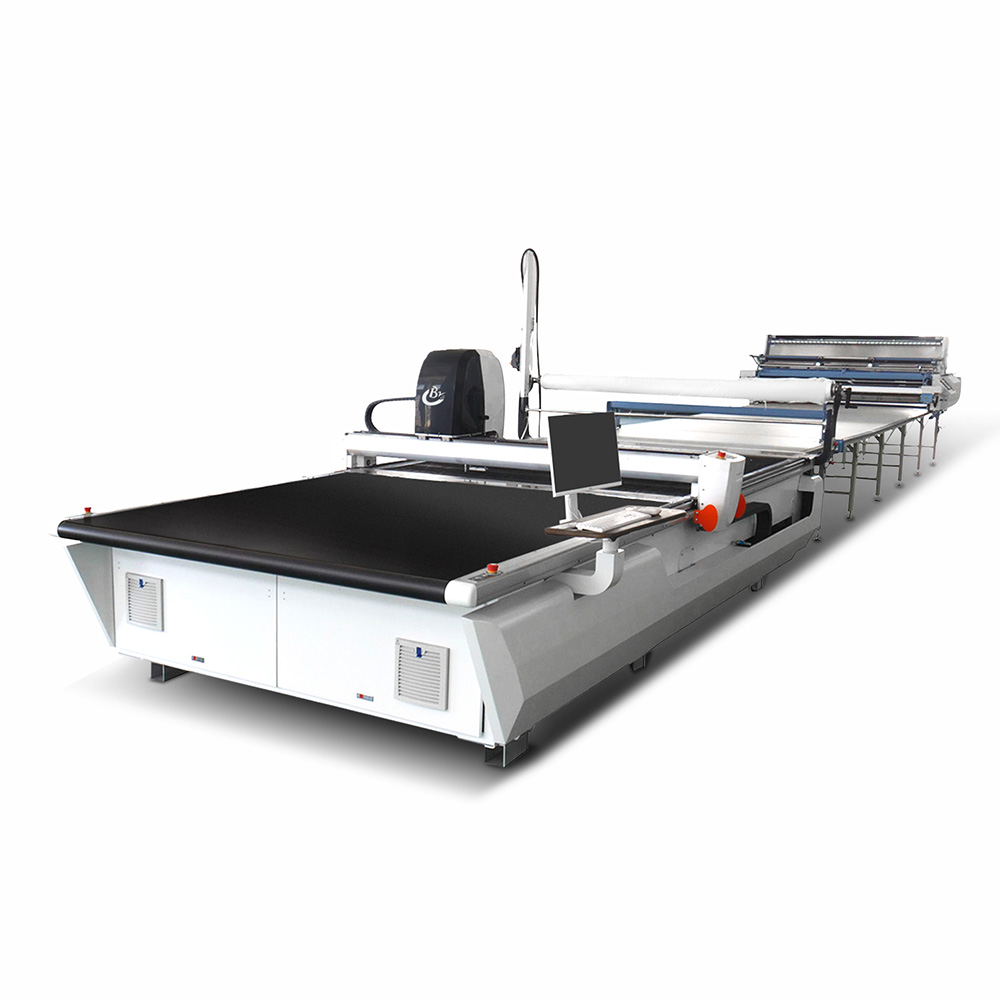
In competitive garment manufacturing, production speed directly impacts profitability and market responsiveness. A multi layer fabric cutting machine transforms high-volume garment production by enabling simultaneous cutting across multiple fabric layers, dramatically reducing cycle times and labor costs. This technology has become essential for manufacturers facing rising demand and tight production timelines. Understanding how a multi layer fabric cutting machine increases throughput reveals the operational advantages that separate industry leaders from struggling competitors.
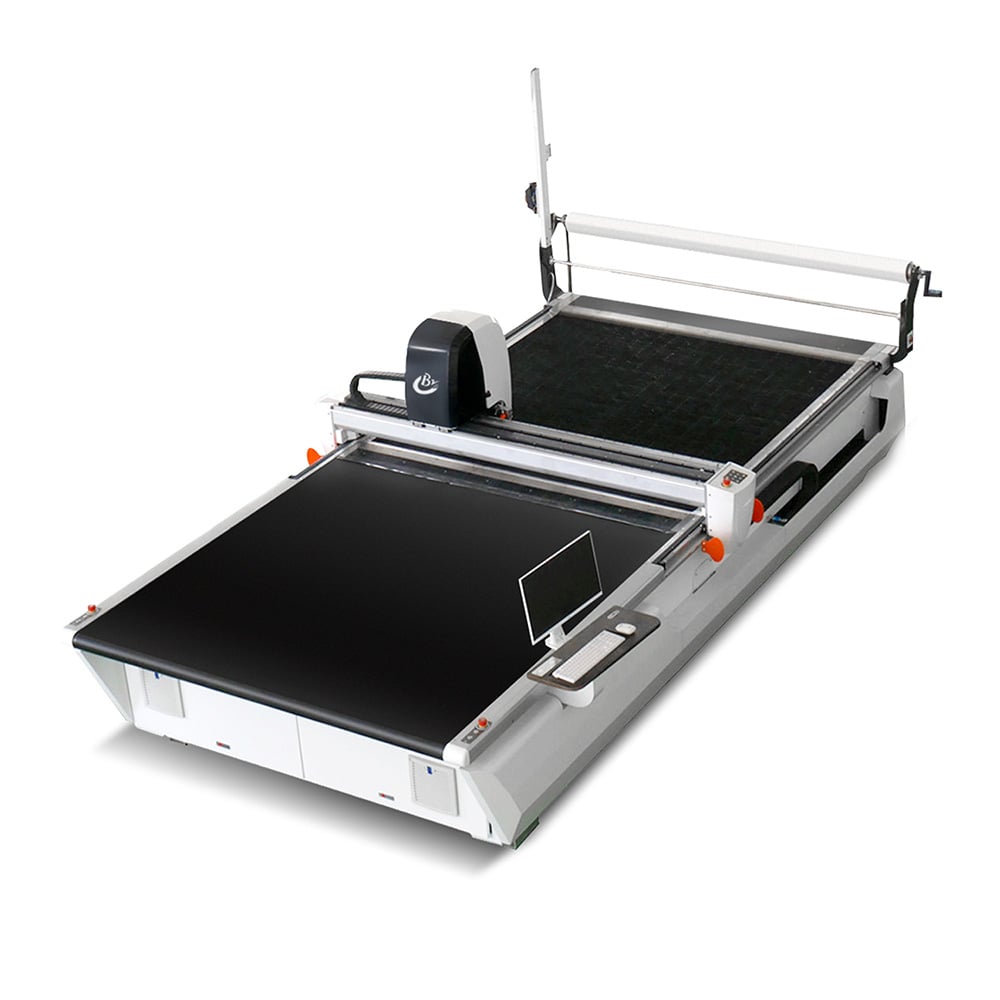
Modern garment facilities require cutting solutions that handle volume without sacrificing precision or consistency. A multi layer fabric cutting machine delivers exactly this capability by stacking dozens of fabric layers and cutting them as one unit. This approach eliminates the need for repeated single-layer cuts, compressing production schedules significantly. Manufacturing operations that adopt this technology typically achieve throughput improvements of 40% to 60%, translating to substantial revenue gains and faster order fulfillment.
Operational Efficiency Through Simultaneous Multi-Layer Processing
How Multi Layer Fabric Cutting Machines Accelerate Production Speed
A multi layer fabric cutting machine operates on a fundamentally different principle than traditional single-layer cutting equipment. Instead of processing fabric one layer at a time, this machine stacks multiple layers and cuts them simultaneously with a single blade path. For garment producers cutting 50-piece orders, a multi layer fabric cutting machine reduces the knife passes from 50 individual cuts to just one coordinated pass. This efficiency multiplier applies to every batch, making throughput gains cumulative across daily production runs.
Precision and consistency improve alongside speed when using a multi layer fabric cutting machine. Automated positioning systems ensure each layer aligns perfectly before cutting begins, eliminating the registration errors common in manual stacking. The reduction in human handling also decreases fabric waste and cutting mistakes that slow production. Operators working with a multi layer fabric cutting machine report 20% to 30% less scrap material compared to traditional methods, directly improving yield rates and reducing material costs.
Reducing Labor Requirements Without Compromising Quality
Labor productivity gains emerge naturally when adopting a multi layer fabric cutting machine. Where single-layer cutting requires constant operator involvement to load, position, and unload fabric, a multi layer fabric cutting machine handles batch operations with minimal intervention. A single operator can load a multi layer fabric cutting machine, initiate the cutting sequence, and move to other production tasks. This capability allows manufacturers to handle higher order volumes without proportionally increasing headcount, directly improving labor cost per garment.
Training and skill requirements actually decrease with a multi layer fabric cutting machine compared to manual cutting tools. Operators need basic machine interface familiarity rather than extensive precision expertise. This accessibility makes it easier to scale production during peak seasons when temporary labor becomes necessary. Facilities using a multi layer fabric cutting machine experience faster staff onboarding and lower training costs while maintaining consistent cutting quality across all shifts and operators.
Capacity Expansion and Production Scaling Capabilities
Meeting Growing Order Volumes Without Equipment Multiplication
Garment manufacturers facing demand growth traditionally faced a stark choice: invest in additional cutting equipment or reject orders. A multi layer fabric cutting machine fundamentally changes this equation by maximizing throughput from existing floor space. Facilities can often double or triple production capacity by switching from single-layer to multi-layer cutting technology. This throughput expansion happens without purchasing multiple machines or expanding the production facility footprint.
The financial impact of increased capacity is substantial. Instead of capital investment in new building space and multiple cutting stations, a multi layer fabric cutting machine achieves similar capacity gains from a single equipment purchase. The return on investment typically materializes within 12 to 18 months when comparing equipment costs against the revenue generated from expanded production capacity. Manufacturers gain competitive advantage by fulfilling larger orders and accepting customer contracts that competitors cannot accommodate within their current infrastructure.
Flexibility for Multiple Fabric Types and Garment Styles
Production flexibility increases dramatically with a multi layer fabric cutting machine designed for variable fabric thickness and composition. Modern systems accommodate everything from delicate wovens to heavy denims and technical textiles within the same equipment. Operators can adjust cutting speed, blade pressure, and layer count based on fabric characteristics without reconfiguring the entire machine. This adaptability enables facilities to service diverse customer requirements and seasonal product mix changes without reducing overall throughput.
Pattern complexity also becomes less limiting when using a multi layer fabric cutting machine. Intricate garment designs that would require multiple cutting sessions on traditional equipment can often be processed in single passes. Curved seams, notches, and layered components get cut simultaneously across all stacked layers. This capability opens opportunities for manufacturers to accept custom and specialty orders that generate higher margins while maintaining efficiency on standardized high-volume products.
Precision, Consistency, and Quality Assurance Benefits
Achieving Repeatable Accuracy Across High Production Volumes
Precision consistency represents a critical advantage of automated multi layer fabric cutting machine technology. Computer-controlled blade positioning ensures every layer receives identical cuts regardless of whether cutting one piece or one hundred. This mathematical precision eliminates the variation inherent in manual cutting, where operator fatigue and technique inconsistency accumulate throughout production shifts. Garment assembly teams working with pieces cut on a multi layer fabric cutting machine experience fewer fit issues and reduced rework requirements.
Quality assurance becomes more straightforward when using a multi layer fabric cutting machine. Operators can perform spot checks on finished bundles knowing that all pieces within the stack match precisely. Pattern recognition systems on advanced multi layer fabric cutting machine models automatically detect fabric defects and adjust cutting paths to avoid damaged areas. This intelligent adjustment capability improves finished garment quality while reducing material loss from defect-related scrap.
Waste Reduction and Material Utilization Optimization
Material waste reduction directly impacts profitability in garment manufacturing. A multi layer fabric cutting machine optimizes fabric utilization through precise nesting algorithms that arrange patterns to minimize gaps and scrap. When cutting multiple layers simultaneously, the multi layer fabric cutting machine calculates optimal pattern placement for the entire stack, not just individual pieces. This sophisticated approach to material layout typically improves fabric utilization by 5% to 15% compared to traditional single-layer cutting methods.
Environmental and regulatory advantages accompany improved material efficiency. Manufacturers using a multi layer fabric cutting machine reduce textile waste destined for landfills, supporting sustainability initiatives and regulatory compliance. The reduced scrap volume also lowers waste disposal costs while improving the facility's environmental profile. For garment producers targeting eco-conscious retailers or customers, the waste reduction achieved through a multi layer fabric cutting machine becomes a competitive selling point and operational advantage.
FAQ
What maximum number of layers can a multi layer fabric cutting machine process simultaneously?
Most modern multi layer fabric cutting machine models handle between 20 and 60 layers depending on fabric thickness and blade specifications. Heavier textiles like denim typically cut at lower layer counts, while lightweight fabrics allow greater stacking. The multi layer fabric cutting machine automatically calculates optimal layer capacity based on selected fabric type and cutting parameters. Operators can adjust layer count between batches to optimize speed versus quality for specific material characteristics.
How does a multi layer fabric cutting machine maintain cutting accuracy across all layers?
Advanced multi layer fabric cutting machine systems use vacuum tables and precise alignment guides to stabilize stacked fabric, preventing slippage during cutting. High-pressure vacuum systems hold fabric firmly against the cutting bed while the blade descends with controlled force. The multi layer fabric cutting machine monitors blade pressure and fabric tension throughout the cutting process, automatically adjusting parameters if slippage is detected. This real-time feedback ensures consistent cut quality from the top layer to the bottom layer in every pass.
What return on investment timeline should manufacturers expect from a multi layer fabric cutting machine?
Facilities typically achieve return on investment from a multi layer fabric cutting machine within 12 to 24 months, depending on current production volume and labor costs. Facilities operating at high volume with significant overtime see faster ROI through reduced labor hours and increased throughput capacity. The multi layer fabric cutting machine investment becomes profitable even faster when manufacturers use increased capacity to accept new customer orders or renegotiate pricing based on improved cost structures. Long-term financial benefits extend well beyond initial ROI through sustained efficiency and competitive capacity advantages.