
 EN



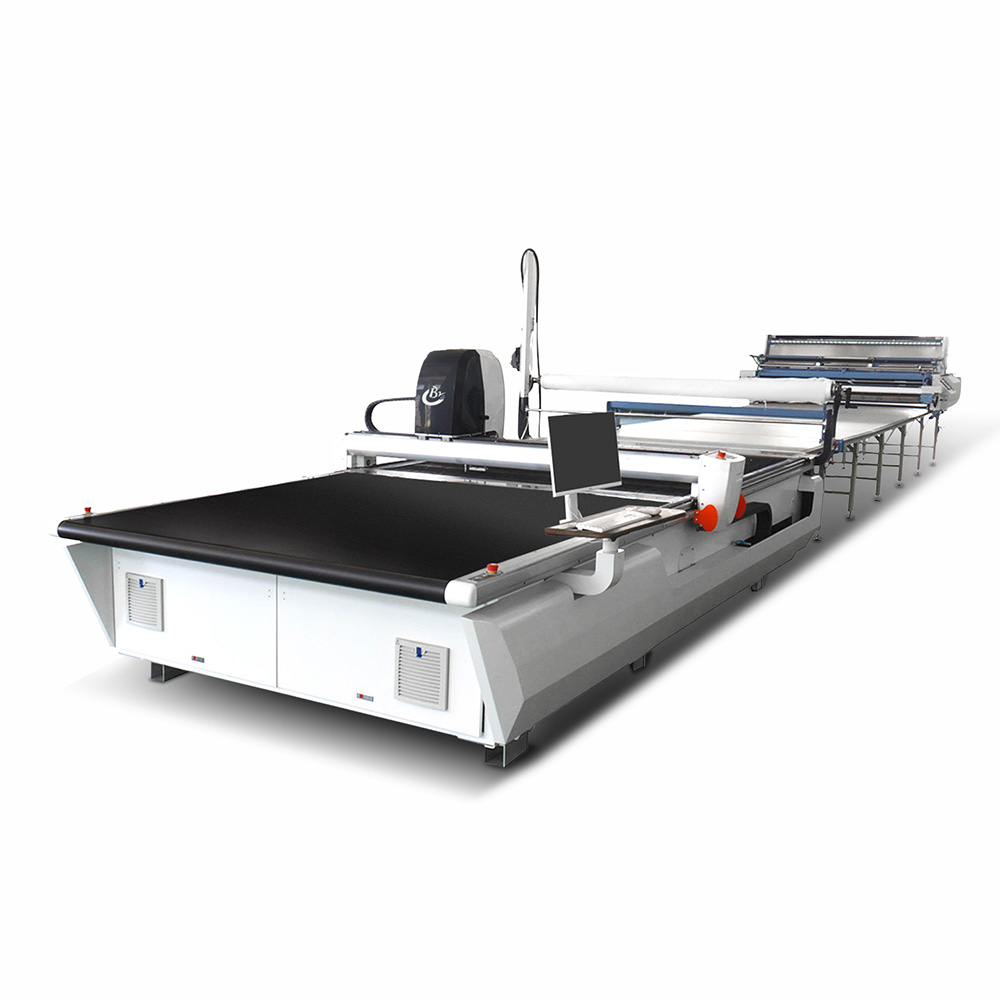
Automotive textile suppliers should consider a wide-area cnc fabric cutting machine when interior programs require larger cutting layouts, repeatable parts, and coordinated production across multiple materials. Its value is not simply the cutting speed: a cnc fabric cutting machine can help connect digital patterns, material handling, and cutting decisions in one controlled workflow. For suppliers making seat covers, door panels, and trim, that connection can make daily production easier to plan.

Wide-area capacity is especially relevant when a supplier handles broad fabric rolls, long pattern pieces, or several components in one job. A cnc fabric cutting machine can reduce the need to divide a layout into separate cutting zones, while supporting consistent execution from the approved pattern file. The best fit depends on product mix, material behavior, floor space, and the way orders move through the facility.
Production Reasons for Wide-Area Capacity
More room for complete interior layouts
Car interiors combine components of different shapes and sizes. Seat panels may sit beside smaller reinforcement pieces, while door trim or headliner sections may require long, continuous cutting paths. A wide-area cnc fabric cutting machine gives planners more room to arrange related parts together, so the layout can reflect the job rather than the limits of a narrow work surface. That flexibility can be useful when product specifications or order quantities change.
With a cnc fabric cutting machine, the team can prepare a digital marker that groups compatible patterns and respects grain direction, print alignment, and material defects. Keeping more of a job within one working area may simplify the transition between pattern sections and reduce manual repositioning. It does not automatically eliminate waste; operators still need sound nesting decisions and accurate material data. However, a suitable working width gives those decisions more room to work.
Fewer avoidable handoffs during cutting
When layouts are repeatedly split, operators may need to align fabric again, confirm reference points, and transfer pieces between stations. Each handoff adds a chance for confusion or variation. A cnc fabric cutting machine with a wide work area can support a more continuous cutting sequence, especially for large upholstery panels and coordinated sets. The production benefit is a clearer path from prepared material to labeled cut components.
A cnc fabric cutting machine also gives supervisors a more defined point for checking job status. Pattern version, material batch, and cut order can be connected to the job instructions before processing begins. This helps teams distinguish a genuine material issue from a setup error or an outdated file. Wide-area equipment is most useful when the surrounding workflow is organized to take advantage of its capacity, not when it merely occupies more floor space.
Quality and Material Control Benefits
Repeatable cutting for fit-sensitive parts
Interior components must align during sewing, assembly, and installation. Small differences in panel shape or notches can create downstream adjustment work, particularly when many pieces form a finished seat or trim assembly. A cnc fabric cutting machine follows programmed geometry, supporting consistent shapes across repeated jobs when files, calibration, and material positioning are controlled. This repeatability helps suppliers build a more predictable handoff to sewing teams.
A cnc fabric cutting machine does not correct an inaccurate pattern or compensate for unstable fabric on its own. Suppliers should validate pattern files, check cutting conditions, and confirm that the material remains properly spread or secured. Those controls matter for stretch textiles, coated fabrics, and layered constructions. When teams treat digital cutting as part of quality management, the machine can make approved specifications easier to reproduce rather than replacing inspection.
Better visibility into textile use
Fabric is a significant production input, so layout decisions affect both material consumption and job cost. A cnc fabric cutting machine can work from nesting plans that show part placement before cutting starts. Planners can review whether pieces fit the roll width, whether directional patterns are respected, and whether the proposed arrangement leaves usable remnants. This visibility supports more informed decisions than relying only on improvised placement at the cutting table.
For a cnc fabric cutting machine, material control also includes tracking roll identity, usable width, defects, and batch changes. If the digital plan assumes a width that the incoming roll does not provide, the layout may fail in production. Recording those conditions helps teams compare planned and actual use and identify recurring causes of scrap. A wider cutting area offers options, but disciplined data and operator checks determine whether those options translate into reliable material use.
Implementation Fit for Automotive Suppliers
Match the working area to real jobs
Before choosing a cnc fabric cutting machine, review representative interior orders rather than relying on the largest theoretical part. Compare roll widths, pattern dimensions, typical batch sizes, and how often jobs combine several components. The required table area should accommodate normal production layouts and practical loading clearance. Suppliers should also consider where fabric is inspected, spread, marked, and moved, because a wide table is only one part of the process.
The intended material range matters as much as machine dimensions. A cnc fabric cutting machine used for woven upholstery may face different handling needs from one processing synthetic leather, foam-backed textile, or other layered material. Ask production teams to document thickness, flexibility, surface sensitivity, and cutting requirements for current and planned programs. That review keeps the equipment decision tied to actual interior work instead of a broad assumption that every textile job behaves alike.
Prepare people, data, and downstream flow
A cnc fabric cutting machine delivers its strongest operational value when pattern preparation and shop-floor execution are coordinated. Define who approves pattern revisions, how operators confirm the correct file, and how cut parts are identified for sewing or assembly. Training should cover setup, safe material handling, routine checks, and escalation when the cut does not match expectations. Clear responsibilities help prevent a capable machine from becoming an isolated production island.
Finally, check whether downstream processes can absorb the output of a cnc fabric cutting machine. If bundles wait too long for sewing, faster or more continuous cutting may only move congestion elsewhere. Suppliers can map the route from roll storage through cutting, bundling, sewing, and final inspection, then identify the constraint that wide-area capacity is meant to address. This practical assessment makes the investment relevant to throughput, quality, and scheduling priorities.
FAQ
Why does wide-area capacity matter for car interiors?
A wide work surface gives a cnc fabric cutting machine more room for large panels and grouped components. It can make layout planning more flexible, provided the patterns, roll width, and production method are suitable.
Does a cnc fabric cutting machine guarantee lower fabric waste?
No. A cnc fabric cutting machine can support digital nesting and clearer material planning, but actual waste depends on pattern design, fabric defects, grain direction, roll variation, and operator controls.
What should suppliers assess before adoption?
Review representative jobs, material types, available floor space, pattern data, operator training, and downstream capacity. A cnc fabric cutting machine is a stronger fit when these requirements align with a defined production need.