
 EN



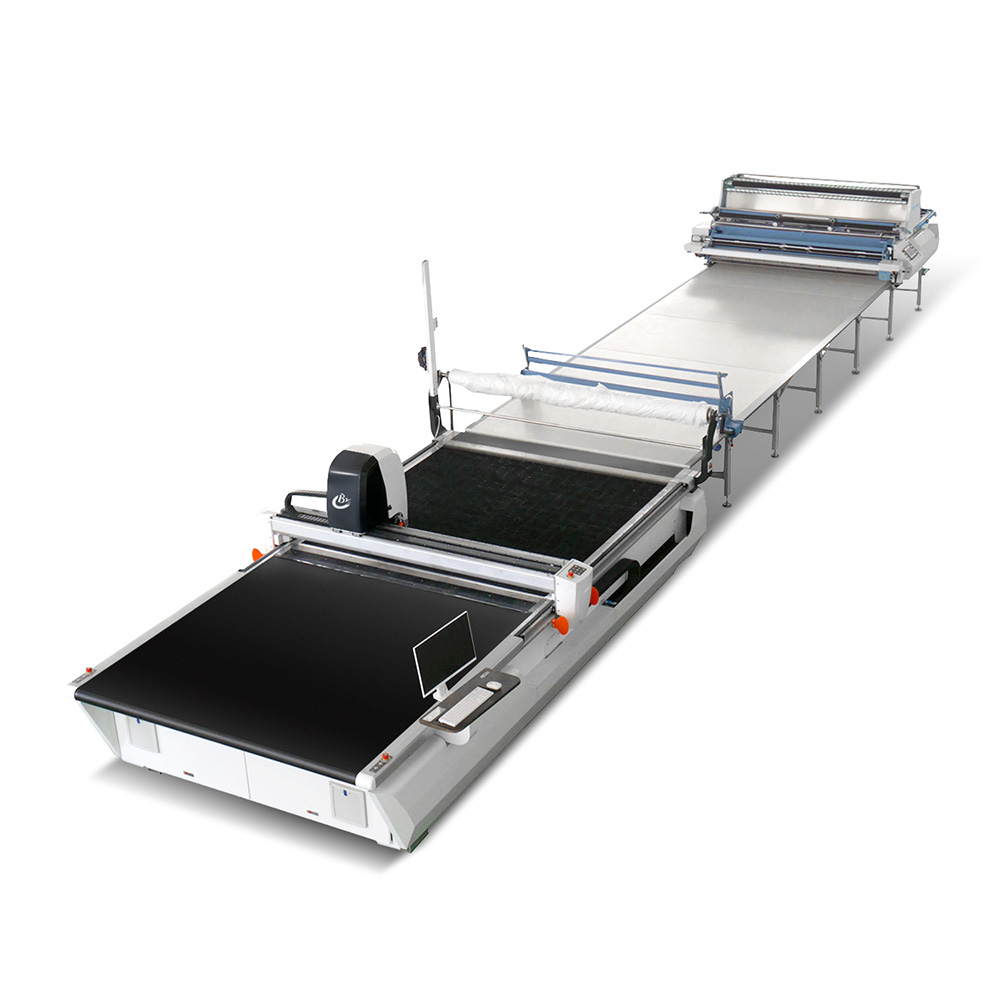
High-volume apparel production depends on keeping cutting output aligned with sewing capacity, fabric availability, and delivery schedules. A cnc cloth cutting machine with multiple heads can increase cutting throughput by processing coordinated layers in one operation. For manufacturers, the value is not simply a faster machine; it is a more predictable cutting stage that helps prevent fabric preparation from becoming a production bottleneck.

A multi-head configuration is most useful when order volume, repeat styles, and material handling make batch cutting a regular need. The cnc cloth cutting machine can help standardize repeated cutting work, while operators retain responsibility for spreading, pattern preparation, and quality checks. Understanding where the equipment fits makes it easier to judge whether the investment suits a particular factory.
How multiple heads support high-volume output
More cutting capacity within a planned cycle
A multi-head cnc cloth cutting machine is designed to coordinate cutting heads so the factory can process more work during a production cycle. The benefit depends on the machine design, cutting plan, and material stack. When a shop regularly handles large batches, the cnc cloth cutting machine can reduce the time spent repeating similar cutting operations across separate runs.
This capacity is especially relevant when orders contain stable patterns and sufficient fabric for planned batches. A cnc cloth cutting machine can help the cutting room release bundles to sewing in a steadier sequence, rather than waiting for many small cutting jobs to finish. Production managers should compare the expected cycle with spreading and downstream handling time, since cutting speed alone does not determine line output.
Consistency across repeated work
High-volume orders often require many garment pieces to follow the same pattern specifications. A cnc cloth cutting machine follows digital pattern instructions, supporting repeatable execution when files, fabric placement, and machine setup are controlled. The cnc cloth cutting machine does not remove the need for inspection, but it can make repeated jobs easier to plan and verify than a process relying only on manual cutting.
Consistency also depends on how the team manages fabric behavior and cutting parameters. Before loading a large batch, operators should confirm pattern direction, layer alignment, material stability, and suitable settings. A cnc cloth cutting machine is most dependable when these checks are part of a documented routine. This helps avoid multiplying a small setup error across a large quantity of garment components.
Where high-volume operations gain practical value
Matching cutting with the factory workflow
A cnc cloth cutting machine can support factories that produce repeat styles, uniforms, workwear, or other garments in substantial batches. In these settings, recurring patterns and planned material use make batch preparation practical. The machine can help the cutting department prepare bundles in a controlled sequence, so sewing teams receive work that matches their schedules and available capacity.
Workflow fit matters as much as nominal cutting capacity. Consider how fabric rolls enter the room, where spreading takes place, how cut parts are identified, and how bundles move to sewing. A cnc cloth cutting machine performs best as part of this connected process. If handling or quality checks create long delays, adding cutting capacity alone may simply move the bottleneck to another department.
Supporting material and labor planning
Digital cutting can make job preparation and pattern changes more organized, particularly where the factory stores approved pattern files. A cnc cloth cutting machine can use these files to coordinate repeated layouts, while production staff plan materials and operator time around scheduled orders. Accurate inputs remain essential: incorrect files or fabric assumptions can lead to avoidable waste and rework.
Labor planning should account for the complete task rather than the cutting head alone. Staff may still need to spread material, load and unload tables, separate pieces, inspect edges, and transfer bundles. A cnc cloth cutting machine may change how those duties are distributed, but it does not eliminate them. Mapping each step helps managers estimate realistic gains and train employees for the revised workflow.
Evaluating suitability before purchase
The right cnc cloth cutting machine depends on order patterns, fabric types, layer requirements, table dimensions, and the floor space available. Manufacturers should define representative jobs and discuss how the equipment handles their materials and production sequence. A detailed review of current bottlenecks is more useful than choosing solely by a stated speed or maximum cutting capacity.
Teams should also consider file compatibility, operator training, maintenance access, and the availability of technical support. Ask how routine cleaning, blade changes, and troubleshooting fit into the production calendar. The cnc cloth cutting machine should be evaluated against both daily operations and future order mix. A configuration that suits current repeat batches may need adjustment if the factory expects frequent style changes or smaller runs.
Making the investment work over time
Building a controlled implementation plan
Before installing a cnc cloth cutting machine, establish baseline measures for cutting output, labor allocation, material use, and order lead time. These measures give managers a practical way to assess whether the new process is improving the intended part of production. Start with representative styles, verify digital patterns, and refine the sequence before moving routine high-volume work to the equipment.
A staged rollout gives operators time to learn safe setup and handling procedures. Document approved cutting settings and inspection points for common fabrics, then review early batches with production and quality teams. The cnc cloth cutting machine can deliver consistent work only when people, files, and materials are managed together. Clear responsibility for pattern control also reduces confusion when designs are revised.
Monitoring results and maintaining uptime
After launch, track whether cutting output meets the needs of sewing and whether bundle quality remains acceptable. Record stoppages, adjustment time, material issues, and maintenance tasks, not just machine running time. These observations help distinguish a cnc cloth cutting machine problem from delays caused by spreading, scheduling, or downstream handling, so corrective action targets the actual constraint.
Preventive maintenance and operator feedback help protect dependable production. Follow the equipment guidance for inspections and replace wear parts as needed, while keeping work areas orderly and safety procedures current. A cnc cloth cutting machine should be treated as a production asset with planned care, not as an isolated purchase. This approach supports more realistic capacity planning and helps management identify when process changes are needed.
FAQ
Why use a multi-head cnc cloth cutting machine for large orders?
A multi-head cnc cloth cutting machine can process coordinated cutting work for larger batches, helping reduce repeated operations and support a steadier flow of cut parts. Its value depends on suitable order volume, reliable setup, and a workflow able to handle the resulting output.
Does a cnc cloth cutting machine eliminate manual work?
No. A cnc cloth cutting machine automates specified cutting operations, but staff still prepare materials, manage files, inspect parts, handle bundles, and maintain the equipment. Training and a clear division of responsibilities remain important for safe, consistent production.
What should manufacturers check before choosing a machine?
Review typical batch sizes, fabrics, layer needs, table space, pattern workflow, maintenance, and operator training. A cnc cloth cutting machine should be assessed against the factory's actual bottlenecks and downstream capacity, rather than selected by cutting speed alone.