
 EN
EN



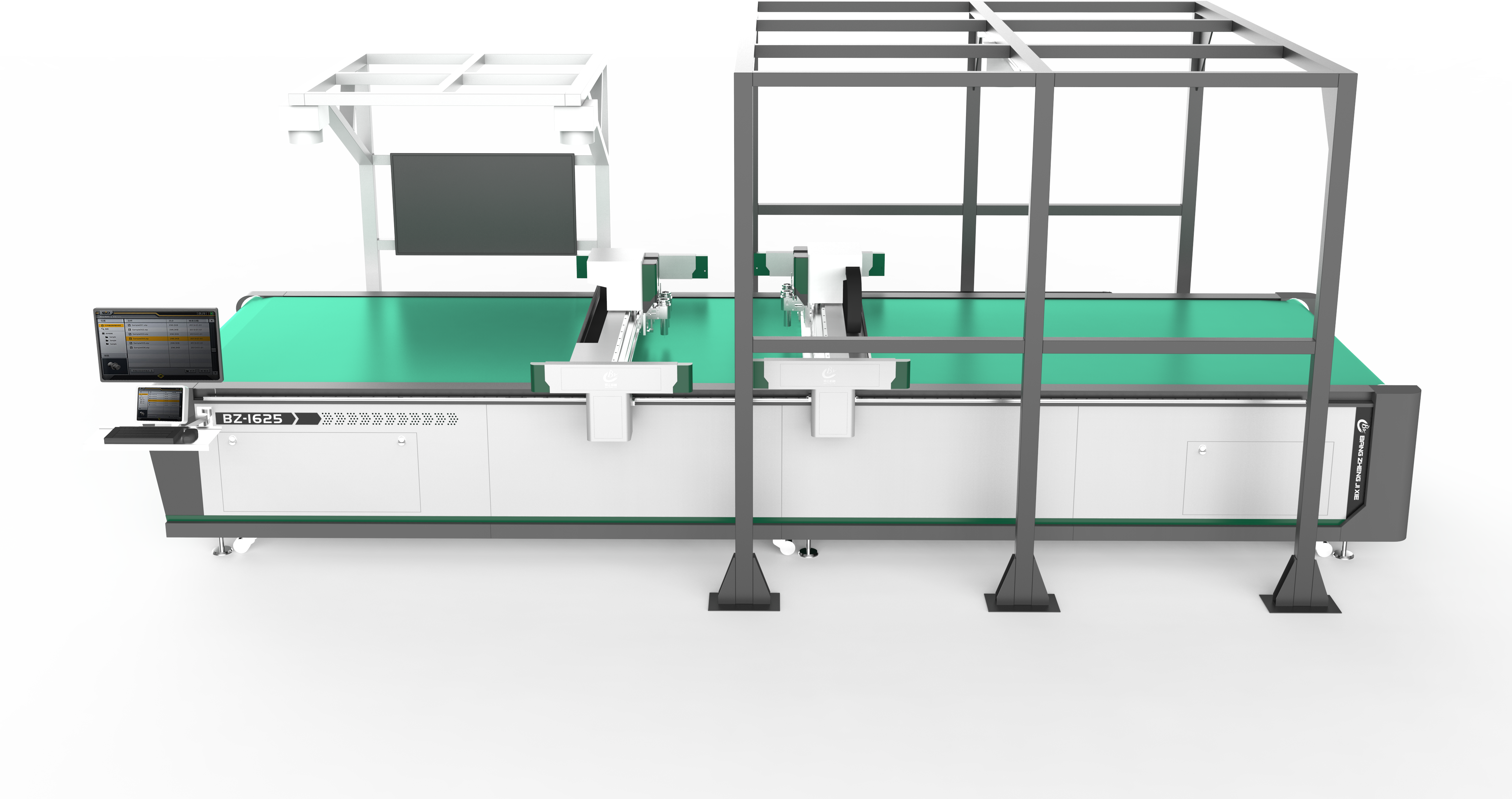
The efficiency of a genuine leather cutting machine depends not just on the equipment itself, but on how intelligently materials are positioned before cutting begins. Nesting software has become essential in modern leather processing facilities because it directly determines whether a genuine leather cutting machine operates at peak performance or wastes valuable material. Without proper nesting optimization, manufacturers lose significant percentages of raw leather to poor part placement, misaligned cuts, and preventable defects that reduce both yield and profitability.
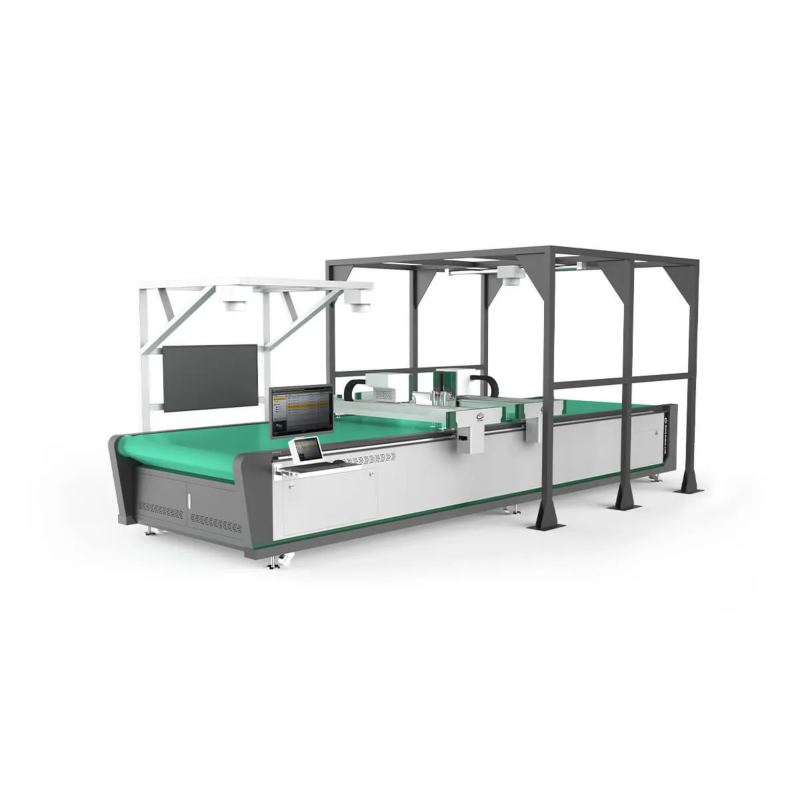
When a genuine leather cutting machine receives optimized nesting patterns, the cutting head follows precise pathways that account for grain direction, natural variations, and defect zones within the leather. The right nesting software transforms raw layout decisions into mathematically optimized sequences that maximize usable parts while minimizing scrap. Understanding how this technology works and which features matter most helps leather processing companies select tools that directly impact their bottom line and product quality outcomes.
How Nesting Software Enhances Part Placement on Your Genuine Leather Cutting Machine
Intelligent Layout Optimization for Genuine Leather Cutting Machine Performance
Nesting software analyzes the specific characteristics of each leather hide before your genuine leather cutting machine begins operation. The software maps natural variations, grain patterns, and existing defects across the hide surface, then calculates the most efficient arrangement of required parts. By nesting components tightly while avoiding problem areas, the software ensures that your genuine leather cutting machine cuts only from usable sections of the leather, dramatically reducing waste and improving yield rates by 15 to 25 percent in typical production environments.
The core function of advanced nesting software is to treat each hide as unique rather than applying static cutting patterns. When your genuine leather cutting machine operator loads a new hide, the nesting algorithm evaluates its dimensions, identifies defects, and generates a custom layout that maximizes part count while maintaining quality standards. This dynamic approach means that your genuine leather cutting machine produces consistent output even when working with hides that vary in size, thickness, or surface quality, which is essential for manufacturers serving strict customer specifications.
Defect Avoidance and Quality Control Integration
One of the most valuable features of modern nesting software is its ability to mark and exclude defect zones before your genuine leather cutting machine makes a single cut. Operators can flag scars, color variations, stains, or thin sections within the hide, and the software automatically avoids these areas when placing parts. This preventative approach means your genuine leather cutting machine never produces parts with embedded defects, eliminating the costly downstream problem of discovering defects after cutting and causing quality rejections or customer complaints.
Many genuine leather cutting machine users report that defect-aware nesting reduces scrap rates by 10 to 15 percent compared to manual layout methods. The software can also apply custom quality rules specific to your product categories, ensuring that each cut piece meets exact specifications. When your genuine leather cutting machine follows a nesting pattern that respects these rules, the entire batch maintains consistent quality, which strengthens customer relationships and reduces warranty claims.
Material Efficiency and Yield Optimization on a Genuine Leather Cutting Machine
Maximizing Usable Area from Every Hide
Leather material represents one of the largest cost inputs in leather processing, making material waste a direct threat to profitability. Nesting software designed for a genuine leather cutting machine addresses this challenge by using advanced bin-packing algorithms that find optimal placements even within irregular hide shapes. The software can rotate, reorder, and arrange parts in ways that human operators cannot practically achieve manually, often increasing the number of complete parts extracted from each hide by 5 to 10 parts per 100 square feet of material processed.
When your genuine leather cutting machine operates with optimized nesting patterns, the cumulative effect across thousands of hides monthly translates into thousands of additional usable parts without purchasing additional raw material. This efficiency improvement applies directly to your cost per unit, allowing you to maintain competitive pricing while protecting margins. Modern nesting software for a genuine leather cutting machine can also provide detailed reporting on material utilization rates, helping management track efficiency trends and identify opportunities for further optimization.
Speed and Throughput Enhancement
Beyond material savings, nesting software improves the operational speed of your genuine leather cutting machine by reducing the total cutting distance and repositioning moves. By nesting parts in logical sequences that minimize head travel, the software decreases cycle time per hide. A genuine leather cutting machine working with optimized nesting patterns can complete more hides in the same shift, directly increasing production volume and equipment utilization rates without requiring additional capital investment or labor.
The throughput gains from efficient nesting also reduce handling time between cuts, lowering labor costs associated with material movement and setup. When your genuine leather cutting machine finishes each hide faster due to optimized part sequencing, you also reduce the total energy consumption per hide processed, contributing to both operational efficiency and environmental sustainability goals that increasingly matter to leather industry customers.
Implementation and Software Selection for Your Genuine Leather Cutting Machine
Integrating Nesting Software with Your Genuine Leather Cutting Machine Workflow
Selecting the right nesting software requires understanding how it communicates with your specific genuine leather cutting machine model and your existing production management systems. Leading nesting software solutions provide direct integration with CNC controllers, allowing the optimized patterns to transfer directly to your genuine leather cutting machine without manual re-entry or operator interpretation. This automation eliminates transcription errors and ensures that the cutting system executes exactly the layout that the nesting engine calculated, preserving all the efficiency and quality benefits.
When implementing nesting software on your genuine leather cutting machine, configuration matters significantly. The software must be calibrated to account for your machine's specific cutting precision, material handling capabilities, and unique production constraints. A genuine leather cutting machine equipped with correctly configured nesting software becomes dramatically more productive than the same hardware running without optimization, often justifying software investment through material savings alone within the first few months of operation.
Key Features to Evaluate When Choosing Nesting Software
When evaluating nesting software options for your genuine leather cutting machine, prioritize solutions that offer real-time defect mapping, grain-aware layout algorithms, and detailed reporting capabilities. The software should allow operators to quickly flag defects and regenerate optimized layouts without restarting the entire analysis process. Your genuine leather cutting machine productivity depends on software that learns from your specific products, materials, and quality standards over time, continuously improving nesting efficiency as more data accumulates from your operation.
Support and training are equally important factors when selecting nesting software for your genuine leather cutting machine investment. Vendors should provide comprehensive onboarding, user documentation, and responsive technical support to ensure your team can fully leverage the software's capabilities. The best nesting solutions also offer periodic updates that incorporate new algorithms and features, ensuring your genuine leather cutting machine stays at the forefront of efficiency improvement even as your product mix and material sourcing evolve over time.
FAQ
How much can nesting software improve the material yield of my genuine leather cutting machine?
Typical material yield improvements range from 10 to 25 percent when implementing quality nesting software on a genuine leather cutting machine, depending on your current layout methods and material characteristics. The improvement comes from better part placement, defect avoidance, and optimized sequencing that human operators cannot achieve consistently. Some operations report even higher gains when transitioning from manual layout to automated nesting on their genuine leather cutting machine, particularly if previous methods involved significant trial-and-error or conservative placement margins.
Does nesting software work with all genuine leather cutting machine models?
Most modern nesting software solutions offer compatibility with leading genuine leather cutting machine brands through standard communication protocols and CNC interfaces. However, integration quality varies, so you should verify that your specific genuine leather cutting machine model is supported by the software you're considering. Reputable vendors maintain compatibility lists and can confirm integration requirements before purchase, ensuring your genuine leather cutting machine will fully leverage the software's optimization capabilities without workarounds or manual data transfer.
What training do operators need to use nesting software effectively on a genuine leather cutting machine?
Basic operator training for nesting software typically requires one to two days of hands-on instruction covering defect marking, layout review, and system communication with your genuine leather cutting machine. Most modern nesting software features user-friendly interfaces designed for leather industry professionals without extensive IT backgrounds. Ongoing education helps operators optimize settings specific to your product categories and materials, enabling your genuine leather cutting machine to achieve maximum efficiency gains as your team becomes more experienced with the system.