
 EN



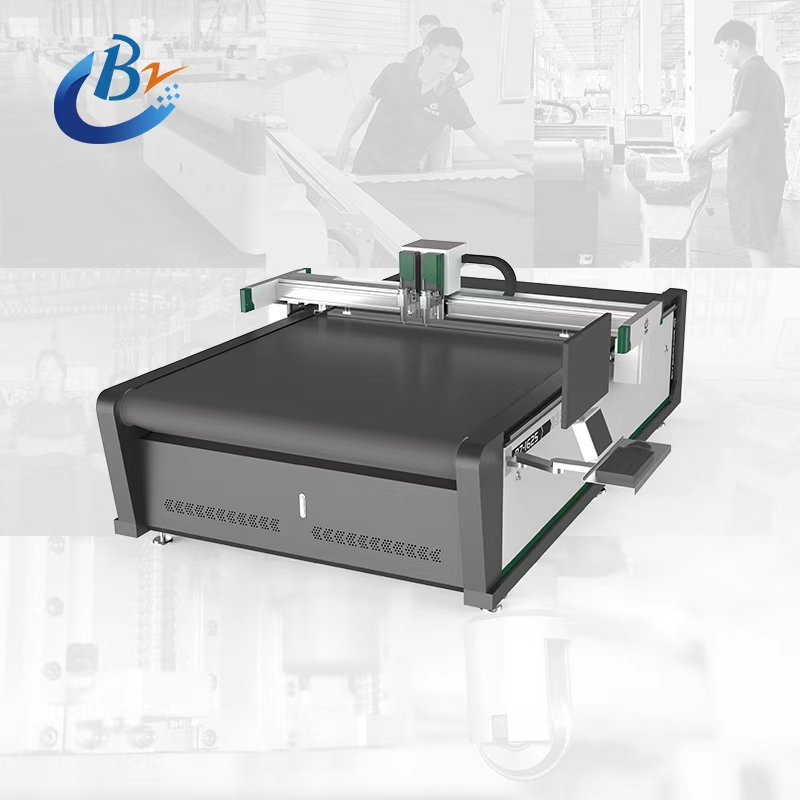
Selecting the right curtain cutting machine with adequate width capacity is one of the most critical decisions in textile production and window treatment manufacturing. When you work with wide fabrics, the dimensions of your curtain cutting machine directly determine your production efficiency, material waste, and final product quality. The wrong width specification can lead to costly delays, excessive scrap material, and customer dissatisfaction. Understanding how to evaluate and choose a curtain cutting machine that matches your fabric dimensions is essential for any business handling large-scale curtain production.
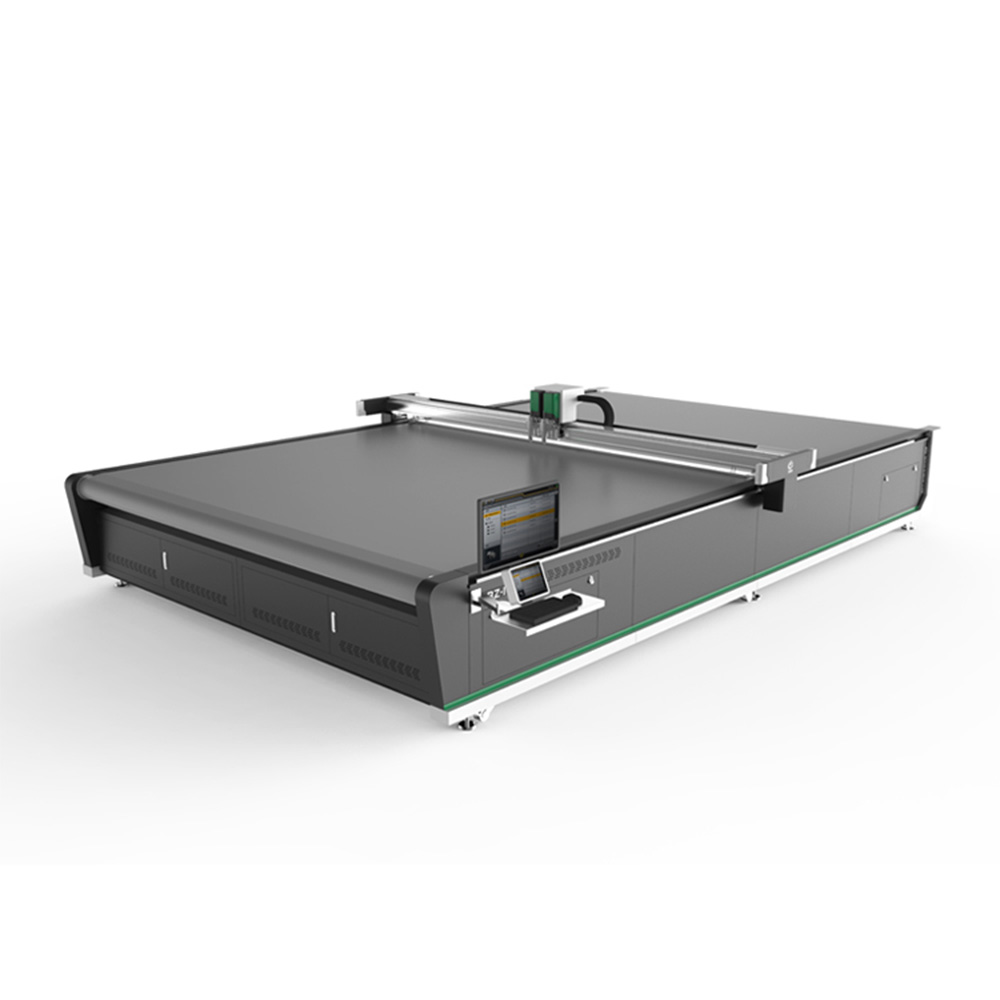
The process of choosing a curtain cutting machine requires careful analysis of your operational requirements, fabric specifications, and long-term production goals. Many manufacturers overlook this evaluation step and later discover their equipment cannot accommodate the full width of incoming fabric rolls. This article will guide you through the key factors that determine whether a specific curtain cutting machine is suitable for your wide fabric applications.
Understanding Width Capacity Requirements
Measuring Your Fabric Width Specifications
Before purchasing any curtain cutting machine, you must accurately measure the maximum width of fabrics you plan to process. Standard fabric rolls typically range from 45 inches to 60 inches in width, but specialty curtain materials often exceed these dimensions. Some decorative and commercial-grade fabrics arrive in rolls measuring 120 inches or wider. When evaluating a curtain cutting machine, ensure its cutting bed width exceeds your largest expected fabric dimension by at least 2 to 3 inches. This buffer prevents edge misalignment and allows for proper material registration during the cutting operation.
Accounting for Margin and Tolerance
A curtain cutting machine with cutting capacity rated at exactly 60 inches may not safely accommodate a 60-inch fabric roll due to hardware limitations and safety clearances. Industry best practice recommends choosing a curtain cutting machine with working width capacity at least 10 percent larger than your maximum fabric width. This additional margin accommodates minor fabric stretching, edge irregularities, and the physical space required for guiding material into the cutting zone. When you select a curtain cutting machine with this buffer, you reduce cutting errors and improve material yield by ensuring consistent, reliable cutting across the entire fabric width.
Evaluating Machine Specifications and Performance
Cutting Precision and Width Consistency
The curtain cutting machine you choose must deliver consistent cutting precision across the entire width of your fabric. Hydraulic and pneumatic systems in a curtain cutting machine can sometimes produce slight variations in cut quality near the edges, particularly if the machine is not properly calibrated. Automated computerized models ensure that a curtain cutting machine maintains uniform pressure and blade positioning from one side of the fabric to the other. Before purchasing, request demonstration cuts on fabric samples matching your specifications to verify that the curtain cutting machine performs reliably across its full operational width.
Speed and Production Throughput
A curtain cutting machine designed for wide fabrics should balance speed with accuracy. Faster cutting cycles increase productivity, but only if the curtain cutting machine maintains quality standards consistently. When evaluating production speed, consider that a curtain cutting machine operating at maximum speed on oversized fabric may sacrifice cut quality. Calculate your required output volume and match it to a curtain cutting machine that delivers your needed cuts per hour while maintaining the precision your customers expect. Some manufacturers offer variable speed settings, allowing you to optimize your particular curtain cutting machine for different fabric types and thickness levels.
Practical Selection Factors for Wide Fabric Operations
Integration with Existing Production Lines
Your curtain cutting machine must integrate smoothly with upstream and downstream equipment. If your fabric arrives on wide rolls, your curtain cutting machine needs compatible feeding mechanisms and sufficient clearance for material movement. Check whether your chosen curtain cutting machine requires floor space modifications or electrical upgrades before installation. Some curtain cutting machine models include automated feeding and take-up systems that enhance workflow efficiency significantly. Consider how well the curtain cutting machine interfaces with your existing quality control procedures and shipping processes.
Maintenance and Long-Term Reliability
Selecting a curtain cutting machine also means planning for maintenance and operational longevity. Wide-capacity models require more robust blade mechanisms and structural support, which generally necessitate regular maintenance schedules. When you invest in a curtain cutting machine, verify that replacement parts are readily available and that the manufacturer provides clear maintenance documentation. A curtain cutting machine with poor parts availability can become a production liability if unexpected failures occur. Request information about typical maintenance intervals and the expected service life of critical components like blades and drive systems when comparing curtain cutting machine options.
FAQ
What is the ideal width capacity for a curtain cutting machine handling standard residential fabrics?
For most residential curtain applications, a curtain cutting machine with working width between 60 and 72 inches covers typical demand. Standard fabric rolls used in home furnishings usually range from 45 to 60 inches wide, so a curtain cutting machine with this capacity handles material comfortably. However, if you work with specialty designer fabrics or commercial applications, your curtain cutting machine width requirements may exceed 100 inches. Always verify your specific fabric dimensions before finalizing your curtain cutting machine purchase.
Can a curtain cutting machine handle fabrics narrower than its rated width capacity?
Yes, a curtain cutting machine can process fabrics narrower than its maximum capacity, but operator technique becomes important. When your fabric is significantly narrower than the curtain cutting machine bed width, proper guide rails and positioning systems ensure accurate cuts. Most quality curtain cutting machine models include adjustable edge guides that accommodate varying fabric widths without sacrificing cutting precision. However, extremely narrow material on an oversized curtain cutting machine may require additional fixturing or manual guidance.
How do I determine if my facility has adequate space for a wide-capacity curtain cutting machine?
Beyond the curtain cutting machine footprint itself, you need clearance for material feeding and discharge. Measure your available floor space and add at least 3 to 4 feet on all sides of your planned curtain cutting machine location for safe operation and maintenance access. If you process continuous fabric rolls, ensure your facility can accommodate feed tables and take-up equipment alongside the curtain cutting machine. Check ceiling height requirements as well, since some automated curtain cutting machine models include roll holders that extend vertically.