
 EN
EN



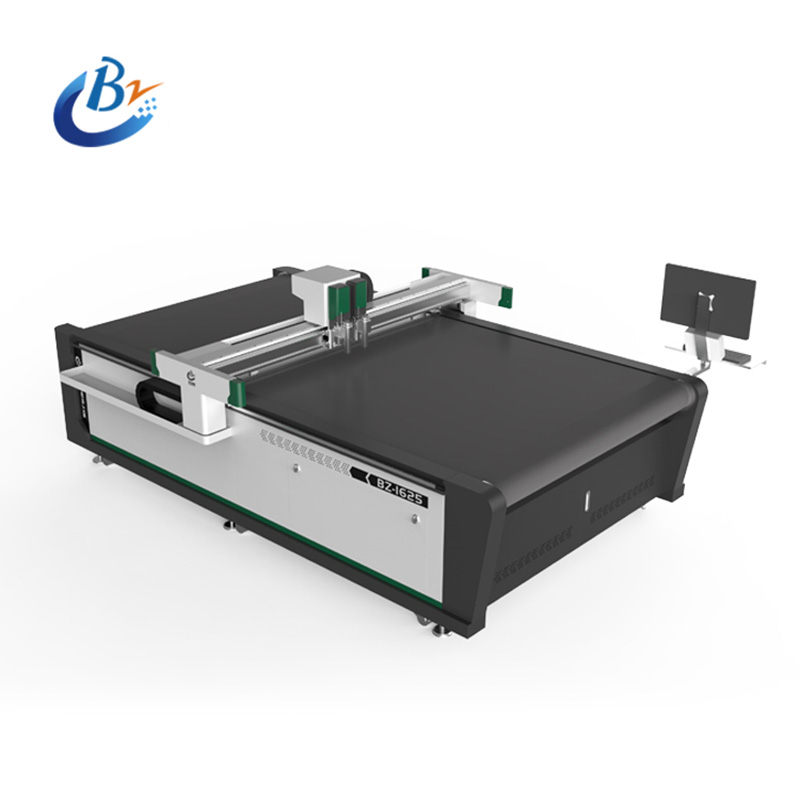
Selecting the appropriate table size for a flatbed cutting machine is one of the most critical decisions in establishing an efficient production workflow. The flatbed cutting machine serves as the centerpiece of modern material processing operations, and getting the table dimensions right directly impacts your throughput, material waste, and operational costs. A flatbed cutting machine that is too small forces you to cut materials in multiple passes, while one that is oversized consumes unnecessary floor space and energy. Understanding how to match your flatbed cutting machine specifications to your actual production requirements ensures you maximize return on investment while maintaining consistent quality output.
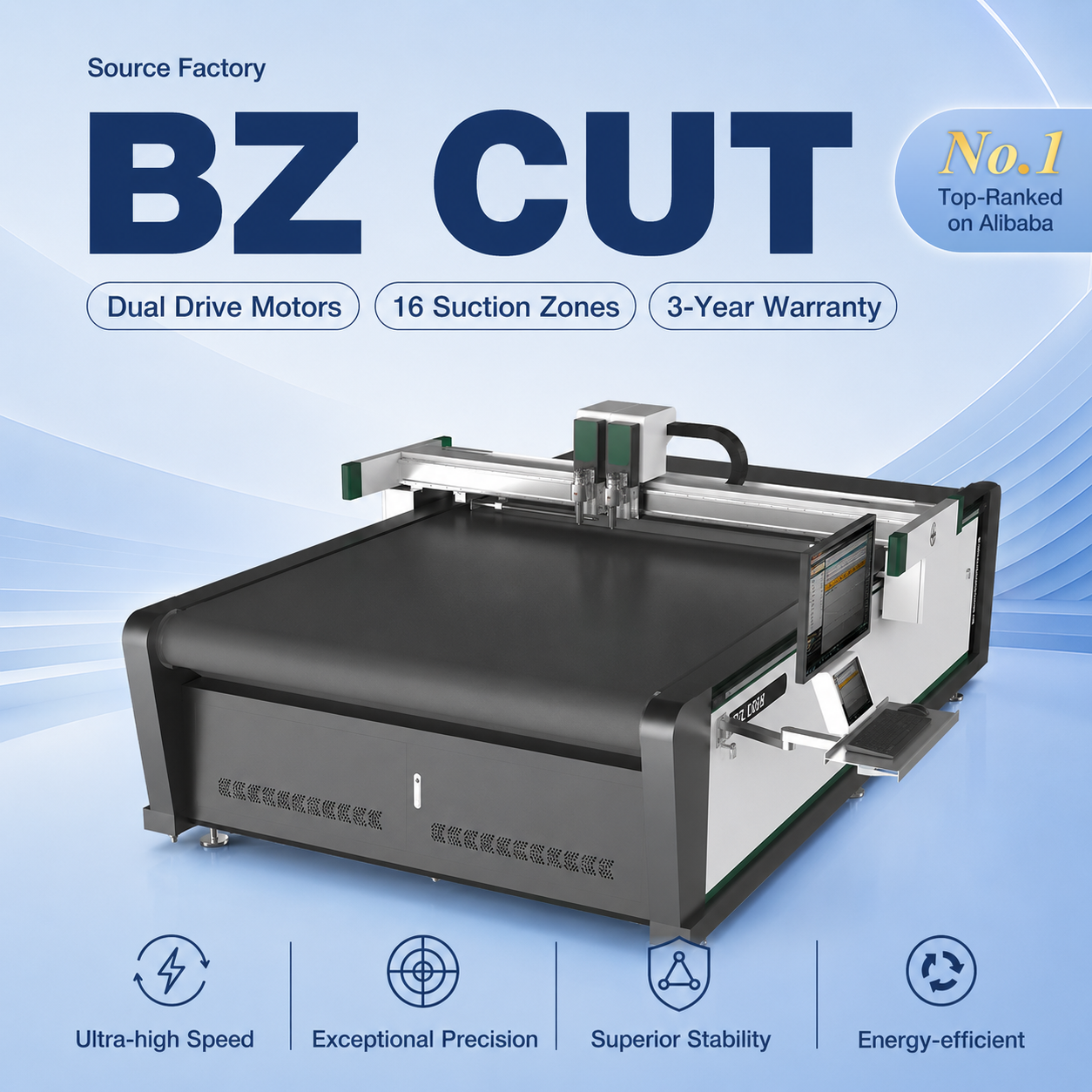
The process of choosing a flatbed cutting machine requires careful analysis of your material types, typical batch sizes, and production schedules. Different industries—from textiles and apparel to composites and signage—have vastly different cutting requirements and material dimensions. When evaluating a flatbed cutting machine, you must consider not just the cutting area itself, but also the surrounding workspace needed for material loading, positioning, and removal. This comprehensive approach ensures your flatbed cutting machine selection aligns with your facility layout, workforce capabilities, and long-term growth trajectory.
Understanding Flatbed Cutting Machine Capacity Requirements
Analyzing Your Material Dimensions
The foundation of choosing the right flatbed cutting machine begins with precisely mapping your current and anticipated material sizes. Most materials arrive in standard rolls or sheets with specific widths and lengths that define your baseline cutting requirements. If you work predominantly with fabric rolls, the flatbed cutting machine table width must accommodate your roll width with additional space for edge registration and alignment guides. For sheet materials like leather, composites, or promotional materials, measure both the standard incoming dimensions and any larger specialty orders you anticipate handling. A flatbed cutting machine table that falls short of your material width forces expensive splitting operations or material waste.
Production Volume and Batch Processing
Production volume directly influences the optimal flatbed cutting machine table size through nesting efficiency and setup time. Higher volume operations benefit from larger flatbed cutting machine tables because you can nest multiple pattern pieces on a single cutting run, dramatically reducing setup time and labor cost per unit. A flatbed cutting machine with generous table area allows you to optimize material layout by arranging cutting patterns with minimal waste and maximum blade utilization. Conversely, if your flatbed cutting machine table is undersized relative to your batch quantities, you sacrifice nesting opportunities and increase the number of individual setups required, which amplifies labor costs and slows delivery timelines.
Assessing Facility and Operational Constraints
Floor Space and Facility Layout
Before finalizing your flatbed cutting machine size, conduct a thorough facility walkthrough and measure available floor space, doorway dimensions, and utility access points. A flatbed cutting machine must fit not only in the designated cutting area but also allow adequate clearance for material carts, operator movement, and maintenance access. Many facilities overlook the spatial requirements of supporting equipment—unwind stands, collection conveyors, and quality inspection stations—that demand additional room adjacent to your flatbed cutting machine. Undersized spaces force operators to work inefficiently around a poorly positioned flatbed cutting machine, while oversized machines in compact facilities create workflow bottlenecks and safety hazards.
Integration with Existing Workflows
Your flatbed cutting machine table size must harmonize with upstream and downstream operations in your production sequence. If fabric arrives pre-wound on large spools, your flatbed cutting machine needs sufficient table width to unwind and position the material smoothly. Similarly, cut patterns must stack or convey efficiently once removed from the flatbed cutting machine, requiring thoughtful spatial coordination. When a flatbed cutting machine table size mismatches your workflow design, bottlenecks emerge—material piles up waiting for the cutter, or cut pieces back up because collection systems cannot keep pace. Evaluate your complete production rhythm before settling on a flatbed cutting machine configuration.
Balancing Performance Features with Table Specifications
Precision, Speed, and Table Stability
Larger flatbed cutting machine tables demand more robust structural engineering to maintain cutting precision across the entire work surface. A flatbed cutting machine with an excessively large table but insufficient support structure experiences deflection during high-speed operation, leading to inconsistent cut quality and edge definition problems. Quality flatbed cutting machine manufacturers engineer their tables with reinforced frames and calibrated bearing systems scaled appropriately to the table dimensions. When comparing flatbed cutting machine models, verify that cutting speed and registration accuracy remain consistent regardless of where on the table you position your material. An oversized flatbed cutting machine that cuts slowly or inaccurately delivers no efficiency advantage.
Automation and Software Alignment
Modern flatbed cutting machine systems integrate sophisticated nesting software that automatically optimizes material layout to minimize waste and maximize throughput. The effectiveness of this automation depends partly on having adequate table real estate to justify the computational overhead. A flatbed cutting machine with insufficient table area cannot benefit from advanced nesting algorithms because there are insufficient pattern arrangements possible. Conversely, a flatbed cutting machine with excessive capacity and small batch sizes means you pay for unused computing power and speed capability. Match your flatbed cutting machine table dimensions to the typical pattern complexity and variety in your production mix to optimize both the hardware investment and software performance.
Practical Selection Framework
Quantitative Benchmarking Approach
Establish a decision matrix by documenting your top 20 to 30 production orders representing a typical month's activity. For each order, calculate the material dimensions, quantity, and optimal nesting arrangement needed on your flatbed cutting machine. This empirical data reveals whether a flatbed cutting machine at a specific table size can handle 95 percent of your orders in single-pass setups or whether you require multiple cutting cycles. If 90 percent of your orders fit comfortably on a mid-range flatbed cutting machine but the remaining 10 percent require upsizing, you must decide whether the capability investment justifies the added cost. This quantitative approach removes guesswork and anchors your flatbed cutting machine selection to genuine business needs.
Growth Projections and Future Readiness
Although your flatbed cutting machine represents a substantial capital investment, consider whether your business roadmap includes product expansion, market growth, or new material types that could require different cutting dimensions. Purchasing a flatbed cutting machine sized only for current needs forces premature replacement if your product line evolves within five years. Conversely, dramatically oversizing a flatbed cutting machine adds unjustified capital expense and operating costs if growth never materializes. A prudent approach involves selecting a flatbed cutting machine table size that comfortably handles your next 18 to 24 months of anticipated volume and order mix, allowing headroom for gradual growth without excess. This balanced strategy positions your investment for sustainable returns.
FAQ
What is the most common flatbed cutting machine table size for textile production?
Standard flatbed cutting machine models for textile operations typically range from 5 feet by 10 feet to 8 feet by 16 feet, with the 5 feet by 10 feet flatbed cutting machine serving as an entry point for smaller job shops and the larger 8 feet by 16 feet flatbed cutting machine favored by high-volume manufacturers. The flatbed cutting machine selection within this range depends on typical fabric roll widths, batch sizes, and whether your operation prioritizes multiple small runs or consolidated large cuts. Many mid-market apparel producers opt for a 6 feet by 12 feet flatbed cutting machine as the optimal balance between capability and facility footprint.
Can a smaller flatbed cutting machine still be efficient for high-volume production?
Yes, a smaller flatbed cutting machine can remain efficient in high-volume scenarios if nesting software and material handling automation are optimized around the table constraints. When a flatbed cutting machine operates with streamlined material feeds, rapid clamping, and synchronized pattern arrangement, cycle times improve sufficiently to offset the smaller cutting area. However, a smaller flatbed cutting machine requires more frequent setup changes and material repositioning, which increases labor costs and reduces overall throughput compared to a larger flatbed cutting machine running fewer, longer production cycles. The true efficiency of a smaller flatbed cutting machine depends on whether your production mix consists of many small, repetitive orders rather than large consolidated patterns.
How do I know if I need a custom-sized flatbed cutting machine versus a standard model?
Choose a standard flatbed cutting machine table size if your material dimensions fit within conventional specifications and your facility accommodates stock configurations, as standard models offer better resale value, faster delivery, and lower total cost of ownership. A custom-sized flatbed cutting machine becomes justified only when your material specifications fall significantly outside standard ranges, such as specialty textiles wider than 120 inches or composite sheets larger than 10 feet by 20 feet. Evaluate whether custom flatbed cutting machine dimensions truly improve production efficiency or whether standard offerings with creative nesting solutions meet your needs at substantially lower cost. Custom flatbed cutting machine orders also extend lead times and reduce future flexibility if your requirements evolve.