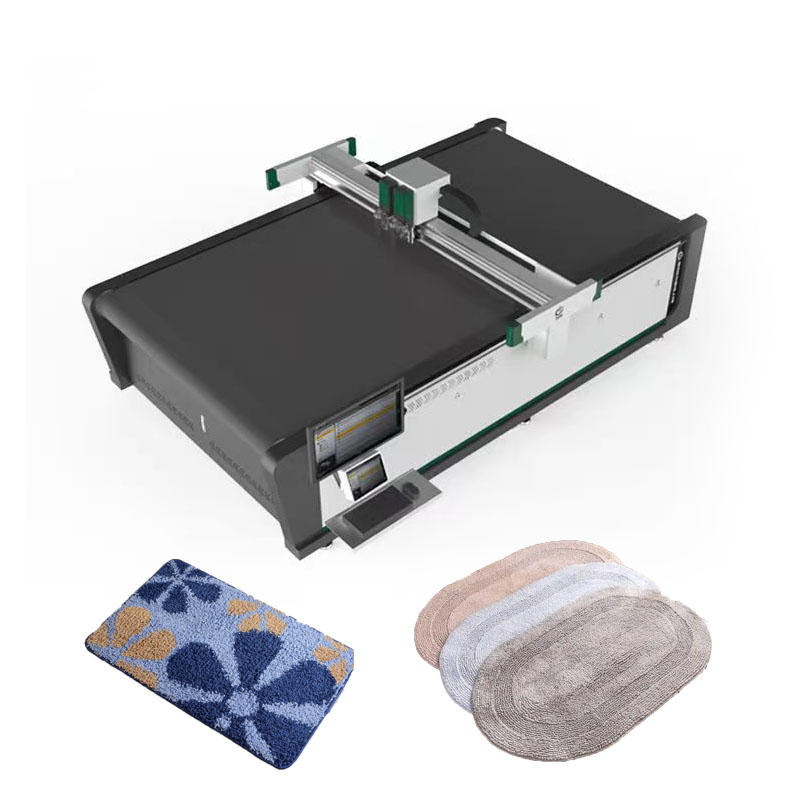
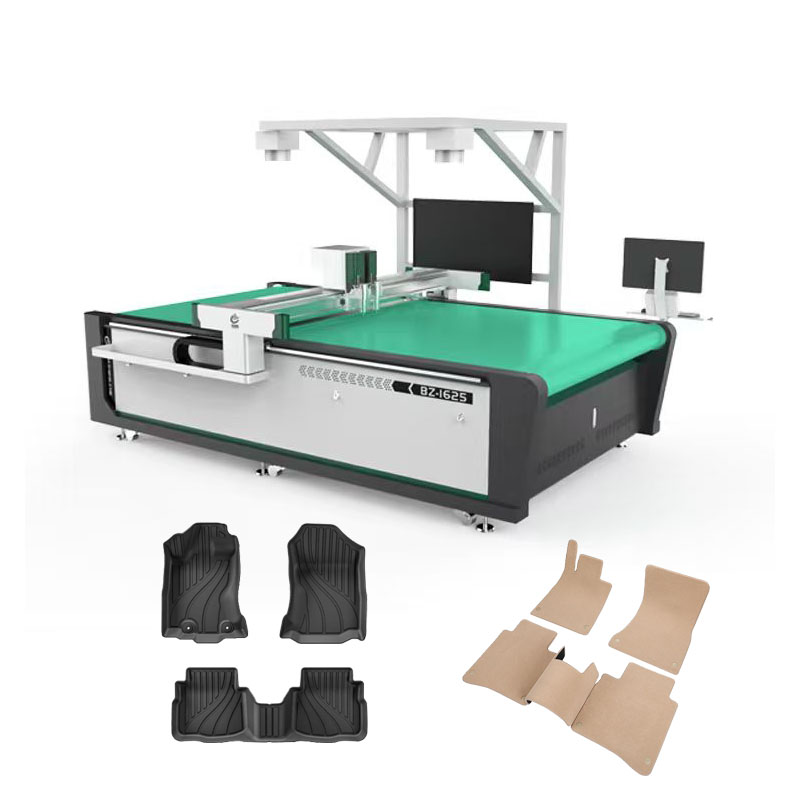
Professional Textile Fabric Cutting Machine - Advanced Cutting Solutions for Modern Manufacturing

All Categories

Get a Free Quote

Our representative will contact you soon.
Email
Name
Company Name
Message
0/1000

textile fabric cutting machine

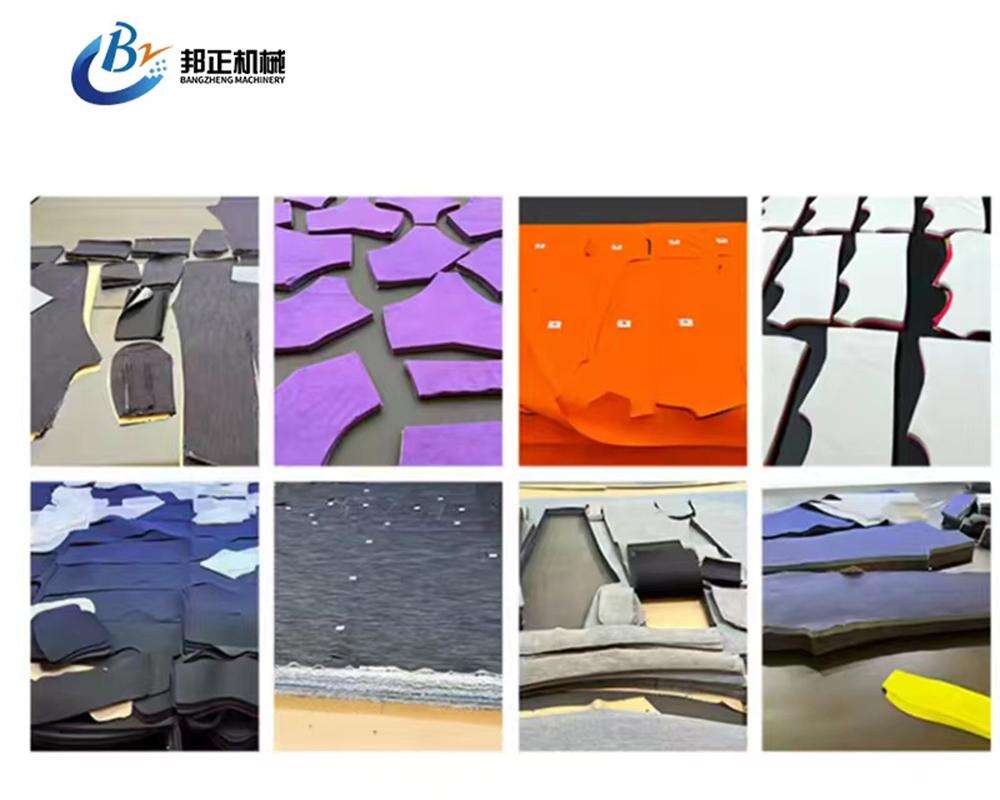
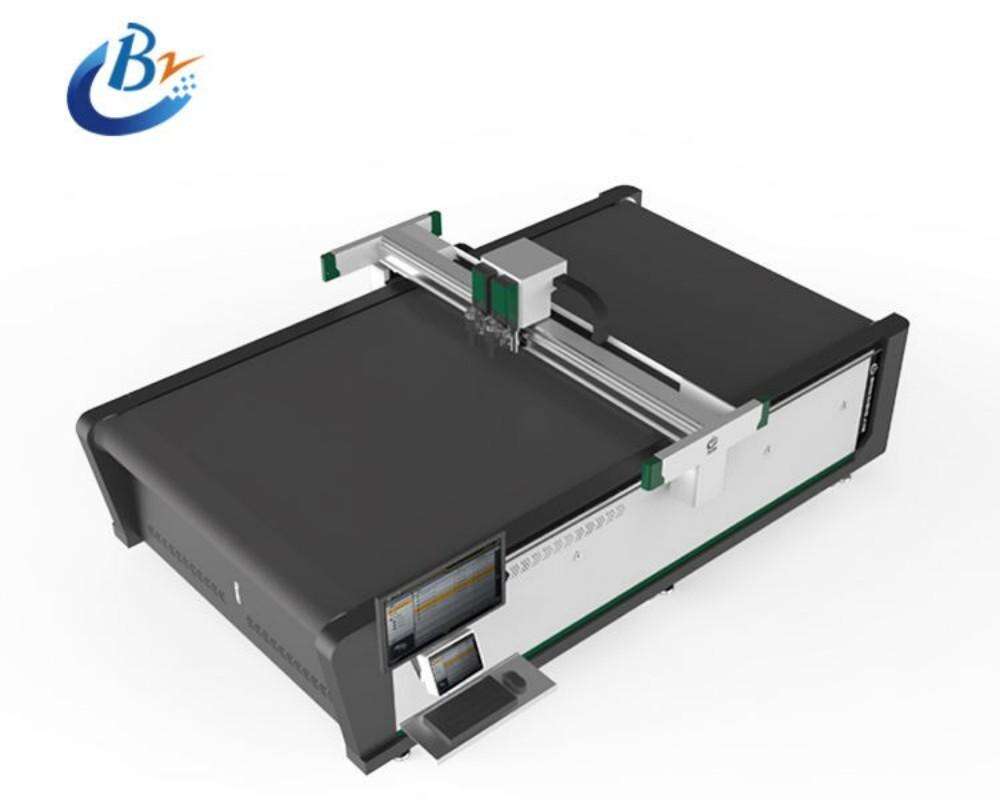
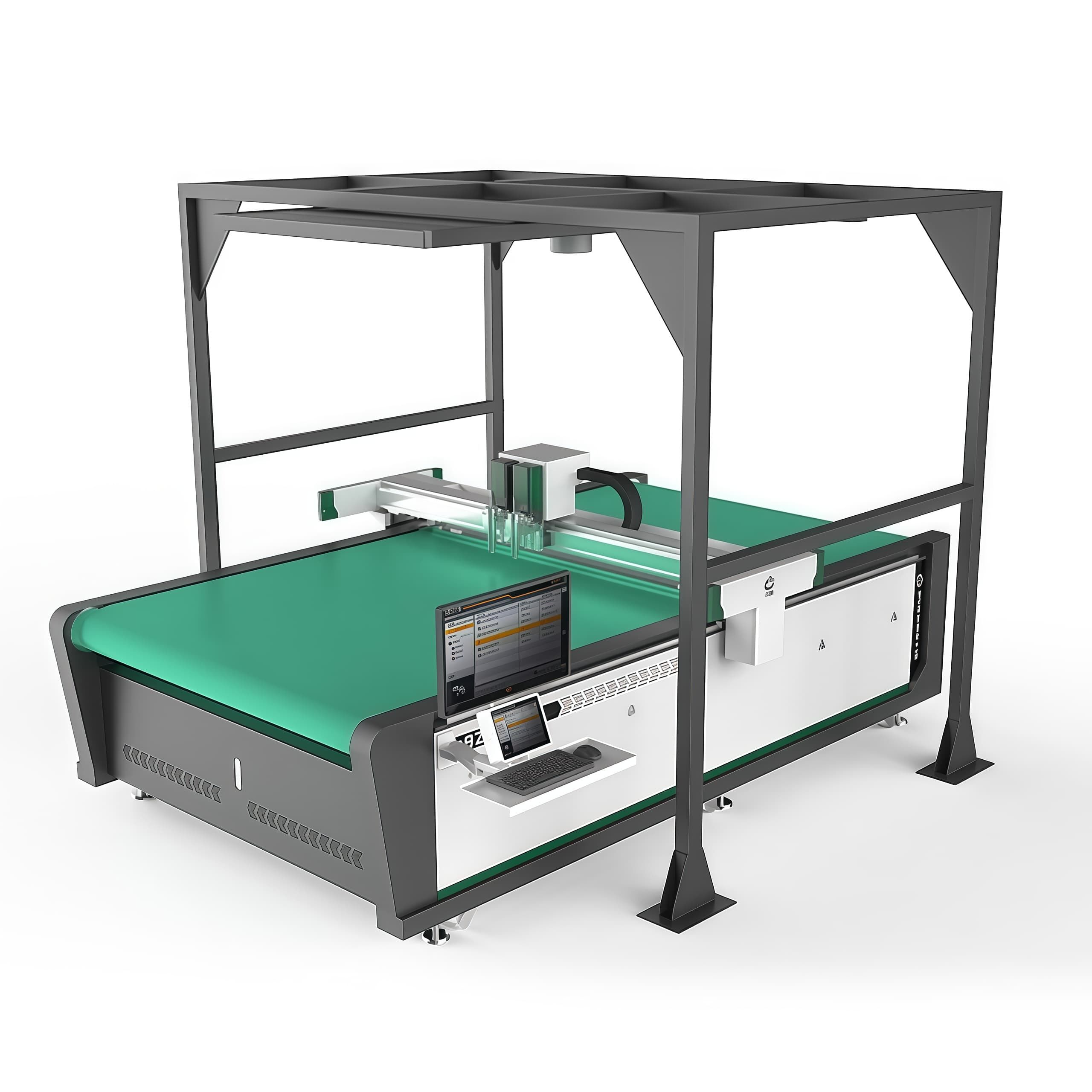
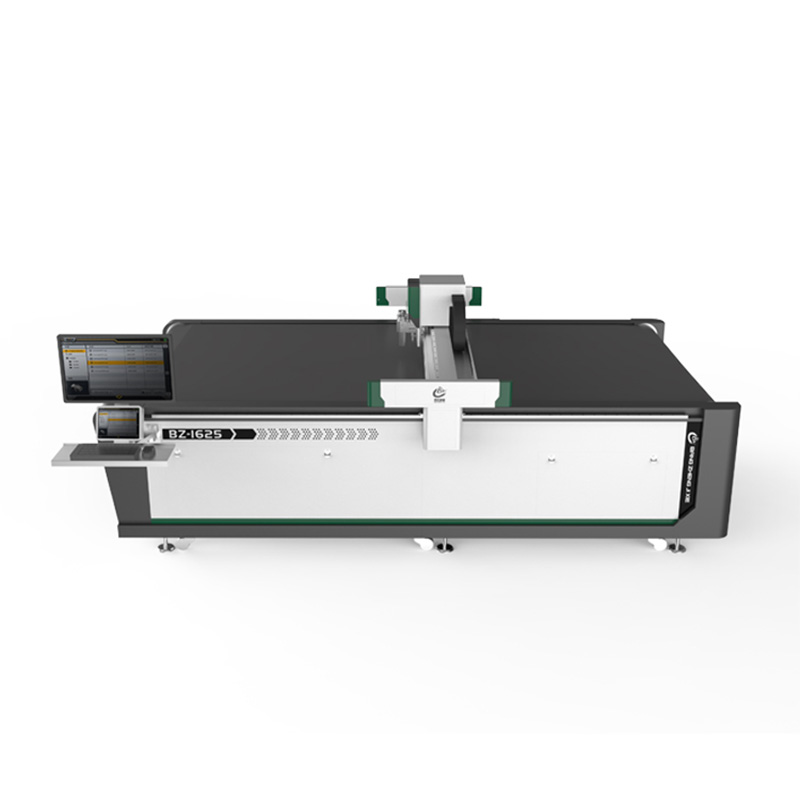
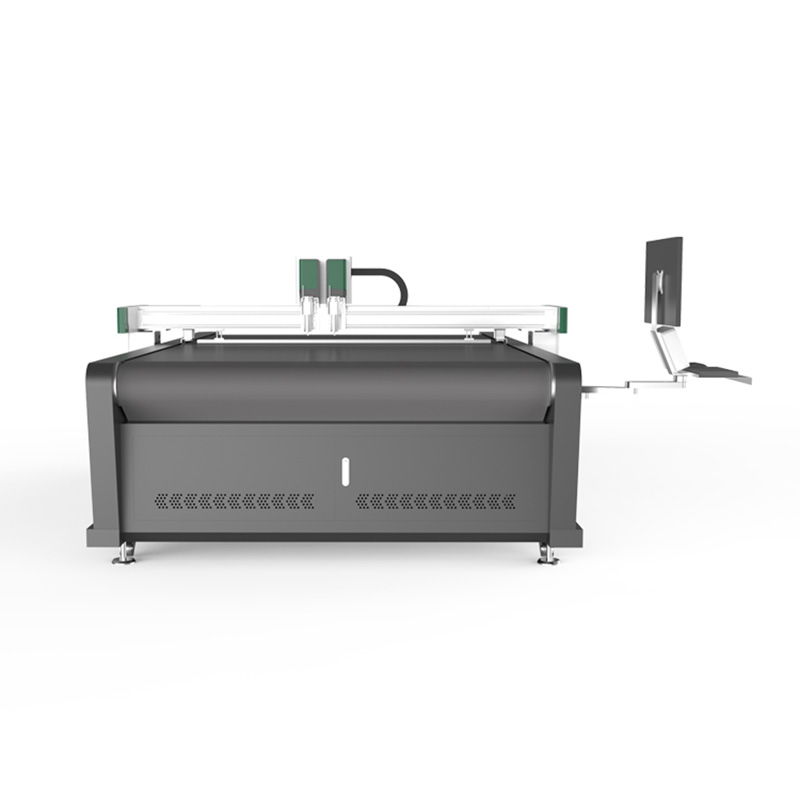
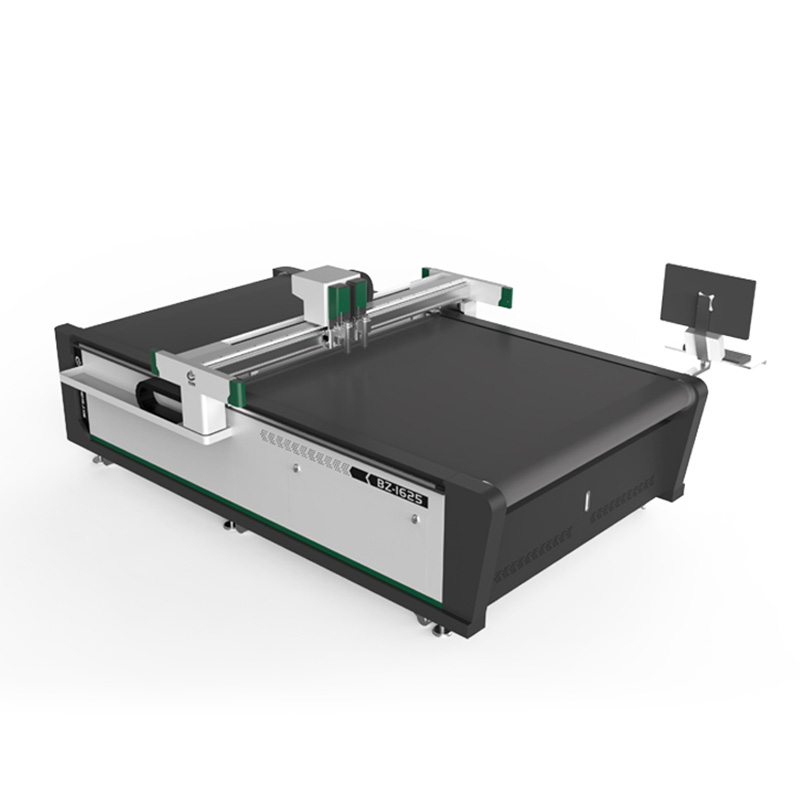
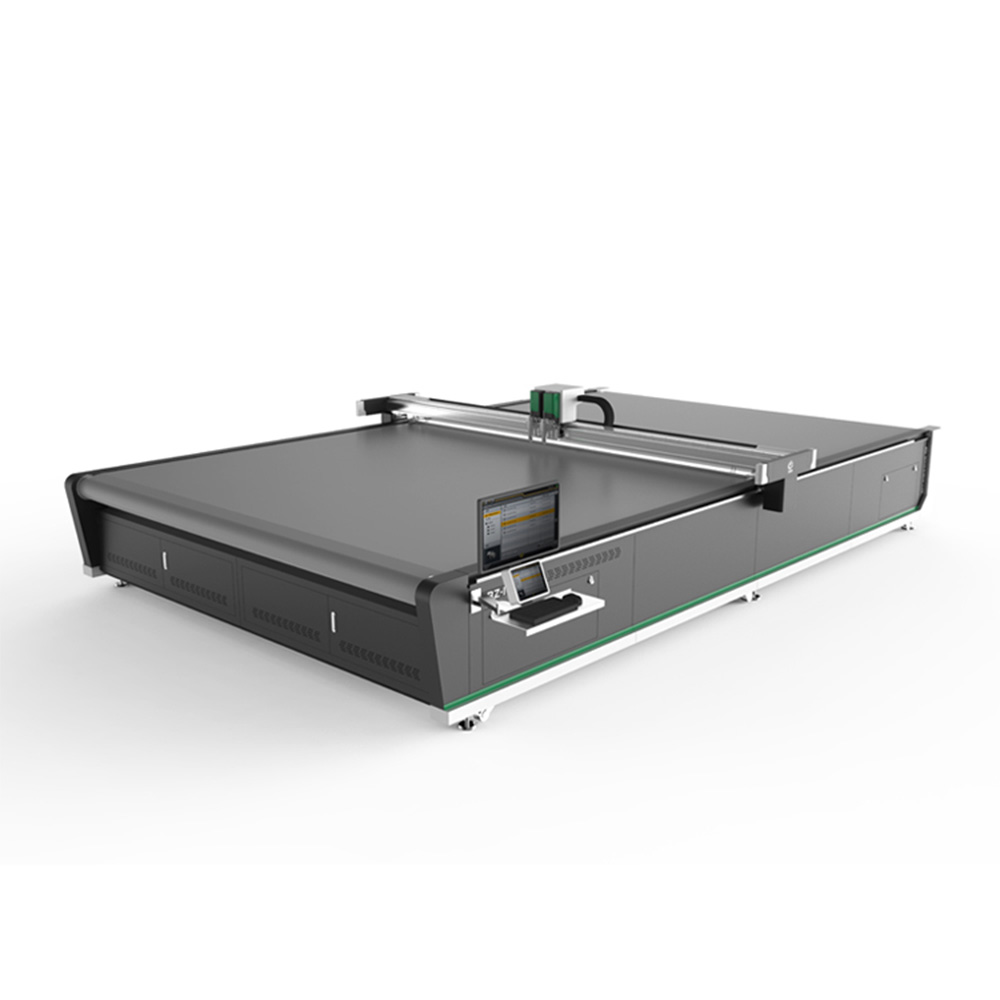
A textile fabric cutting machine represents a revolutionary advancement in garment manufacturing and textile processing, delivering precision, speed, and consistency that transforms traditional cutting operations. These sophisticated machines utilize advanced cutting technologies including laser systems, ultrasonic blades, rotary cutters, and computerized knife systems to process various textile materials with exceptional accuracy. The primary function of a textile fabric cutting machine centers on creating precise patterns and shapes from fabric rolls, enabling manufacturers to optimize material utilization while maintaining consistent quality standards across production runs. Modern textile fabric cutting machines integrate computer-aided design systems that allow operators to upload digital patterns directly, eliminating manual template creation and reducing human error significantly. The technological features of these machines include automated feeding mechanisms that handle multiple fabric layers simultaneously, adjustable cutting speeds for different material types, and sophisticated sensors that detect fabric thickness and adjust cutting parameters accordingly. Advanced models incorporate vision systems that identify fabric defects and automatically adjust cutting paths to minimize waste. The cutting precision typically ranges from 0.1 to 0.5 millimeters, ensuring that even the most intricate patterns maintain dimensional accuracy. Applications for textile fabric cutting machines span across numerous industries including apparel manufacturing, automotive upholstery, home textiles, technical fabrics, and industrial applications. In fashion production, these machines excel at cutting delicate materials like silk, chiffon, and lace without causing fraying or distortion. For technical textiles, they handle challenging materials such as carbon fiber, aramid fabrics, and composite materials used in aerospace and automotive applications. The versatility extends to processing leather, synthetic materials, and multi-layer fabric compositions. Production capabilities vary from small-batch custom cutting to high-volume manufacturing, with some machines processing thousands of pieces per hour while maintaining consistent quality standards throughout the entire production cycle.


New Products

Textile fabric cutting machines deliver transformative benefits that revolutionize manufacturing processes and significantly enhance operational efficiency across diverse production environments. The most significant advantage lies in dramatically improved cutting precision, where these machines achieve accuracy levels impossible with manual cutting methods. This precision translates directly into reduced material waste, as optimized cutting patterns maximize fabric utilization and minimize off-cuts that typically account for substantial material losses in traditional cutting operations. Manufacturers experience immediate cost savings through enhanced material efficiency, with some operations reporting waste reduction of up to thirty percent compared to conventional cutting methods. Speed improvements represent another crucial advantage, as textile fabric cutting machines complete cutting operations in fractions of the time required for manual processes. A single machine can replace multiple manual cutters while maintaining superior quality standards, allowing manufacturers to meet tight production deadlines and respond quickly to market demands. The consistency achieved through automated cutting eliminates variations common in hand-cutting, ensuring that every piece meets exact specifications regardless of operator skill levels or fatigue factors. This consistency proves particularly valuable in large production runs where uniformity directly impacts final product quality and customer satisfaction. Labor cost reduction emerges as a significant economic benefit, as these machines require minimal operator supervision while delivering continuous operation capabilities. Companies can reallocate human resources to higher-value activities such as quality control, design development, and production planning, improving overall operational efficiency. The versatility of modern textile fabric cutting machines allows manufacturers to process diverse material types without equipment changes, from lightweight fabrics to heavy-duty industrial textiles, expanding production capabilities and market opportunities. Quality improvements extend beyond cutting accuracy to include cleaner edges that reduce finishing requirements, sealed cuts that prevent fraying in synthetic materials, and consistent piece dimensions that streamline assembly processes. These machines also enhance workplace safety by reducing operator exposure to cutting hazards while providing ergonomic benefits through automated material handling systems. Environmental benefits include reduced energy consumption per cut piece, minimized material waste contributing to sustainability goals, and decreased chemical usage in finishing processes due to superior edge quality.

Tips And Tricks

Bangzheng Multi-Layer Fabric Cutting Machine: A Cutting Innovator in the Era of Intelligent Manufacturing

30

Jan

Bangzheng Multi-Layer Fabric Cutting Machine: A Cutting Innovator in the Era of Intelligent Manufacturing

View More
Bangzheng Vibrating Knife Fabric Cutting Machine: Intelligent Precision Redefining Industry Cutting Standards

30

Jan

Bangzheng Vibrating Knife Fabric Cutting Machine: Intelligent Precision Redefining Industry Cutting Standards

View More
Bangzheng Intelligent Leather Cutting Machine: High-Precision Digital Solution for Modern Leather Processing

10

Mar

Bangzheng Intelligent Leather Cutting Machine: High-Precision Digital Solution for Modern Leather Processing

View More

Get a Free Quote

Our representative will contact you soon.
Email
Name
Company Name
Message
0/1000

textile fabric cutting machine

Advanced Laser Cutting Technology for Superior Precision

Advanced Laser Cutting Technology for Superior Precision

The integration of advanced laser cutting technology in modern textile fabric cutting machines represents a quantum leap in precision manufacturing, offering unparalleled accuracy and versatility that transforms textile processing capabilities. Laser cutting systems utilize focused light beams with precisely controlled power levels and cutting speeds to create clean, accurate cuts through various textile materials without physical blade contact. This non-contact cutting method eliminates mechanical wear and tear, ensuring consistent cutting quality throughout extended operation periods while reducing maintenance requirements significantly. The laser technology enables textile fabric cutting machines to achieve cutting tolerances as precise as 0.05 millimeters, making them ideal for intricate patterns, detailed designs, and high-precision applications where dimensional accuracy is critical. Unlike traditional blade cutting methods, laser systems can simultaneously cut and seal fabric edges, preventing fraying in synthetic materials and eliminating the need for additional finishing processes. This capability proves particularly valuable when processing technical textiles, automotive fabrics, and performance materials where edge integrity directly impacts final product performance. The programmable nature of laser cutting allows operators to adjust parameters including power levels, cutting speeds, and pulse frequencies to optimize results for specific material types and thicknesses. This flexibility enables a single textile fabric cutting machine to process diverse materials ranging from delicate silk and organza to heavy-duty canvas and composite fabrics without equipment modifications. The precision of laser cutting technology also enables nested cutting patterns that maximize material utilization, reducing waste by up to forty percent compared to conventional cutting methods. Advanced laser systems incorporate real-time monitoring capabilities that continuously adjust cutting parameters based on material characteristics, ensuring consistent results regardless of fabric variations or environmental conditions. The speed advantages of laser cutting become apparent in complex pattern cutting, where traditional methods might require multiple passes or tool changes, while laser systems complete intricate cuts in single continuous operations. Safety features inherent in laser cutting technology include enclosed cutting chambers, automatic shut-off systems, and fume extraction capabilities that protect operators while maintaining clean working environments. The longevity of laser cutting systems translates into excellent return on investment, as these textile fabric cutting machines operate reliably for years with minimal maintenance requirements while delivering consistently superior cutting quality.
Intelligent Pattern Recognition and Optimization Systems

Intelligent Pattern Recognition and Optimization Systems

Revolutionary intelligent pattern recognition and optimization systems embedded in contemporary textile fabric cutting machines represent breakthrough technology that maximizes material efficiency while minimizing production costs through sophisticated algorithmic processing and machine learning capabilities. These advanced systems utilize high-resolution cameras and sensor arrays to scan fabric surfaces, identifying defects, pattern alignment requirements, and material characteristics that influence optimal cutting strategies. The pattern recognition technology automatically adjusts cutting layouts to avoid fabric flaws such as holes, stains, or weave irregularities, ensuring that only premium quality pieces advance to production stages. This intelligent defect avoidance capability reduces quality control issues downstream while maximizing the utilization of expensive or limited fabric inventory. The optimization algorithms continuously analyze multiple layout configurations simultaneously, selecting arrangements that minimize waste while meeting production requirements for specific pattern pieces. Advanced textile fabric cutting machines employ artificial intelligence to learn from historical cutting data, gradually improving efficiency recommendations based on accumulated experience with specific fabric types and pattern combinations. This learning capability enables the systems to predict optimal cutting strategies for new materials based on similarity analysis with previously processed fabrics. The nesting optimization functionality arranges pattern pieces with mathematical precision, considering grain direction requirements, fabric stretch characteristics, and pattern matching needs while achieving maximum material utilization. Real-time optimization adjustments allow these systems to adapt cutting plans based on available fabric width variations, roll defects, or inventory constraints without manual intervention. The integration of inventory management systems enables textile fabric cutting machines to automatically select optimal fabric rolls based on current stock levels, expiration dates, and cost considerations, streamlining production planning processes. Quality assurance features include automatic documentation of cutting parameters, material utilization statistics, and defect locations for comprehensive production tracking and continuous improvement initiatives. The user-friendly interfaces of modern pattern recognition systems allow operators to easily review and approve optimization recommendations while maintaining override capabilities for special requirements or custom applications. These intelligent systems also facilitate rapid prototyping and small-batch production by quickly generating cutting plans for new designs without extensive setup procedures, enabling manufacturers to respond swiftly to market opportunities or customer requests for customized products.
Multi-Layer Cutting Capability with Automated Handling

Multi-Layer Cutting Capability with Automated Handling

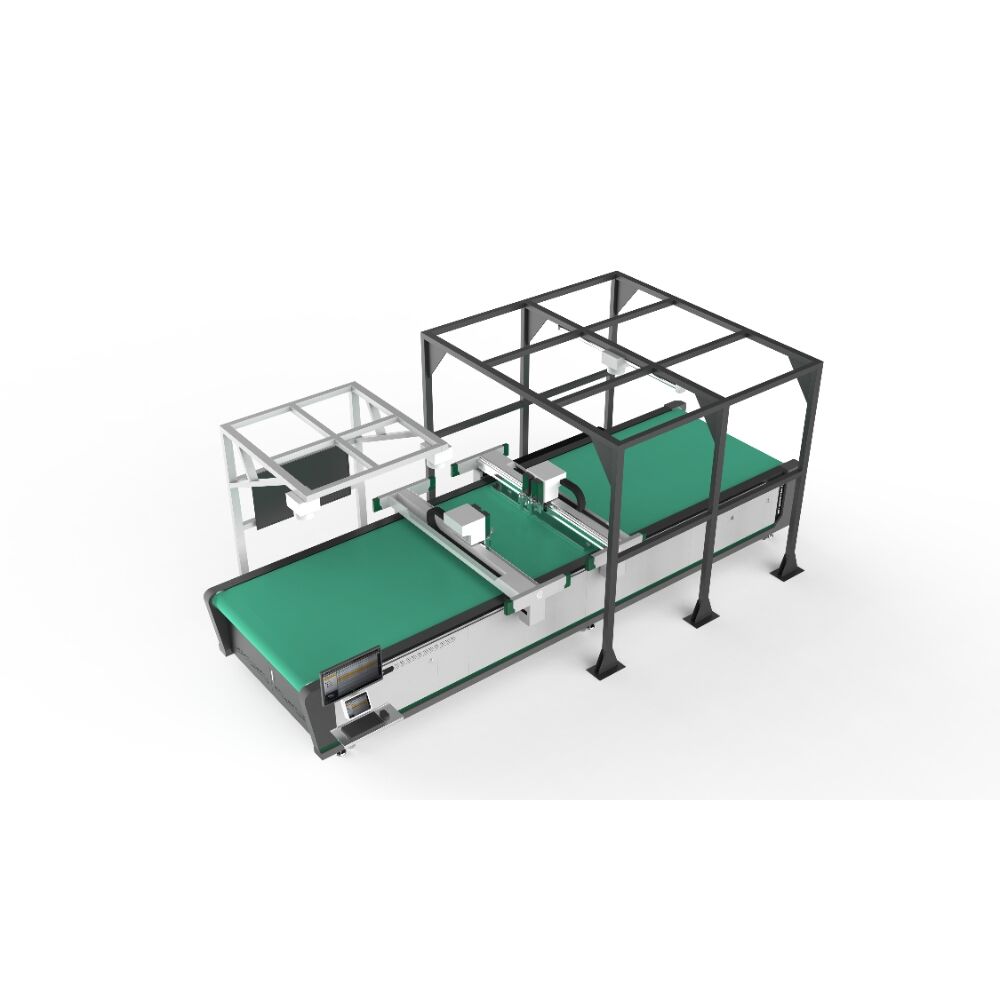
The sophisticated multi-layer cutting capability combined with automated material handling systems in advanced textile fabric cutting machines delivers unprecedented productivity improvements and operational efficiency that revolutionizes high-volume textile manufacturing operations. This technology enables simultaneous cutting of multiple fabric layers, dramatically increasing production throughput while maintaining precise dimensional accuracy across all layers in the cutting stack. Modern textile fabric cutting machines can process up to several dozen layers simultaneously, depending on material thickness and cutting requirements, multiplying production capacity without proportional increases in labor costs or processing time. The automated handling systems incorporate pneumatic lifting mechanisms, conveyor systems, and robotic arms that manage fabric loading, positioning, and unloading operations with minimal human intervention, reducing labor requirements while improving safety conditions. Precision layer alignment systems ensure that all fabric layers maintain perfect registration throughout the cutting process, preventing layer shifting that could result in dimensional variations or unusable pieces. These alignment systems utilize vacuum hold-down technology, edge sensors, and mechanical positioning guides to secure fabric layers consistently, even when processing slippery or lightweight materials that challenge traditional holding methods. The automated spreading capabilities of advanced textile fabric cutting machines enable continuous fabric feeding from multiple rolls simultaneously, automatically adjusting tension levels and feed rates to prevent stretching or distortion during the laying process. Sophisticated sensors monitor fabric tension, layer thickness, and alignment continuously, making real-time adjustments to maintain optimal cutting conditions throughout extended production runs. The integration of automated sorting and stacking systems streamlines post-cutting operations by organizing cut pieces according to predetermined criteria such as size, color, or destination within the production workflow. Quality control sensors embedded throughout the cutting and handling systems detect anomalies such as missed cuts, dimensional variations, or material defects, automatically flagging problematic pieces for manual inspection while allowing conforming pieces to continue through production processes. The scalability of multi-layer cutting systems allows manufacturers to adjust production capacity based on demand fluctuations by modifying layer counts or processing speeds without significant equipment changes or operator retraining. Energy efficiency improvements result from processing multiple layers simultaneously, reducing per-piece energy consumption while maximizing equipment utilization rates during peak production periods. The automated systems also provide comprehensive production reporting, tracking cutting speeds, material utilization rates, and quality metrics that enable continuous process optimization and performance monitoring for sustained productivity improvements.

Get a Free Quote

Our representative will contact you soon.
Email
Name
Company Name
Message
0/1000