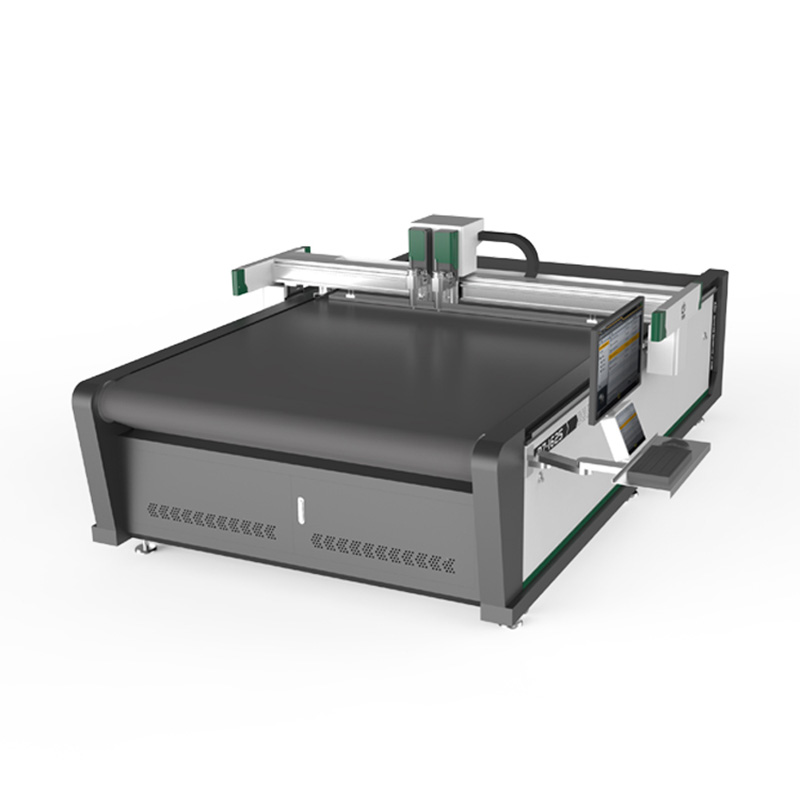
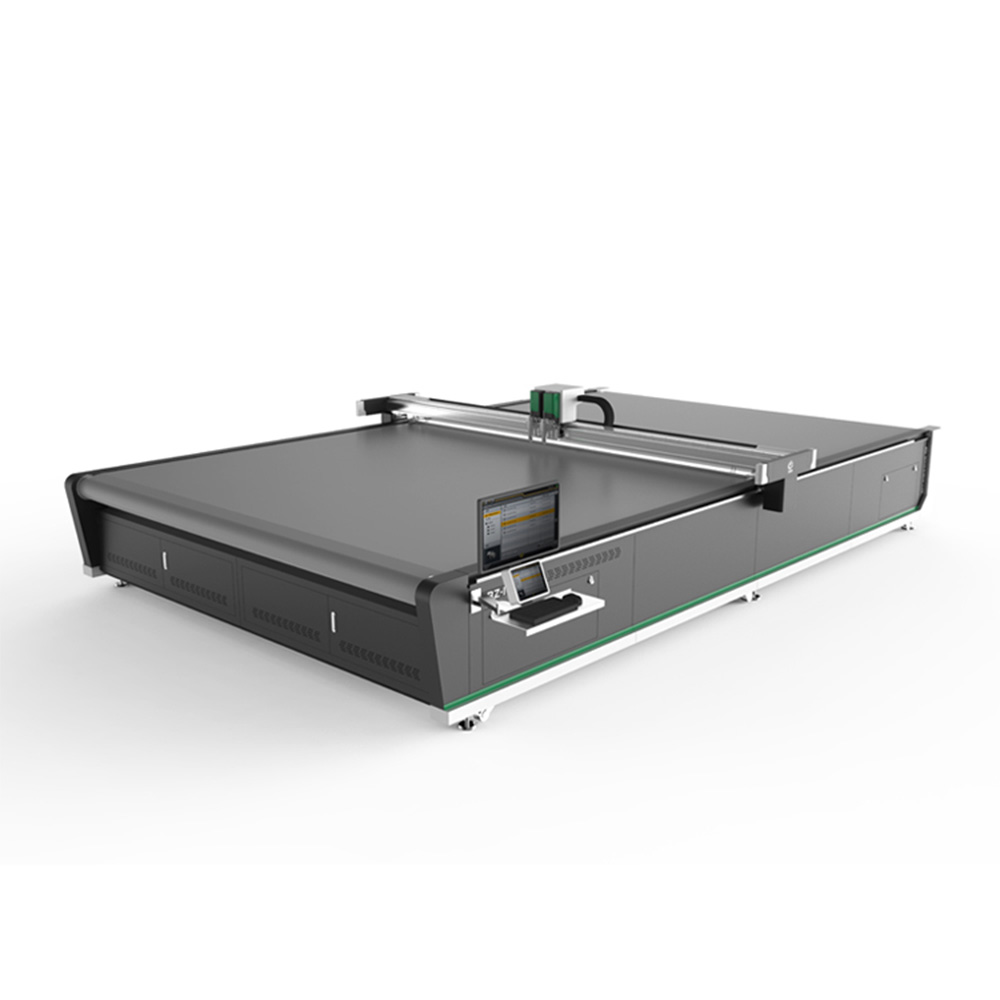
Professional Multi Ply Textile Cutting Equipment - Advanced Industrial Fabric Cutting Solutions

All Categories

Get a Free Quote

Our representative will contact you soon.
Email
Name
Company Name
Message
0/1000

multi ply textile cutting equipment

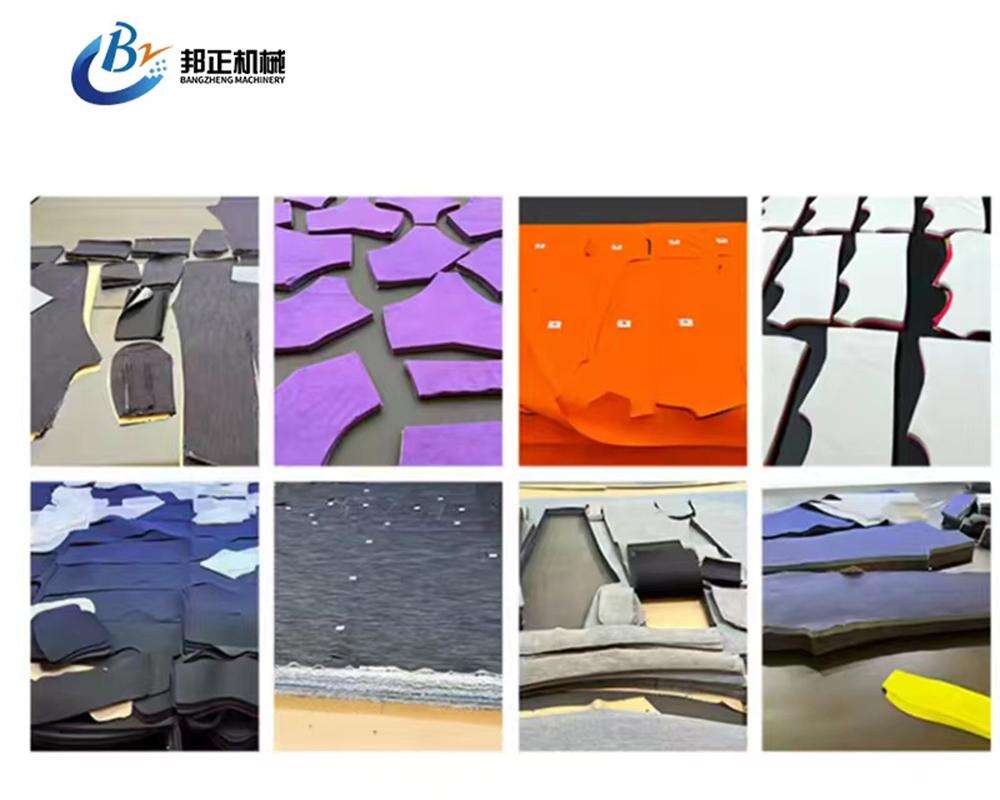
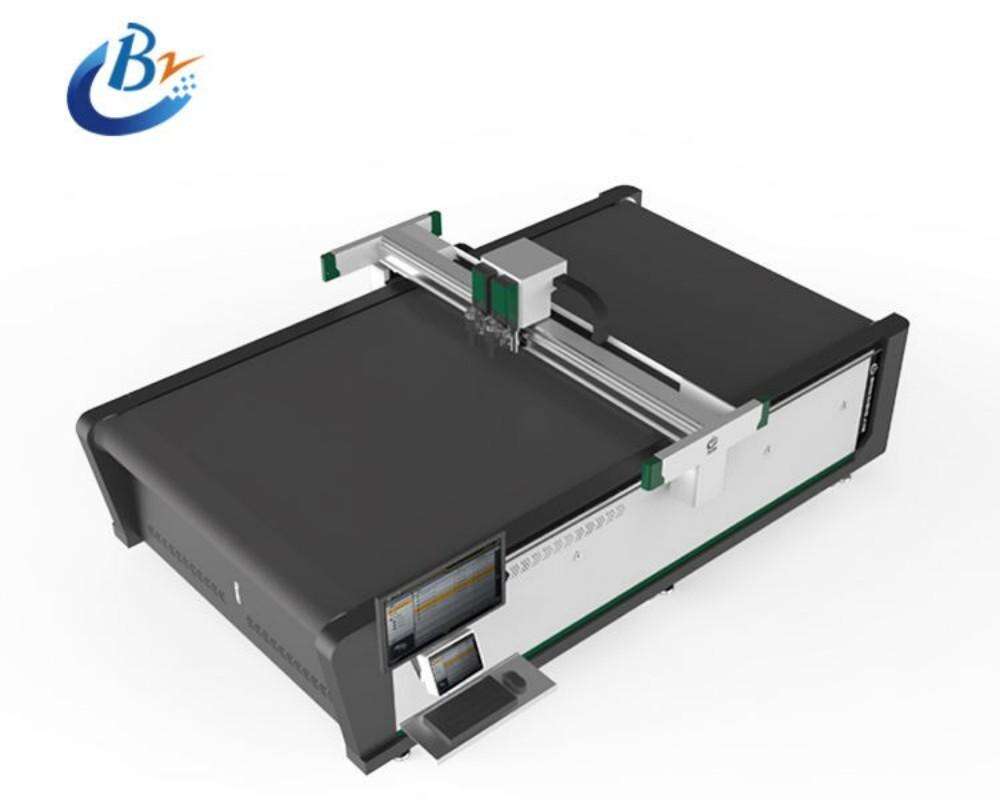
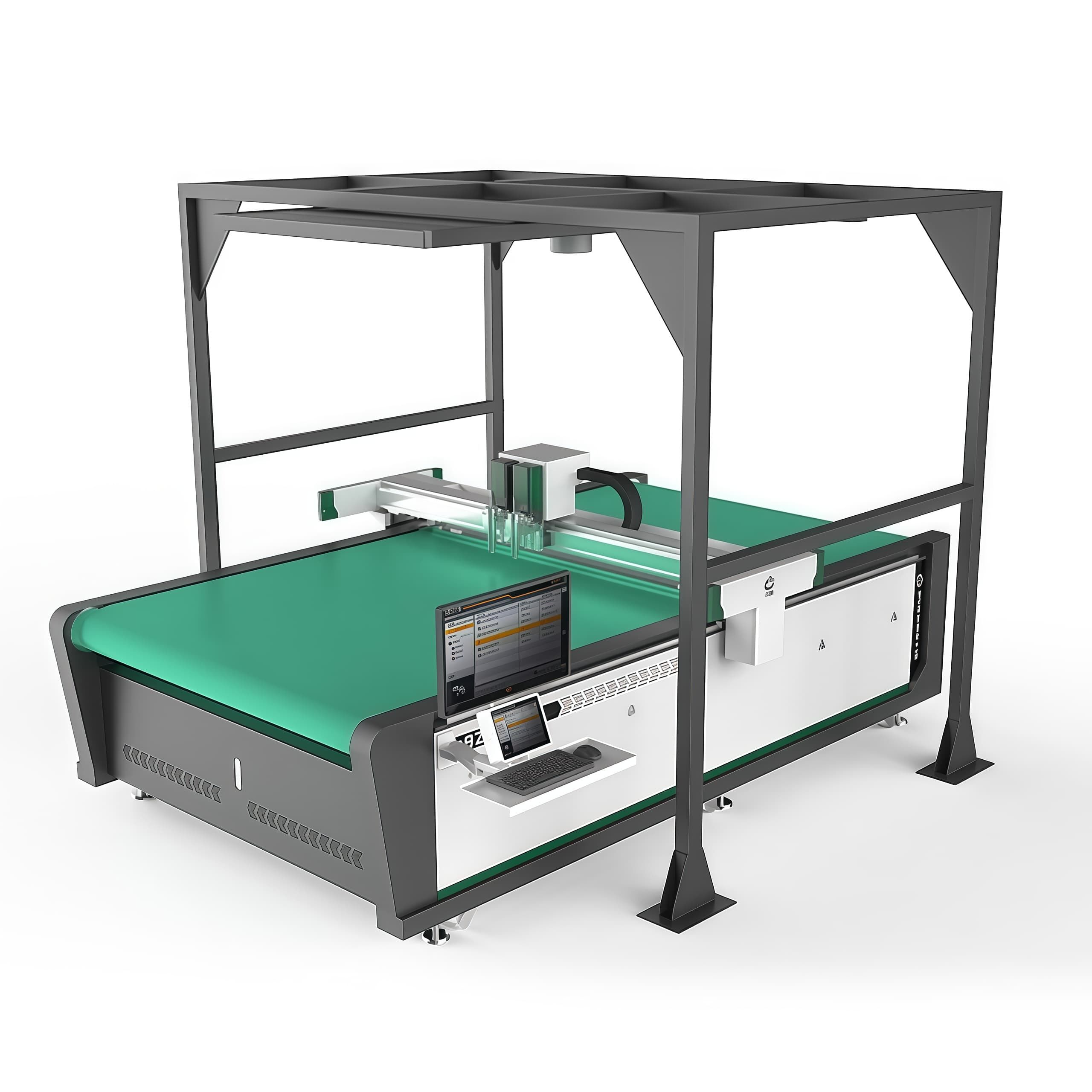
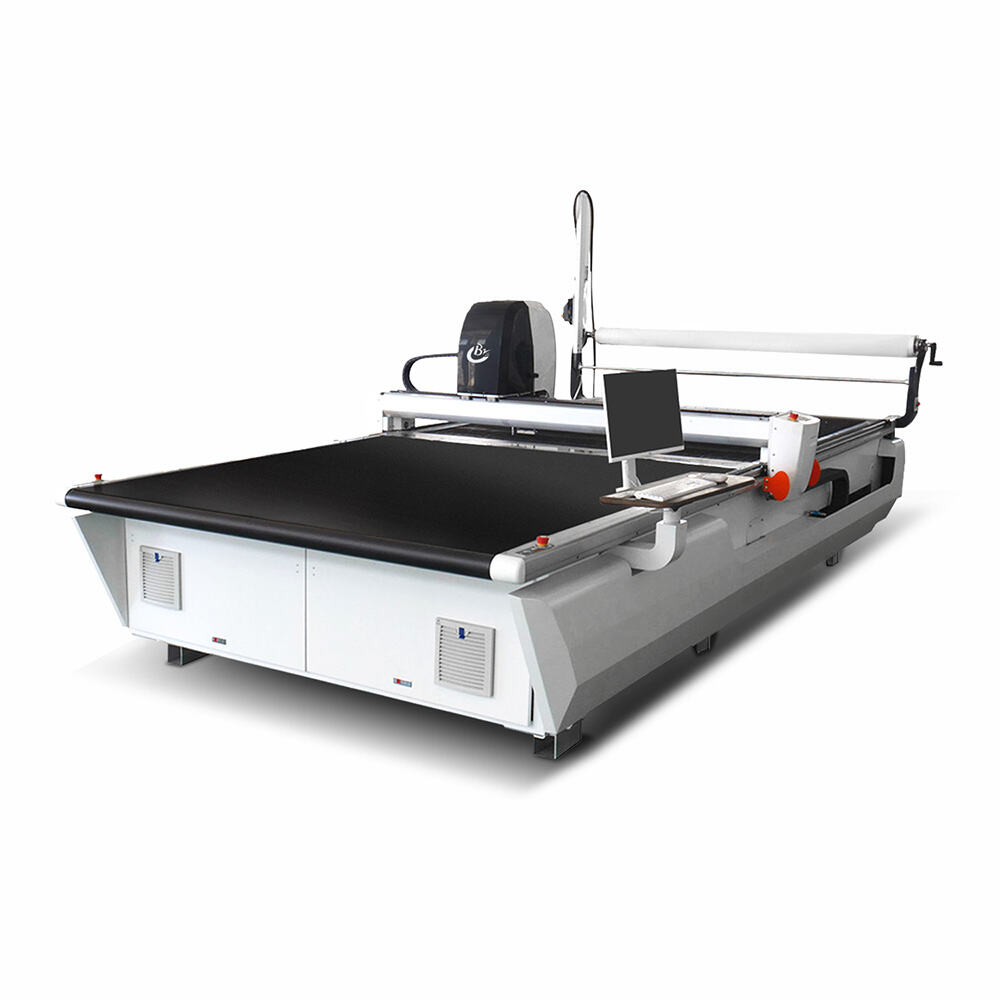
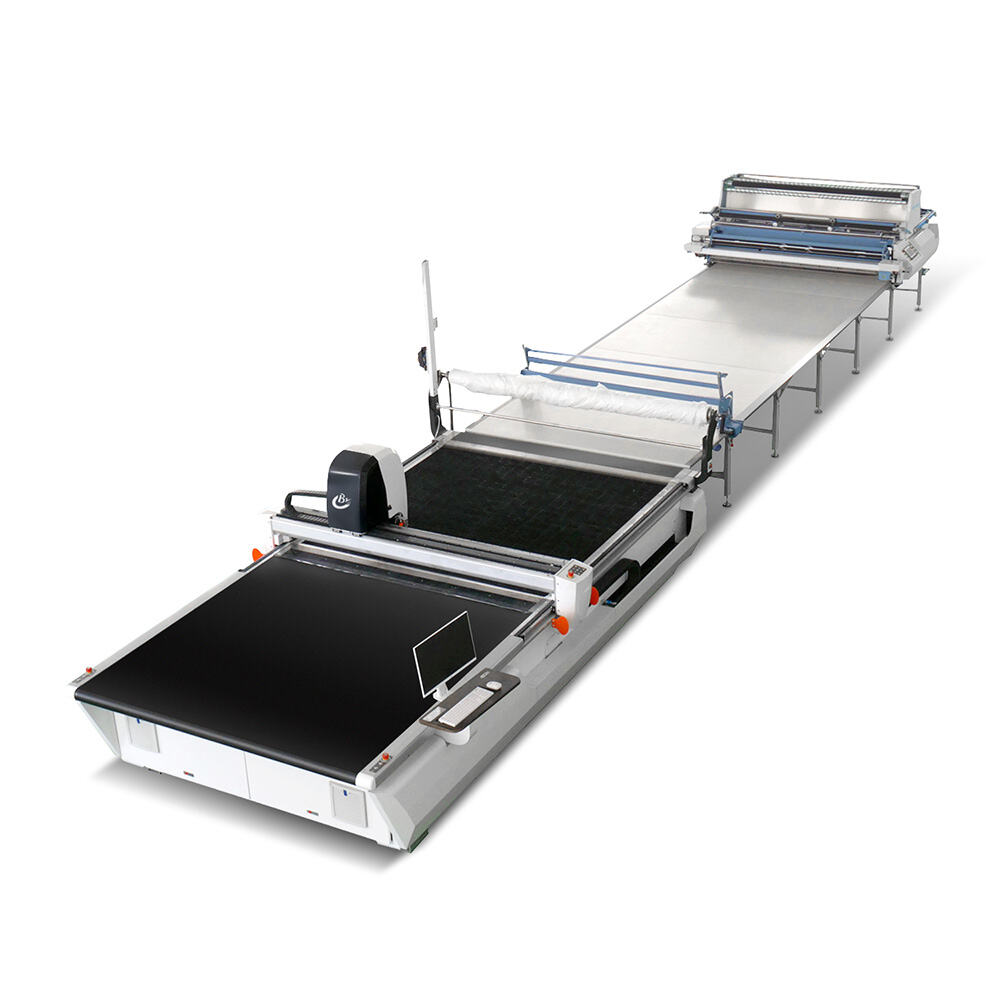
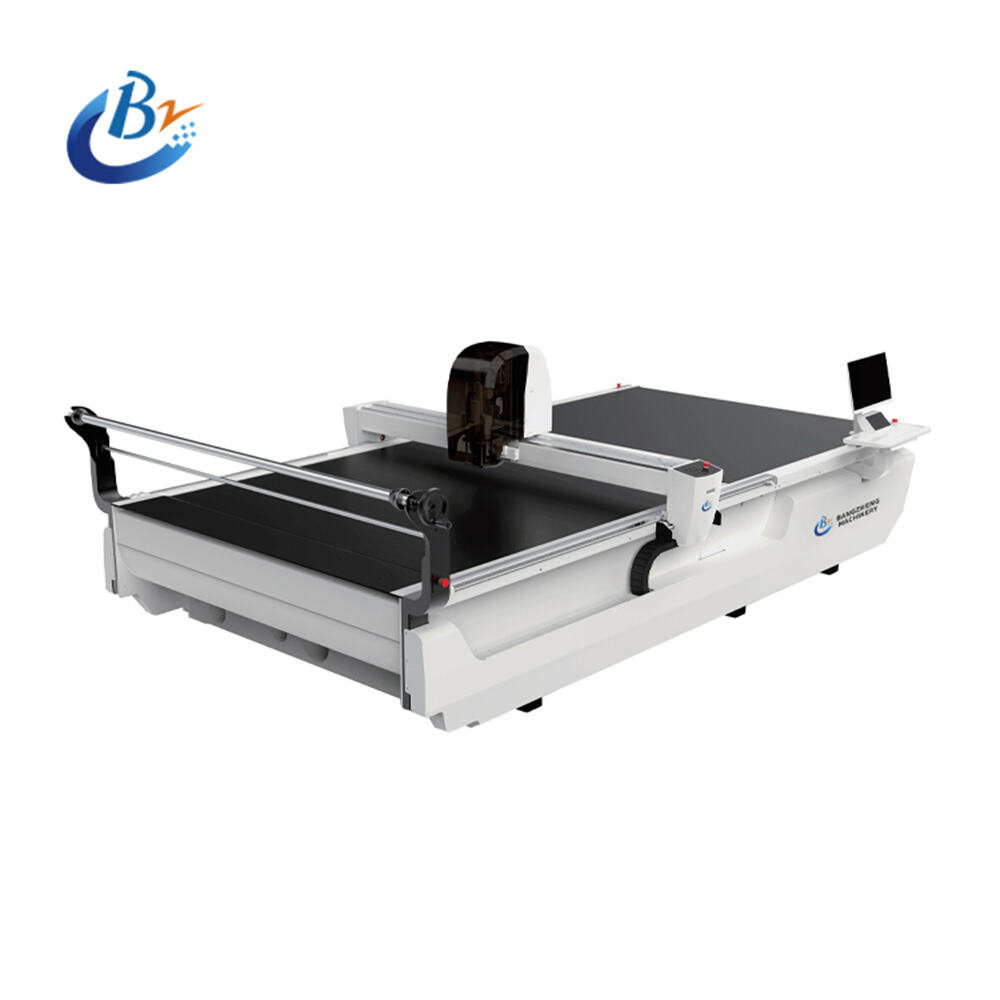
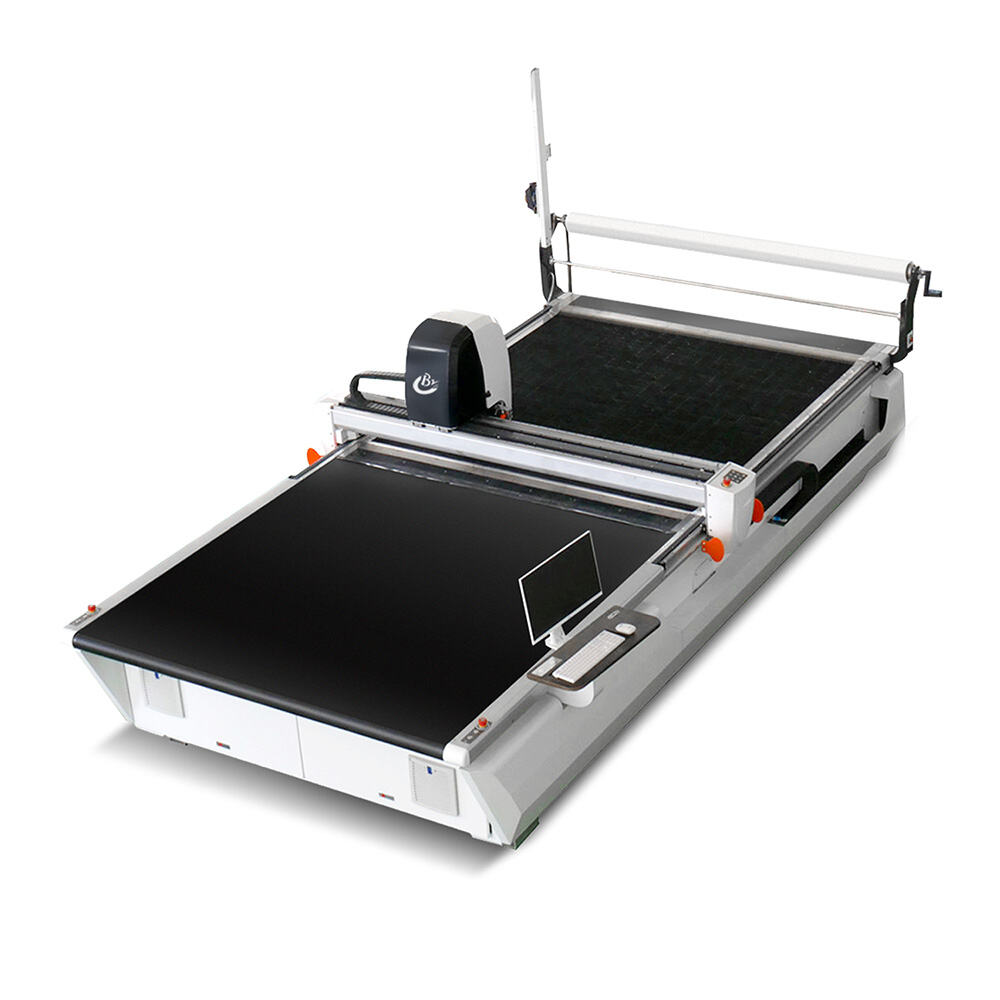
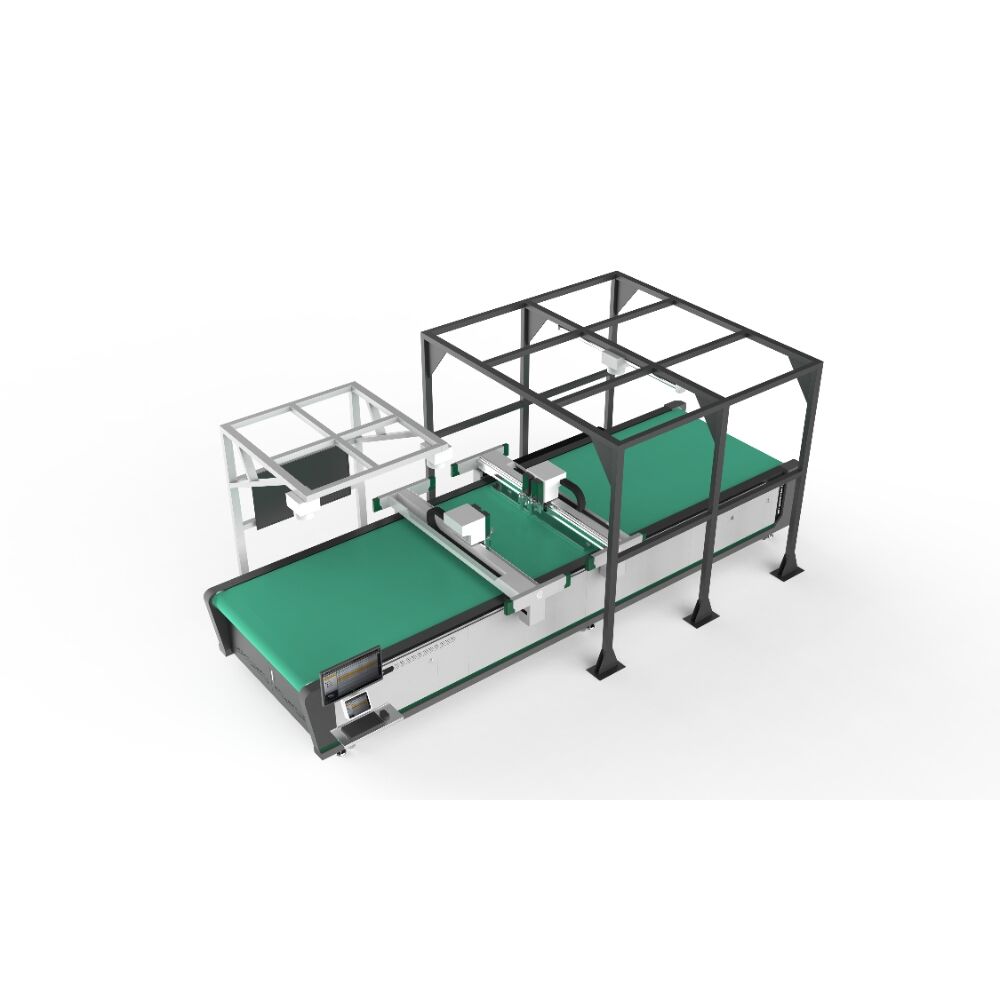
Multi ply textile cutting equipment represents a revolutionary advancement in fabric processing technology, designed to streamline production workflows across various textile manufacturing environments. This sophisticated machinery enables manufacturers to cut multiple layers of fabric simultaneously with exceptional precision and consistency. The equipment incorporates advanced blade systems, computer-controlled positioning mechanisms, and automated feeding systems to deliver superior cutting performance. Modern multi ply textile cutting equipment features programmable cutting patterns, adjustable blade pressure settings, and integrated safety systems that protect operators while maintaining operational efficiency. The technology utilizes high-speed rotary blades or oscillating knife systems that can handle diverse fabric types, from lightweight silk to heavy-duty canvas materials. These machines typically include digital control panels with intuitive interfaces, allowing operators to adjust cutting parameters quickly and accurately. The equipment's robust construction ensures long-term reliability even under continuous production demands. Advanced models incorporate pneumatic blade systems that provide consistent cutting force across all fabric layers, eliminating variations in cut quality. The multi ply textile cutting equipment also features adjustable table heights, expandable work surfaces, and efficient fabric waste management systems. Built-in measurement systems ensure precise fabric alignment and cutting accuracy, reducing material waste and improving overall production efficiency. The equipment's modular design allows for easy maintenance and component replacement, minimizing downtime and operational costs. Integration capabilities with existing production line systems make this equipment suitable for both small-scale operations and large industrial facilities. The technology supports various cutting modes, including straight-line cuts, curved patterns, and complex geometric shapes, providing versatility for different product requirements.

New Product Releases

Multi ply textile cutting equipment delivers substantial operational benefits that directly impact manufacturing efficiency and profitability. The primary advantage lies in dramatically increased production capacity, as these machines can cut dozens of fabric layers simultaneously rather than processing single layers individually. This capability reduces cutting time by up to 80 percent compared to traditional methods, enabling manufacturers to meet tight deadlines and handle larger orders effectively. The equipment ensures consistent cut quality across all fabric layers, eliminating variations that often occur with manual cutting processes. This consistency translates to improved product quality and reduced material waste, as fewer pieces require rework or disposal due to cutting errors. Cost savings represent another significant benefit, as the equipment reduces labor requirements while increasing output volume. Manufacturers can reassign skilled workers to other critical tasks while the multi ply textile cutting equipment handles repetitive cutting operations autonomously. The precision cutting capabilities minimize fabric waste, which directly impacts material costs and environmental sustainability goals. Advanced blade technology ensures clean, sealed edges that prevent fraying and improve the durability of finished products. The equipment's ability to handle various fabric weights and textures provides operational flexibility, allowing manufacturers to diversify their product offerings without investing in multiple specialized machines. Ergonomic design features reduce operator fatigue and improve workplace safety by minimizing repetitive motions and exposure to sharp cutting tools. The digital control systems enable easy pattern programming and storage, facilitating quick changeovers between different product lines. This flexibility reduces setup time and allows for efficient small-batch production alongside high-volume manufacturing. Maintenance requirements are minimal due to robust construction and high-quality components, resulting in excellent uptime performance and lower total ownership costs. The equipment's scalability means manufacturers can upgrade capacity by adding modules or accessories without replacing the entire system, providing excellent return on investment over time.

Latest News

Bangzheng Multi-Layer Fabric Cutting Machine: A Cutting Innovator in the Era of Intelligent Manufacturing

30

Jan

Bangzheng Multi-Layer Fabric Cutting Machine: A Cutting Innovator in the Era of Intelligent Manufacturing

View More
Bangzheng Vibrating Knife Fabric Cutting Machine: Intelligent Precision Redefining Industry Cutting Standards

30

Jan

Bangzheng Vibrating Knife Fabric Cutting Machine: Intelligent Precision Redefining Industry Cutting Standards

View More
Bangzheng Intelligent Leather Cutting Machine: High-Precision Digital Solution for Modern Leather Processing

10

Mar

Bangzheng Intelligent Leather Cutting Machine: High-Precision Digital Solution for Modern Leather Processing

View More

Get a Free Quote

Our representative will contact you soon.
Email
Name
Company Name
Message
0/1000

multi ply textile cutting equipment

Advanced Multi-Layer Processing Technology

Advanced Multi-Layer Processing Technology

The cornerstone of multi ply textile cutting equipment lies in its sophisticated multi-layer processing technology that revolutionizes how manufacturers approach fabric cutting operations. This advanced system utilizes precision-engineered blade mechanisms capable of simultaneously cutting through dozens of fabric layers while maintaining consistent quality across every single piece. The technology incorporates specialized blade geometries designed to minimize fabric distortion and prevent layer shifting during the cutting process. High-frequency vibration systems ensure smooth blade penetration through multiple fabric layers, regardless of material density or thickness variations. The equipment features adjustable compression systems that securely hold fabric layers in position, preventing movement that could compromise cutting accuracy. Advanced pneumatic controls regulate blade pressure automatically, adapting to different fabric types and thicknesses without manual intervention. The multi-layer processing capability extends beyond simple straight cuts, encompassing complex curved patterns and intricate designs that would be impossible to achieve consistently through manual methods. Integrated sensors monitor cutting performance continuously, detecting potential issues such as blade wear or fabric bunching before they affect product quality. The system's ability to process mixed fabric types simultaneously allows manufacturers to create composite products efficiently. Temperature control systems prevent blade overheating during extended cutting operations, ensuring consistent performance throughout production runs. The technology includes automatic blade replacement mechanisms that minimize downtime and maintain optimal cutting performance. Real-time monitoring systems provide operators with detailed feedback on cutting parameters, enabling immediate adjustments to optimize results. The multi-layer processing technology significantly reduces the physical space required for cutting operations, as multiple layers are processed in the footprint traditionally needed for single-layer cutting. This space efficiency translates to better facility utilization and improved workflow organization.
Precision Computer-Controlled Automation

Precision Computer-Controlled Automation

Multi ply textile cutting equipment incorporates state-of-the-art computer-controlled automation systems that deliver unparalleled precision and repeatability in fabric cutting operations. The sophisticated control architecture utilizes advanced algorithms to optimize cutting paths, minimizing material waste while maximizing production efficiency. Digital servo motors provide precise positioning control with accuracies measured in fractions of millimeters, ensuring consistent results across thousands of cutting cycles. The automation system includes comprehensive pattern recognition capabilities that can interpret complex design files and translate them into precise cutting instructions automatically. Programmable logic controllers coordinate multiple machine functions simultaneously, orchestrating blade movement, fabric feeding, and waste removal systems seamlessly. The computer-controlled automation enables real-time adjustment of cutting parameters based on fabric characteristics detected by integrated sensors. Machine learning algorithms continuously improve cutting performance by analyzing historical data and optimizing operational parameters automatically. The system features comprehensive data logging capabilities that track production metrics, quality indicators, and maintenance requirements for informed decision-making. Remote monitoring capabilities allow supervisors to oversee multiple machines from centralized control stations, improving operational oversight and response times. The automation system includes predictive maintenance algorithms that monitor component wear patterns and schedule maintenance activities proactively, preventing unexpected downtime. Customizable user interfaces adapt to different operator skill levels, providing simplified controls for basic operations while offering advanced features for experienced users. The computer-controlled system supports integration with enterprise resource planning software, enabling seamless coordination between production planning and execution. Quality control algorithms automatically detect cutting deviations and trigger corrective actions or alerts before defective products are produced. The automation technology includes comprehensive backup systems that protect cutting programs and operational data against loss or corruption.
Versatile Multi-Material Compatibility

Versatile Multi-Material Compatibility

The exceptional multi-material compatibility of multi ply textile cutting equipment represents a game-changing capability that enables manufacturers to process diverse fabric types using a single, versatile machine platform. This comprehensive material handling capability extends from delicate silk and chiffon fabrics to robust canvas, denim, and technical textiles, accommodating the full spectrum of textile manufacturing requirements. The equipment incorporates adaptive cutting technologies that automatically adjust blade speed, pressure, and cutting angle based on material characteristics detected through integrated sensors. Specialized blade configurations optimize cutting performance for different material categories, with quick-change systems enabling rapid transitions between fabric types without extensive setup procedures. The multi-material compatibility includes provisions for handling coated fabrics, laminated materials, and composite textiles that require specific cutting approaches to maintain structural integrity. Advanced vacuum systems provide appropriate holding force for lightweight materials while pneumatic clamps secure heavy fabrics during cutting operations. The equipment's material compatibility extends to handling fabrics with varying stretch characteristics, from non-stretch wovens to highly elastic knits, maintaining cutting accuracy regardless of material behavior. Temperature-controlled cutting surfaces prevent heat-sensitive materials from distorting while providing optimal support for all fabric types. The system includes specialized features for processing technical textiles used in automotive, aerospace, and industrial applications, where precision and material integrity are critical. Adjustable cutting depths accommodate materials ranging from gossamer-thin films to thick upholstery fabrics, providing versatility across multiple market segments. The multi-material compatibility includes provisions for processing pre-treated fabrics, coated materials, and specialty textiles without contamination or damage. Automated material identification systems recognize fabric types and automatically configure cutting parameters for optimal results. The equipment handles both natural and synthetic fibers effectively, adapting cutting strategies to prevent material-specific issues such as fraying, melting, or delamination. This versatility eliminates the need for multiple specialized machines, reducing capital investment and operational complexity while maximizing production flexibility.


Get a Free Quote

Our representative will contact you soon.
Email
Name
Company Name
Message
0/1000