Industrial Fabric Cutting Machines: Advanced Precision Technology for Modern Manufacturing

All Categories

Get a Free Quote

Our representative will contact you soon.
Email
Name
Company Name
Message
0/1000

industrial fabric cutting machines

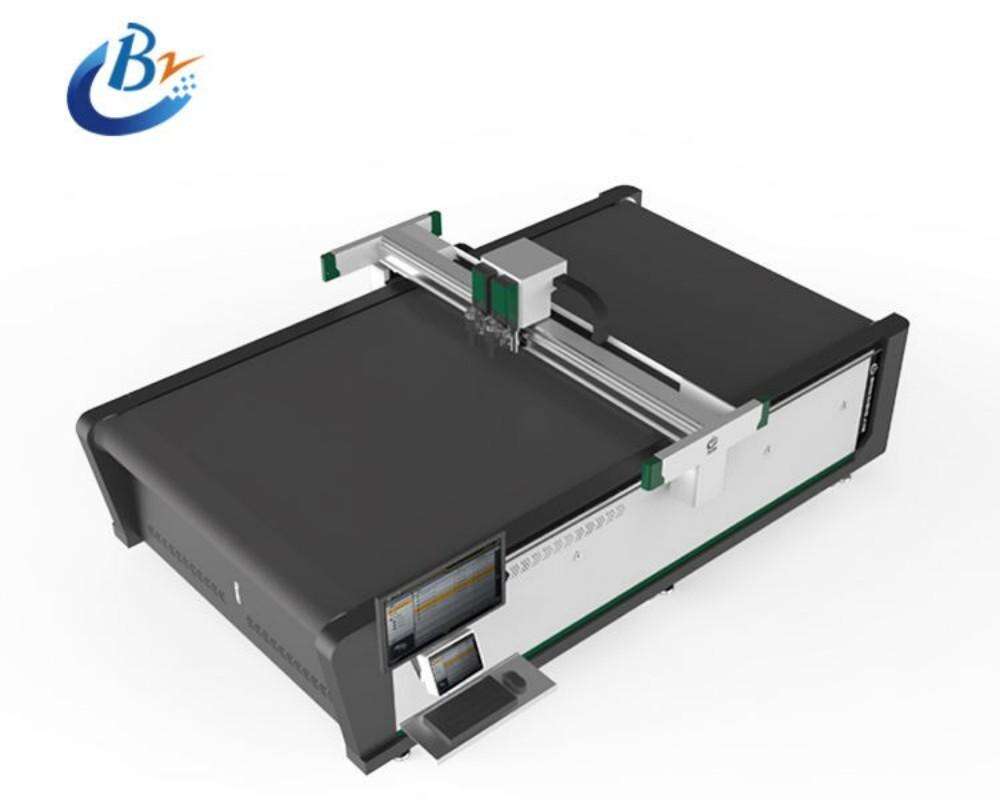
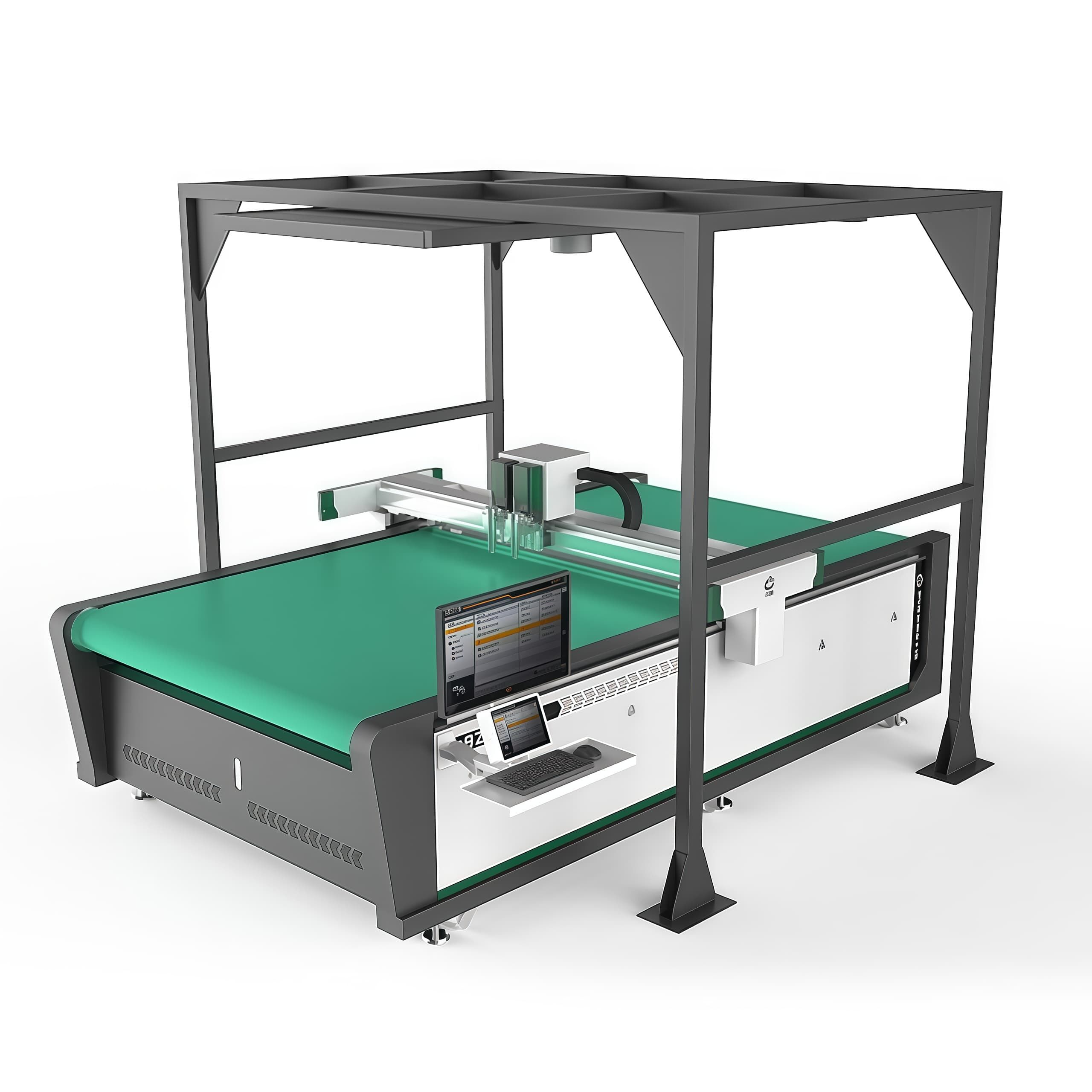
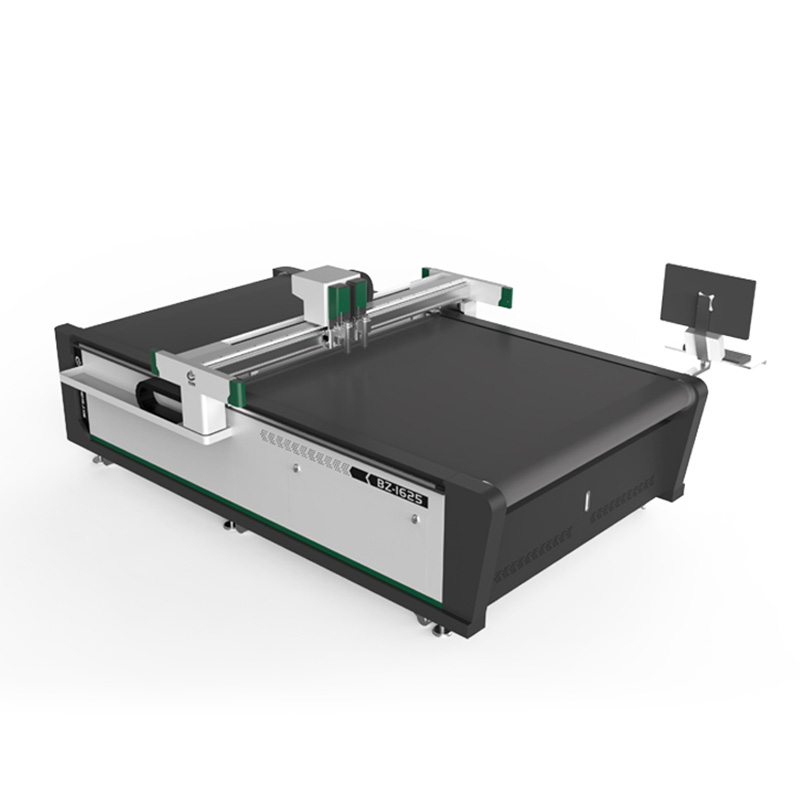
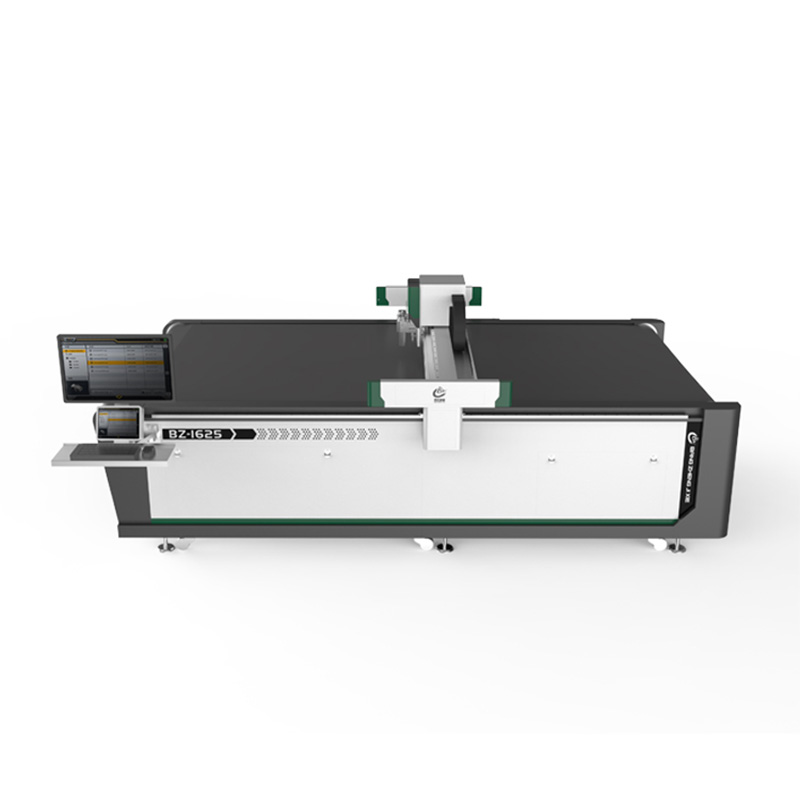
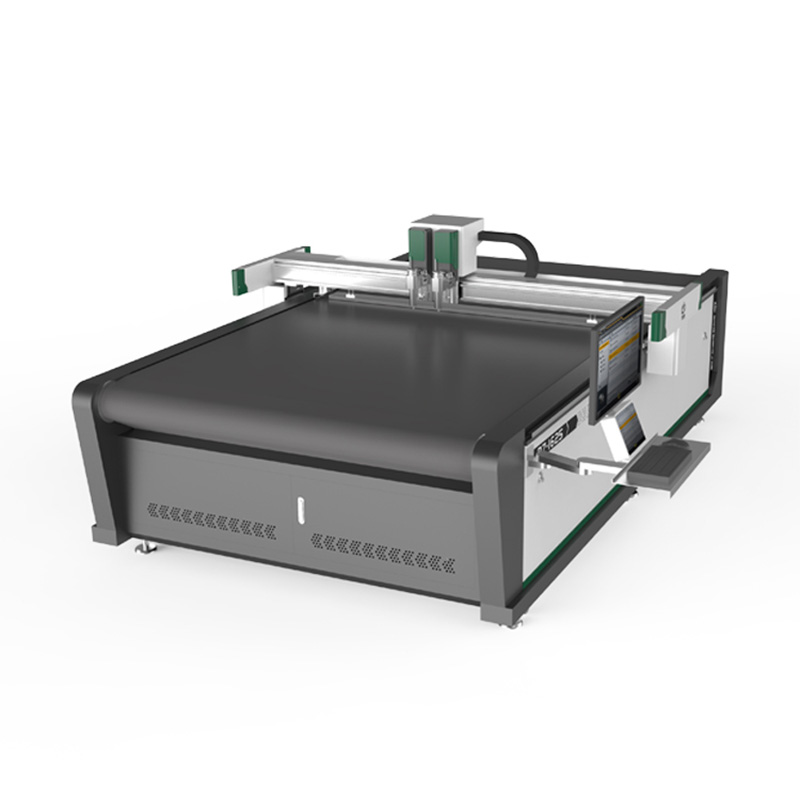
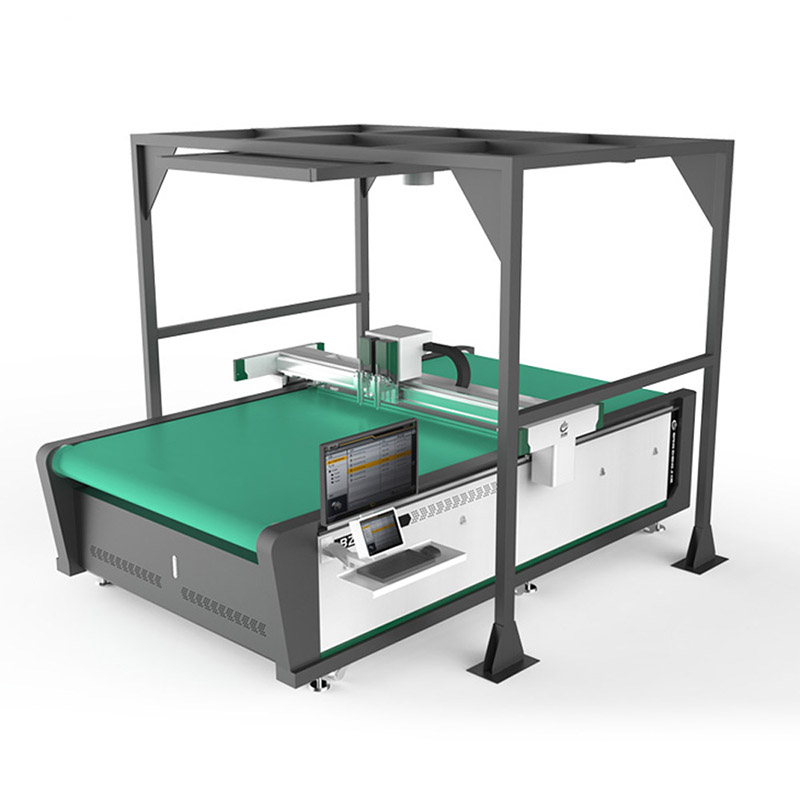
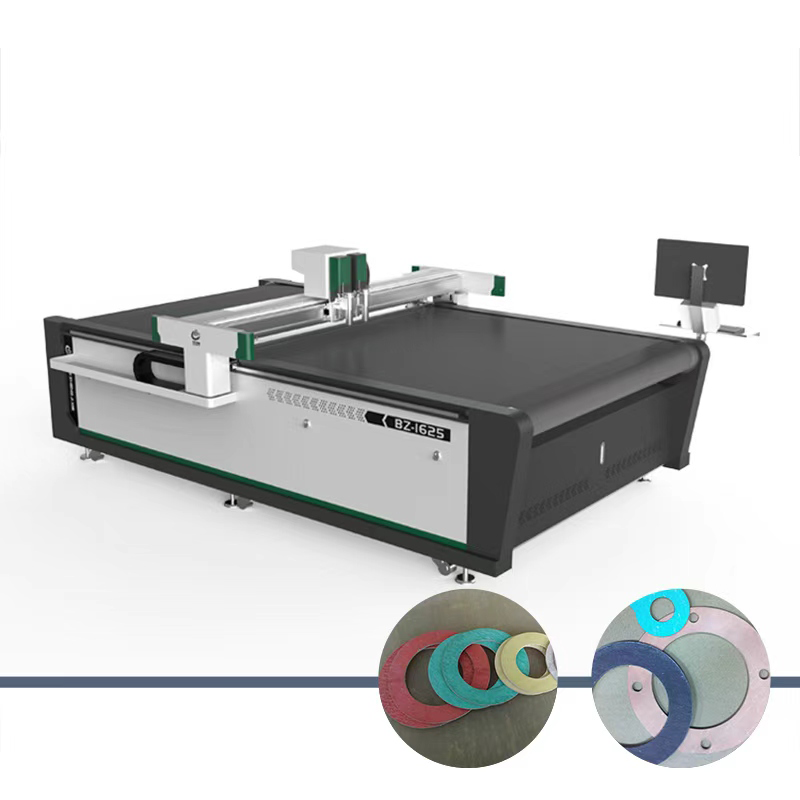
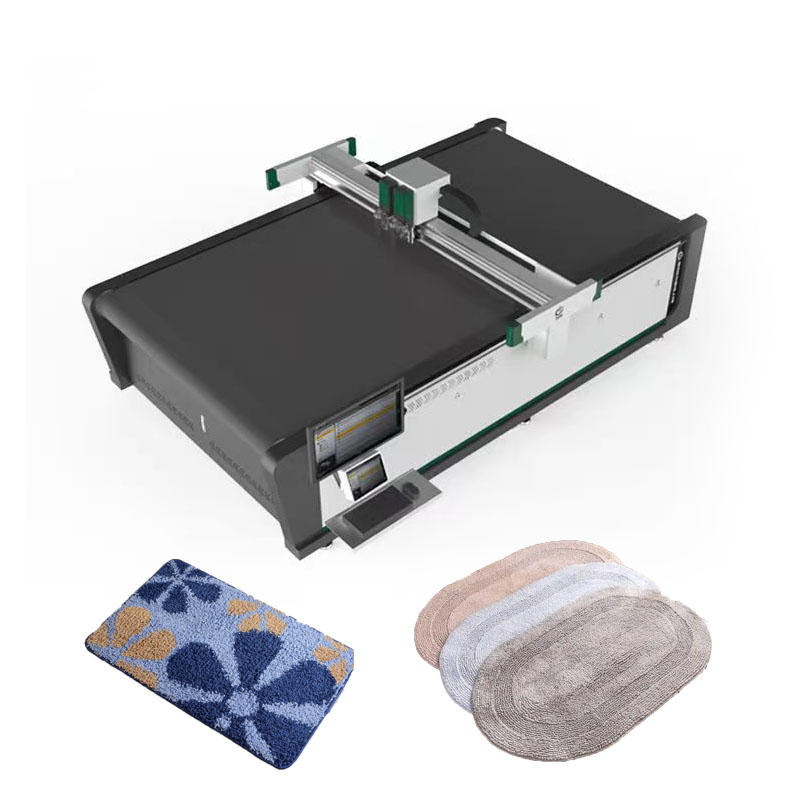
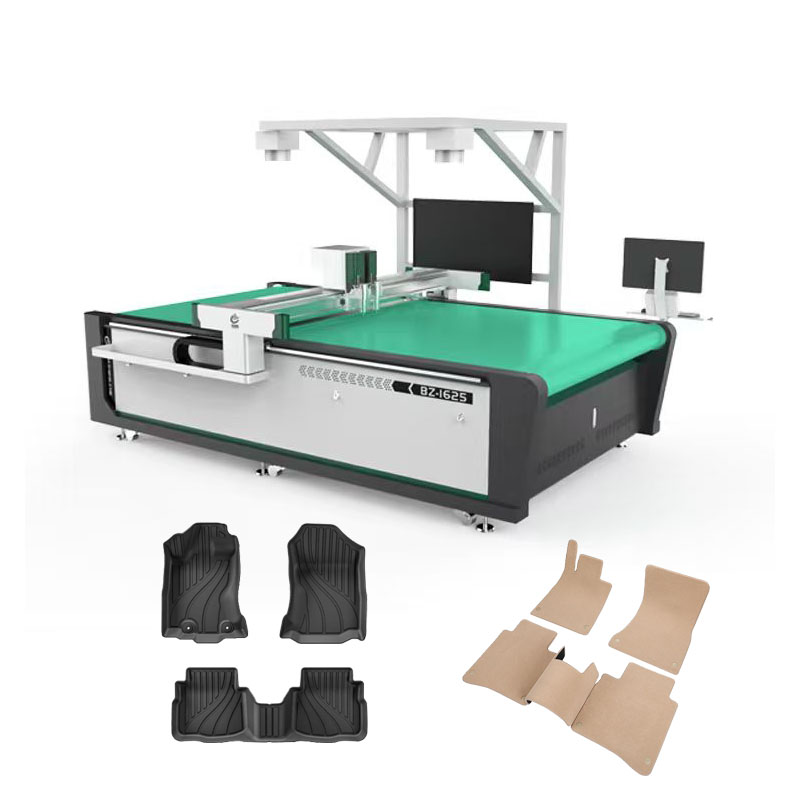
Industrial fabric cutting machines represent a revolutionary advancement in textile manufacturing, transforming how businesses approach fabric processing across diverse sectors. These sophisticated systems combine precision engineering with cutting-edge technology to deliver unparalleled accuracy and efficiency in fabric cutting operations. Modern industrial fabric cutting machines utilize various cutting methods including laser technology, ultrasonic cutting, rotary blade systems, and waterjet cutting to accommodate different material types and thickness requirements. The primary function of these machines centers on creating precise cuts through single or multiple fabric layers simultaneously, dramatically reducing production time while maintaining consistent quality standards. Advanced computer numerical control systems enable operators to program complex cutting patterns with millimeter-level precision, ensuring minimal material waste and optimal fabric utilization. Contemporary industrial fabric cutting machines feature automated material handling systems that streamline workflow from fabric loading to finished piece collection. These machines incorporate sophisticated software packages that integrate seamlessly with computer-aided design programs, allowing manufacturers to translate digital patterns directly into physical cuts without manual intervention. The technological framework includes high-speed servo motors, precision linear guides, and intelligent sensor networks that monitor cutting parameters in real-time. Temperature control systems maintain optimal operating conditions for heat-sensitive materials, while dust extraction units ensure clean working environments. Industrial fabric cutting machines serve numerous applications including automotive upholstery, aerospace composites, marine canvas, protective clothing, medical textiles, and fashion apparel manufacturing. Their versatility extends to processing materials ranging from delicate silk fabrics to heavy-duty technical textiles, leather, foam, rubber, and composite materials. The integration of artificial intelligence and machine learning capabilities enables these systems to adapt cutting parameters automatically based on material characteristics and environmental conditions.

New Product Recommendations

Industrial fabric cutting machines deliver transformative benefits that revolutionize manufacturing operations while significantly improving bottom-line results for businesses across multiple industries. These advanced systems dramatically increase production speed by cutting multiple fabric layers simultaneously, enabling manufacturers to complete orders faster and handle larger volumes without compromising quality standards. The precision cutting capabilities eliminate human error and ensure consistent results across thousands of pieces, reducing material waste by up to 15% compared to traditional manual cutting methods. This waste reduction translates directly into cost savings, making industrial fabric cutting machines a smart long-term investment for any textile operation. Labor cost reduction represents another major advantage, as these automated systems require minimal operator supervision while maintaining continuous operation throughout production shifts. Workers can focus on higher-value tasks such as quality control and machine optimization rather than repetitive cutting activities. The flexibility of modern industrial fabric cutting machines allows manufacturers to switch between different materials and cutting patterns quickly, responding rapidly to changing market demands without extensive setup procedures. Quality consistency remains unmatched when using these systems, as computer-controlled cutting eliminates variations that occur with manual processes, ensuring every piece meets exact specifications. Industrial fabric cutting machines enhance workplace safety by reducing direct operator contact with sharp cutting tools and minimizing repetitive strain injuries associated with manual cutting operations. The integration capabilities with existing manufacturing systems create seamless workflows that improve overall operational efficiency. These machines accommodate rush orders and tight deadlines more effectively than manual processes, helping businesses maintain competitive advantages in fast-paced markets. Energy efficiency features in modern systems reduce operational costs while supporting environmental sustainability goals. The data collection and analysis capabilities provide valuable insights into production metrics, enabling continuous process improvements. Return on investment typically occurs within 18-24 months through combined savings in labor, materials, and improved production capacity. Industrial fabric cutting machines also enable businesses to take on more complex projects and higher-volume contracts that would be impossible or unprofitable using traditional cutting methods.

Practical Tips

Bangzheng Multi-Layer Fabric Cutting Machine: A Cutting Innovator in the Era of Intelligent Manufacturing

30

Jan

Bangzheng Multi-Layer Fabric Cutting Machine: A Cutting Innovator in the Era of Intelligent Manufacturing

View More
Bangzheng Vibrating Knife Fabric Cutting Machine: Intelligent Precision Redefining Industry Cutting Standards

30

Jan

Bangzheng Vibrating Knife Fabric Cutting Machine: Intelligent Precision Redefining Industry Cutting Standards

View More
Bangzheng Intelligent Leather Cutting Machine: High-Precision Digital Solution for Modern Leather Processing

10

Mar

Bangzheng Intelligent Leather Cutting Machine: High-Precision Digital Solution for Modern Leather Processing

View More

Get a Free Quote

Our representative will contact you soon.
Email
Name
Company Name
Message
0/1000

industrial fabric cutting machines

Precision Cutting Technology That Maximizes Material Utilization

Precision Cutting Technology That Maximizes Material Utilization

The precision cutting technology integrated into modern industrial fabric cutting machines represents a quantum leap forward in manufacturing efficiency and cost-effectiveness. These sophisticated systems employ advanced laser guidance systems, computer vision technology, and high-resolution sensors to achieve cutting accuracy within 0.1mm tolerances, ensuring every piece meets exact specifications while minimizing material waste. The computer-controlled cutting process eliminates human error and inconsistencies that plague manual cutting operations, delivering uniform results across thousands of pieces regardless of operator skill level or fatigue factors. This precision capability becomes particularly valuable when working with expensive specialty fabrics or technical materials where waste directly impacts profitability. The nesting optimization software automatically arranges cutting patterns to maximize fabric utilization, often achieving 90-95% material efficiency compared to 75-80% with manual methods. This improvement translates into substantial cost savings over time, particularly for high-volume operations processing expensive materials. The precision cutting technology also enables manufacturers to work with tighter tolerances and more complex designs that would be impossible or impractical with manual cutting methods. Multi-layer cutting capabilities allow these machines to cut through dozens of fabric layers simultaneously while maintaining precision across all layers, dramatically increasing production throughput without sacrificing quality. The real-time monitoring systems continuously adjust cutting parameters based on material characteristics, environmental conditions, and wear patterns, ensuring consistent performance throughout extended production runs. Quality control features include automatic edge detection, tension monitoring, and cut verification systems that identify and flag any deviations from specifications immediately. This proactive quality management prevents defective pieces from proceeding through the manufacturing process, reducing downstream costs and customer complaints. The precision technology also supports just-in-time manufacturing strategies by enabling rapid changeovers between different cutting patterns without lengthy setup procedures. Advanced calibration systems maintain accuracy over time, automatically compensating for normal wear and environmental factors that could affect cutting precision.
Automated Workflow Integration That Streamlines Manufacturing Operations

Automated Workflow Integration That Streamlines Manufacturing Operations

The automated workflow integration capabilities of industrial fabric cutting machines create seamless manufacturing ecosystems that dramatically improve operational efficiency and reduce production bottlenecks. These intelligent systems connect directly with enterprise resource planning software, computer-aided design programs, and inventory management systems to create fully automated production workflows from order receipt to finished product delivery. The integration begins with automatic pattern recognition and optimization, where the machine software receives digital cutting files and automatically generates the most efficient cutting layouts based on available fabric inventory and production priorities. Material handling automation eliminates manual fabric positioning and reduces setup time between cutting jobs, while automatic sorting and labeling systems organize cut pieces according to assembly requirements. The workflow integration extends to quality management systems that track cutting performance, material utilization rates, and production metrics in real-time, providing managers with comprehensive visibility into manufacturing operations. Predictive maintenance capabilities monitor machine performance and automatically schedule maintenance activities to prevent unexpected downtime, while remote monitoring systems enable technicians to diagnose and resolve issues without interrupting production. The automated workflow includes sophisticated job scheduling algorithms that optimize production sequences based on material availability, delivery deadlines, and machine capacity, ensuring maximum throughput while meeting customer commitments. Integration with warehouse management systems enables automatic material requisitioning and ensures adequate fabric inventory for scheduled production runs. The system generates detailed production reports and analytics that help identify optimization opportunities and track key performance indicators such as overall equipment effectiveness and material utilization rates. Error detection and correction systems automatically identify potential issues such as fabric defects or cutting anomalies and adjust cutting paths or notify operators as appropriate. The workflow integration also supports lean manufacturing principles by minimizing work-in-process inventory and reducing material handling requirements throughout the production process. Advanced scheduling capabilities enable manufacturers to accommodate rush orders and priority changes without disrupting overall production flow, while automatic documentation generation ensures complete traceability for quality assurance and customer requirements.
Versatile Material Processing Capabilities That Expand Business Opportunities

Versatile Material Processing Capabilities That Expand Business Opportunities

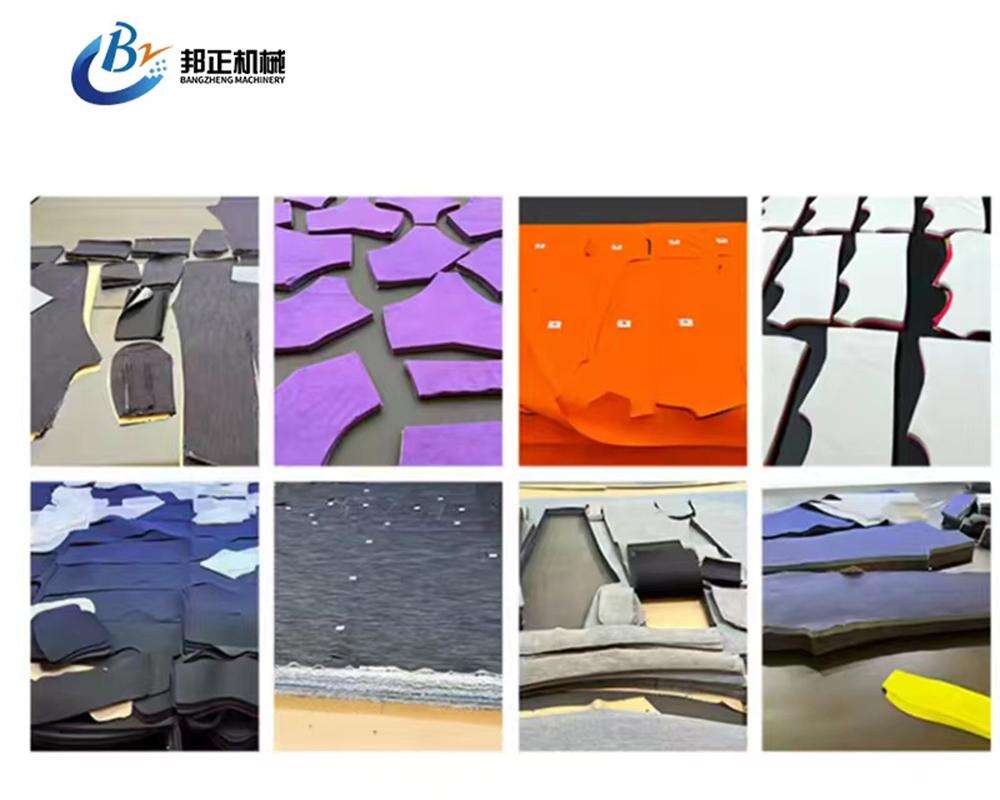
The versatile material processing capabilities of modern industrial fabric cutting machines open new business opportunities and market segments that were previously inaccessible due to technical limitations or cost constraints. These adaptable systems handle an extensive range of materials including natural fibers, synthetic textiles, technical fabrics, composites, leather, foam, rubber, and specialty materials used in aerospace and automotive applications. The multi-tool cutting heads accommodate different cutting methods such as laser cutting, ultrasonic cutting, rotary blade cutting, and kiss-cutting, enabling manufacturers to select the optimal cutting technique for each material type and application. This versatility eliminates the need for multiple specialized machines, reducing capital investment and floor space requirements while maximizing operational flexibility. The adjustable cutting parameters including speed, pressure, temperature, and tool selection can be optimized for each material type, ensuring clean, precise cuts regardless of material characteristics such as thickness, density, or heat sensitivity. Advanced material detection systems automatically identify fabric properties and recommend optimal cutting settings, simplifying setup procedures and reducing the learning curve for operators working with new materials. The processing capabilities extend beyond traditional textiles to include technical materials such as carbon fiber, fiberglass, aramid fabrics, and composite preforms used in high-performance applications. Temperature-controlled cutting environments prevent heat damage to sensitive materials while maintaining optimal cutting performance for thermoplastic fabrics. The versatile processing capabilities enable manufacturers to diversify their product offerings and enter new markets such as automotive interiors, aerospace components, medical textiles, protective equipment, and technical applications. Multiple cutting modes including through-cutting, perforating, scoring, and marking expand the range of possible applications and add value-added services to standard cutting operations. The ability to process materials ranging from delicate 20-denier fabrics to heavy-duty 2000-denier technical textiles demonstrates the remarkable adaptability of these systems. Custom tooling options and specialized cutting heads enable processing of unique materials or applications that require specific cutting characteristics. The versatile material processing capabilities also support prototype development and small-batch production, enabling manufacturers to offer rapid sampling and custom solutions to customers exploring new material applications or product designs.


Get a Free Quote

Our representative will contact you soon.
Email
Name
Company Name
Message
0/1000