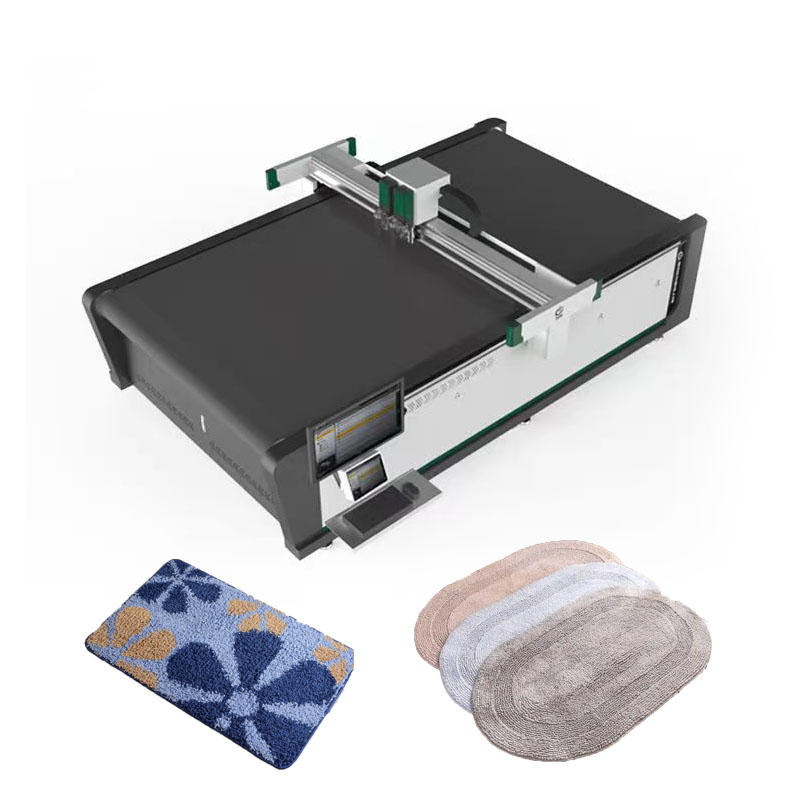
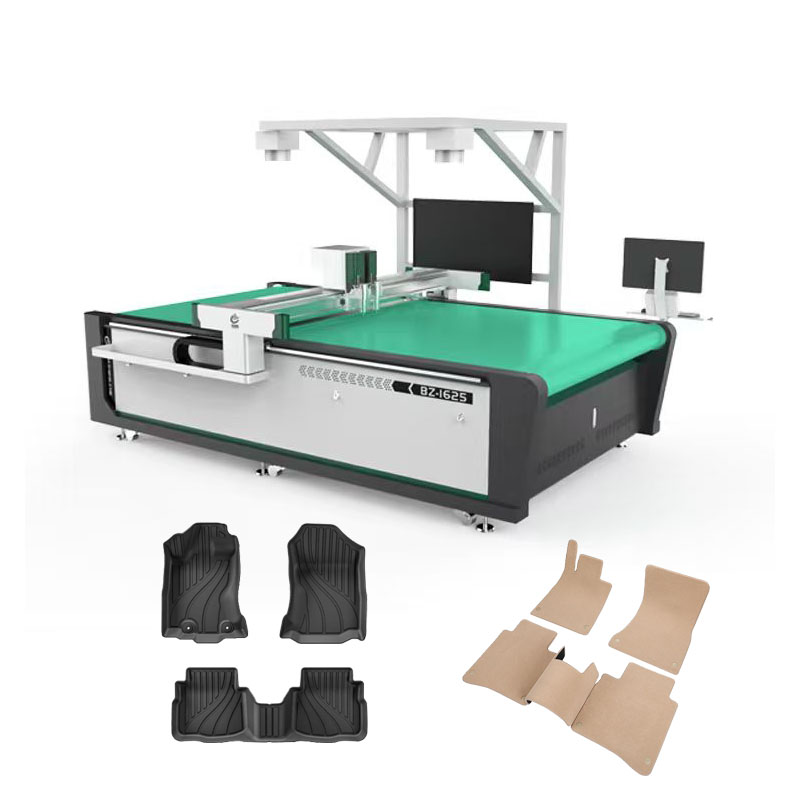
Versatile Multi-Material Processing Capabilities
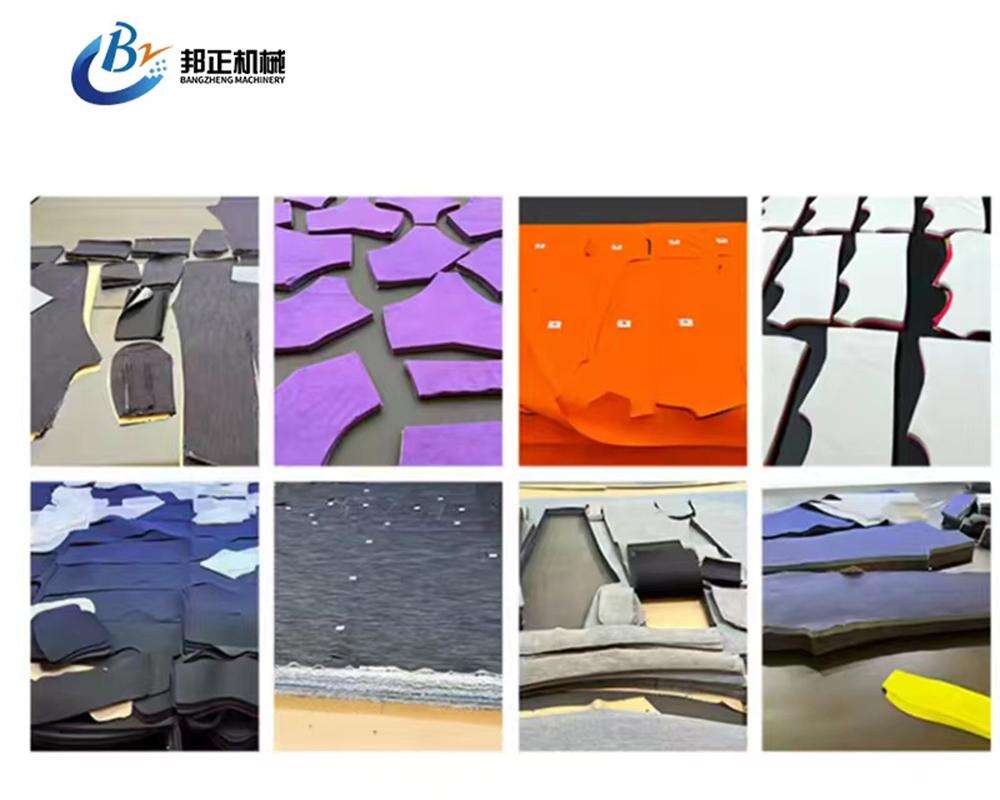
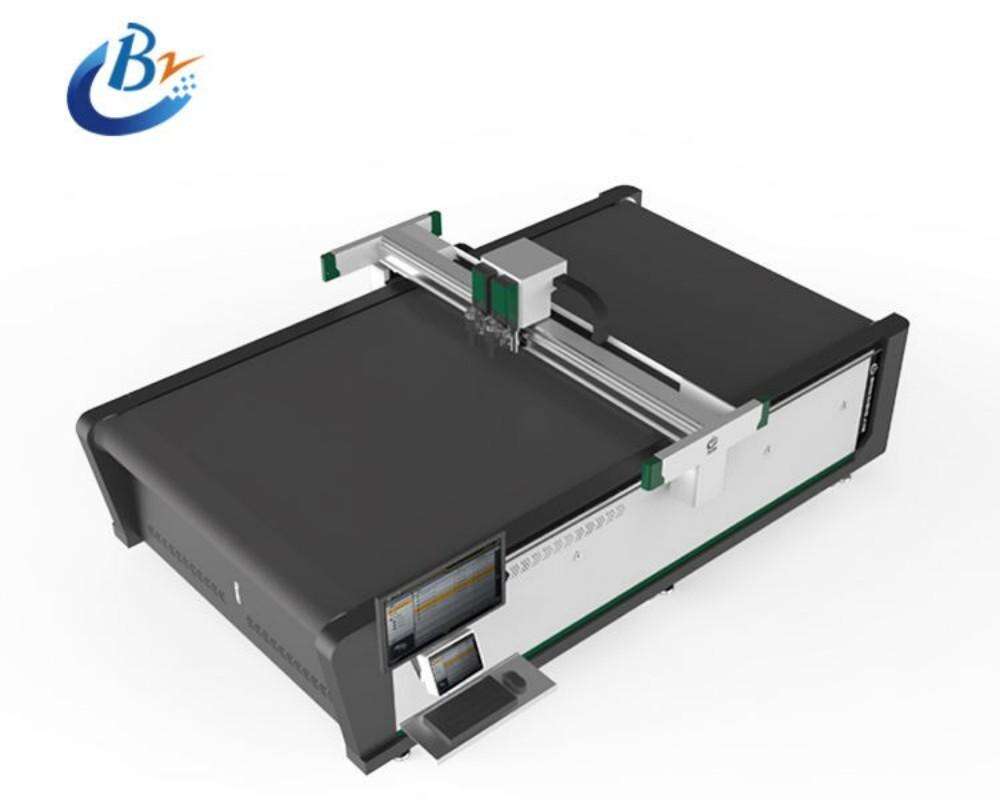
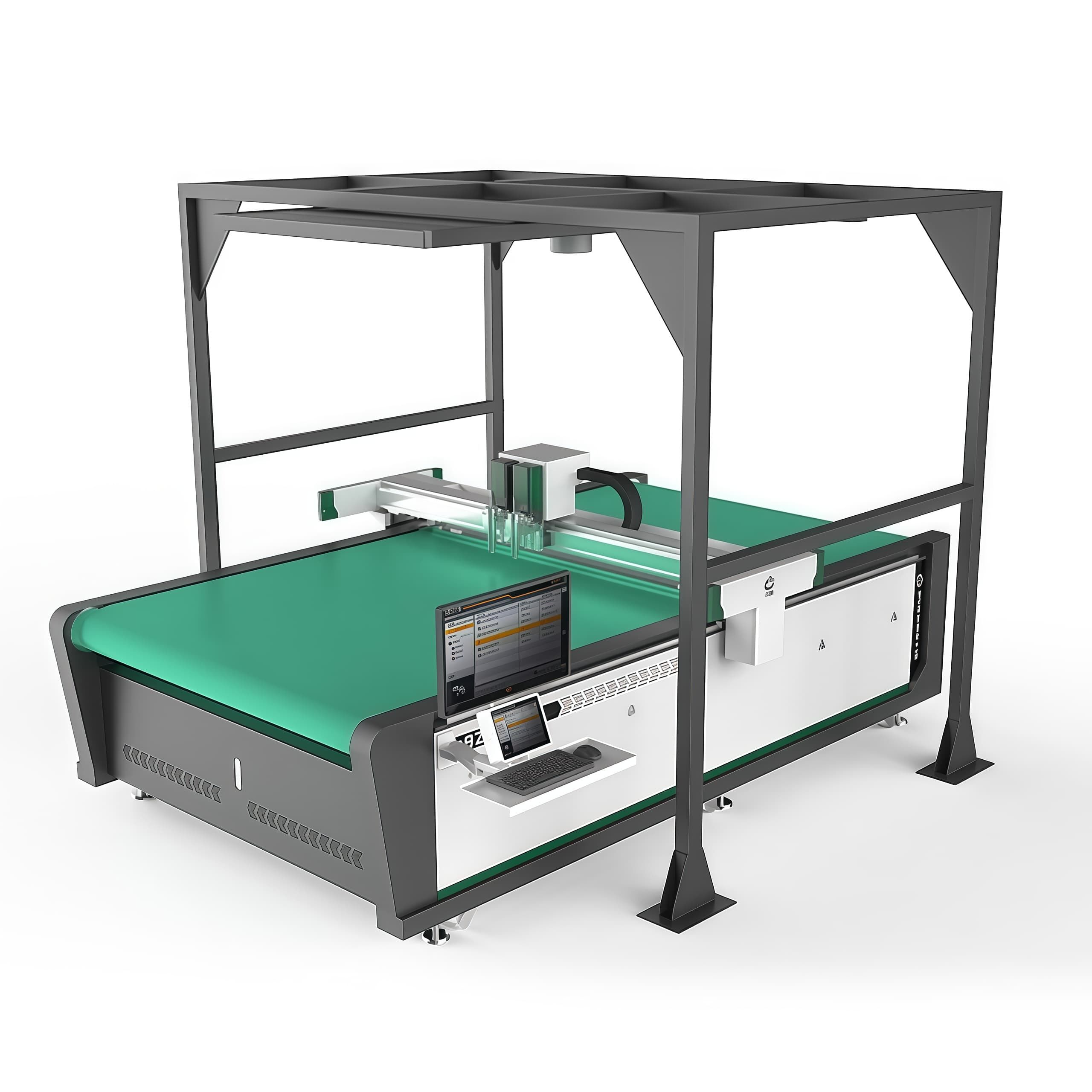
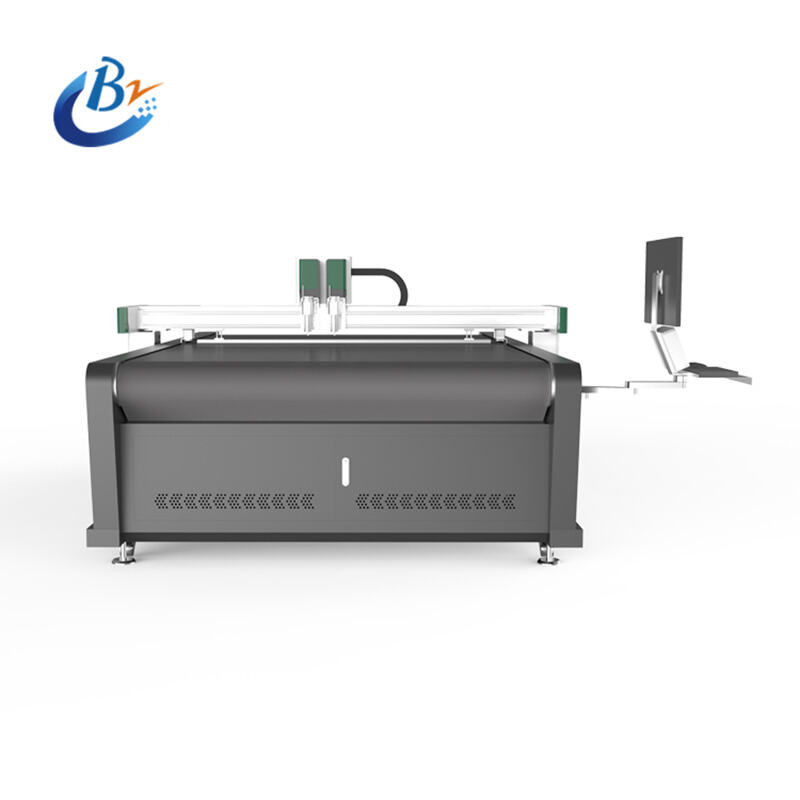
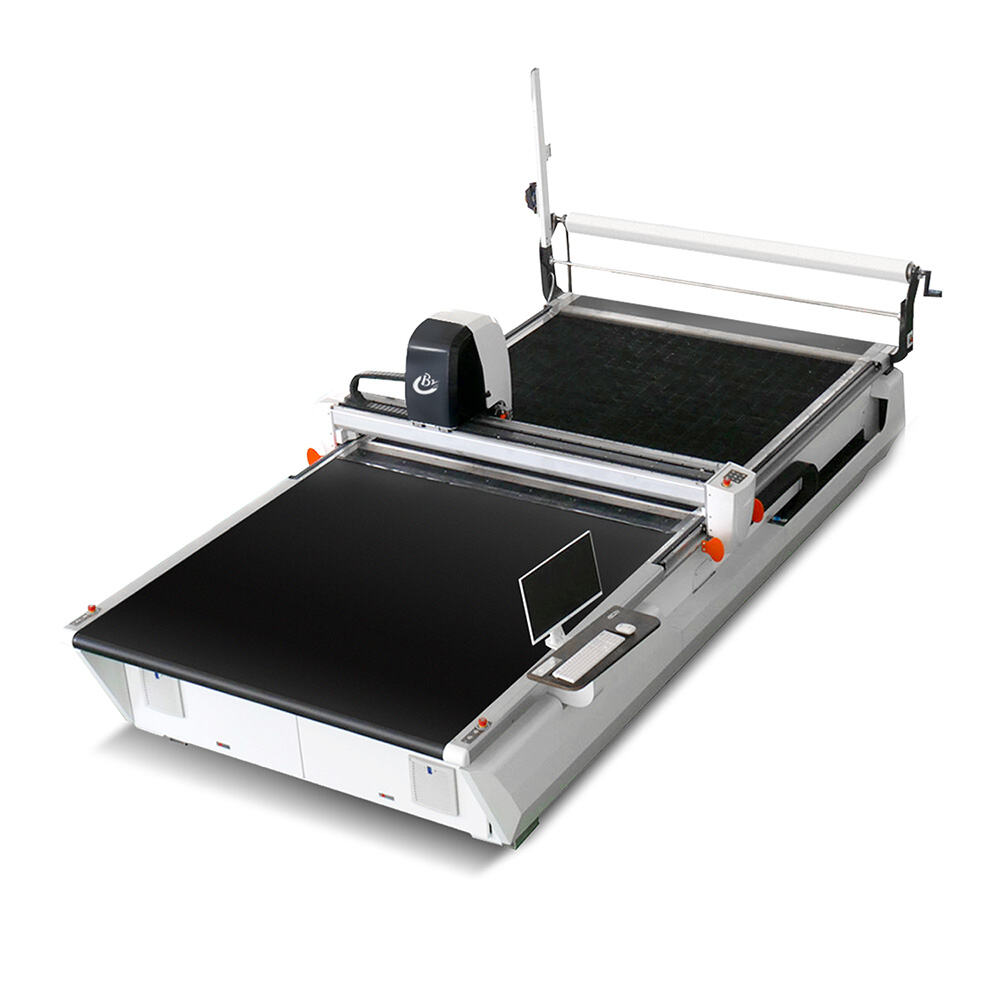
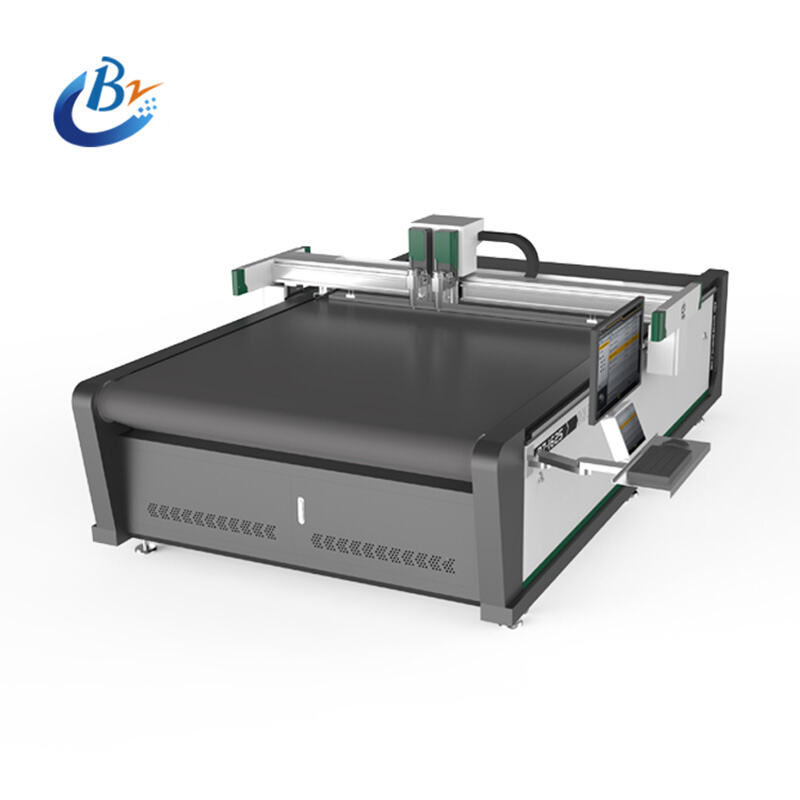
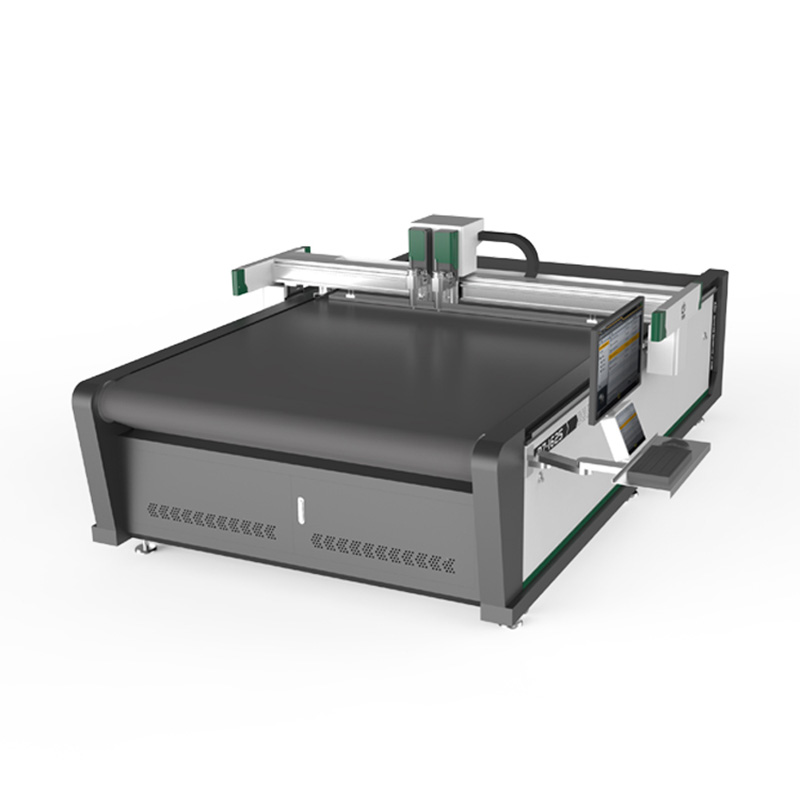
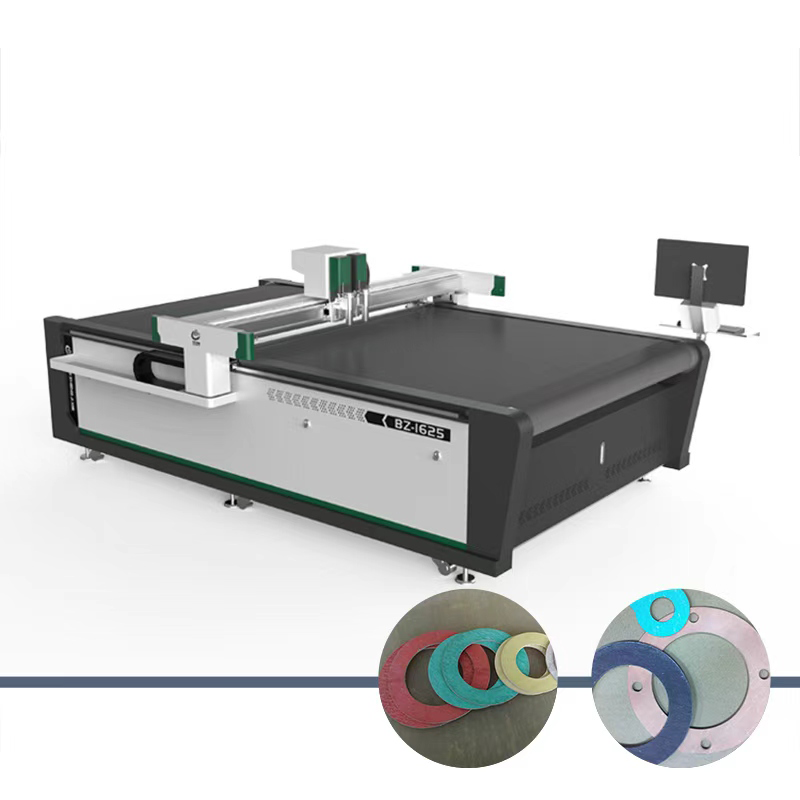
The fabric cnc cutting machine excels in processing an extensive range of textile materials, making it an invaluable asset for manufacturers serving diverse markets and applications. This versatility stems from the machine's adaptive cutting systems that automatically adjust cutting parameters based on material properties, ensuring optimal results across different fabric types, weights, and constructions. The machine handles delicate materials such as silk, chiffon, and lace with gentle precision, using reduced cutting forces and specialized hold-down techniques to prevent stretching or distortion during the cutting process. For heavy-duty materials like canvas, denim, and technical fabrics, the system increases cutting force and adjusts blade penetration to achieve clean, complete cuts without compromising edge quality. The fabric cnc cutting machine accommodates materials ranging from ultra-thin films of 0.1 millimeters to thick composites exceeding 25 millimeters in thickness, providing unmatched flexibility for varied production requirements. Different cutting technologies can be employed depending on material characteristics, including oscillating knife cutting for most textiles, laser cutting for synthetic materials requiring sealed edges, and ultrasonic cutting for thermoplastic fabrics that benefit from simultaneous cutting and welding. The machine processes natural fibers such as cotton, wool, and linen with excellent results, while also handling synthetic materials including polyester, nylon, and polypropylene without difficulty. Specialty materials such as technical textiles, nonwovens, leather, rubber, and composite fabrics are processed with equal efficiency, making the fabric cnc cutting machine suitable for applications ranging from fashion apparel to automotive components and aerospace applications. The material recognition system automatically identifies fabric types and suggests optimal cutting parameters, reducing setup time and eliminating guesswork in parameter selection. This versatility eliminates the need for multiple specialized cutting machines, reducing equipment costs and simplifying production workflows while maintaining superior cutting quality across all material types processed.

 EN
EN