Versatile Multi-Material Processing with Adaptive Control Systems
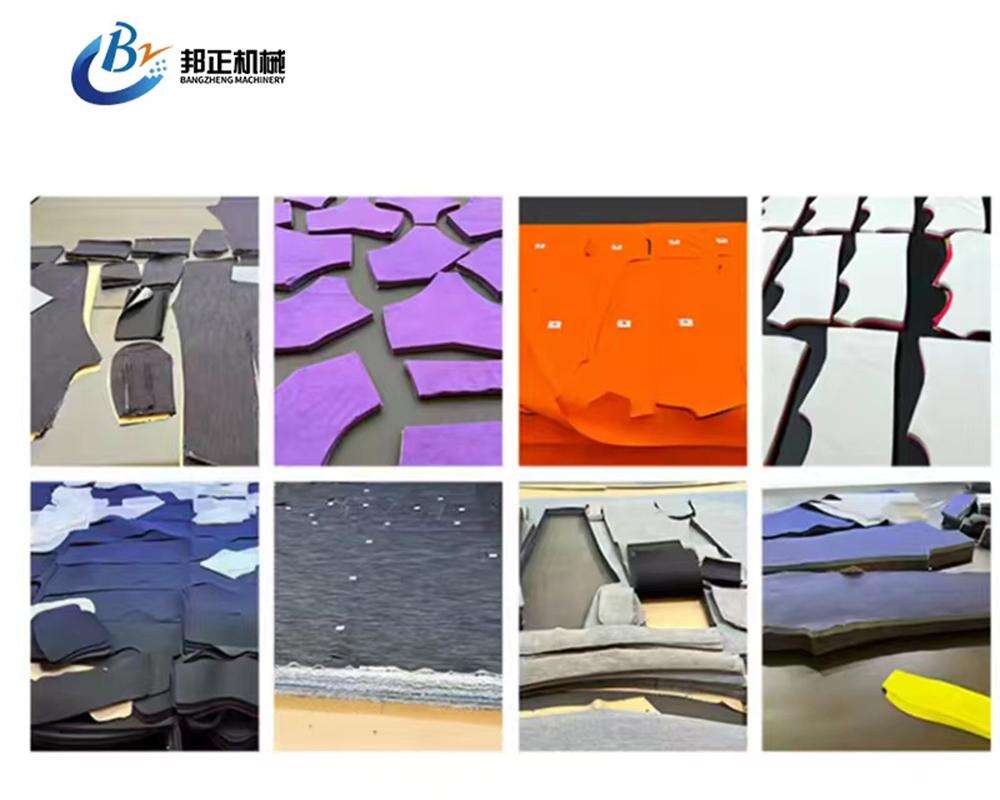
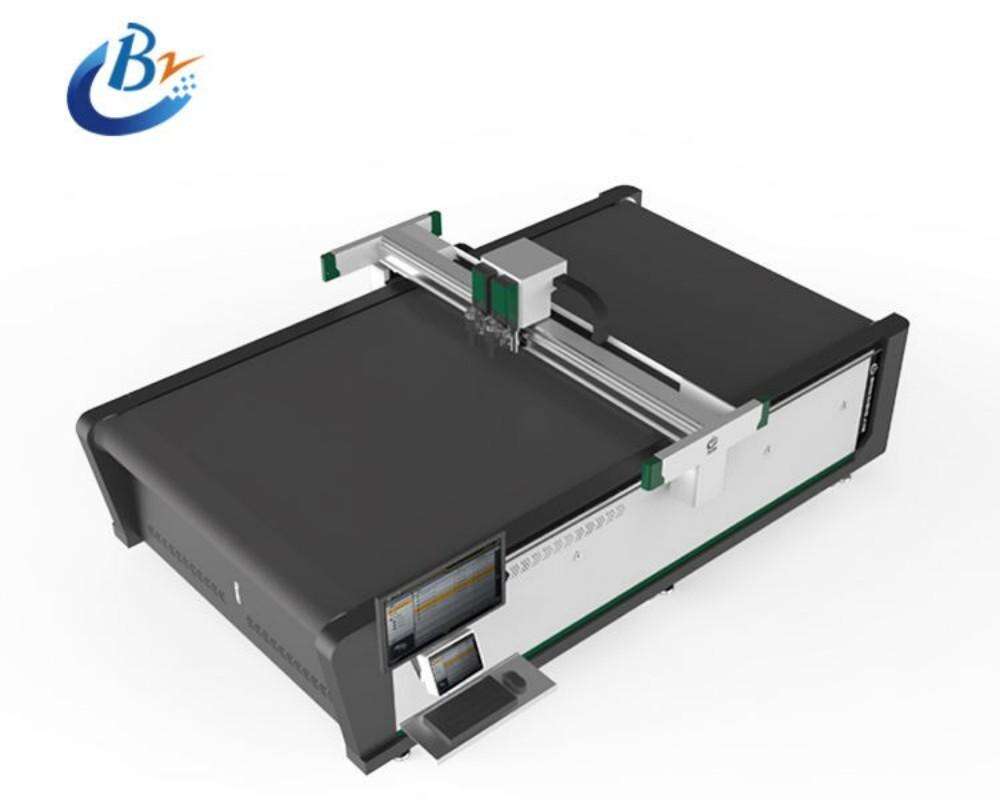
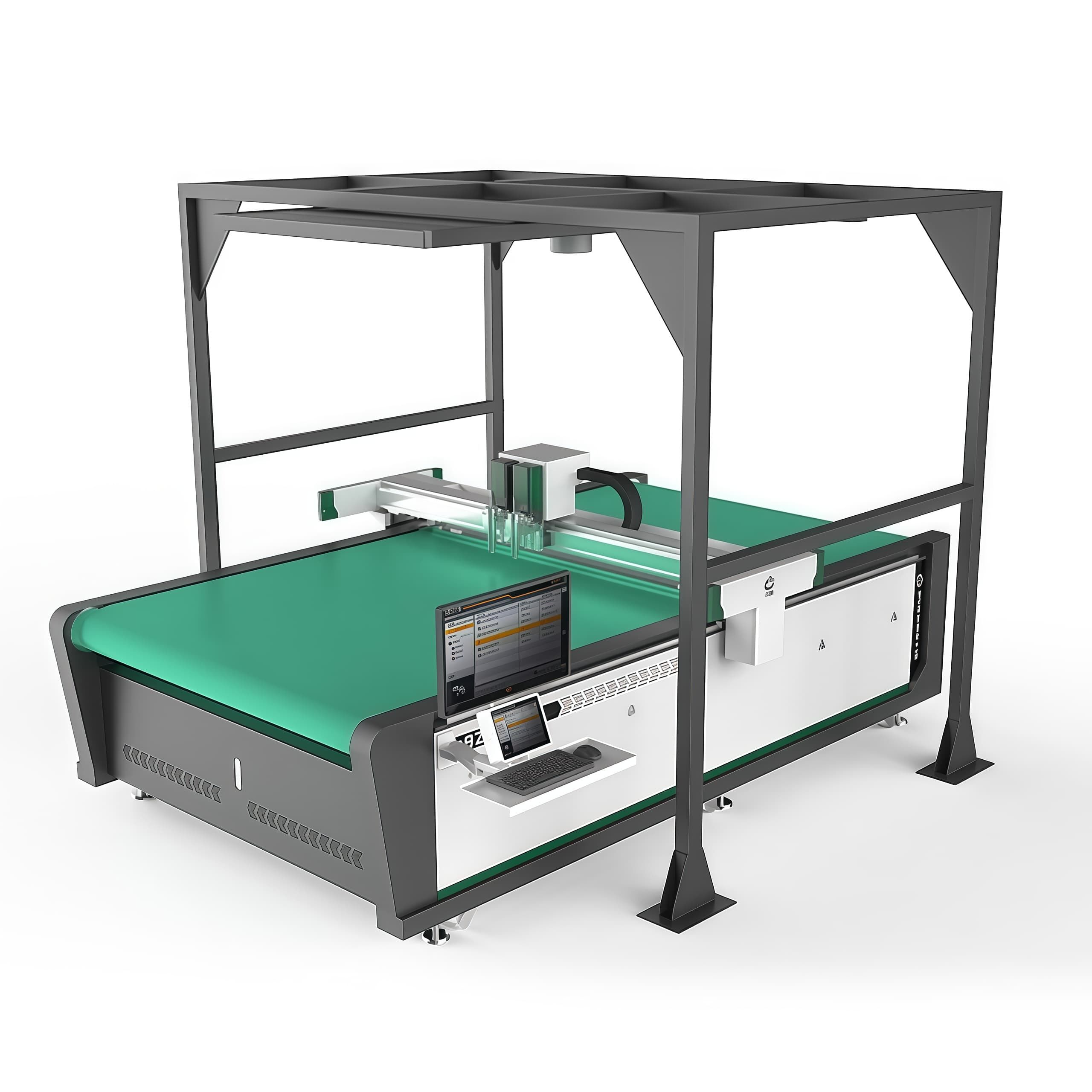
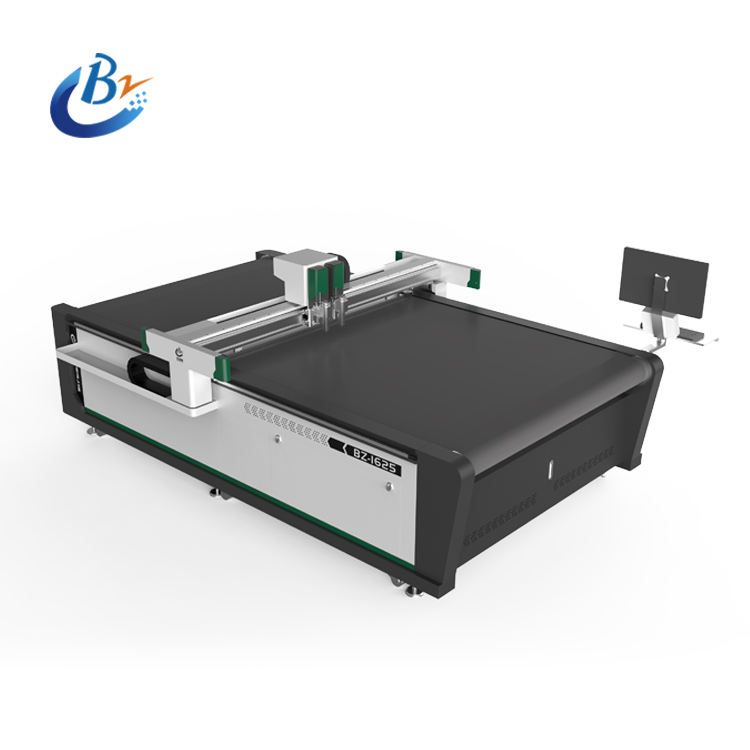
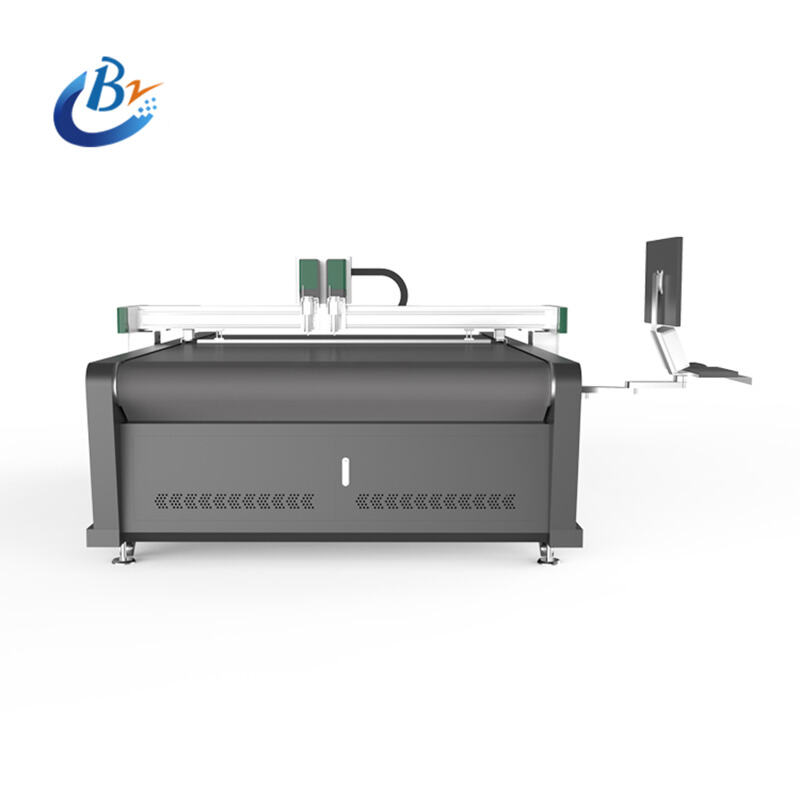
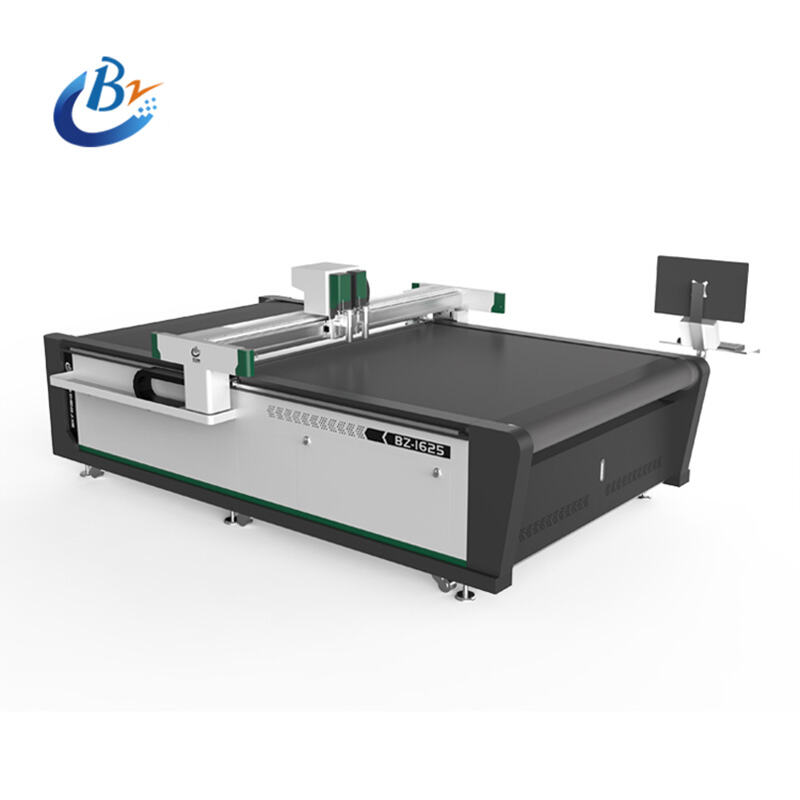
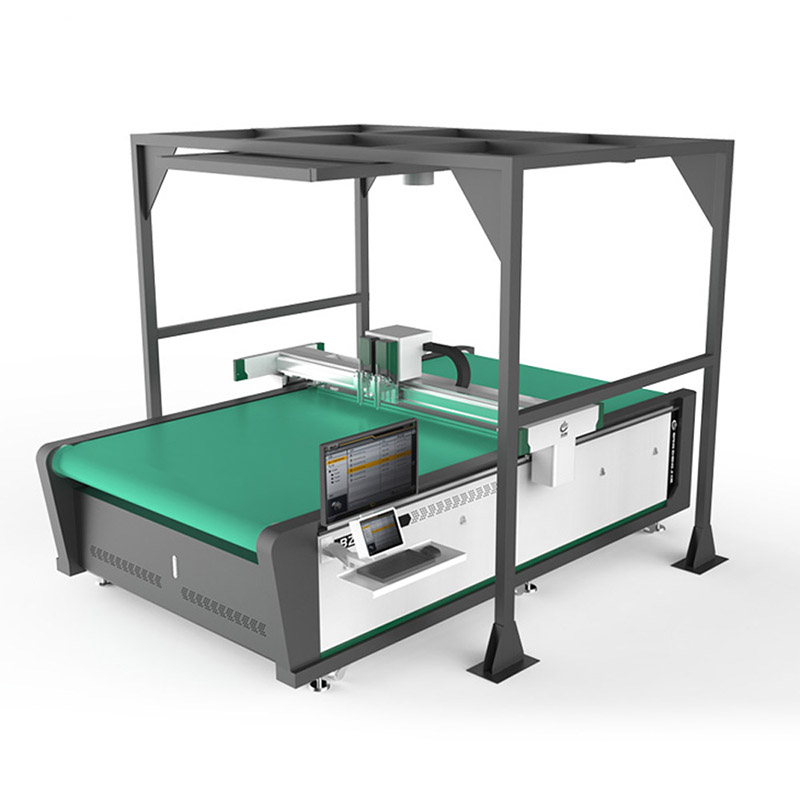
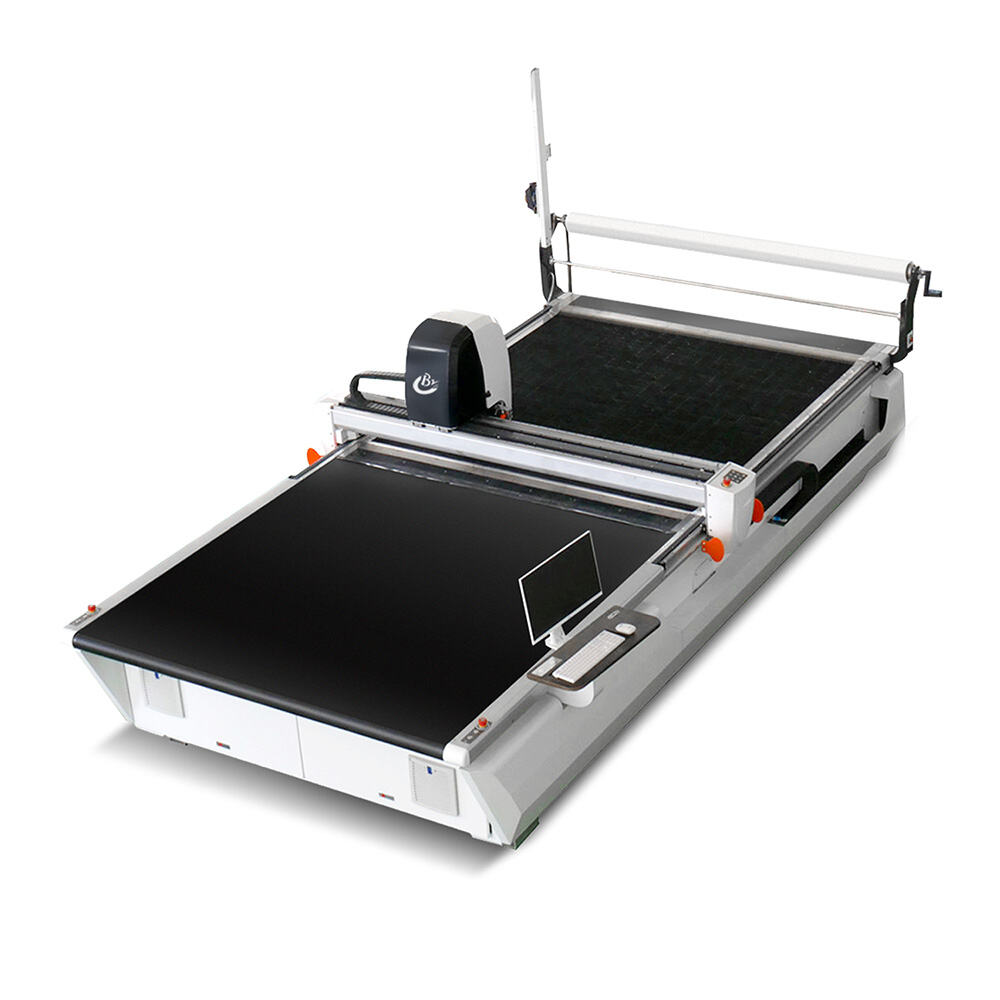
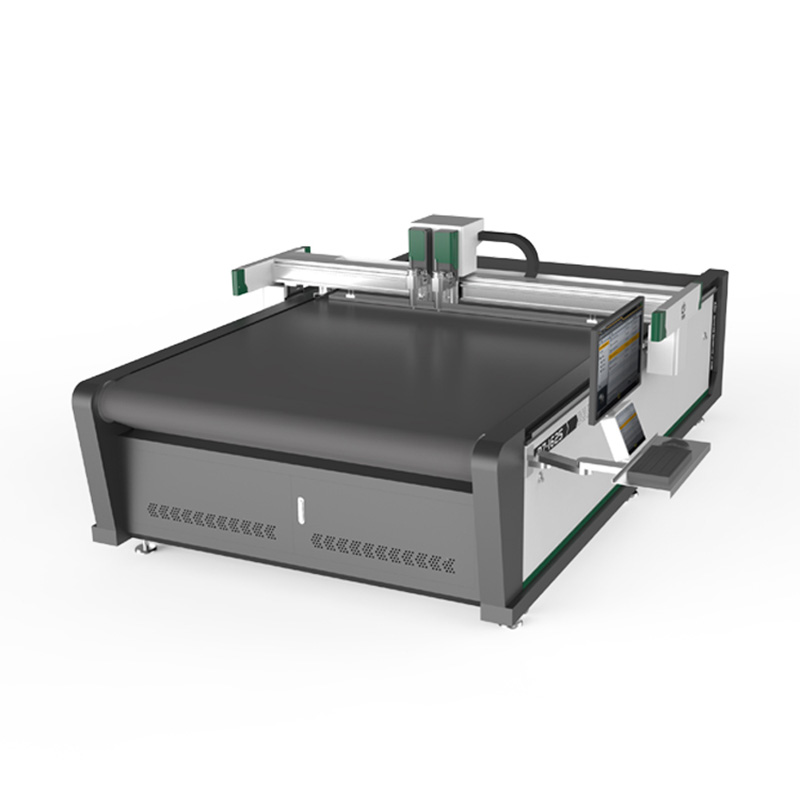
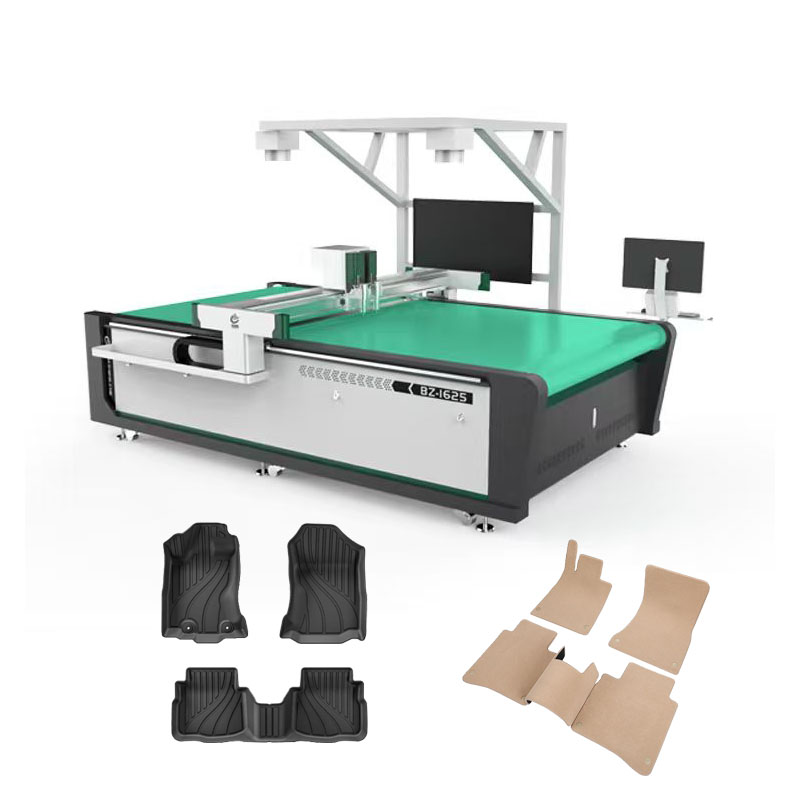
The versatile multi-material processing capabilities of the automatic textile cutter for garments establish it as an indispensable tool for diverse manufacturing environments handling various fabric types and thickness requirements. This adaptability stems from sophisticated sensor technology that automatically identifies material properties including thickness, density, stretch characteristics, and surface texture, then adjusts cutting parameters accordingly to ensure optimal results across all fabric types. The adaptive control systems continuously monitor cutting conditions and make real-time adjustments to blade speed, pressure, and feed rate based on material response, ensuring clean cuts regardless of whether processing lightweight silk, medium-weight cotton, or heavy denim materials. Multi-layered cutting capabilities allow simultaneous processing of up to 50mm fabric stacks, dramatically increasing productivity while maintaining individual piece accuracy. The automatic textile cutter for garments incorporates specialized cutting modes for challenging materials including leather, vinyl, technical textiles, and composite fabrics used in performance garments. Temperature-controlled cutting heads prevent heat buildup that could damage synthetic materials, while variable vacuum systems accommodate different fabric weights and surface textures. The versatility extends to pattern complexity, handling everything from simple geometric shapes to intricate lace patterns with equal precision. Modular tooling systems enable quick changeovers between different cutting applications, with automatic tool recognition ensuring correct operating parameters are applied instantly. The adaptive control technology compensates for material variations within single cutting runs, automatically adjusting for thickness changes, stretch differences, and surface irregularities that commonly occur in natural fibers. This capability eliminates the need for material pre-sorting and reduces setup times significantly. The automatic textile cutter for garments features specialized handling systems for problematic materials including slippery fabrics, stretchy knits, and delicate laces that require careful tension control. Digital material libraries store optimal cutting parameters for hundreds of fabric types, enabling instant setup when switching between different materials. The system's learning capabilities continuously update these libraries based on actual cutting results, improving performance over time. Advanced nesting algorithms consider material-specific constraints such as grain direction, pattern matching requirements, and stretch orientation to optimize layout efficiency while respecting fabric properties. This comprehensive approach to multi-material processing makes the automatic textile cutter for garments suitable for facilities producing diverse product ranges without requiring multiple specialized cutting systems, significantly reducing capital investment requirements while maximizing operational flexibility.

 EN
EN