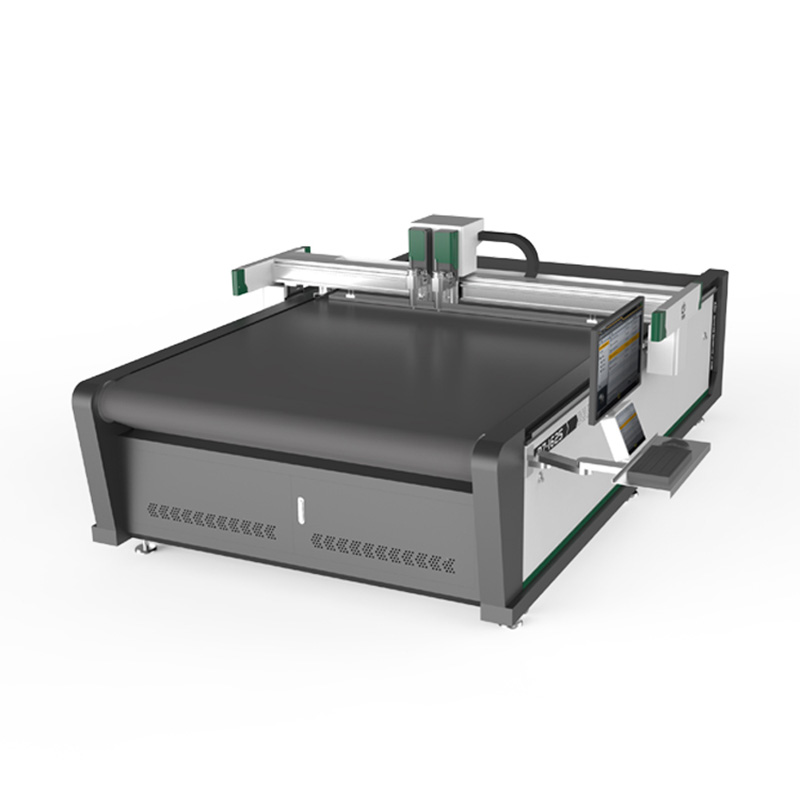
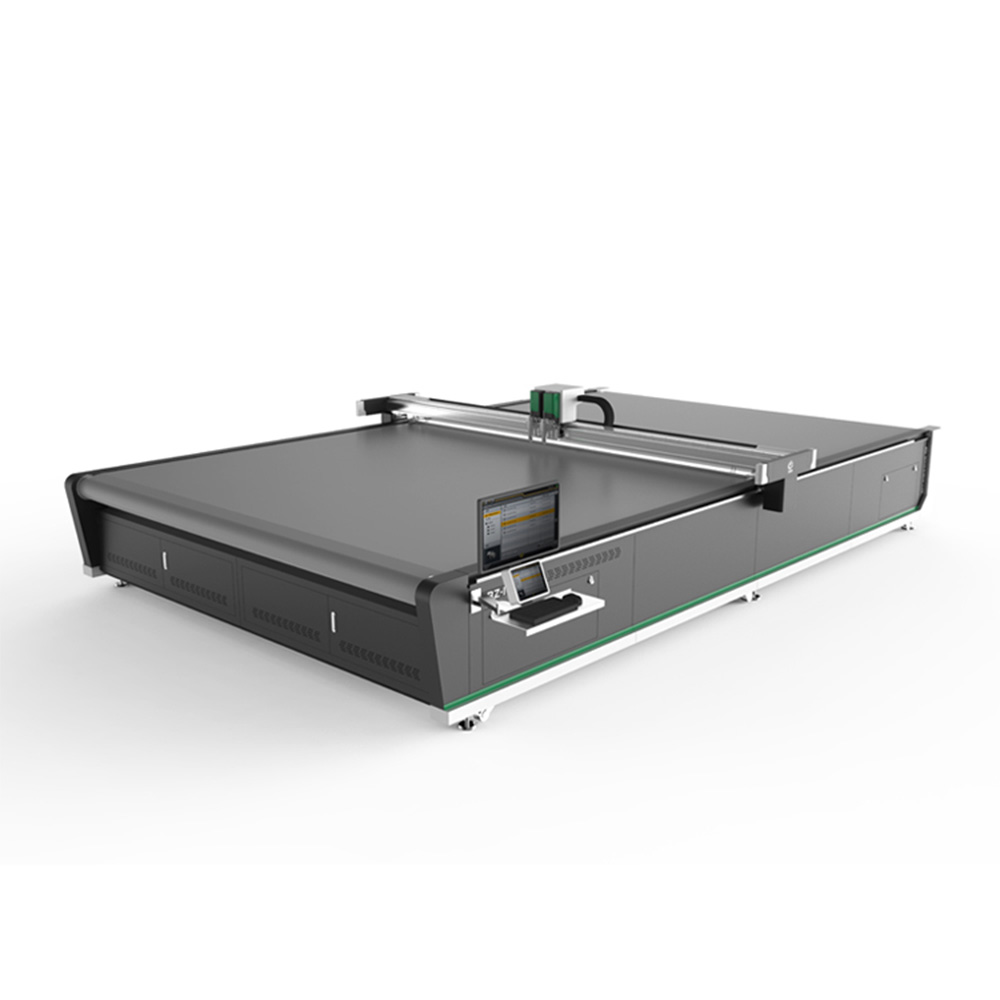
automatic fabric cutter
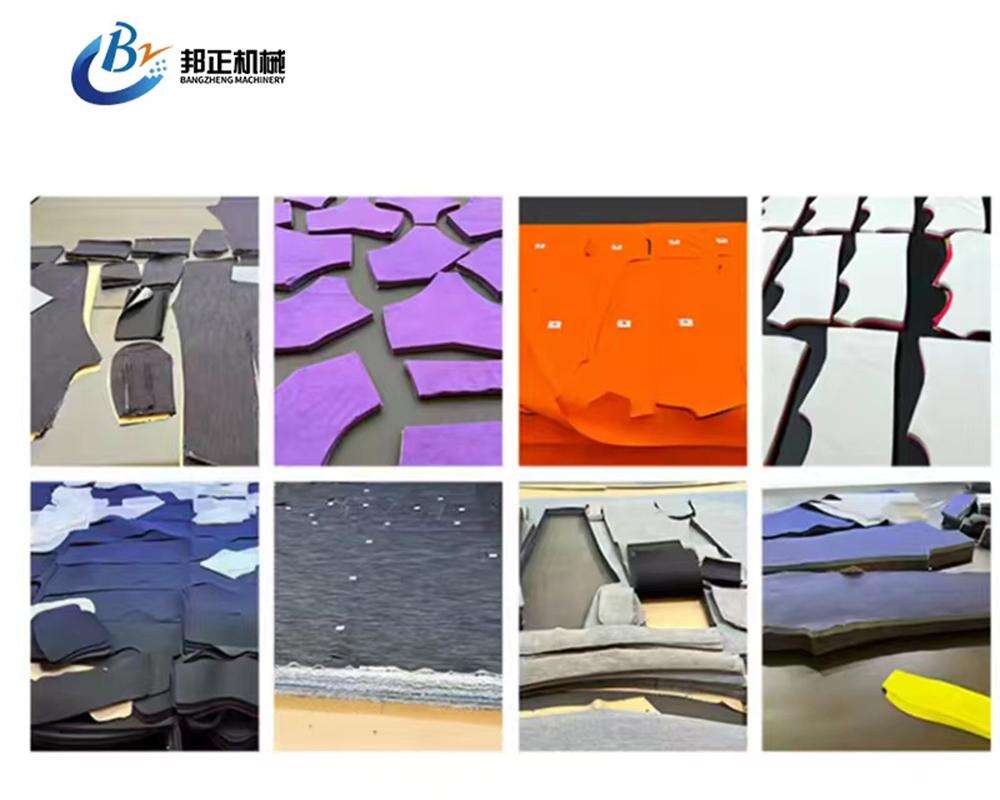
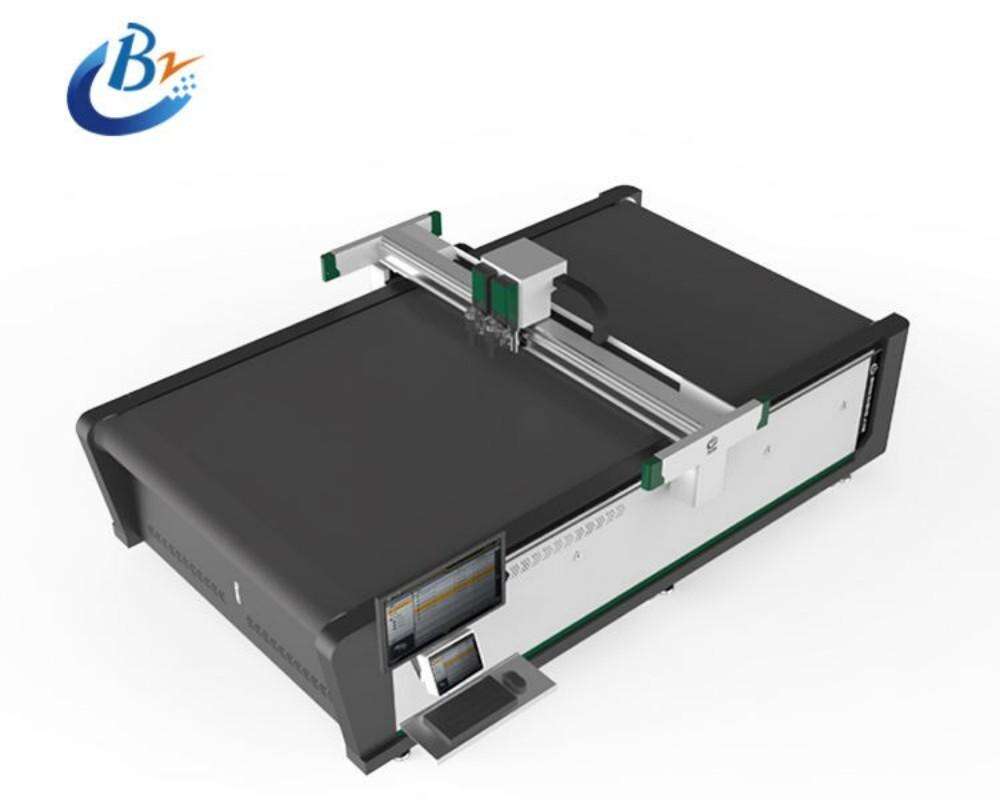
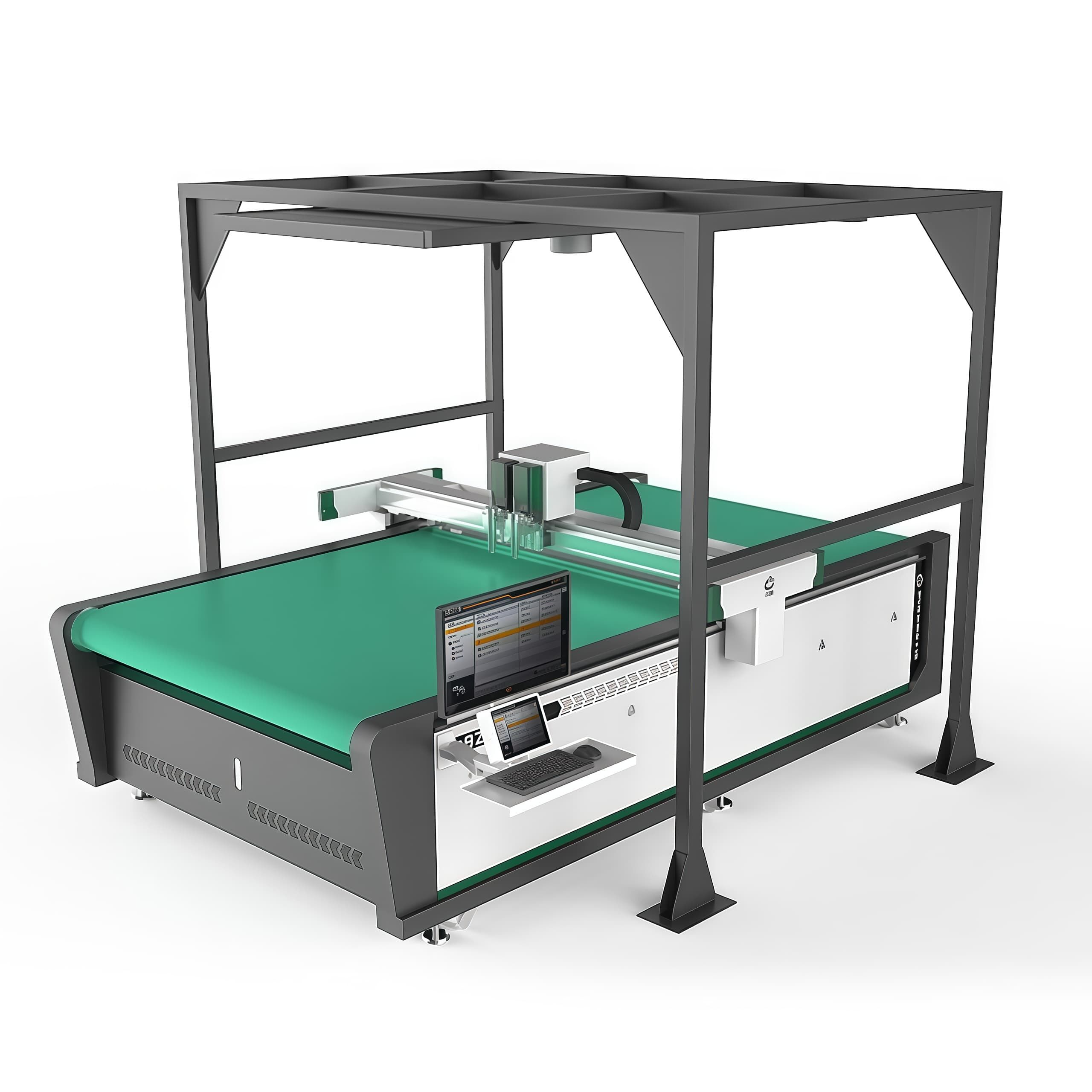
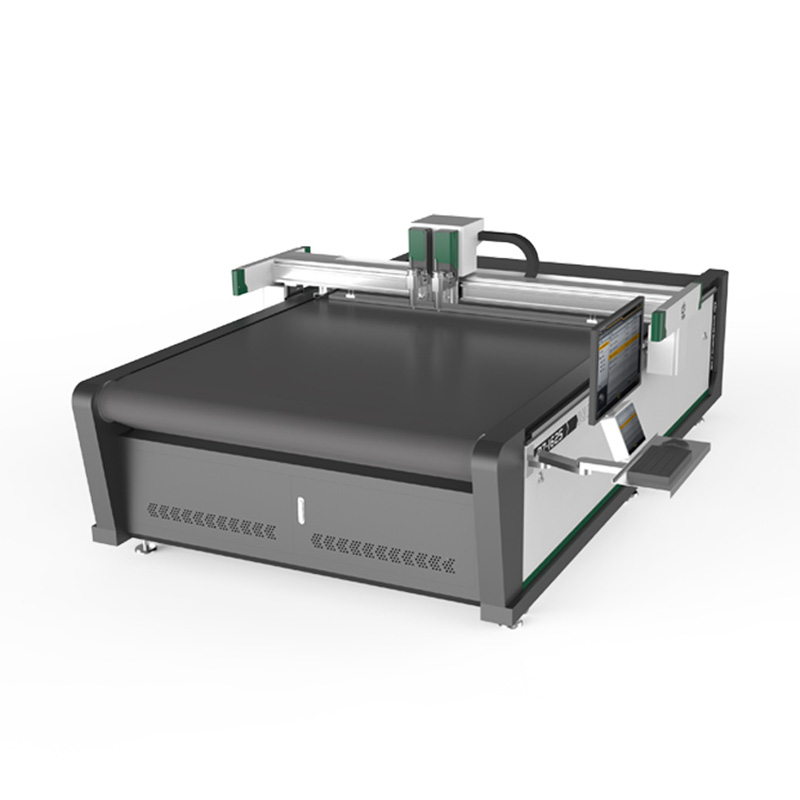
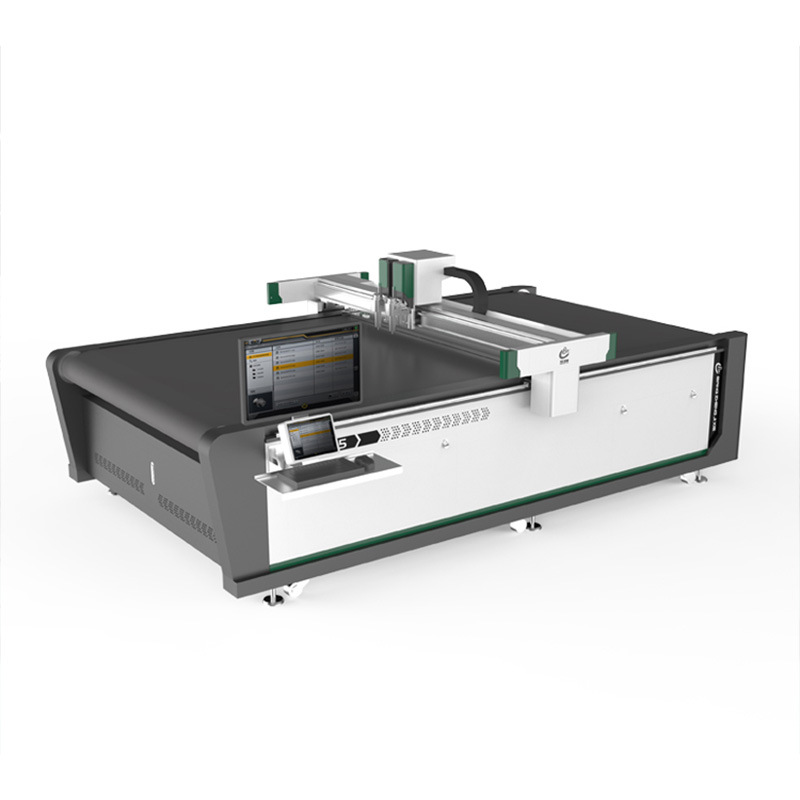
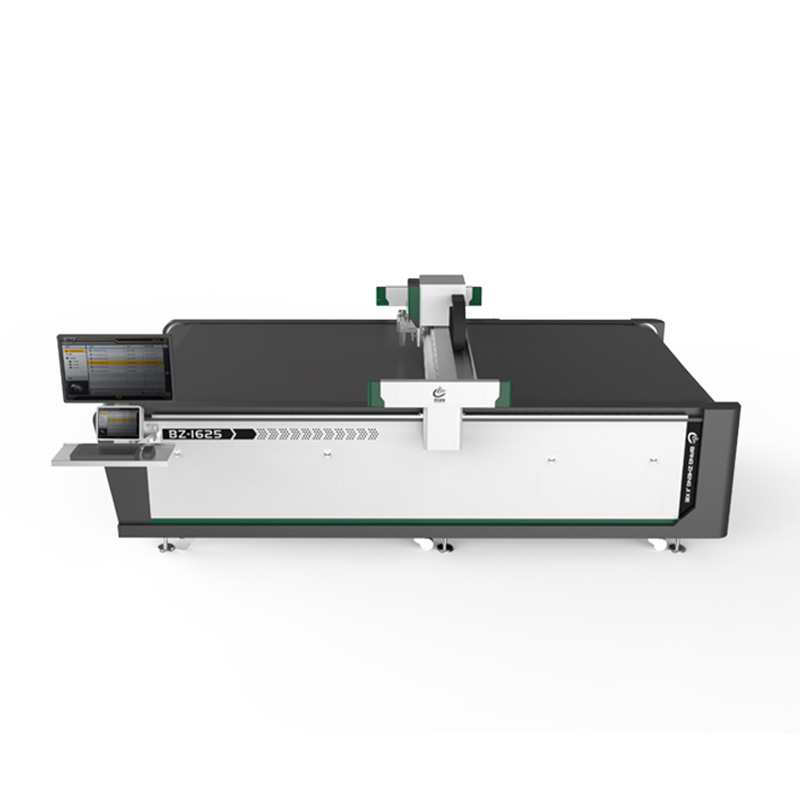
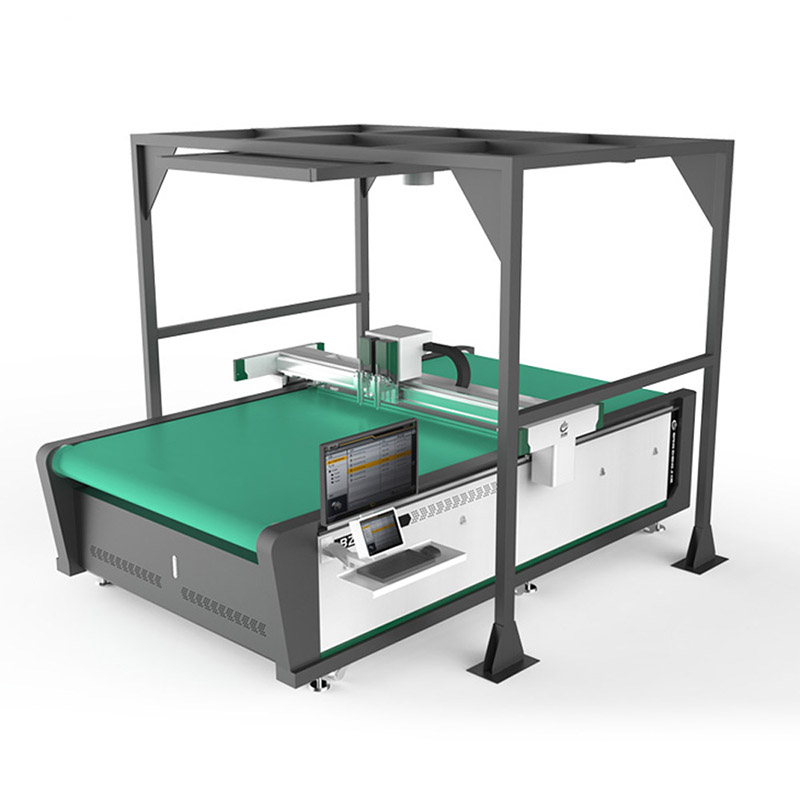
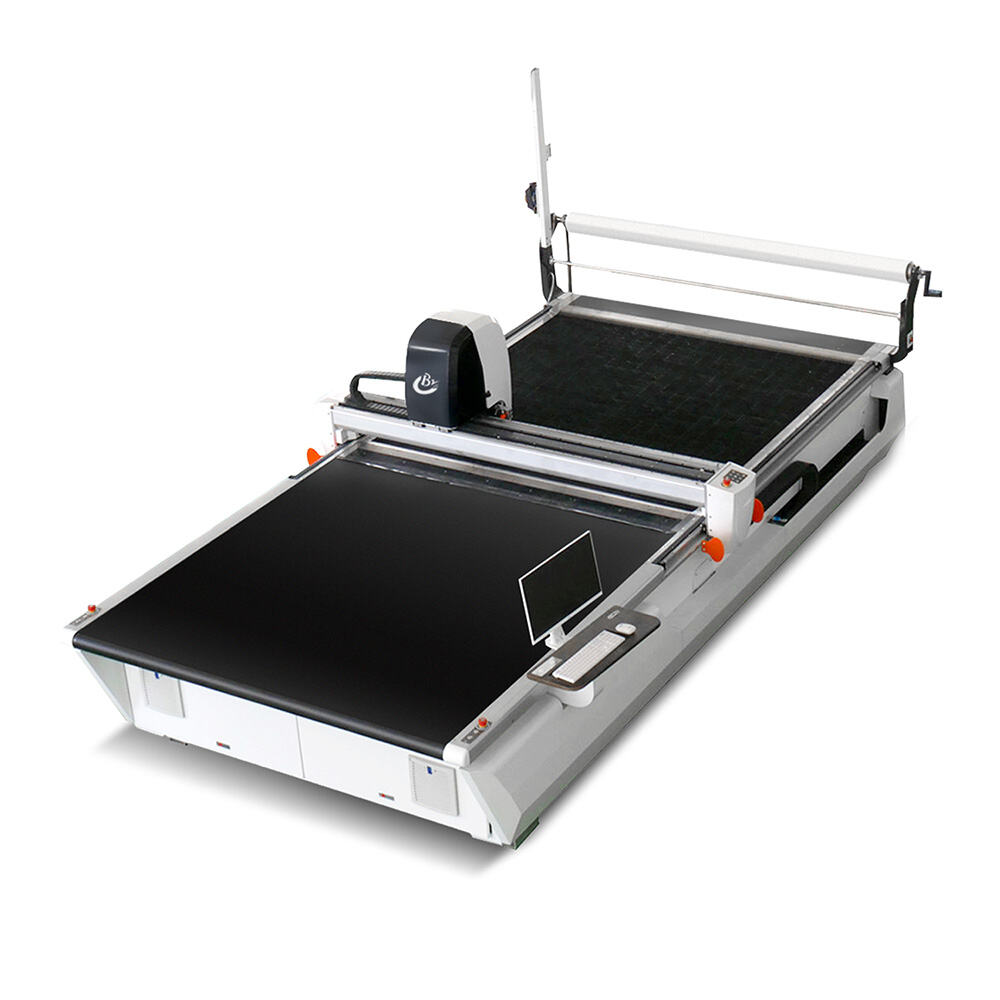
An automatic fabric cutter represents a revolutionary advancement in textile manufacturing and garment production, combining precision engineering with intelligent automation to transform how fabrics are processed. This sophisticated machinery utilizes computer-controlled cutting systems to slice through various fabric types with exceptional accuracy and consistency. The automatic fabric cutter operates through advanced CAD/CAM integration, allowing manufacturers to upload digital patterns directly to the system for seamless execution. Modern automatic fabric cutter models feature multi-layer cutting capabilities, enabling simultaneous processing of multiple fabric layers while maintaining precise alignment and edge quality. The technology incorporates high-speed oscillating blades, rotary cutters, or laser cutting mechanisms depending on the specific application requirements. These systems excel in handling diverse materials including cotton, polyester, silk, denim, leather, and technical textiles. The automatic fabric cutter integrates sophisticated sensors and monitoring systems that detect fabric thickness, density variations, and potential defects during the cutting process. Advanced models include automatic material feeding systems, vacuum hold-down tables, and computerized nesting software that optimizes material utilization. The cutting head movements are controlled by precise servo motors and linear guides, ensuring smooth operation and minimal vibration. Safety features are paramount in automatic fabric cutter design, incorporating emergency stops, protective barriers, and automatic blade retraction systems. The technology supports various cutting patterns from simple geometric shapes to complex curved designs, making it versatile for diverse manufacturing applications. Quality control mechanisms built into the automatic fabric cutter include real-time monitoring of cutting parameters, blade condition assessment, and automatic adjustment capabilities. These systems significantly reduce material waste through optimized cutting layouts and precise execution, contributing to sustainable manufacturing practices and improved profitability.

 EN
EN