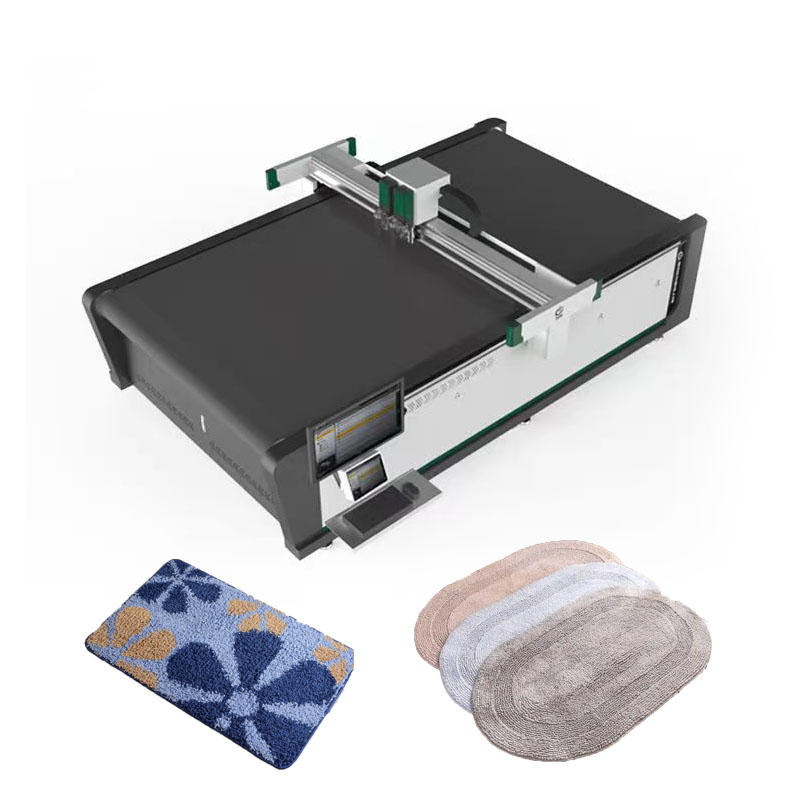
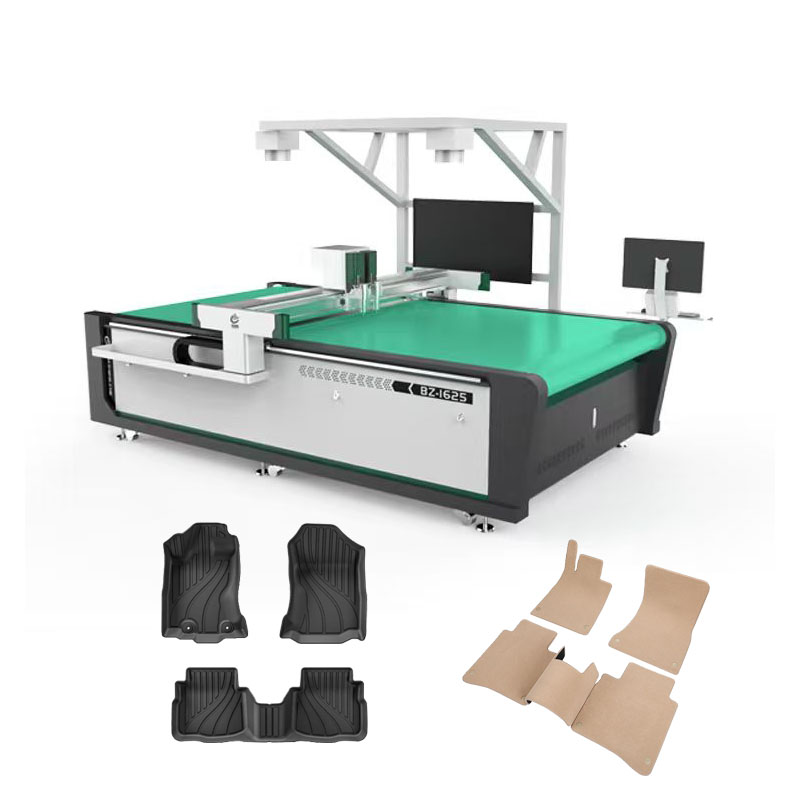
Seamless Production Integration and Workflow Automation
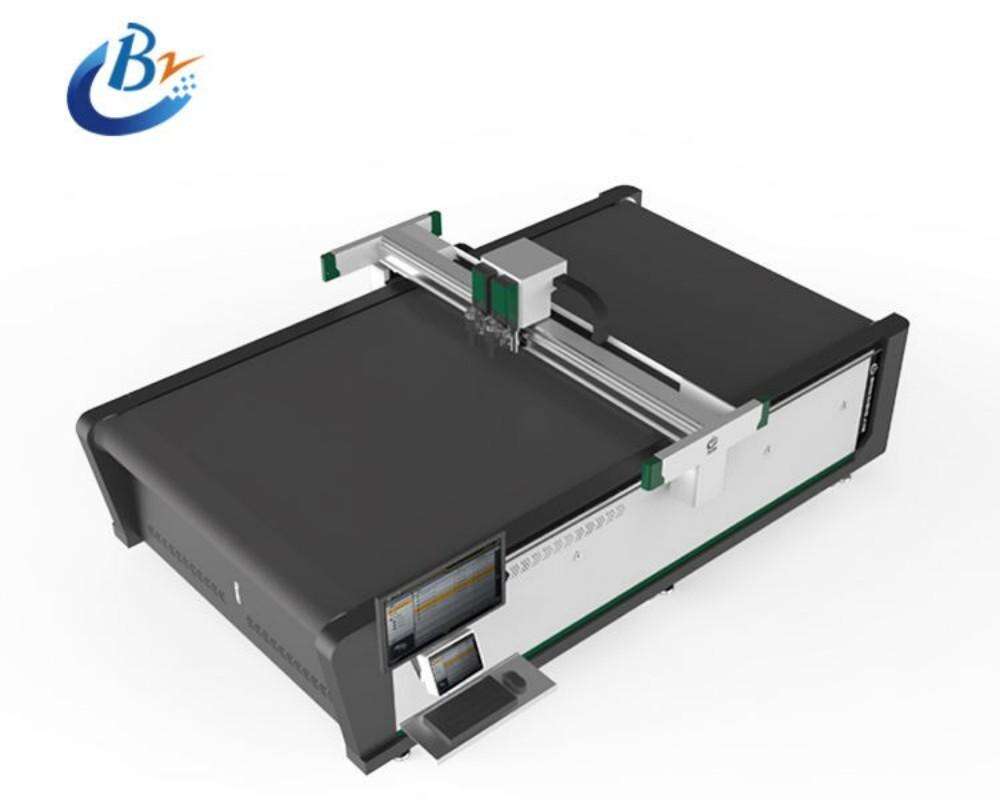
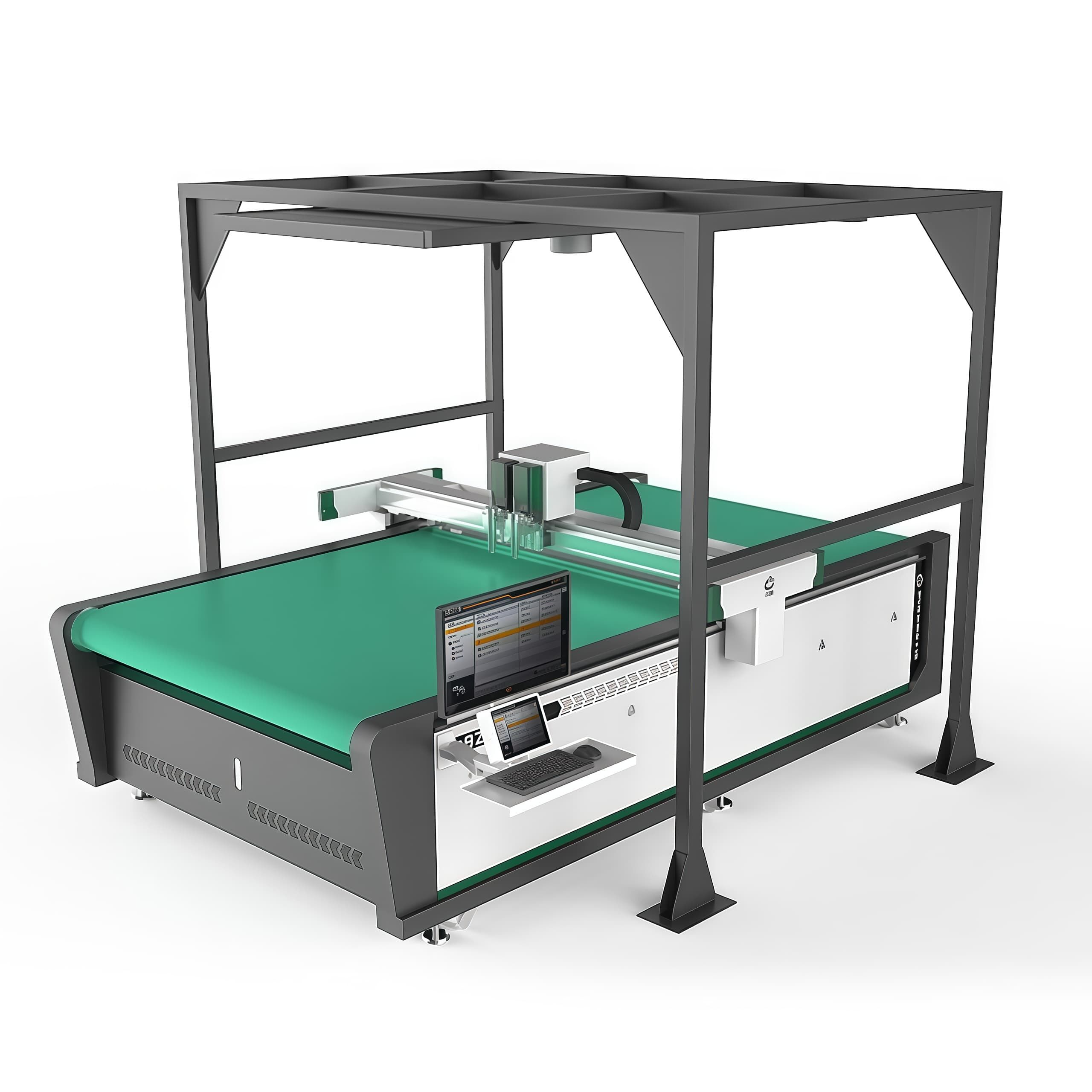
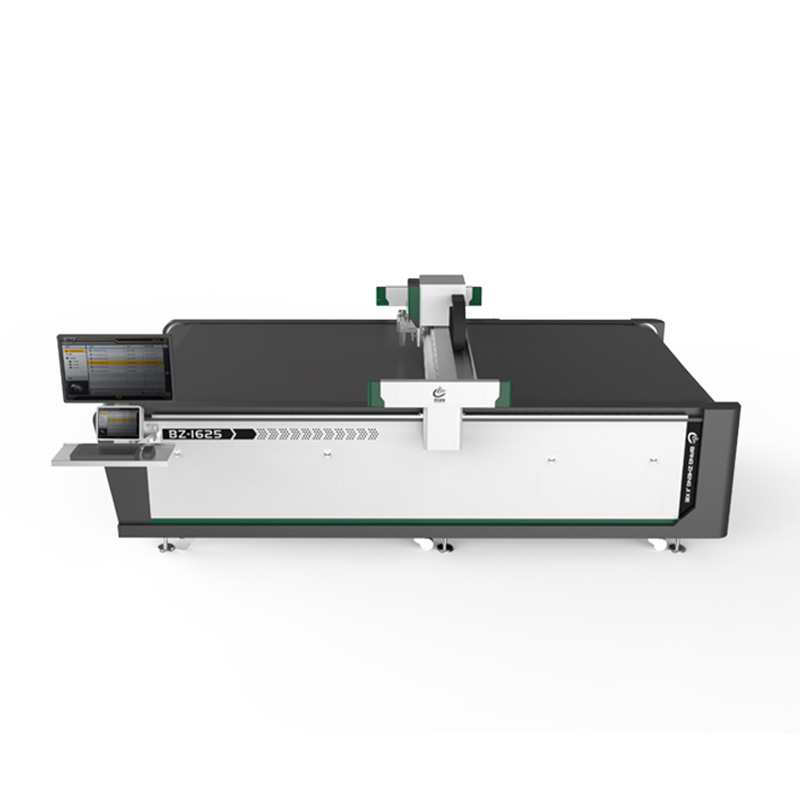
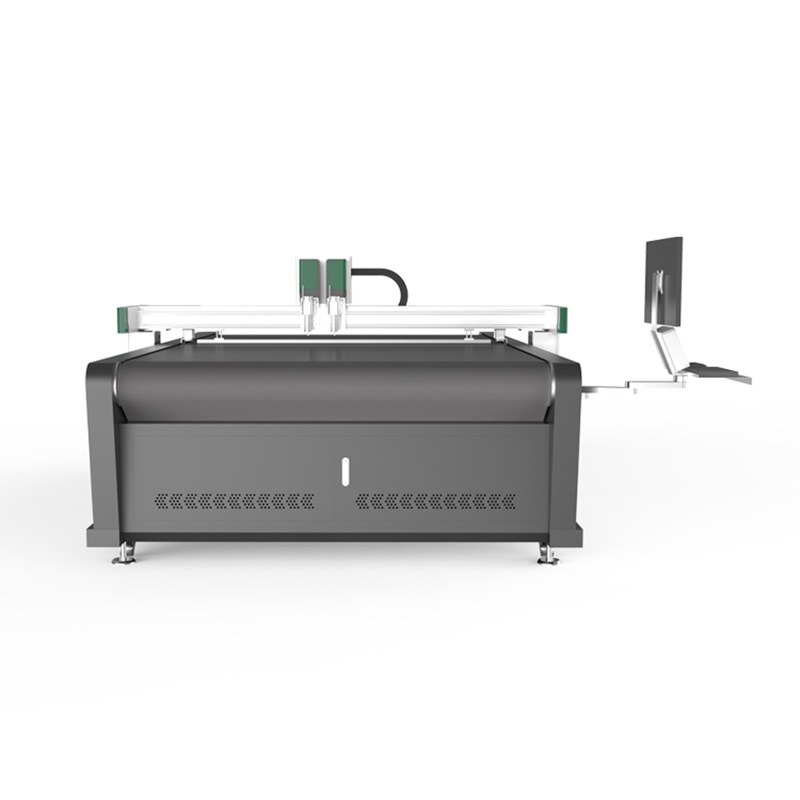
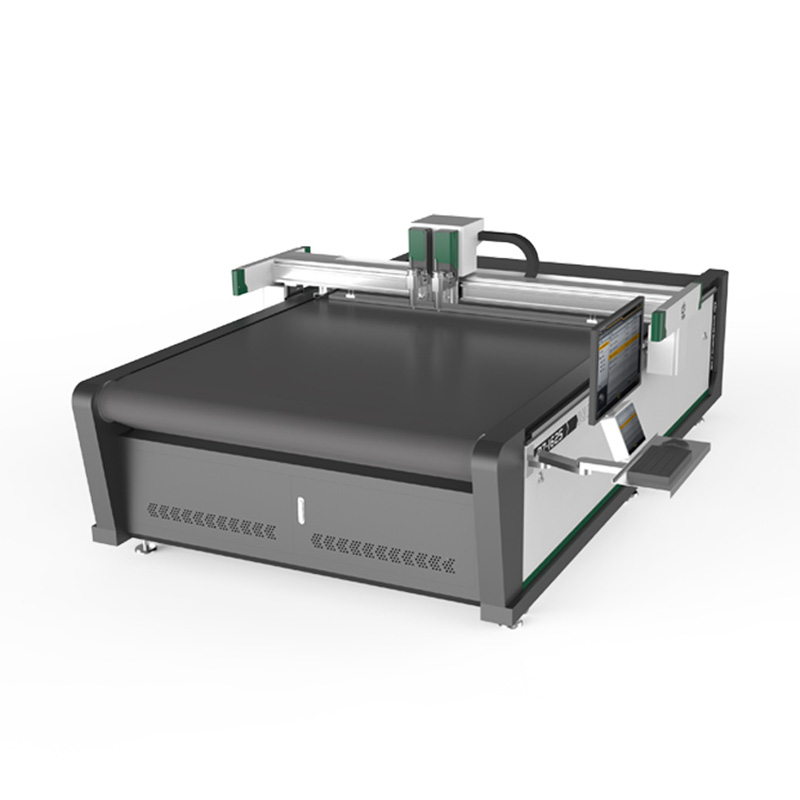
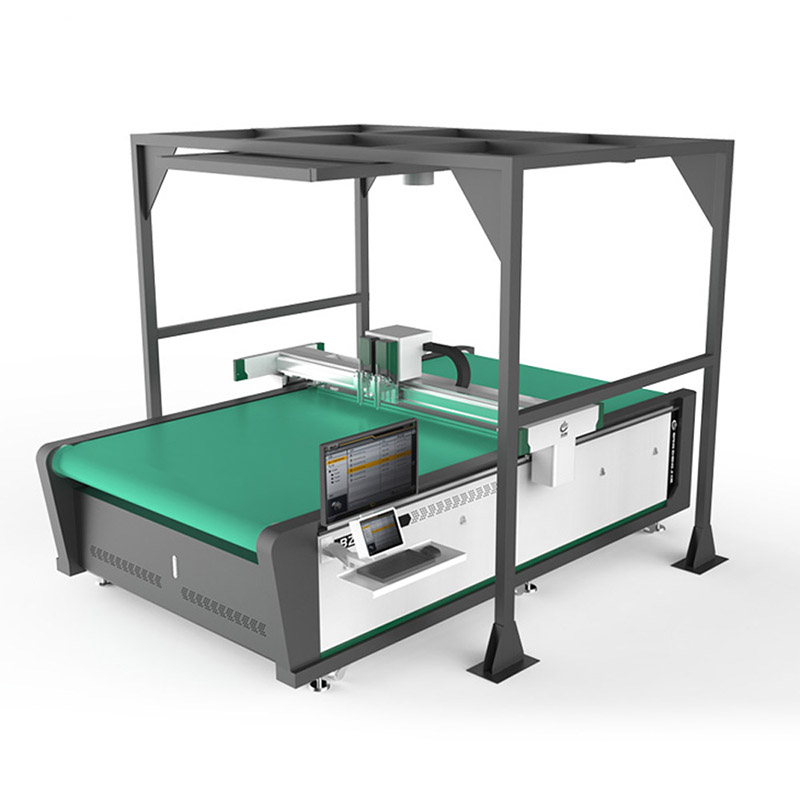
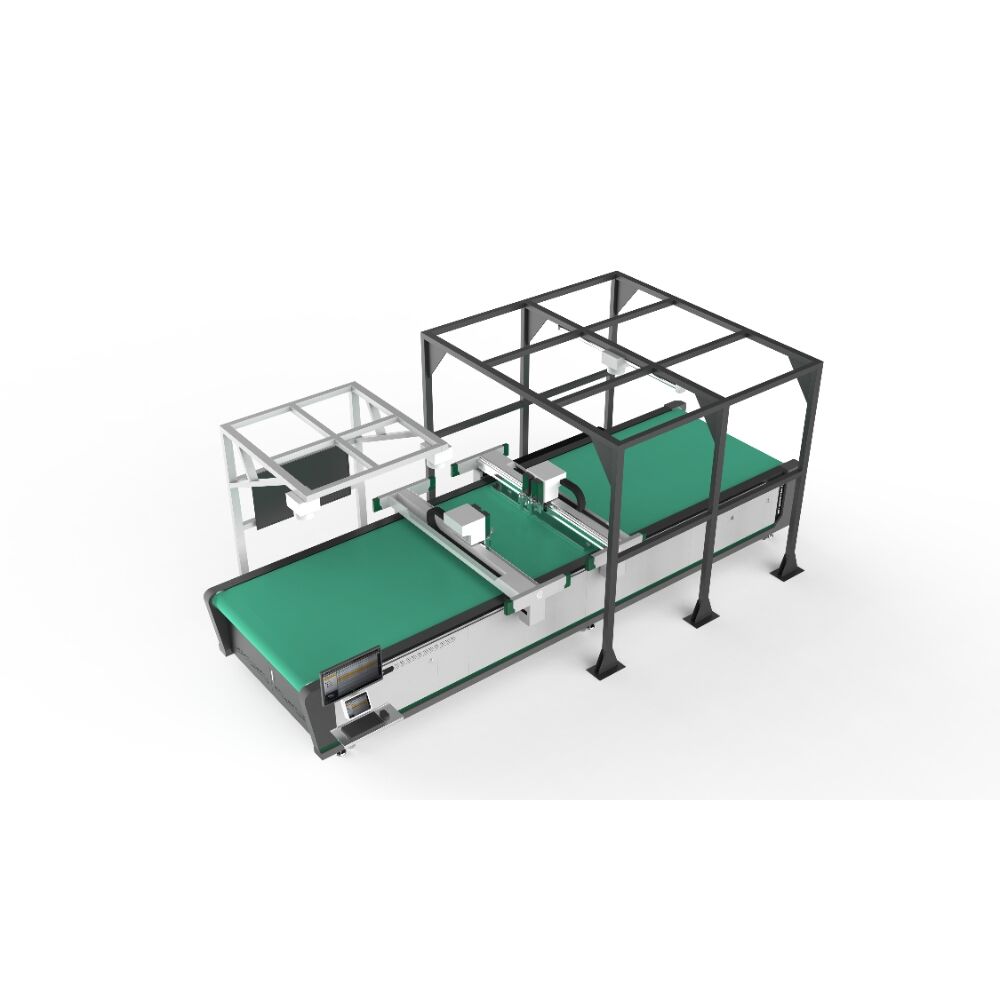
The auto fabric cutter excels in seamless production integration and workflow automation, providing manufacturers with comprehensive connectivity solutions that enhance overall manufacturing efficiency and coordination capabilities. This integration framework enables direct communication with enterprise resource planning systems, production scheduling software, and quality management platforms, creating a unified manufacturing ecosystem that optimizes resource allocation and production flow. The equipment features multiple communication protocols including Ethernet, USB, and wireless connectivity options, ensuring compatibility with existing factory automation systems and enabling remote monitoring and control capabilities. Automated material handling systems work in conjunction with the auto fabric cutter to create continuous production lines that minimize manual intervention and reduce processing time between operations. The workflow automation capabilities include automatic job queuing, priority scheduling, and resource allocation optimization that maximizes equipment utilization while meeting delivery deadlines. Real-time production monitoring provides instant visibility into cutting progress, material consumption, and quality metrics, enabling proactive management decisions and immediate response to production challenges. The system generates comprehensive production reports that integrate with business intelligence platforms, providing detailed analytics on productivity trends, cost analysis, and performance benchmarks. Automated quality control integration ensures that cut pieces meet specifications before advancing to subsequent production stages, reducing rework and improving overall product quality. The auto fabric cutter communicates directly with inventory management systems to track material consumption and automatically trigger reorder points when stock levels reach predetermined thresholds. Integration with shipping and logistics systems enables automatic order prioritization based on delivery requirements and customer preferences. The equipment supports batch processing capabilities that optimize cutting sequences based on material availability, production capacity, and delivery schedules. Predictive scheduling algorithms analyze historical production data to forecast completion times and identify potential bottlenecks before they impact production flow. This comprehensive integration approach transforms the auto fabric cutter from a standalone cutting tool into a central component of an intelligent manufacturing ecosystem that delivers superior efficiency, quality, and responsiveness to market demands while reducing operational complexity and improving profitability.

 EN
EN