
 EN



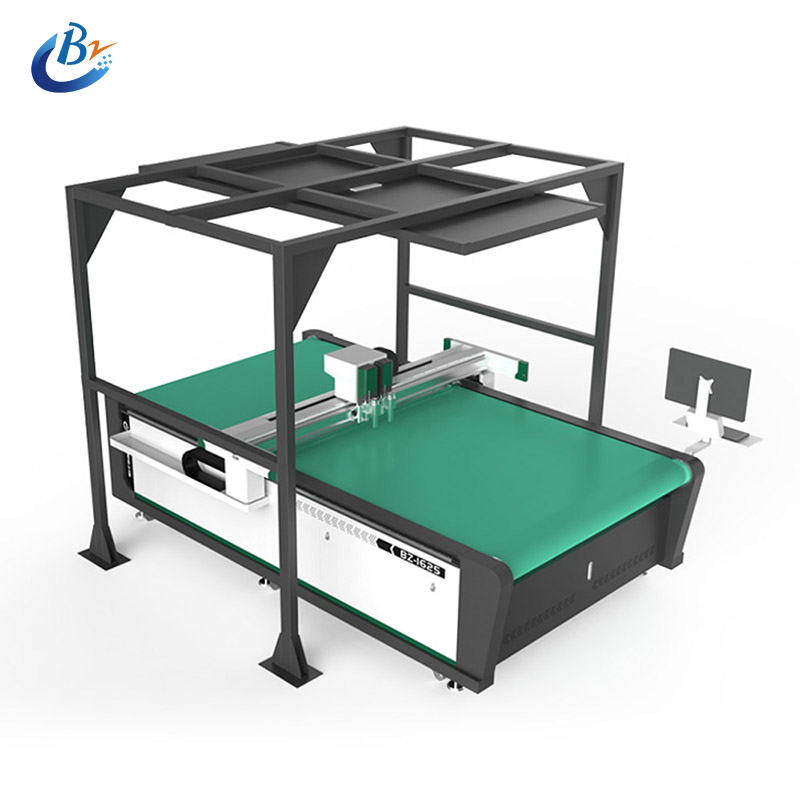
Natural hides vary in shape, thickness, grain, and visible defects, so maximizing yield depends on more than cutting patterns close together. A cnc leather cutting machine with a vision system can map each hide, identify usable areas, and position patterns around natural limitations. The result is a more informed cutting plan that helps operators balance material use with part quality.
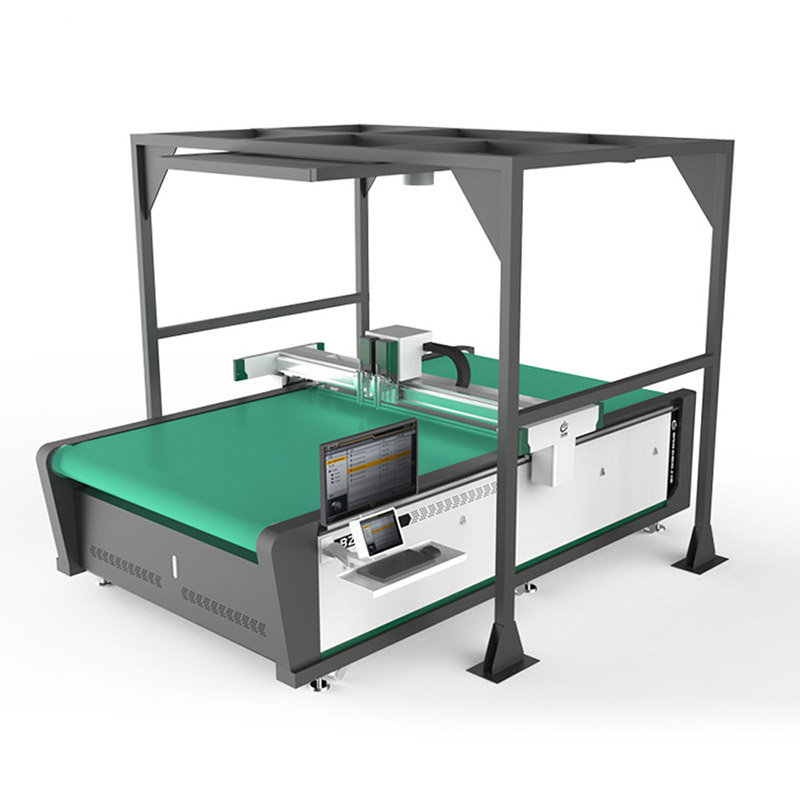
The central advantage is coordination: the camera or scanning setup captures hide characteristics, software translates them into usable cutting information, and the cnc leather cutting machine follows a layout suited to the job. This process cannot make every hide uniform, but it can reduce avoidable waste and make yield decisions more consistent across production runs.
How vision turns hide variation into cutting data
Capture the hide outline and usable zones
A vision-guided cnc leather cutting machine begins by detecting the hide boundary and establishing its position on the cutting surface. Accurate outline capture matters because hides are irregular rather than rectangular. A reliable digital shape gives the nesting process a realistic workspace, helping the cnc leather cutting machine avoid planning parts outside the material edge.
The system can also help operators distinguish usable zones from areas that need attention. Depending on the inspection setup and production rules, a cnc leather cutting machine may use marked regions, operator inputs, or image-based detection to record scars, holes, wrinkles, and other visible features. This map gives the cutting plan context that a simple outline cannot provide.
Connect defects to part quality requirements
Not every mark makes leather unusable. A cnc leather cutting machine is most effective when the defect map is interpreted against the appearance and strength requirements of each component. A hidden interior panel may tolerate a feature that would be unacceptable on a prominent outer panel, so the cnc leather cutting machine needs suitable rules for different part categories.
Operator review remains valuable, especially when color variation or subtle grain changes affect acceptance. The cnc leather cutting machine can present a visual layout for confirmation before cutting, letting experienced staff correct uncertain boundaries or classifications. Combining machine consistency with human judgment helps the cnc leather cutting machine use more of the hide without placing questionable material in a high-visibility component.
How optimized nesting improves usable yield
Place patterns according to shape and priority
Once the hide map is available, nesting software arranges pattern pieces within its usable regions. A cnc leather cutting machine can consider part shape, orientation, defect exclusions, and order requirements together. This is more practical than treating every pattern as a fixed rectangle, and it helps the cnc leather cutting machine use spaces between curved edges more deliberately.
Part priority should reflect product design, not just area. Large visible panels may need cleaner zones, while smaller concealed pieces can fit around less ideal regions. When rules are configured appropriately, a cnc leather cutting machine can reserve premium areas for sensitive parts and place less appearance-critical components elsewhere. That makes the cnc leather cutting machine a tool for controlled allocation, not merely tighter packing.
Balance material savings with cut quality
The tightest possible layout is not always the best production layout. A cnc leather cutting machine must preserve spacing that suits the cutting method, tool path, and edge quality requirements. If pieces are placed too close, handling or cutting constraints may compromise parts. Yield optimization should therefore let the cnc leather cutting machine balance material use against reliable, repeatable component quality.
The software can also support different nesting priorities for different orders. A cnc leather cutting machine may favor high-priority parts, a target quantity, or reduced leftover fragments, depending on the production plan. Reviewing these alternatives allows teams to choose a layout based on actual job needs. In this way, the cnc leather cutting machine helps turn yield into a managed production decision rather than a single percentage.
How to make vision-based yield gains repeatable
Standardize scanning, inspection, and operator checks
Consistent inputs are essential. Keep hide placement, lighting, scanning distance, and inspection practices as stable as the workflow allows, then verify the captured outline before cutting. A cnc leather cutting machine can only plan from the data it receives, so routine checks prevent a misplaced hide or incomplete defect map from undermining the intended layout.
Set clear defect categories and acceptance rules for each product family. Train operators to identify when the vision result needs review, and record corrections so procedures can improve over time. These steps help a cnc leather cutting machine apply the same logic from shift to shift, while still leaving room for expert decisions when natural material behaves unpredictably.
Measure yield with quality and workflow in view
Evaluate more than the nesting screen’s estimated material use. Compare planned layouts with accepted parts, scrap, remnant usability, and rework. A cnc leather cutting machine contributes real value when improved material utilization does not create quality issues or slow production. Tracking these outcomes helps managers see whether the cnc leather cutting machine is improving the whole cutting process.
Review results by hide type, product, and pattern set because natural variation can make one average misleading. If a layout repeatedly leaves awkward remnants, update pattern priorities or defect rules. If inspection corrections are frequent, revisit scanning conditions. A cnc leather cutting machine supports continuous improvement when production data leads to practical adjustments rather than assumptions about every hide being alike.
FAQ
Can vision eliminate natural hide waste?
No. A cnc leather cutting machine cannot remove defects or make irregular hides uniform. It can identify boundaries and guide pattern placement so usable areas are allocated more deliberately. Actual savings depend on hide characteristics, product specifications, inspection accuracy, and how well the cnc leather cutting machine’s nesting rules reflect production needs.
Does an operator still need to inspect the layout?
Yes, operator review is useful when defects or appearance standards require judgment. A cnc leather cutting machine can provide a consistent mapped layout, while experienced staff can correct uncertain classifications and confirm sensitive components. This partnership helps the cnc leather cutting machine support decisions without treating image detection as a substitute for expertise.
What should a factory assess before implementation?
Assess hide handling, scanning conditions, pattern data, defect policies, and cut quality requirements. Confirm that the workflow lets the cnc leather cutting machine receive dependable inputs and gives operators time to validate layouts. A practical trial across representative hides can reveal whether the cnc leather cutting machine fits existing production goals and inspection standards.