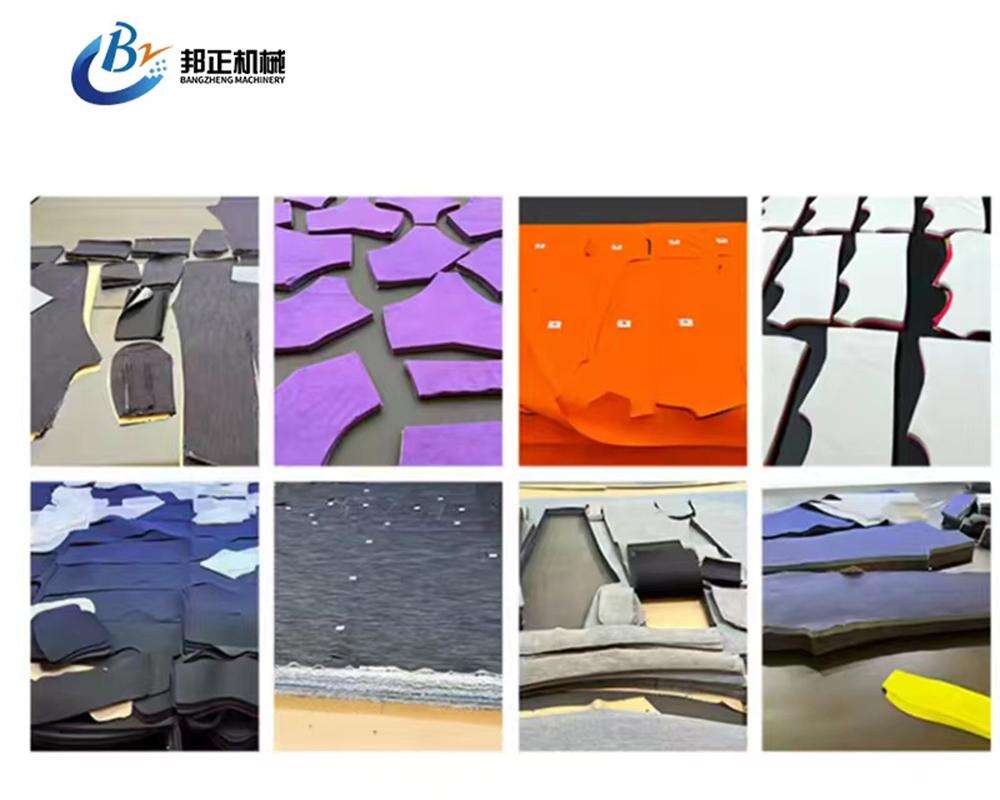
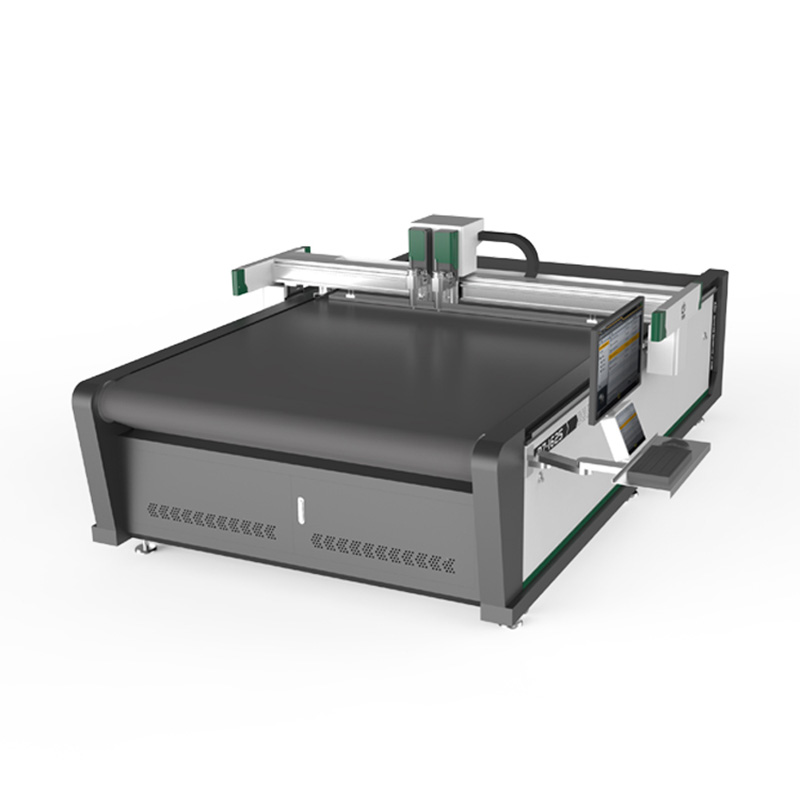
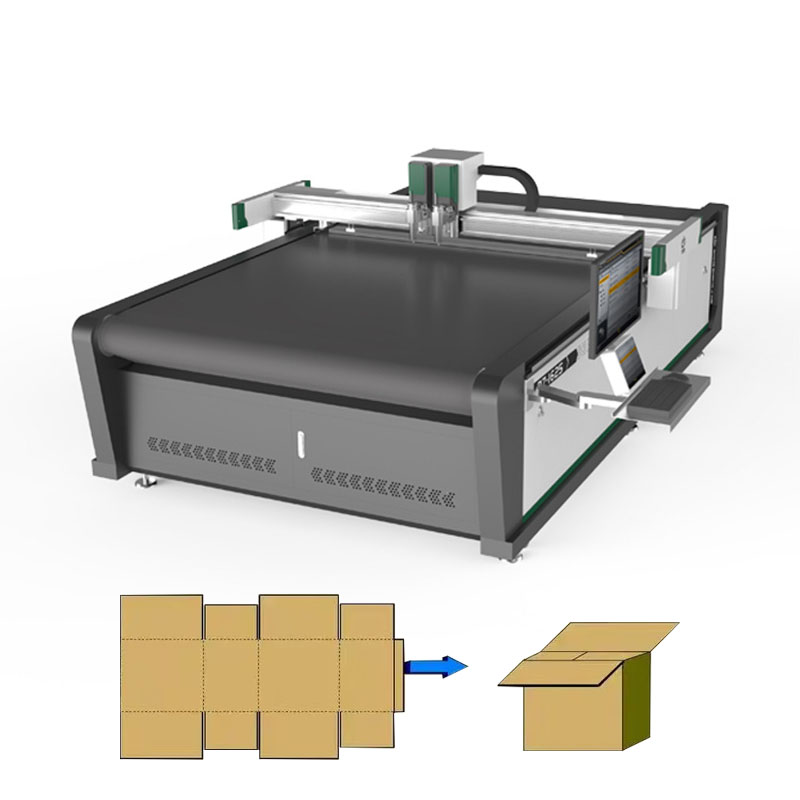
Versatile Multi-Fabric Processing Capabilities for Diverse Applications
The exceptional multi-fabric processing capabilities of advanced curtain cutting machines enable manufacturers to handle an extensive range of textile materials with optimal results, making these systems invaluable for businesses serving diverse market segments and customer requirements. This versatility stems from sophisticated engineering that accommodates varying fabric characteristics including weight, texture, stretch properties, and fiber composition through adjustable cutting parameters and specialized handling mechanisms. The machine's adaptive cutting system automatically adjusts blade pressure, cutting speed, and feed rates based on fabric specifications, ensuring optimal results whether processing lightweight voiles weighing less than 100 grams per square meter or heavy-duty blackout fabrics exceeding 500 grams per square meter. Specialized fabric handling systems prevent stretching, bunching, or distortion during the cutting process, maintaining the original drape and appearance characteristics that are crucial for high-quality curtain production. The equipment successfully processes natural fibers such as cotton, linen, and silk, which require gentle handling to preserve their texture and prevent damage to delicate fibers. Synthetic materials including polyester, nylon, and acrylic blends benefit from the machine's ability to seal cut edges, preventing fraying and eliminating the need for additional finishing processes. Technical fabrics used in commercial applications, such as flame-retardant materials and antimicrobial treatments, receive proper handling that preserves their specialized properties throughout the cutting process. The system's flexibility extends to fabric construction variations, effectively cutting woven fabrics with their stable structure, knitted materials that tend to stretch and curl, and non-woven fabrics that may have irregular edges or varying density. Pile fabrics such as velvet and corduroy require special attention to prevent crushing or directional marking, which the machine addresses through adjustable pressure systems and specialized cutting sequences that maintain pile integrity. Sheer and semi-sheer fabrics benefit from the machine's ability to handle extremely lightweight materials without causing runs, tears, or distortion that could compromise the finished product's appearance. The equipment also accommodates specialty treatments including water-resistant coatings, thermal backing, and decorative finishes that might affect cutting behavior, automatically adjusting parameters to maintain cut quality while preserving treatment integrity. This comprehensive fabric compatibility eliminates the need for multiple specialized cutting systems, reducing equipment costs and simplifying production workflows while ensuring consistent quality across all fabric types and applications.

 EN
EN